This post is sponsored by EcoScraps. However, all content presented in this post represents my own opinions.
One of the most cherished joys of summer for me is the unparalleled satisfaction of growing fresh, organic vegetables right in my backyard garden. There’s something truly magical about nurturing plants from tiny seeds or young starts into prolific producers, yielding delicious, homegrown bounty that elevates every meal. I’ve shared glimpses of our previous garden adventures in the past, celebrating the vibrant life it brought to our home.
However, last summer brought a heartbreaking setback that ignited my determination to reclaim our gardening passion. I vividly remember stepping outside one morning to check on my thriving tomato plants, only to find them tragically severed at their bases. My heart sank as I surveyed the devastation – months of careful tending, all the anticipation of sweet, sun-ripened tomatoes, destroyed by unseen garden pests like rabbits or gophers. That moment fueled a resolve: this spring, the garden would return, stronger and more resilient than ever.
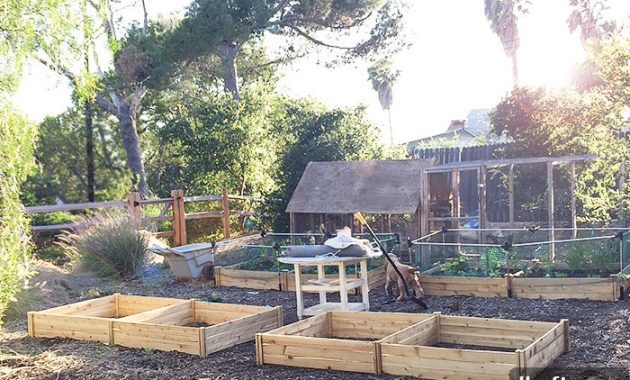
Recognizing that our old garden spot no longer received optimal sunlight, I made the bold decision to embark on a complete overhaul, starting fresh with a brand new layout. While this exciting project is still unfolding, I’m thrilled to offer you a sneak peek into our new garden space and guide you through the process of creating your very own raised garden beds. Don’t be intimidated by the idea of multiple beds; even a single, small planter box on a sunny patio or balcony can miraculously yield an abundance of juicy tomatoes and crisp greens all summer long. Gardening, regardless of scale, is a profoundly fun, rewarding, and undeniably tasty adventure that connects you directly with the food you eat.
As fate would have it, just as I was planning my new sustainable garden endeavor, an email from EcoScraps landed in my inbox. They reached out to introduce their line of natural and organic garden soil and plant food products – the timing couldn’t have been more perfect! I was immediately drawn to their innovative mission and commitment to environmental stewardship. After learning more about their ethos, I eagerly agreed to test their soil in my renewed garden.
EcoScraps is a company doing incredible work by recycling food scraps and transforming them into high-quality, organic, and sustainable lawn and garden products. Their core philosophy revolves around a powerful and important message: promoting the growth of gardens, not landfills! This concept resonated deeply with me, as I’m acutely aware of the alarming scale of food waste in the United States and globally. It’s truly inspiring to see a company turn a widespread problem into a sustainable solution for gardeners everywhere.
Let’s put the food waste crisis into perspective with some impactful facts generously shared by EcoScraps:
*In the United States, a staggering 40% of all food produced goes to waste. Imagine that volume – it’s enough to fill the entire Rose Bowl stadium every single day! This wasted food doesn’t simply disappear; it decomposes in landfills, generating methane gas, a greenhouse gas that is over 20 times more potent and harmful than carbon dioxide in contributing to climate change. Utilizing products like EcoScraps’ organic soil directly tackles this issue by diverting waste from landfills and transforming it into a valuable resource.
*The impact of EcoScraps’ efforts is truly remarkable. Between 2011 and 2015, EcoScraps successfully recycled an incredible 75 million pounds of food waste. And their commitment to sustainability is accelerating; in 2016 alone, they projected to match that monumental figure, recycling another 75 million pounds of food waste in just 12 months. This demonstrates the immense potential of innovative recycling solutions in addressing environmental challenges.
*Beyond industrial solutions, individuals hold significant power to make a difference in the food waste crisis through conscious adjustments to their shopping habits. For instance, bagged salad greens are notoriously one of the top food items wasted. By simply considering buying bagged salads only on the days you intend to use them, you can significantly reduce your personal contribution to food waste. Every small change collectively creates a monumental impact.
You can find EcoScraps products conveniently at Walmart, making sustainable gardening accessible to everyone.
For years, I’ve been captivated by the sheer beauty and functionality of edible gardens, particularly those exquisite designs known as potager gardens, endlessly scrolling through inspiring images on Pinterest. A potager garden, deriving from the French term for a kitchen garden, is a highly ornamental vegetable garden that blends the beauty of flowers with the practicality of edibles. It’s a place where aesthetics meet utility, creating a harmonious and productive space. My dream potager envisions a beautiful, organized, and abundantly fruitful space, and I’ve drawn particular inspiration from three incredible examples:
* This gorgeous garden designed by Velvet and Linen: A masterpiece of design and planting, showcasing how a kitchen garden can be a true work of art. The thoughtful layout and plant selections truly elevate the concept of growing your own food.
* Meryl Streep’s iconic garden in the movie It’s Complicated: This garden captured the hearts of many with its rustic charm, bountiful harvests, and idyllic setting. It perfectly embodies the dream of a sprawling, productive, and inviting space.
* The enchanting Patina Farm Garden (complete with adorable goats!): This garden exemplifies the ultimate blend of sustainable living, stunning aesthetics, and a connection to nature. The integration of livestock adds another layer of charm and practicality.
While I acknowledge our new garden may never quite reach *that* level of cinematic dreaminess, the journey of creating a productive and beautiful space is incredibly fulfilling. Here’s a detailed guide on how to start your own raised garden beds, drawing inspiration from these magnificent examples and incorporating practical, sustainable steps for optimal success.
How to Build and Plant a Raised Garden Bed: A Step-by-Step Guide
1. Build Your Planter Box: The Foundation of Your Garden
Choosing the right raised bed kit can save you significant time and effort. For our new garden, I opted for this convenient 4×8 foot raised bed kit (Amazon affiliate link). It was incredibly easy to assemble, taking me approximately 20 minutes without needing any special tools. When selecting your raised bed, consider durable, food-safe materials like cedar, redwood, or untreated pine, which naturally resist rot. Pre-made kits offer simplicity, while DIY options allow for complete customization of size and shape to fit your specific garden space and aesthetic preferences. Ensure your chosen location receives at least 6-8 hours of direct sunlight daily for most vegetables to thrive.
2. Prepare the Ground Below: Digging for Deep Roots
Once your raised bed frame is in place, it’s crucial to prepare the soil beneath it. Dig out approximately 10 inches of the existing native soil below the box. This seemingly simple step is vital for two key reasons: it provides ample room for the roots of your vegetables to grow deep and strong, anchoring the plants and allowing them to access more nutrients and water. Deep roots are especially important for taller, more demanding vegetables like tomatoes, corn, and squash. Secondly, excavating helps improve drainage, preventing waterlogging which can be detrimental to most vegetable plants.
3. Fortify Against Pests: The Gopher Barrier
One of the most frustrating aspects of gardening can be losing your hard work to underground pests like gophers. To prevent these burrowing creatures from feasting on your precious roots, line the bottom of your excavated bed with hardware cloth. This sturdy, woven wire mesh acts as an impenetrable barrier. Securely staple the hardware cloth to the inside of the raised bed walls, ensuring there are no gaps for pests to exploit. I strongly advise against using chicken wire, as it’s generally too flimsy and will deteriorate within just a few years, offering only temporary protection. While hardware cloth is a slightly higher initial investment, its durability means it will last much longer, providing enduring peace of mind. For larger beds, if you need to piece together sections of hardware cloth, make sure to sew any seams tightly with galvanized wire to maintain a continuous barrier. This proactive measure is essential for a truly successful and pest-free raised garden.
4. Fill with the Perfect Soil Blend: Nurturing Growth from the Ground Up
Once the pest barrier is secured, begin refilling your raised bed. First, return a layer of the native soil you removed earlier. This helps bridge the gap between the ground and your new garden bed. On top of the native soil, add a generous layer of high-quality potting mix or raised bed mix. This is where products like EcoScraps’ organic garden soil shine. A good potting mix provides excellent drainage, aeration, and a balanced nutrient profile essential for robust plant growth. The quality of your soil is paramount in a raised bed, as it’s the primary medium for your plants to thrive. Consider adding a layer of good compost at this stage too, enriching the soil further with vital organic matter.
5. Boost Nutritional Content: Essential Plant Food and Compost
To ensure those abundant fruits and vegetables you’ll be growing reach their full potential, they will require a consistent supply of essential nutrients. Incorporate a high-quality, organic plant food, such as EcoScraps Plant Food, into your soil. This provides a balanced boost of macro and micronutrients crucial for healthy development, strong root systems, vibrant foliage, and prolific yields. Additionally, regularly adding compost (homemade or store-bought) is invaluable. Compost enriches the soil structure, improves water retention, and slowly releases a broad spectrum of nutrients, fostering a thriving microbial environment that benefits your plants long-term. Consider soil testing every few years to understand your specific soil deficiencies and tailor your nutrient amendments accordingly.
6. Plant Your Veggies: Bringing Your Garden to Life
Now comes the most exciting part: planting! The choice between starting from seed or using young transplants depends on the vegetable type and your growing season. Many vegetables, like lettuce, radishes, and beans, are easily started directly from seed. Others, such as tomatoes, peppers, and eggplants, often benefit from a head start indoors or purchased as transplants from a nursery. When planting, pay close attention to spacing recommendations on seed packets or plant tags to ensure each plant has adequate room to grow without competing for resources. Consider companion planting to naturally deter pests and enhance growth. Water thoroughly after planting and continue to provide consistent moisture, especially during dry spells.
Nurturing Your New Garden and Embracing the Harvest
Once your raised beds are planted, the true joy of gardening begins: watching your garden grow! From tiny sprouts to burgeoning plants, every stage offers a sense of wonder and accomplishment. Consistent care, including regular watering, weeding, and occasional feeding with your EcoScraps plant food, will ensure a bountiful harvest. Keep an eye out for pests and diseases, addressing them promptly with organic solutions if they arise. Remember that gardening is an ongoing learning process, and every season brings new insights and opportunities to refine your techniques. Our chickens, residing in their “Hen Haven,” certainly seem to enjoy the view, providing both entertainment and natural pest control in their own way!
Growing your own vegetables in raised beds offers numerous advantages: improved drainage, better control over soil quality, reduced weeding, easier access for planting and harvesting, and often, fewer issues with soil-borne diseases. It’s a sustainable way to enjoy fresh, healthy produce, connect with nature, and contribute to a healthier planet by supporting companies like EcoScraps who are dedicated to reducing food waste and promoting organic practices.
To dive deeper into the incredible work EcoScraps is doing and learn more about their sustainable practices, watch this informative video. Their commitment to transforming food waste into valuable garden resources is truly inspiring, and understanding their process will make you appreciate their products even more.
GIVEAWAY!!!
To help kickstart your own summer garden journey, EcoScraps is generously offering one lucky reader a $50 Walmart gift card!
a Rafflecopter giveaway
A big thank you to EcoScraps for their valuable sponsorship of this post, and to all my fabulous sponsors, whose support makes running this blog and sharing these gardening adventures possible. Happy planting!