Delicate Spun Sugar Nests for Easter Cupcakes
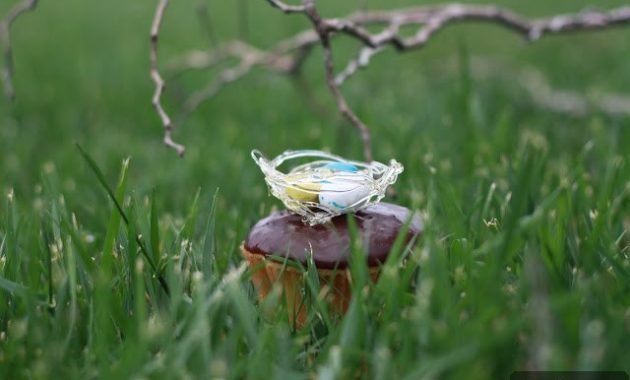
The Enchanting Art of Spun Sugar Nests: Elevate Your Easter & Spring Desserts
For many aspiring bakers, the thought of creating elaborate spun sugar decorations conjures images of professional patissiers working in high-end kitchens. Historically, spun sugar seemed to be the exclusive domain of culinary giants like Jacques Torres, an intimidating technique reserved for fine dining and grand celebrations. However, we’re here to debunk that myth! The truth is, any home baker with a little patience and the right guidance can master the beautiful craft of spun sugar. These delicate, ethereal spun sugar nests are a testament to that, offering an incredibly elegant and surprisingly accessible way to transform your everyday cupcakes into edible works of art.
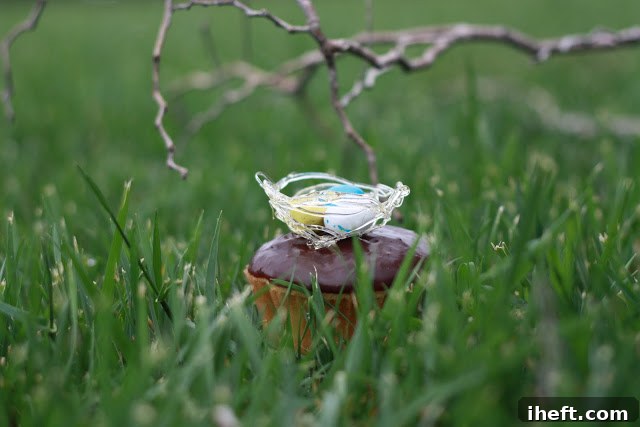
Spun sugar nests are more than just a topping; they are tiny, shimmering sculptures that instantly elevate any dessert. Their intricate, web-like structure mimics a real bird’s nest, making them the most charming and visually striking toppers for Easter and springtime cupcakes. Imagine the delight on your guests’ faces as they discover these edible masterpieces crowning your treats! While they exude sophistication, they also carry a whimsical charm that makes them utterly perfect for a variety of occasions beyond Easter, such as joyful spring brunches, garden parties, or even as an adorable, unique detail for baby shower desserts.
One of the practical advantages of these stunning sugar creations is that they can be prepared in advance. You can craft your spun sugar nests and store them carefully in the freezer, allowing you to manage your baking schedule more efficiently. However, to preserve their delicate crispness and prevent them from softening, it is absolutely essential to place these exquisite decorations on your cakes and cupcakes just before serving. Moisture is the sworn enemy of spun sugar, and exposure to humidity can quickly turn your crisp nests into sticky, shapeless forms. By adhering to this simple serving tip, you ensure that every guest experiences the full magic and delightful crunch of your homemade spun sugar artistry.
Imagine the sheer delight: a perfectly formed spun sugar nest, gently cradling a miniature chocolate bunny. This enchanting sight transforms a simple cupcake into an interactive, edible storytelling piece.
…or perhaps a vibrant collection of tiny chocolate eggs, mimicking a robin’s nest filled with precious treasures. The possibilities for creative fillings are truly limitless, allowing you to customize your nests for any theme or preference.
Indeed, the sheer artistry of these spun sugar nests will earn you praise from even the most discriminating of guests, whether they are actual princesses, discerning food critics, or simply loved ones who appreciate beautiful details. They transform any dessert into a luxurious experience, making each bite feel like a special celebration.
The Sweet Science: Understanding Spun Sugar Ingredients and Process
At its heart, spun sugar is a fascinating chemical transformation of basic kitchen staples. The process involves heating granulated sugar, water, and corn syrup to a very specific temperature, where their properties change dramatically. Granulated sugar provides the primary structure and sweetness, while water helps to dissolve the sugar evenly, ensuring a smooth, lump-free syrup. The unsung hero, corn syrup, plays a crucial role in preventing sugar crystallization. Without it, your molten sugar mixture might prematurely seize and become grainy, making it impossible to spin into delicate threads. Together, these ingredients create a stable, pliable, and ultimately crisp sugar confection that forms the basis of our beautiful nests.
The magic begins as sugar, corn syrup, and water are meticulously combined and cooked over gentle heat. As the mixture simmers, it gradually thickens and deepens in color, transitioning from clear to a beautiful, rich amber. This visual indicator is often your primary guide, especially when attempting spun sugar without the aid of a candy thermometer.
Reaching the Hard-Crack Stage: Precision for Perfection
The key to successful spun sugar lies in reaching what’s known as the “hard-crack stage.” This stage occurs when the sugar syrup reaches a temperature between 300-310 degrees Fahrenheit (149-154 degrees Celsius). At this critical point, virtually all the water has evaporated from the syrup, leaving behind a highly concentrated sugar solution. When a drop of this syrup is introduced into cold water, it should immediately harden into brittle, glass-like threads that snap cleanly, indicating it has the perfect consistency for spinning. This brittleness is essential for the nests to hold their delicate shape and provide that satisfying crunch.
As mentioned in our recipe notes, while a candy thermometer offers the most precise and consistent way to achieve the hard-crack stage, it is indeed possible to succeed without one. Many experienced bakers rely on visual cues, primarily the color of the molten sugar. When the mixture transforms into a deep, rich amber, it often signifies that it has reached the hard-crack stage. However, this method requires careful attention, as sugar can go from perfectly amber to burnt in a matter of seconds. If you’re using the visual method, keep a close watch, and err on the side of caution. It’s often better to undercook slightly and test a drop in cold water than to overcook and risk burning the sugar, which will impart a bitter taste. For beginners, investing in a reliable candy thermometer can significantly increase your chances of first-time success.
The Art of Spinning: Crafting Your Delicate Nests
Once your sugar mixture has reached the hard-crack stage and has undergone a brief cooling period to halt the cooking process, the true artistry begins: spinning your delicate nests. This technique, while requiring a bit of finesse and practice, is incredibly rewarding and visually captivating.
The magic unfolds as you dip a fork—or even a specialized spun sugar tool if you have one—into the slightly thickened sugar mixture. With quick, fluid circular motions, you drizzle fine strands of sugar around the inverted cups of a generously greased mini muffin pan.
The back of a mini muffin pan serves as an ideal mold for these miniature nests. It’s absolutely crucial to spray the back of each muffin cup liberally with cooking spray. This prevents the delicate sugar threads from adhering to the metal and ensures that your finished nests can be easily removed without breaking. When you dip your fork into the sugar, allow any excess syrup to drip off briefly before you begin spinning. The objective is to create hair-fine, delicate strands, not thick, heavy drips. A swift flick of your wrist as you move the fork will help produce those beautiful, airy threads that intricately weave together to form the nest. Overlap these strands strategically to build a sturdy yet delicate structure, mimicking the natural, organic shape of a bird’s nest. Don’t be discouraged if your initial attempts aren’t perfect; mastering spun sugar requires a bit of practice, and each attempt refines your technique. Working quickly is key, as the sugar will cool and thicken rapidly, so having your setup ready is vital.
From Humble Ingredients to Cupcake Jewelry
The moment the spun sugar threads meet the cooler air, they begin to harden almost instantaneously. Once spun, allow the nests a few moments to set completely on the muffin pan. This quick cooling process ensures their structural integrity. After they’ve fully hardened, a gentle twist and lift should allow them to detach effortlessly from the greased cups, revealing perfectly formed, exquisitely delicate nests. These intricate creations are truly akin to “cupcake jewelry,” transforming even the simplest frosted cupcake into a captivating masterpiece of edible art. The delightful contrast between the soft, moist cake, the creamy, smooth frosting, and the crisp, golden spun sugar nest offers a multi-sensory experience that is both visually stunning and texturally exciting.
These delicate wonders truly are the perfect “cupcake jewelry,” adding an unparalleled touch of elegance and whimsy that makes every dessert feel like a special gift.
Simple Spun Sugar Nests Recipe
This accessible recipe, thoughtfully adapted from Martha Stewart’s classic technique, provides a solid foundation for creating beautiful spun sugar nests. Please note that a half batch of these ingredients is surprisingly generous, typically yielding enough nests for at least 24 cupcakes, making it an efficient option for larger gatherings or multiple batches.
Yields: Approximately 24-30 nests (from a half recipe)
Prep time: 10 minutes
Cook time: 15-20 minutes
Ingredients:
- 2 cups granulated sugar
- 1/2 cup water
- 1/2 cup light corn syrup
Instructions:
- 1. Prepare Your Workspace: Before you begin cooking, ensure your workspace is fully prepared. Generously cover your countertop or desired work area with parchment paper. This will act as a protective barrier, catching any stray sugar threads and making cleanup significantly easier. For additional protection, especially if you anticipate some wide-reaching strands, consider laying newspaper on the floor directly beneath your work surface. Furthermore, prepare an ice-water bath by filling a large, heatproof bowl with ice and water; this bath will be crucial for quickly stopping the sugar from cooking at the precise moment.
- 2. Combine and Dissolve Ingredients: In a heavy-bottomed saucepan (essential for even heat distribution), combine the granulated sugar, the 1/2 cup of water, and the light corn syrup. Place the saucepan over low heat. Stir the mixture gently but continuously until all the sugar crystals have completely dissolved. It is paramount not to rush this initial step; any undissolved sugar crystals can act as “seeds” and cause the entire batch to crystallize later, rendering it unusable for spinning.
-
3. Cook to the Hard-Crack Stage: Once the sugar is fully dissolved, increase the heat to high. Allow the mixture to come to a vigorous, rolling boil. From this point, avoid stirring the mixture, as stirring can also induce crystallization. Continue cooking until the temperature accurately registers between 300-310 degrees Fahrenheit (149-154 degrees Celsius) on a reliable candy thermometer. This is the critical “hard-crack stage.”
*YM Note / Candy Thermometer Alternative: If you do not possess a candy thermometer, you can approximate the hard-crack stage by observing the color of the sugar mixture. Cook it until it develops a beautiful, deep, rich amber color. This method requires a keen eye and quick action, as sugar can rapidly transition from perfect to burnt. To verify, carefully drop a small amount of the syrup into cold water; if it forms hard, brittle threads that snap easily, it is ready. - 4. Stop the Cooking Process: Immediately remove the saucepan from the high heat. Carefully and promptly plunge the bottom of the hot saucepan into your prepared ice-water bath. Hold it there for approximately 10-15 seconds. This rapid cooling action will instantly stop the cooking process, preventing the sugar from overcooking or burning and ensuring it maintains the ideal consistency for spinning. Remove the saucepan from the ice bath.
- 5. Spin Your Delicate Nests: Allow the sugar mixture to stand for about 1 minute after removing it from the ice bath. This brief rest period allows it to thicken slightly, reaching a viscosity that clings well to a fork but still flows smoothly for spinning. While it’s cooling, generously spray the back of a mini muffin pan (inverted) with cooking spray; this critical step ensures the nests will release easily. Dip a standard kitchen fork into the slightly cooled sugar mixture, allowing any excess syrup to drip off momentarily. Hold the fork over the inverted muffin cups and, using quick, circular, or back-and-forth motions, drizzle the sugar around each cup. The goal is to build up delicate, airy nest shapes with fine, thread-like strands. Work efficiently, as the sugar will cool and harden quickly. If the sugar becomes too thick to spin effectively, you can gently reheat it over very low heat for a few mere seconds to restore its fluidity.
- 6. Harden and Carefully Remove: Once spun, allow the sugar nests to harden completely on the muffin pan. This process typically takes only a few minutes as they cool. Once fully set and firm, they should easily twist and come off the greased muffin cups without breaking, revealing their beautiful, delicate forms.
- 7. Storage and Optimal Serving: If you are preparing these exquisite nests in advance, it is crucial to store them properly. Place the finished nests in an airtight container and store them in the freezer. Remember, moisture is the arch-nemesis of spun sugar, so ensuring they are well protected from humidity is key to maintaining their crispness. For the very best results and to preserve their delicate beauty and texture, always place the spun sugar nests onto your cupcakes or cakes just before you are ready to serve them.
Beyond the Recipe: Essential Tips for Spun Sugar Success
- Humidity is Your Foe: Spun sugar is extremely sensitive to ambient humidity. The drier your environment, the better your chances of success. Aim to make these delicate creations on a low-humidity day if at all possible, as high moisture in the air can cause the sugar to become sticky and melt rapidly.
- Safety First, Always: Working with molten sugar involves extremely high temperatures. Treat it with the utmost respect and caution. Always exercise extreme care to avoid accidental splashes or burns. Keep a bowl of ice water nearby at all times for immediate relief in case of any skin contact with the hot sugar. Consider wearing heat-resistant gloves if you are particularly sensitive or cautious.
- Practice Makes Perfect: Do not be discouraged if your initial attempts don’t yield flawlessly perfect nests. Spun sugar techniques often require a little practice to get the right rhythm, consistency, and motion. Embrace the learning process; each attempt will refine your culinary artistic skill and bring you closer to perfection.
- Impeccably Clean Equipment: Ensure that all your equipment—the saucepan, stirring spoons, and the fork you use for spinning—is impeccably clean and completely free of any grease, oil residues, or tiny food particles. Even minute impurities can trigger crystallization in your sugar syrup, ruining the batch.
- Explore Creative Filling Variations: While mini chocolate bunnies and colorful chocolate eggs are classic and universally loved fillings, feel free to let your creativity soar! Consider filling your nests with edible glitter for extra sparkle, small candied nuts, fresh seasonal berries (only just before serving to avoid moisture issues), or even a delicate dollop of homemade lemon curd for a burst of contrasting flavor.
Conclusion: Elevate Your Desserts with Edible Artistry
Spun sugar nests are far more than mere cupcake toppers; they are a delightful declaration of culinary passion, creativity, and skill. They elegantly demonstrate that intricate, visually stunning desserts are indeed within the grasp of every home baker, regardless of prior experience. Whether you’re commemorating the joyous occasion of Easter, celebrating the vibrant awakening of spring, or welcoming a precious new arrival with a baby shower, these delicate, shimmering nests will undoubtedly become the unequivocal star of your dessert table. Embrace the challenge, savor the intricate process, and bask in the awe-inspiring results. We encourage you to share your beautiful spun sugar creations and inspire others with your edible art! Happy spinning!