Make Your Own Playdough
Easy Homemade Playdough: Unlock Creative Fun with a Simple Recipe
Are you looking for a fun, engaging, and screen-free activity to keep your energetic toddler entertained? Perhaps you’re craving a creative outlet yourself, but the thought of baking cookies and then tackling those extra baby weight pounds isn’t quite appealing right now. We’ve all been there! The perfect solution? Homemade playdough! Not only is it incredibly simple to make, but it also uses ingredients you likely already have in your kitchen pantry, offering a safe, non-toxic alternative to store-bought versions. Get ready to transform everyday staples into a vibrant, pliable world of sensory exploration for your little one – and a moment of peace for you!
Why Choose Homemade Playdough? The Benefits Are Endless!
Beyond the sheer joy it brings, crafting your own playdough comes with a myriad of advantages:
- Cost-Effective: Save money by using basic, inexpensive ingredients instead of repeatedly buying commercial tubs.
- Non-Toxic & Safe: You control every ingredient, ensuring a completely safe and food-grade material for little hands, even if they sneak a taste.
- Customizable Fun: Easily adjust colors, add scents with essential oils or extracts, and even incorporate glitter or natural textures for endless variations.
- Sensory Development: Playdough offers a rich tactile experience, promoting fine motor skills, hand-eye coordination, and sensory exploration crucial for early development.
- Boosts Creativity & Imagination: With playdough, children can sculpt, mold, cut, and create anything their minds can conjure, fostering imaginative play and problem-solving.
- Eco-Friendly: Reduce plastic waste from store-bought containers, making it a more sustainable choice.
- Bonding Activity: The process of making the playdough can be a wonderful shared experience, and playing with it together strengthens parent-child bonds.
Gather Your Simple Pantry Ingredients: What You’ll Need
The beauty of this recipe lies in its simplicity. Most of these items are kitchen staples, meaning you can whip up a batch whenever inspiration strikes!
Ingredients:
- 2 cups All-Purpose Flour: This forms the base and structure of your playdough.
- 2 cups Water: Essential for hydrating the flour and creating the pliable dough consistency.
- 2 teaspoons Cream of Tartar: (Optional, but highly recommended!) This magical ingredient significantly increases the playdough’s elasticity, making it smoother, more pliable, and less crumbly. It also acts as a natural preservative, helping your playdough last longer.
- 1 tablespoon Vegetable Oil: Adds moisture, smoothness, and helps prevent the dough from sticking. Any light cooking oil like canola or sunflower oil will work.
- 1 cup Salt: A crucial preservative that inhibits mold growth and adds density to the playdough, giving it that classic texture.
- Food Coloring: Liquid or gel food coloring works best for vibrant hues. Have a variety on hand to create a rainbow of options!
Step-by-Step Guide: Crafting Your Perfect Homemade Playdough
Making playdough is a surprisingly therapeutic process, akin to a simple cooking project. Follow these steps for a perfect, pliable batch every time.
Step 1: Combine Dry and Wet Ingredients (Except Food Coloring)
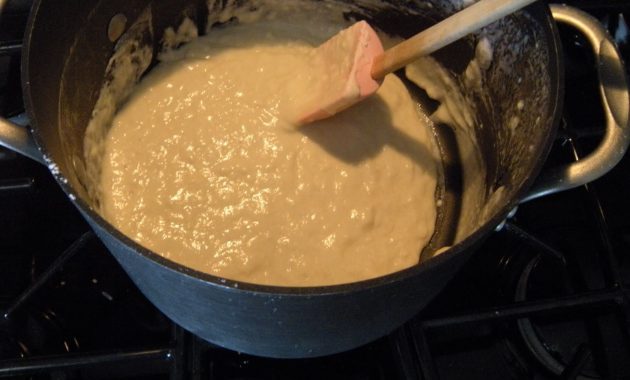
Begin by combining all the ingredients—flour, water, cream of tartar, vegetable oil, and salt—into a large, non-stick pot. Ensure your pot is spacious enough to accommodate the mixture as it thickens. Stir these ingredients thoroughly with a wooden spoon or spatula until they form a smooth, lump-free batter. This initial mixing is crucial for an even consistency later on. It’s quite similar to preparing a roux for a savory sauce or a choux pastry base for cream puffs – focusing on smooth integration before heat is applied. This stage reminds many home cooks of basic baking principles, where consistency is key.
Step 2: Cook Over Medium Heat Until Dough Forms
Place your pot over medium heat. Now comes the active part! Stir the mixture continuously and vigorously. You’ll notice the texture changing rapidly. Initially, it will be thin and liquid, then it will start to thicken, becoming lumpy and sticky. Don’t be discouraged; this is exactly what you want! Keep stirring, scraping the bottom and sides of the pot to prevent sticking and ensure even cooking. The mixture will gradually transform, congealing into a cohesive ball of dough. This process typically takes about 3-5 minutes, but it varies depending on your stovetop. The key is to keep stirring until the dough pulls away cleanly from the sides and bottom of the pot, forming a unified, firm mass.
Step 3: Cool and Knead
Once your dough has formed a ball and is no longer sticking to the pot, remove it from the heat. Carefully transfer the hot dough onto a piece of parchment paper or a silicone mat. This step is crucial: allow the dough to cool for several minutes until it’s comfortable enough to handle. It will be very hot initially, so patience is key! Once cooled, knead the dough vigorously for 2-3 minutes. Kneading improves its texture, making it super smooth, elastic, and ready for play. This is where you activate the gluten in the flour and fully incorporate all ingredients, resulting in that wonderfully pliable consistency.
Step 4: Add Food Coloring for Vibrant Fun
Now for the most exciting part – adding color! If you want multiple colors, divide the cooled and kneaded dough into several portions. Create a small well in the center of each portion and add a few drops of your chosen food coloring. Gel food coloring often provides more intense, vibrant colors with fewer drops. Fold the dough over the coloring and knead it thoroughly until the color is evenly distributed. This might get a little messy initially, so consider wearing gloves or using a piece of plastic wrap or parchment paper to protect your hands. Repeat for each color until you have a beautiful rainbow of homemade playdough ready for endless creative play!
Tips for Playdough Success & Long-Lasting Fun
To ensure your homemade playdough provides hours of entertainment and lasts as long as possible, keep these expert tips in mind:
Troubleshooting Common Issues:
- Too Sticky? If your dough feels too sticky after cooling and kneading, simply sprinkle a little more flour onto your surface and knead it in until you reach the desired consistency.
- Too Dry or Crumbly? If the dough is too dry, add a tiny bit of vegetable oil (1/2 teaspoon at a time) and knead it in. For very dry dough, a few drops of water can also help, but add cautiously.
- Uneven Color? Keep kneading! Sometimes it takes a few minutes for the color to fully incorporate, especially with liquid food coloring.
Storage for Longevity:
Proper storage is key to making your playdough last. Once cooled and colored, store your playdough in an airtight container or a heavy-duty Ziploc bag. Squeeze out as much air as possible before sealing. Stored this way at room temperature, homemade playdough can last for several weeks, often even months! For extended freshness, some parents prefer to store it in the refrigerator, though this can make it a bit firmer initially. Simply let it come to room temperature before playing.
Creative Customization Ideas:
- Scents: Add a few drops of vanilla extract, peppermint extract, or child-safe essential oils (like lavender or orange) to the mixture along with the oil for a delightful sensory experience.
- Sparkle: Mix in a pinch of fine glitter after the dough has cooled for a magical, shimmering effect.
- Natural Dyes: For a completely natural alternative, use turmeric for yellow, beet juice for pink/red, spirulina for green, or cocoa powder for brown.
- Textures: Experiment with adding small amounts of rice, dry oats, or coffee grounds for unique tactile sensations (ensure ingredients are child-safe and supervision is provided).
Engaging Your Toddler: Fun Playdough Activities
Once your homemade playdough is ready, the real fun begins! Here are some ideas to spark your toddler’s creativity and make the most of this versatile toy:
- Classic Tools: Provide cookie cutters, rolling pins (kid-sized or even a clean, empty water bottle), plastic knives, and garlic presses.
- Shape & Letter Recognition: Use playdough to form letters, numbers, and basic shapes, making learning a hands-on experience.
- Storytelling: Encourage your child to create characters and scenes with the playdough, then tell a story about them.
- Sensory Bins: Combine playdough with other sensory items like dried beans, pasta, small toys, or natural elements (leaves, twigs) for an exploratory bin.
- Open-Ended Play: Sometimes, the best way to play is to simply let your child explore the dough freely, without specific instructions. Watch their imagination unfold!
- Playdough Mats: Print out free playdough mats online that offer prompts for building things like pizzas, monsters, or faces.
Unleash the Fun: Get Crafting Your Homemade Playdough Today!
Making homemade playdough is more than just a craft project; it’s an investment in hours of creative, sensory-rich play for your child. It’s a wonderful way to transform a restless afternoon into a memorable, educational experience, all while using simple, safe ingredients from your pantry. So, embrace the simplicity, enjoy the process, and delight in the endless possibilities that a fresh batch of homemade playdough brings. Your toddler will thank you, and you’ll find immense satisfaction in providing such a wonderful, personal toy. Get cooking, and let the playdough adventures begin!