Crimson Citrus Quench
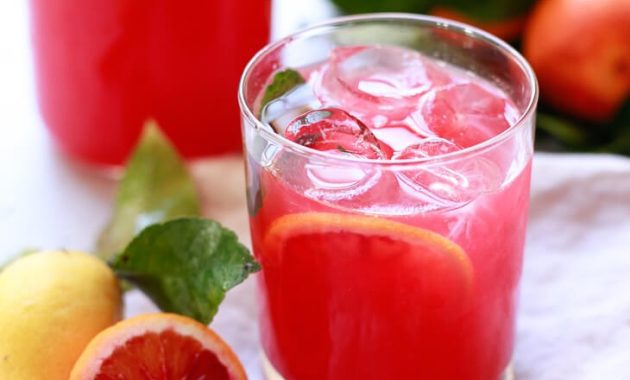
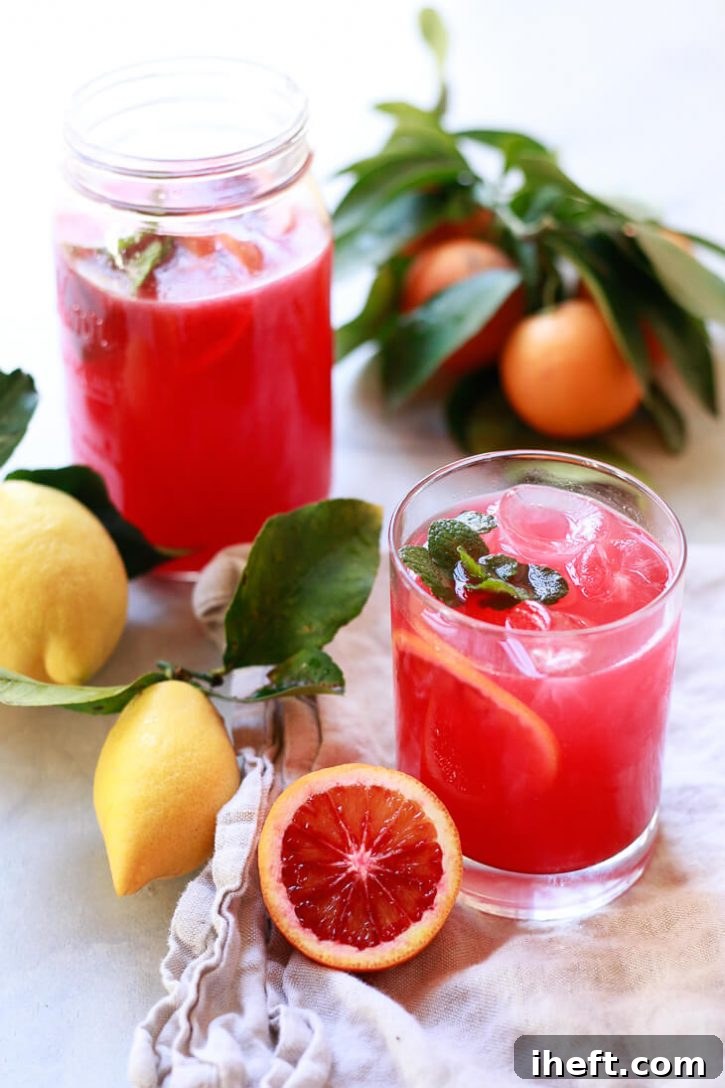
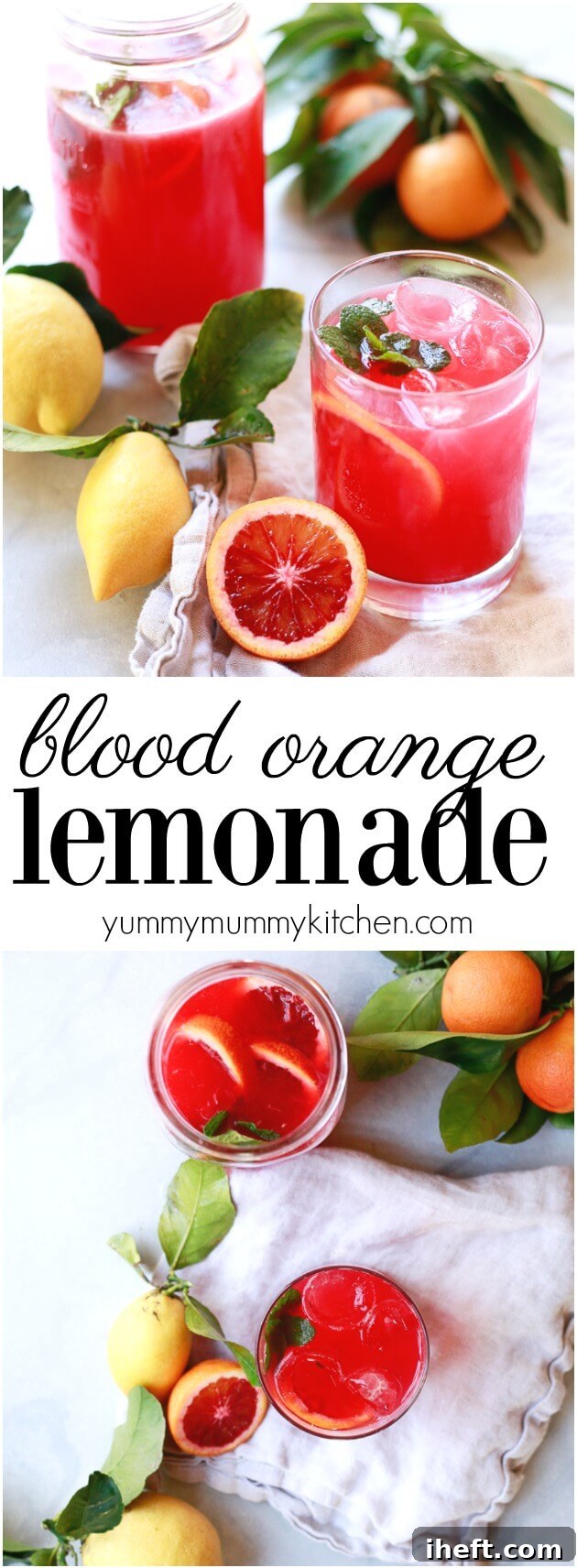
How to make naturally sweetened healthy blood orange lemonade. Blood orange juice makes the best winter pink lemonade.
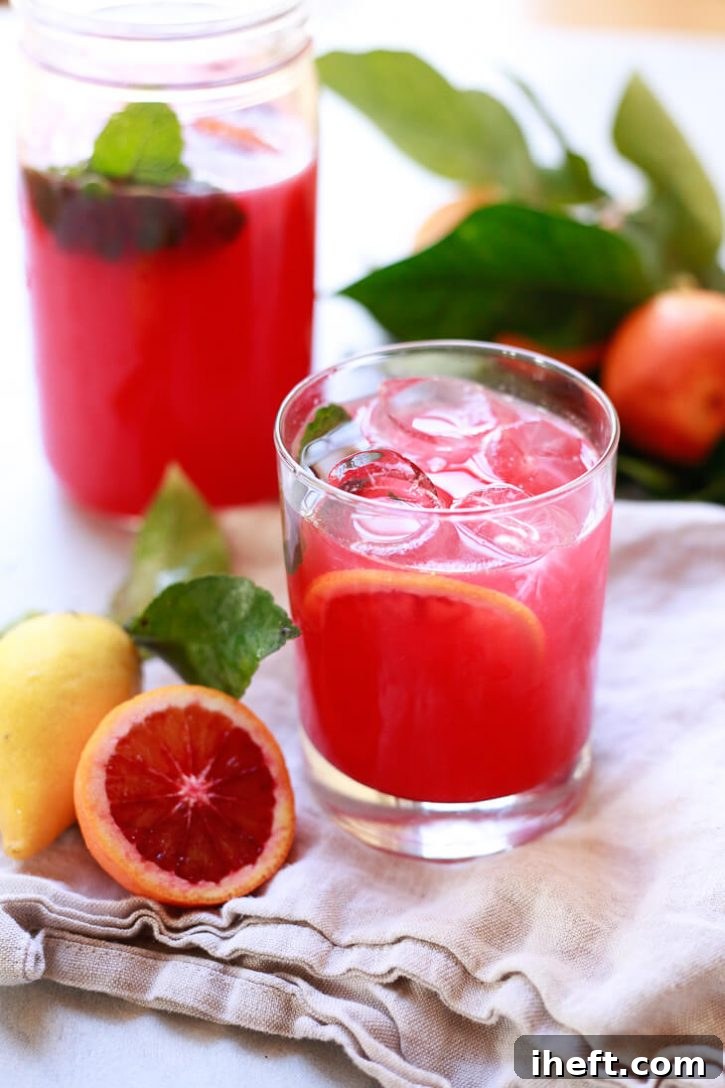
Experience the Zest: Crafting Naturally Sweetened Blood Orange Lemonade at Home
There’s nothing quite like the vibrant burst of fresh citrus, especially when it comes from your own backyard. When my family and I first discovered our new home, one of the most enchanting features was the small, thriving orchard of citrus trees. It was a dream come true for anyone who appreciates the pure, unadulterated taste of homegrown fruit. I’ve previously shared delights like my Kumquat Marmalade, crafted from the prolific kumquats that grace our trees. But my anticipation truly peaked for our very first blood orange season. Now that it has arrived in its full glory, I’m on a mission to savor and utilize every single one of these ruby-hued gems before the season bids us farewell.
From simple garnishes atop refreshing Strawberry Banana Smoothies to more elaborate concoctions, blood oranges lend their unique charm to countless dishes and beverages. Among my family’s most cherished ways to enjoy this seasonal fruit is by transforming them into pure, invigorating blood orange juice or, even better, a delightful blood orange lemonade. Drawing inspiration from my renowned no-sugar added lemonade recipe, this blood orange variation follows a similar philosophy, prioritizing natural sweetness and wholesome ingredients. The versatility of lemon juice, a staple in our home, extends beyond this lemonade; I often incorporate it into warming hot drinks like tea and revitalizing cold detox beverages such as this potent Apple Cider Vinegar Drink.
This blood orange lemonade is more than just a drink; it’s an experience. It’s wonderfully tangy, incredibly refreshing, boasts a vibrant, captivating color, and is absolutely packed with immune-boosting Vitamin C. I affectionately think of it as the “pink lemonade of winter and spring,” offering a much-needed splash of sunshine during the cooler months. For those seeking a sophisticated, grown-up twist, consider transforming this seasonal delight into a captivating Blood Orange Margarita – a perfect cocktail for special occasions.
The Allure of Blood Oranges: More Than Just a Pretty Face
What makes blood oranges so special? Beyond their striking, jewel-toned flesh, these unique citrus fruits offer a distinct flavor profile that sets them apart from their navel and Valencia cousins. Blood oranges typically boast a less acidic, slightly sweeter taste with intriguing notes of raspberry or cranberry. Their characteristic deep red or maroon pigmentation comes from anthocyanins, the same powerful antioxidants found in blueberries, raspberries, and red wine. These compounds are not only responsible for the fruit’s stunning appearance but also contribute to its impressive health benefits, including anti-inflammatory properties and potential cardiovascular support. Incorporating blood oranges into your diet, especially in a refreshing beverage like this lemonade, is a delicious way to boost your antioxidant intake and enjoy a truly unique culinary treat.
Embracing the Season: When to Find Blood Oranges
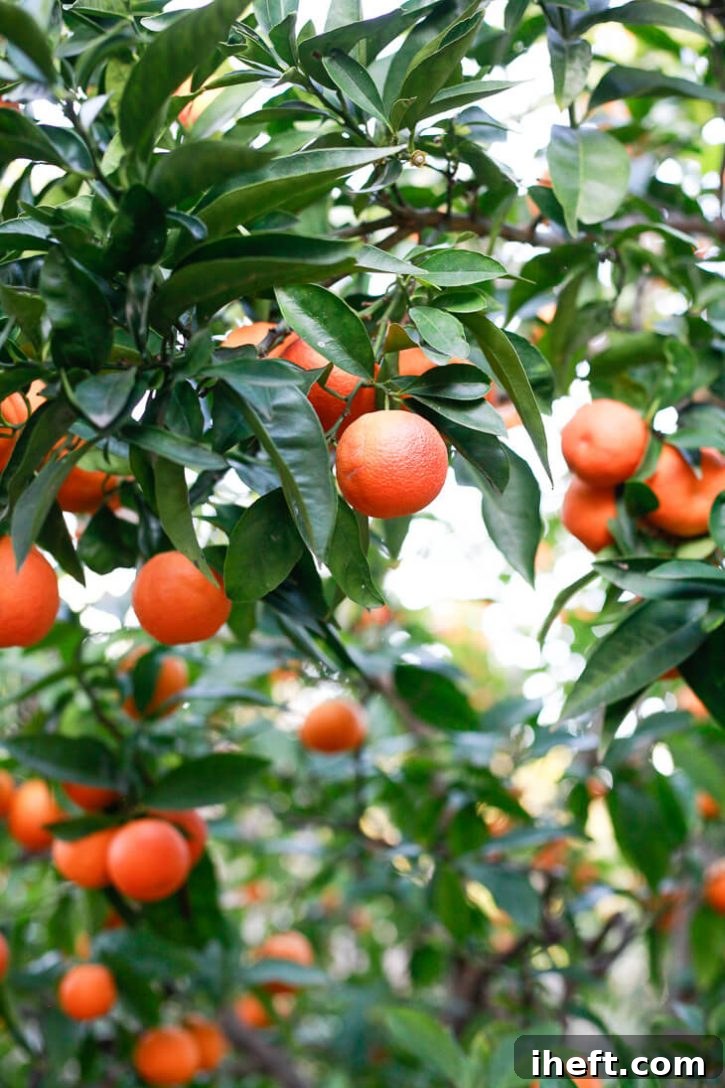
The arrival of blood orange season is a highly anticipated event for citrus lovers. While the exact timing can vary significantly based on geographic location and specific varietals, here in California, we typically see these beautiful fruits begin to ripen in late December. Their season then extends through the cooler months, often lasting until May. This means you have a generous window to find them gracing the produce aisles of your local grocery stores, farmer’s markets, or, if you’re lucky like us, your very own backyard orchard! Currently, in mid-January, our two blood orange trees are absolutely at their peak, laden with ripe, juicy fruit, ready to be transformed into delicious drinks and culinary creations.
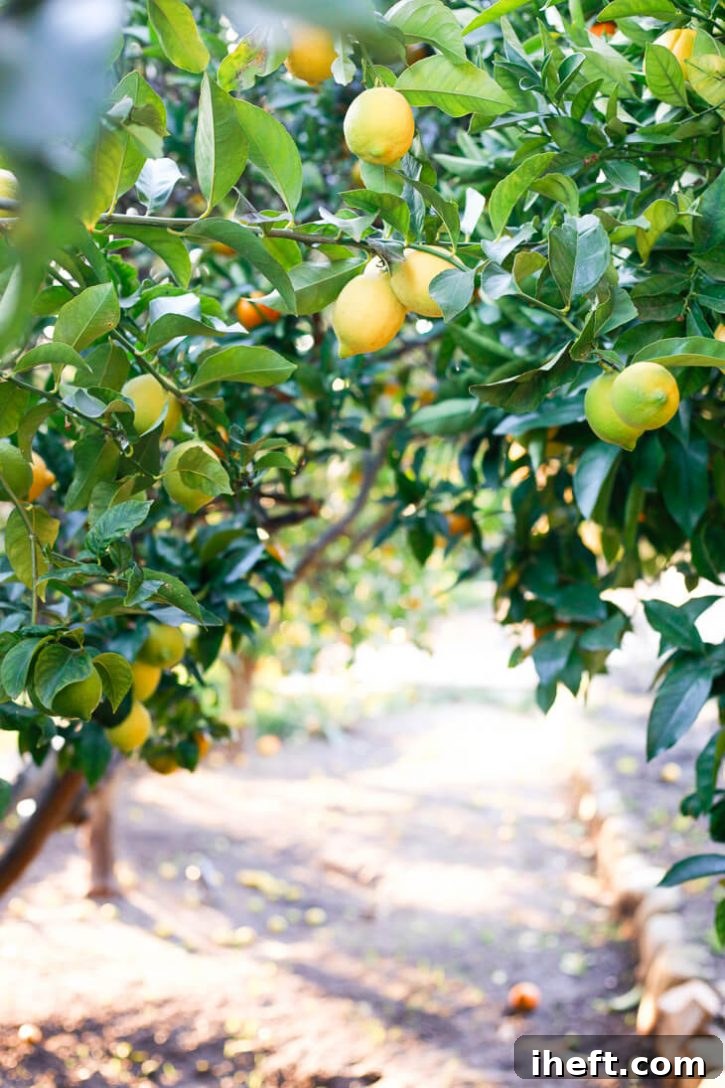
While our lemon trees are not yet as bountifully full with ripe lemons as their blood orange counterparts, they are steadily progressing, promising another season of refreshing zest to come. The beauty of living in a region blessed with such abundant citrus is the constant availability of fresh ingredients, inspiring endless culinary adventures.
Mastering the Squeeze: How to Juice Citrus Fruits Effortlessly
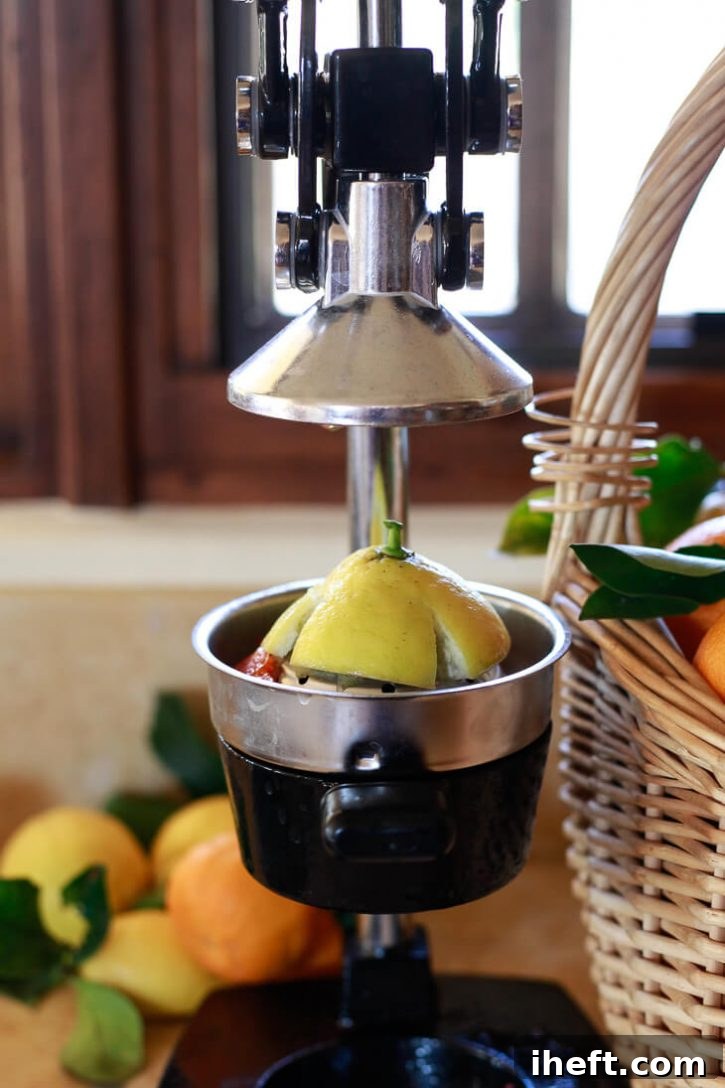
The foundation of any great homemade lemonade is freshly squeezed juice. While you might be tempted by store-bought options, the difference in flavor and vibrancy when using freshly extracted juice is simply incomparable. Thankfully, juicing citrus fruits like lemons and oranges has never been easier, thanks to a variety of excellent tools designed to make the process quick and efficient. I’ve personally tried and highly recommend all the options listed below, each offering unique benefits. However, I recently upgraded to the large citrus press shown in the image above, and I can confidently say it’s by far the most effective and a true game-changer in my kitchen!
(Please note: The following are Amazon Affiliate links. This means I may earn a small commission if you make a purchase through these links, at no extra cost to you. Your support helps me continue sharing these healthy recipes!)
- Wooden Citrus Reamer: An inexpensive and classic option, perfect for occasional juicing. While it requires a bit more effort and time, it’s a reliable tool for getting the job done.
- Manual Citrus Squeezer: A more affordable and practical choice for regular use, often available in various sizes to accommodate both lemons and limes. It’s efficient and great for small batches.
- Electric Citrus Juicer: For those who make large quantities of juice or prefer minimal manual effort, an electric juicer is an excellent investment. It’s quick, easy, and extracts a good amount of juice.
- Large Citrus Press: (As pictured above) This heavy-duty press is a staple on my counter. It’s incredibly efficient at extracting every last drop of juice from lemons, limes, and oranges, making the process almost effortless and mess-free.
Tips for Maximum Juice Extraction:
Before you begin juicing, roll your citrus fruits firmly on a countertop for about 10-15 seconds. This helps to break down the internal membranes, allowing for significantly more juice to be released. You can also briefly microwave whole citrus fruits for 10-20 seconds for a similar effect. Always cut the fruit in half across the middle, not lengthwise, to expose more pulp for juicing.
The Perfect Blend: How to Make Irresistible Blood Orange Lemonade
Crafting this vibrant blood orange lemonade is refreshingly simple. The process begins with freshly squeezed juices. First, extract the juice from your lemons, then move on to making your blood orange juice, utilizing whichever juicing method you find most convenient and efficient from the options discussed above. The beauty of homemade lemonade lies in its adaptability to your personal taste preferences.
My preferred starting point is typically a 1:1 ratio of blood orange juice to lemon juice. This balance provides a harmonious blend of the blood orange’s unique sweetness and the lemon’s signature tartness. However, don’t hesitate to experiment! If you lean towards a sweeter, less tart profile, feel free to increase the proportion of blood orange juice. Conversely, for a bolder, more piquant flavor, you can add a little extra lemon juice. Once you’ve achieved your desired juice blend, the next step is straightforward: simply dilute the concentrated juices with cold water, just as you would with any traditional lemonade recipe. This allows you to adjust the intensity and ensures a perfectly balanced, thirst-quenching beverage.
Naturally Sweet: Elevating Your Blood Orange Lemonade without Refined Sugars
One of the core principles of this recipe is to create a healthy, naturally sweetened beverage, moving away from the excessive amounts of refined sugar often found in conventional lemonade. While traditional lemonade recipes typically call for dissolving a substantial amount of sugar – often around a cup – into hot water before combining with lemon juice and cold water, we have several healthier, equally delicious alternatives.
Sweetening with Natural Syrups: Honey, Agave, and Coconut Nectar
For those who appreciate the subtle complexities that natural syrups offer, honey, agave nectar, or coconut nectar are fantastic choices. Each of these imparts its own unique flavor profile while providing a gentler sweetness. Honey, with its floral notes, complements the citrus beautifully, while agave and coconut nectar offer a more neutral, caramel-like undertone, respectively. To sweeten your lemonade with these options, simply whisk about 1/3 cup of your chosen natural sweetener (you can even find bee-free honey for vegan options!) into 1 cup of hot water. This ensures the sweetener fully dissolves before you combine it with the juices and cold water. Adjust to your personal taste preference, adding more if you desire a sweeter drink. Another excellent natural option in this category is Monk Fruit syrup, which provides sweetness without calories or impacting blood sugar levels.
The Zero-Calorie Sweetener of Choice: Stevia
My personal favorite method for sweetening this blood orange lemonade, and indeed most lemonades, is with liquid organic stevia. The primary reason for this preference is its remarkable ability to provide zero-sugar sweetness without compromising on flavor. Stevia is a natural plant-based sweetener that has been utilized for centuries, particularly in South America. However, it’s crucial to understand that not all stevia products found in grocery stores are created equal. Many processed stevia powders can contain fillers, artificial ingredients, or undergo extensive chemical processing, which can sometimes leave an undesirable aftertaste. Therefore, when selecting stevia, always make it a point to scrutinize the ingredient list to ensure you’re choosing a pure, organic, and minimally processed liquid extract. This will guarantee the cleanest, most natural sweetness for your blood orange lemonade, allowing the true flavors of the citrus to shine through without any unwelcome additions.
Serving Suggestions and Creative Twists
Once your naturally sweetened blood orange lemonade is perfectly balanced and chilled, it’s ready to be enjoyed! Serve it generously over ice in tall glasses. For an extra touch of elegance and a burst of fresh aroma, consider muddling a few fresh mint leaves at the bottom of each glass before pouring in the lemonade. A thin slice of blood orange or a lemon wheel perched on the rim of the glass also makes for a beautiful and inviting garnish. This lemonade is the ideal non-alcoholic beverage for any occasion, from a casual family lunch to a sophisticated gathering.
Feeling a little adventurous? This vibrant base is also perfect for creating exciting mocktails or even sophisticated cocktails. As mentioned earlier, for a truly grown-up treat, use it as the foundation for a stunning Blood Orange Margarita. For a refreshing mocktail, combine it with a splash of sparkling water or ginger ale. The possibilities are endless!
Storage Tips for Peak Freshness
To keep your homemade blood orange lemonade tasting its best, store any leftovers in a tightly sealed pitcher or jar in the refrigerator. It will typically remain fresh and delicious for 3-4 days. While the color may slightly deepen over time, the flavor will largely remain vibrant, making it a perfect make-ahead beverage for busy weekdays or entertaining.
Blood Orange Lemonade Recipe
Blood Orange Lemonade
15 minutes
15 minutes
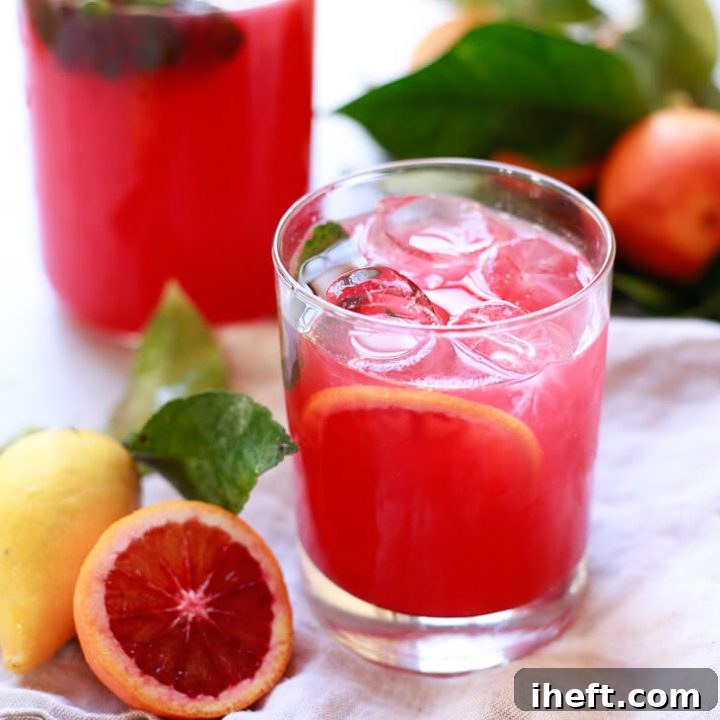
A healthy low-sugar blood orange lemonade recipe. Winter pink lemonade made with blood oranges and fresh lemons is a pretty, refreshing, and tasty non-alcoholic beverage.
Ingredients
- 1 cup fresh lemon juice (about 5-6 lemons)
- 1 cup blood orange juice (about 5-6 blood oranges)
- 4 cups cold water
- Organic liquid stevia, to taste (about 1 dropper)*
- Ice for serving
- fresh mint, optional
Instructions
- Add the lemon juice, blood orange juice, and water to a pitcher and stir to combine.
- Sweeten to taste with liquid stevia. I used about 1 1/2 droppers. Taste and adjust any ingredients, adding more lemon for tartness or sweetener for sweetness.
- Serve your fresh blood orange lemonade over ice. Muddle a few fresh mint leaves at the bottom of the glass, if desired.
- Store left over blood orange lemonade in the refrigerator.
Notes
*If you prefer sweetening with honey or agave, whisk 1/3 cup into 1 cup of the water in a small saucepan on the stove until dissolved. Then add to the other ingredients and whisk together. Add more to taste if desired.
Nutrition Information:
Yield: 6
Serving Size: 1 cup
Amount Per Serving:
Calories: 29Total Fat: 0gSaturated Fat: 0gTrans Fat: 0gUnsaturated Fat: 0gCholesterol: 0mgSodium: 8mgCarbohydrates: 8gFiber: 0gSugar: 4gProtein: 0g