The Great Avocado Debate Fruit or Vegetable
Avocado: Unraveling the Mystery – Fruit, Vegetable, or Berry?
Avocados have taken the culinary world by storm, becoming a beloved ingredient in kitchens worldwide. From creamy guacamole to trendy avocado toast, this versatile fruit has earned its place as a superfood staple. Yet, despite its widespread popularity, many people are still left wondering: What exactly is an avocado? Is it a fruit, a vegetable, or perhaps something else entirely, like a berry or a nut? Join us as we delve into the intriguing world of avocados, exploring their botanical classification, rich history, impressive health benefits, and countless delicious ways to enjoy them.
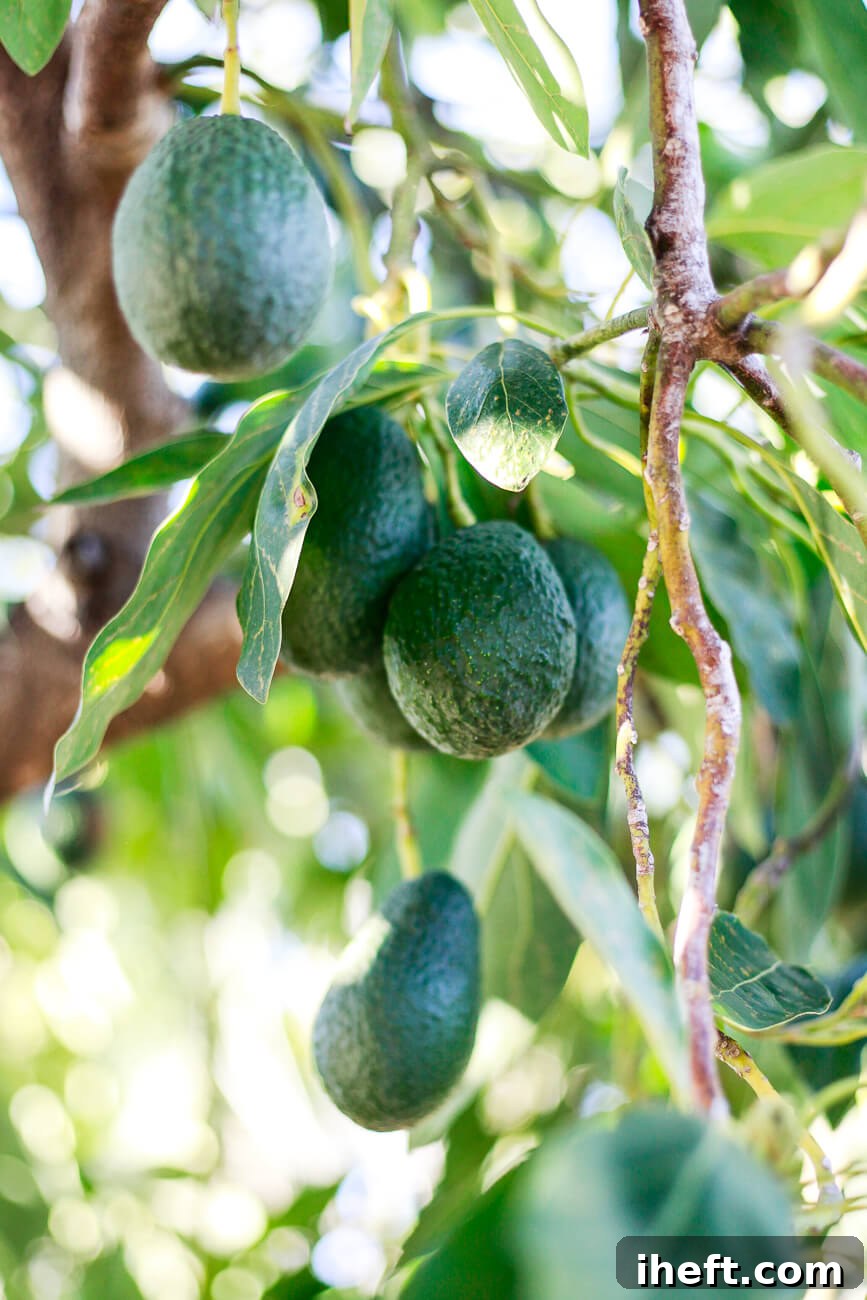
Haas avocados growing in a backyard in California.
Native to south-central Mexico and Central America, avocados boast a lineage stretching back thousands of years. Archaeological evidence suggests they were cultivated as early as 5000 BC, becoming a significant part of the diet for ancient Mesoamerican civilizations like the Aztecs and Mayans. They valued the avocado not only for its rich, buttery flesh but also for its nutritional density and purported medicinal properties. Over centuries, this remarkable fruit traveled beyond its native lands, eventually making its way to other continents and capturing the hearts (and taste buds) of people across the globe, especially in places like California, where it thrives today.
The journey of the avocado from ancient staple to modern superfood is fascinating, but it often sparks a common debate: how do we categorize it? Understanding its true nature helps appreciate its unique characteristics. Let’s unpack the common questions surrounding its classification to truly grasp what makes an avocado so special.
Is an Avocado a Fruit or a Vegetable?
This is arguably the most common and confusing question about avocados, and the answer depends on whether you ask a botanist or a chef. From a botanical standpoint, the classification is clear: avocados are fruits. A fruit is defined botanically as the mature ovary of a flowering plant, containing the seeds. Since avocados develop from the flower’s ovary and enclose a single large seed (the pit), they unequivocally fit this definition. Other examples of botanical fruits often mistaken for vegetables include tomatoes, cucumbers, bell peppers, and squash.
However, in the culinary world, avocados are most frequently treated as vegetables. This culinary distinction is based on how foods are typically used in cooking – whether they are sweet and often eaten as desserts or snacks, or savory and incorporated into main dishes, salads, or side dishes. Avocados, with their mild, earthy, and slightly nutty flavor, lend themselves beautifully to savory preparations like salads, sandwiches, and, most famously, guacamole. The USDA itself often classifies avocados under the vegetable group for nutritional guidance, acknowledging their savory usage and nutrient profile, which more closely aligns with that of many vegetables.
While the botanical truth asserts avocado as a fruit, its culinary application means that for everyday purposes and nutritional discussions, referring to it as a vegetable is perfectly understandable and common. For the sake of clarity in this comprehensive guide, we will primarily refer to it by its botanical classification as a fruit, as this reveals a deeper understanding of its unique biological structure and evolution.
Is an Avocado a Berry? A Deeper Botanical Dive
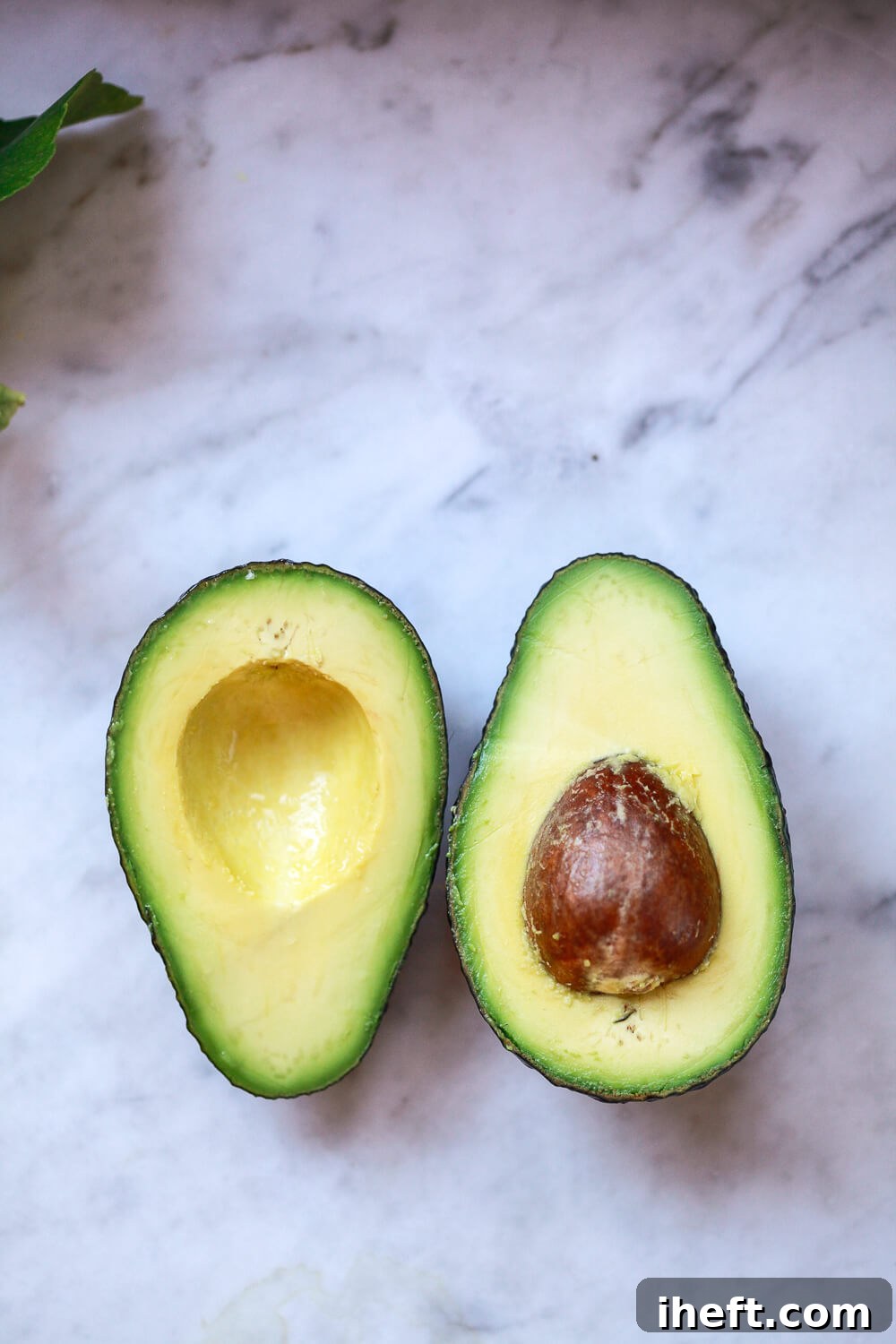
To further complicate (or clarify) matters, avocados aren’t just fruits; they are specifically a type of berry! This often surprises many, as the image of a “berry” typically conjures up small, juicy fruits like blueberries or strawberries, often with multiple tiny seeds. Botanically, a berry is defined as a simple fleshy fruit produced from a single flower with one ovary, where the entire pericarp (fruit wall) is fleshy. Common examples include grapes, tomatoes, bananas, oranges, and yes, even cucumbers and eggplants are considered botanical berries.
Avocados fit this definition because they develop from a single ovary and have a fleshy outer layer (exocarp), a fleshy middle layer (mesocarp), and a fleshy inner layer (endocarp), even though the endocarp around the single large seed is very thin and not easily discernible. This “fleshy endocarp” is the key differentiator from a drupe.
Avocado vs. Drupe
Many people mistake avocados for drupes, and it’s easy to see why. Drupes are also fleshy fruits with a single seed, but that seed is encased within a hard, stony endocarp (think peaches, cherries, olives, or almonds). While an avocado does have a large, singular seed, its endocarp is fleshy, not stony. This subtle but crucial botanical detail firmly places the avocado in the berry category, distinguishing it from drupes. So, while it may look and feel very different from a blueberry, an avocado is, in fact, a single-seeded berry.
What Does Avocado Taste Like?
The flavor profile of an avocado is as unique as its classification. It’s characterized by a mild, creamy, and subtly nutty taste that is not overtly sweet, making it incredibly versatile. Its rich, buttery texture often melts in the mouth, contributing a luxurious feel to any dish. Unlike many fruits, avocados don’t have a high sugar content, which is why they are so often paired with savory ingredients. The “nutty” notes become more pronounced when the avocado is perfectly ripe, adding depth to its creamy base.
This neutral yet enriching flavor allows avocados to seamlessly integrate into a vast array of cuisines and dishes. It can balance spicy flavors, add richness to lean proteins, or provide a satisfying base for vibrant herbs and spices. This versatility is a major reason for its global appeal, appealing to palates that prefer either sweet or savory combinations.
How Do You Eat Avocado? Exploring Culinary Uses
Avocados are predominantly enjoyed raw, allowing their delicate flavor and creamy texture to shine. The most common preparations include slicing, dicing, or mashing. Sliced avocados are perfect for topping salads, sandwiches, or, of course, the ever-popular avocado toast. Diced avocado adds a delightful creaminess to grain bowls, tacos, and stir-fries. Mashing is the foundation for classic guacamole, a beloved dip worldwide, and can also be used to create creamy spreads or baby food.
Beyond these basic preparations, avocados are remarkably adaptable:
- Blended: They add incredible creaminess to smoothies, salad dressings, and even provide a rich, dairy-free base for desserts like chocolate mousse or pudding.
- Grilled: Halved avocados, lightly brushed with olive oil and seasoned, can be grilled for a smoky flavor and slightly caramelized texture.
- Baked/Stuffed: The pit cavity of an avocado half can be filled with various ingredients like eggs, grains, vegetables, or cheese and then baked for a warm, satisfying meal.
- In Sushi: Avocado is a staple ingredient in many sushi rolls, providing a smooth contrast to rice and seafood.
While typically consumed raw, avocados can be cooked, though it’s less common. When heated for extended periods or at high temperatures, they can sometimes develop a slightly bitter taste. To avoid this, it’s best to add avocados towards the end of the cooking process for warm dishes like soups, sauces, or casseroles, ensuring they retain their desirable texture and flavor.
For a simple yet delightful experience, try avocado on toast with a sprinkle of sea salt and chili flakes, blended into a vibrant smoothie, or in a homemade sushi roll. The possibilities are truly endless!
Are Avocados Good For You? The Nutritional Powerhouse
Absolutely! Avocados are not just delicious; they are a nutritional powerhouse, packed with essential vitamins, minerals, and healthy fats that contribute to overall well-being. Often referred to as a “superfood,” their unique nutrient profile sets them apart.
Heart-Healthy Fats
One of the most celebrated aspects of avocados is their high content of monounsaturated fats, particularly oleic acid. These “good fats” are crucial for heart health, helping to reduce levels of bad cholesterol (LDL) while potentially increasing good cholesterol (HDL). Including monounsaturated fats in your diet can lower the risk of heart disease and stroke, making avocados a fantastic dietary choice for cardiovascular support.
Rich in Fiber
Avocados are an excellent source of dietary fiber, with both soluble and insoluble types present. Fiber is vital for digestive health, promoting regular bowel movements and preventing constipation. Soluble fiber helps to feed beneficial gut bacteria, contributing to a healthy microbiome, while insoluble fiber adds bulk to stool. Moreover, the high fiber content helps you feel fuller for longer, aiding in weight management by reducing overall calorie intake and regulating blood sugar levels.
Abundant Vitamins and Minerals
Beyond healthy fats and fiber, avocados are loaded with a remarkable array of vitamins and minerals:
- Vitamin K: Essential for blood clotting and bone health.
- Vitamin C: A powerful antioxidant that boosts the immune system and is vital for skin health.
- Vitamin E: Another antioxidant that protects cells from damage.
- B Vitamins: Including B6, Folate, and Pantothenic Acid, which are crucial for energy metabolism and nervous system function. Folate is especially important during pregnancy.
- Potassium: Avocados contain more potassium than bananas, an important mineral for maintaining healthy blood pressure and fluid balance.
- Magnesium: Involved in over 300 biochemical reactions in the body, supporting muscle and nerve function, blood sugar control, and blood pressure regulation.
Antioxidant Properties
Avocados contain several antioxidants, including lutein and zeaxanthin, which are particularly beneficial for eye health, helping to protect against age-related macular degeneration. The diverse range of nutrients and antioxidants makes avocados a whole food that contributes significantly to disease prevention and overall vitality. Opting for avocados over refined fats like oils ensures you get a full spectrum of accompanying nutrients, making them a truly superior choice.
Sweet Avocado Recipes to Indulge In
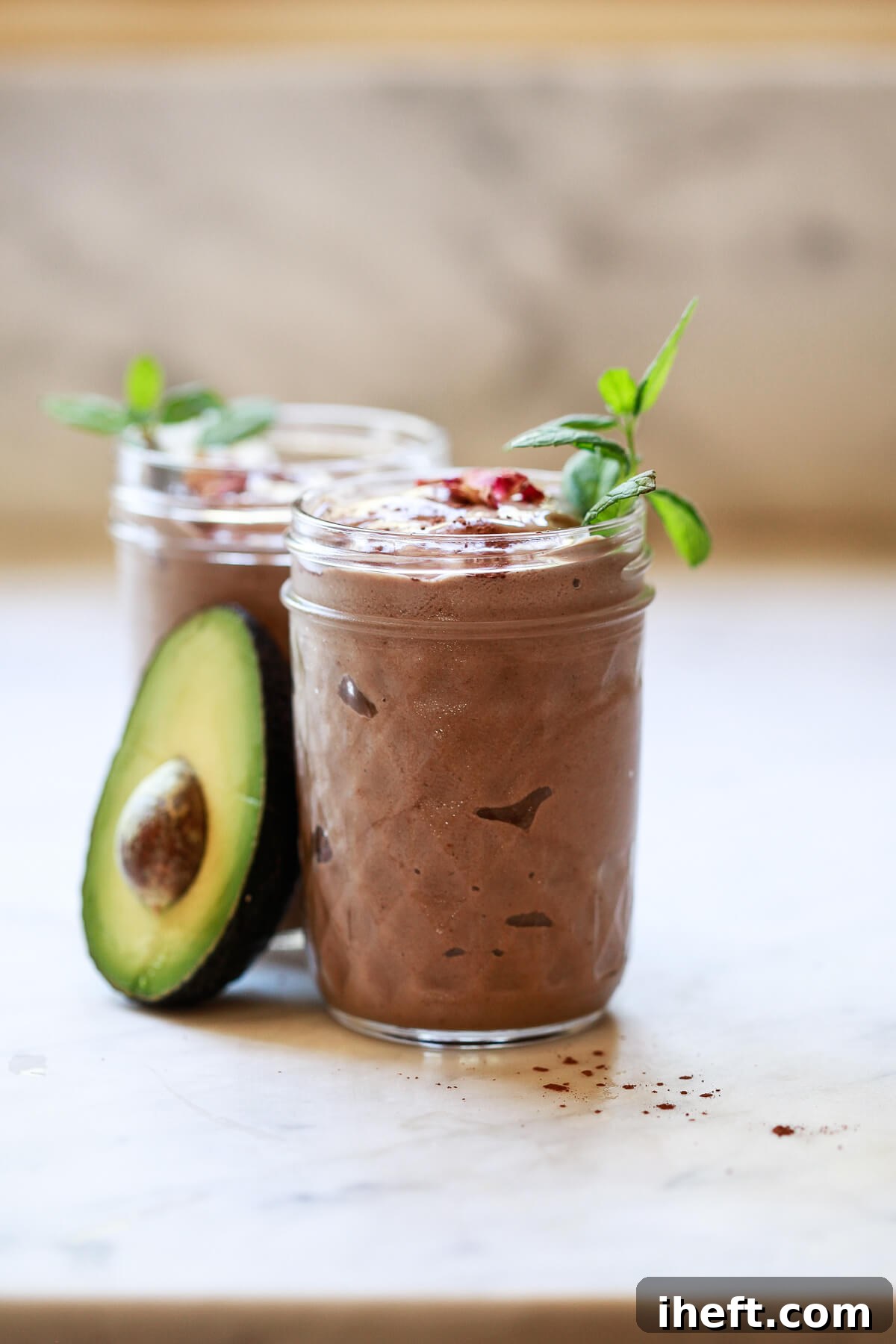
While often associated with savory dishes, the creamy texture and mild flavor of avocado make it a surprising yet delightful addition to sweet treats. It can add richness and a silky consistency, making desserts feel more decadent and nutritious.
- Chocolate Avocado Smoothie: A fantastic way to add healthy fats and a velvety texture to your morning or afternoon pick-me-up.
- Chocolate Avocado Pudding: A rich, dairy-free dessert that’s surprisingly easy to make and incredibly satisfying.
- Vegan Chocolate Frosting: Avocado replaces butter for a healthier, equally luscious frosting on cakes and cupcakes.
Savory Avocado Recipes for Every Meal
The savory applications of avocado are virtually endless, making it a cornerstone in many cuisines. Its ability to complement a wide range of ingredients makes it a favorite for breakfast, lunch, dinner, and snacks.
- Avocado Toast: A classic and simple preparation that highlights the avocado’s natural flavor, perfect for a quick breakfast or light lunch.
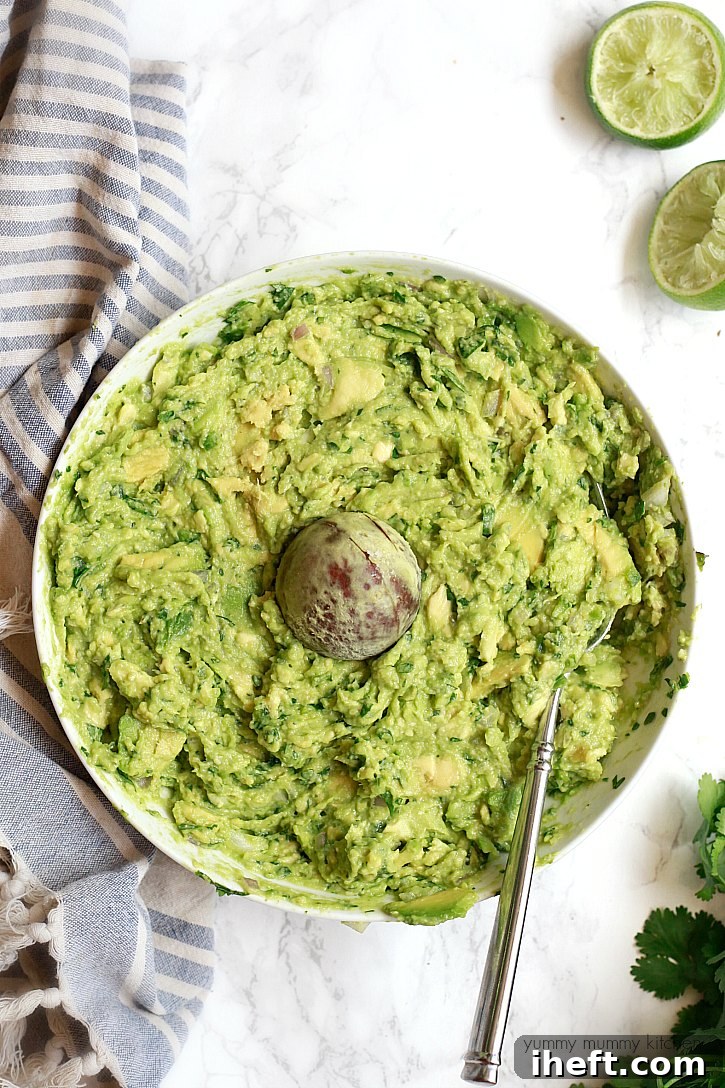
- Guacamole: The quintessential avocado dip, a staple for parties and Mexican-inspired meals, bursting with fresh flavors.
- Avocado Bruschetta: A fresh twist on a traditional Italian appetizer, combining the creamy texture of avocado with crisp bread and fresh toppings.
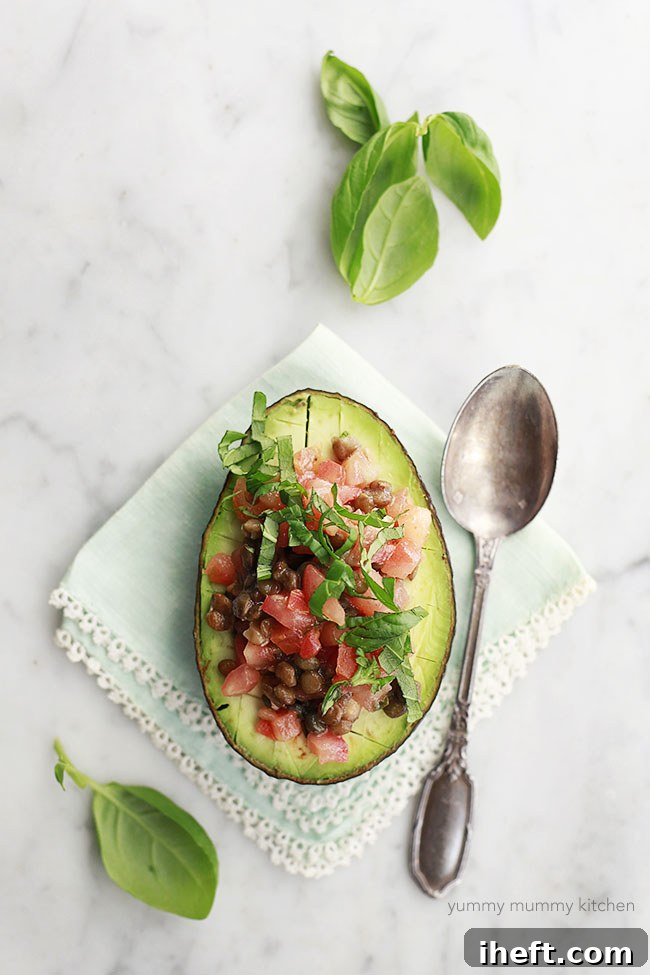
- Stuffed Avocados: A creative and customizable meal option, where avocado halves are filled with various savory mixtures, from grains and vegetables to meats or cheeses.
- Green Goddess Dressing: Avocado adds body and richness to this herbaceous and vibrant salad dressing, making it wonderfully creamy and flavorful.
Mastering Avocados: Tips & Tricks
To fully enjoy avocados, knowing how to select, ripen, and store them is key. Here are some essential tips to make the most of this incredible fruit:
How to Choose a Ripe Avocado
A perfectly ripe avocado will yield gently to pressure when squeezed lightly in your palm. The skin color often darkens, especially for Hass avocados, turning from green to a dark purple-black. Avoid avocados that are too soft or have significant dents, as these may be overripe or bruised. Conversely, if it feels rock-hard, it needs more time to ripen.
How to Ripen Avocados
If you have unripe, firm avocados, you can speed up the ripening process. Place them in a brown paper bag with an apple or banana. These fruits release ethylene gas, a natural ripening agent, which will help the avocado ripen faster, typically within 2-3 days. Check daily until it reaches your desired ripeness.
How to Store Avocados
Once ripe, whole avocados can be stored in the refrigerator for several days to slow down further ripening. If you’ve cut an avocado and only used half, store the remaining half with its pit in an airtight container in the refrigerator. To prevent browning, you can brush the exposed flesh with lemon or lime juice, or place it face down on a plate, covered tightly with plastic wrap.
- How to Ripen Avocados: Detailed guide on achieving perfect ripeness.
- Freezing Avocados: Learn how to preserve avocados for longer use, ideal for smoothies and dips.
- Cutting and Peeling Avocados: Master the safest and most efficient techniques for preparing your avocado.
So, What Exactly is an Avocado? The Final Verdict
After a thorough exploration, we can confidently conclude that the avocado is a truly remarkable and multifaceted fruit. While its savory applications often lead us to consider it a vegetable in culinary contexts, botanically speaking, it is unequivocally a fruit. Delving deeper into its botanical identity, an avocado is technically classified as a large, single-seeded berry. This classification is primarily due to its development from a single flower’s ovary and the specific fleshy nature of its pericarp layers, distinguishing it from drupes like peaches.
Regardless of how you choose to classify it – as a culinary vegetable, a botanical fruit, or a unique berry – the avocado remains an incredibly nutritious and versatile food. Its creamy texture, mild flavor, and impressive array of heart-healthy fats, fiber, vitamins, and minerals make it a valuable addition to any diet. So, the next time you enjoy a slice of avocado toast or a spoonful of guacamole, you’ll know you’re not just savoring a delicious treat, but a botanical marvel with a rich history and an even richer nutritional profile.