Effortless Instant Pot Sushi Rice
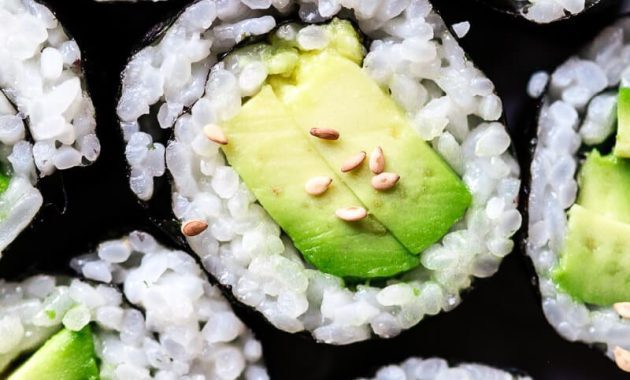
Crafting delectable sushi and vibrant sushi bowls at home just became incredibly simple and remarkably foolproof, thanks to your Instant Pot. With a handful of staple ingredients and minimal prep time, you can achieve perfectly seasoned, tender, and sticky sushi rice that rivals your favorite Japanese restaurant. This guide will walk you through mastering homemade sushi rice, ensuring your culinary creations are always a success.
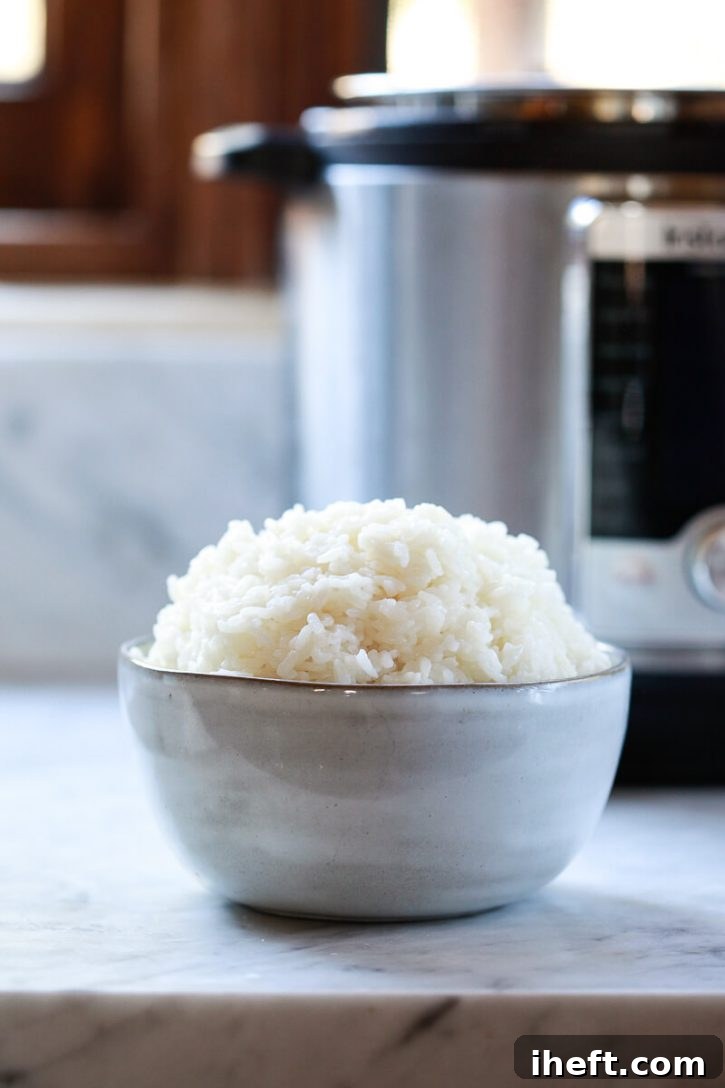
Embarking on the journey of making delicious sushi at home is far easier than many imagine, and the secret lies in the rice. Perfectly seasoned, tender, and just sticky enough to hold its form, sushi rice is the foundation of any great roll or bowl. Having perfected this art over many years in my own kitchen, I can confidently say that the Instant Pot method yields the most consistently excellent results. It’s a game-changer for home cooks, transforming what might seem like an intimidating task into a quick and enjoyable process.
This tried-and-true recipe draws inspiration from “The Great Sushi and Sashimi Cookbook” by Kazu Takahashi and Masakazu Hori, as highlighted by New York Times. For those seeking plant-based options, my second cookbook, Vegan in an Instant, also features a delightful veggie sushi roll recipe, showcasing the versatility of homemade sushi rice.
Unlocking the Magic of Sushi Rice: A Comprehensive Guide
While you might be tempted to use any rice for your sushi endeavors, or even alternative grains like quinoa, traditional sushi rice possesses unique characteristics that set it apart. Also known as shari or sumeshi, it’s not just about the grain itself but also the special seasoning it receives after cooking. Authentic sushi rice strikes a harmonious balance of sweet, salty, and tangy flavors, a result of its distinctive vinegar dressing. When cooked correctly, it achieves a tender, moist, and wonderfully clingy texture—essential for expertly forming sushi rolls and holding together sushi bowls without falling apart. This specific texture and flavor profile are what elevate sushi from a simple rice dish to a culinary art form.
Essential Components for Achieving Perfect Sushi Rice
Creating the ideal batch of sushi rice requires attention to a few key components. Each element plays a crucial role in achieving the desired taste and texture that makes homemade sushi truly shine.
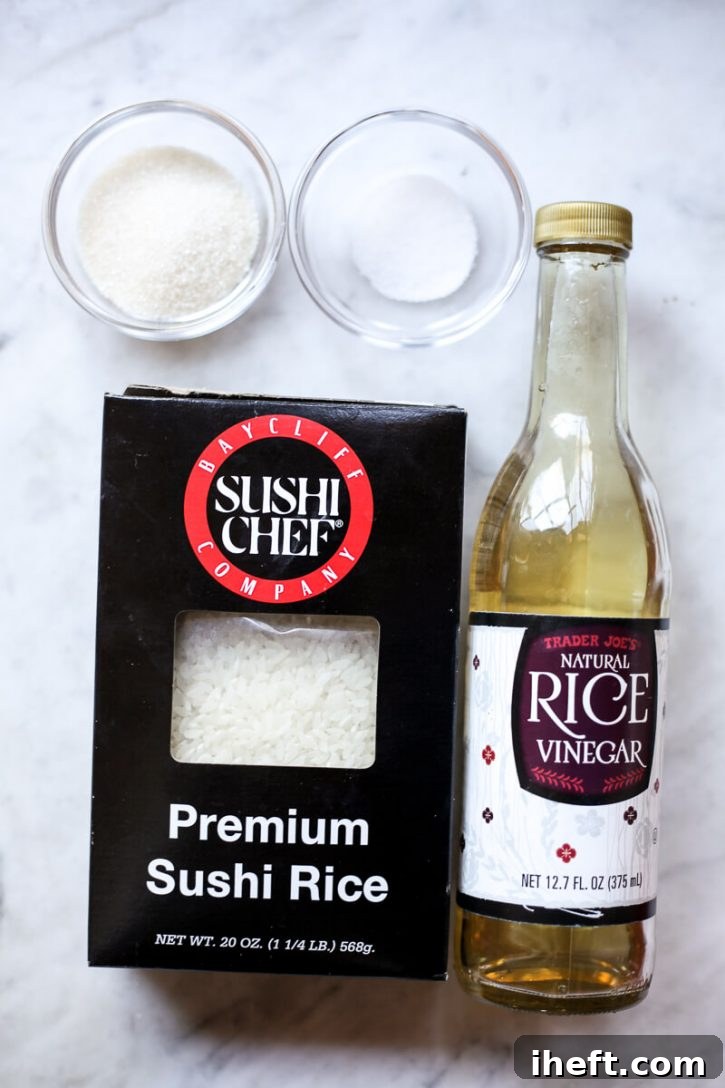
- The Right Rice: The foundation of exceptional sushi is, of course, the rice itself. Opt for a medium- or short-grain white sushi rice, often labeled as “Japanese sushi rice” or “Calrose rice.” These varieties are specifically cultivated to be stickier and have a higher starch content, which is vital for the cohesive texture needed for sushi. Avoid long-grain rice, such as basmati or jasmine, as they lack the necessary starch and will result in a dry, loose texture unsuitable for sushi. Look for these specific rice types in Asian grocery stores or the international aisle of larger supermarkets.
- Precise Rice to Water Ratio and Cook Time: The water ratio is critical. Too much water, and your rice becomes mushy; too little, and it’s dry and hard. For the Instant Pot, the virtually no-evaporation cooking environment means a 1:1 ratio of rice to water often works best for a single cup of rice. However, for larger quantities like 2 cups, it’s often advisable to stick to a 1:1 ratio. In this recipe, for 2 cups of sushi rice, we use 2 cups of water, which consistently delivers perfect results. If you decide to halve the recipe to 1 cup of rice, simply use 1 cup of water and adjust the seasoning ingredients accordingly. The precise pressure cooking time is short, but the natural release period is equally important for texture.
- Optimal Cooking Method: While traditional methods exist, an electric rice cooker or the Instant Pot (a type of pressure cooker) are hands down the best tools for consistently perfect sushi rice. They remove much of the guesswork, maintaining even heat and pressure for ideal water absorption. This hands-off approach ensures tender, evenly cooked grains every single time, making your sushi journey much more enjoyable.
- The Perfect Seasoning: Rice Vinegar: Don’t just grab any vinegar! Pay close attention to your bottle of rice wine vinegar. There are two primary types: “seasoned rice vinegar” and “unseasoned rice vinegar.” Seasoned rice vinegar already contains added sugar and salt, providing the classic sweet and tangy flavor profile. If you’re using this type, you can simply add it directly to your cooked rice, skipping the separate sugar and salt additions. Unseasoned rice vinegar, on the other hand, is made with just rice and water, offering a purer, sharper taste. If you opt for unseasoned, you’ll need to carefully measure and incorporate the specified amounts of sugar and salt to create the traditional sushi seasoning mixture, known as awasezu. Always double-check your bottle to ensure the correct adjustment of ingredients.
Alternative Cooking Methods: Stovetop or Rice Cooker
Even if you don’t own an Instant Pot, you can still achieve wonderfully cooked sushi rice using other kitchen appliances. While the Instant Pot offers unparalleled consistency and ease, both an electric rice cooker and even a simple pot on the stovetop can yield excellent results with a few adjustments.
- Electric Rice Cooker: This appliance is specifically designed for rice and is an excellent alternative to the Instant Pot. Most rice cookers typically recommend a 1:2 ratio of rice to water for short-grain rice. However, instructions can vary slightly between models and brands, so always consult your specific rice cooker’s manual for the most accurate guidelines. Follow your cooker’s standard program for white rice, then proceed with the seasoning process once the rice is cooked.
- Stovetop Method: Making sushi rice on the stovetop requires a bit more vigilance but is entirely achievable. For 1 cup of sushi rice, use approximately 1 to 1.25 cups of water. Rinse the rice thoroughly until the water runs clear. Place the rinsed rice and water in a heavy-bottomed pot with a tight-fitting lid. Bring the water to a rolling boil over medium-high heat. Once boiling, reduce the heat to the lowest setting, cover the pot tightly, and simmer for about 15-20 minutes, or until all the water has been absorbed. Do not lift the lid during this time! Once cooked, remove the pot from the heat and let it rest, still covered, for another 10-15 minutes. This resting period allows the steam to redistribute, resulting in perfectly fluffy and tender rice. After resting, transfer the rice to a bowl and proceed with the seasoning.
Creative Ways to Enjoy Your Homemade Sushi Rice
The beauty of homemade sushi rice extends far beyond traditional rolls. While it’s best utilized shortly after being made for optimal texture, you can keep it warm in your Instant Pot for up to an hour if you’re preparing other components. Once cooled to room temperature, it’s ready for an array of delightful applications. Here are some fantastic ideas to put your perfectly cooked, seasoned sushi rice to good use:
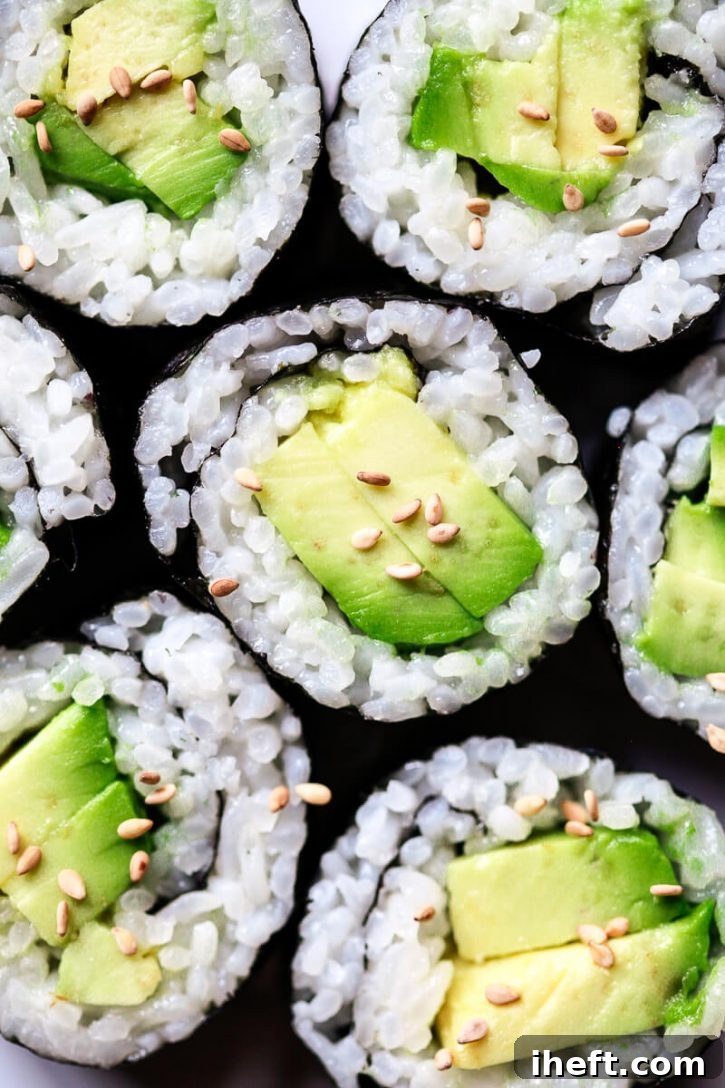
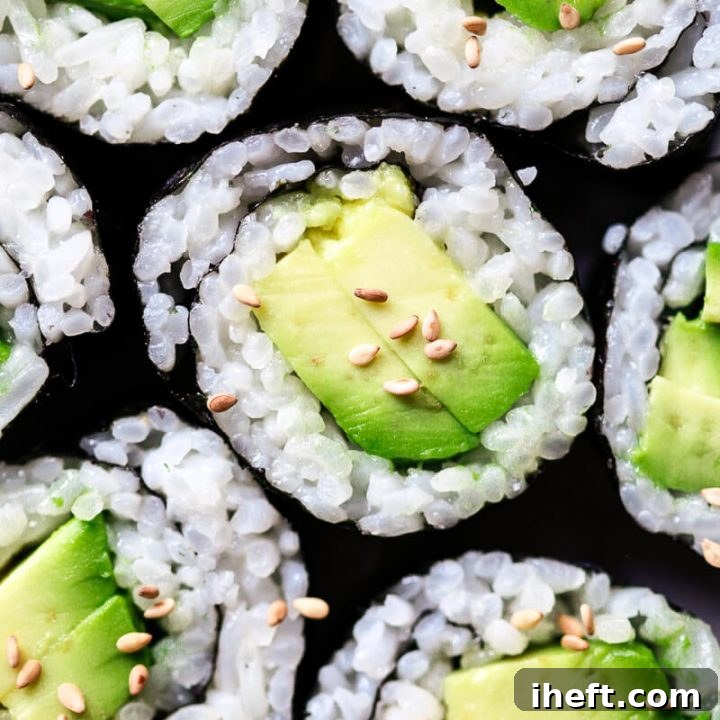
- Classic Sushi Rolls (Maki): The most popular application! Fill your rolls with fresh vegetables like avocado, cucumber, carrots, or go for more elaborate options with imitation crab, cooked shrimp, or even smoked salmon. Don’t forget a sprinkle of sesame seeds for extra flavor and visual appeal.
- Oshinko Rolls: A simple yet incredibly flavorful vegetarian roll featuring pickled daikon radish, offering a delightful crunch and tangy taste.
- Sushi Burritos (Sushirrito): A larger, handheld version of a sushi roll, perfect for a hearty and portable meal. Load it up with all your favorite sushi fillings for a satisfying culinary adventure.
- Deconstructed Sushi Bowls (Chirashi or Poke Bowls): If rolling isn’t your forte, or you’re short on time, a sushi bowl is an excellent choice. Simply layer your homemade sushi rice with an assortment of toppings. Think fresh avocado slices, crisp cucumber, shredded carrots, edamame, and a drizzle of soy sauce or a spicy mayo. For protein, consider Glazed Tempeh, Ginger Soy Glazed Baked Tofu, or for non-vegan options, diced raw fish like salmon or tuna (if using raw fish, ensure it’s sushi-grade). Don’t forget a topping of Masago for a pop of color and texture.
- Gourmet Toppings: Elevate your sushi bowls or rolls with unique additions. Top with sautéed Enoki Mushrooms for an earthy, delicate flavor.
- Hand-Formed Nigiri: For a more traditional sushi experience, shape small ovals of seasoned sushi rice and top them with a slice of your favorite fish or vegetable. While sashimi is just sliced raw fish, nigiri is specifically the fish served over a small bed of sushi rice.
- Onigiri (Rice Balls): A popular Japanese snack, onigiri are rice balls often shaped into triangles or cylinders, sometimes wrapped with nori (seaweed) and filled with various ingredients like pickled plum, tuna mayo, or grilled salmon.
Regardless of how you choose to use it, this Instant Pot sushi rice recipe guarantees a delicious and authentic base for all your Japanese-inspired culinary creations.
Instant Pot Sushi Rice
5 minutes
3 minutes
30 minutes
38 minutes
The best foolproof seasoned sticky Japanese style sushi rice for making sushi rolls or bowls. Sushi rice in the Instant Pot is the best, but you can also use this recipe when using a rice cooker or stovetop.
Ingredients
- 2 cups sushi rice
- 2 cups water
- 1/3 cup rice vinegar
- 2 tablespoons sugar
- 1 teaspoon salt
Instructions
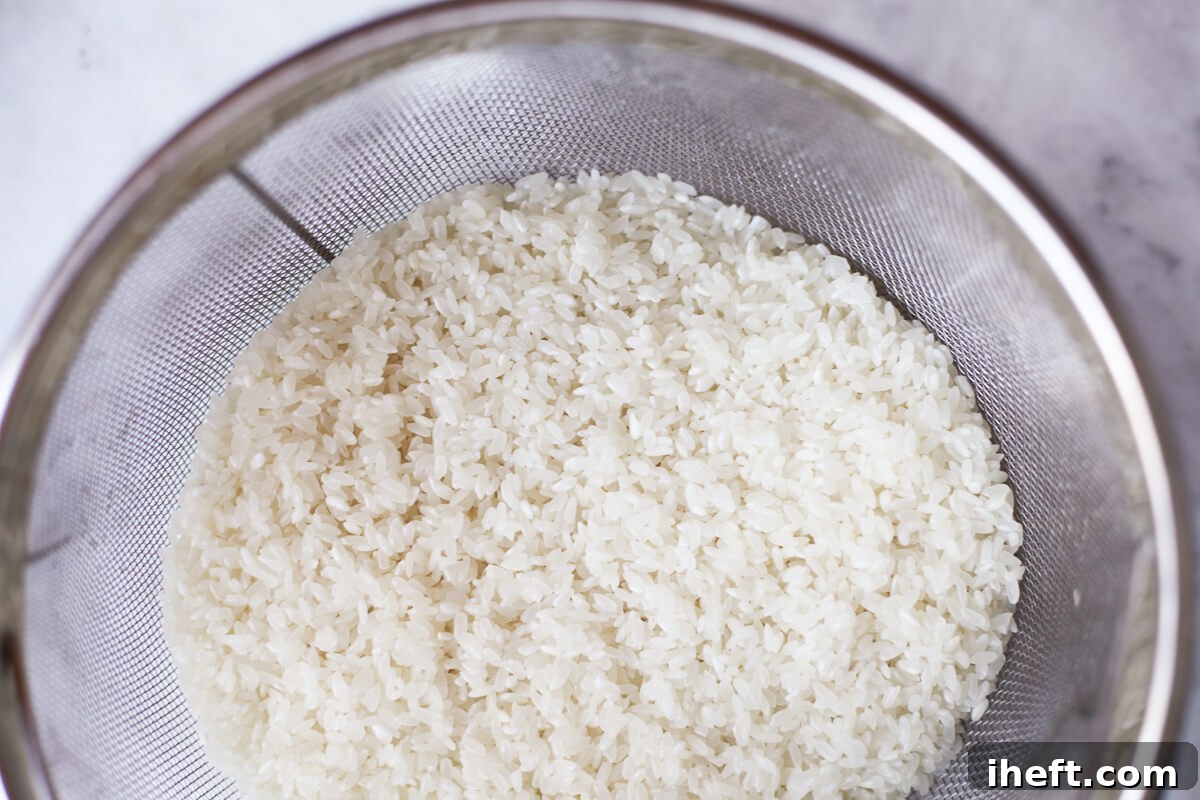
- Rinse the rice in a fine mesh colander and shake most of the water out so that the rice is just damp.

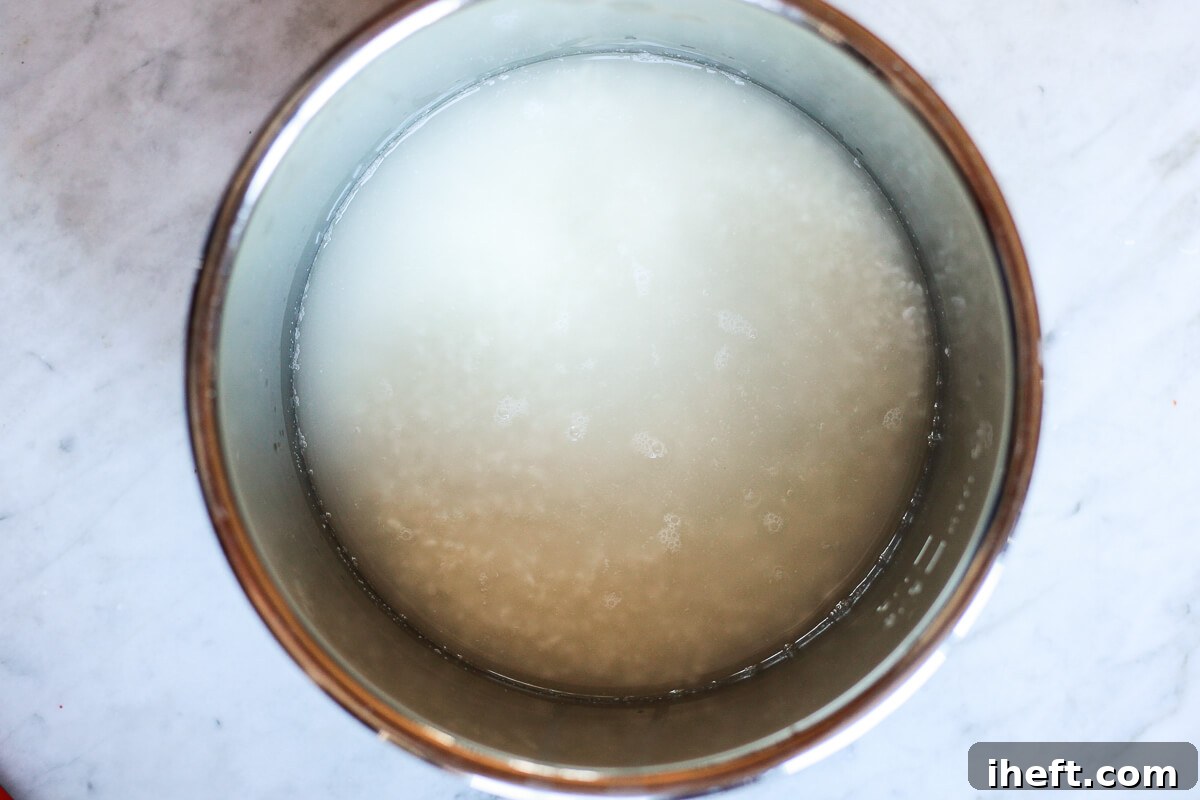
- Add the rice and water to the Instant Pot. Lock the lid and set the valve to sealing if needed on older models. Select manual/pressure cook (high) for 3 minutes. It will take about 13 minutes for the pressure to build before the countdown begins.
- Naturally release the pressure. This will take about 15 minutes. You can let the rice sit for up to an hour kept warm in the pot with no worries.
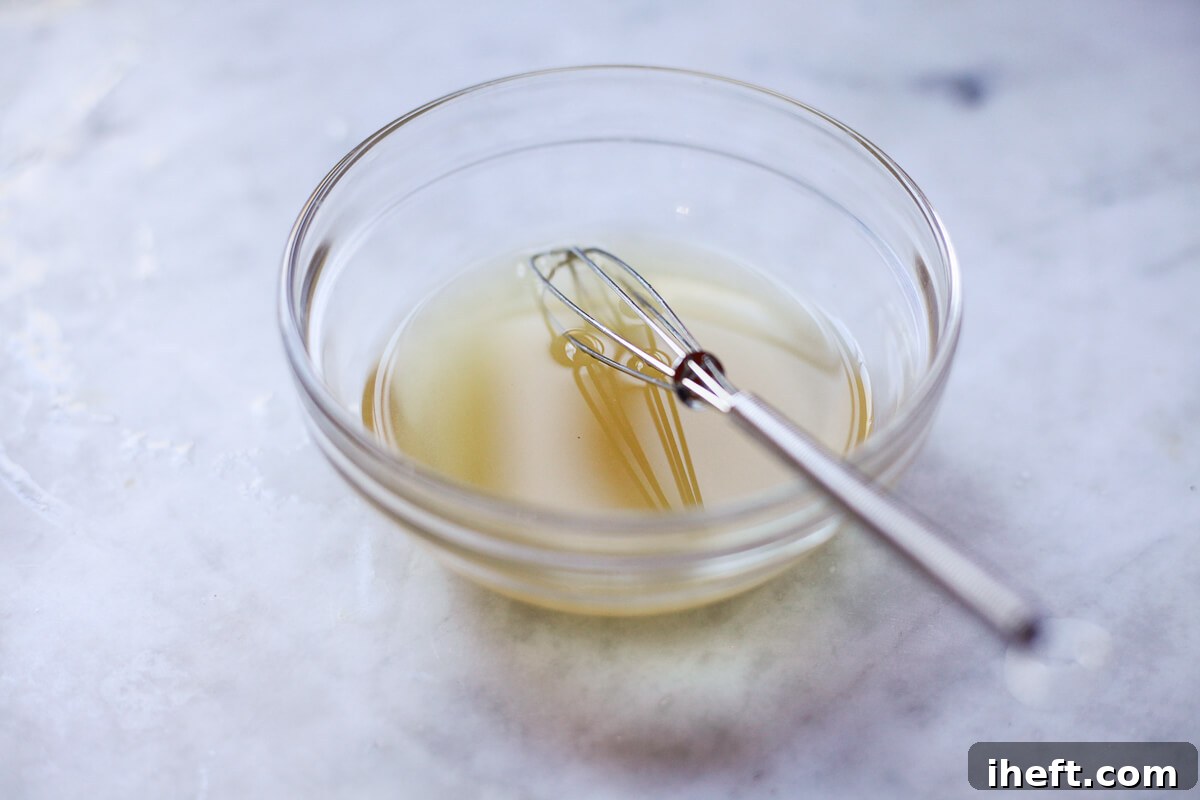
- Meanwhile, whisk the vinegar, sugar, and salt together until the sugar has dissolved. This works best in a small saucepan on the stove or by microwaving a glass bowl at 20 second intervals.
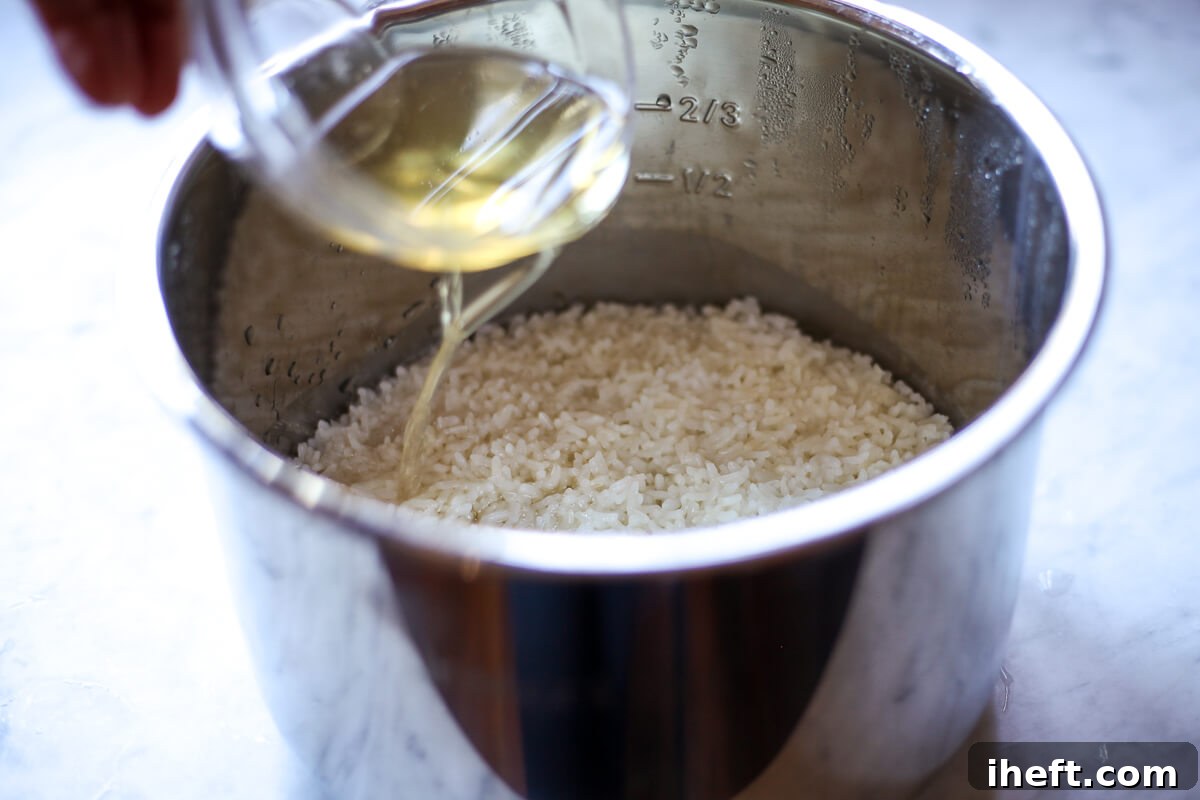
- Remove the Instant Pot lid and pour the seasoned rice vinegar over the rice. Stir in with a wooden spoon or the Instant Pot spoon until combined. The rice will become coated with the vinegar and look wet at first but will become perfectly moist and sticky as it cools.
- Let the sushi rice cool to room temperature, then use to make sushi or sushi bowls topped with veggies.
Notes
If using “seasoned” rice vinegar, you can skip the sugar and salt, as it’s already added.
To cook 1 cup of rice, for a smaller amount, use 1 cup of water, and halve the seasoned vinegar ingredients. The cook time will remain the same.
The little plastic cup that comes with the Instant Pot is not a full cup. It’s 160 ml, while a standard 8 oz. cup is 240 ml. Please use a regular measuring cup for this recipe.
Recommended Products
As an Amazon Associate and member of other affiliate programs, I earn from qualifying purchases.
- 365 by Whole Foods Market, Organic Vinegar, Rice, 12.7 Fl Oz
- Vegan in an Instant: 103 Plant-Based Recipes for Your Instant Pot
- Instant Pot Ultra 6 Qt 10-in-1 Multi- Use Programmable Pressure Cooker
- Lundberg Family Farms Organic Sushi Rice, California White, 32 Ounce
Nutrition Information:
Yield: 6
Serving Size: 1
Amount Per Serving:
Calories: 98Total Fat: 1gSaturated Fat: 0gTrans Fat: 0gUnsaturated Fat: 1gCholesterol: 0mgSodium: 452mgCarbohydrates: 21gFiber: 0gSugar: 6gProtein: 1g
Nutrition information is automatically calculated by Nutritionix. I am not a nutritionist and cannot guarantee accuracy. If your health depends on nutrition information, please calculate again with your favorite calculator.