Everything Farro: Your Guide to Benefits & Best Dishes
Embark on a culinary journey to discover farro, an ancient Italian superfood grain. This comprehensive guide will illuminate what farro is, provide easy-to-follow cooking instructions, and inspire you with a collection of delectable farro recipes. Get ready to elevate your kitchen with this versatile and nutritious grain!
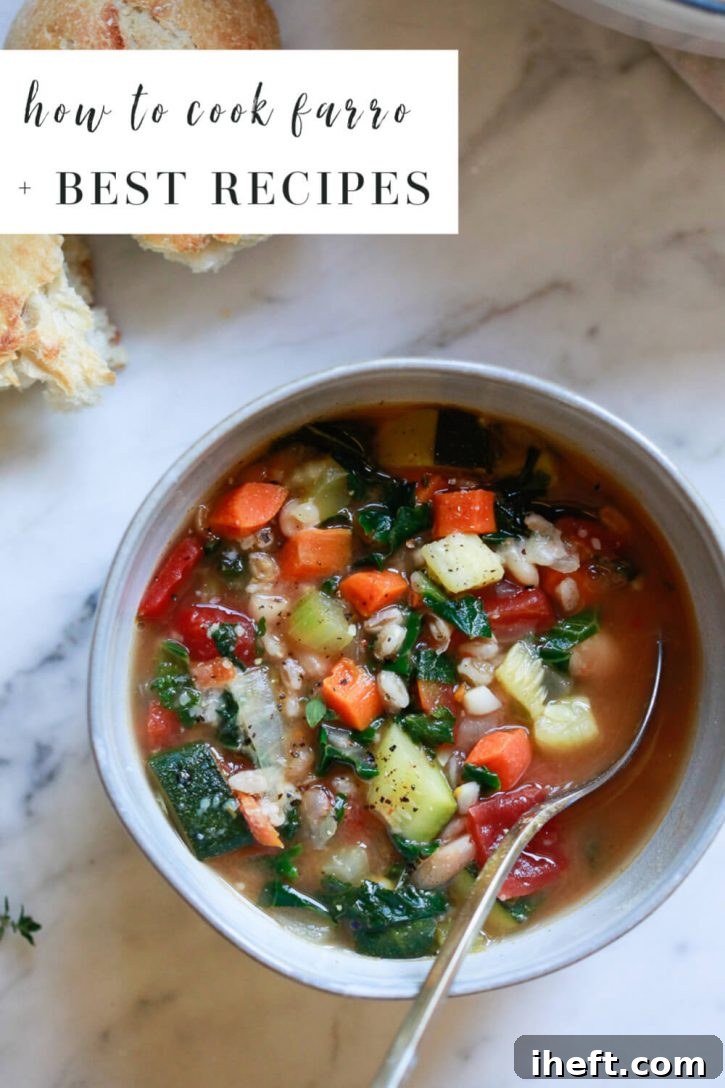
My first enchanting encounter with this wholesome grain was amidst the rolling hills of Tuscany. Imagine strolling through charming medieval towns, where bustling cafes proudly feature large, inviting bowls of farro salad, bursting with sun-ripened tomatoes and fragrant basil. It’s a culinary staple, deeply woven into the fabric of Italian dining.
I recall a particularly memorable experience at a minuscule, enchanting restaurant nestled in the heart of Montefioralle, a truly picturesque medieval village. This gem, named Alberto’s Home, doesn’t even boast a traditional menu. Instead, Alberto, the passionate chef and owner, crafts his daily offerings based on what’s freshest from his garden and what’s in season. More often than not, a delightful pesto farro salad graced his patio-turned-dining-room table, showcasing the grain’s incredible versatility and flavor.
The ubiquity of farro in this region truly impressed me. In Greve in Chianti, the local Coop grocery store even stocks pre-cooked farro in its refrigerated section, conveniently placed alongside fresh vegetables. This speaks volumes about its integral role in the everyday Italian diet – a testament to its enduring popularity and culinary significance.
Since that discovery, farro has become a cherished staple in my own kitchen. I now regularly incorporate it into our family meals, just as I would other nutritious grains, seeds, and legumes like quinoa, barley, millet, rice, chickpeas, or lentils. Its distinctive nutty flavor and hearty, chewy texture elevate dishes, transforming simple soups, stews, and salads into more satisfying and filling culinary experiences.
Below, we’ll delve deeper into the fascinating world of farro, exploring its origins, understanding its different forms, mastering various cooking methods, and discovering a curated selection of our favorite farro-centric recipes. If you’re inspired by the flavors of Italy, be sure to explore more recipes from our time there, including Authentic Pizza Dough, Traditional Pizza Sauce, Classic Bruschetta al Pomodoro, Indulgent Affogato, and the refreshing Aperol Spritz. I’d love to hear about your favorite Italian dishes or farro creations in the comments below!
What is Farro? An Ancient Italian Grain Explained
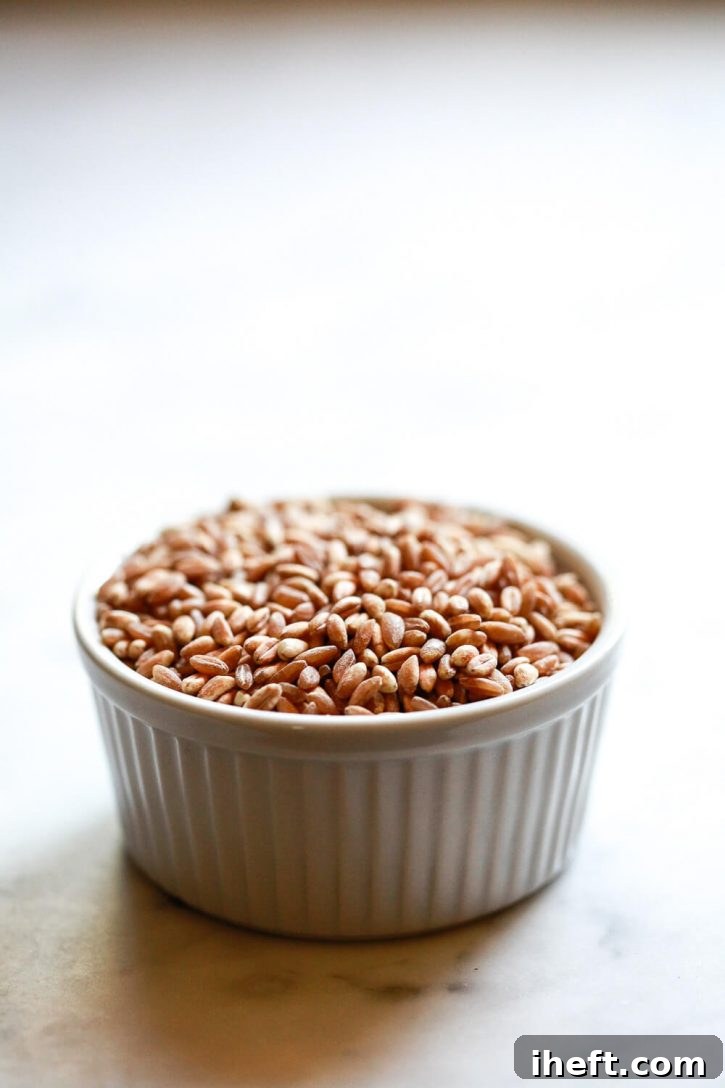
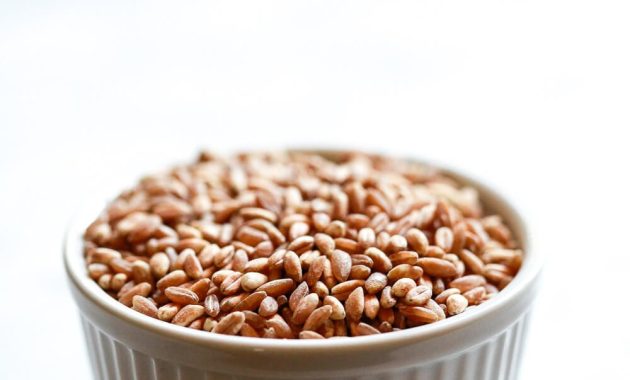
Farro (pronounced Fahr-oh) is not just a single grain, but rather an umbrella term for three ancient species of hulled wheat: Einkorn (Triticum monococcum, also known as farro piccolo or small farro), Emmer (Triticum dicoccum, or farro medio/medium farro), and Spelt (Triticum spelta, or farro grande/large farro). Emmer farro is the most commonly cultivated and consumed variety in Italy today, and thus, often what you’ll find labeled simply as “farro” in stores.
This light brown, small-to-medium sized grain has been a prized staple since ancient Roman times, revered for its robust, earthy flavor and wonderfully chewy texture. Many describe its taste as a pleasant blend of oats and nuts, with a satisfying bite reminiscent of barley. Unlike modern wheat, these ancient grains boast a tougher husk, which helps protect them from pests and diseases, often leading to more naturally grown crops without the need for extensive chemical intervention.
Sold dried, similar to rice or other grains, farro is typically cooked in water or broth until it reaches a perfect al dente consistency. Its versatility is truly remarkable; it can stand alone as a simple side dish drizzled with good olive oil and a sprinkle of salt, integrated into vibrant salads, or transformed into a luxurious main course like Farrotto, a farro-based risotto.
Understanding Farro Varieties: Whole, Semi-Pearled, and Pearled
When selecting farro at your local grocery store, typically found in the grains or rice aisle, you might notice that cooking times and even the appearance can vary significantly. This is primarily due to the different processing levels of the farro kernel, specifically concerning the removal of its outer layers. Unfortunately, labeling isn’t always standardized, which can lead to some confusion for first-time buyers.
The “pearling” process refers to the removal of the bran, the outer layer of the grain. This process affects both cooking time and nutritional content. Here’s a breakdown of the types you’re likely to encounter:
- Whole Farro: This is the most intact form, meaning both the germ and the bran are fully present. As a result, whole farro is the most nutrient-dense and boasts the highest fiber content. However, it also requires the longest cooking time, often between 45-60 minutes or more. Some recipes recommend soaking whole farro overnight to reduce cooking time and improve digestibility, though it’s not strictly necessary if you’re prepared for a longer simmer. If your package specifies a lengthy cooking time or suggests soaking, you likely have whole farro.
- Semi-Pearled (Semiperlato) Farro: This is arguably the most common variety available in U.S. stores, including specialty Italian shops and health food markets like Whole Foods or Sprouts. In semi-pearled farro, a portion of the bran has been removed, but some nutritional benefits remain. This partial pearling significantly reduces cooking time, typically ranging from 15-30 minutes, without the need for pre-soaking. It strikes a great balance between nutritional value and convenience, offering a chewy texture that holds up well in a variety of dishes.
- Pearled (Perlato) Farro: With pearled farro, the entire bran layer has been removed. While this makes it the quickest-cooking variety, often ready in 10-15 minutes, it also means it has less fiber and a slightly reduced nutrient profile compared to whole or semi-pearled options. Pearled farro tends to have a softer texture.
- Quick-Cooking Farro: Some brands, like Trader Joe’s and Whole Foods’ 365 Everyday Value, offer a quick-cooking variety. This farro has been pre-steamed or pre-cooked and then dried, allowing it to cook in as little as 10 minutes. It’s the most convenient option but may have a slightly different texture than traditionally cooked farro.
Always check the package instructions for the specific brand and type of farro you’ve purchased, as cook times can vary. For reliable results, I often turn to brands like Bob’s Red Mill, Pereg, or reputable generic store brands, which typically provide clear cooking guidelines.
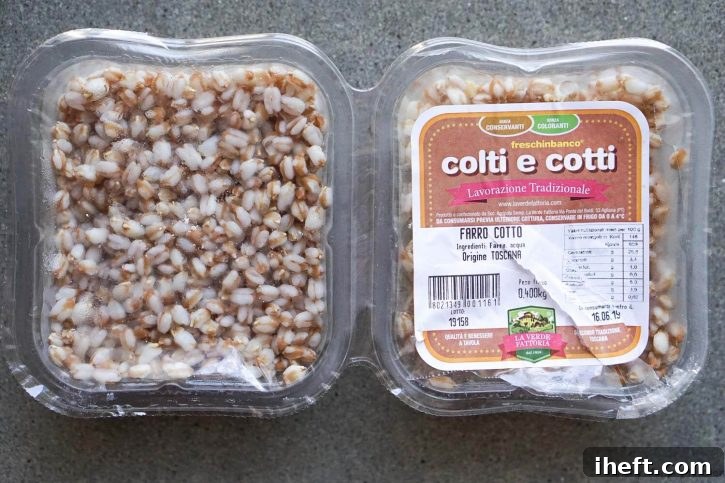
Farro cotto (cooked farro), conveniently purchased from the Coop in Greve in Chianti, Tuscany, Italy.
Is Farro Gluten-Free? Understanding Farro and Gluten Sensitivities
It’s crucial to clarify: farro, being a type of wheat, does contain gluten. Therefore, it is absolutely not suitable for individuals with Celiac disease or severe gluten allergies. While some packages or sources might describe farro as “low gluten,” this refers to its ancient wheat structure, which differs from modern, highly hybridized wheat varieties. The gluten in ancient grains like farro and spelt can sometimes be tolerated by individuals with mild gluten sensitivities, but it is not gluten-free.
For those who need to avoid gluten entirely, safer and delicious alternatives include rice (brown or white), quinoa, millet, buckwheat, corn, or sorghum. It’s also worth noting that farro, especially the Emmer variety, is often traditionally grown in Italy without the extensive use of chemical pesticides or fertilizers, which can be an appealing factor for those seeking more natural food options.
The Nutritional Powerhouse: Benefits of Incorporating Farro
Farro isn’t just delicious; it’s a true nutritional powerhouse, earning its status as an “ancient superfood.” It offers a robust profile of vitamins, minerals, and dietary fiber that surpasses many other common grains. Incorporating farro into your diet can contribute significantly to overall health and well-being.
- High in Protein: Farro is a relatively high-protein grain, typically offering around 7 grams per serving. When combined with legumes in traditional Mediterranean cooking (like lentils or chickpeas), it forms a complete protein, providing all the essential amino acids your body needs. This makes it an excellent plant-based protein source for vegetarians and vegans.
- Rich in Fiber: Especially in its whole and semi-pearled forms, farro is an excellent source of dietary fiber. Fiber is vital for digestive health, promoting regularity, and helping to prevent constipation. It also contributes to satiety, keeping you feeling fuller for longer and aiding in weight management. Beyond digestion, fiber plays a crucial role in lowering cholesterol levels and stabilizing blood sugar.
- Abundant in B Vitamins: Farro provides several B vitamins, including Niacin (B3) and Riboflavin (B2). These vitamins are essential for energy metabolism, helping your body convert food into energy, supporting nerve function, and maintaining healthy skin and vision.
- Key Minerals: This ancient grain is packed with vital minerals such as magnesium, zinc, and iron. Magnesium is critical for muscle and nerve function, blood glucose control, and blood pressure regulation. Zinc is a powerful immune booster and essential for wound healing. Iron is crucial for oxygen transport in the blood and preventing anemia.
- Antioxidants: Like many whole grains, farro contains various antioxidants, which help protect the body’s cells from damage caused by free radicals, potentially reducing the risk of chronic diseases.
As long as you don’t have a gluten allergy, farro is a remarkably nutritious and hearty ancient grain that can be a fantastic addition to a balanced and health-conscious diet.
Delicious Farro Recipes: Unlocking Culinary Versatility
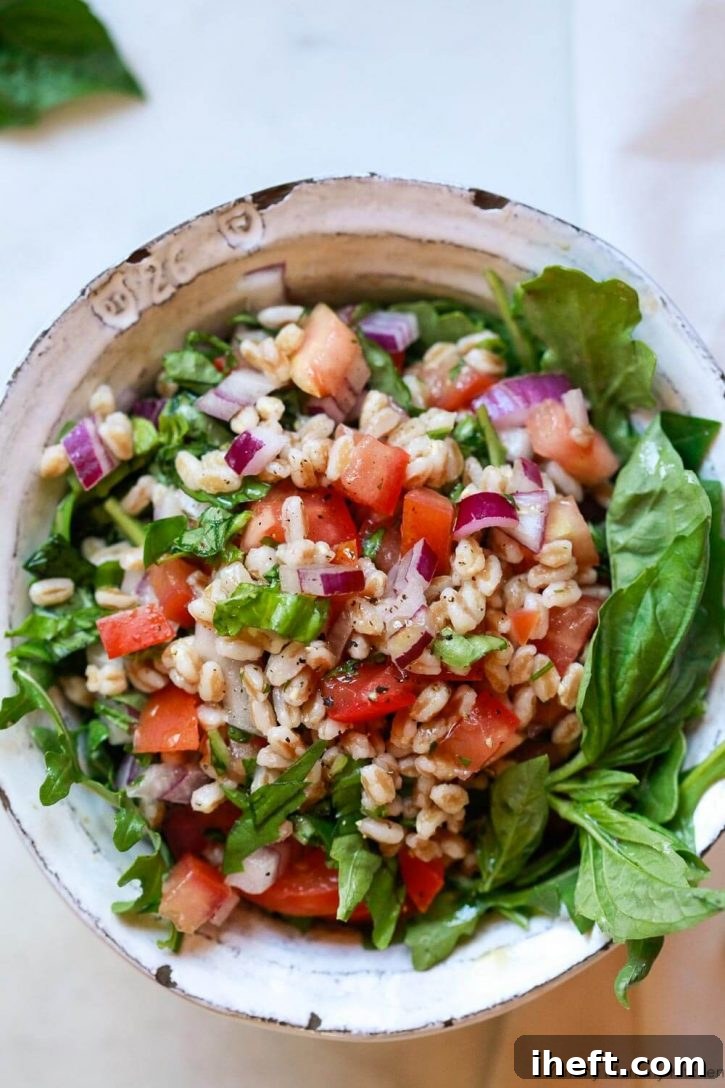
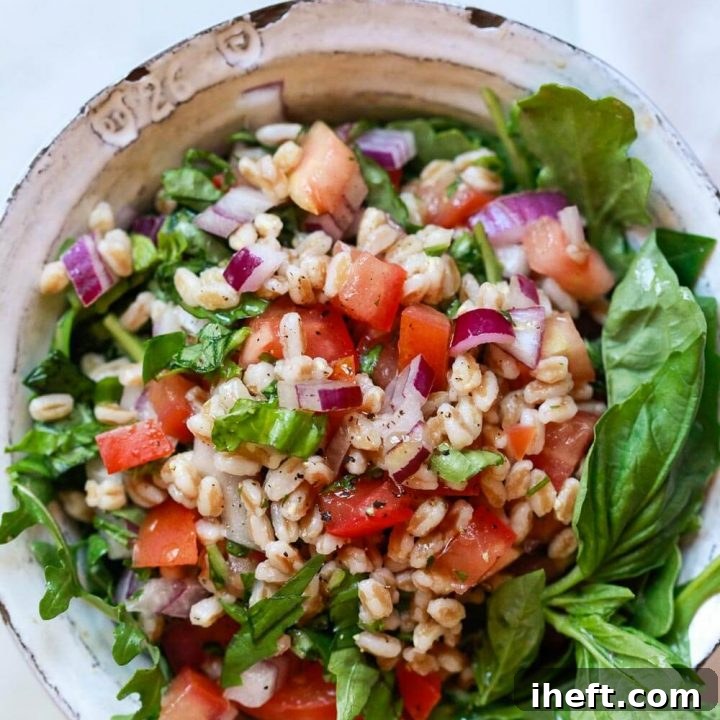
A delightful farro salad featuring tomatoes, basil, red onion, garlic, olive oil, and vinegar, served on a bed of fresh arugula.
Farro’s mild, nutty flavor and substantial chewiness make it an incredibly adaptable ingredient in the kitchen. While it’s most famously celebrated in traditional Italian risottos (farrotto), vibrant salads, and hearty soups, its potential extends far beyond these classics. With a dash of creativity, farro can be incorporated into a wide array of dishes, offering a satisfying texture and nutritional boost.
Consider using cooked farro as a robust base for trendy Buddha Bowls or grain bowls. Simply sauté up your favorite seasonal vegetables, add your protein of choice, and toss in a generous portion of cooked farro with a flavorful dressing, perhaps an Avocado Green Goddess Dressing, for a wholesome and satisfying meal. Beyond savory applications, farro can even be prepared as a unique and wholesome breakfast cereal, cooked with milk (dairy or plant-based) and topped with fruits, nuts, and a touch of sweetness. Here’s a selection of both traditional and innovative farro recipes to inspire your next meal:
Mushroom Farrotto
Farro shines in this hearty farrotto, featuring earthy mushrooms and sweet butternut squash. It makes for a beautiful and comforting holiday meal or a sophisticated weeknight dinner.
Italian Farro Salad
This robust Italian salad, packed with fresh arugula, juicy tomatoes, briny olives, and crisp cucumber, creates a delicious and nourishing lunch or a perfect side dish for dinner.
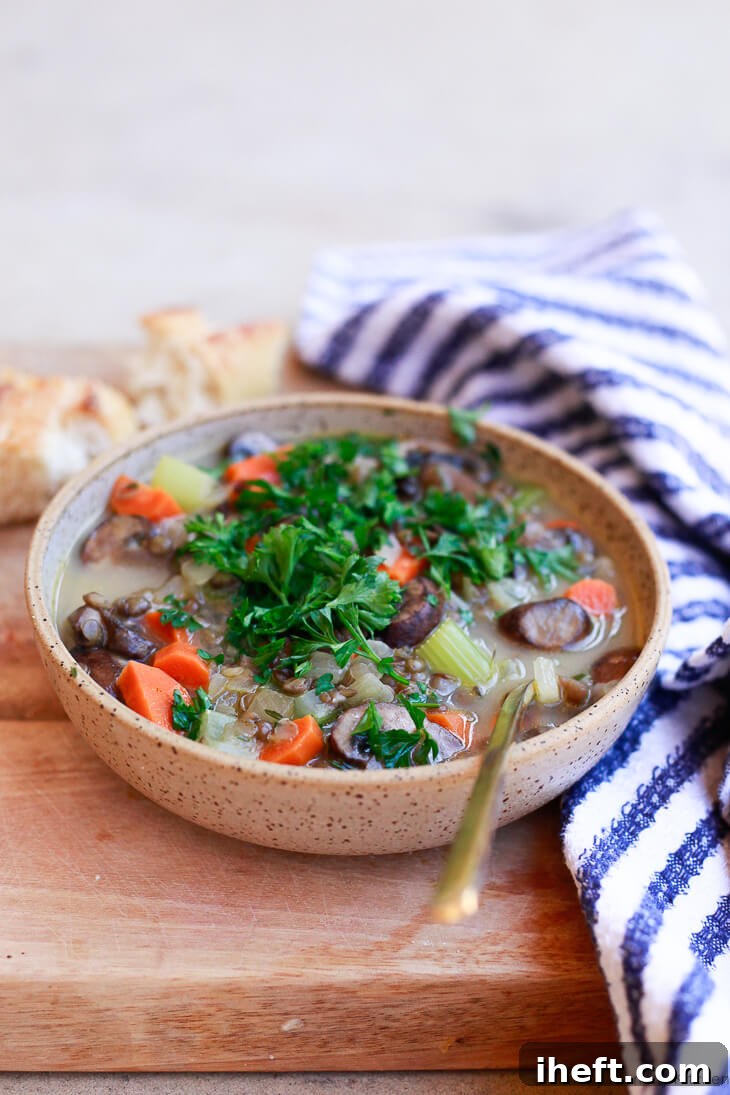
Italian Vegetable Soup
This healthy and satisfying vegan Italian vegetable soup is incredibly easy to prepare, whether you prefer cooking it on the stovetop or quickly in an Instant Pot pressure cooker.
Warm Grain Salad with Cranberries
This warm farro salad, featuring tart cranberries, gently wilted spinach, crunchy pecans, and aromatic herbs, is a hearty and beautiful side dish perfect for autumn and winter gatherings.
Farro Tabbouleh
What a fantastic modern twist on traditional tabbouleh! This salad looks incredibly fresh, vibrant, and wonderfully hearty, making it a satisfying meal.
Oven Roasted Carrots + Chickpeas with Farro and Lemon Yogurt Sauce
This beautifully roasted carrot and chickpea side dish, served with farro and a bright lemon yogurt sauce, looks absolutely perfect for holiday meals or any special occasion.
One-Pot Farro with Cauliflower and Onions
This One-Pot Farro with Cauliflower and Onions is a fantastic and convenient meal, perfect for a satisfying vegan or vegetarian dinner!
Farro with Leeks, Mushrooms, and Chestnuts
This indulgent yet wholesome vegan farro dish with leeks, mushrooms, and chestnuts has been a cherished addition to our family Christmas feast for years. It’s quick to prepare and can even be made ahead, making it an effortlessly elegant contribution to any holiday table.
Buddha Bowl with Crispy Baked Tofu
Farro makes a wonderfully hearty and delicious grain base for Buddha bowls. Top it with a medley of roasted vegetables and your preferred protein, like crispy baked tofu, to create a well-rounded and satisfying meal.
Charred Corn and Farro Salad
Savor the vibrant flavors of summer with this healthy vegetarian recipe for charred corn and farro salad. It’s generously loaded with sweet cherry tomatoes, aromatic basil, and freshly grilled corn.
30-Minute Farro Fried Rice
A delightfully creative and quick spin on classic fried rice, using farro for an added layer of texture and nutrition!
Spanish Stuffed Peppers with Salsa Verde
These whole grain stuffed peppers, filled with farro and a vibrant salsa verde, are guaranteed to be bursting with rich Spanish flavors, making for a memorable meal.
How to Cook Farro Perfectly: Stovetop, Instant Pot, and Slow Cooker Methods
Cooking farro to that ideal al dente texture – tender yet still wonderfully chewy – is surprisingly straightforward. The most traditional method involves simmering it on the stovetop in water or, for enhanced flavor, vegetable broth. However, modern kitchen appliances offer even quicker and more convenient options. Remember that cook times will vary based on the type of farro (whole, semi-pearled, pearled) you are using, so always consult your package instructions first.
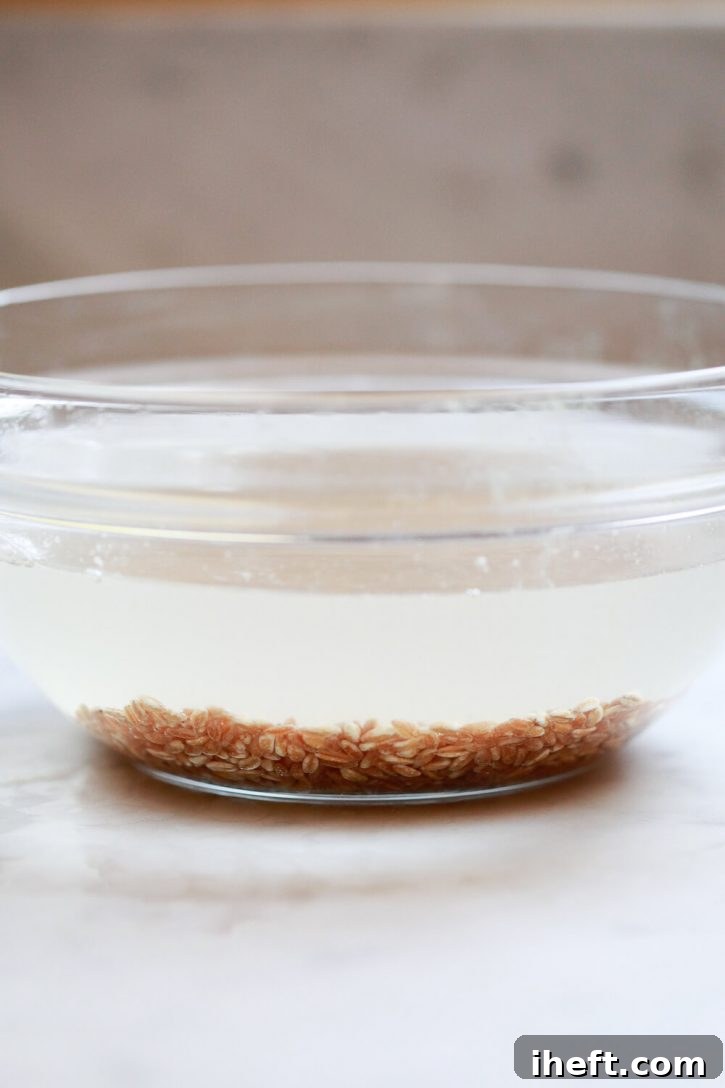
Step 1: Rinse Your Farro Thoroughly
Just as you would with rice or quinoa, it’s highly recommended to rinse farro well before cooking. This process helps remove any excess surface starches, which prevents the grains from sticking together and results in a lighter, fluffier cooked farro. You’ll notice the rinsing water is quite murky initially; continue rinsing under cold running water several times until the water runs clear. Strain the farro thoroughly through a fine-mesh sieve. The only exception to rinsing is if you are making farrotto (farro risotto), where the starches are desirable for creating a creamy texture.
Step 2: Choose Your Cooking Method
On the Stovetop
This is the classic and most common method for cooking farro. It’s simple and allows for easy monitoring to achieve your desired al dente texture.
- Combine 1 cup of semi-pearled farro (or your chosen type) with 3 cups of water or vegetable broth in a medium-sized pot. For whole farro, you might need 4 cups of liquid.
- Bring the mixture to a boil over medium-high heat, then reduce the heat to a gentle simmer.
- Cook, uncovered, until the farro is tender but still has a pleasant chewiness (al dente). For semi-pearled farro, this typically takes about 15-25 minutes. Whole farro can take 30-45 minutes or more, especially if not pre-soaked.
- Once cooked, drain any excess water using a fine-mesh sieve and season with a pinch of salt to taste.
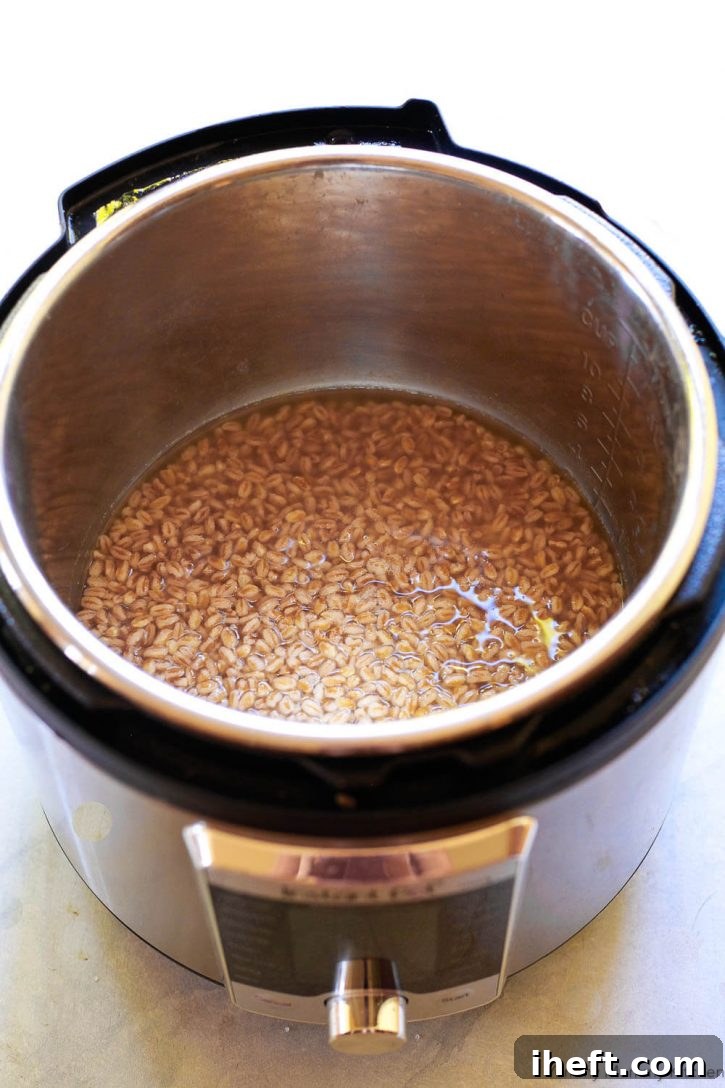
In the Instant Pot Pressure Cooker
For a quicker and hands-off approach, the Instant Pot or any electric pressure cooker is an excellent choice. This method significantly reduces cooking time while consistently delivering perfectly cooked grains.
- Combine 1 cup of semi-pearled farro with 2 1/2 cups of water or broth in the Instant Pot. For whole farro, use 3 cups of liquid.
- Lock the lid in place and set the valve to the ‘Sealing’ position.
- Cook on High Pressure for 9 minutes for semi-pearled farro, or 12-15 minutes for whole farro.
- Once the cooking cycle is complete, perform a quick release of the pressure.
- Carefully remove the lid, drain any excess water, and fluff with a fork.
In the Slow Cooker
The slow cooker offers a convenient “set it and forget it” option, perfect for meal prepping or when you need farro ready by a specific time without constant supervision.
- Combine 1 cup of semi-pearled farro with 4 cups of water or broth in your slow cooker. For whole farro, you might need 5 cups of liquid.
- Cover and cook on LOW for 2 to 2 1/2 hours, or on HIGH for 1 1/2 hours, until the farro is tender yet still chewy.
- Drain any remaining liquid before serving.
How to Cook Farro Perfectly
2 minutes
20 minutes
22 minutes
Learn to cook farro flawlessly on the stovetop, in the Instant Pot, and in the slow cooker. Plus, discover the best farro recipe with tomatoes and basil, prepared just as I learned it in Tuscany.
Ingredients
- 1 cup semi-pearled farro, rinsed (Bob’s Red Mill tested)
- 2 quarts water or vegetable broth
- 1 teaspoon sea salt
Instructions
Stovetop Farro
- Bring 2 quarts of water (or broth) and salt to a simmer in a large pot. Add the rinsed farro and simmer over medium-high heat, uncovered, until al dente. This usually takes about 15-25 minutes for semi-pearled farro, or as directed by your package instructions.
- Drain any excess water thoroughly and use your perfectly cooked farro in your favorite recipes, such as the vibrant salad detailed in the notes below.
Instant Pot Farro
- Combine 1 cup of rinsed farro, 2 1/2 cups of water or broth, and salt in the Instant Pot pressure cooker.
- Lock the lid in place, ensuring the valve is set to ‘Sealing’. Set to pressure cook (High) for 9 minutes for semi-pearled farro. Perform a quick release of pressure. Check if the grains are cooked al dente. If they are still too firm, re-lock the lid and cook for an additional 2 minutes. Drain any excess water.
Slow Cooker Farro
- Combine 1 cup of rinsed farro, 4 cups of water or broth, and salt in the slow cooker.
- Cover and cook on LOW for 2-2 1/2 hours, or on HIGH for 1 1/2 hours, until the farro is tender but still al dente. Drain any excess water before serving.
Notes
Exact cooking times can fluctuate between different brands and types of farro. Always refer to the packaging instructions as a primary guide. If you’re unsure whether your farro is semi-pearled or whole, cook it on the stovetop until it reaches a soft but pleasantly chewy texture. Pre-soaking farro is generally not required for semi-pearled varieties, but can be helpful for whole farro to reduce cooking time.
Store cooked farro in an airtight container in the refrigerator for up to 5 days, making it ideal for meal prep throughout the week.
Farro Salad with Tomatoes and Basil (Tuscan Style)
To recreate my cherished Tuscan farro salad, as pictured earlier, allow the cooked farro to cool completely. Then, gently mix in 2 diced Roma tomatoes, 1 small minced garlic clove, 1/2 small diced red onion, and a generous handful of fresh torn basil. Season generously with sea salt and freshly ground black pepper. Dress the salad with a good quality olive oil and a splash of white balsamic or red wine vinegar to taste. I particularly love to serve this over a bed of fresh arugula, with an extra drizzle of olive oil and a squeeze of lemon for brightness.
Recommended Products
As an Amazon Associate and member of other affiliate programs, I earn from qualifying purchases.
- 365 Everyday Value, Organic Italian Farro, 8.8 oz
- Organic Farro Grain, 2 / 24 Oz. Bags, Bob’s Red Mill
Nutrition Information:
Yield: 4
Serving Size: about 1/2 cup
Amount Per Serving:
Calories: 84Total Fat: 1gSaturated Fat: 0gTrans Fat: 0gUnsaturated Fat: 0gCholesterol: 0mgSodium: 537mgCarbohydrates: 18gFiber: 3gSugar: 2gProtein: 4g
Nutrition information is automatically calculated by Nutritionix. I am not a nutritionist and cannot guarantee accuracy. If your health depends on nutrition information, please calculate again with your favorite calculator.
Farro truly is a remarkable grain, offering a delightful combination of rich history, distinctive flavor, and impressive nutritional benefits. Whether you’re a seasoned chef or a home cook looking to expand your culinary repertoire, farro provides an exciting and healthy alternative to more common grains. Its ability to absorb flavors while maintaining its satisfying chew makes it perfect for everything from hearty winter stews to refreshing summer salads. So, embrace this Italian superfood and discover the countless delicious ways farro can enrich your meals and bring a taste of ancient tradition to your table!