Gastronomic Gold: The World’s Most Expensive Delicacies
Have you ever wondered what the most expensive food in the world might be? Prepare to be amazed as we explore a fascinating and informative list of the top 14 culinary treasures that command astronomical prices. From rare ingredients found in remote corners of the globe to meticulously crafted delicacies, this journey into the world of luxury food promises to redefine your perception of gastronomic extravagance.
The culinary world is vast and full of surprises, often leading us down unexpected paths of discovery. A simple curiosity about edible gold, for instance, can quickly morph into an extensive quest for the world’s most expensive food ingredients. While edible gold certainly adds a luxurious touch, it might surprise you to learn that the top spot is held by a truly remarkable variety of oysters, among other astonishing items.
Join us as we delve into the realm of the world’s most luxurious and expensive foods, ranging from the finest caviar to exclusive moose cheese. This list focuses on individual ingredients that elevate any dish to an extraordinary level of indulgence, rather than elaborate multi-component meals like the legendary Zillion Dollar Lobster Frittata. Each item on our list carries a hefty price tag, reflecting its rarity, unique production methods, or unparalleled flavor.
14 Most Expensive Foods in the World
Can you guess which items made our exclusive list of the most expensive foods in the world? Some of these gourmet delights might just take you by surprise!
1. Oysters
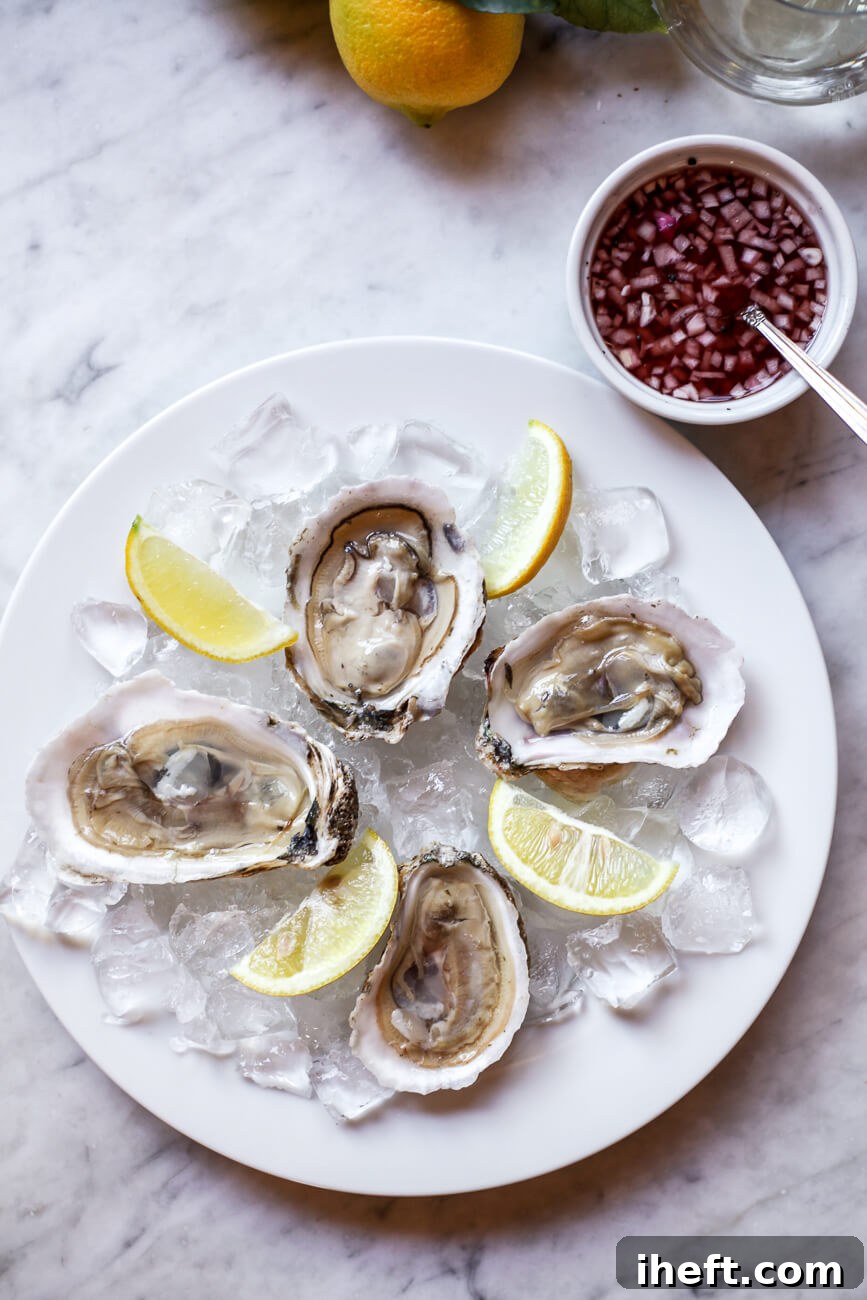
It may come as a surprise, but oysters were not always synonymous with luxury. Centuries ago, these mollusks were abundant in coastal waters, making them an accessible and affordable staple for many. Often served as a cheap, delicious snack in bars, their widespread availability meant they were enjoyed by all social classes. However, continuous farming practices and environmental shifts drastically altered oyster populations, transforming them into the coveted delicacy we recognize today. The decline in wild stocks and the meticulous care required in aquaculture have driven their prices sky-high.
Today, oysters are a true luxury food, highly prized for their diverse flavors that reflect their specific terroir, or merroir (marine environment). Depending on the variety, size, and origin, a dozen oysters can cost anywhere from $24 to $100 or even more, making them a significant indulgence for seafood connoisseurs. Their delicate texture and complex taste, often described as briny, sweet, and metallic, make them a celebrated addition to gourmet meals. Oyster varieties like Belon, Kumamoto, and Pacific oysters each offer a unique tasting experience, justifying their premium status.
2. Foie Gras (Duck or Goose Liver)
Foie gras, French for “fat liver,” is a rich and decadent delicacy celebrated for its incredibly buttery, creamy consistency and subtly sweet, almost patê-like flavor. This luxurious dish is produced from the specially fattened liver of ducks or geese, typically achieved through a process called gavage, or force-feeding. This traditional method, which significantly enlarges the liver, is also the source of considerable ethical debate and controversy.
Due to animal welfare concerns, the production and sale of foie gras have been banned in several countries and certain U.S. states. Nevertheless, it remains a highly esteemed culinary ingredient, especially prominent in French cuisine, where it is often featured in high-end restaurants. Its unique texture and complex flavor profile make it a sought-after item for gourmands worldwide. Prices for this delicacy typically range from $90 to $110 per pound, reflecting its specialized production and limited availability in many regions.
3. Wagyu Beef
Wagyu, directly translating to “Japanese cow,” represents the pinnacle of beef quality and is widely regarded as the finest cut of steak globally. What sets Wagyu apart is its extraordinary marbling – intricate intramuscular fat that creates a distinctive, almost lacy pattern throughout the meat. This impressive marbling is key to the melt-in-your-mouth tenderness, succulence, and rich flavor that Wagyu beef is celebrated for when expertly prepared. There are several distinguished varieties of Wagyu, including the renowned Kobe beef, Ohmi, and Bungo, each originating from specific regions in Japan and commanding varying, often stratospheric, prices.
The unparalleled quality of Wagyu is a direct result of meticulous breeding and raising practices. Cows are often raised in serene environments, fed specialized diets, and even massaged to enhance their well-being and the quality of their meat. Some connoisseurs contend that the absolute finest Wagyu originates from Matsusaka, Japan, specifically from virgin female cows, whose meat is believed to possess an even more refined texture and flavor. Due to these intensive and costly rearing methods, authentic Wagyu beef typically costs around $200 per pound, making it a truly exceptional culinary experience reserved for special occasions.
4. Vanilla Beans

Anyone who bakes or appreciates fine ingredients has likely noticed the steady increase in the price of genuine vanilla extract over the years. This rise is primarily attributed to the high cost and complex cultivation of its main ingredient: vanilla beans. These highly aromatic beans are notoriously challenging to grow, requiring hand-pollination and a lengthy curing process. The vast majority of the world’s vanilla supply originates from Madagascar, an island nation known for its ideal climate for vanilla orchids.
Unfortunately, Madagascar has been frequently impacted by severe tropical storms and cyclones, which have repeatedly devastated vanilla crops and infrastructure. These natural disasters have significantly reduced the global supply of vanilla beans, leading to dramatic price fluctuations and an overall upward trend in cost. As a result, the price for high-quality vanilla beans can currently reach approximately $300 per pound. This steep price has prompted many consumers and commercial producers to opt for artificial vanilla extract, which is chemically synthesized in laboratories and offers a far more budget-friendly alternative, albeit lacking the nuanced complexity of natural vanilla.
5. Moose Cheese
Moose cheese is precisely what its name implies – a truly unique and exotic cheese crafted from the milk of moose. Its exorbitant price tag and extreme rarity stem from the fact that it is exclusively produced at a single location worldwide: The Moose House Farm (Älgens Hus) in Bjurholm, Sweden. The challenges associated with milking moose are immense; these wild animals are not domesticated like cows and can only be milked during specific times of the year and under highly controlled, stress-free conditions.
The limited production volume, coupled with the labor-intensive process, contributes to its status as one of the world’s most expensive cheeses. Moose cheese offers a distinctive creamy consistency and a subtly earthy, savory flavor that is unlike any other dairy product. A true delicacy for adventurous gourmands, it commands a price of around $500 per pound, making it a rare and unforgettable culinary experience for those fortunate enough to try it.
6. Kopi Luwak Coffee Beans
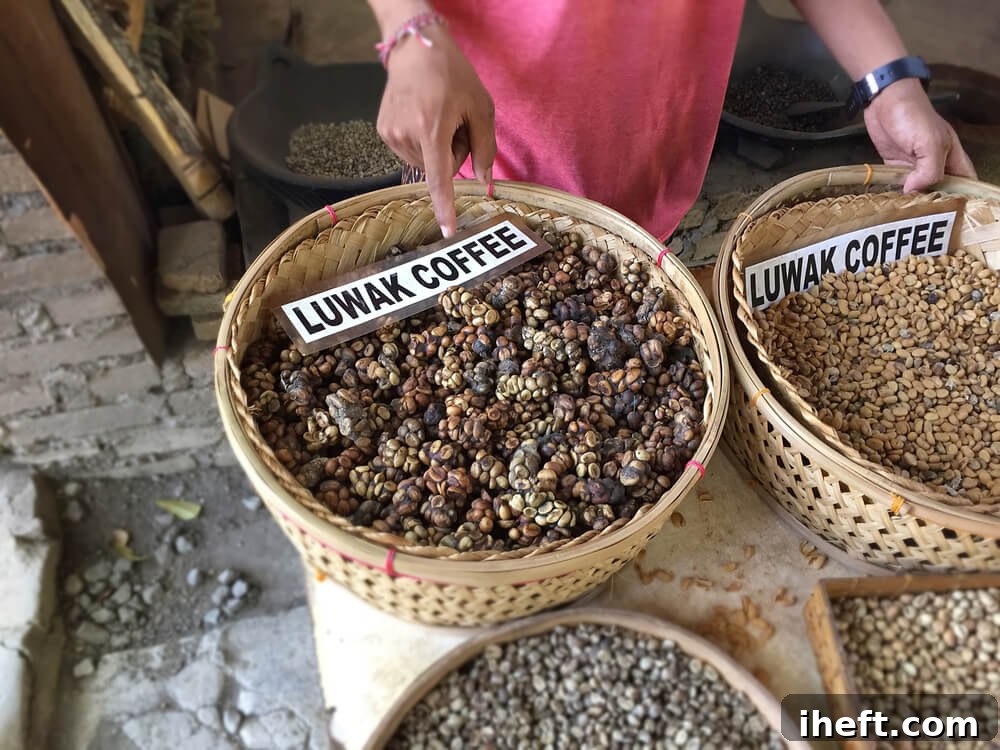
Kopi Luwak is famously recognized as the most expensive coffee in the world, with prices ranging from $250 to an astonishing $1200 per kilogram (approximately $114-$550 per pound). The extraordinary price of these coffee beans is directly linked to their highly unconventional and unique processing method. The journey begins when Asian palm civet cats (hence its other common name, Civet coffee) consume ripe coffee cherries. As the cherries pass through the civet’s digestive system, natural enzymes break down the proteins in the coffee beans, altering their chemical structure.
Once expelled, these partially digested and fermented coffee beans are meticulously collected, thoroughly cleaned, and then processed. This natural fermentation process is believed to reduce the acidity and bitterness of the beans, resulting in an exceptionally smooth, rich, and uniquely aromatic cup of coffee. While highly prized, the industry also faces ethical scrutiny concerning the welfare of civets, with concerns about caged farming practices impacting the animals and the quality of the coffee. Authentic, ethically sourced Kopi Luwak, where civets roam freely, remains a rare and costly indulgence for coffee aficionados.
7. Matsutake Mushrooms
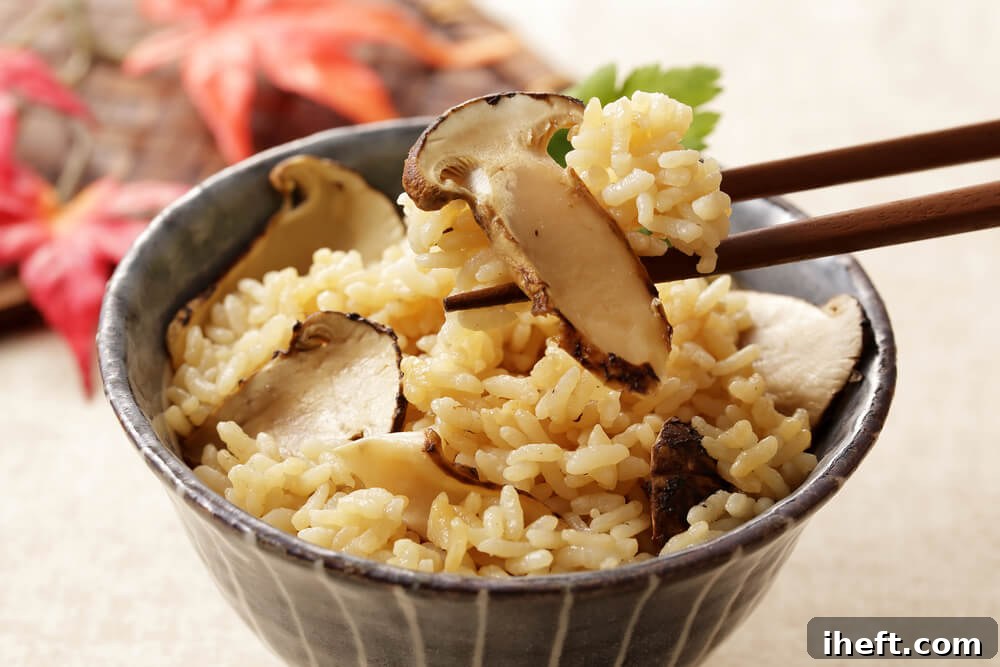
Matsutake mushrooms are among the most sought-after and expensive fungi globally, largely due to their increasing scarcity. Their natural habitats, particularly in pine forests in Japan, Korea, China, and North America, are continuously threatened by invasive insects, climate change, and habitat loss, which disrupt the delicate symbiotic relationship these mushrooms have with specific tree roots. As the available supply dwindles and demand remains high, the cost of Matsutake mushrooms has soared, reaching approximately $1,000 per pound.
Revered in various Asian cuisines, especially Japanese, Matsutake mushrooms are celebrated for their distinctive spicy, earthy, and subtly sweet flavor profile, coupled with a strong, aromatic fragrance. They are a culinary hallmark of autumn, but their harvesting is limited to a short season each year, yielding quantities typically under 1,000 tonnes globally. This extreme rarity, combined with their exceptional taste, makes them a highly prized delicacy for many, often served simply to highlight their unique characteristics. For more accessible options, explore our list of top gourmet mushrooms.
8. Saffron
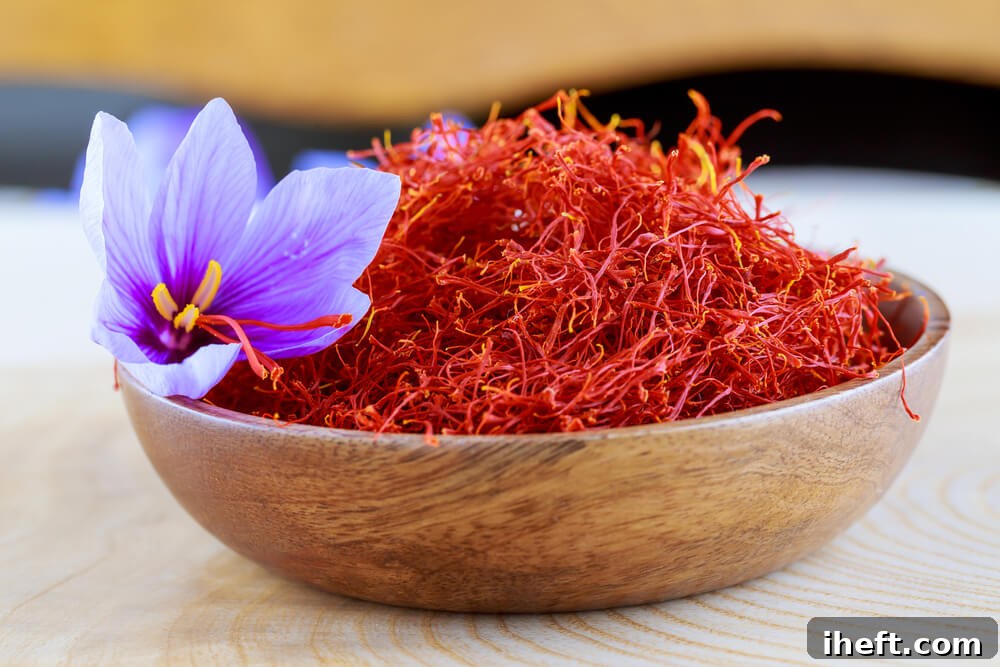
Vanilla beans aren’t the only seasoning that commands a premium price. Saffron, often dubbed “red gold” due to its vibrant color and exceptional cost, consistently ranks as one of the world’s most expensive food items. This precious spice is harvested from the delicate stigmas of the saffron crocus flower (Crocus sativus), a stunning purple bloom.
The primary reason for saffron’s high price is its incredibly labor-intensive cultivation and harvesting process. Each crocus flower produces only three tiny, thread-like stigmas, which must be carefully hand-picked. It takes thousands of flowers to yield just a single pound of dried saffron threads. This painstaking process, which can only be done a few times annually during a very short blooming period, is what drives up its value.
Due to the immense manual labor required and its exquisite aroma, flavor, and natural coloring properties, saffron typically costs between $500 and $2,000 per pound. It’s a versatile spice, used in cuisines worldwide, from Spanish paella to Indian biryani and Persian rice dishes, imparting a distinctive sweet, floral, and slightly earthy flavor, as well as a beautiful golden hue.
9. White Truffles

Truffles, in general, are highly esteemed and some of the most expensive foods in the world, but white truffles stand in a league of their own. Known scientifically as Tuber magnatum pico, this particular variety is exceptionally rare and thrives only in very specific native environments, primarily in the Piedmont region of Northern Italy and certain parts of Southern Europe.
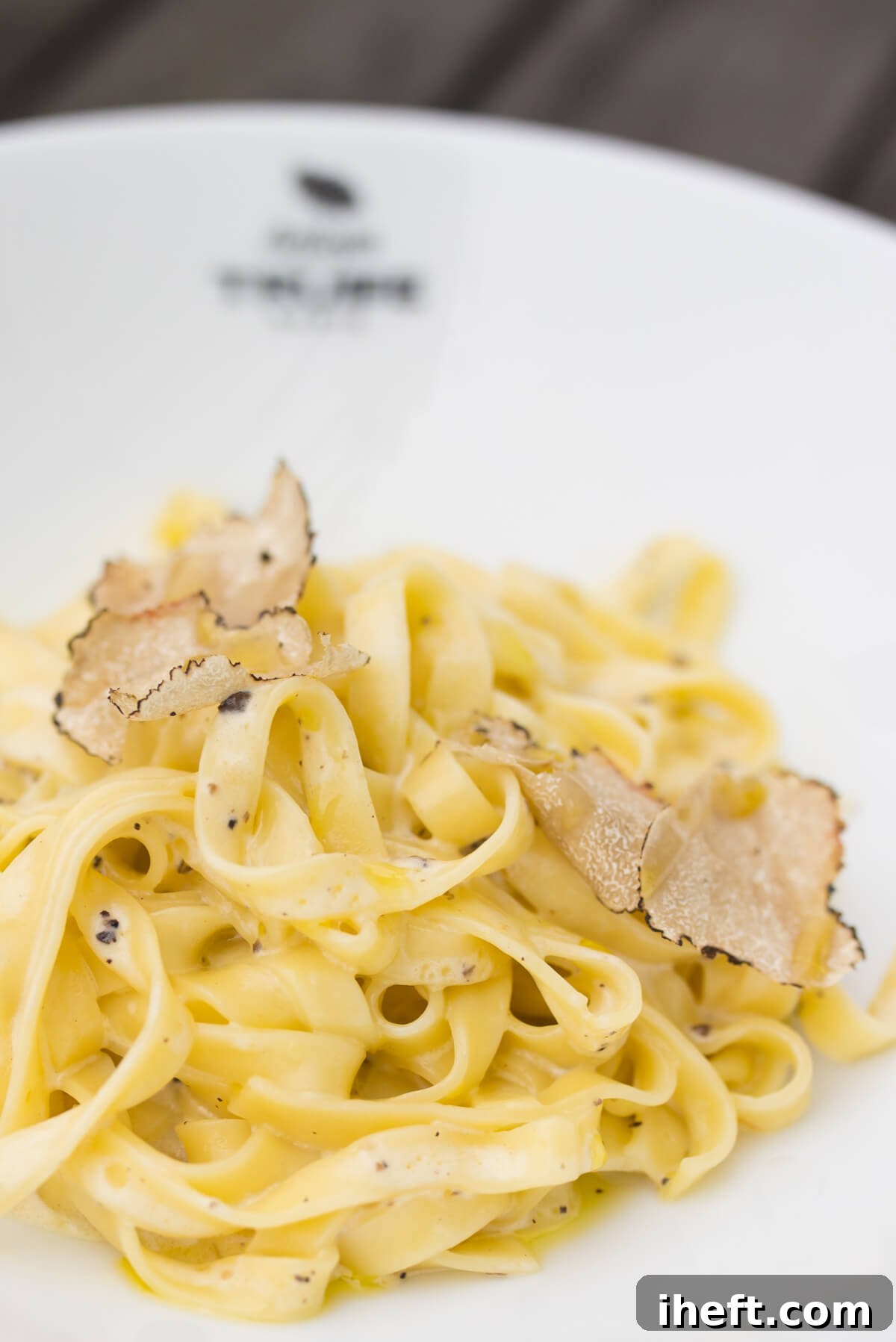
Unlike cultivated mushrooms, white truffles grow exclusively underground, in a symbiotic relationship with the roots of specific trees such as hazel, oak, and poplar. Their elusive nature means they must be hunted using specially trained dogs or, traditionally, pigs, which can sniff out their potent aroma. White truffles offer an incredibly intense, earthy, and garlicky flavor with musky undertones, far more pronounced and complex than their black truffle counterparts. Their short season, geographical exclusivity, and the challenges of locating and harvesting them contribute to their astronomical price, typically ranging from $2,100 to $2,500 per kilogram. These precious fungi are often shaved thinly over pasta, risotto, or eggs to maximize their potent aroma and flavor.
10. Ayam Cemani Black Chicken
The Ayam Cemani is a truly extraordinary and rare breed of chicken that originates from the island of Java in Indonesia. What makes these chickens so strikingly unique is a genetic condition known as fibromelanosis, which causes hyperpigmentation throughout their entire bodies. This means that everything from their feathers, skin, and comb to their bones, internal organs, and even their meat is entirely black. This dominant gene mutation gives them an almost mystical appearance.
Predominantly found in Malaysia and Indonesia, Ayam Cemani chickens are highly prized not only for their unusual aesthetics but also for their cultural and mystical significance in their native lands, where they are sometimes used in traditional rituals. For anyone seeking to acquire this rare poultry, international travel or specialized breeders are often necessary, as there are estimated to be only about 3,500 purebred Ayam Cemani chickens in the world. Due to their extreme rarity, distinctive appearance, and high demand among collectors and culinary enthusiasts, a single Ayam Cemani chicken can typically sell for about $2,500, making it one of the most expensive poultry breeds on the planet.
11. Iberico Ham
Iberico ham, particularly the “Pata Negra” or “Jamon Iberico de Bellota” variety, holds the prestigious title of the most expensive ham in the world. This exquisite cured meat hails from Spain and is exclusively produced from the hind legs of a special breed of pig: the Iberian pig. What truly elevates Iberico ham to its elite status is the unique diet and lifestyle of these pigs. They are traditionally allowed to roam freely across vast oak groves (dehesas) during the “montanera” season, feasting almost exclusively on acorns (bellotas).
This acorn-rich diet imparts a distinctive, nutty, and complex flavor to the ham, along with a unique marbling of intramuscular fat that melts at room temperature, creating an incredibly tender and aromatic experience. After the pigs are processed, the legs undergo a lengthy curing process, often lasting for 36 months or even up to five years, in specialized drying sheds. This extended aging allows the flavors to deepen and mature, resulting in a ham of unparalleled quality and taste. A whole leg of premium Iberico ham can sell for upwards of $4,500, representing a true investment in culinary artistry and tradition.
12. Bluefin Tuna
Bluefin tuna is consistently among the most prized and expensive seafood available globally, often fetching staggering prices at fish markets and auctions, particularly in Japan. This magnificent fish is highly revered for its rich, fatty flesh, which boasts an exquisite marbling effect that contributes to its luxurious texture and intensely balanced, umami-rich flavor. It is the preferred choice for high-end sushi and sashimi, where its delicate yet firm consistency and vibrant color are celebrated.
There are three main species of Bluefin tuna: Atlantic, Pacific, and Southern. Unfortunately, two of these varieties are critically endangered, and the third faces the risk of becoming so, primarily due to overfishing and high demand. The combination of limited wild populations, strict fishing quotas, the sheer size of the fish, and the complex logistics and costs associated with international exportation – especially to discerning markets like Tokyo’s Tsukiji or Toyosu fish markets – ensures that Bluefin tuna remains one of the most expensive foods on the planet. Prices can easily reach $5,000 per pound for the highest-grade cuts, with entire fish selling for millions of dollars at annual New Year’s auctions.
13. Black Watermelon
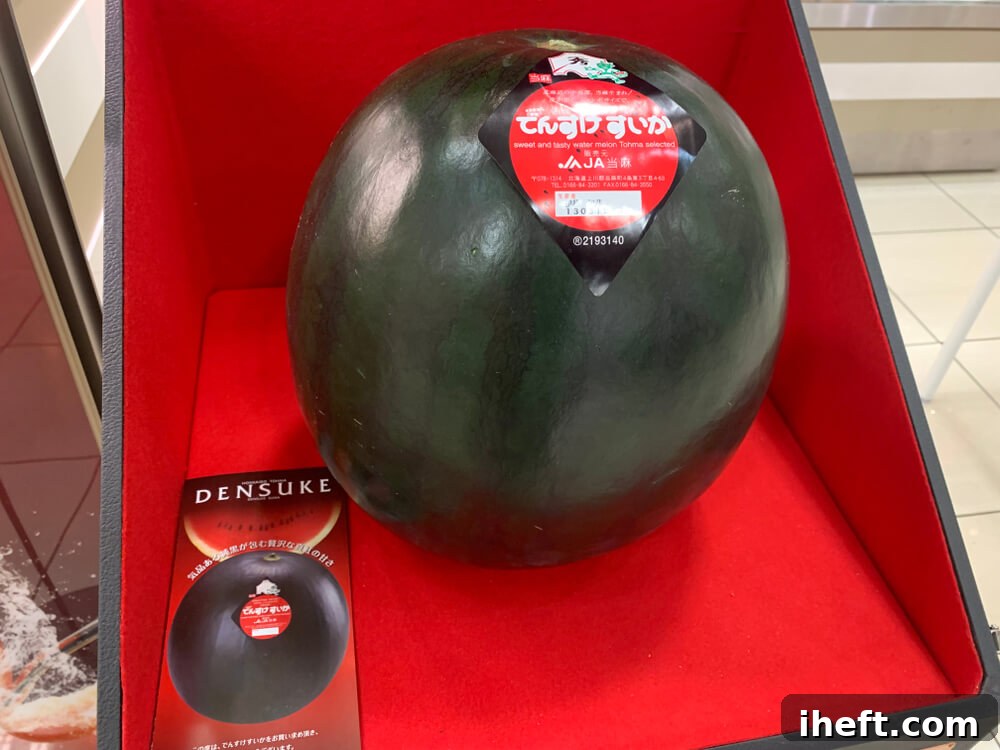
Japan has a fascinating reputation for cultivating exceptionally unique and often prohibitively expensive fruits, renowned for their perfect appearance, innovative shapes (like heart-shaped melons), and meticulous care. Among these extraordinary offerings are the highly prized black watermelons, specifically known as Densuke watermelons. These distinctive fruits are not just aesthetically striking with their glossy, dark green-to-black rinds; they also offer a superior taste experience.
Cultivating Densuke watermelons requires specific, precise care and a spacious, ideal environment to thrive. They are primarily grown only on the island of Hokkaido, Japan, under extremely controlled conditions. Each year, the harvest is exceptionally limited, with only about 100,000 Densuke watermelons produced annually. This scarcity, combined with their exceptional sweetness, crisp texture, and symbolic value as luxury gifts, drives their price to staggering heights, with individual watermelons selling for up to $6,000. While a regular trip to the grocery store won’t typically yield such exotic fruits, you can certainly explore a range of more affordable yet delightful exotic fruits.
14. White Gold Caviar
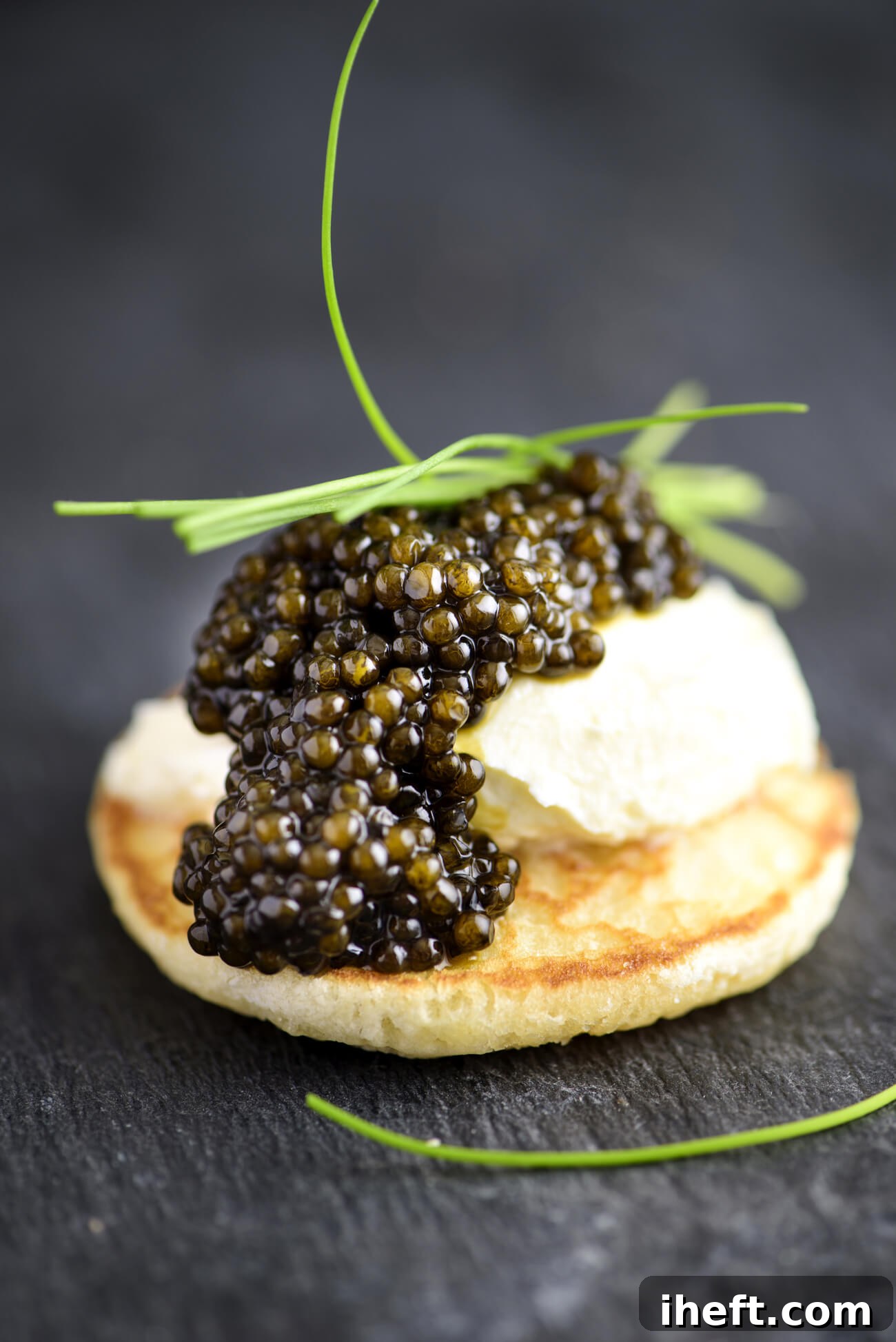
Topping our list as one of the most extravagant food items in the world is white gold caviar, a true symbol of ultimate luxury, which can set you back an astonishing $40,000 per teaspoon. The extraordinary price of this particular variety of caviar stems from several unique factors. It is exclusively sourced from the incredibly rare Albino Sturgeon, which produces roe with a naturally lighter, almost golden hue – hence its “white” appellation. But what truly elevates it to “white gold” status is the addition of 24-carat gold flakes woven throughout the caviar.
This exceptional delicacy is meticulously crafted by a renowned father-son duo, who incorporate the edible gold leaf into the precious fish eggs before a special dehydration process further enhances its flavor and shelf life, contributing significantly to its monumental price. The Albino Sturgeon itself takes an extensive 8-10 years to reach maturity before its roe can be harvested, making each batch an incredibly time-consuming and rare production. This combination of extreme rarity, arduous harvesting, artisanal processing, and opulent ingredients cements its status as perhaps the finest and most expensive caviar available.
While white gold caviar is considered among the most expensive types of caviar globally, it’s worth noting that the Guinness Book of World Records has historically recognized Almas caviar, derived from the exceedingly rare Iranian Beluga Fish, as the record holder, listed at an astounding $34,500 per kilogram. These figures highlight the truly elite segment of the culinary world where rarity, provenance, and meticulous craftsmanship converge to create unparalleled gastronomic experiences.
Final Thoughts on the Most Expensive Foods in the World
Our journey through the world’s most expensive foods reveals a fascinating intersection of rarity, unique cultivation, dedicated craftsmanship, and sometimes, intense controversy. This list showcases ingredients that transcend mere sustenance, becoming symbols of status, tradition, or unparalleled gastronomic delight. While some items on this list, like the ethically debated foie gras or the uniquely processed Kopi Luwak, might not appeal to everyone, others are widely celebrated for their exquisite flavors and textures.
Personally, there are quite a few items here I wouldn’t necessarily seek out, but others like the incredible aroma of white truffles, the rich depth of real vanilla, or the vibrant threads of saffron are culinary masterpieces worth every penny for a special indulgence. I’m also particularly intrigued by the Matsutake mushrooms and would love to experience their unique spicy, sweet flavor with a simple bowl of rice. It’s truly incredible to see the lengths to which people will go for exceptional taste and rarity in the culinary world.
Have you had the opportunity to try any of these exceptionally rare and expensive food items? After learning about the intricate stories and origins behind each delicacy, which ones would you be most curious to sample, and which would you prefer to admire from afar?
Have you ever wondered what the most expensive food in the world might be? Prepare to be amazed as we explore a fascinating and informative list of the top 14 culinary treasures that command astronomical prices. From rare ingredients found in remote corners of the globe to meticulously crafted delicacies, this journey into the world of luxury food promises to redefine your perception of gastronomic extravagance.
The culinary world is vast and full of surprises, often leading us down unexpected paths of discovery. A simple curiosity about edible gold, for instance, can quickly morph into an extensive quest for the world’s most expensive food ingredients. While edible gold certainly adds a luxurious touch, it might surprise you to learn that the top spot is held by a truly remarkable variety of oysters, among other astonishing items.
Join us as we delve into the realm of the world’s most luxurious and expensive foods, ranging from the finest caviar to exclusive moose cheese. This list focuses on individual ingredients that elevate any dish to an extraordinary level of indulgence, rather than elaborate multi-component meals like the legendary Zillion Dollar Lobster Frittata. Each item on our list carries a hefty price tag, reflecting its rarity, unique production methods, or unparalleled flavor.
14 Most Expensive Foods in the World
Can you guess which items made our exclusive list of the most expensive foods in the world? Some of these gourmet delights might just take you by surprise!
1. Oysters
It may come as a surprise, but oysters were not always synonymous with luxury. Centuries ago, these mollusks were abundant in coastal waters, making them an accessible and affordable staple for many. Often served as a cheap, delicious snack in bars, their widespread availability meant they were enjoyed by all social classes. However, continuous farming practices and environmental shifts drastically altered oyster populations, transforming them into the coveted delicacy we recognize today. The decline in wild stocks and the meticulous care required in aquaculture have driven their prices sky-high.
Today, oysters are a true luxury food, highly prized for their diverse flavors that reflect their specific terroir, or merroir (marine environment). Depending on the variety, size, and origin, a dozen oysters can cost anywhere from $24 to $100 or even more, making them a significant indulgence for seafood connoisseurs. Their delicate texture and complex taste, often described as briny, sweet, and metallic, make them a celebrated addition to gourmet meals. Oyster varieties like Belon, Kumamoto, and Pacific oysters each offer a unique tasting experience, justifying their premium status.
2. Foie Gras (Duck or Goose Liver)
Foie gras, French for “fat liver,” is a rich and decadent delicacy celebrated for its incredibly buttery, creamy consistency and subtly sweet, almost patê-like flavor. This luxurious dish is produced from the specially fattened liver of ducks or geese, typically achieved through a process called gavage, or force-feeding. This traditional method, which significantly enlarges the liver, is also the source of considerable ethical debate and controversy.
Due to animal welfare concerns, the production and sale of foie gras have been banned in several countries and certain U.S. states. Nevertheless, it remains a highly esteemed culinary ingredient, especially prominent in French cuisine, where it is often featured in high-end restaurants. Its unique texture and complex flavor profile make it a sought-after item for gourmands worldwide. Prices for this delicacy typically range from $90 to $110 per pound, reflecting its specialized production and limited availability in many regions.
3. Wagyu Beef
Wagyu, directly translating to “Japanese cow,” represents the pinnacle of beef quality and is widely regarded as the finest cut of steak globally. What sets Wagyu apart is its extraordinary marbling – intricate intramuscular fat that creates a distinctive, almost lacy pattern throughout the meat. This impressive marbling is key to the melt-in-your-mouth tenderness, succulence, and rich flavor that Wagyu beef is celebrated for when expertly prepared. There are several distinguished varieties of Wagyu, including the renowned Kobe beef, Ohmi, and Bungo, each originating from specific regions in Japan and commanding varying, often stratospheric, prices.
The unparalleled quality of Wagyu is a direct result of meticulous breeding and raising practices. Cows are often raised in serene environments, fed specialized diets, and even massaged to enhance their well-being and the quality of their meat. Some connoisseurs contend that the absolute finest Wagyu originates from Matsusaka, Japan, specifically from virgin female cows, whose meat is believed to possess an even more refined texture and flavor. Due to these intensive and costly rearing methods, authentic Wagyu beef typically costs around $200 per pound, making it a truly exceptional culinary experience reserved for special occasions.
4. Vanilla Beans
Anyone who bakes or appreciates fine ingredients has likely noticed the steady increase in the price of genuine vanilla extract over the years. This rise is primarily attributed to the high cost and complex cultivation of its main ingredient: vanilla beans. These highly aromatic beans are notoriously challenging to grow, requiring hand-pollination and a lengthy curing process. The vast majority of the world’s vanilla supply originates from Madagascar, an island nation known for its ideal climate for vanilla orchids.
Unfortunately, Madagascar has been frequently impacted by severe tropical storms and cyclones, which have repeatedly devastated vanilla crops and infrastructure. These natural disasters have significantly reduced the global supply of vanilla beans, leading to dramatic price fluctuations and an overall upward trend in cost. As a result, the price for high-quality vanilla beans can currently reach approximately $300 per pound. This steep price has prompted many consumers and commercial producers to opt for artificial vanilla extract, which is chemically synthesized in laboratories and offers a far more budget-friendly alternative, albeit lacking the nuanced complexity of natural vanilla.
5. Moose Cheese
Moose cheese is precisely what its name implies – a truly unique and exotic cheese crafted from the milk of moose. Its exorbitant price tag and extreme rarity stem from the fact that it is exclusively produced at a single location worldwide: The Moose House Farm (Älgens Hus) in Bjurholm, Sweden. The challenges associated with milking moose are immense; these wild animals are not domesticated like cows and can only be milked during specific times of the year and under highly controlled, stress-free conditions.
The limited production volume, coupled with the labor-intensive process, contributes to its status as one of the world’s most expensive cheeses. Moose cheese offers a distinctive creamy consistency and a subtly earthy, savory flavor that is unlike any other dairy product. A true delicacy for adventurous gourmands, it commands a price of around $500 per pound, making it a rare and unforgettable culinary experience for those fortunate enough to try it.
6. Kopi Luwak Coffee Beans
Kopi Luwak is famously recognized as the most expensive coffee in the world, with prices ranging from $250 to an astonishing $1200 per kilogram (approximately $114-$550 per pound). The extraordinary price of these coffee beans is directly linked to their highly unconventional and unique processing method. The journey begins when Asian palm civet cats (hence its other common name, Civet coffee) consume ripe coffee cherries. As the cherries pass through the civet’s digestive system, natural enzymes break down the proteins in the coffee beans, altering their chemical structure.
Once expelled, these partially digested and fermented coffee beans are meticulously collected, thoroughly cleaned, and then processed. This natural fermentation process is believed to reduce the acidity and bitterness of the beans, resulting in an exceptionally smooth, rich, and uniquely aromatic cup of coffee. While highly prized, the industry also faces ethical scrutiny concerning the welfare of civets, with concerns about caged farming practices impacting the animals and the quality of the coffee. Authentic, ethically sourced Kopi Luwak, where civets roam freely, remains a rare and costly indulgence for coffee aficionados.
7. Matsutake Mushrooms
Matsutake mushrooms are among the most sought-after and expensive fungi globally, largely due to their increasing scarcity. Their natural habitats, particularly in pine forests in Japan, Korea, China, and North America, are continuously threatened by invasive insects, climate change, and habitat loss, which disrupt the delicate symbiotic relationship these mushrooms have with specific tree roots. As the available supply dwindles and demand remains high, the cost of Matsutake mushrooms has soared, reaching approximately $1,000 per pound.
Revered in various Asian cuisines, especially Japanese, Matsutake mushrooms are celebrated for their distinctive spicy, earthy, and subtly sweet flavor profile, coupled with a strong, aromatic fragrance. They are a culinary hallmark of autumn, but their harvesting is limited to a short season each year, yielding quantities typically under 1,000 tonnes globally. This extreme rarity, combined with their exceptional taste, makes them a highly prized delicacy for many, often served simply to highlight their unique characteristics. For more accessible options, explore our list of top gourmet mushrooms.
8. Saffron
Vanilla beans aren’t the only seasoning that commands a premium price. Saffron, often dubbed “red gold” due to its vibrant color and exceptional cost, consistently ranks as one of the world’s most expensive food items. This precious spice is harvested from the delicate stigmas of the saffron crocus flower (Crocus sativus), a stunning purple bloom.
The primary reason for saffron’s high price is its incredibly labor-intensive cultivation and harvesting process. Each crocus flower produces only three tiny, thread-like stigmas, which must be carefully hand-picked. It takes thousands of flowers to yield just a single pound of dried saffron threads. This painstaking process, which can only be done a few times annually during a very short blooming period, is what drives up its value.
Due to the immense manual labor required and its exquisite aroma, flavor, and natural coloring properties, saffron typically costs between $500 and $2,000 per pound. It’s a versatile spice, used in cuisines worldwide, from Spanish paella to Indian biryani and Persian rice dishes, imparting a distinctive sweet, floral, and slightly earthy flavor, as well as a beautiful golden hue.
9. White Truffles
Truffles, in general, are highly esteemed and some of the most expensive foods in the world, but white truffles stand in a league of their own. Known scientifically as Tuber magnatum pico, this particular variety is exceptionally rare and thrives only in very specific native environments, primarily in the Piedmont region of Northern Italy and certain parts of Southern Europe.
Unlike cultivated mushrooms, white truffles grow exclusively underground, in a symbiotic relationship with the roots of specific trees such as hazel, oak, and poplar. Their elusive nature means they must be hunted using specially trained dogs or, traditionally, pigs, which can sniff out their potent aroma. White truffles offer an incredibly intense, earthy, and garlicky flavor with musky undertones, far more pronounced and complex than their black truffle counterparts. Their short season, geographical exclusivity, and the challenges of locating and harvesting them contribute to their astronomical price, typically ranging from $2,100 to $2,500 per kilogram. These precious fungi are often shaved thinly over pasta, risotto, or eggs to maximize their potent aroma and flavor.
10. Ayam Cemani Black Chicken
The Ayam Cemani is a truly extraordinary and rare breed of chicken that originates from the island of Java in Indonesia. What makes these chickens so strikingly unique is a genetic condition known as fibromelanosis, which causes hyperpigmentation throughout their entire bodies. This means that everything from their feathers, skin, and comb to their bones, internal organs, and even their meat is entirely black. This dominant gene mutation gives them an almost mystical appearance.
Predominantly found in Malaysia and Indonesia, Ayam Cemani chickens are highly prized not only for their unusual aesthetics but also for their cultural and mystical significance in their native lands, where they are sometimes used in traditional rituals. For anyone seeking to acquire this rare poultry, international travel or specialized breeders are often necessary, as there are estimated to be only about 3,500 purebred Ayam Cemani chickens in the world. Due to their extreme rarity, distinctive appearance, and high demand among collectors and culinary enthusiasts, a single Ayam Cemani chicken can typically sell for about $2,500, making it one of the most expensive poultry breeds on the planet.
11. Iberico Ham
Iberico ham, particularly the “Pata Negra” or “Jamon Iberico de Bellota” variety, holds the prestigious title of the most expensive ham in the world. This exquisite cured meat hails from Spain and is exclusively produced from the hind legs of a special breed of pig: the Iberian pig. What truly elevates Iberico ham to its elite status is the unique diet and lifestyle of these pigs. They are traditionally allowed to roam freely across vast oak groves (dehesas) during the “montanera” season, feasting almost exclusively on acorns (bellotas).
This acorn-rich diet imparts a distinctive, nutty, and complex flavor to the ham, along with a unique marbling of intramuscular fat that melts at room temperature, creating an incredibly tender and aromatic experience. After the pigs are processed, the legs undergo a lengthy curing process, often lasting for 36 months or even up to five years, in specialized drying sheds. This extended aging allows the flavors to deepen and mature, resulting in a ham of unparalleled quality and taste. A whole leg of premium Iberico ham can sell for upwards of $4,500, representing a true investment in culinary artistry and tradition.
12. Bluefin Tuna
Bluefin tuna is consistently among the most prized and expensive seafood available globally, often fetching staggering prices at fish markets and auctions, particularly in Japan. This magnificent fish is highly revered for its rich, fatty flesh, which boasts an exquisite marbling effect that contributes to its luxurious texture and intensely balanced, umami-rich flavor. It is the preferred choice for high-end sushi and sashimi, where its delicate yet firm consistency and vibrant color are celebrated.
There are three main species of Bluefin tuna: Atlantic, Pacific, and Southern. Unfortunately, two of these varieties are critically endangered, and the third faces the risk of becoming so, primarily due to overfishing and high demand. The combination of limited wild populations, strict fishing quotas, the sheer size of the fish, and the complex logistics and costs associated with international exportation – especially to discerning markets like Tokyo’s Tsukiji or Toyosu fish markets – ensures that Bluefin tuna remains one of the most expensive foods on the planet. Prices can easily reach $5,000 per pound for the highest-grade cuts, with entire fish selling for millions of dollars at annual New Year’s auctions.
13. Black Watermelon
Japan has a fascinating reputation for cultivating exceptionally unique and often prohibitively expensive fruits, renowned for their perfect appearance, innovative shapes (like heart-shaped melons), and meticulous care. Among these extraordinary offerings are the highly prized black watermelons, specifically known as Densuke watermelons. These distinctive fruits are not just aesthetically striking with their glossy, dark green-to-black rinds; they also offer a superior taste experience.
Cultivating Densuke watermelons requires specific, precise care and a spacious, ideal environment to thrive. They are primarily grown only on the island of Hokkaido, Japan, under extremely controlled conditions. Each year, the harvest is exceptionally limited, with only about 100,000 Densuke watermelons produced annually. This scarcity, combined with their exceptional sweetness, crisp texture, and symbolic value as luxury gifts, drives their price to staggering heights, with individual watermelons selling for up to $6,000. While a regular trip to the grocery store won’t typically yield such exotic fruits, you can certainly explore a range of more affordable yet delightful exotic fruits.
14. White Gold Caviar
Topping our list as one of the most extravagant food items in the world is white gold caviar, a true symbol of ultimate luxury, which can set you back an astonishing $40,000 per teaspoon. The extraordinary price of this particular variety of caviar stems from several unique factors. It is exclusively sourced from the incredibly rare Albino Sturgeon, which produces roe with a naturally lighter, almost golden hue – hence its “white” appellation. But what truly elevates it to “white gold” status is the addition of 24-carat gold flakes woven throughout the caviar.
This exceptional delicacy is meticulously crafted by a renowned father-son duo, who incorporate the edible gold leaf into the precious fish eggs before a special dehydration process further enhances its flavor and shelf life, contributing significantly to its monumental price. The Albino Sturgeon itself takes an extensive 8-10 years to reach maturity before its roe can be harvested, making each batch an incredibly time-consuming and rare production. This combination of extreme rarity, arduous harvesting, artisanal processing, and opulent ingredients cements its status as perhaps the finest and most expensive caviar available.
While white gold caviar is considered among the most expensive types of caviar globally, it’s worth noting that the Guinness Book of World Records has historically recognized Almas caviar, derived from the exceedingly rare Iranian Beluga Fish, as the record holder, listed at an astounding $34,500 per kilogram. These figures highlight the truly elite segment of the culinary world where rarity, provenance, and meticulous craftsmanship converge to create unparalleled gastronomic experiences.
Final Thoughts on the Most Expensive Foods in the World
Our journey through the world’s most expensive foods reveals a fascinating intersection of rarity, unique cultivation, dedicated craftsmanship, and sometimes, intense controversy. This list showcases ingredients that transcend mere sustenance, becoming symbols of status, tradition, or unparalleled gastronomic delight. While some items on this list, like the ethically debated foie gras or the uniquely processed Kopi Luwak, might not appeal to everyone, others are widely celebrated for their exquisite flavors and textures.
Personally, there are quite a few items here I wouldn’t necessarily seek out, but others like the incredible aroma of white truffles, the rich depth of real vanilla, or the vibrant threads of saffron are culinary masterpieces worth every penny for a special indulgence. I’m also particularly intrigued by the Matsutake mushrooms and would love to experience their unique spicy, sweet flavor with a simple bowl of rice. It’s truly incredible to see the lengths to which people will go for exceptional taste and rarity in the culinary world.
Have you had the opportunity to try any of these exceptionally rare and expensive food items? After learning about the intricate stories and origins behind each delicacy, which ones would you be most curious to sample, and which would you prefer to admire from afar?