The Hairy Coos of Scotland
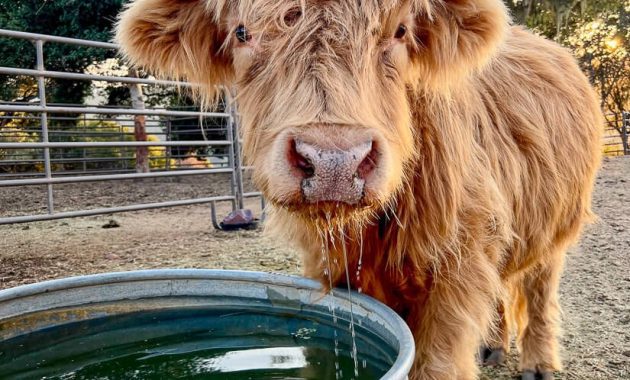
Have you ever been captivated by the sight of those famously fluffy, ginger-coated bovines? Known for their striking appearance and gentle disposition, Highland cows and their miniature counterparts have captured hearts worldwide. Join us as we delve into the fascinating world of these iconic creatures, uncovering their rich history, unique characteristics, and diverse roles today.
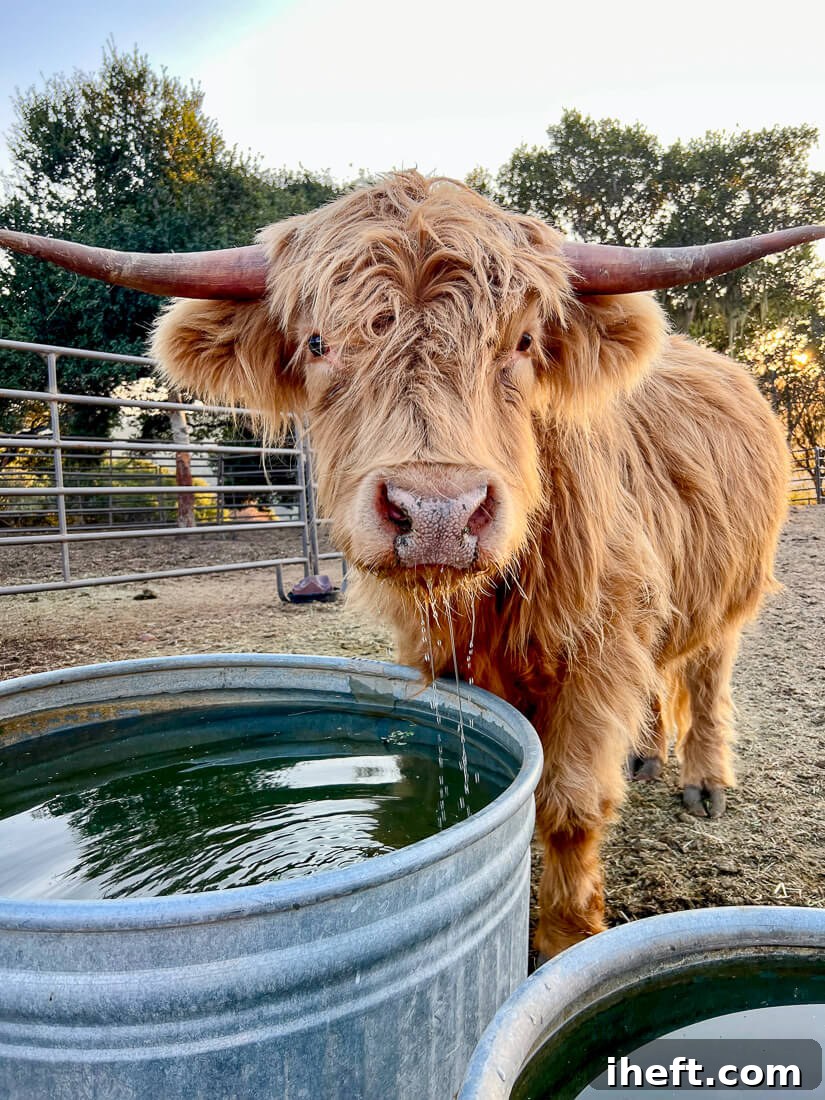
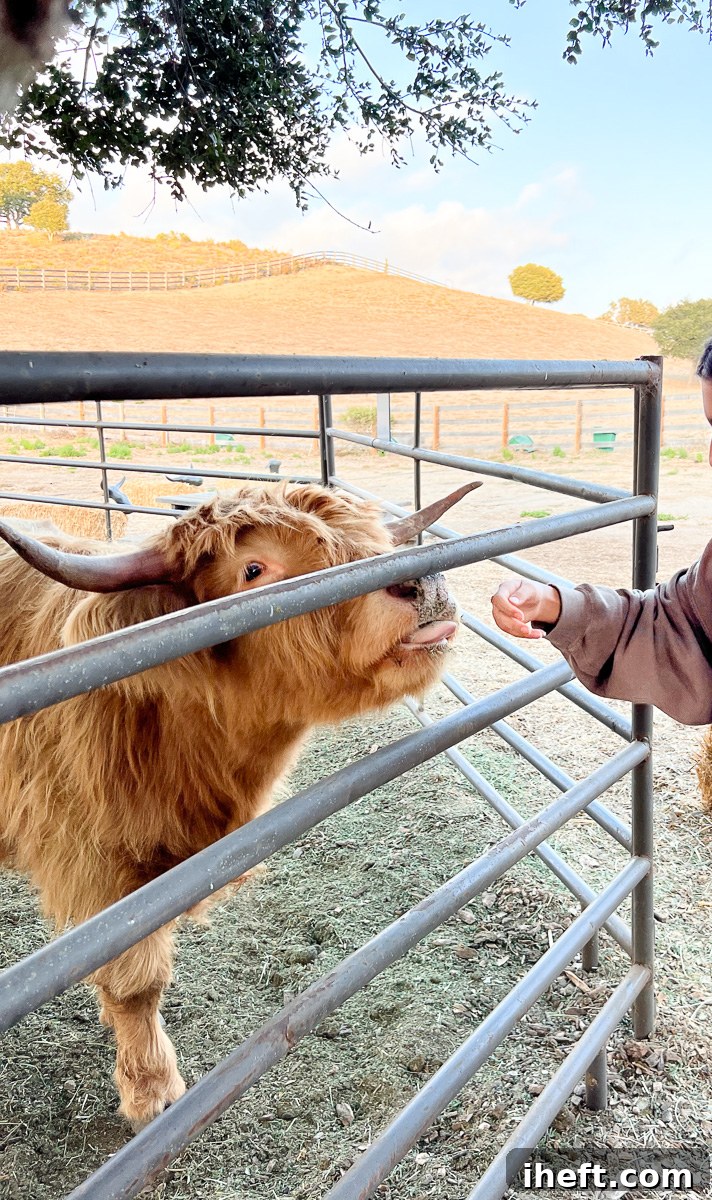
Our recent visit to the picturesque Carmel Valley Ranch in California offered a delightful opportunity to befriend some of the cutest Highland cows. This enchanting encounter inspired us to share all the captivating details about this distinctive breed, from their ancient Scottish origins to their modern-day appeal and how they’ve become beloved around the globe.
In this comprehensive guide, you’ll discover everything there is to know about Highland cattle. We’ll explore their remarkable adaptability, their essential role in sustainable farming, and why these magnificent animals are much more than just a pretty face. So, settle in with your favorite warm drink and perhaps a delightful Scottish shortbread biscuit, as we embark on a journey into the world of the “Hairy Coos”!
The Enduring Legacy: A Deep Dive into the History of Scottish Highland Cows
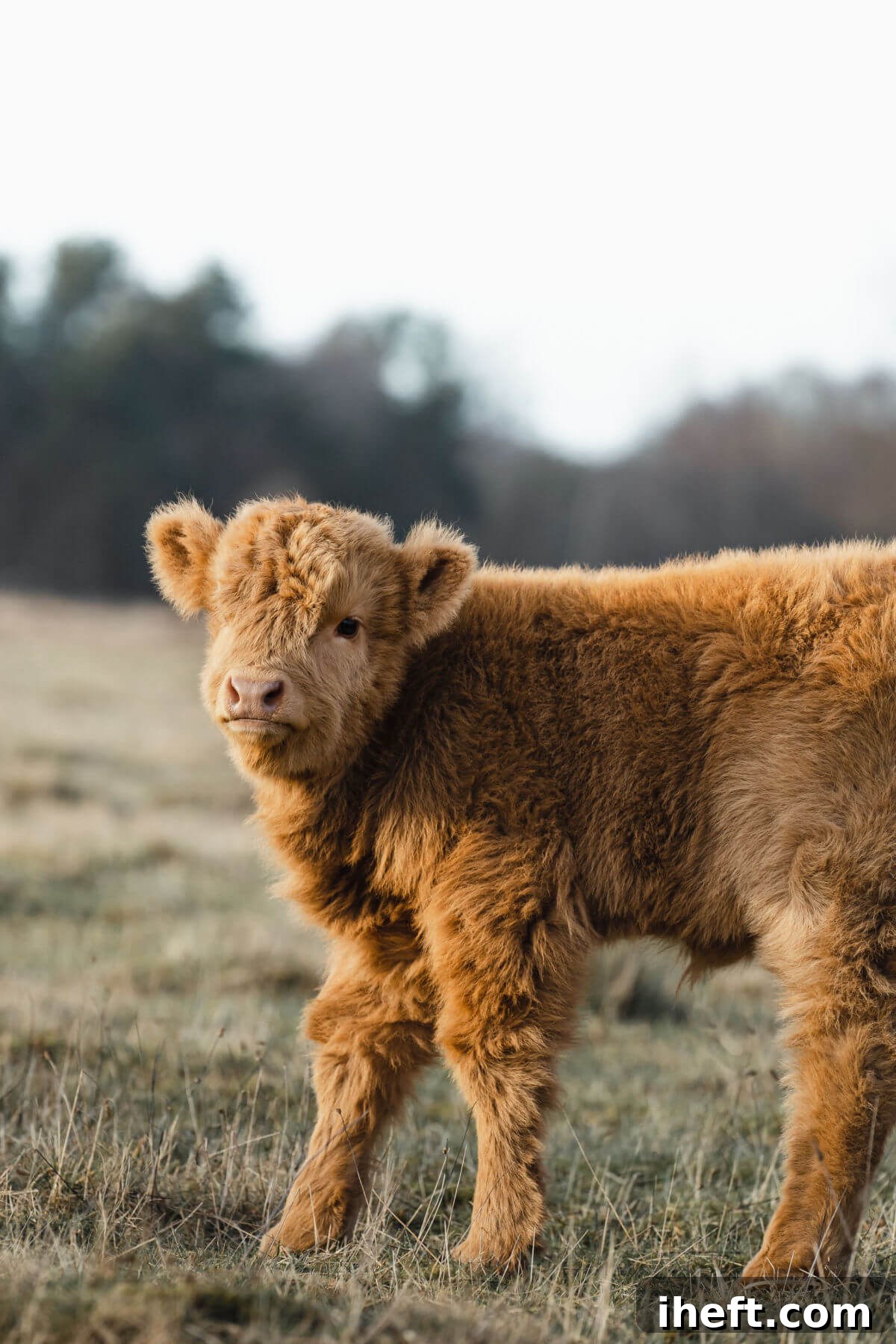
Image: Shutterstock
Rooted in the Rugged Scottish Highlands
It’s no surprise that the fascinating story of Highland cows begins in the dramatic and often unforgiving landscapes of the Scottish Highlands. This ancient breed, affectionately known as “Hairy Coos” by locals, boasts a lineage that stretches back centuries. They evolved to thrive in one of Europe’s harshest environments, a testament to their incredible resilience and adaptability. Their origins are deeply intertwined with the history, culture, and very fabric of Scotland itself, making them an iconic national symbol.
Historically, records from as early as the 6th century hint at their existence, though their prominent role solidified much later. By the 18th and 19th centuries, Highland cattle had become extremely popular and vital as a robust and reliable meat source for the region. Their inherent hardiness meant they could survive and flourish where other, more delicate breeds struggled, making them incredibly valuable assets. This high market value, unfortunately, also led to frequent cattle rustling in the 1800s, as opportunistic thieves sought to profit by bringing these prized animals to market for harvesting.
Beyond their tangible economic value, Highland cows also captured the imagination of royalty and the public alike. A widely circulated anecdote, though subject to historical speculation, suggests that Queen Victoria developed a particular fondness for Highland cattle exhibiting a reddish-colored coat during her visits to Scotland. This alleged royal preference reportedly influenced herdsmen to selectively breed for this distinctive coloration, gradually shifting away from the more common black coats that characterized the earlier herds. Regardless of the absolute historical accuracy behind this charming tale, there’s no denying that Highland cows swiftly won the hearts of people across Scotland, gradually gaining admiration and popularity in other parts of the world.
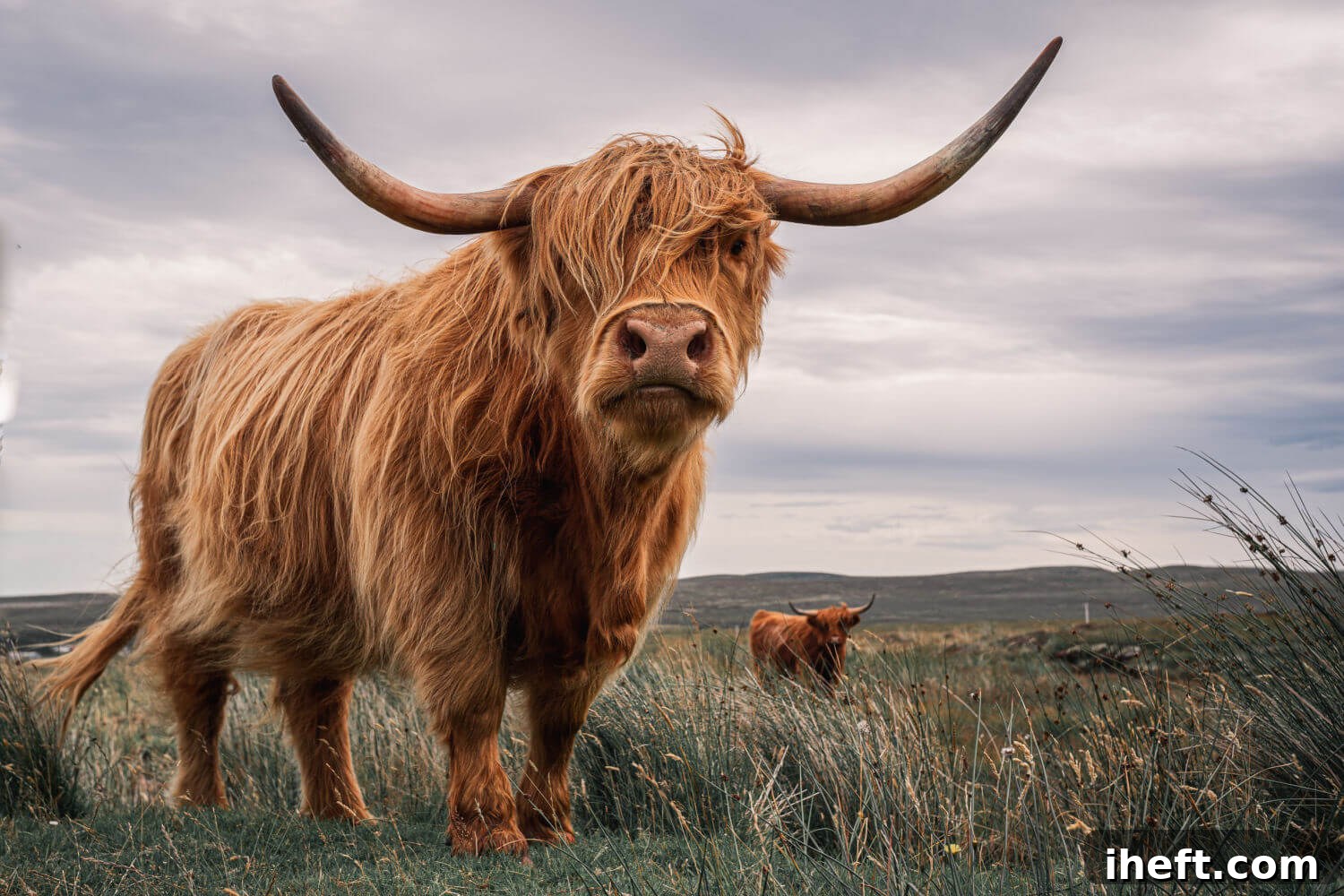
Image: Shutterstock. Long-haired Scottish Highland cows on the North Coast of Scotland.
The Iconic Double Coat and Other Distinctive Features
One of the most defining characteristics of the Highland cow is its remarkable double coat, a true marvel of natural selection and a key to their survival. This unique adaptation allows them to endure the severe cold, driving rain, and strong winds prevalent in their native environment. The inner layer consists of a soft, downy undercoat that provides exceptional insulation, trapping warmth close to their bodies. Overlaying this is a much longer, shaggy outer coat, often described as oily, which acts like a highly effective waterproof barrier, shedding rain and snow effortlessly. This iconic long hair also contributes to their undeniably cute, furry appearance and offers crucial protection from insect bites, harsh weather elements, and prickly brush encountered in pastures. The length and density of their hair can also vary seasonally, becoming notably thicker and longer in the colder winter months, then shedding to adapt to warmer temperatures.
While the reddish or “ginger” coat is perhaps the most widely recognized and photographed, Highland cattle actually exhibit a surprisingly diverse palette of colors. Their impressive coats can be black, dun (a smoky brown), yellow, grey, white, tan, brindle (a distinctive tiger-stripe pattern), or silver. Historically, the practical ingenuity of small farmers in the Highlands extended to utilizing this abundant resource; they would meticulously collect the cows’ shed hair and spin it into yarn, demonstrating a deep-rooted commitment to sustainability and making the most of every aspect of the animal’s contribution.
Powerful Horns and Sturdy Build: Designed for Survival
Beyond their luxurious coats, Highland cows are easily identified by their impressive and distinctive horns. These are far from merely decorative; they serve vital practical purposes, such as foraging for food buried beneath snow or dense brush, and for self-defense against potential predators in the wild. The shape and orientation of the horns differ between sexes, providing an easy way to distinguish bulls from cows: bulls typically have thicker horns that grow forward and slightly down, creating a powerful, formidable arch, while cows’ horns tend to be longer, thinner, and curve gracefully upwards. Their compact, muscular build further underscores their inherent hardiness, enabling them to navigate rugged, uneven, and challenging terrain with remarkable ease and agility.
Exceptional Environmental Adaptability and Temperament
Both traditional Highland cows and mini Highland cows are renowned for their incredible foraging abilities. They thrive on marginal pastures and require significantly less supplemental hay compared to many other cattle breeds, making them an economically attractive and environmentally sustainable choice for farmers. Their natural efficiency in grazing allows them to convert rough forage, including plants often ignored by other breeds, into nutrient-rich sustenance, flourishing even where other breeds might struggle. As previously mentioned, their resilience extends to tolerating cold, wet climates and traversing challenging terrain with ease, solidifying their reputation as a robust and dependable addition to diverse farming operations across various continents. Furthermore, their calm and docile temperament makes them highly manageable and a joy to interact with, a trait that makes them suitable for a variety of roles beyond traditional farming.
Global Presence: Where Are They Now?
While Highland cattle remain a cherished symbol and common sight in their native Scotland, their popularity has expanded far beyond their original home. These friendly “hairy coos” can now be found grazing contentedly in pastures across various parts of Europe, throughout Australia, and extensively across North and South America. Their remarkable adaptability, combined with their gentle temperament and unique aesthetic appeal, has made them highly desirable for a diverse range of purposes in modern agriculture, lifestyle farming, and even tourism.
Highland Cattle Today: Beyond Their Charming Appearance and Versatility
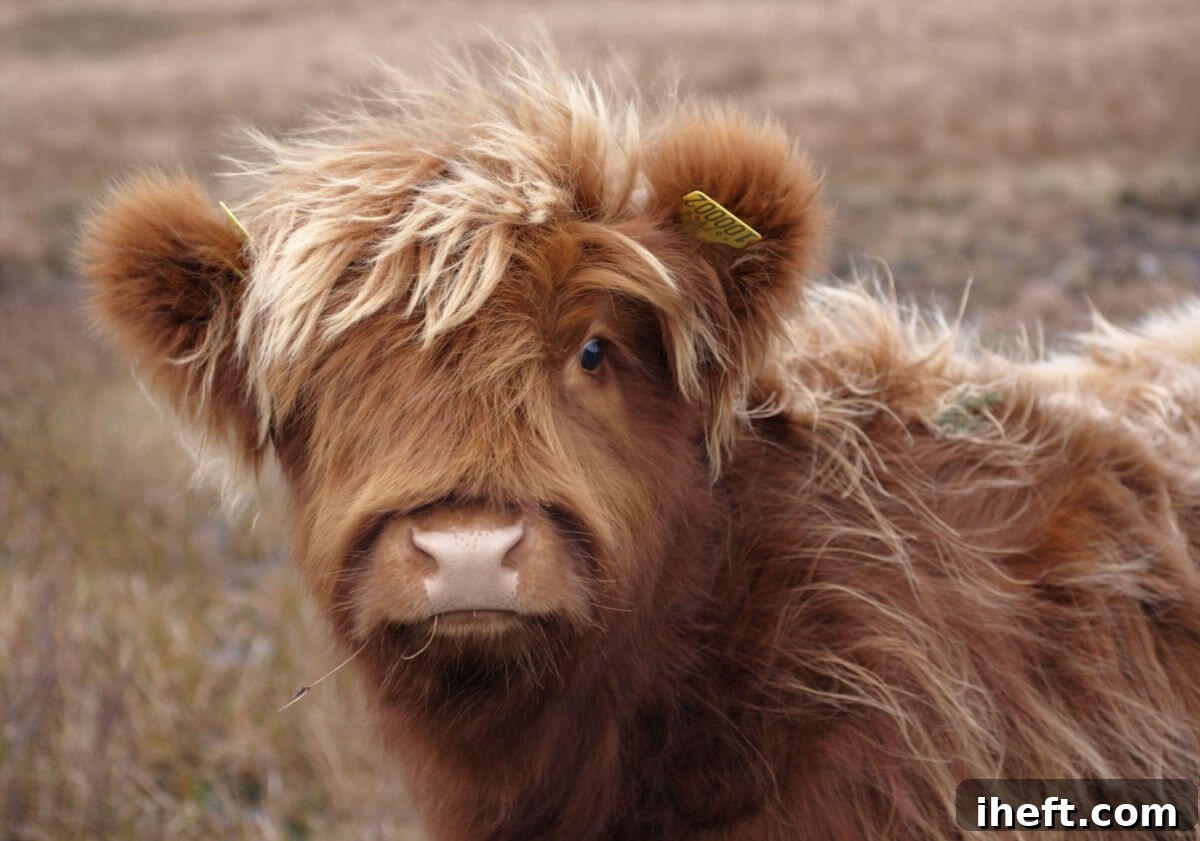
The versatility of Highland cows extends far beyond their captivating looks. Today, they serve a variety of important functions, proving their immense value in different capacities across the globe.
1) Premium Beef Production: A Healthy Delicacy
Despite their irresistibly fluffy faces, Highland cows and mini Highland cows are still extensively raised for their high-quality meat. Highland beef is particularly esteemed by gourmands and health-conscious consumers alike, revered for its leanness, fine marbling, and exceptionally rich, distinctive flavor. It’s often compared favorably to premium game meats due to its natural, intense taste. Studies have consistently shown that Highland beef typically boasts lower cholesterol and fat content, along with higher protein levels, than many other conventional beef breeds, making it a notably healthier option. This superior nutritional profile and exquisite taste are attributed to their natural, slow growth rate and predominantly grass-fed diet, which collectively contribute to a tender texture and profound flavor profile.
2) Rich, High-Quality Milk: Ideal for Homesteads
Highland cows are celebrated for their exceptionally docile and gentle nature, making them an excellent and manageable choice for family milk cows on homesteads and small farms. While they produce a modest quantity of milk, typically around 2-3 gallons per day, this amount is often perfectly sufficient for a family’s needs, providing fresh dairy without the immense demands or industrial scale of a large commercial dairy operation. What truly distinguishes Highland milk is its remarkable butterfat content, which can reach an impressive 10%. This extraordinarily high butterfat percentage contributes to a wonderfully rich, creamy taste and luxurious texture, making it highly sought after for crafting exquisite dairy products. From homemade butter and artisanal cheeses to delectable creams and ice creams, Highland milk provides a superb and versatile base for a variety of culinary delights.
3) Show Ring Stars: Beauty and Temperament Combined
With their striking appearance, majestic horns, and calm, confident demeanor, Highland cattle are natural show animals that effortlessly command attention. As one of the oldest registered breeds, they hold a prestigious place in agricultural shows worldwide. Judges often admire their well-defined characteristics: the long, flowing, often dramatic coat that frames their face (known as a ‘fringe’ or ‘dossan’), their impressive and symmetrically structured horns, sturdy yet elegant build, and their dignified, composed presence. Their centuries-long breeding for hardiness and distinct aesthetics has culminated in an animal that is both functionally robust and visually magnificent, making them star attractions in show rings and events globally.
4) Sustainable Land Management and Agritourism Ambassadors
Beyond their traditional farming roles, Highland cows are increasingly valued for their significant contributions to sustainable land management. Their efficient and non-selective grazing habits help maintain pastures, control invasive plant species, and promote biodiversity, making them excellent choices for conservation grazing projects and ecological restoration efforts. Furthermore, their friendly, inquisitive, and approachable nature has made them popular stars of agritourism. Many farms and ranches open their doors for visitors to interact with these charming animals, offering unique educational experiences, photo opportunities, and fostering a deeper connection between the public and agricultural life. They are even finding roles in animal-assisted therapy due to their calm and comforting presence.
Considering a Highland Cow for Your Farm or Homestead?
How Much Does a Highland Cow Cost?
For those dreaming of adding a fluffy companion to their own backyard or farm, understanding the financial investment is a crucial first step. In the U.S., the cost of a Highland cow can vary significantly based on factors such as age, lineage, health records, genetic purity, and whether it’s a standard or miniature size. We’ve observed prices for Highland cattle ranging anywhere from $2,000 to $8,000, with show-quality animals, registered breeding stock, or those with rare colorations sometimes commanding even higher prices. Mini Highland cows, due to their growing popularity and specific breeding efforts, often fall on the higher end of this spectrum, sometimes exceeding $10,000 for top-quality individuals.
Do Highland Cows Make Good Pets?
If your property is appropriately zoned for livestock and you have ample space – generally 1 1/2 to 2 acres per animal is recommended for miniature breeds, with more for standard sizes – then mini Highland cows can indeed make wonderful, engaging pets. Their naturally gentle, calm, and intelligent temperament allows them to form strong, affectionate bonds with their human caretakers. They are often described as having distinct personalities, being quite curious, and surprisingly affectionate, enjoying gentle brushes and interactions. You can find these endearing fluffy cows available for sale from various reputable breeders across the U.S. and the U.K., as well as other countries where they are popular.
When you’re in the market for Highland cows, you’ll encounter both standard and miniature sizes. It’s absolutely crucial to exercise due diligence and conduct thorough research when purchasing, especially with miniature breeds. Unfortunately, scams and misrepresentation regarding “mini” sizes can be prevalent. Always prioritize buying from certified, reputable breeders who can provide comprehensive health records, clear genetic information, and verifiable pedigrees. A responsible breeder will be transparent and allow you to visit their farm to meet the animals and observe their living conditions before making a purchase.
Where to Experience Scottish Highland Cows on Your Travels
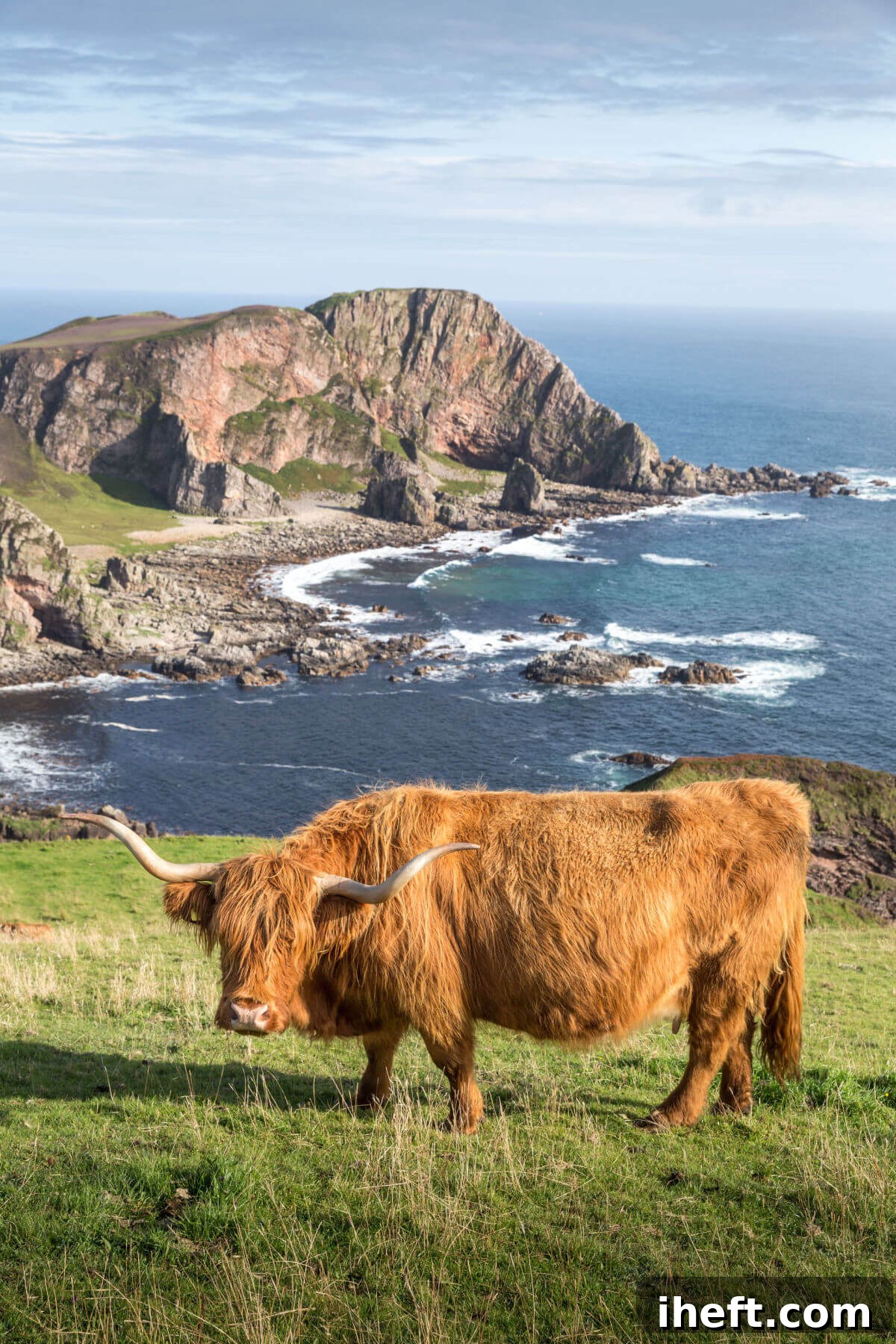
Image: Shutterstock. Islay, Inner Hebrides, Scotland
For those eager to witness the heritage of Scottish Highland cows in their natural habitat or in other scenic locations around the world, here are some unforgettable places and ways to experience them:
North Scotland: The Heart of the Highlands
The majestic North of Scotland, the ancestral home of Highland cows, offers breathtaking landscapes of rolling hills, dramatic mountains, and expansive, verdant farms. A leisurely drive through the enchanting Scottish countryside, particularly along scenic routes like the North Coast 500, is almost guaranteed to bring you face-to-face with these iconic creatures, peacefully grazing in their natural pastures. This region provides the most authentic and immersive “Highland” experience, allowing you to appreciate these animals against the awe-inspiring backdrop of their rugged origins. Many local farms in areas like Glencoe or the Isle of Skye also offer guided tours or viewing opportunities.
Aberdeenshire: Castles, Coos, and Coastlines
Aberdeenshire, a region rich in history and natural beauty, perfectly combines picturesque rolling hills, often dotted with Highland cattle, with historical hidden gems like ancient castles (such as Balmoral) and stunning coastlines. It’s an ideal destination to explore Scotland’s diverse heritage while enjoying charming encounters with these beloved animals, often seen in fields adjacent to historic sites.
Beyond Scotland: Global Opportunities to Meet the “Hairy Coos”
While Scotland undoubtedly offers the quintessential experience, Highland cattle farms and breeders exist across the globe due to the breed’s widespread popularity. You might be surprised to find farms closer to home in North America (particularly in states with cooler climates like Oregon, Washington, or New England), various parts of Europe, Australia, and other continents that feature both traditional and mini Highland cows. Many of these operations welcome visitors, offering engaging tours, educational programs, and even opportunities for hands-on interaction and photography. Checking local agricultural directories, farm-stay websites, or regional tourist boards can help you locate these charming creatures during your travels, providing a unique and memorable experience outside of their Scottish homeland.
Highland Cows: Your New Fluffy Fascination and Enduring Friend
Whether your interest lies in adding a unique breed to your farm, simply learning about their captivating story, or fulfilling a dream of visiting them someday, Highland cows and mini Highland cows embody a truly rich and enduring legacy. From the windswept high country of Scotland to pastures across the world, their distinct charm, adaptability, and notoriety have only grown throughout the centuries, cementing their status as a global favorite.
Today, these magnificent creatures continue to serve multiple vital purposes: providing highly prized, healthy beef; offering rich, delicious milk on a smaller scale for homesteaders; and gracing show rings with their majestic appearance and calm, composed disposition. They are also increasingly recognized for their contributions to sustainable land management, biodiversity, and their undeniable appeal in the burgeoning field of agritourism, bringing joy and education to countless visitors.
One thing is certain: Highland cows are truly one-of-a-kind, combining rugged resilience with an undeniable and charming cuteness. Their unique blend of ancient history, practical utility, and enchanting looks ensures their cherished place as a beloved symbol of rural beauty and agricultural excellence. Who wouldn’t be captivated by a cow whose “bangs” you could practically style, and whose gentle eyes promise a deep, quiet companionship? Their distinctive character continues to charm and inspire.
Dive deeper into the world of these adorable and majestic animals with this fascinating video: