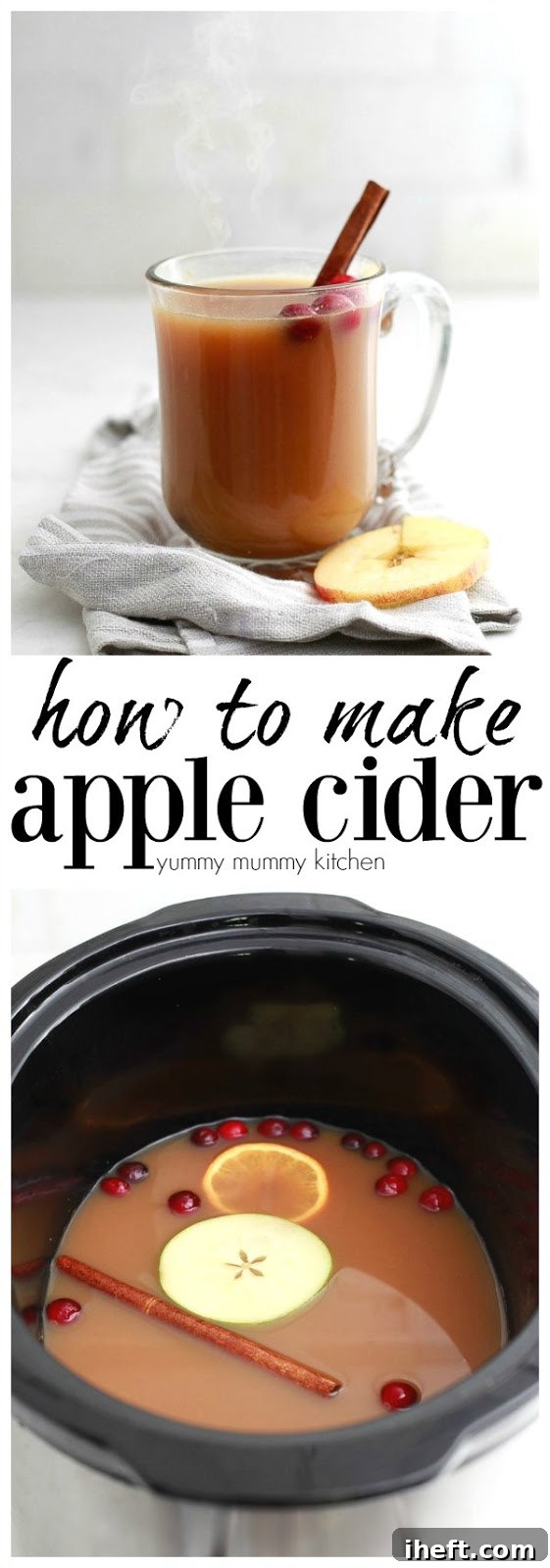
Crafting Homemade Apple Cider
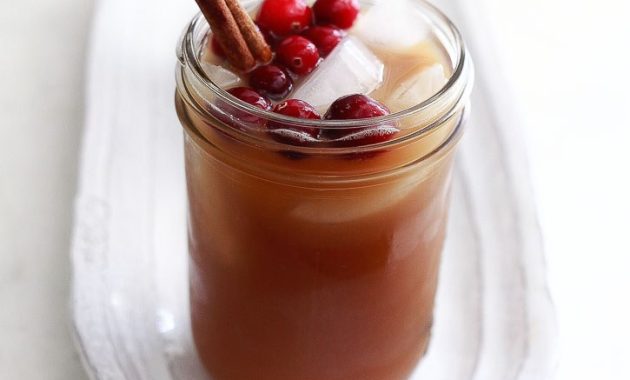
Imagine the crisp scent of autumn leaves mingling with the warm, inviting aroma of cinnamon, cloves, and fresh apples gently simmering. This isn’t just a dream; it’s the delightful reality of making your own homemade apple cider from scratch. Forget the store-bought versions laden with added sugars and artificial flavors. Crafting your own spiced apple cider is surprisingly simple, requiring just a few natural ingredients and a touch of patience to create a truly authentic taste of fall.
Whether you prefer it steaming hot on a chilly evening or refreshingly cold on a mild autumn afternoon, homemade apple cider embodies the very essence of comfort. For years, I found myself reaching for pre-made spiced apple cider from the grocery store. However, a realization struck me: given that apples are inherently sweet, why did so many commercial ciders contain unnecessary added sugar? There simply isn’t a need for it when you embrace the natural goodness of fresh fruit.
Every autumn season brings a delightful abundance of homegrown apples from friends and local markets. While I frequently transform these seasonal treasures into creamy Slow Cooker Applesauce, my absolute favorite way to utilize them is by brewing up a batch of homemade spiced apple cider. The process is not only rewarding but also fills your home with an unparalleled festive fragrance that perfectly captures the spirit of the season.
What Exactly Is Apple Cider? Unfiltered Goodness Explored
If you’re fortunate enough to have an apple tree brimming with fruit, or you simply find yourself with more apples than you can eat after a visit to the local farmers market, this homemade apple cider recipe offers the ideal solution. But before we dive into the ‘how-to,’ let’s clarify a common question: what exactly is the difference between apple cider and apple juice?
The distinction primarily lies in the processing. Apple cider, particularly fresh or “hard” (fermented) cider, is essentially unfiltered apple juice. This means it retains fine pulp particles, giving it that characteristic cloudy, opaque appearance and a richer, more robust flavor profile. Apple juice, on the other hand, undergoes extensive filtration to remove all pulp, often pasteurization at higher temperatures, resulting in a clear, consistent, and usually sweeter product with a longer shelf life. Our homemade version captures the rustic charm and full-bodied taste of traditional apple cider.
Choosing the Best Apples for Your Cider
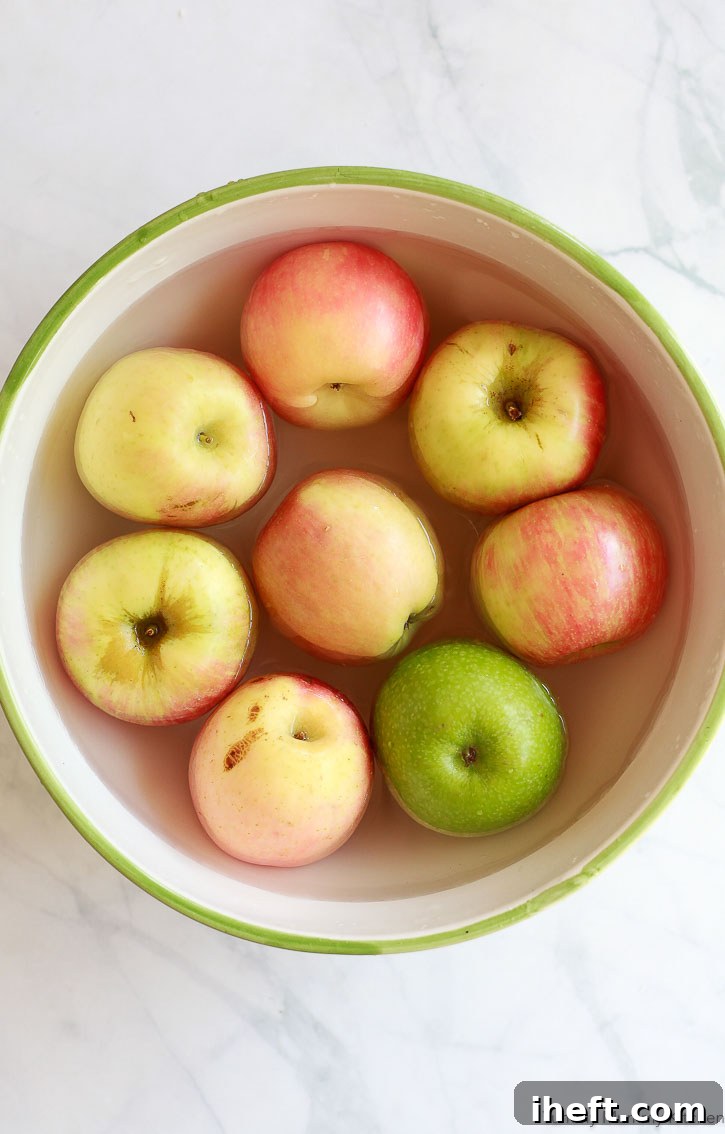
When it comes to selecting apples for your homemade cider, you truly can’t go wrong. The beauty of crafting your own is the freedom to experiment with different varieties and create a flavor profile that perfectly suits your palate. For the most balanced and complex cider, I highly recommend using a blend of apples. This allows you to combine the best attributes of several types:
- For Sweetness: Gala, Fuji, Red Delicious, Golden Delicious, Honeycrisp, and Braeburn apples will contribute a wonderful natural sweetness to your cider.
- For Tartness and Brightness: Granny Smith, Pink Lady, Empire, or McIntosh apples will add a refreshing tart kick, balancing the sweetness and preventing the cider from becoming cloyingly sweet.
- For Aromatic Depth: Heirloom varieties, if available, can introduce unique subtle notes that elevate your cider to another level.
Don’t be afraid to mix and match! Whatever local apples you can get your hands on, especially those from a pick-your-own orchard or a farm stand, will make for the freshest and most flavorful cider. A good rule of thumb is to aim for a mix of about 70% sweet apples and 30% tart apples, but feel free to adjust this ratio based on your personal preference for a sweeter or tarter brew.
How to Make Apple Cider from Scratch with Fresh Apples: Two Simple Methods
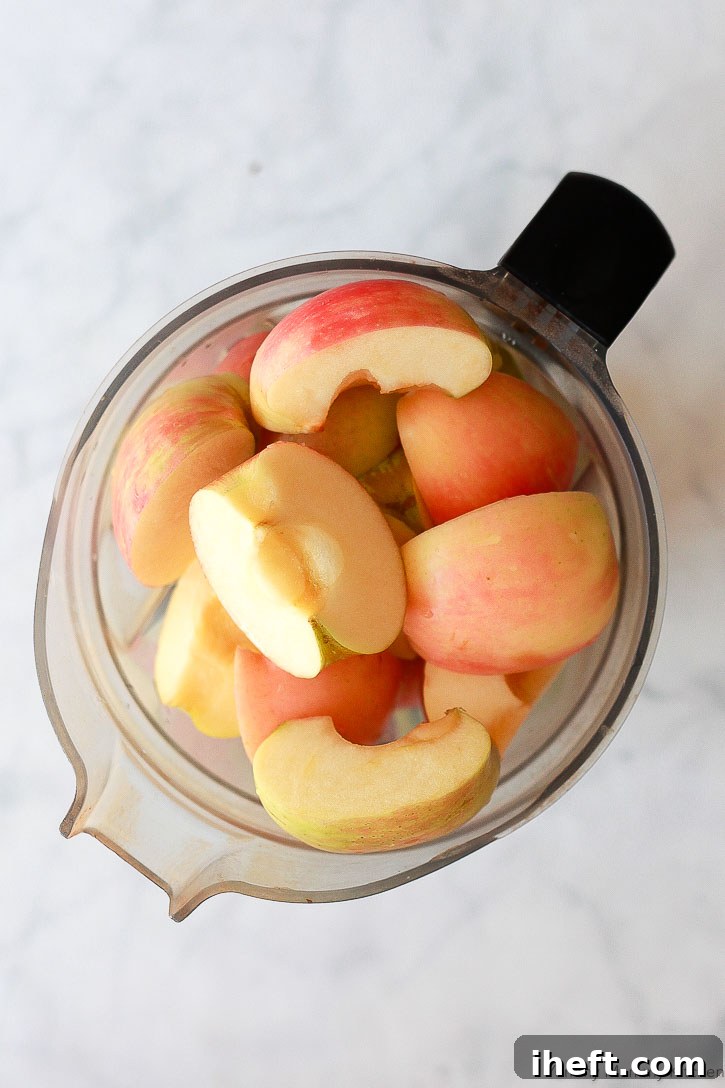
While many apple cider recipes found online suggest starting with store-bought apple juice, our goal here is to craft a truly homemade experience, beginning with fresh, whole apples. There are primarily two excellent methods for extracting juice from your apples before turning it into spiced cider, even if you don’t own a fancy juicer.
Method 1: The Blender Method (No Juicer Needed!)
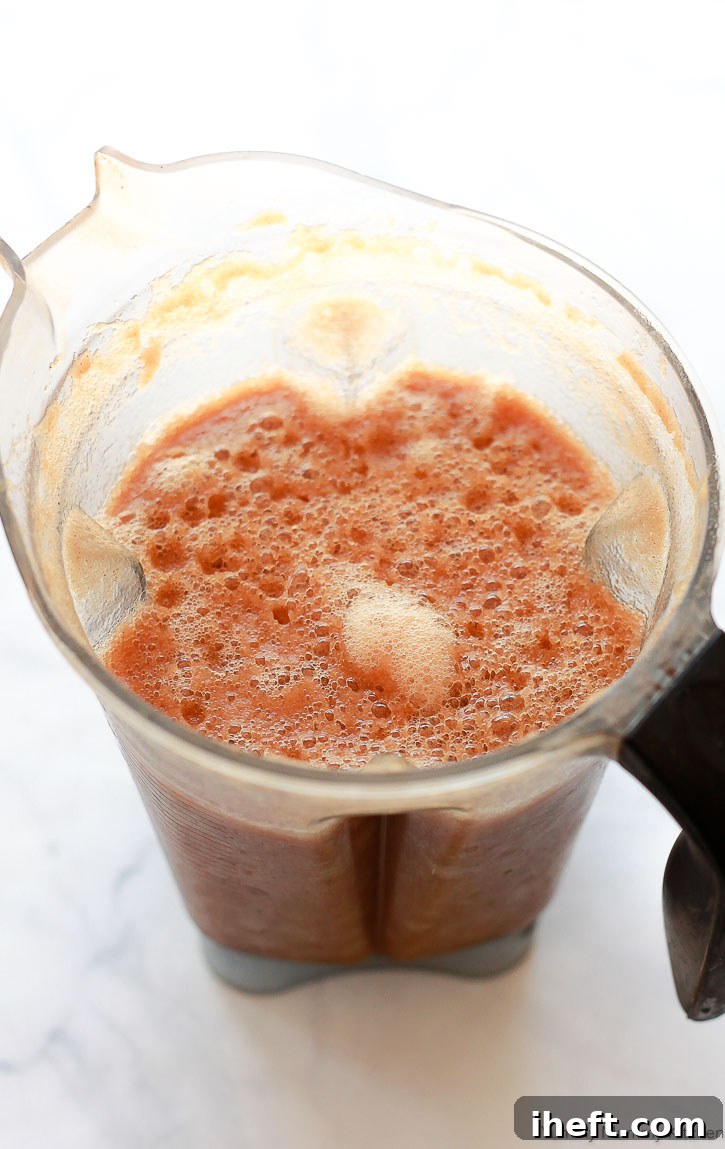
This is a fantastic option if you don’t have a juicer but do own a powerful blender, like a Vitamix. It’s how I made my first batches of homemade cider, and it works wonderfully:
- Prepare Your Apples: Wash your apples thoroughly. Quarter them and remove the cores. There’s no need to peel them, as the skins contain valuable nutrients and contribute to flavor.
- Blend in Batches: Fill your blender about halfway with the prepared apple chunks. Add approximately 1 cup of water per batch (adjust slightly depending on your blender’s capacity and the apple moisture). The water helps the blades work efficiently.
- Puree Until Smooth: Blend on high for about two minutes, or until the apples are completely pureed into a thick, pulpy liquid.
- Strain the Juice: This is a crucial step for achieving “cider-like” consistency. Place a fine-mesh sieve or a nut milk bag over a large bowl or directly into your slow cooker. Pour the pureed apple mixture through the sieve, using the back of a spoon or your clean hands (if using a nut milk bag) to press out as much liquid as possible. You’ll be left with fresh, cloudy apple juice and a concentrated apple pulp.
The blender method yields a slightly thicker juice with some fiber content, which many find appealing. It’s incredibly efficient and ensures you get every drop of flavor from your fresh apples.
Method 2: The Juicer Method (Quick and Clear)
If you’ve recently added a juicer to your kitchen arsenal, this method offers an even easier and faster route to fresh apple juice. Juicers excel at separating the liquid from the pulp, resulting in a clearer, smoother base for your cider.
- Prepare Your Apples: Wash and quarter your apples. Depending on your juicer model, you may or may not need to core them. Larger juicer chutes can often handle whole apple quarters.
- Process Through Juicer: Feed the apple pieces through your juicer according to its instructions. The juicer will efficiently extract the juice, leaving behind dry pulp.
This method is fantastic for its speed and convenience, producing a cleaner juice with minimal effort. Both methods provide an excellent foundation for our spiced apple cider.
Making Spiced Apple Cider in the Slow Cooker Crock Pot
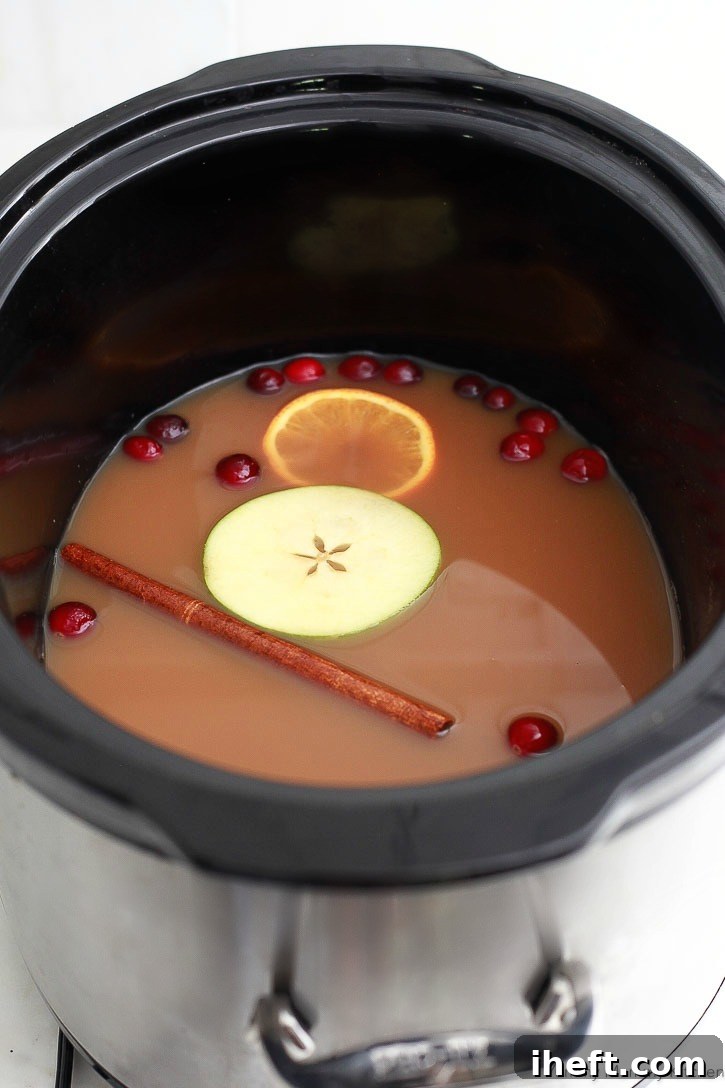
Now that you have your fresh apple juice, it’s time for the magical transformation into warm, fragrant spiced apple cider. The slow cooker is an absolute game-changer for this step, as it allows the flavors to meld beautifully over time and keeps the cider at the perfect serving temperature for hours, filling your home with an irresistible aroma.
The Art of Spicing Your Cider
Infusing your apple juice with aromatic spices is what elevates it to true spiced apple cider. Our basic recipe includes a classic combination, but feel free to customize it to your liking:
- Cinnamon Sticks: Essential for that quintessential cozy warmth. Use whole sticks for a more subtle, infused flavor.
- Whole Cloves: Offer a pungent, sweet, and slightly peppery note.
- Allspice Berries: As the name suggests, they impart flavors reminiscent of cloves, cinnamon, and nutmeg, adding complexity.
- Orange Slices: Not only do they add a bright, citrusy counterpoint to the rich apple and spice flavors, but they also make the cider look beautiful, especially when entertaining guests.
Other wonderful additions could include star anise for a licorice-like note, a few slices of fresh ginger for a spicy kick, or even a pinch of freshly grated nutmeg. Place all these spices and orange slices directly into the slow cooker with your apple juice.
Why the Slow Cooker is Perfect
The slow cooker provides several advantages for making spiced apple cider:
- Gentle Infusion: The low, consistent heat slowly allows the flavors from the spices and orange to infuse into the apple juice without boiling away the delicate aromas.
- Perfect Serving Temperature: Once heated, the slow cooker keeps the cider warm for hours, making it ideal for parties, holiday gatherings, or simply enjoying multiple mugs throughout the day.
- Incredible Aroma: Perhaps one of the best benefits is the heavenly scent that permeates your entire home, instantly creating a welcoming and festive atmosphere.
Simply add your fresh apple juice, spices, and orange slices to the slow cooker, set it to low, and let it gently simmer for at least 2 hours. The longer it simmers, the more pronounced the spice flavors will become.
Homemade Apple Cider Recipe
Homemade Apple Cider
10 minutes
2 hours
2 hours 10 minutes
Learn how to make homemade spiced apple cider. This family-sized recipe is perfect for cozy gatherings and can easily be doubled or tripled for larger parties.
Ingredients
- 32 oz. fresh apple juice (approximately 8 medium apples, juiced using blender or juicer method)
- 3 cinnamon sticks
- 1/4 teaspoon whole allspice berries
- 1 teaspoon whole cloves
- 1 medium orange, sliced
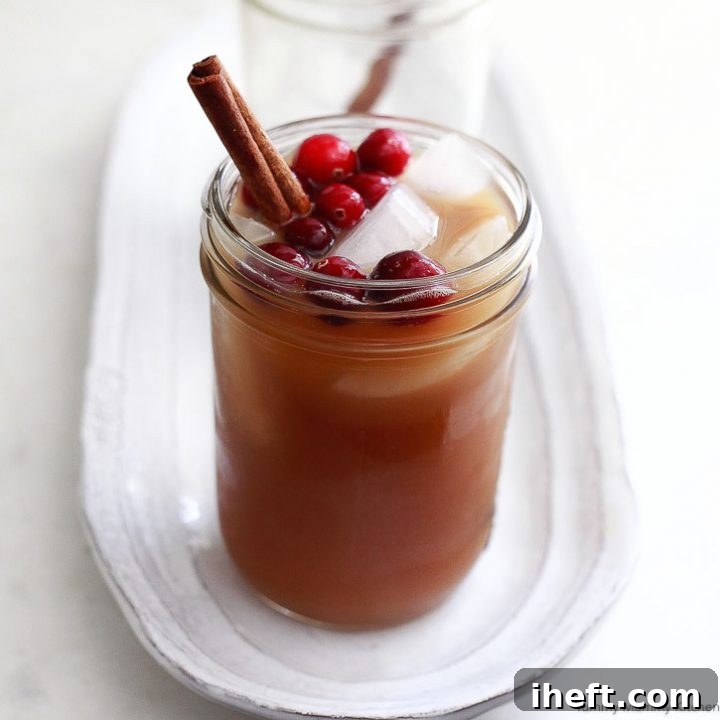
- Fresh cranberries for garnish, optional
Instructions
- Prepare Apple Juice: If using a blender to “juice” your apples, quarter and core about 8 medium apples. Fill the blender about halfway with apples and add 1 cup of water. You will likely need to work in batches. Blend on high for approximately two minutes until the apples are completely pureed. Pour the pureed apple mixture through a fine-mesh sieve or nut milk bag into your slow cooker, pressing to extract all the liquid. If using a juicer, simply process your apples according to the juicer’s instructions and pour the juice into the slow cooker.
- Infuse in Slow Cooker: Add the fresh apple juice to a slow cooker or a large saucepan (if using stovetop) over low heat. Add the cinnamon sticks, whole allspice, whole cloves, and orange slices to the juice.
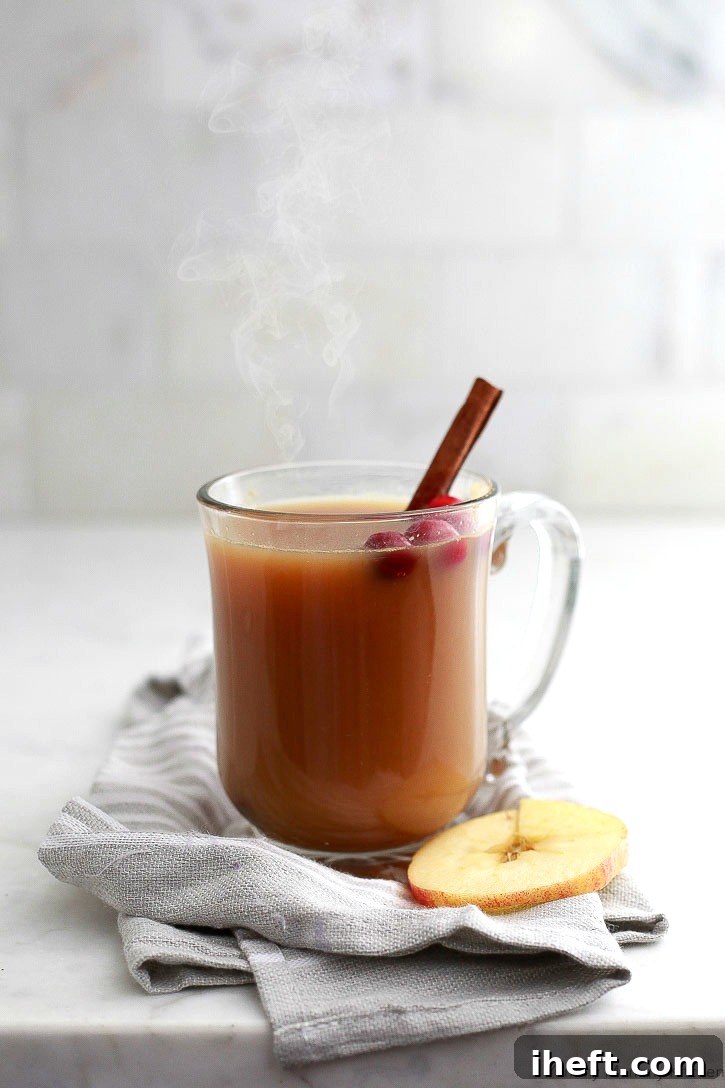
- Heat and Serve: Heat the cider until it is warm and fragrant, typically 2-4 hours on low in a slow cooker, or about 30-60 minutes on low heat on the stovetop. Once heated through and flavors are infused, it’s ready to enjoy! Serve warm, garnished with fresh cranberries, extra orange slices, or a cinnamon stick if desired.
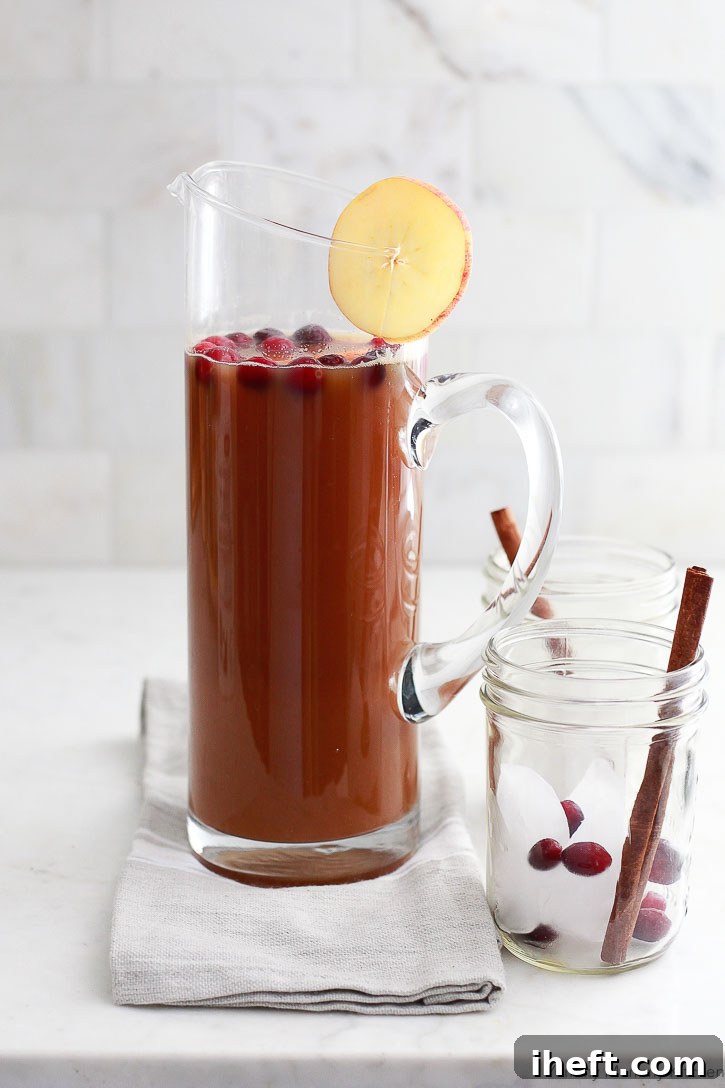
- Storage: Apple cider can be enjoyed warm or cold. Allow any leftover cider to cool completely to room temperature before transferring it to a pitcher or airtight container. Store in the refrigerator for up to 5-7 days. Reheat gently on the stovetop or in the slow cooker.
Notes
I love keeping this apple cider warm in a slow cooker during gatherings. It makes the entire house smell like the holidays! For an extra festive touch, garnish individual mugs with fresh cranberries and a slice of orange.
Nutrition Information:
Yield: 4 Servings
Serving Size: 1 glass (approx. 8 oz)
Amount Per Serving:
Calories: 150
Total Fat: 1g
Saturated Fat: 0g
Trans Fat: 0g
Unsaturated Fat: 0g
Cholesterol: 0mg
Sodium: 14mg
Carbohydrates: 37g
Fiber: 3g
Sugar: 28g
Protein: 1g
Tips for Serving and Storing Your Homemade Apple Cider
Once your homemade apple cider has steeped to perfection, it’s ready to be savored. Here are a few tips to enhance your enjoyment and ensure your delicious brew lasts.
Serving Suggestions:
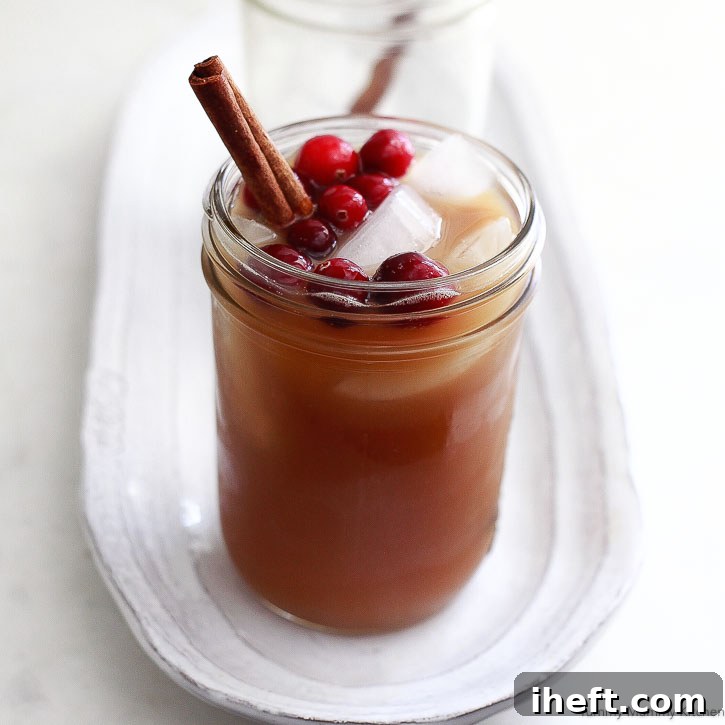
- Warm or Cold: While most prefer spiced cider warm, it can also be delightful served chilled on a warmer day. Simply let it cool to room temperature before refrigerating.
- Garnishes: Elevate your presentation with simple garnishes. A few fresh cranberries, thin apple slices, an extra orange wheel, or a cinnamon stick in each mug add visual appeal and a touch more aroma.
- Mugs of Comfort: Serve in your favorite mugs or heat-resistant glasses to fully appreciate the warmth and rich color.
- For Parties: Keeping the cider on a “warm” setting in your slow cooker is ideal for entertaining. Guests can help themselves, and the aroma will create an inviting atmosphere.
Storing Leftovers:
- Cool Completely: Before storing, ensure your cider has cooled down to room temperature.
- Airtight Container: Transfer the cooled cider to an airtight pitcher or jar.
- Refrigeration: Store in the refrigerator for up to 5-7 days. The flavors may even deepen slightly over time.
- Reheating: Gently reheat on the stovetop over low heat until warm, or return it to the slow cooker on the “low” setting. Avoid boiling to preserve the delicate spice notes.
Variations and Customizations for Your Spiced Cider
The beauty of making cider from scratch is the endless possibilities for customization. Feel free to experiment with these variations to find your perfect blend:
- Spice It Up: Beyond cinnamon, cloves, and allspice, consider adding star anise, a few slices of fresh ginger, or a pinch of freshly grated nutmeg for an even more complex flavor profile. Cardamom pods can also add an intriguing, exotic note.
- Fruity Twists: Enhance the apple base by adding other fruits. A handful of fresh cranberries or pear slices can be simmered along with the apples and oranges for additional flavor and color.
- A Touch of Sweetness (Optional): While this recipe is naturally sweet from the apples, if you prefer a sweeter cider, you can stir in a tablespoon or two of maple syrup or honey after the cider has finished cooking. Taste as you go to avoid over-sweetening.
- Vanilla Bean: A split vanilla bean pod can add a wonderfully creamy and warm undertone to your cider.
- Adult Version (for those 21+): For a more spirited drink, a shot of dark rum, bourbon, or apple brandy can be added to individual servings of warm cider. This creates a cozy cocktail perfect for adult gatherings.
Making your own homemade apple cider is a truly rewarding experience that brings the flavors and aromas of autumn directly into your home. It’s a simple pleasure that offers immense satisfaction, from selecting the perfect apples to taking that first warm, spiced sip. With this easy-to-follow recipe, you can skip the added sugars and enjoy a pure, natural taste of the season. So, gather your apples, choose your spices, and get ready to brew the most comforting drink of fall!