Gluten-Free Nutella-Filled Easter Egg Macarons
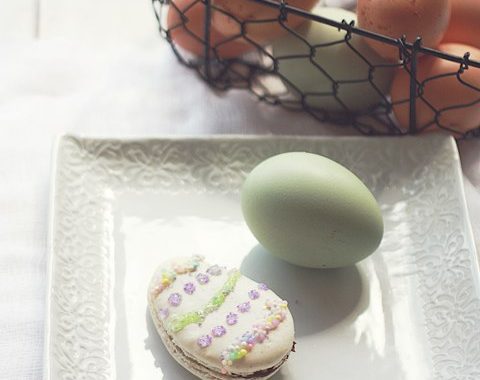
Delightful Easter Egg French Macarons with Nutella: A Gluten-Free Recipe
Life has a wonderful way of presenting unexpected moments of joy, often when our grandest plans shift. I had envisioned a vibrant second birthday bash for my youngest sweetie, complete with a beach theme, adorable mermaid cupcakes, and white chocolate sea stars. However, Mother Nature had other ideas, bringing a weekend of relentless rain. Instead of an elaborate gathering, we found ourselves cozy indoors, just the four of us, celebrating with a modest chocolate ganache cake and a flurry of gift-opening. And you know what? It was absolutely perfect.
While we cherish every opportunity to connect with our incredible circle of friends and their lively children, there’s a unique charm in occasionally stepping away from the “production” of a big event. These quiet, simple family moments are truly precious. At two years old, my little one, L, was none the wiser about the change in plans, finding pure delight in the intimacy of our small celebration. This unexpected shift in pace sparked a new kind of creative energy, leading us down a path of delicious discovery perfect for another upcoming holiday: Easter.
My four-year-old, B, is positively bubbling with excitement for Easter, with the prospect of dyeing and decorating eggs being a particular highlight. Her enthusiasm is infectious, and it got me thinking: why limit the fun to traditional eggs when we could create something equally festive, delightfully edible, and even more delicious? That rainy day became the perfect backdrop for a new kind of Easter egg decorating – one that involved delicate, chewy French macarons. This wasn’t just about baking; it was about transforming a simple afternoon into a memorable, sweet adventure, crafting beautiful treats that capture the spirit of spring and celebration.
The Irresistible Allure of Nutella-Filled Macarons
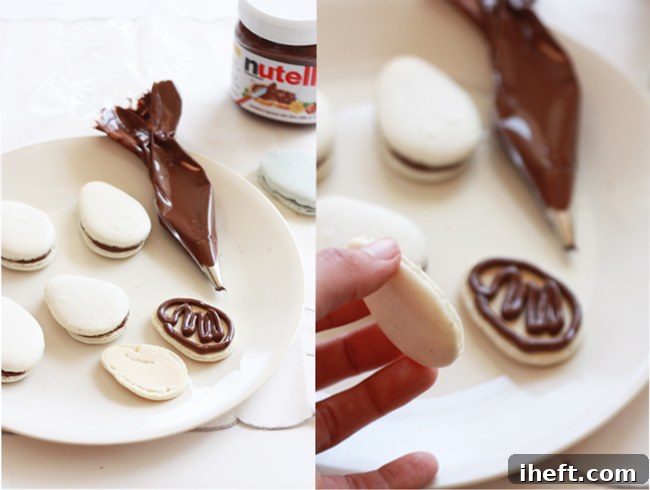
In my culinary adventures with French macarons, I’ve discovered that the simplest fillings often yield the most satisfying results. And when it comes to sheer deliciousness and ease, nothing quite compares to Nutella. This luscious chocolate hazelnut spread transforms a basic macaron into an extraordinary indulgence, offering a rich, creamy, and undeniably addictive center that perfectly complements the crisp, airy shells. Its widespread appeal and effortless application make it an ideal choice for bakers of all skill levels, especially when you’re looking for a quick yet impressive finish.
Opting for Nutella as the filling for these Easter egg French macarons was a stroke of genius. Not only does it taste incredible, but it also streamlines the preparation process significantly. Forget complicated buttercream recipes or delicate ganaches; Nutella is ready to use straight from the jar, making assembly a breeze. The rich, nutty flavor of Nutella pairs exquisitely with the subtle almond notes of the macaron shells, creating a harmonious symphony of tastes and textures. It’s a crowd-pleaser that appeals to both children and adults, ensuring these festive treats will disappear quickly from any Easter table.
Bringing Easter Joy to Life: Decorating Our Macaron Eggs
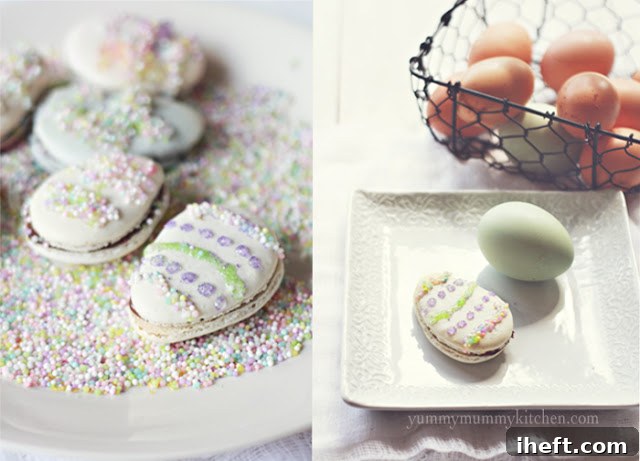
The decorating phase of these Easter egg macarons proved to be a fantastic activity, especially for keeping my daughter B engaged and creatively occupied for a solid hour. Her eyes lit up as she meticulously applied clear decorating gel to the pristine macaron shells, transforming them into canvases for her artistic expression. Then came the magical part: sprinkling on a vibrant array of pastel sprinkles and sparkling sanding sugar. Each macaron became a miniature masterpiece, reflecting her cheerful spirit and the unbridled joy of childhood creativity.
This hands-on decorating experience is not just fun; it’s also a wonderful way to involve younger family members in the holiday baking process. Providing them with a selection of edible glitter, various sprinkles, and even small candy decorations allows them to personalize their treats, fostering a sense of ownership and pride in their creations. It’s an ideal activity for a rainy afternoon or a quiet day at home, turning simple cookies into cherished memories and edible art.
While B loved her sprinkles, my personal favorite decoration for these delicate Easter treats leans towards a touch of understated elegance. Dreamy whites, kissed with a sprinkle of edible gold leaf, create an absolutely breathtaking effect. The shimmering gold transforms each macaron into a tiny jewel, perfect for a sophisticated Easter brunch or a luxurious dessert spread. Edible gold leaf, while not always the cheapest ingredient, is truly fabulous and adds an unparalleled level of glamour to any baked good. You can often find it at specialty cooking stores or online retailers like Sur la Table. A little goes a long way, making it a worthy splurge for those special occasions when you want to impress.
Mastering French Macarons: Recipe & Expert Tips
Making French macarons can sometimes feel intimidating, but with a precise recipe and a few helpful tips, you’ll be piping perfect shells in no time. The key lies in accurate measurements, proper technique, and patience. These delicate, gluten-free cookies are worth every bit of effort, especially when they come together to form these adorable Easter egg shapes filled with luscious Nutella. This recipe, adapted from Martha Stewart, provides a reliable foundation for macaron success.
Easter Egg French Macarons filled with Nutella
Printer Friendly Recipe
Makes about 10 filled macarons (20 individual shells)
Ingredients
- 1 1/4 cups plus 1 teaspoon confectioners’ sugar (icing sugar)
- 1 cup (4 ounces) finely ground sliced, blanched almonds (almond flour/meal)
- 6 tablespoons fresh egg whites (from about 3 extra-large eggs), aged at room temperature for at least 30 minutes
- Pinch of salt
- 1/4 cup granulated sugar (caster sugar)
For the Filling
- 1/2 cup chocolate hazelnut spread, such as Nutella
Equipment You’ll Need
- Electric mixer with whisk attachment (stand mixer recommended)
- Fine-mesh sieve or food processor (for almond flour)
- Large mixing bowls
- Rubber spatula
- Piping bag with a 3/8-inch (#4) round tip
- Baking sheets
- Parchment paper or silicone baking mats
- Wire rack for cooling
Instructions
1. Prepare Your Dry Ingredients: Preheat your oven to 350°F (175°C). In a medium bowl, thoroughly whisk together the confectioners’ sugar and the finely ground blanched almonds. For the smoothest shells, it’s crucial that your almond flour is as fine as possible. If it’s not super fine, pulse it briefly in a food processor with a portion of the confectioners’ sugar to prevent it from turning into butter, then sift the mixture. Discard any larger pieces that remain in the sieve. Set aside.
2. Whip the Meringue: In the clean, dry bowl of an electric mixer fitted with the whisk attachment, begin whipping the egg whites with a pinch of salt on medium speed until they become foamy. This initial frothing helps to build volume. Gradually increase the speed to high and slowly add the granulated sugar, a little at a time. Continue to whip the egg whites until stiff, glossy peaks form. The meringue should be firm enough that when you lift the whisk, the peak holds its shape without collapsing. This is a critical step for stable macaron shells.
3. Macaronage (Folding): With a rubber spatula, very gently begin to fold the dry confectioners’ sugar and almond mixture into the meringue. This delicate folding process, known as macaronage, is where the magic happens. You want to achieve a lava-like consistency, where the batter flows slowly and continuously off your spatula, forming a ribbon that holds its shape for a few seconds before dissolving back into the main batter. Be careful not to overmix, as this will lead to runny batter and flat, cracked shells.
4. Pipe the Macaron Shells: Line your baking sheets with parchment paper or silicone baking mats. Fit a pastry bag with a 3/8-inch (#4) round tip and fill it with your macaron batter. Carefully pipe 2-inch egg shapes or ovals onto the prepared baking sheets, leaving at least 2 inches between each cookie to allow for spreading. Once piped, firmly tap the baking sheets a few times against your counter. This helps to release any trapped air bubbles, which can cause hollow or cracked shells.
5. Allow to Rest (Develop a “Skin”): Let the piped macaron shells stand at room temperature until they develop a soft skin on their tops and the shiny surface turns dull. This typically takes about 15-30 minutes, but can vary depending on humidity. You should be able to gently touch a shell without any batter sticking to your finger. This resting period is essential for the formation of the distinctive “feet” on the macarons.
6. Bake the Macarons: Bake the macarons in your preheated oven with the oven door slightly ajar. You can achieve this by placing a wooden spoon in the door to keep it from fully closing. This helps to vent moisture, promoting even baking and preventing cracking. Bake for approximately 15 minutes, or until the surface of the macarons is completely dry and the feet have risen. The baking time can vary by oven, so keep an eye on them. The shells should be firm but not overly browned.
7. Cool and Peel: Remove the baking sheet to a wire rack and allow the macarons to cool completely on the baking sheet before attempting to peel them off the parchment paper. French macarons are very delicate when warm, and their tops are easily crushed. Patience here is key! Gently peel the cooled macarons off the parchment paper. Use immediately or store the unfilled shells in an airtight container, refrigerated for up to 2 days or frozen for up to 1 month.
Assembly & Storage
1. Fill the Macarons: Once completely cooled, fill a clean pastry bag with the Nutella filling. Turn half of the macaron shells so their flat bottoms face up. Pipe about 1 teaspoon of Nutella onto each, creating an outline at the edge as seen in the photo above, or a simple dollop in the center. Carefully sandwich these with the remaining macaron shells, flat-side down, pressing slightly to gently spread the filling to the edges.
2. Mellow and Serve: While delicious immediately, macarons often benefit from “maturing” in the refrigerator for 24 hours. This allows the filling to soften the shell slightly, creating that perfect chewy texture. Store filled macarons in an airtight container in the refrigerator for up to 3-4 days. For best flavor and texture, bring them to room temperature for about 15-20 minutes before serving.
Recipe adapted from Martha Stewart.
These Easter Egg French Macarons, whether adorned with whimsical sprinkles by little hands or graced with the subtle shimmer of gold leaf, are more than just a dessert. They are a labor of love, a delicious reflection of cherished family moments, and a beautiful way to celebrate the joy of Easter. Baking them brings a sense of accomplishment and fills the home with the sweet aroma of celebration. So, gather your ingredients, embrace the process, and create these delightful treats that are sure to bring smiles and sweetness to your holiday table. Happy baking, and Happy Easter!