Protein-Packed Oats
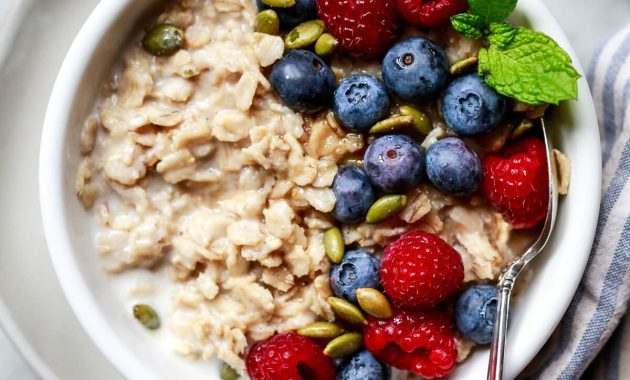
This comprehensive guide will show you how to effortlessly create delicious high-protein oatmeal, whether you prefer using protein powder or natural whole-food additions like nuts and seeds. It’s the ultimate satisfying recovery meal, especially after a brisk morning workout or on a chilly day when you crave something warm and nourishing.
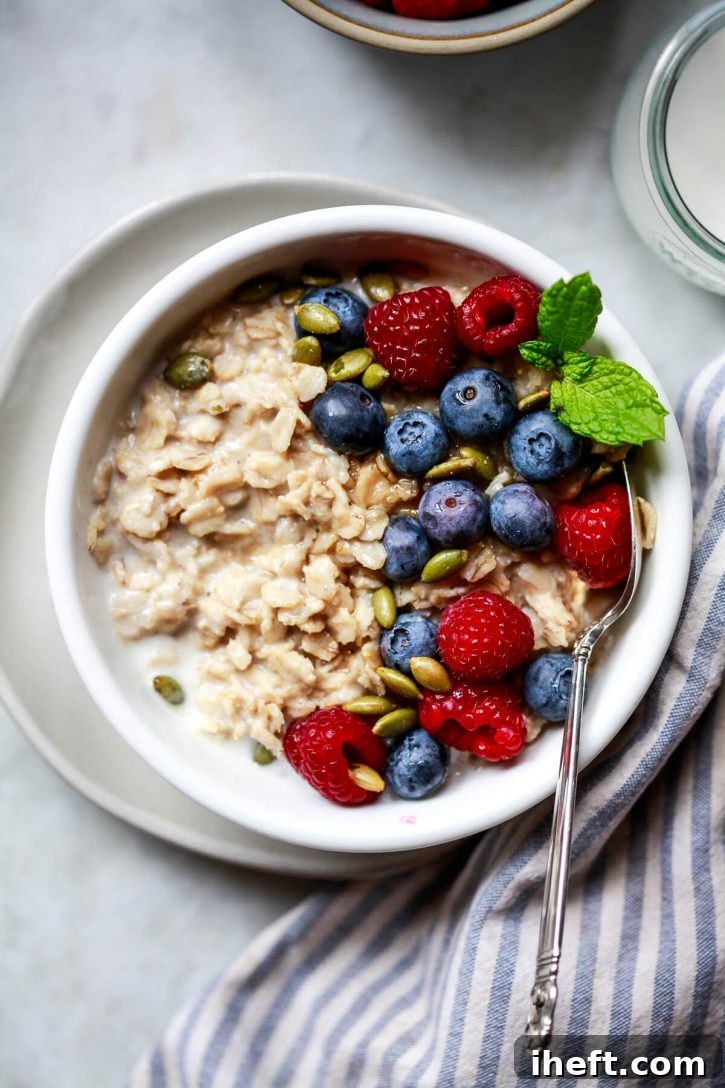
While protein shakes are a fantastic post-workout option, on colder days, the thought of a warm, comforting bowl of oatmeal often feels much more appealing. That’s precisely when high-protein oatmeal steps in as a superior alternative to cold shakes or even our favorite protein balls. It’s not just a meal; it’s a wholesome experience that provides sustained energy, aids muscle recovery, and keeps you feeling full and satisfied throughout your morning.
Protein-packed oatmeal offers a perfect blend of warmth, satiety, and essential nutrients, making it an excellent choice for a post-workout breakfast or any meal where you need a significant protein boost. You might find convenient protein oatmeal packets from brands like Kodiak at the grocery store. However, crafting your own high-protein oatmeal at home is incredibly simple, allowing you complete control over the quality and nutritional profile of your ingredients. Join us as we explore how to prepare this versatile dish, both with protein powder and using a variety of natural, whole-food additions.
Understanding Oatmeal’s Natural Protein Content
Many wonder, “Does oatmeal naturally contain protein?” The answer is a resounding yes! Oatmeal stands out as one of the higher protein whole grains available. A single serving, typically half a cup of dry rolled oats, delivers an impressive 6 grams of plant-based protein. This constitutes about 12% of the daily recommended value for protein, currently set at 50 grams per day. While quinoa might offer slightly more protein per serving and can be used to create a delightful breakfast porridge, oats remain a powerhouse of nutrition.
Beyond its protein content, oatmeal is celebrated for its rich dietary fiber, particularly beta-glucan, a soluble fiber known for its cholesterol-lowering and heart-healthy benefits. It also provides essential vitamins and minerals such as manganese, phosphorus, magnesium, copper, iron, and zinc. These nutrients collectively contribute to sustained energy levels, improved digestive health, and overall well-being. So, while oats inherently offer a good amount of protein, enhancing their protein profile with additional ingredients can further amplify their benefits, turning a good breakfast into a truly exceptional one. This added protein is particularly beneficial for muscle repair, extended satiety, and better blood sugar regulation, making it an ideal choice for athletes, those managing their weight, or anyone seeking a more robust start to their day.
Mastering Protein Powder Oatmeal
Integrating protein powder into your oatmeal is arguably the most effective way to significantly boost its protein content for a minimal caloric increase. However, a common mistake is adding too much protein powder at once. While tempting to dump in a whole scoop, resist the urge! Overdoing it can lead to an overpowering flavor and an undesirable gummy or pasty texture, which can detract from your oatmeal experience. The key is moderation and proper mixing.
You can use any of your favorite protein powders—vanilla, chocolate, or even an unflavored variety. For those seeking clean ingredients, I personally favor organic pea protein powders with minimal additives, such as those from Garden of Life, for their smooth texture and neutral taste profile. To begin, I strongly recommend starting with just a quarter scoop of protein powder, which typically adds about 5.5 grams of protein and roughly 28 calories. This allows you to assess the flavor and texture before committing to more. If you enjoy the result, you can gradually increase to half a scoop in subsequent preparations. For an even greater protein surge, consider swirling in a spoonful of almond butter or sprinkling some hemp seeds on top. Additionally, a pinch of cinnamon not only enhances the flavor but may also help regulate blood sugar levels, adding another layer of health benefits. While I appreciate the hearty texture of old-fashioned rolled oats, if you prefer the chewier bite of steel-cut oats, here’s a guide on how to prepare them perfectly.
When mixing protein powder, to achieve a lump-free consistency, it’s best to either whisk it with a small amount of cold liquid (water or milk) first to create a slurry before adding it to your cooked oats, or stir it in gently once the oatmeal has finished cooking and has been removed from the heat. This prevents the powder from clumping and ensures a smooth, creamy finish. Experiment with different protein powder types too: whey protein dissolves easily, while plant-based proteins like pea or rice protein offer a vegan alternative. Casein protein, known for its slow digestion, can make for an extra thick and creamy oatmeal texture.
Diverse Ways to Boost Protein in Your Oatmeal (Without Powder)
For those who prefer to avoid protein powders or simply want to diversify their protein sources, there are numerous natural ingredients that can significantly elevate the nutritional value and flavor of your oatmeal. These additions not only contribute protein but also bring healthy fats, fiber, vitamins, and minerals to your breakfast bowl.
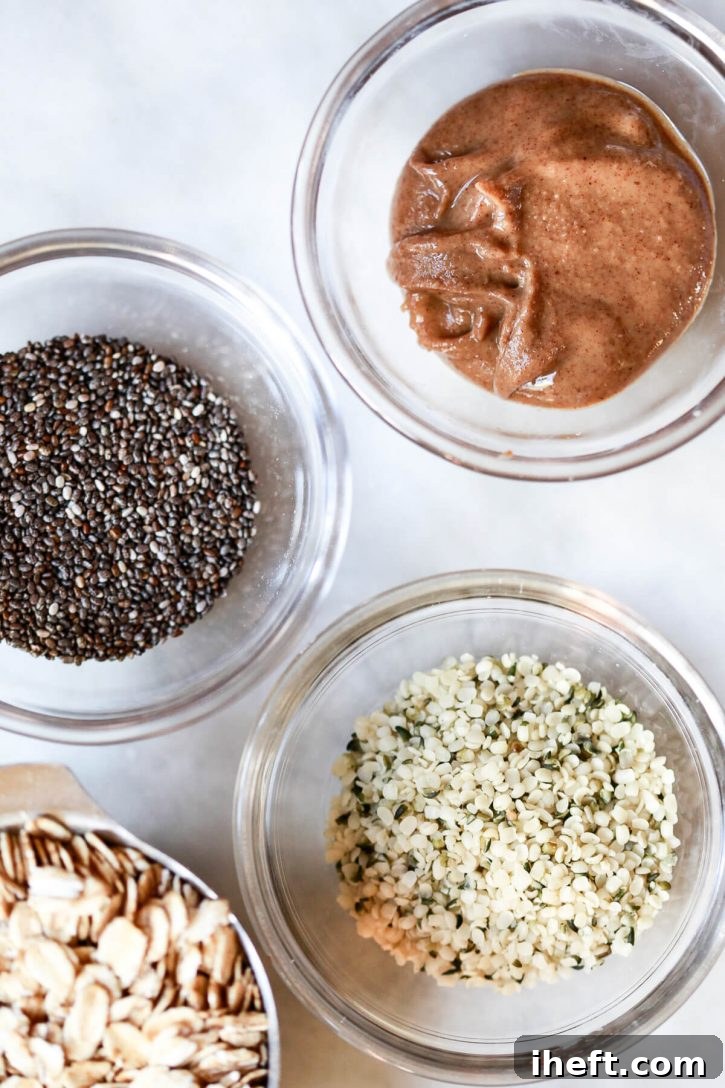
- Nut Butters: A single tablespoon of creamy almond butter adds approximately 98 calories and 3.4 grams of protein, alongside a generous dose of healthy monounsaturated fats, vitamin E, and magnesium. Beyond almond butter, consider peanut butter for a classic, comforting flavor, or cashew butter for a milder, sweeter note. Nut butters melt beautifully into warm oatmeal, creating a rich, velvety texture and enhancing satiety.
- Hemp Seeds: Just one tablespoon of versatile hemp seeds, sprinkled over your oatmeal or mixed in, contributes about 60 calories and 3 grams of protein. Often called “hemp hearts,” these tiny powerhouses are rich in omega-3 and omega-6 fatty acids, fiber, and essential minerals like magnesium and zinc. They have a delightful mild, nutty flavor and add a pleasant, subtle crunch, making them an excellent textural contrast.
- Chia Seeds: One tablespoon of chia seeds offers approximately 75 calories and 3 grams of protein. These tiny seeds are celebrated for their exceptional fiber content, which aids digestion and promotes a feeling of fullness. They are also packed with omega-3 fatty acids and various micronutrients. For optimal digestibility and to fully harness their gelling properties (which create a lovely thick texture), it’s best to simmer chia seeds along with your oats rather than simply sprinkling them on top. They will absorb liquid and create a wonderfully creamy porridge.
- Soy Milk: Incorporating just one-third cup of unsweetened soy milk boosts your oatmeal with around 26 calories and 3 grams of high-quality protein. Soy milk is also a great source of calcium and vitamin D. I personally enjoy organic varieties from brands like Trader Joe’s or Westsoy for their clean taste. Adding any type of milk you have on hand, whether it’s dairy milk, almond milk, or oat milk, will lend a creamy consistency to your oatmeal, but soy milk and dairy milk offer the highest protein content among common liquid additions.
- Greek Yogurt: For a significant protein boost, stir in a scoop of plain Greek yogurt after your oatmeal has cooked. A half-cup serving can add 10-15 grams of protein, plus beneficial probiotics for gut health. It also makes your oatmeal incredibly creamy and tangy.
- Nuts: Beyond nut butters, whole or chopped nuts like almonds, walnuts, pecans, or pistachios provide protein, healthy fats, fiber, and a satisfying crunch. A small handful (about 1/4 cup) can add 4-6 grams of protein.
- Cottage Cheese: While unconventional for some, stirring in a quarter to half a cup of cottage cheese (once the oatmeal is off the heat) offers a substantial protein boost (around 7-14 grams per 1/4 cup) and a unique creamy, slightly savory element. The small curds virtually disappear into the hot oatmeal.
- Cooked Egg Whites: For a purely protein-focused addition with virtually no fat or cholesterol, whisk in a quarter cup of cooked, shredded egg whites during the last minute of cooking. They are flavorless and blend seamlessly into the oatmeal, adding about 6-7 grams of protein.
High-Protein Oatmeal and Weight Management
Oatmeal is widely recognized as an exceptionally healthy breakfast option, especially for those focused on weight management. Its natural composition of complex carbohydrates, soluble fiber, and inherent protein makes it a powerful ally in achieving and maintaining a healthy weight. However, it’s crucial to be mindful of your toppings, as this is where calories, sugars, and unhealthy fats can quickly add up and sabotage your weight loss efforts.
Oats are inherently low in fat and are an excellent source of dietary fiber and iron. The soluble fiber, particularly beta-glucan, is responsible for oats’ heart-healthy properties, including its ability to lower LDL (bad) cholesterol levels. This fiber also plays a significant role in weight loss by increasing satiety, meaning it helps you feel full for longer, thus reducing the likelihood of overeating or snacking between meals. The addition of extra protein further amplifies this effect, as protein is known for its ability to reduce appetite and preserve muscle mass during weight loss. When muscle mass is maintained, your metabolism remains more active, aiding in calorie burning.
To keep your oatmeal weight-loss friendly, opt for mindful toppings. Think fresh or frozen berries, a small amount of unsweetened nut butter, a sprinkle of chia or hemp seeds, or a touch of cinnamon or vanilla extract for flavor without added sugar. Avoid excessive amounts of brown sugar, maple syrup, honey, chocolate chips, or large portions of high-fat ingredients, which can quickly turn a healthy meal into a caloric bomb. For individuals with gluten sensitivities or celiac disease, while oats are naturally gluten-free, they are often processed in facilities that also handle gluten-containing grains, leading to cross-contamination. Therefore, always look for packages specifically labeled “certified gluten-free” to ensure safety.
Protein Oatmeal Recipe
This recipe provides a foundational approach to creating a delightful and highly nutritious bowl of protein oatmeal. It’s designed to be easily customizable, allowing you to adapt it to your taste preferences and nutritional needs. This simple, satisfying breakfast is perfect for refueling after a workout, kickstarting your day with sustained energy, or anytime you need a delicious protein boost. It’s naturally vegan and gluten-free, making it a healthy option for various dietary requirements, whether you’re aiming for weight loss or muscle gain.
Ingredients
- 1 cup filtered water
- 1/2 cup rolled oats (certified gluten-free if needed)
- Pinch of cinnamon
- Pinch of sea salt
- 1/4 scoop vanilla or unflavored pea protein powder (optional; see notes for non-powder options)
- 1/4 cup unsweetened soy milk (or other milk of choice)
- 1 teaspoon maple syrup (optional, or to taste)
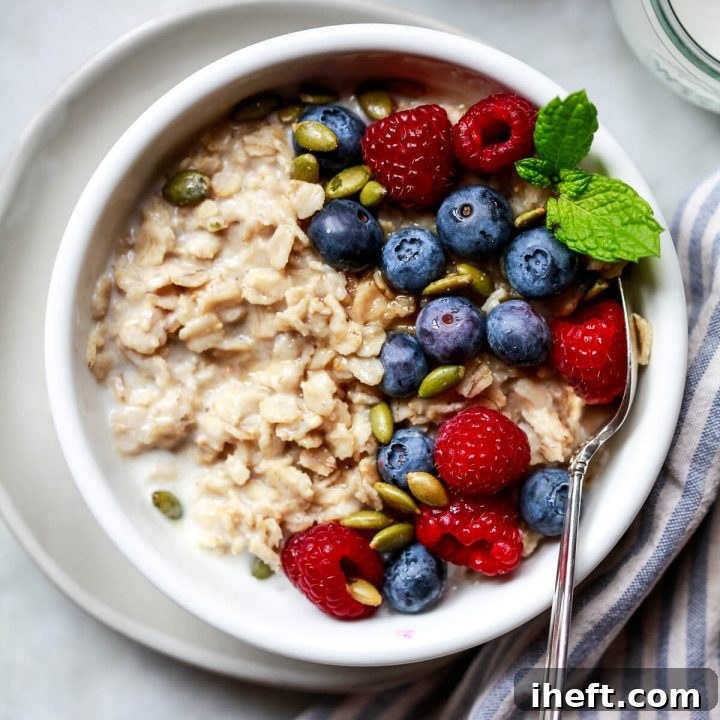
- 1/4 cup fresh berries, for serving
Instructions
- Prepare the Base: Bring 1 cup of filtered water to a rolling boil in a medium-sized saucepan over high heat.
- Add Oats and Seasonings: Once the water is boiling, stir in the rolled oats, cinnamon, and sea salt.
- Simmer to Perfection: Reduce the heat to medium-low. Allow the oatmeal to simmer uncovered for approximately 5 minutes, stirring occasionally, until all the liquid has been absorbed and the oats are tender and creamy. If you are using protein powder, remove the saucepan from the heat, then stir in the protein powder until completely smooth and lump-free.
- Finish with Milk: Stir in a splash of your unsweetened soy milk to achieve your desired creamy consistency.
- Serve and Enjoy: Transfer the protein oatmeal to a cereal bowl. Serve immediately, topped with more milk (if desired), a drizzle of maple syrup for sweetness, and a generous portion of fresh berries for flavor and antioxidants.


Tips & Variations
- Chia Protein Oatmeal: For a thicker, more nutrient-dense oatmeal, add up to 1 tablespoon of chia seeds at the same time you add the oats and water. Cooking whole chia seeds ensures they are fully hydrated and most digestible, creating a luscious texture.
- Hemp Protein Oatmeal: For an additional 3 grams of protein, omega-3s, and a delightful nutty flavor and texture, sprinkle 1 tablespoon of hemp seeds generously over your finished oatmeal just before serving.
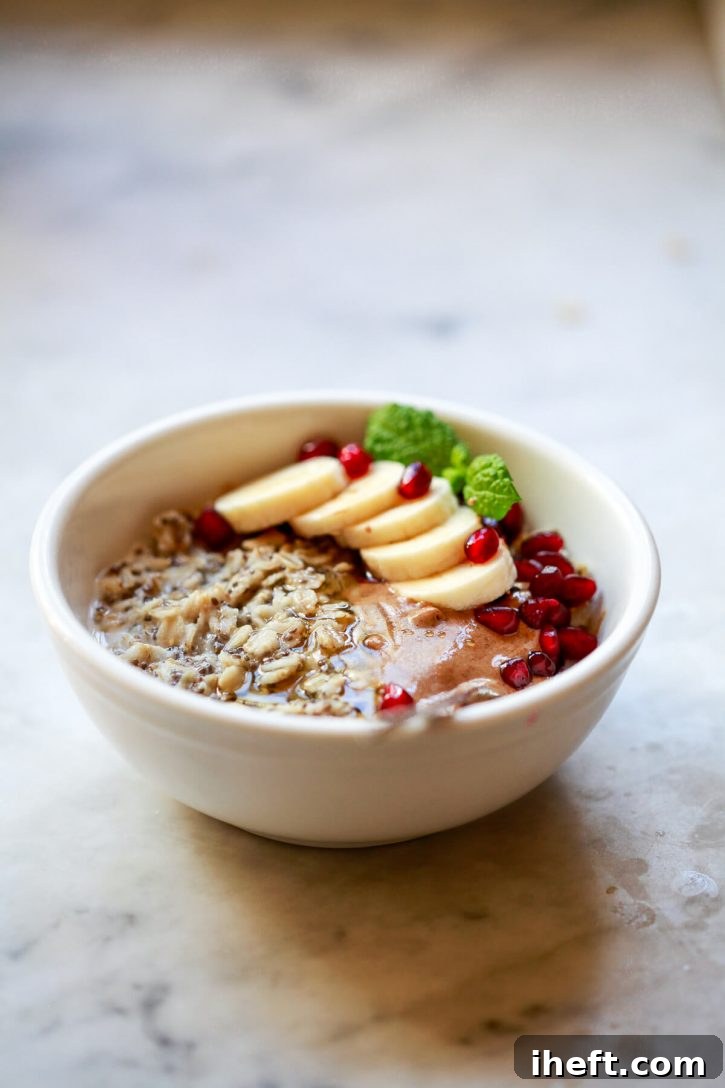
- Almond Butter Protein Oatmeal: Swirl in 1 tablespoon of creamy almond butter on top of your oatmeal for an extra 3-4 grams of protein, healthy fats, and a rich, satisfying taste. Peanut butter or cashew butter also work wonderfully.
- Overnight Protein Oats: For a convenient meal prep option, combine 1/2 cup rolled oats, 1/4 cup protein powder, 1 tablespoon chia seeds, 1 cup milk (dairy or plant-based), and your favorite sweetener (e.g., maple syrup) in a jar. Stir well, cover, and refrigerate overnight. Enjoy cold or warm slightly in the morning.
- Flavor Boosters: Enhance your oatmeal with a dash of vanilla extract, a sprinkle of nutmeg, or a pinch of cardamom for added aromatic depth.
- Topping Ideas: Get creative with toppings! Beyond berries, consider sliced bananas, chopped apples, a handful of walnuts or pecans, shredded coconut, or a small drizzle of dark chocolate for an indulgent twist.
Nutrition Information (Approximate Per Serving)
Amount Per Serving (about 1 cup):
- Calories: 223
- Total Fat: 3g
- Trans Fat: 0g
- Unsaturated Fat: 2g
- Cholesterol: 0mg
- Sodium: 148mg
- Carbohydrates: 36g
- Fiber: 6g
- Sugar: 7g
- Protein: 15g
Nutrition information is automatically calculated and provided for general guidance. As I am not a registered nutritionist, I cannot guarantee absolute accuracy. If your health or dietary needs depend on precise nutritional information, please re-calculate with your preferred tool and specific ingredients.
More Healthy Breakfast Recipes to Explore
If you’re looking for other nutritious and delicious ways to start your day, explore these fantastic breakfast options:
- Simple Chia Pudding
- Decadent Chocolate Chia Pudding
- Creamy Vegan Overnight Oats
- Hearty Farmer’s Market Tofu Scramble
- Flavorful Vegan Breakfast Burrito
Conclusion: Power Up Your Day with Protein Oatmeal
High-protein oatmeal is far more than just a simple breakfast; it’s a versatile, nutrient-dense meal that empowers you to start your day strong. Whether you’re an athlete seeking post-workout recovery, someone aiming for sustainable weight loss, or simply looking for a wholesome and satisfying meal, this adaptable dish fits perfectly into any lifestyle. By understanding the natural protein in oats and exploring the myriad of ways to boost it—from the convenience of protein powder to the rich benefits of nuts, seeds, and other whole foods—you can tailor your oatmeal to meet your exact needs and taste preferences. Embrace the warmth, the flavor, and the incredible health benefits of high-protein oatmeal, and transform your breakfast routine into an energizing ritual. Experiment with different toppings, embrace new flavor combinations, and discover your perfect bowl of nourishing goodness.