Unearthing the Secrets of Truffles
Welcome to the definitive guide on truffles, nature’s most coveted subterranean delicacy. In this comprehensive exploration, we’ll demystify what a truffle truly is, delve into their distinctive flavors, uncover their unique growth patterns, discuss their premium price tags, explore the diverse types, and equip you with the knowledge to master cooking with them. This post may contain Amazon affiliate links, meaning I earn a small commission if you make a purchase through them, at no extra cost to you.
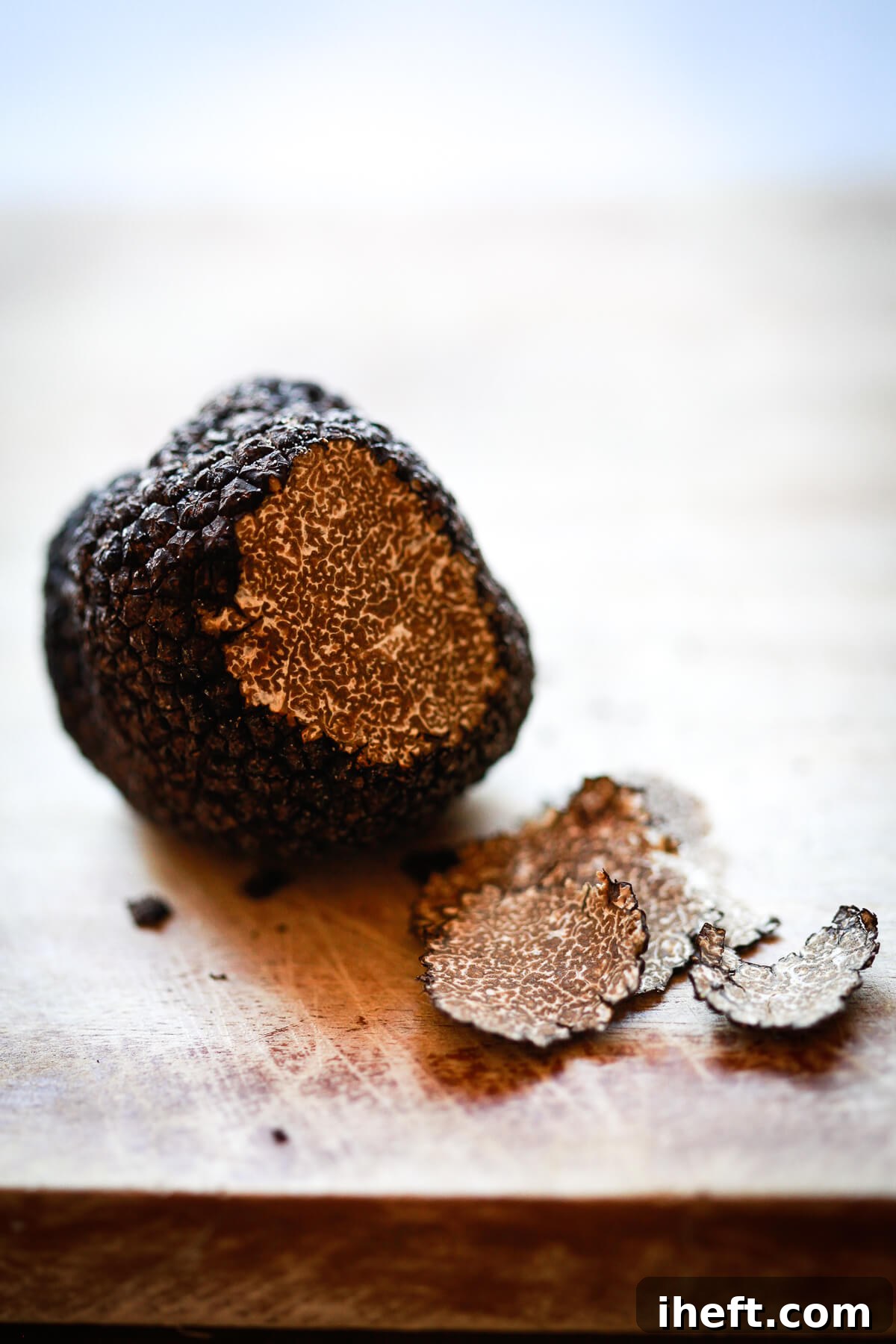
My fascination with black and white truffles began many years ago, rooted in the culinary richness of Tuscany. There, these aromatic fungi were readily available in various forms, from freshly unearthed specimens to conveniently jarred carpaccio found in every local supermarket. Yet, beyond the gastronomic heartlands of Europe, truffles often remain shrouded in an air of mystery, particularly in regions like the U.S. where their prevalence is still growing.
Today, we embark on a journey to unravel the enigma of the truffle. We’ll meticulously break down their biological identity, pinpoint where these valuable treasures thrive, compare the distinct characteristics of white vs. black truffles, analyze their significant market price, articulate their intricate taste profiles, and provide invaluable insights on how to best utilize them in your kitchen. Prepare to discover the finest recipes and expert tips for cooking with this truly fabulous fungus.
What Exactly is a Truffle? Unearthing the Culinary Gem
Truffles are far more than just glorified mushrooms; they are a distinct and highly prized type of edible fungi, essentially a sac of spores that develops entirely underground. Unlike their above-ground counterparts, mushrooms, truffles are subterranean, growing in intimate symbiosis with the roots of specific trees. While some casual observers might group them with mushrooms, it’s more accurate to think of them as a distant, more aristocratic cousin within the fungal kingdom.
These elusive delicacies have captivated gourmands for centuries. In high-end restaurants across the globe, fresh truffles are often shaved or grated tableside, transforming simple dishes into extraordinary culinary experiences. More commonly, for many, the introduction to truffle flavor comes through infused products like truffle oil or truffle salt, which aim to capture their unique essence.
The appreciation for truffles is hardly a modern phenomenon. While their cultivation in regions like the U.S. is a relatively recent endeavor, the history of truffles dates back millennia. The earliest known truffle recipes, in fact, were penned around 400 A.D., attesting to their enduring legacy and consistent position as a highly esteemed ingredient throughout history.
Where do Truffles Grow? The Secret Gardens Beneath Our Feet
Truffles require a very specific environment to flourish. They grow in a fascinating symbiotic relationship, known as mycorrhizal association, with the roots of host trees. Microscopic fungal rootlets, called mycelium, connect directly to the tree’s roots, facilitating an exchange of nutrients. The tree provides the truffle with sugars produced through photosynthesis, while the truffle, in turn, helps the tree absorb water and minerals from the soil. This delicate balance is crucial for the truffle’s development.
This intricate biological dance most commonly occurs with oak and hazelnut trees, though other species like beech, poplar, and even some pine varieties can also serve as hosts. Historically, the most renowned truffle regions have been in Italy and France, particularly areas famous for their rich, limy soils and specific climatic conditions. These traditional hunting grounds, steeped in centuries of truffle lore, continue to produce some of the world’s finest specimens.
However, truffle cultivation has expanded significantly in recent decades, driven by both demand and scientific advancements. Today, truffles are successfully grown in various parts of the world, extending beyond their European origins to include the west coast of the U.S. (notably the Pacific Northwest), Australia, and New Zealand. These new regions are carefully mimicking the ideal conditions found in traditional truffle-producing areas, leading to a global resurgence in truffle availability and diverse culinary applications.
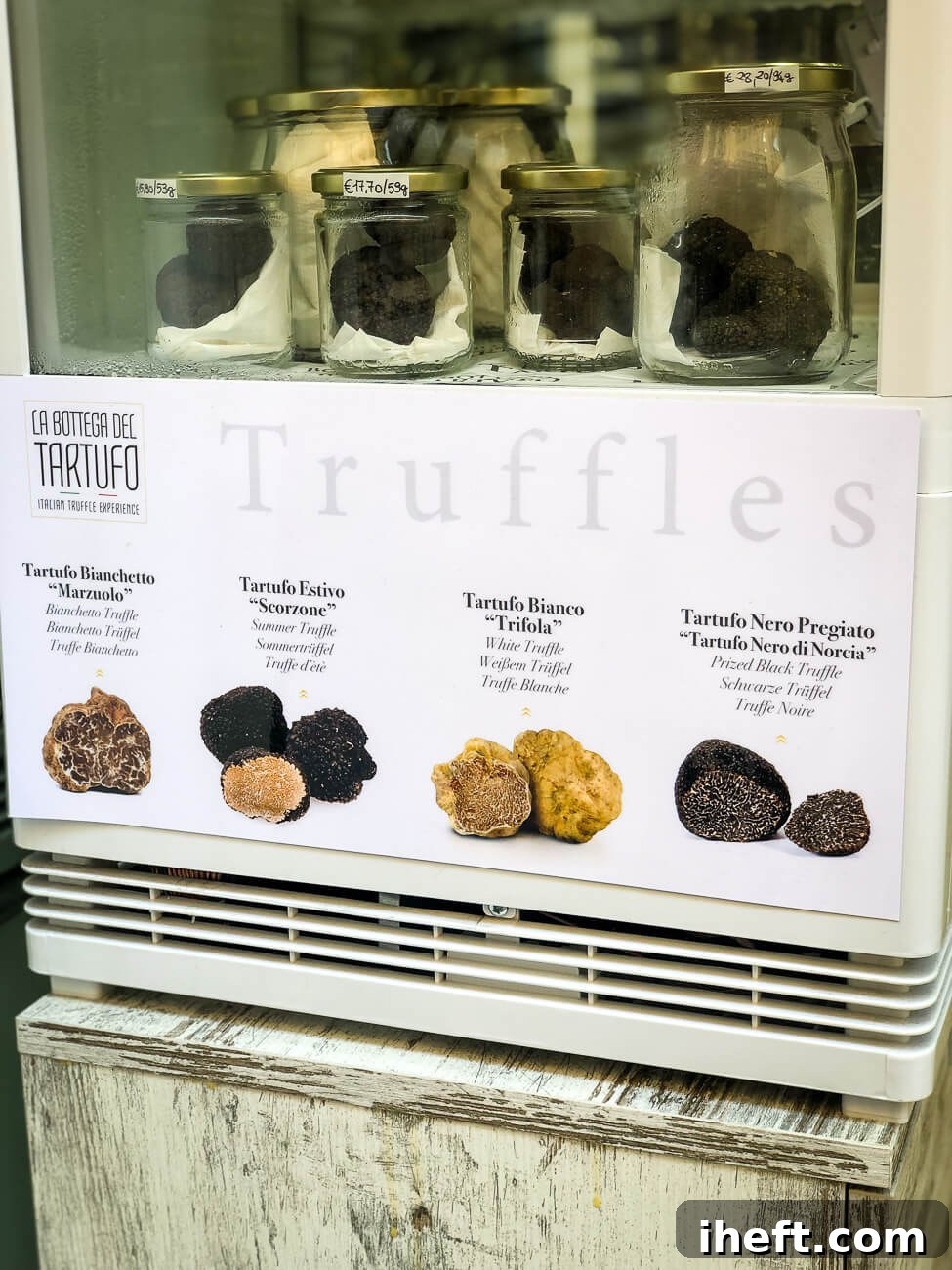
Truffle Shop in Florence, Italy
Types of Truffles: A Spectrum of Aroma and Flavor
While there are over 200 known varieties of truffles globally, only a select few are genuinely celebrated for their culinary prowess. These prized species offer distinct nuances in seasonality, price, and optimal usage, making the choice of truffle an important aspect of gourmet cooking. Understanding these differences allows chefs and home cooks alike to unlock the full potential of this extraordinary ingredient.
Black Truffle (Tuber Melanosporum)
Often considered the gold standard among black varieties, the Tuber melanosporum, commonly known as the French Black Truffle, Black Gold, or Périgord Truffle, is arguably the most recognized type. These truffles boast a robust, earthy aroma with notes of musk, nuts, and a hint of sweetness. Their season typically runs from mid-November through mid-March, with their peak quality and aroma usually occurring after Christmas, making them a winter delicacy. They are versatile in the kitchen and can withstand gentle heat, which helps to release their complex flavors.
White Truffle (Tuber Borchii)
Known as the bianchetto or whitish truffle, Tuber borchii offers a more subtle yet distinct flavor profile compared to its more famous cousin, the Alba white truffle. Available from mid-January through the end of April, this spring truffle carries noticeable garlicky notes, reminiscent of the highly esteemed but far more expensive Tuber magnatum. Its seasonality makes it an excellent companion for fresh spring vegetables, light pasta dishes, and delicate greens, adding an invigorating burst of flavor to seasonal cuisine.
Black Summer Truffle (Tuber Aestivum)
As its name suggests, the black summer truffle thrives during the warmer months, typically available from May through August. This variety possesses a milder, more delicate aroma than its winter black counterpart, often described as mushroomy with hints of corn and hazelnut. It pairs beautifully with other seasonal summer ingredients, making it ideal for shaving over light pizzas, adding to fresh pasta salads, or complementing a classic Caprese salad, providing an unexpected gourmet touch to warm-weather dishes.
Burgundy Truffle (Tuber Uncinatum)
An exquisite autumn truffle, the Burgundy truffle is characterized by its reddish-black outer layer and a dark, marbled interior. It ripens from September through December, perfectly aligning with the autumn harvest season. Its flavor is a delightful blend of earthy, nutty, and woody notes, often with hints of caramel. Naturally, it excels when paired with other hearty autumn ingredients such as various squashes, rich pasta dishes, or elegantly shaved over a warm, comforting pumpkin soup, enhancing the seasonal warmth with its deep, aromatic presence.
Italian White/Alba Truffle (Tuber Magnatum Pico)
The true king of truffles, the Italian White Truffle, or Alba Truffle (Tuber magnatum pico), is perhaps the most celebrated and certainly the most expensive. This highly aromatic autumn white truffle is available from September through December, perfectly complementing holiday dishes and rich autumn ingredients. Its intensely pungent and complex aroma features strong garlicky notes, honey, and sometimes a hint of fermented cheese. It is absolutely wonderful with simple egg and cream dishes, risottos, or thinly shaved over warm pasta. Due to its exceptional potency, a smaller quantity is needed to impart its profound flavor, making it a luxurious indulgence for special occasions.
What do Truffles Taste Like? A Symphony of Earth and Aroma
For those whose only encounter with truffles has been through infused oils or salts, the nuanced and complex flavor of a fresh truffle can be a revelation. Unlike many processed truffle products that can be overwhelmingly strong or artificial, fresh truffles offer a milder yet profoundly intricate taste experience. Each truffle, much like a fine wine, boasts a unique flavor profile influenced by its ripeness, the specific soil composition (terroir), and its host tree.
It’s no surprise that these subterranean fungi evoke flavors of the earth. Common descriptors include earthy, musky, fungal, and even slightly floral or exotic. Fresh truffles, in particular, retain a deeper mustiness and a more authentic, multi-layered aroma that often gets lost in the processing of oils and salts. The magic lies in their aromatic compounds, which create an olfactory and gustatory experience unlike any other ingredient.
Black Truffles
Black truffles, especially the Périgord variety, offer a rich tapestry of flavors: earthy, musky, sweet, oaky, and distinctly nutty. Their aroma is powerful yet refined, developing beautifully when exposed to just a little warmth. This gentle heat helps to unlock and enhance their complex notes. When pairing, consider deep red wines such as an Italian Barolo or a robust French Bordeaux, which can stand up to and complement the truffle’s intensity without overpowering it.
White Truffles
White truffles, particularly the highly prized Alba variety, deliver an even more intense and pungent experience. They are earthy, musky, and distinctly spicy, with prominent notes of garlic, honey, and sometimes a hint of ammonia or fermentation. A crucial rule for white truffles is to never cook them; heat will rapidly destroy their delicate and volatile aromatic compounds. Instead, they should always be shaved thinly over a dish at the very last moment, allowing their raw potency to infuse the warm food below. For wine pairings, opt for elegant white wines like a crisp Pinot Grigio or a subtle Chardonnay, which can harmonize with their intensity without clashing.
Truffle Price: Why This Delicacy Commands a Premium
The price of truffles can fluctuate dramatically, ranging anywhere between $500 and $5,000 per pound, depending on the type, quality, seasonality, and market demand. These figures underscore their status as one of the world’s most expensive culinary ingredients. Historical auctions highlight their incredible value: in 2005, a single 1.2-kilogram white truffle fetched an astounding 90,000 Euros at an Italian auction, demonstrating the intense desire for these rare fungi.
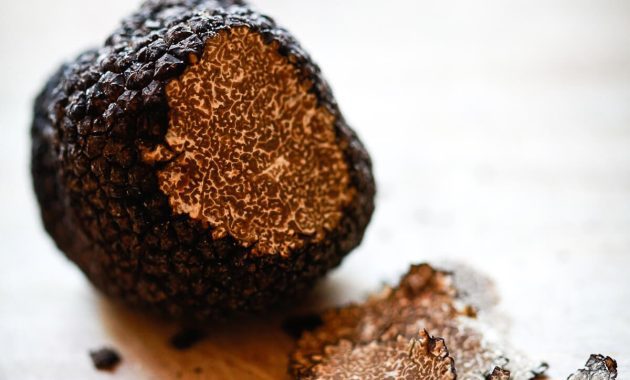
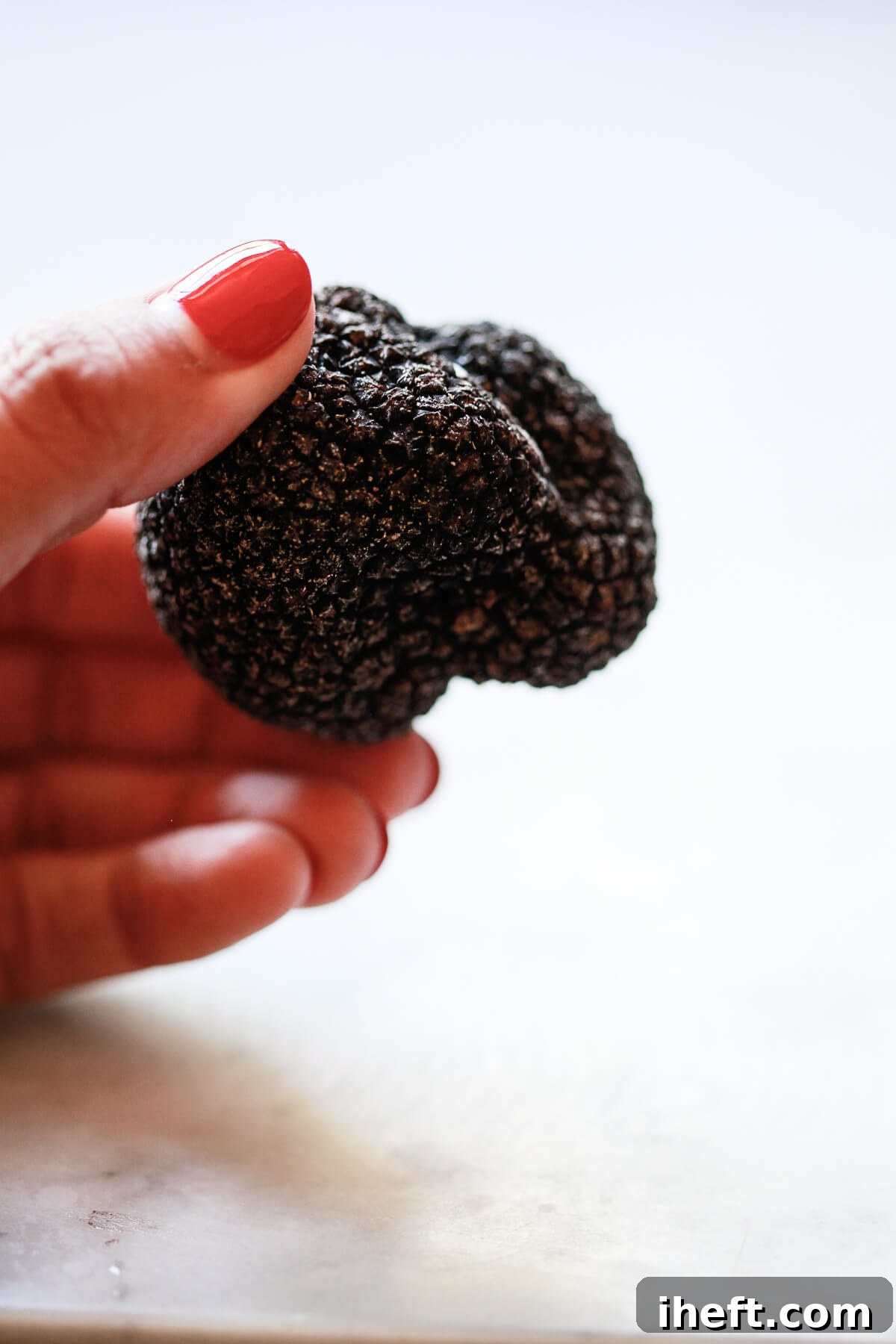
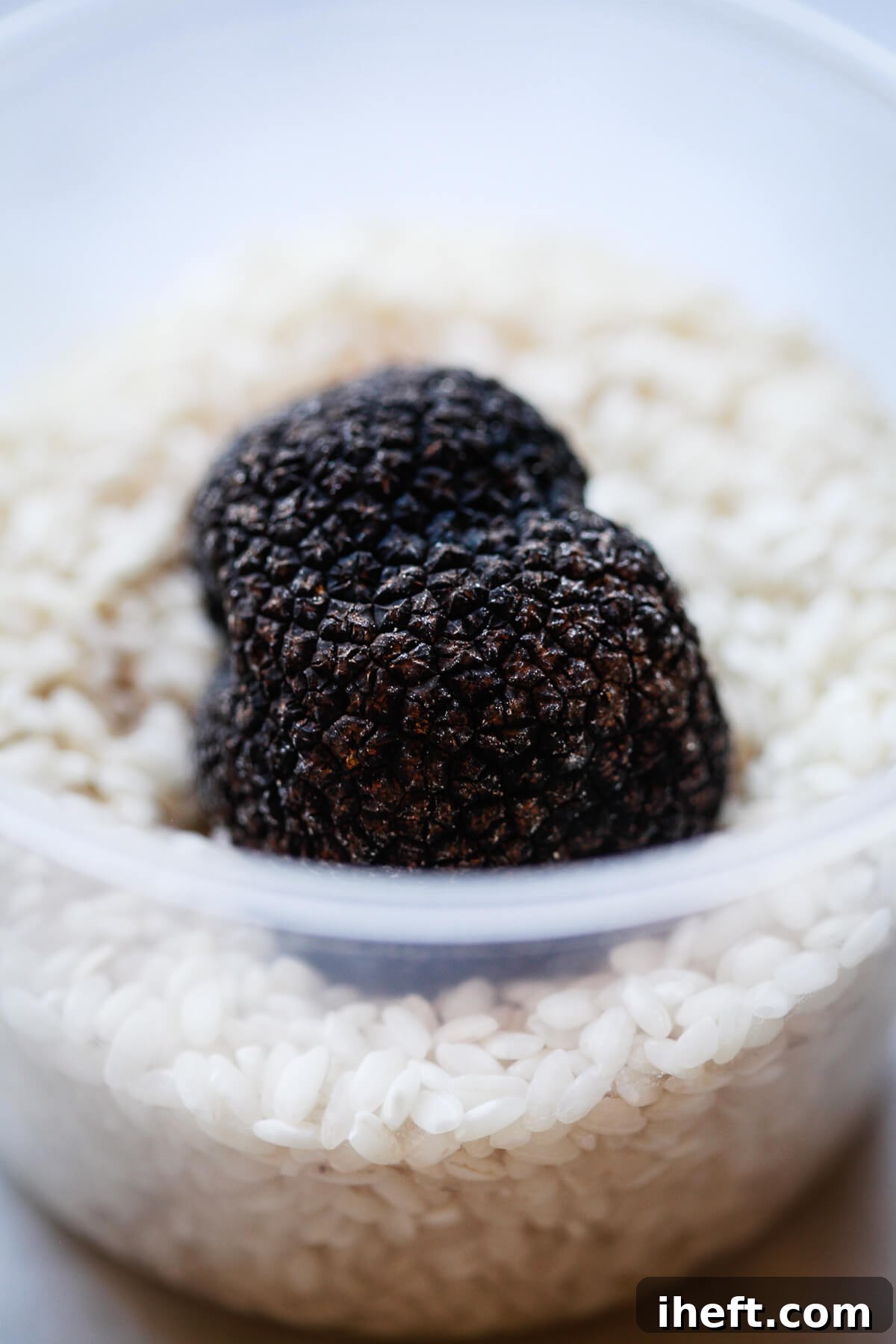
To give a more tangible example, the black truffle pictured above, weighing a modest 1.8 oz (approximately 51 grams), cost $100 at a local Italian gourmet restaurant in Santa Barbara, CA. This illustrates that even small quantities of fresh truffles represent a significant investment. Much like premium caviar, truffles are a true luxury item, reserved for special occasions or for those who wish to indulge in an unparalleled gastronomic experience.
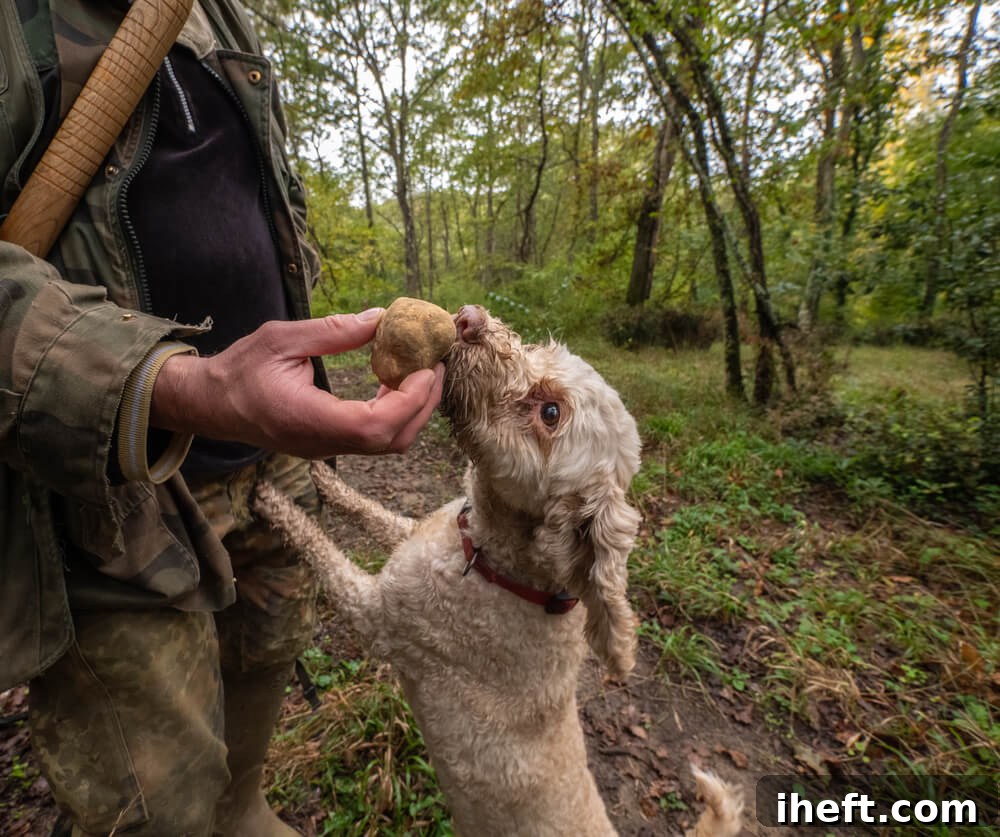
Truffle Hunting in Italy. Image: Shutterstock.
Why are Truffles so Expensive? The Art and Science of an Elusive Harvest
While the price tag of truffles might seem extraordinarily high, making them a clear luxury item, there are compelling reasons behind their exorbitant cost. The journey from forest floor to gourmet plate is a complex interplay of science, dedicated agriculture, and an ancient, skilled treasure hunt.
Firstly, truffles cannot simply be grown in a typical garden. Their cultivation is an incredibly demanding process, often requiring a decade or more before a newly established truffle orchard begins to yield any truffles. This long wait for a return on investment is a significant factor. Even after this lengthy period, successful cultivation is not guaranteed; it depends heavily on specific soil conditions, climate, and the health of the host trees.
Once a truffle orchard is mature, harvesting is another challenge. Truffles grow deep underground, often without any visible signs on the surface. Therefore, specialized help is required: highly trained dogs (or, historically, pigs) are essential for sniffing out the ripe truffles. These animals possess an extraordinary sense of smell that allows them to detect the subtle aromas of mature truffles buried several inches beneath the soil. This traditional art of truffle hunting requires immense patience, skill, and a strong bond between hunter and animal.
Finally, the perishable nature of fresh truffles adds another layer of cost. Once harvested, their peak aroma and flavor begin to degrade rapidly. They typically have a very short shelf life, often spoiling within about 10 days if not properly stored and handled. This necessitates an incredibly efficient and rapid supply chain, involving swift transportation to restaurants and gourmet stores worldwide, often requiring specialized packaging and express shipping to ensure they arrive in prime condition. All these factors combined – the long cultivation period, specialized harvesting, and delicate preservation – contribute to the truffle’s status as a precious and costly culinary delight.
Where to Buy Fresh Truffles and Quality Truffle Products
Acquiring fresh truffles can be an exciting quest for any culinary enthusiast. While they remain a niche product, their availability has expanded significantly:
- Local Gourmet Shops: Your best bet for sourcing fresh truffles in person is often a high-end Italian grocery store or a specialized gourmet food shop. These establishments frequently have direct relationships with suppliers and can offer expert advice on selection and usage.
- Online Retailers: For many, purchasing online is the most convenient way to access fresh truffles. Reputable online purveyors can ship whole, fresh truffles quickly within the U.S. and internationally, often arriving within 24-48 hours of harvest. I have personally had success finding good quality truffles on platforms like Etsy from specialized sellers, as well as through dedicated gourmet food websites such as Gourmetfoodstore.com. Always check reviews and shipping policies to ensure freshness.
Truffle Oil and Salt: Navigating the World of Infused Products
For many individuals, truffle oil and truffle salt represent their initial, and sometimes only, experience with this distinctive ingredient. These products are undeniably appealing for their ability to impart a delicious flavor to numerous dishes, offering a more accessible and less expensive alternative to fresh truffles. They are also considerably easier to find in most supermarkets.
However, it’s crucial to understand that most commercially available truffle oils do not offer a true fresh truffle experience. The vast majority are not made with actual truffles at all. Real truffle oil, if made from fresh truffles, would not be shelf-stable for long periods and would likely lose much of its delicate flavor over time. Instead, these mass-produced oils are typically crafted from olive oil infused with a synthetic truffle flavoring, most commonly 2,4-dithiapentane. This chemical compound is indeed a primary aromatic component found in real truffles, but it captures only a fraction of the complex bouquet that defines a fresh truffle.
Despite this, genuine truffle oils and salts made with real truffle pieces do exist, and both synthetic and authentic versions certainly have their place in the kitchen. A tiny drizzle of truffle oil (whether synthetic or real) can elevate a simple pasta dish or a warm soup, adding an immediate touch of luxury. Similarly, a pinch of truffle salt can beautifully enhance the flavor of roasted potatoes, scrambled eggs, or even popcorn. The key is moderation, as these products, especially synthetic ones, can be quite potent.
To ensure you’re getting a higher-quality product, always make a point of reading the ingredients list carefully. Look for oils and salts that explicitly state they contain actual truffle pieces, ideally with a specific species listed. The following are some reputable brands and products known for their quality in the truffle market, offering more authentic flavor profiles for convenient use:
- Oregon Truffle Oil (known for utilizing North American truffles)
- Truffle Hunter Black Sliced Truffles (preserved truffles for extended shelf life)
- Sabatino Tartufi (a well-regarded Italian brand offering various truffle products)
- Urbani (another prominent Italian purveyor of high-quality truffle products)
How to Store Fresh Truffles for Optimal Flavor
Proper storage is paramount to preserving the delicate aroma and flavor of fresh truffles, which, as discussed, are highly perishable. With meticulous care, fresh truffles can typically be kept in the refrigerator for 1 to 3 weeks, though their potency will gradually diminish over time.
To store them effectively, gently wrap each truffle in a clean, dry paper towel. Then, place the wrapped truffle in an airtight glass jar or a food storage container. It’s crucial to change the paper towel every day or two, as it will absorb moisture released by the truffle, which can lead to molding if left unchecked. This regular change helps maintain a dry environment, essential for preventing spoilage.
While a common recommendation, often seen in local markets, is to store truffles in a covered dish of rice, this practice is largely discouraged by experts. According to authoritative sources like the cookbook Cooking with Truffles: A Chef’s Guide by Susi Gott Seguret, storing truffles in rice will draw out too much of their precious moisture and, more importantly, their volatile aromatic compounds, significantly diminishing their flavor and quality. If you wish to infuse rice with truffle aroma, simply store the truffle alongside the rice in the same airtight container, allowing the rice to absorb the scent without directly touching and drying out the truffle itself.
Before using your stored truffle, remember to remove it from the refrigerator and allow it to come to room temperature for about 15-30 minutes. This gentle warming helps to release its full aromatic potential, ensuring the best possible culinary experience.
How to Eat Truffles: Mastering the Art of Simplicity
The culinary philosophy when working with fresh truffles, whether black or white, is elegantly simple: less is more. The true trick to unlocking their magic is to keep accompanying ingredients exceptionally simple. This is not the time for complex, multi-layered recipes. If you are fortunate enough to possess something as special as a fresh truffle, its unique flavor should be the undisputed star of the dish. Here are some essential tips for maximizing your fresh truffle experience:
- Cleaning: Similar to cleaning delicate mushrooms, avoid rinsing truffles directly under water. Instead, use a soft brush or a slightly damp cloth to gently brush off any residual dirt or soil. Excessive moisture can accelerate spoilage and dilute their aroma.
- Cutting for Maximum Impact: To achieve the thinnest possible shavings, which allow the truffle’s aroma to disperse beautifully and maximize its surface area for flavor release, invest in a dedicated truffle slicer or a very fine mandolin. The goal is translucent, almost paper-thin slices.
- The Power of Fat: Fat is a crucial vehicle for carrying and enhancing the complex flavors of fresh truffles. Pair them with rich, creamy ingredients such as unsalted butter, high-quality cheese (like Parmesan or Fontina), fresh cream, decadent mascarpone, or even the healthy fats found in avocado. These fats absorb and then release the truffle’s aromatic compounds, amplifying its presence.
- Understanding Heat Dynamics: For black truffles, a little warmth can work wonders, helping to coax out and intensify their earthy flavors. However, never cook black truffles at high heat, as excessive temperature will cause their delicate flavor compounds to vanish. White truffles, on the other hand, should always be served raw. The best practice for both varieties is to add shaved or grated truffles as a garnish to warm dishes just before serving. The residual heat from the food will be just enough to gently release the black truffle’s aroma and perfectly activate the white truffle’s potent fragrance without destroying it.
- Embrace Simple Ingredients: To truly let the exquisite flavor of fresh truffles shine, pair them with ingredients that offer a neutral or complementary backdrop. Ideal choices include plain pasta (especially buttered pasta), creamy risotto, crusty bread, velvety sauces, mashed or roasted potatoes, delicate gnocchi, earthy root vegetables, tender cauliflower, and simple egg dishes (like scrambled eggs or omelets). These ingredients allow the truffle to be the focal point.
- Limit Acid and Spice: Be mindful of ingredients that might overpower the truffle. Avoid pairing truffles with highly acidic components (like strong vinegar or tomato sauce) or excessively spicy elements. These strong flavors can easily mask or diminish the truffle’s subtle nuances. This is why you’ll often find truffle pizzas are “white pizzas” with a cream or cheese base, rather than being laden with tomato sauce.
- Timing is Everything: As reiterated, a little warmth can bring out the flavor of black truffles, but overcooking them will be detrimental. For both black and white truffles, always add the shaved or grated pieces at the very end of your dish’s preparation, right before serving. This ensures their volatile aromas are at their peak when consumed.
- Appropriate Amount: When using fresh truffles, plan on about 1/3 of an ounce (approximately 10 grams) per person for a noticeable impact. It’s important to note that this is significantly more fresh truffle than you might be accustomed to adding when using more concentrated truffle oil, as the fresh product is milder.
“If the truffle isn’t coming through in the dish, you shouldn’t amp up the truffle, you should lower the ambient noise around it.” – Chef Jason Bond. This quote perfectly encapsulates the philosophy of cooking with truffles.
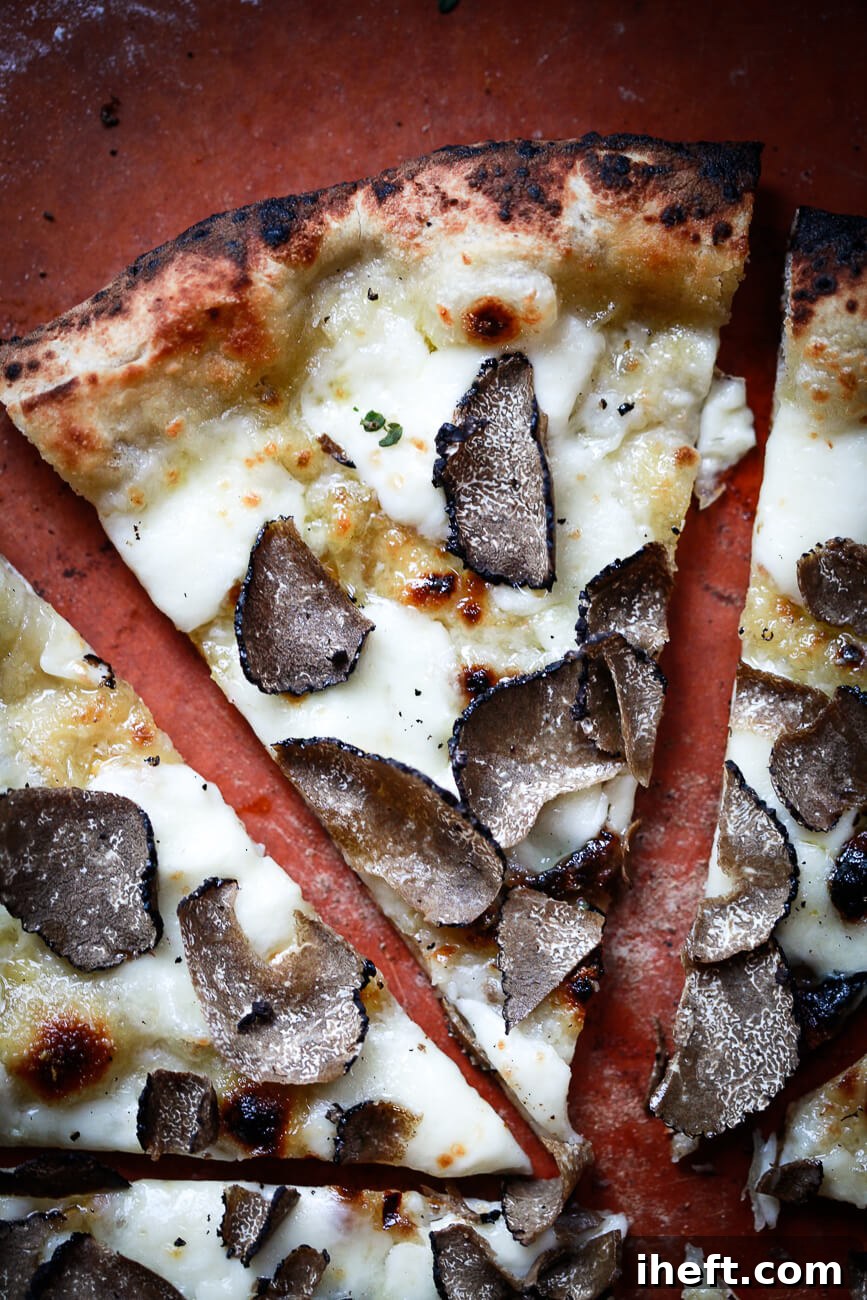
An Italian-style white pizza with freshly shaved black truffle.
Fresh Truffle Recipes: Simple Delights to Showcase Your Truffles
What is a Truffle and What Does it Taste Like? Best Recipes
1 minute
1 minute
2 minutes
What is a truffle? What does a truffle taste like? These are common questions for anyone exploring this gourmet ingredient. Here, we offer not only the answers but also the best simple recipes to truly savor black and white fresh truffles, allowing their unique flavors to shine.
Ingredients
Black Truffle Pizza
- 1 prepared pizza dough (room temperature)
- 1/3 cup fresh mozzarella
- 1/4 cup fresh grated fontina
- 1/4 teaspoon fresh thyme leaves
- pinch red pepper flakes
- 1 oz. fresh black truffle (room temperature)
Truffle Butter
- 1 stick butter (4 oz.)
- 1/2 oz. truffle, freshly grated
Truffle Oil
- 1/2 cup mild olive oil
- 1 tablespoon freshly shaved truffle
Truffle Risotto
- 1 recipe Mushroom Risotto
- 1 oz fresh truffle, freshly shaved
Instructions
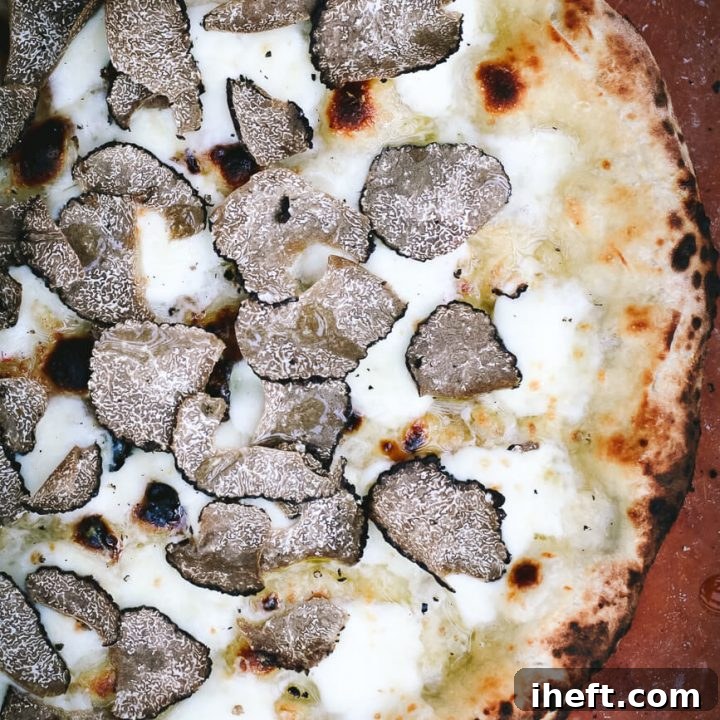
- For the pizza: Preheat the oven to 550°F (288°C) with a pizza stone for at least 1 hour. (A specialized pizza oven like an Ooni works wonderfully here). Gently stretch the pizza dough out on a lightly floured surface until it is as thin as possible without tearing. Top the dough with the fresh mozzarella, grated fontina, fresh thyme leaves, and a pinch of red pepper flakes. Cook the pizza until the crust is perfectly golden brown and the cheese is bubbly. Remove from the oven and, immediately after, shave the fresh truffle generously over the top. The residual warmth from the melted cheese will delicately bring out its exquisite flavor. Optionally, you can add a tiny drizzle of good quality olive oil or true truffle oil for an extra layer of richness.
- For the truffle butter: In a small bowl, stir together one stick (4 oz.) of softened unsalted butter with about 1/2 oz. of freshly grated truffle. Mix until well combined. Transfer the truffle butter to a small jar or airtight container and store it in the refrigerator for up to one month. This versatile butter is fantastic spread on toast, tossed with steamed vegetables, or melted over grilled meats.
- For homemade truffle oil: Carefully shave or grate 1 tablespoon of fresh truffle into 1/2 cup of a mild, high-quality olive oil. Gently combine and let the mixture infuse overnight at room temperature. Use this homemade truffle oil within about 3 days, as the fresh truffle components will degrade quickly. Store in the refrigerator.
- For the truffle risotto: Prepare your favorite mushroom risotto recipe according to its instructions, or use a prepared batch. Just before serving, after the risotto is cooked and creamy, generously grate fresh truffle over the top of each serving. The heat from the risotto will gently release the truffle’s aroma, providing an unparalleled experience.
Notes
What is a Truffle?
Truffles are highly prized edible fungi that grow symbiotically with the roots of trees like hazelnut and oak, remaining hidden underground. They are considered an elusive delicacy, cherished in gourmet cuisine. To fully appreciate their unique taste, it’s essential to pair them with mild ingredients, allowing their flavor to truly star, and to use a little fat to help enhance their aromatic compounds.
What do Truffles taste like?
Both black and white truffles share earthy and musky characteristics. However, fresh truffle possesses a much milder and more complex flavor profile than the often intense and sometimes artificial taste of truffle oil or truffle salt, requiring more generous shavings. White truffles tend to be spicier and offer distinct garlicky notes. A critical rule for fresh truffles is to avoid cooking them with high heat, as this will destroy their delicate flavor. Instead, black truffles benefit from gentle warming to release their aroma, while white truffles should always be used raw, grated over the finished dish at the last possible moment to preserve their potent essence.
Nutrition Information:
Yield: 4
Serving Size: 1 bowl risotto
Amount Per Serving:
Calories: 444