Zesty Shallot Mignonette
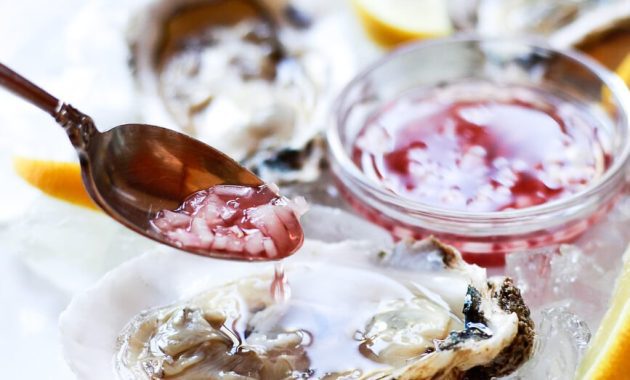
Classic Mignonette Sauce: Your Essential Guide to Pairing with Oysters and Seafood
There’s an undeniable allure to freshly shucked raw oysters, a culinary pleasure that transports diners straight to the sea. But to truly unlock and elevate their briny sweetness, a classic accompaniment is often sought. Enter mignonette sauce – a vibrant, tangy, and aromatic condiment that has been the traditional partner to oysters for centuries. This guide will take you on a journey to discover how to make this iconic sauce at home, ensuring every oyster you serve is a truly unforgettable experience.
While many accouterments exist for raw oysters, from a simple squeeze of lemon to a dash of spicy hot sauce, mignonette holds a special place in the hearts of seafood connoisseurs. Its elegant simplicity and profound ability to complement, rather than mask, the delicate flavors of shellfish make it indispensable. We’ll explore the history behind this French classic, break down its core components, and provide a straightforward recipe that promises to impress. Get ready to transform your home dining into a gourmet seafood feast with the perfect homemade mignonette.
The Enduring Appeal of Oysters and Their Perfect Pairing
Raw oysters are celebrated for their unique texture and nuanced flavor profiles, which can vary greatly depending on their origin – from crisp and mineral to creamy and sweet. Part of the joy of indulging in oysters lies in the exploration of these subtle differences, and in discovering how various pairings can enhance their inherent characteristics. While some purists prefer their oysters unadorned, many find that the addition of a well-chosen sauce, particularly one with a bright acidic kick, elevates the experience.
If you’ve delved into our article all about how to eat oysters, you’ll understand the importance of balancing their richness and brininess. Restaurants often get creative with their oyster dressings, with some featuring exotic elements like caviar lime pearls or unique herb infusions. However, the mignonette remains the most popular and classic sauce for oysters for good reason. Its carefully balanced acidity acts as a palate cleanser, cutting through the richness and highlighting the oyster’s natural sweetness, making each bite as refreshing as the last.
Understanding Mignonette: Meaning, Origin, and Purpose
The term “mignonette” has an interesting etymological journey in the culinary world. According to Wikipedia, the French term mignonette originally referred to a small, decorative sachet containing various spices, primarily peppercorns and cloves, used to subtly flavor liquids. Over time, its meaning evolved, and in modern culinary contexts, especially concerning oyster pairings, it primarily signifies “cracked pepper” within a specific type of sauce.
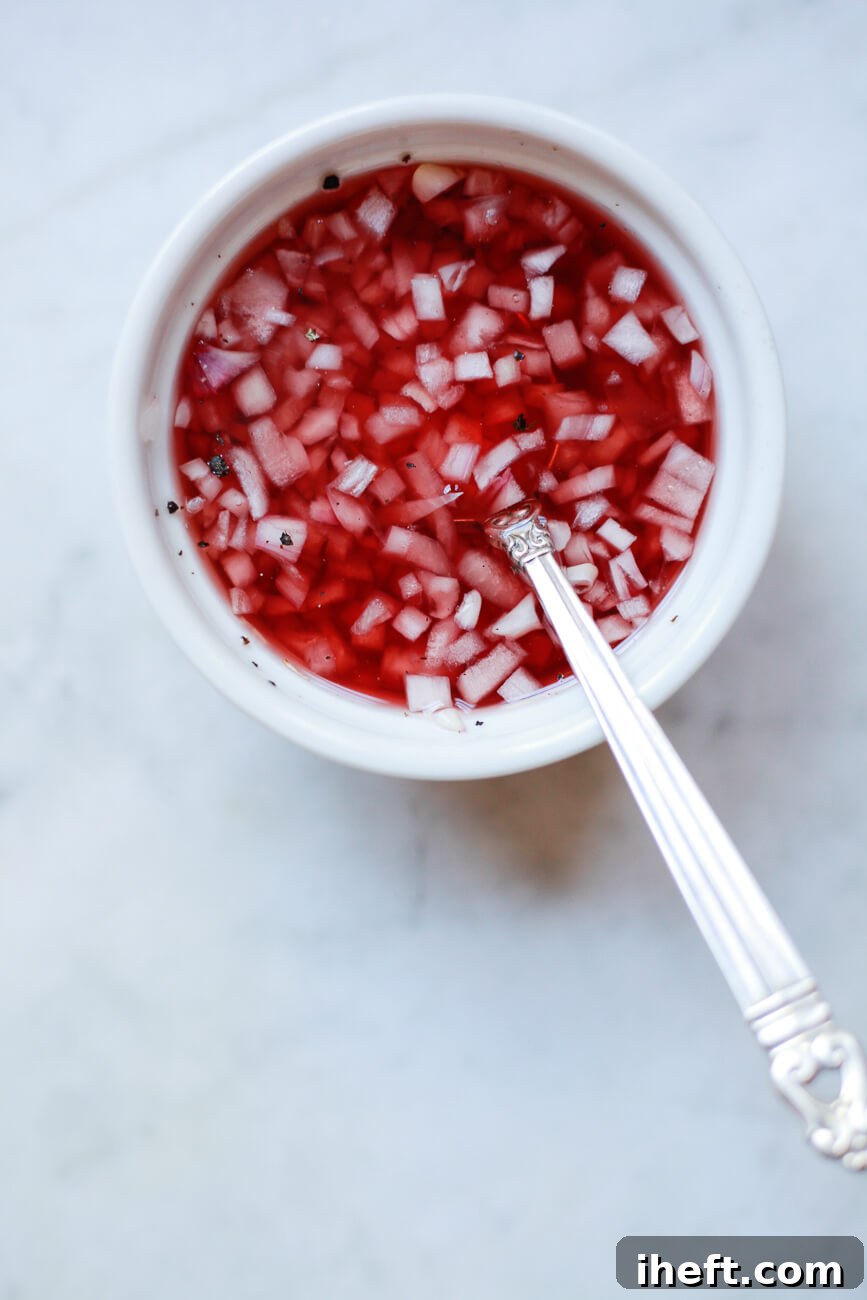
Today, mignonette is definitively understood as a vinegar-based sauce, and its essence lies in providing a crucial acidic counterpoint to rich foods, particularly raw oysters. Regardless of the specific sauce chosen for oysters, a component of acidity is vital for a balanced taste. What sets mignonette apart from a simple lemon wedge is its combination of vinegar with finely diced shallots and freshly cracked pepper. This trio creates a complex yet refreshing flavor profile that both complements and enhances the delicate taste of oysters.
Crafting the Perfect Oyster Mignonette: Ingredients and Method
One of the most appealing aspects of homemade oyster mignonette is its incredible ease and speed of preparation. It comes together in just a few minutes, making it an ideal choice even for impromptu gatherings. However, for the most harmonious flavor, it’s highly recommended to prepare the sauce at least an hour in advance, or ideally, a day ahead. This resting period allows the shallots to mellow, their aromatic compounds to infuse into the vinegar, and all the flavors to meld beautifully, resulting in a more refined and integrated sauce.
The Essential Components for a Classic Mignonette:
-
Vinegar: The Foundation of Acidity.
The choice of vinegar is fundamental to the character of your mignonette. Red wine vinegar is the most traditional option, offering a robust and slightly fruity tang that stands up well to bolder oysters. Champagne vinegar is another highly popular and elegant choice, known for its lighter, more delicate, and subtly effervescent quality, which can beautifully complement sweeter or more refined oysters. Feel free to explore high-quality flavored vinegars for a unique twist – a good raspberry white vinegar can introduce a lovely sweet-tart note, or an exquisite Mimosa Champagne Vinegar could add bright, citrusy undertones. The key is to select a vinegar with a clean, sharp acidity.
-
Shallots: The Aromatic Heart.
Finely diced shallots are truly indispensable in a classic mignonette. They provide a delicate, oniony-garlicky aroma that is significantly milder and more nuanced than that of regular onions. While you could use finely chopped red onion in a pinch, be aware that its sharper, more pungent flavor might overpower the subtle taste of the oysters. Precision in mincing your shallots is important; aim for a very fine dice to ensure even flavor distribution and a pleasant texture in every spoonful.
-
Pepper: The Signature Spice.
The name “mignonette” itself, in its modern culinary sense, points to the importance of pepper. Freshly cracked peppercorns are crucial here. Pre-ground pepper lacks the vibrant aroma and the sharp, piquant bite that fresh grinding provides. While black peppercorns are the standard, don’t hesitate to experiment with white or pink peppercorns for different aromatic profiles. White peppercorns offer a slightly milder, earthier note, while pink peppercorns lend a delicate, fruity, and subtly floral essence, which can be particularly delightful with specific types of sweeter oysters.
-
Subtle Seasoning: Salt and Sugar (Optional).
A small pinch of sea salt is often added to brighten and balance the overall flavor profile of the sauce, enhancing its complexity without making it taste overtly salty. Similarly, a tiny pinch of sugar (or a very small amount of honey or maple syrup) is entirely optional but can work wonders in softening the sharp edges of a particularly potent vinegar, creating a more rounded and harmonious taste. Always taste and adjust these seasonings carefully to achieve the perfect balance for your personal preference.
Beyond the Classic: Exciting Mignonette Variations and Customization
While the traditional mignonette is undeniably perfect in its simplicity, its versatile base makes it an excellent canvas for culinary creativity. Don’t shy away from experimenting and tailoring your sauce to complement specific types of oysters, or simply to match your personal taste preferences. Here are some inspiring ideas to add a unique twist to your homemade mignonette:
- Herbal Mignonette: Infuse fresh garden flavors by stirring in a few pinches of finely chopped fresh herbs. Tarragon, with its delicate anise-like notes, is a classic French pairing that works beautifully. Dill offers a bright, grassy freshness, while chives provide a subtle, elegant oniony kick. For an unexpectedly refreshing touch, especially with milder oysters, consider a hint of finely chopped mint.
- Citrusy Mignonette: Elevate the brightness and acidity with a squeeze of fresh citrus juice. Lime juice will introduce a vibrant, zesty, and slightly tropical tang, while orange or grapefruit juice can add a sweeter, more aromatic dimension. A tiny bit of finely grated citrus zest can also intensify the aromatic profile.
- Spicy Mignonette: For those who crave a fiery kick, a spicy mignonette is an excellent choice. Finely minced jalapeño or serrano pepper will provide a pleasant level of heat without overwhelming. Combine this with fresh cilantro and a generous squeeze of lime juice for a vibrant, Mexican-inspired twist that pairs wonderfully with robust, briny oysters. A tiny dash of your favorite hot sauce can also be blended in for an extra layer of spice.
- Fruity Mignonette: Introduce a delightful sweet-tart complexity by incorporating finely diced fruit. Small pieces of green apple or pear can add a refreshing crunch and subtle sweetness. Pomegranate seeds offer a beautiful ruby hue and bursts of juicy flavor. As mentioned earlier, fruit-flavored white vinegars like raspberry or even a splash of fruit reduction can achieve a similar effect.
- Asian-Inspired Mignonette: For a modern fusion approach, consider replacing a portion of your traditional vinegar with seasoned rice vinegar, which offers a milder, sweeter acidity. Add a tiny dash of low-sodium soy sauce or fish sauce for an umami depth, a hint of freshly grated ginger, and a sprinkle of toasted sesame seeds or finely sliced scallions. This unexpected variation can be surprisingly delicious with certain types of Pacific oysters.
Serving and Enjoying Your Homemade Mignonette
The beauty of mignonette lies not only in its exquisite taste but also in its versatility and user-friendliness. Once prepared, your homemade mignonette should be transferred to an airtight container and refrigerated. While it benefits from at least an hour of chilling to allow flavors to meld, it can be made up to a month in advance, making it a perfect make-ahead condiment for entertaining. The flavors will continue to deepen and develop over time, often becoming even better the next day.
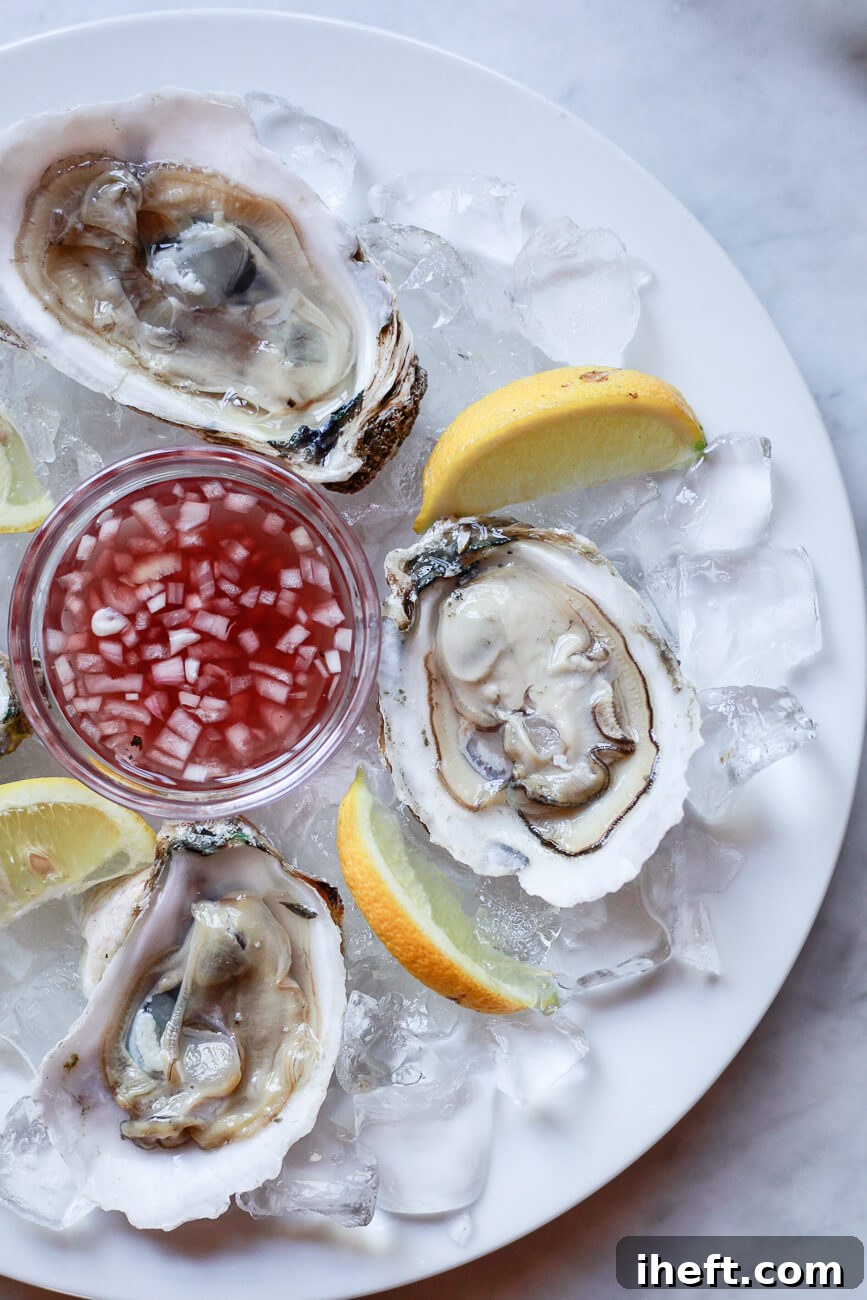
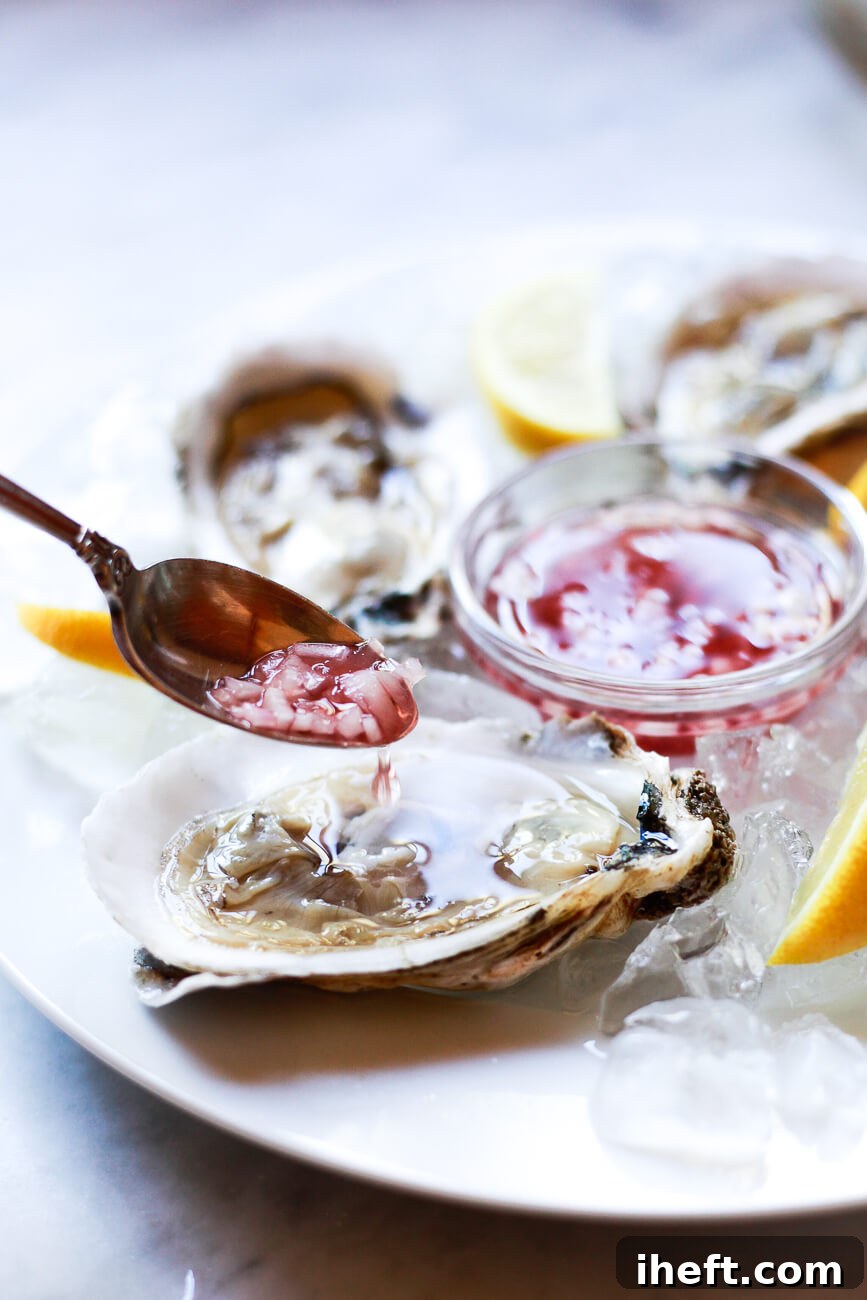
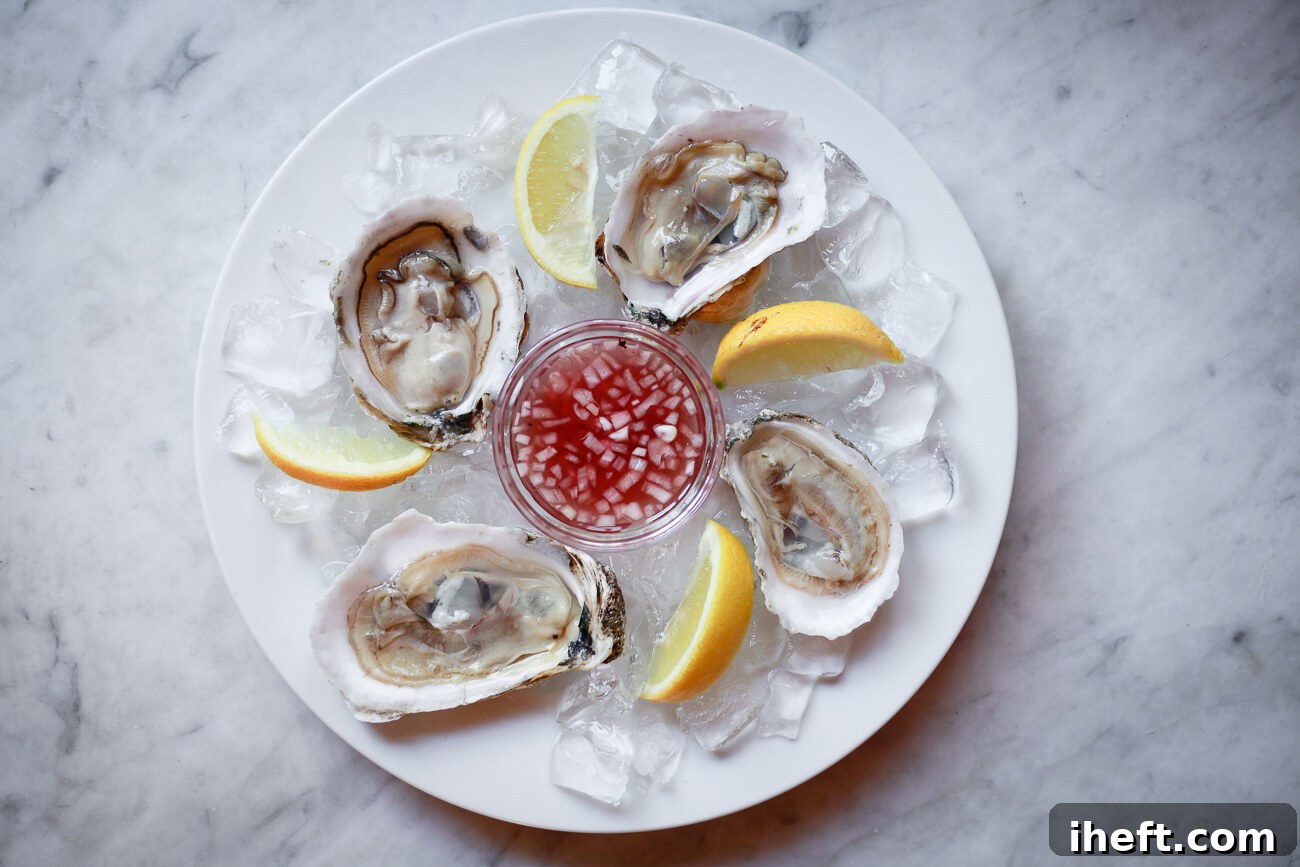
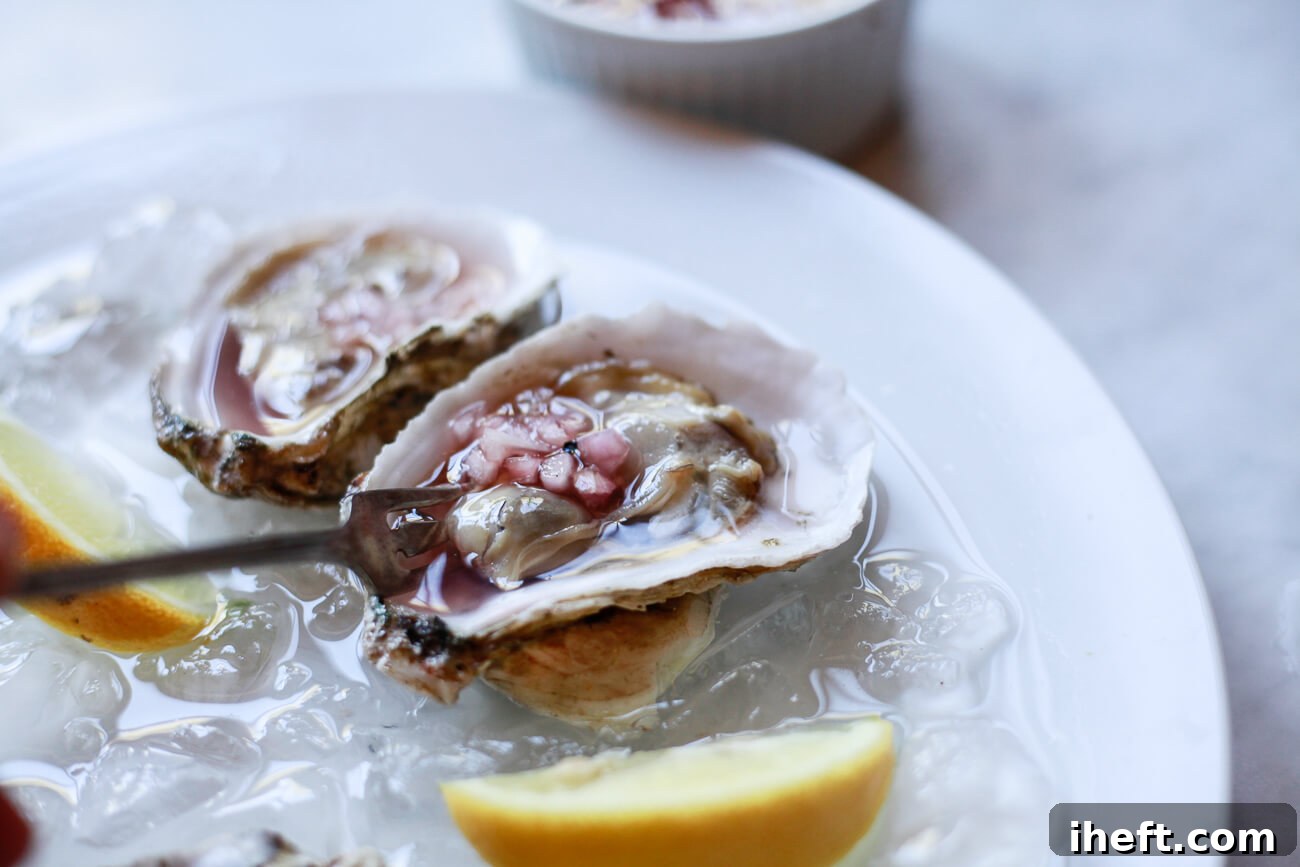
When it’s time to serve, simply place a small bowl of the chilled mignonette alongside your freshly shucked oysters. Provide a small teaspoon or a delicate dropper, allowing each guest to add a modest amount to their oysters. Remember, the goal is to enhance the oyster, not overpower it; typically, a quarter to half a teaspoon per oyster is sufficient. Beyond oysters, mignonette is a remarkably versatile accompaniment that brightens a wide array of other seafood:
- Shrimp and Crab: Drizzle it over chilled, cooked shrimp or lump crab meat for a burst of bright, tangy flavor.
- Scallops: Serve it alongside seared scallops to cut through their natural sweetness and richness.
- Ceviche: Integrate it as a finishing sauce or an ingredient within ceviche recipes to amplify acidity and aromatic complexity.
- White Fish: A light drizzle can significantly brighten grilled, baked, or pan-seared white fish, adding a gourmet touch.
- Salads: Thin the mignonette slightly with a good quality olive oil to create a vibrant vinaigrette for green salads, especially those with seafood components.
- Vegetables: Don’t limit yourself to seafood! Experiment by spooning a small amount over roasted asparagus, steamed green beans, or even fresh cucumber slices for an unexpected and refreshing flavor boost.
The chilled temperature of the sauce is also crucial, as it perfectly complements the cool, refreshing nature of raw oysters and other cold seafood preparations. Always ensure your mignonette is well-chilled until the very moment you’re ready to indulge.
Classic Mignonette Sauce Recipe
Classic Mignonette Sauce
This timeless mignonette sauce recipe is the ultimate partner for fresh oysters and other delicate seafood. Simple to prepare, it combines the crisp acidity of vinegar with the pungent bite of shallots and freshly cracked pepper, creating a perfectly balanced condiment that enhances without overpowering.
Ingredients
- 1/4 cup finely minced shallots (from about 1 small shallot)
- 1/3 cup high-quality red wine, white wine, or champagne vinegar
- 1 teaspoon freshly cracked black peppercorns
- Pinch of sea salt, to taste
- Pinch of sugar, to taste (optional, to balance acidity)
Instructions
-
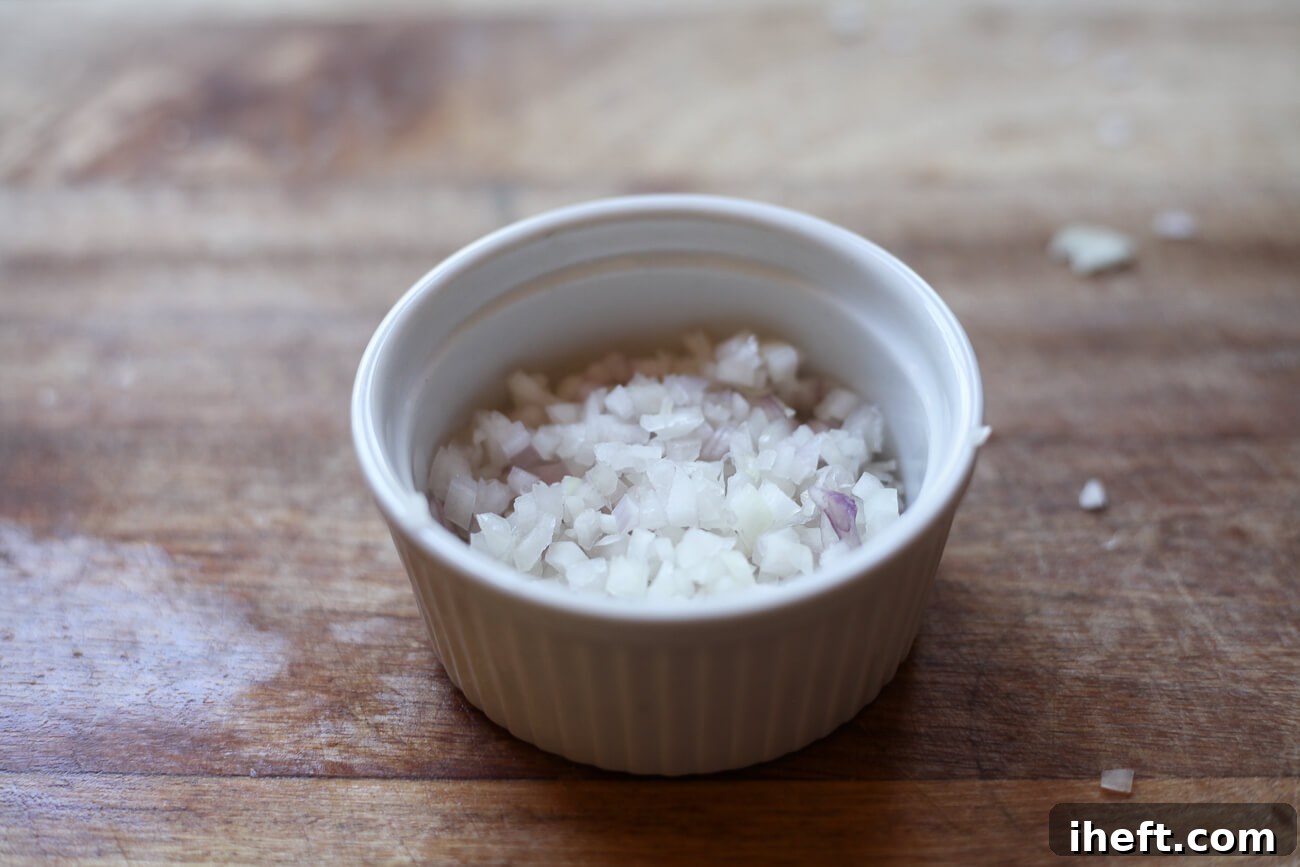
Prepare the Shallots: Place the finely minced shallots into a small, non-reactive bowl.

-
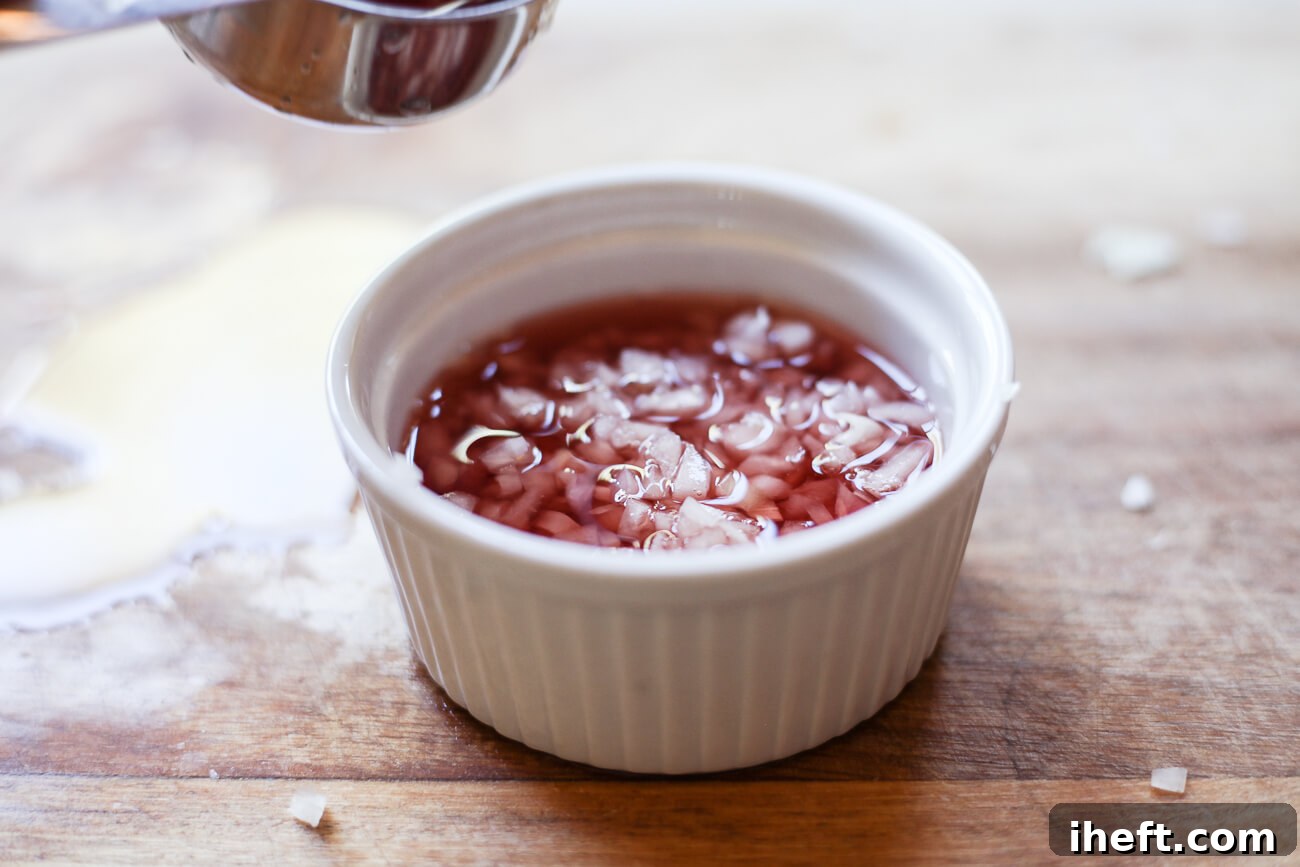
Combine Ingredients: Pour the chosen vinegar over the shallots. Stir in the freshly cracked pepper, a pinch of sea salt, and the optional pinch of sugar. Mix well to combine all ingredients thoroughly.
-
Chill and Infuse: Cover the bowl and refrigerate for at least 1 hour. For optimal flavor development, allow it to chill for several hours or even overnight. The sauce can be stored in the refrigerator for up to one month.
-
Serve: To serve, spoon a small amount (approximately 1/4 to 1/2 teaspoon) over freshly shucked raw oysters on the half shell. It also pairs wonderfully with other seafood that benefits from a bright, acidic kick.
Chef’s Notes & Variations:
- Vinegar Choices: While red wine and champagne vinegars are traditional, consider seasoned rice vinegar for a slightly sweeter profile (omit sugar if using).
- Herbal Infusion: Add 1-2 teaspoons of finely chopped fresh herbs like tarragon, dill, chives, or mint for added aromatic complexity.
- Spicy Kick: For a fiery mignonette, finely mince 1/2 a jalapeño or serrano pepper and add it to the mixture. A squeeze of lime juice and a sprinkle of cilantro also complement this variation.
- Fruity Twist: Experiment with a splash of fruit-flavored white vinegar (e.g., raspberry) or add tiny finely minced pieces of fruit like green apple or pomegranate seeds.
Nutrition Information (Approximate Per Serving):
Yield: 12 servings
Serving Size: 1 tsp
Amount Per Serving:
Calories: 8
Total Fat: 0g
Saturated Fat: 0g
Trans Fat: 0g
Unsaturated Fat: 0g
Cholesterol: 0mg
Sodium: 12mg
Carbohydrates: 1g
Fiber: 0g
Sugar: 0g
Protein: 0g
Nutrition information is automatically calculated and provided for general guidance. It is not guaranteed for accuracy and may vary based on specific ingredients and preparation methods. If health depends on nutrition information, please calculate again with your preferred tools.
The Final Touch: Why Mignonette Matters
Creating your own mignonette sauce is a simple yet profoundly rewarding endeavor that elevates any oyster or seafood experience. It’s a testament to the power of a few high-quality ingredients coming together to create something truly special. By mastering this classic recipe, you gain the confidence to explore its endless variations, making each dining occasion a unique culinary adventure tailored to your taste.
So, the next time you plan a seafood feast, remember the humble yet mighty mignonette. Its crisp acidity, delicate aromatic notes, and the satisfying bite of fresh pepper are precisely what make it the unparalleled choice for enhancing the natural elegance of oysters. Prepare a batch, chill it perfectly, and get ready to impress with this timeless classic that embodies both simplicity and sophistication, promising a refreshingly delicious bite every time.