Vibrant Garden Pad Thai
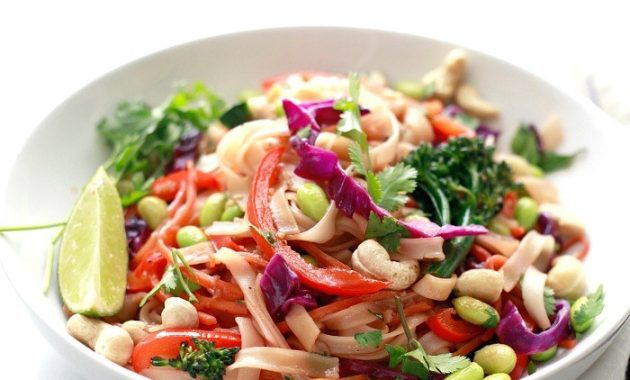
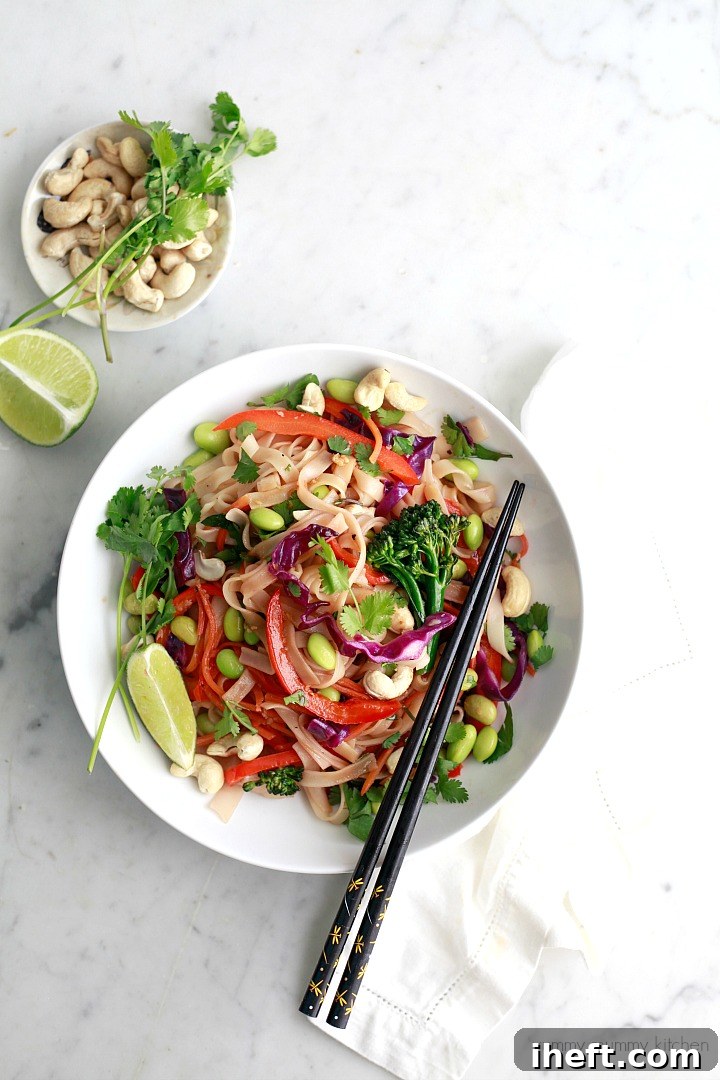
Experience the vibrant flavors and wholesome goodness of homemade Pad Thai with this incredible Vegan Rainbow Veggie Pad Thai recipe. Loaded with colorful vegetables like crisp broccoli, sweet bell pepper, and protein-packed edamame, and coated in a luscious, tangy, and sweet homemade Pad Thai sauce, this dish is a culinary delight. Simple enough for a quick weeknight dinner, it also serves as a fantastic way to utilize any extra vegetables you have on hand, transforming them into a satisfying and healthy meal.
Vegan Rainbow Veggie Pad Thai: Your Ultimate Guide to a Healthy Homemade Feast
Pad Thai has long held a special place at our dinner table, especially on busy weeknights. My children, like many others, adore noodles, and this vegan Pad Thai offers a welcome and exciting flavor departure from the usual Italian-inspired pasta dishes. My journey into crafting homemade vegan Pad Thai began years ago, inspired by culinary experts who showed me the simplicity and versatility of this classic Thai street food. What started as following a recipe quickly evolved into an intuitive cooking method, allowing me to create a delicious meal without constant reference.
The beauty of this recipe lies in its adaptability. It encourages you to embrace creativity in the kitchen, tossing in whatever fresh vegetables you have readily available. This week, I’ve opted for a vibrant “rainbow” assortment, incorporating some of my favorite colorful veggies to not only enhance the visual appeal but also boost the nutritional value. As seasons change, so can your ingredients – imagine adding tender zucchini later in the summer, or the delightful crunch of fresh bean sprouts, which I regrettably didn’t have on hand this time but highly recommend.
Why Choose Homemade Pad Thai? Beyond the Takeout Experience
While the convenience of ordering vegetarian Pad Thai from a local restaurant is tempting, often these dishes can be surprisingly greasy, overly sweet, or laden with unnecessary additives. Opting for homemade Pad Thai gives you complete control over every ingredient, ensuring a healthier, fresher, and more balanced meal. You can adjust the sweetness, tanginess, and spice levels to perfectly suit your palate and dietary needs. Furthermore, making Pad Thai at home is incredibly simple, making it an ideal candidate for your regular weekday dinner rotation. It’s a cost-effective solution that doesn’t compromise on flavor or satisfaction, proving that wholesome, delicious food can be both accessible and easy to prepare.
Our “rainbow” approach to Pad Thai isn’t just about aesthetics; it’s a celebration of nutrient density. By incorporating a wide array of colorful vegetables – from the deep green of broccoli to the vibrant red of bell peppers and the subtle green of edamame – you’re packing your meal with essential vitamins, minerals, and antioxidants. This makes your homemade Pad Thai not only a feast for the eyes but also a powerhouse of goodness for your body. It’s a testament to how simple ingredients can come together to create something truly extraordinary and nourishing.
The Heart of Pad Thai: Crafting the Perfect Homemade Sauce
The soul of any great Pad Thai lies in its sauce – a delicate yet robust balance of sweet, savory, and tangy notes, with an optional kick of spice. This homemade Pad Thai sauce is quick to prepare and forms the foundation of our dish’s incredible flavor profile. The key ingredients typically include soy sauce (or tamari for a gluten-free option), fresh lime juice for that essential tang, a touch of brown sugar or maple syrup for sweetness, and sriracha for a hint of heat. Optionally, fresh grated ginger can add a wonderful aromatic depth, elevating the overall complexity of the sauce.
Achieving your preferred flavor balance is crucial. If you lean towards a sweeter palate, feel free to add a little more brown sugar or maple syrup. For those who love a zesty punch, an extra squeeze of lime juice can brighten the flavors. And if you’re like me and enjoy a bit of a kick, increasing the sriracha or adding some dried chili flakes will do the trick. Remember, tasting and adjusting the sauce before adding it to the noodles and vegetables is key to customizing your perfect Pad Thai experience. For our gluten-free friends, ensuring you use tamari instead of traditional soy sauce makes this entire recipe suitable for your dietary requirements.
Mastering the Noodles: Pad Thai Noodle Secrets for Perfect Texture
The quintessential component of any Pad Thai is the humble rice noodle. Naturally gluten-free, rice noodles make this recipe an excellent choice for those with gluten sensitivities or dietary preferences. When selecting your noodles, you’ll typically find a few varieties in the Asian section of your grocery store. Flat, wider rice noodles are generally preferred for Pad Thai, as they hold the sauce beautifully and offer a satisfying chew. However, thinner rice vermicelli can also work if that’s what you have on hand, though the texture will be slightly different.
There are a couple of popular methods for preparing Pad Thai noodles. Some cooks prefer to soak the noodles in hot water for about 10 minutes until pliable, then stir-fry them. This method can yield a softer noodle. My personal preference, and the method I learned, involves boiling the noodles much like you would Italian pasta. This ensures a consistent, al dente texture that stands up well to stir-frying. After boiling according to package instructions until tender but still firm, it’s crucial to drain them well and rinse briefly with cold water to prevent them from sticking together. Immediately adding them to your sautéed vegetables and sauce ensures they absorb all those wonderful flavors without becoming clumpy.
A Symphony of Colors and Flavors: Your Veggie Selection Guide
Embracing the “rainbow” concept for your Pad Thai allows for endless possibilities and ensures a meal rich in both nutrients and visual appeal. This recipe highlights some fantastic choices, including the earthy notes of broccoli florets, the sweet crunch of red bell pepper, and the tender bite of edamame. We also incorporate thinly sliced purple cabbage for a beautiful color contrast and shredded carrots for natural sweetness and texture. These core vegetables provide a wonderful foundation, offering a diverse range of vitamins and minerals.
But don’t stop there! The beauty of homemade Pad Thai is its adaptability to seasonal produce. In the summer, consider adding thinly sliced zucchini or yellow squash for a delicate touch. Bean sprouts are a classic Pad Thai addition, offering a refreshing crunch; if you can find them, definitely toss them in at the very end. Other excellent additions include snow peas, sliced mushrooms, baby bok choy, or even finely chopped green beans. The key is to cut your vegetables into similar sizes to ensure even cooking and a harmonious blend of textures. Finishing the dish with fresh herbs like cilantro, Thai basil, or sliced green onions, and a generous sprinkle of roasted peanuts or cashews, adds an indispensable layer of freshness and crunch that truly elevates the experience.
Building Your Bowl: Assembling Your Vegan Pad Thai with Ease
The process of assembling this Vegan Rainbow Veggie Pad Thai is straightforward and incredibly rewarding. Start by preparing your homemade sauce, ensuring all ingredients are well combined and balanced to your taste. Next, prepare all your vegetables – chopping, slicing, and shredding them ensures everything is ready to go once you start cooking. This “mise en place” approach is vital for stir-fries, as cooking happens quickly.
Heat your oil in a large skillet or wok over medium heat. Sauté the aromatic garlic briefly, being careful not to burn it, as burnt garlic can turn bitter. Then, add your harder vegetables first, such as cabbage, broccoli, and bell pepper, giving them a few minutes to start softening. Follow with quicker-cooking vegetables like carrots, and finally stir in the edamame off the heat to retain its vibrant color and slight crunch. While your vegetables are sautéing, cook your rice noodles according to the package directions. Once drained, immediately combine the noodles with the sautéed vegetables, pour over your delicious homemade sauce, and toss everything together to coat evenly. A final minute of stir-frying over high heat helps meld the flavors and gives the noodles that characteristic Pad Thai texture.
Enhancing Your Protein Power (Optional but Recommended)
While this Vegan Rainbow Veggie Pad Thai is already rich in plant-based protein from the edamame and rice noodles, you might want to boost its protein content further, especially if you’re making it a complete meal. Baked tofu is an excellent addition. Simply press extra-firm tofu to remove excess water, cut it into cubes, marinate it in a little soy sauce, sesame oil, and ginger, then bake or air-fry until golden and crispy. These tofu cubes can be tossed in with the vegetables at the end or served on top. Tempeh is another fantastic option, offering a nutty flavor and firm texture. For ovo-vegetarians, a simple fried egg, thinly sliced, makes a traditional and delicious topping.
Customizing Your Pad Thai: Spice, Sweetness, and Tang to Your Liking
One of the greatest joys of cooking at home is the ability to tailor a dish precisely to your preferences. With this vegan Pad Thai, you have full control over the interplay of its signature sweet, tangy, and spicy elements. For those who crave heat, don’t hesitate to increase the amount of sriracha in the sauce, or sprinkle extra dried chili flakes directly into your serving. A few thin slices of fresh red chilies can also provide an intense and vibrant kick.
Conversely, if you find the dish too spicy, a little extra brown sugar or a touch more lime juice can help mellow the heat and restore balance. Remember to taste as you go! The finishing touches are just as important: always serve your Pad Thai with fresh lime wedges on the side, allowing each diner to add an extra burst of citrusy brightness. A handful of freshly chopped cilantro or Thai basil, along with a sprinkle of roasted peanuts or cashews, will provide that essential aromatic freshness and textural contrast that makes Pad Thai so utterly satisfying.
Recipe Card: Vegan Rainbow Veggie Pad Thai
Vegan Rainbow Veggie Pad Thai
Yields: 4-6 servings
10 minutes
20 minutes
30 minutes
This easy vegetarian and vegan Pad Thai recipe is loaded with colorful vegetables like broccoli, bell pepper, and edamame, and coated with a delicious homemade Pad Thai sauce. A vibrant and healthy meal perfect for any day of the week.
Ingredients
- 1/3 cup soy sauce or liquid aminos (use gluten-free tamari if needed)
- 1/4 cup fresh lime juice
- 4 tablespoons brown sugar or maple syrup
- 1 teaspoon sriracha sauce (adjust to taste for desired spice level)
- 1 teaspoon fresh grated ginger (optional, but highly recommended for flavor depth)
- 2 tablespoons coconut or olive oil
- 3 cloves garlic, crushed or minced
- 1/2 small head purple cabbage, thinly sliced
- 1 cup broccolini or broccoli florets
- 1 red bell pepper, thinly sliced
- 2 cups shredded carrots
- 1 cup edamame (shelled, fresh or frozen)
- 1/2 cup fresh herbs (such as cilantro, Thai basil, or sliced green onions for garnish)
- 1/2 cup roasted peanuts or cashews (for crunch and flavor)
- 1 lime, cut into wedges, for serving
- 6 oz. pad Thai noodles (flat rice noodles)
Instructions
- Prepare the Sauce: In a small bowl, thoroughly stir together the soy sauce (or tamari), fresh lime juice, brown sugar (or maple syrup), sriracha, and grated ginger (if using). Set this delicious sauce aside.
- Sauté the Vegetables: Heat the coconut or olive oil in a large skillet or wok over medium heat. Add the crushed or minced garlic and sauté for about one minute, being careful not to let it burn, as this can make it bitter. Add the thinly sliced purple cabbage, broccoli florets (or broccolini), and sliced red bell pepper to the skillet. Sauté for approximately 3 minutes, until the vegetables just begin to soften but still retain some crispness. Next, add the shredded carrots and continue to sauté until all the vegetables are tender-crisp. Remove the skillet from the heat and stir in the shelled edamame.
- Cook the Noodles: While the vegetables are cooking, prepare the Pad Thai rice noodles according to the package instructions. Typically, this involves boiling them in water until they are tender but still firm to the bite (al dente).
- Combine and Stir-fry: Drain the cooked noodles very well, ensuring no excess water remains. Immediately add the drained noodles to the sautéed vegetables in the skillet. Pour the prepared Pad Thai sauce evenly over the noodles and vegetables. Toss everything together vigorously to ensure all ingredients are thoroughly coated with the sauce. Place the skillet back over high heat and stir-fry for just one minute. This brief high-heat cooking helps to meld the flavors and gives the noodles a slight caramelization.
- Serve: Divide the Vegan Rainbow Veggie Pad Thai into serving bowls. Garnish generously with fresh roasted peanuts or cashews, a scattering of fresh herbs (cilantro, Thai basil, or green onions), and a side of fresh lime wedges for an added burst of citrus. For extra heat, offer additional sriracha. Enjoy your vibrant and flavorful homemade meal!
Nutrition Information (per serving, estimated)
Amount Per Serving (based on 6 servings):
- Calories: 266
- Total Fat: 13g
- Saturated Fat: 3g
- Trans Fat: 0g
- Unsaturated Fat: 9g
- Cholesterol: 23mg
- Sodium: 1018mg
- Carbohydrates: 29g
- Fiber: 6g
- Sugar: 16g
- Protein: 13g
Cuisine: Asian | Category: Dinner
© Marina Delio
Frequently Asked Questions about Vegan Pad Thai
Is Pad Thai usually vegan? Traditional Pad Thai typically contains fish sauce and often includes eggs, making it unsuitable for a vegan diet. However, with simple substitutions like tamari or vegan fish sauce and omitting eggs (or using a plant-based egg substitute), it’s easy to create a delicious and authentic-tasting vegan version, as demonstrated in this recipe.
What can I substitute for peanuts in Pad Thai? If you have a nut allergy or simply don’t like peanuts, cashews are an excellent alternative, offering a similar crunch and richness. For a nut-free option, toasted sunflower seeds or even crispy fried shallots can provide a wonderful textural contrast. You can also simply omit the nuts entirely if preferred; the dish will still be incredibly flavorful.
Can I make this Pad Thai ahead of time? While Pad Thai is best enjoyed fresh off the wok, especially for the optimal noodle texture and vegetable crispness, you can certainly do some prep work in advance. The sauce can be made and stored in the refrigerator for up to 3-4 days. You can also chop and prepare all your vegetables ahead of time. When you’re ready to eat, simply cook the noodles and stir-fry everything together for a quick and fresh meal.
Is this recipe gluten-free? Yes, this recipe is naturally gluten-free as long as you use gluten-free soy sauce (tamari) and ensure your Pad Thai noodles are made from 100% rice (which they typically are). Always double-check ingredient labels to confirm.
How can I make this Pad Thai spicier? To increase the heat, you have several options. You can add more sriracha to the sauce mixture, or sprinkle dried chili flakes directly into the skillet during the vegetable sautéing process. For a fresh, fiery kick, finely chop a red bird’s eye chili or serrano pepper and add it with the garlic, or use it as a garnish.
Conclusion: Embrace the Flavorful World of Homemade Vegan Pad Thai
This Vegan Rainbow Veggie Pad Thai isn’t just a meal; it’s an invitation to explore vibrant flavors, embrace healthy eating, and enjoy the satisfaction of cooking something truly delicious from scratch. With its perfect harmony of sweet, tangy, and savory notes, combined with an abundance of colorful, nutritious vegetables, this recipe proves that homemade can easily surpass takeout. Whether you’re a seasoned vegan chef or new to plant-based cooking, this easy-to-follow guide empowers you to create a memorable and wholesome Pad Thai experience right in your own kitchen. So gather your ingredients, fire up your wok, and prepare to delight your taste buds with this incredible, healthy, and utterly customizable dish. Enjoy the process, and savor every colorful, flavorful bite!