Vegan vs. Vegetarian: What Sets Them Apart?

Have you ever paused to ask, "What exactly is the difference between vegan and vegetarian diets?" You're certainly not alone in this common query! In an increasingly health-conscious and environmentally aware world, more people are exploring plant-based eating. This comprehensive guide will meticulously compare vegan vs. vegetarian lifestyles, delving into their nuances and helping you understand how these nutritious, plant-forward approaches to eating diverge.
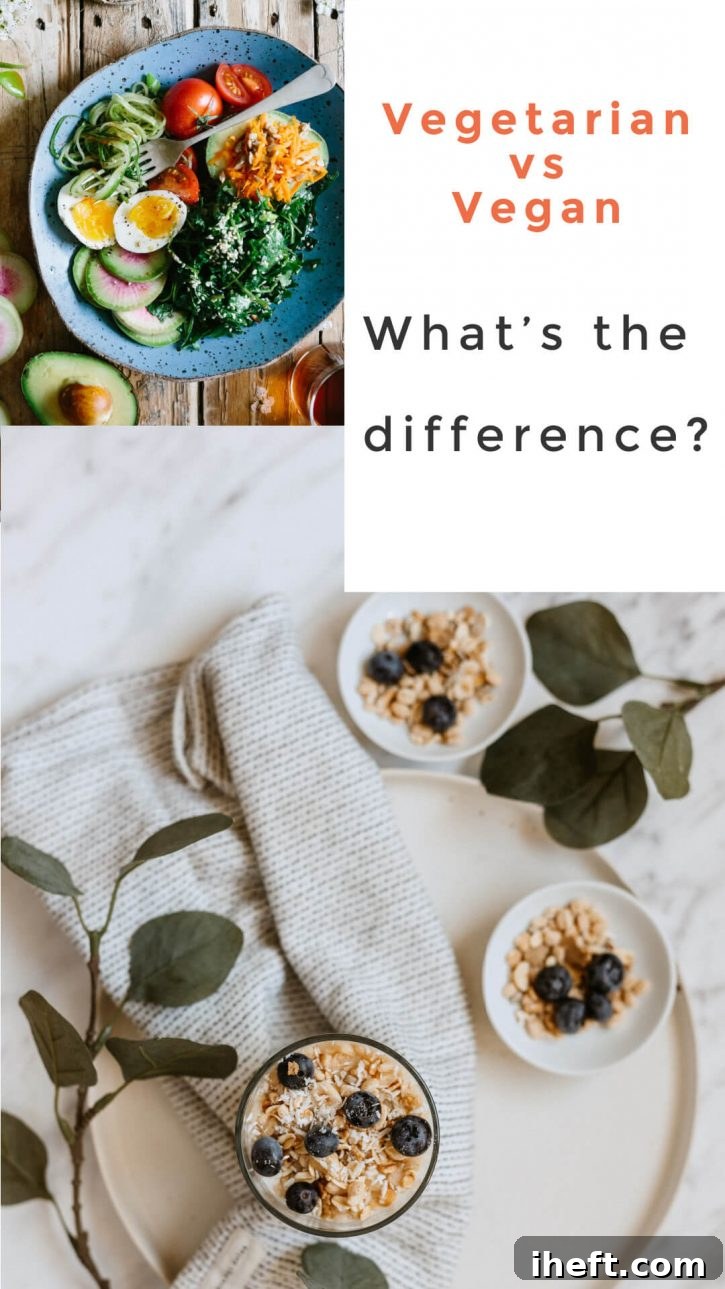
Today, a growing number of individuals are consciously striving to incorporate more plant-based goodness into their diets. This shift is perhaps unsurprising, given the undeniable benefits our planet's bounty offers. If you've recently developed an interest in plant-centric cooking, you've undoubtedly encountered the terms 'vegan' and 'vegetarian'. While often used interchangeably by some, these terms represent distinct dietary philosophies and lifestyle choices.
As you embark on this culinary exploration, it's natural to wonder: what exactly separates a vegan diet from a vegetarian one? Let's unravel the distinctions together, providing clarity and practical insights. And don't miss our helpful Free Printable Vegan Grocery List here to kickstart your journey!
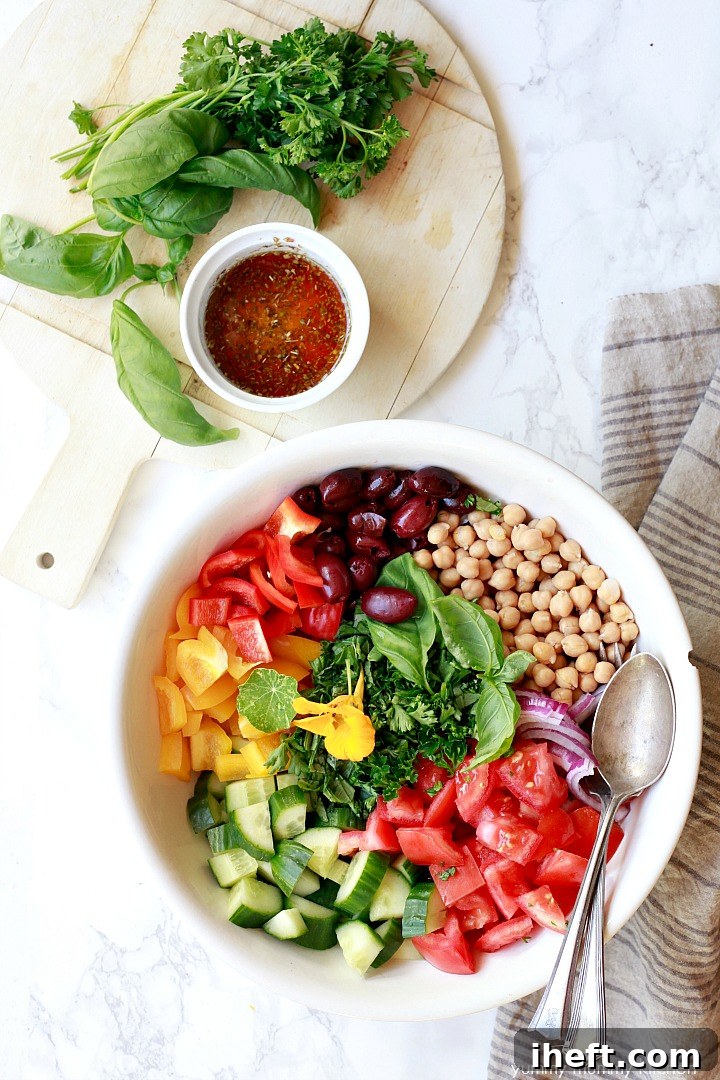
Chickpeas expertly replace cheese in this vibrant vegan Greek salad, offering a delicious plant-based twist.
Vegan vs. Vegetarian: Unpacking the Fundamentals
Both vegetarian and vegan diets are fundamentally plant-based approaches to eating. This means that a well-structured vegetarian or vegan diet naturally emphasizes a rich array of plant sources, including a diverse spectrum of vegetables, fruits, whole grains, legumes, and pulses – all the wholesome ingredients that contribute to robust health and vitality.
The motivations behind adopting a plant-based lifestyle often overlap for both vegans and vegetarians. Contemporary research consistently highlights shared concerns driving this dietary shift. For instance, 2019 data indicates that nearly a quarter of Americans have consciously reduced their meat consumption. The primary catalysts for this change frequently include personal health optimization, environmental sustainability, food safety concerns, and deep-seated animal welfare ethics.
Despite these significant commonalities and shared values, it’s imperative to recognize the crucial distinctions that set these two dietary paths apart. Understanding these differences is key to navigating the world of plant-based eating and choosing the path that best aligns with your personal values and health goals.
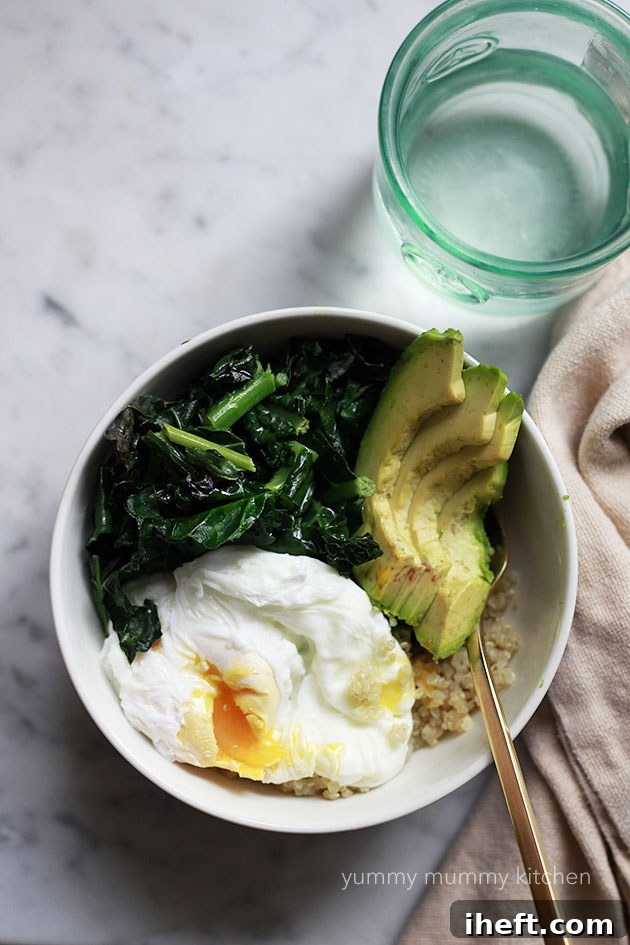
A wholesome vegetarian Buddha bowl featuring quinoa, fresh kale, ripe avocado, and a protein-rich poached egg.
Understanding Vegetarianism
Vegetarianism serves as an overarching term, encompassing a variety of diets that exclude all forms of animal flesh. This means refraining from consuming beef, pork, poultry, and all types of seafood, including fish and shellfish. The core principle of vegetarianism is to avoid foods that require an animal to be killed.
A defining characteristic of many vegetarian diets is the inclusion of animal byproducts. This means that while meat and fish are off the menu, items such as dairy products (milk, cheese, yogurt) and eggs are typically consumed. However, even within vegetarianism, there are specific exclusions; animal-derived ingredients like gelatin, meat stocks, and rennet (often found in cheese production) are generally avoided due to their origin.
Embracing a balanced vegetarian diet involves thoughtfully replacing meat and fish with a diverse array of plant-based whole foods. This includes both minimally processed ingredients like fresh vegetables, fruits, and grains, as well as mildly processed, protein-rich alternatives such as tofu, tempeh, and seitan. Vegetarianism offers a flexible framework, allowing individuals to tailor their diet to their preferences and ethical considerations.
Recognizing that dietary needs and personal preferences vary widely, vegetarianism isn't a one-size-fits-all approach. This explains the existence of several distinct types of vegetarian diets, each with its own set of guidelines regarding animal byproducts.
Types of Vegetarian Diets
Delving deeper into vegetarianism reveals several nuanced categories, each reflecting different choices regarding animal-derived products:
- Lacto-ovo Vegetarian Diets: This is perhaps the most common form of vegetarianism. Lacto-ovo vegetarians abstain from all meat and fish but happily include dairy products (like milk, cheese, and yogurt) and eggs in their diet. For a delightful lacto-ovo option, we highly recommend these adorable veggie lasagna cupcakes!
- Lacto-Vegetarian Diets: Individuals following a lacto-vegetarian diet exclude all meat, fish, and eggs (and any products containing eggs). However, they continue to consume dairy products. If this sounds like your preference, you must try our incredibly scrumptious baked Brussels sprouts mac and cheese!
- Ovo-Vegetarian Diets: Conversely, ovo-vegetarians avoid all meat, fish, and dairy products (including any foods made with dairy). Their diet does, however, include eggs. Our versatile overnight mini baked egg casseroles are perfect for an ovo-vegetarian lifestyle, and while the original recipe might feature cheese, it's easily adaptable by omitting it or substituting with your favorite plant-based alternative.
- Pescetarian Diets: While sometimes debated, many consider pescetarianism a close cousin or even a type of vegetarian diet. Pescetarian diets exclude all forms of red meat and poultry but include fish and other seafood, such as shellfish.
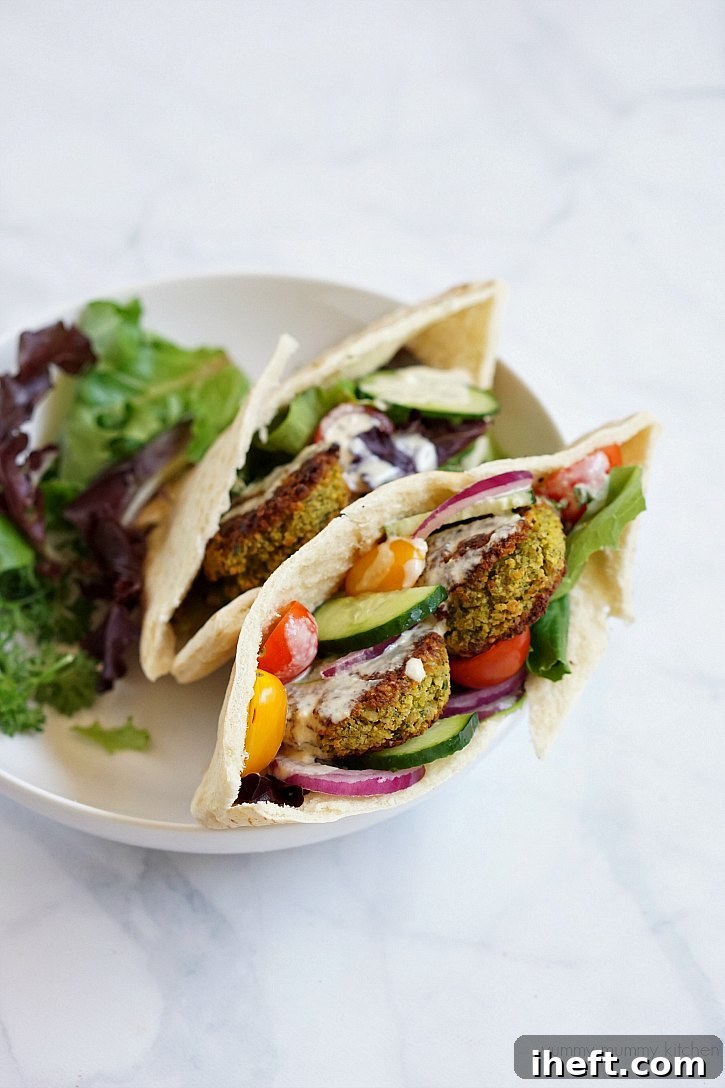
Embracing Veganism: A Philosophy and Way of Life
Distinct from vegetarian diets, veganism represents a more expansive commitment, excluding all animal products and byproducts. A balanced vegan diet relies exclusively on plant-based whole foods and deliberately omits any form of meat, fish, eggs, dairy, or even insect-derived ingredients like honey, beeswax, and carmine. This goes beyond the plate, influencing a holistic lifestyle choice.
Vegan diets also meticulously avoid any foods or products whose production involves animal-derived components, even if they aren't directly ingredients. This can subtly extend to certain brands of wine and beer (which may use animal-derived fining agents) and even some types of refined sugar (which can be processed with bone char).
Ultimately, veganism is more than just a diet; it's profoundly considered a "philosophy and way of living" that seeks to exclude, as far as is practicable and possible, all forms of exploitation of, and cruelty to, animals. This philosophy extends beyond the kitchen, impacting choices in clothing (e.g., avoiding leather, wool, silk), household goods, cosmetics, and even entertainment, striving to minimize harm to animals in every aspect of life.
We understand the initial skepticism. You might be thinking: "How can anyone bake without eggs and dairy? How do people survive a demanding day without the comfort of a rich, cheesy pasta? And how on earth can anyone live without chocolate?"
We absolutely get it! Veganism is often mischaracterized as restrictive, challenging, or unsatisfying. But we're here to enthusiastically tell you that embracing plant-based delights can open up a world of culinary adventure! It introduces you to an incredible array of new flavor combinations, can dramatically boost your energy levels, and helps you load up on those vital antioxidants we all need to truly thrive and flourish.
To further dispel any myths of limitation, we’ve curated an extensive collection of indescribably delicious vegan dishes designed to satisfy every craving and leave you feeling utterly nourished and content. Whether your goal is to veganize your family's beloved homemade chili recipe or whip up a batch of gooey, fudgy vegan brownies to share with friends, we provide all the inspiration and recipes you could possibly need!
This delicious Chipotle-style burrito bowl exemplifies a wholesome, whole-food plant-based recipe, rich in flavor and nutrients.
A Crucial Note on the Term ‘Plant-Based’
The terms ‘vegan’ and ‘plant-based’ are frequently, and sometimes confusingly, used interchangeably. While there's significant overlap, understanding their subtle yet important distinctions can provide greater clarity.
Here’s the essential difference: While all vegan diets are inherently plant-based, not all plant-based diets are strictly vegan. A "plant-based" diet primarily emphasizes foods derived from plants, making them the cornerstone of meals. However, individuals following a primarily plant-based diet may, on occasion, still consume animal-derived products. This could mean occasionally including eggs, dairy, or even small amounts of meat or fish. The emphasis is on significantly increasing plant intake rather than absolute exclusion. In essence, a plant-based diet aims to incorporate as many plant proteins and other plant foods as possible, offering a flexible spectrum of eating that can range from nearly vegan to more flexible vegetarianism.
What is a Whole-Food Plant-Based (WFPB) Diet?
While many choose a vegan lifestyle for ethical reasons, driven by a commitment against animal exploitation, others adopt it primarily for health benefits, or a combination of both. Taking this commitment a step further, some individuals embrace a whole-food plant-based (WFPB) diet. This approach is inherently vegan, meaning it excludes all animal products, but it also goes beyond by eliminating anything highly processed, including refined grains, added sugars, and especially oils.
On a whole-food plant-based diet, the focus is exclusively on whole, unprocessed foods. For example, a fresh, ripe avocado would be a staple, rich in healthy fats and nutrients. However, using avocado oil, despite its plant origin, would typically be excluded due to it being a processed extract. This emphasis on unrefined foods draws a sharp contrast with what some refer to as "junk food veganism." While items like Oreos, many brands of chips, and french fries are technically vegan (containing no animal products), they are certainly not considered whole-food plant-based due to their highly processed nature, refined ingredients, and often high oil content. A WFPB diet prioritizes maximum nutrient density and minimal processing.
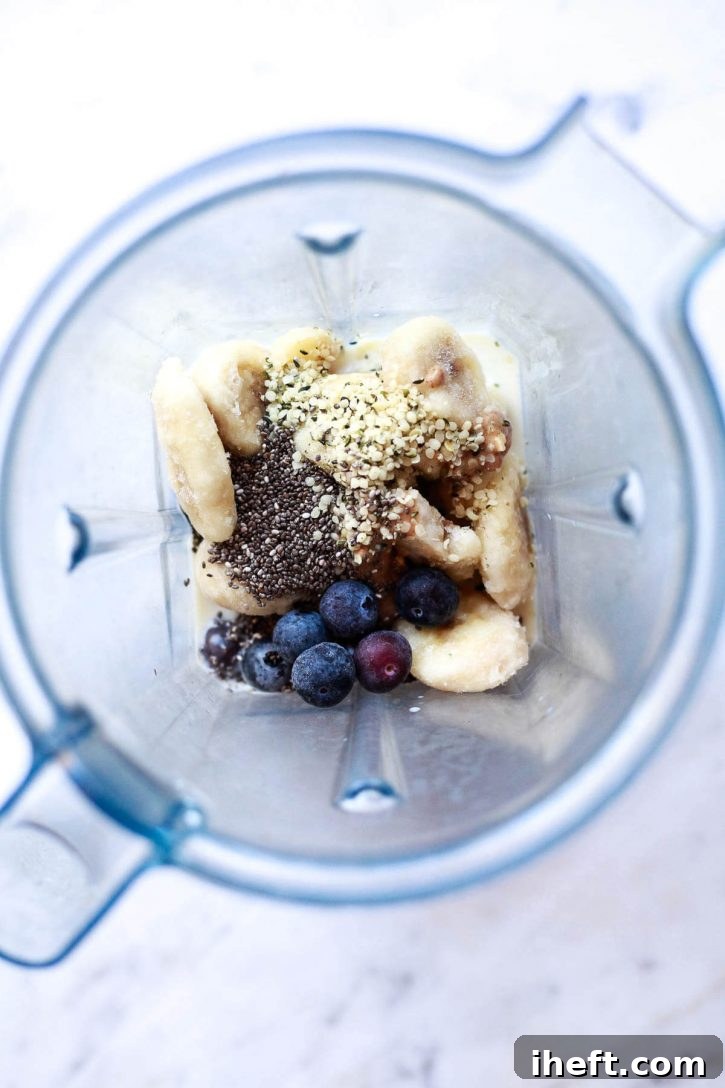
Inviting Nutritious Vegetarian and Vegan Foods into Your Diet
One of the most compelling advantages of shifting towards a primarily plant-based diet, whether vegetarian or vegan, is the natural invitation of an abundance of health-boosting goodness into your kitchen. These diets inherently lead you to explore and integrate a wider variety of nutrient-dense foods.
Well-balanced vegan and vegetarian diets are celebrated for their richness in wholesome, mineral-dense, and vitamin-packed ingredients. These dietary patterns can significantly contribute to a healthy intake of essential nutrients such as iron, calcium, vitamin D, and omega-3 fatty acids. To ensure comprehensive nutrition, particularly for those on a vegan diet, it is crucial to also stock your pantry with B12-fortified foods, like nutritional yeast and enriched plant milks, guaranteeing sufficient levels of this vital vitamin.
To help you get started, here are some essential pantry staples that form the backbone of a vibrant plant-based diet:
- Vegetables: A rainbow of options including spinach, broccoli, Brussels sprouts, zucchini, eggplant, bell peppers, and sweet potatoes.
- Fruits: Juicy berries (strawberries, blueberries), citrus fruits (oranges, lemons), apples, bananas, and yes, avocados are botanically fruits!
- Legumes: Powerhouses like pinto beans, versatile chickpeas, and various lentils (red, green, brown) are excellent sources of protein and fiber.
- Grains: Wholesome choices such as brown rice, quinoa, hearty farro, and comforting oats provide sustained energy.
- Nuts: Nutrient-dense options like walnuts, almonds, pecans, cashews, and Brazil nuts offer healthy fats and protein.
- Seeds: Tiny but mighty, including chia seeds, flax seeds, sesame seeds, and sunflower seeds, are packed with essential nutrients.
Once again, Yummy Mummy Kitchen comes to the rescue! Explore our collection of more than 30 mouthwatering pantry staple recipes, many of which are already vegan or can easily be made vegan with just a few simple ingredient swaps. These recipes demonstrate how incredibly diverse and flavorful plant-based cooking can be.
Tips for Successfully Transitioning to a Plant-Based Diet
Embarking on a vegetarian or vegan journey can be an exciting and rewarding experience. To help make your transition smooth and sustainable, consider these practical tips:
- Start Gradually: You don't have to go all-in overnight. Begin by incorporating one or two plant-based meals a week, or dedicating certain days (like "Meatless Mondays") to vegetarian eating. Slowly expand as you feel comfortable.
- Explore New Recipes: The world of plant-based cuisine is vast and delicious. Don't limit yourself to just salads. Experiment with international dishes, creative meat alternatives, and innovative ways to prepare vegetables. Websites like Yummy Mummy Kitchen offer a treasure trove of inspiration!
- Focus on Whole Foods: Prioritize fruits, vegetables, whole grains, legumes, nuts, and seeds. These nutrient-dense foods will keep you feeling full and satisfied, while providing essential vitamins and minerals.
- Plan Your Meals: Meal planning can prevent impulsive unhealthy choices. Think ahead about your breakfasts, lunches, and dinners, and make sure you have the necessary ingredients on hand. This is especially helpful for ensuring you meet all your nutritional needs.
- Find Plant-Based Swaps: Many traditional dishes can be easily "veganized" or "vegetarianized." Learn about common plant-based alternatives for meat (tempeh, seitan, mushrooms), dairy (nut milks, vegan cheeses), and eggs (flax eggs, tofu scramble).
- Seek Support and Community: Connect with others who are also exploring plant-based eating. Online groups, local communities, or even friends and family can offer encouragement, advice, and shared culinary experiences.
- Be Patient and Kind to Yourself: Dietary changes take time and adjustment. There might be slip-ups, or days when it feels challenging. Remember that it's a journey, not a race. Celebrate small victories and focus on progress, not perfection.
Vegan vs. Vegetarian Diets: A Lasting Note on Personal Choice
Ultimately, whether you choose to embrace a vegetarian or a vegan diet is a deeply personal decision that depends entirely on what feels right for your body, your values, and your lifestyle. At the core of our philosophy, we firmly advocate for a holistic and intuitive approach to food—one that focuses on consuming ingredients that genuinely nourish you and leave you feeling energized, vibrant, and full of life. In something as personal and fundamental as nutrition, there is absolutely no room for judgment or comparison.
Regardless of the specific path you choose to fuel your body, the overarching principle remains the same: cultivate a balanced diet rich in nourishing whole foods. This approach is paramount for boosting your energy levels, strengthening your immune system, and promoting overall well-being. If you also have little ones at home, remember that finding an eating style that suits their developing tastes and nutritional needs might require some experimentation and creativity.
We sincerely hope you thoroughly enjoy exploring the wide and wonderful spectrum of delicious veggie and vegan recipes we have available. May your culinary journey be filled with discovery, joy, and countless flavorful moments!