Unveiling Uni Its Unique Taste and Flavor
Have you ever found yourself in a bustling sushi restaurant, hearing whispers of “uni” from a nearby table, and wondering, “What exactly is uni, and what does sea urchin taste like?” You’re not alone. This unique delicacy, often seen on high-end menus, piques the curiosity of many food enthusiasts.
As a devoted sushi lover, I’ve had numerous encounters with uni during my dining experiences. Observing others order this intriguing item—known as sea urchin in Japanese—sparked my interest in its distinct flavor, diverse culinary applications, and environmental sustainability. My fascination also led to deeper dives into related topics, such as understanding the difference between nigiri vs. sashimi.
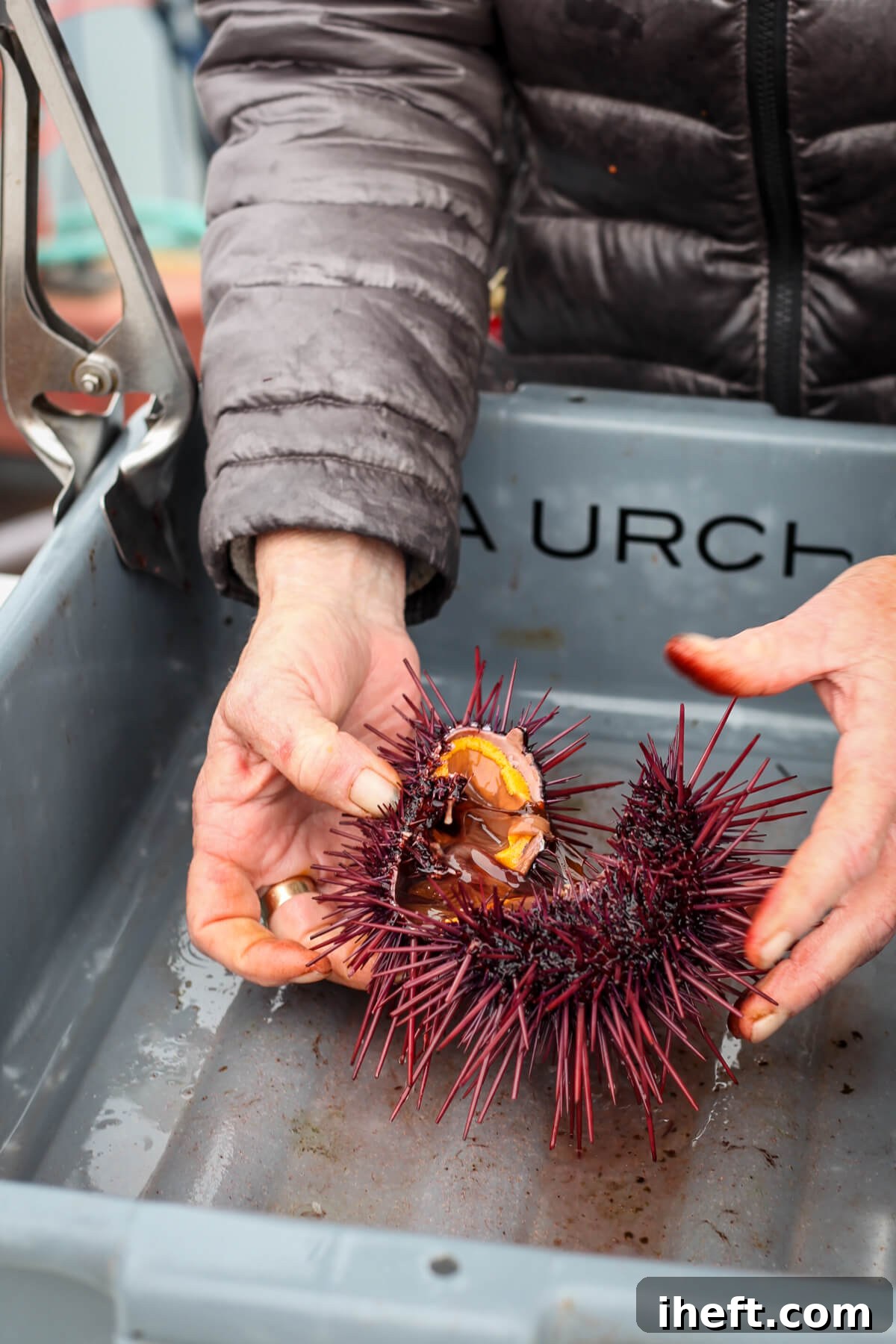
It’s no surprise that uni is a staple in my hometown of Santa Barbara. Santa Barbara uni is celebrated as one of the most highly prized varieties globally, sought after by top chefs and gourmands. Every Saturday morning, the local fishermen proudly present their fresh catches, including an abundance of sea urchins, at the vibrant Fishermen’s Market in the harbor.
Recently, I visited the Fishermen’s Market to delve deeper into the world of uni. This comprehensive guide will explore every facet of this marine delicacy, from its unique taste profile and optimal consumption methods to its biological origins and ethical considerations. Prepare to gain a thorough understanding of how this exquisite ingredient is enjoyed worldwide, gracing plates from traditional Japanese sea urchin sushi to classic Italian Ricci di Mare (Spaghetti with Sea Urchin).
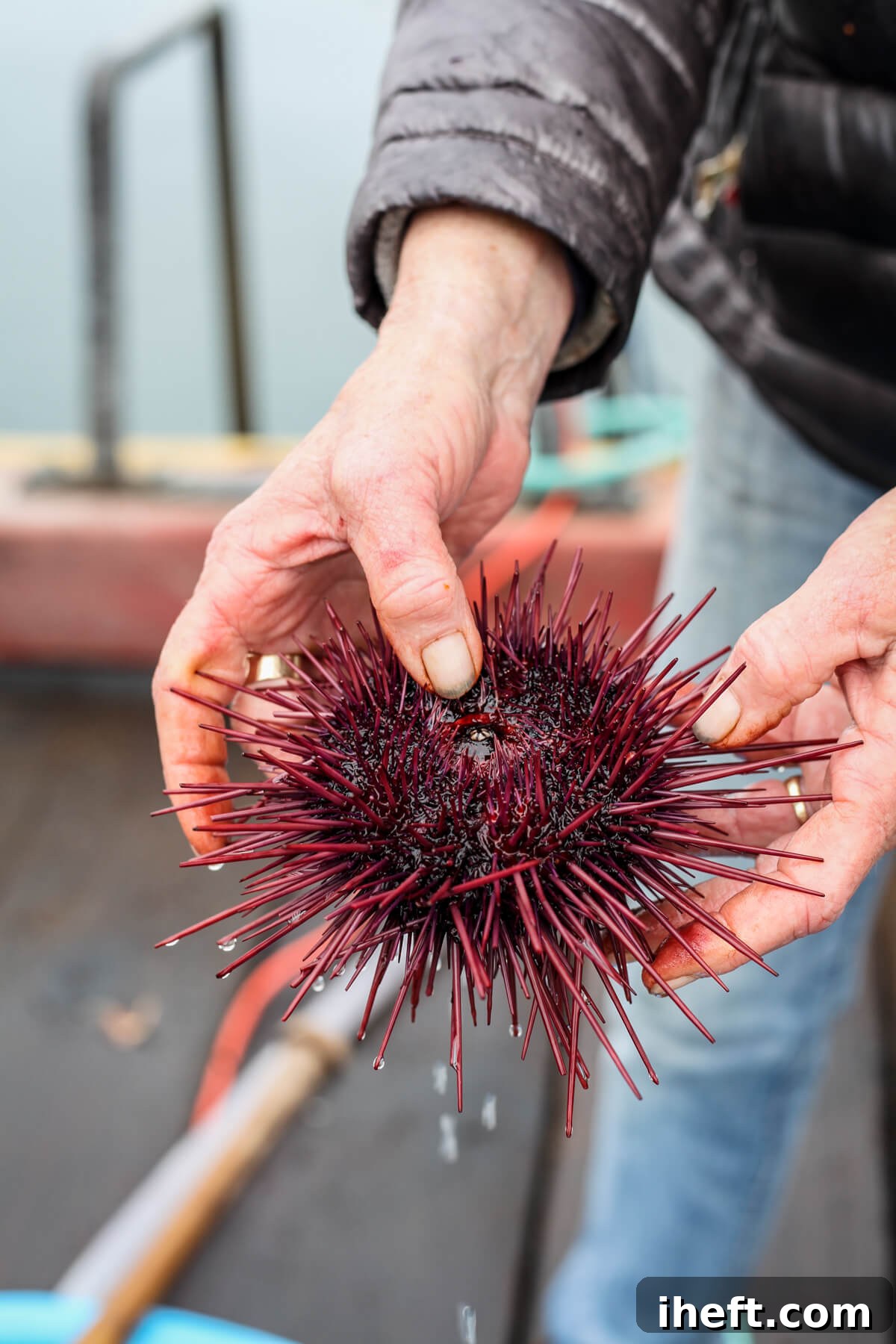
A purple sea urchin at the Santa Barbara Fishermen’s Market.
What Exactly is Uni (Sea Urchin)?
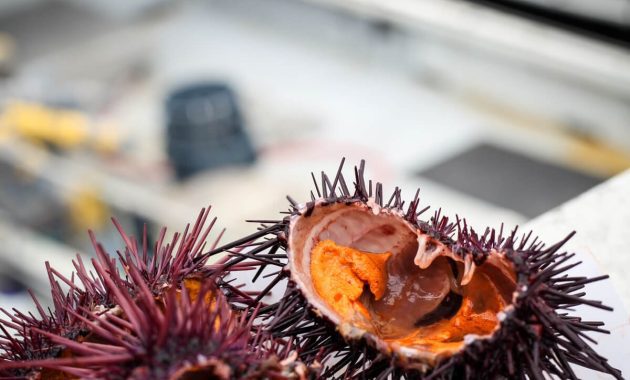
Uni refers to the delectable, edible reproductive organs of a sea urchin, a creature scientifically classified as a globular echinoderm. These fascinating, spiny invertebrates are close relatives of starfish and sea cucumbers, inhabiting the diverse landscapes of the ocean seabed.
Globally, approximately 950 distinct species of sea urchins thrive in our oceans. However, only about 18 of these varieties are deemed edible. Among the commonly consumed species are the red sea urchin and purple sea urchins. These fascinating animals can be found across the world, from shallow shorelines to the deep ocean, often nestled within nutrient-rich kelp beds. It’s crucial to note that sea urchins are exclusively marine creatures; they cannot survive in freshwater environments.
Purple sea urchins, for instance, are abundant along the entire Pacific coast, stretching from Baja California, Mexico, all the way to Alaska. Their diet primarily consists of algae, including vast forests of giant kelp, playing a vital role in coastal ecosystems. Interestingly, one of their main natural predators is the sea otter.
While the exterior of a sea urchin is covered in sharp spines and is inedible, the internal structure yields a surprisingly small, yet highly prized, portion of “meat” suitable for consumption. This treasured edible section of uni is often mistakenly referred to as sea urchin roe (eggs). However, this is a common misconception, even among seasoned food enthusiasts.
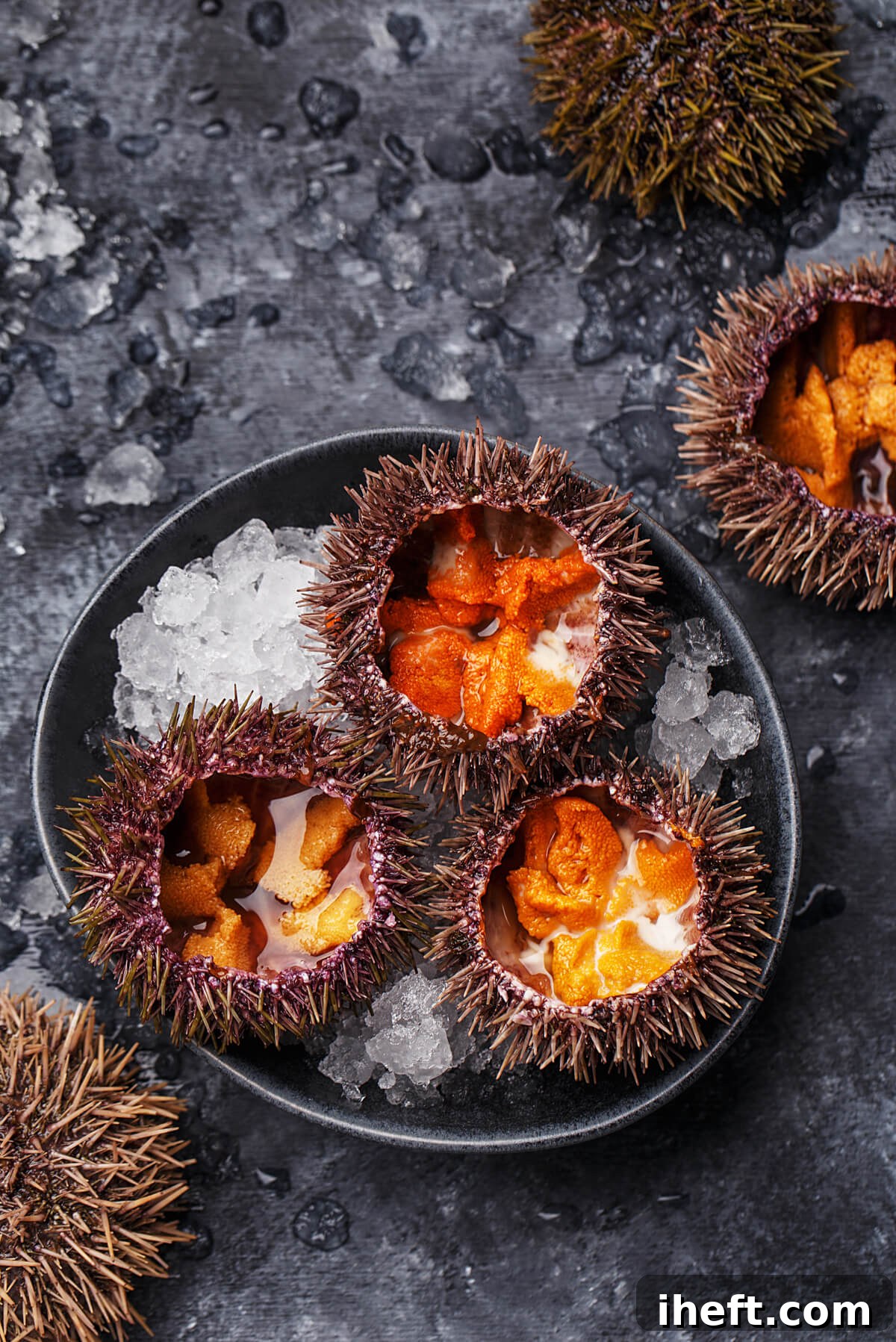
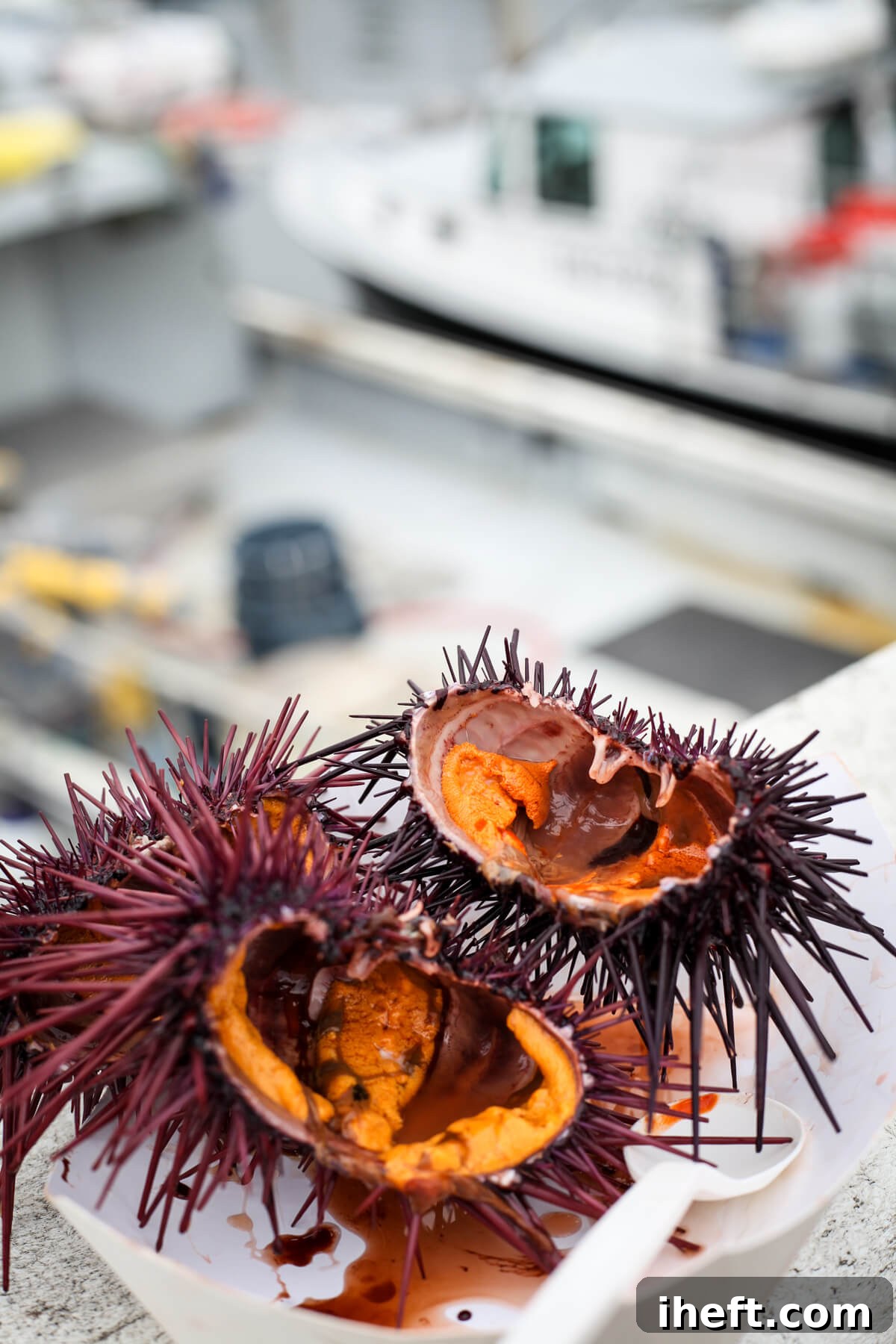
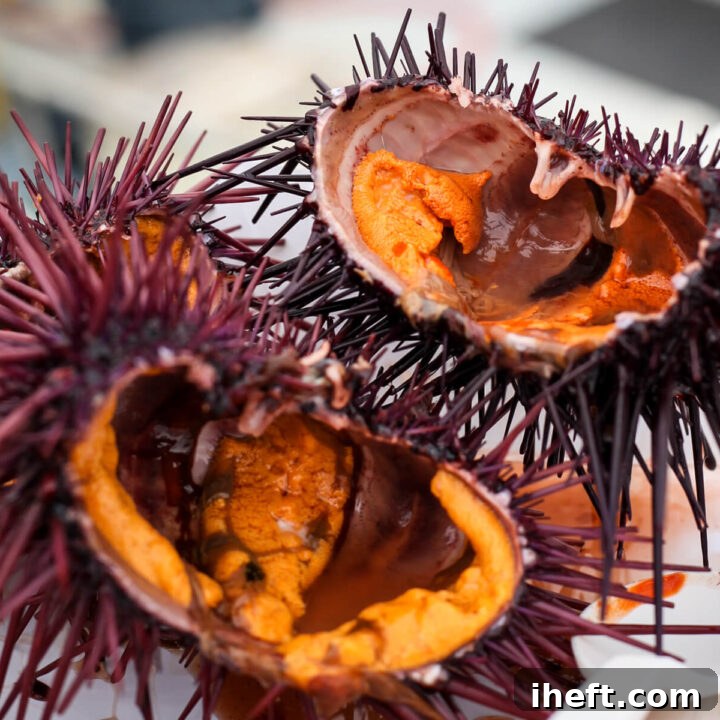
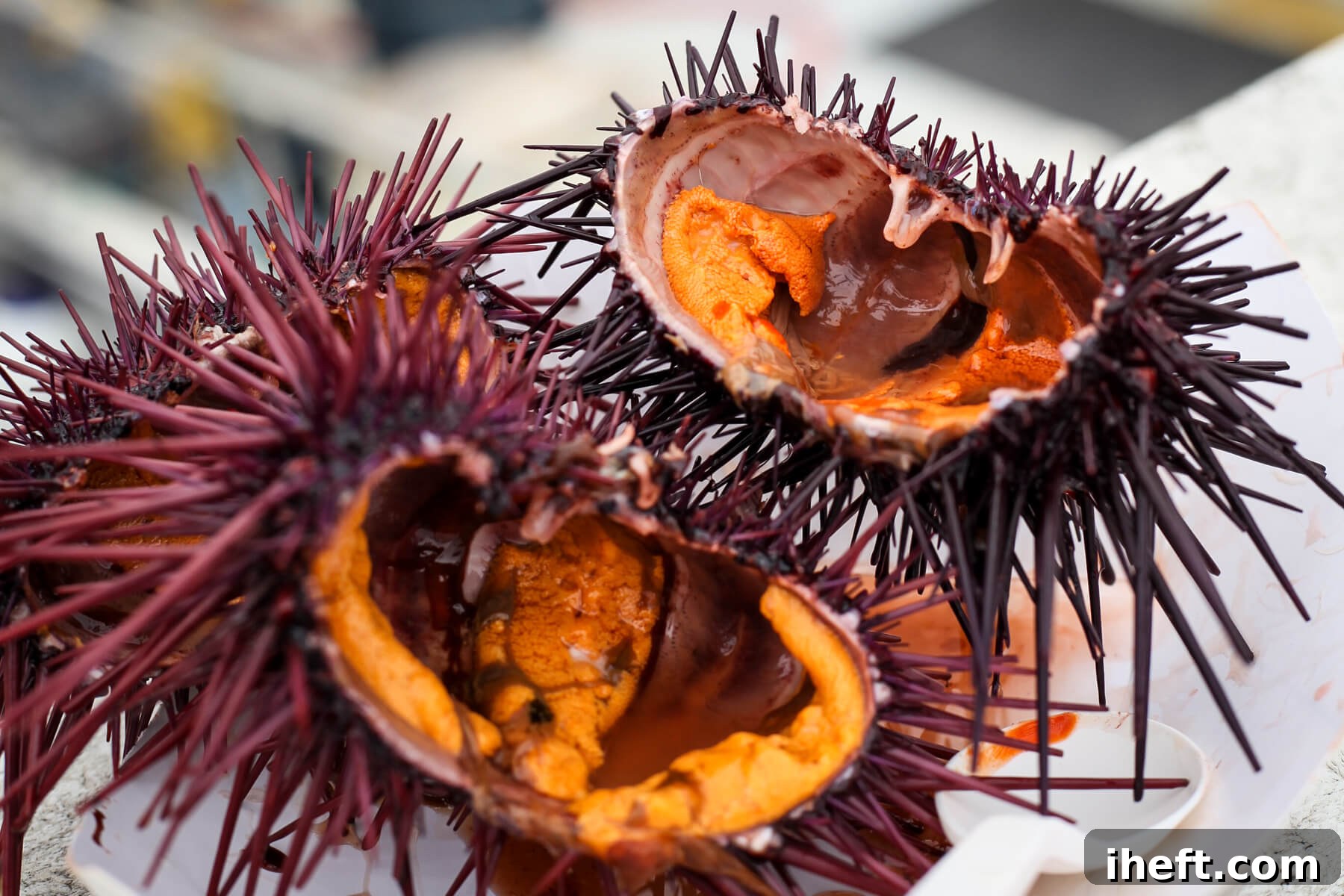
In reality, uni is not the roe itself, but rather the gonads – the sex organs responsible for producing the roe. Inside each sea urchin are five distinct, tongue-like sections of uni, which typically appear as vibrant orange strips. When consumed, these strips possess a luxuriously decadent consistency, often described as a thick, creamy mousse that melts delicately in the mouth.
Uni is frequently lauded as an aphrodisiac, much like other seafood delicacies such as oysters. Its exquisite taste and rarity also contribute to its reputation as an expensive ingredient, though typically not quite as costly as premium truffles or fine caviar. For context, a single fresh sea urchin might sell for around $10 at the Santa Barbara Fishermen’s Market, while a prepared uni shooter can be purchased for $5.
According to traditional wisdom, often echoed by sources like Science Daily, uni is best enjoyed during months that contain the letter “r.” This means the period from September through April is generally considered ideal for savoring fresh uni. During these months, sea urchins are not in their spawning season, ensuring they contain more substantial, flavorful meat. Conversely, out-of-season uni, typically from May through August, often develops a watery and less desirable taste. Therefore, to truly appreciate this delicacy, it’s best to avoid consuming it during the summer months.

Ethical and Dietary Considerations of Consuming Uni
For individuals adhering to vegan or vegetarian diets, sea urchins would typically be excluded from their consumption, as uni is derived from an animal. It does not align with either of these plant-based dietary principles. However, for those whose plant-based choices are primarily driven by concerns about animal sentience, it’s worth noting that sea urchins lack a centralized brain and nervous system as understood in higher organisms. This biological fact can sometimes influence personal ethical decisions.
On the other hand, if you follow a pescatarian diet, which includes fish and seafood but excludes other meats, you can enjoy uni without conflicting with your dietary philosophy or moral stance. As I’ve discussed in previous articles concerning the consumption of specific animals or animal products (such as oysters), the decision to consume uni is often a deeply personal one. It’s rooted in individual morals, lifestyle choices, and a nuanced understanding of where one’s food originates. These are rarely black-and-white issues, emphasizing the importance of informed choices about your food sources.
The Sustainability of Sea Urchin: Challenges and Solutions
When it comes to the sustainability of uni, the picture is unfortunately complex. Historically, wild-caught sea urchins have been subjected to massive overharvesting in many parts of the world. An alarming estimate suggests that around 50 million tons of uni are collected annually, a practice that has led to a drastic decline—approximately 90% of the global urchin population in some areas. Despite each sea urchin’s capacity to produce several million eggs at a time, consuming uni sourced from overfished oceans contributes significantly to the depletion of this vital marine animal.
On a more positive note, the method of harvesting sea urchins often involves scuba divers hand-picking individual urchins from the seabed. This highly selective and labor-intensive approach is considered one of the most sustainable fishing methods, as it minimizes bycatch and habitat damage. In recent years, a growing number of fisheries have begun to adopt more sustainable practices. These include implementing stricter regulations on sea urchin harvests and establishing quotas to protect and allow populations to recover.
Innovative solutions are also emerging. Stephen Watts, a scientist in Alabama, has reportedly developed a method for cultivating lab-grown sea urchins. This advancement not only offers a promising solution to the issue of overharvesting but also allows for controlled feeding of the uni. By altering their diet, he can potentially modify the flavor profile of farmed uni, perhaps yielding a richer, more umami-packed taste compared to their ocean-dwelling counterparts.
However, the issue of overfishing is not uniform across all regions. Paradoxically, California faces an entirely different problem. One of the primary natural predators of purple sea urchins is the sea otter, which is currently an endangered species. The decline in sea otter populations has led to an uncontrolled “explosion” of purple sea urchins. These proliferating urchins, in turn, decimate coastal kelp forests, which are crucial ecosystems providing habitat and food for countless marine species. This imbalance highlights the intricate and often delicate nature of marine ecosystems.
What Does Uni Taste Like? A Culinary Exploration
The flavor of uni is truly in a league of its own. It boasts a rich, thick, and creamy texture that melts on the palate, harmoniously accented by a sweet, buttery flavor. This decadent profile is often underscored by a delicate aroma of fresh, salty ocean water. Unlike many other types of shellfish, uni is remarkably soft and dissolves almost instantly in the mouth, leaving a lingering, luxurious sensation.
Uni possesses a very distinct flavor and texture, which many consider an acquired taste. Like most high-quality seafood and shellfish, fresh uni should never taste “fishy.” Instead, its taste should evoke the pristine essence of the sea itself. It delivers a prominent umami flavor, a savory depth that is beautifully complemented by its natural saltiness.
It’s important to note that the flavor of uni can vary significantly based on its origin. The specific species of sea urchin, the water quality, and even its diet all contribute to regional differences in taste. Furthermore, other factors such as the freshness of the uni at the time of consumption and even the gender of the sea urchin can subtly influence its nuanced flavor profile, making each tasting experience unique.
How to Eat Sea Urchin: Savoring the Delicacy
Now that you’re well-versed in what uni is and its intriguing taste, you might be wondering about the best ways to enjoy it. One of the most prevalent and classic presentations of uni is as part of sushi, a method we’ll delve into in more detail below.
For those eager to experience the purest, unadulterated flavor of uni, I highly recommend trying it served raw, directly from the shell. A squeeze of fresh lemon juice or a dash of your favorite hot sauce can enhance its natural sweetness and vibrancy. Other popular raw preparations include uni shooters or as nigiri. If you find yourself in the beautiful coastal city of Santa Barbara, I suggest visiting the Fishermen’s Market and seeking out local uni fishermen like Harry and Stephanie. They are often happy to demonstrate how to expertly open and prepare fresh uni, allowing you to savor it like a true connoisseur.
Do You Eat Uni Raw or Cooked?
Uni is most traditionally and widely enjoyed raw, as this method best preserves its delicate texture and complex flavor profile. However, sea urchin can certainly be cooked, and many cultures incorporate it into hot dishes. If you develop an appreciation for cooked uni, you’ll likely find it delightful when blended into a rich pasta sauce, where its creamy texture can truly shine.
For those seeking the freshest possible flavor, eating uni directly from the shell is unparalleled. Before consumption, the essential first step involves thoroughly rinsing the sea urchin meat. This crucial process helps to eliminate any lingering sand or gritty particles, ensuring a smooth and pleasant texture when eaten straight from its natural casing.
How Is Uni Used in Cooking?
Uni’s versatility in the kitchen is surprising, pairing exceptionally well with a range of other seafood and various pasta dishes. The general process for preparing sea urchins for culinary use begins with careful cleaning of the uni.
To access the precious meat, chefs typically make a precise cut through the bottom of the sea urchin’s shell, opposite its spiny exterior. There is usually a small, distinct circular area underneath that can be carefully cut around. Once the incision is made, it’s essential to drain any internal liquid. Following this, the remaining outer shell is meticulously removed.
Using a spoon, culinary professionals will gently scoop each of the five uni sections from the shell. These delicate pieces are then rinsed thoroughly in either fresh water or saltwater to remove any remaining debris or impurities. After this meticulous cleaning, the uni meat is ready to be enjoyed raw or incorporated into a myriad of exquisite dishes.
Popular Uni Recipes and Culinary Applications
The culinary applications of uni are incredibly diverse, varying significantly across different global cuisines. In Mediterranean cuisine, for instance, sea urchin is often served elegantly on crostini or masterfully blended into creamy pasta sauces. In Japan, its primary use is typically raw, often accompanied by sushi rice. Below, you’ll find an overview of some of the most celebrated and popular sea urchin dishes enjoyed around the world.
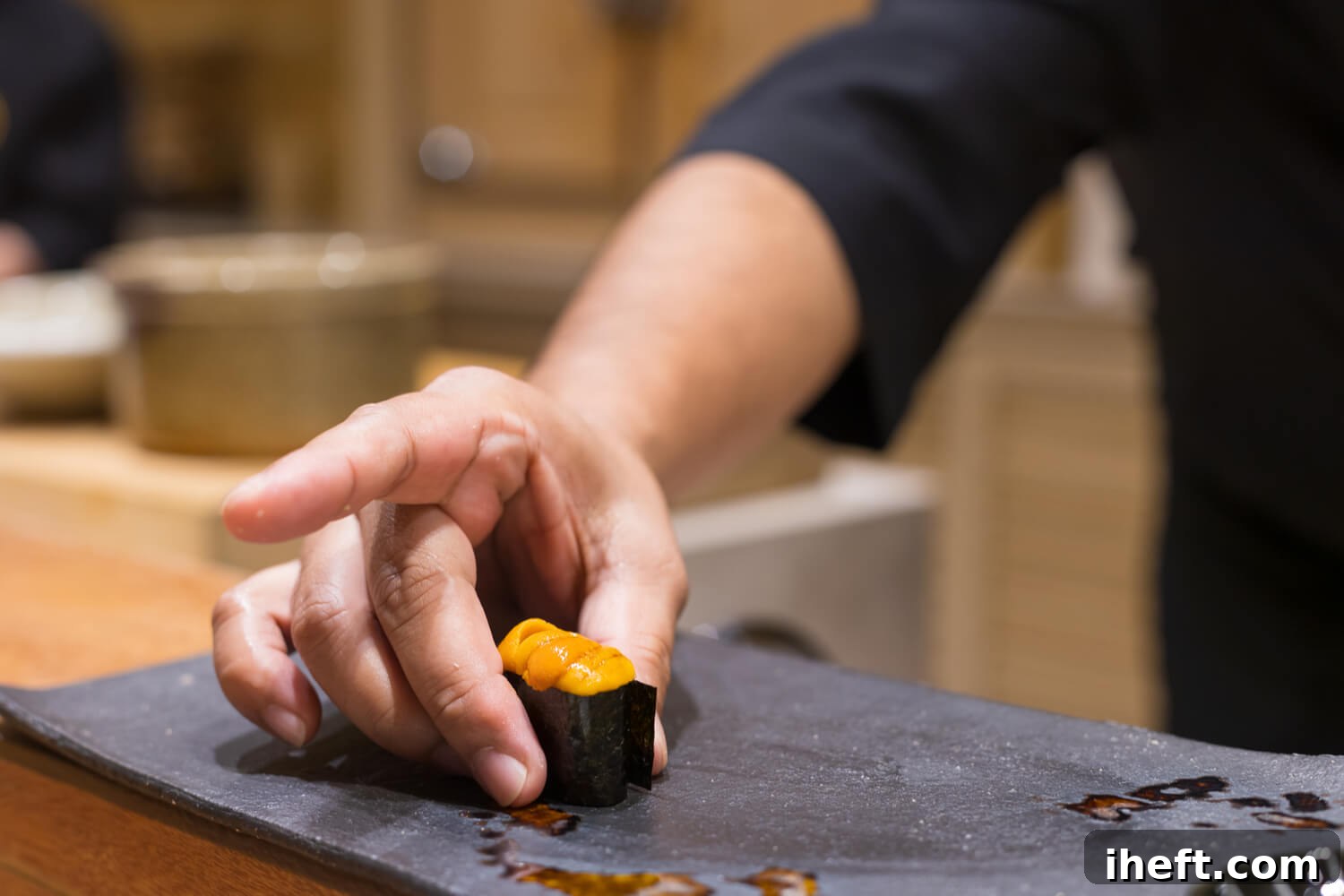
Sea Urchin Sushi (Uni Nigiri)
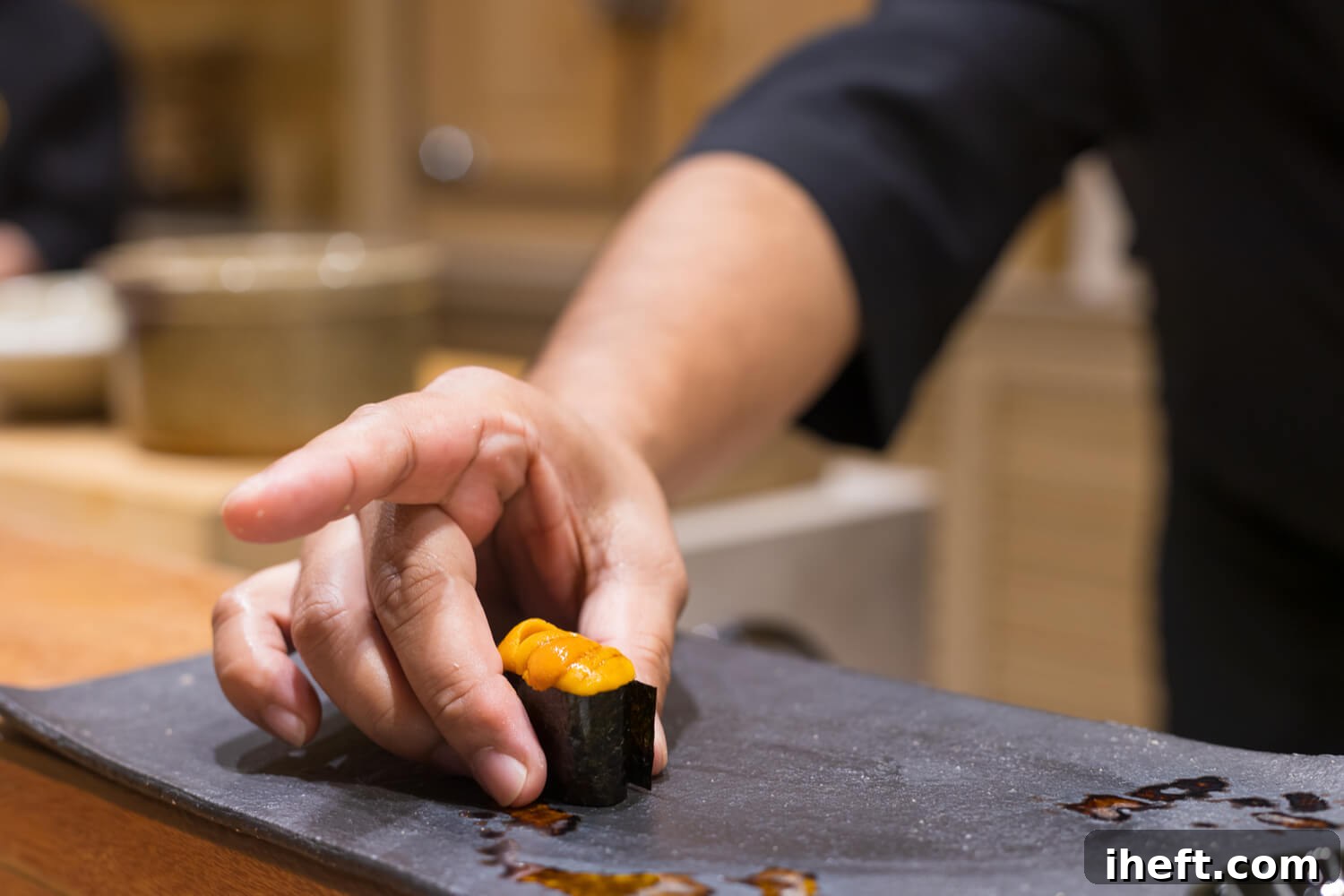
Leading the list of popular uni dishes is sea urchin sushi. This preparation stands as one of the most traditional and common ways to enjoy uni, both in Japan and at sushi restaurants globally. Typically, uni appears on menus as nigiri, which features a small, perfectly seasoned bundle of sushi rice topped with a single, glistening strip of uni. This minimalist uni recipe is highly favored because it allows the diner to fully appreciate the uni’s inherent richness and its distinctive custard-like consistency, without the distraction of overly strong sauces or seasonings.
The only common additional ingredient found in uni nigiri is a minuscule dab of wasabi, carefully placed between the uni piece and the rice. It is standard practice to include a small amount of wasabi on nigiri sushi; its subtle heat is believed to enhance and bring out the nuanced flavors of the fish, or in this particular case, the delicate notes of the uni.
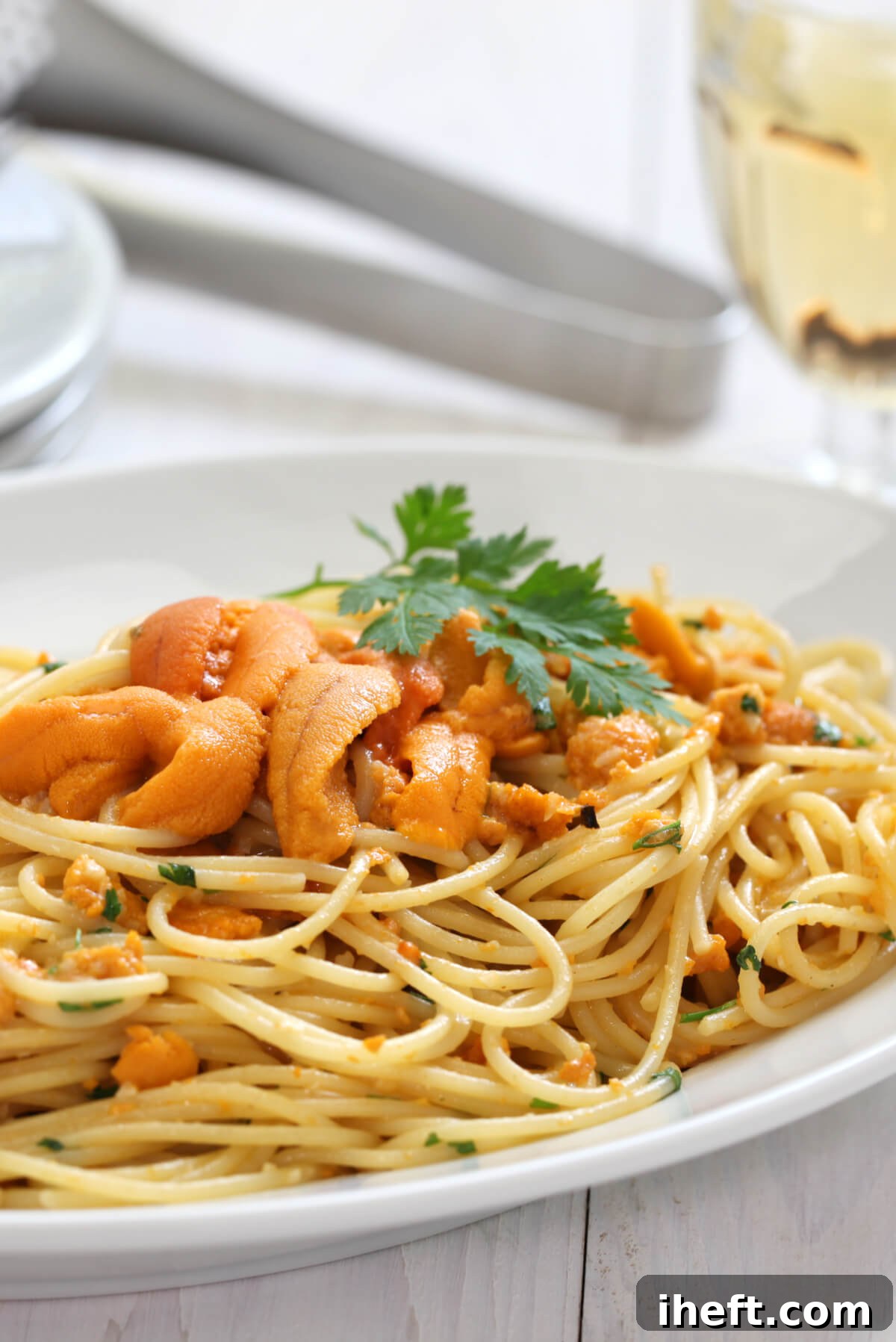
Uni Pasta (Spaghetti ai Ricci di Mare)
Spaghetti ai Ricci di Mare, or Spaghetti with Sea Urchin, is a highly cherished pasta dish predominantly found in the coastal regions of Southern Italy, including Campania, Sicily, Sardinia, and Puglia. This exquisite and creamy seafood pasta dish is often prepared with a harmonious blend of fresh garlic and either white wine or lemon, which complements the delicate, briny notes of the uni beautifully.
Uni Shooters
Much like their oyster counterparts, uni shooters offer a quick and potent burst of flavor. They are typically a delightful combination of fresh, raw sea urchin meat and complementary flavorings. At the Santa Barbara Fishermen’s Market, for instance, uni shooters are sold for $5 each and are crafted with fresh uni, vibrant finger lime, and a savory ponzu sauce. Local uni fisherman Harry also famously recommends preparing them with a splash of tequila for an adventurous twist.
Uni Butter
Sea urchin is increasingly gaining popularity in the US culinary scene, with many trendsetting restaurants incorporating rich uni butter into both appetizers and main courses. This luxurious spread typically combines creamy butter, fresh uni, a touch of lemon juice, and a pinch of salt. Its versatility allows it to be used in various delectable ways, from a sophisticated spread on a crispy cracker to a decadent dollop melting atop a perfectly cooked NY strip steak. You might even discover upscale establishments offering a pasta dish that utilizes uni butter as its base, providing a unique and intensely flavorful alternative to traditional uni pasta sauce.

Where to Try Sea Urchin (Uni)
Armed with your newfound knowledge of uni, including its fascinating origins, unique flavor profile, and diverse culinary uses, you can now confidently approach any sushi restaurant and order sea urchin without hesitation. While the rich, creamy taste of uni might be an acquired preference for some, it undeniably represents a unique and unforgettable culinary experience that many aspire to try at least once in their lifetime. If you feel apprehensive about preparing or cooking uni at home, starting with a restaurant experience is an excellent way to introduce your palate to this exquisite delicacy.
For those who do not reside in a coastal area but wish to enjoy uni, there are convenient options available. You can order a tray of meticulously cleaned, fresh uni, perfect for making your own sushi at home. Alternatively, frozen uni is also available, which works wonderfully for incorporating into various cooked dishes and sauces.
How to Eat Uni Sea Urchin
5 minutes
5 minutes
Have you wondered, “What does uni taste like? or how to eat live sea urchin? Here’s how to eat uni sea urchins a few different ways. Uni is a delicacy enjoyed in Japanese cuisine and Mediterranean, in different ways. Santa Barbara Sea Urchin is very popular in my hometown and all along the Pacific coast.
Ingredients
- 1 large live purple sea urchin (Uni)
- fresh lemon or lime wedge
- hot sauce
Instructions
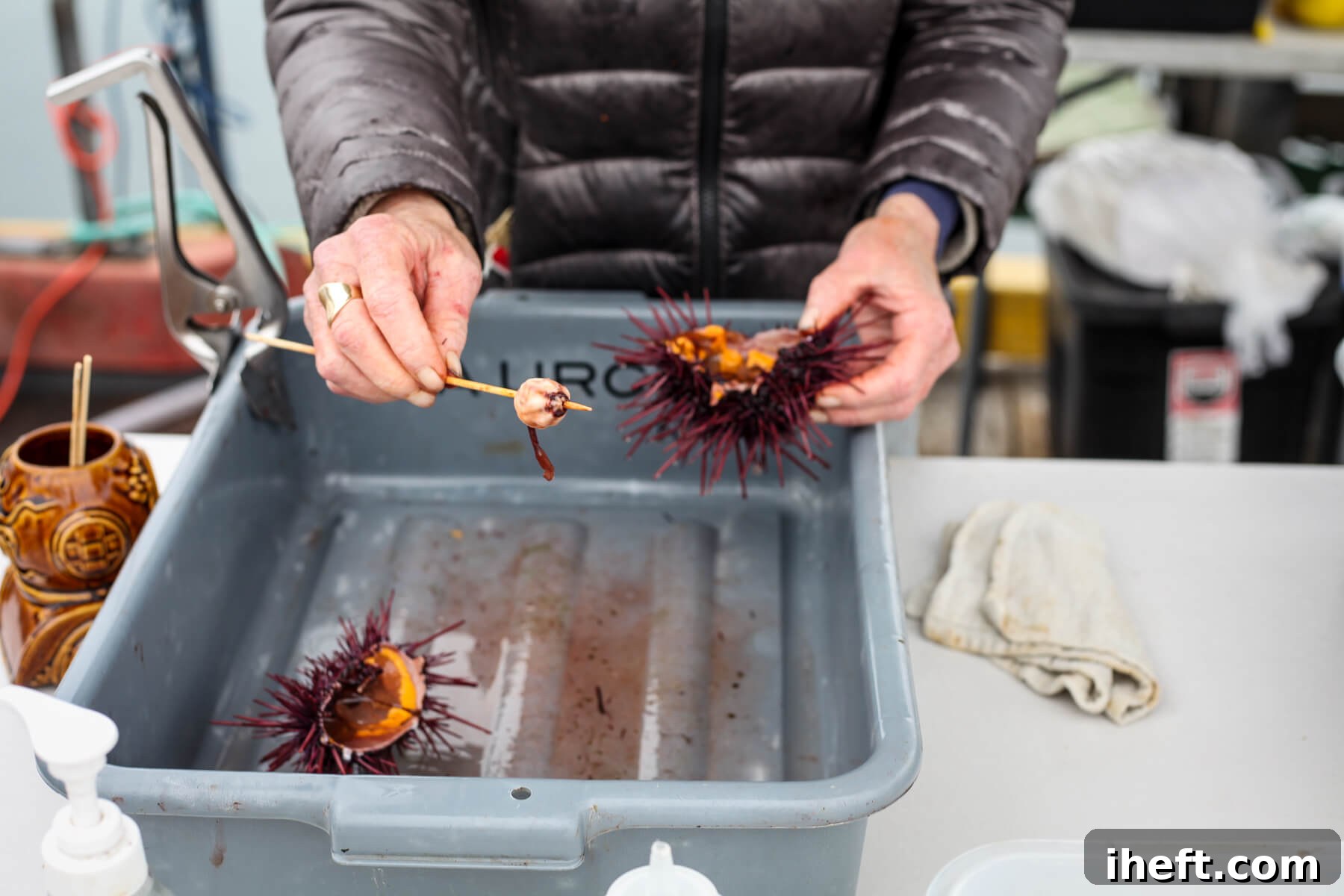
- 1. You may want to use gloves to protect your hands from the sea urchin’s spines. Turn your live sea urchin upside down so that its mouth is facing up. Use kitchen shears to cut around and remove the mouth.

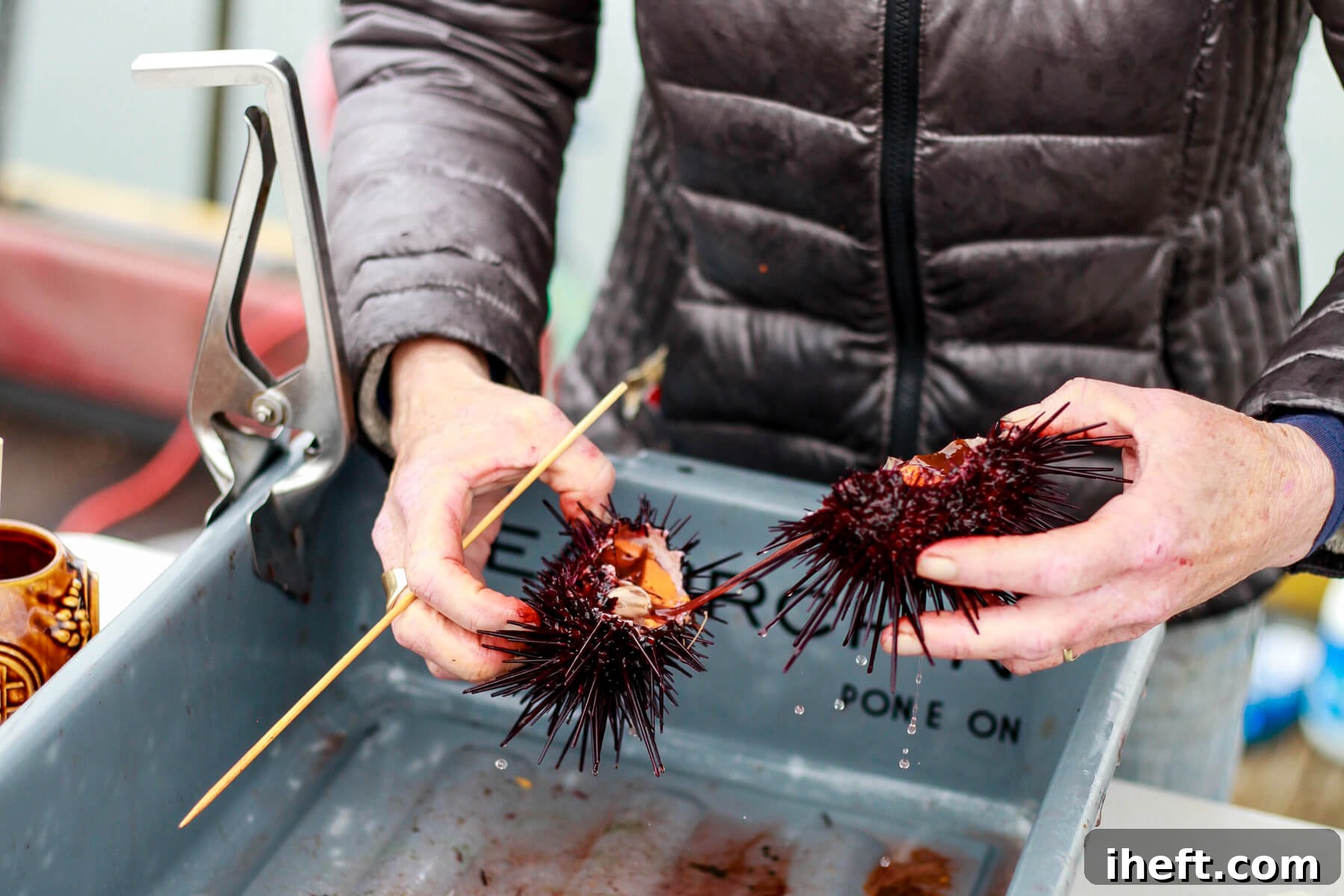
- Use your shears to cut the sea urchin in half. Alternatively, you can use two spoons back-to-back to crack it right open.
- Let the water pour out of the urchin. You will notice a black goop inside, which is partially digested sea urchin food. Use a wooden skewer or chopstick to clean this out so that just the orange “meat” remains in the shell.
- Use a spoon to carefully lift the uni from the shell. Add a squeeze of lemon and/or hot sauce to enjoy fresh and raw uni right out of the shell.
- Alternatively, add pieces of raw fresh uni to small pieces of sushi rice to make uni sushi and serve right away with soy sauce. See notes for more serving suggestions for eating sea urchin.
Notes
If you don’t want to deal with opening and cleaning a sea urchin, you can buy trays of cleaned uni at fishmarkets.
What does Uni Taste Like?
Fresh uni should have a salty ocean water aroma, creamy custard-like texture, and sweet butterfly flavor.
Uni Recipes
Uni goes well with Japanese cuisine, or other seafood, especially Mediterranean pasta dishes and caviar.
1. Uni Sushi: Add fresh uni meat onto small pieces of rice to make nigiri sushi.
2. Sea Urchin Pasta: Add into seafood pasta or spread onto crostini for a Mediterranean take.
3. Uni Shooters: Place a piece of fresh uni meat into a glass and top with a little tequila and lime.
4. Uni Crostini: Place a piece of uni meat on a slice of toasted baguette and garnish with sliced chives.
5. Uni Don: Make a sea urchin rice bowl. Fill a bowl with one serving of rice and place the uni on top. Serve with wasabi and soy sauce, and any other toppings you’d like.
Thank you to Stephanie and Harry for educating me on Santa Barbara Uni at the Fishermen’s Market!
Nutrition Information:
Yield: 1
Serving Size: 1
Amount Per Serving:
Calories: 88Total Fat: 2gSaturated Fat: 0gTrans Fat: 0gUnsaturated Fat: 1gCholesterol: 25mgSodium: 60mgCarbohydrates: 18gFiber: 4gSugar: 4gProtein: 6g
Nutrition information is automatically calculated by Nutritionix. I am not a nutritionist and cannot guarantee accuracy. If your health depends on nutrition information, please calculate again with your favorite calculator.