Unraveling the Tea Types High Afternoon and Cream
In the rich tapestry of British culture, tea time transcends a mere beverage break, evolving into a cherished ritual steeped in history and elegance. Yet, for many, navigating the nuances of English tea traditions can be a delightful puzzle. Terms like “Afternoon Tea,” “High Tea,” and “Cream Tea” are often used interchangeably, leading to confusion. This comprehensive guide aims to unravel these distinctions, offering a clear understanding of what each experience entails, its historical context, and how you can partake in these delightful customs. Prepare to embark on a journey through the captivating world of British tea.
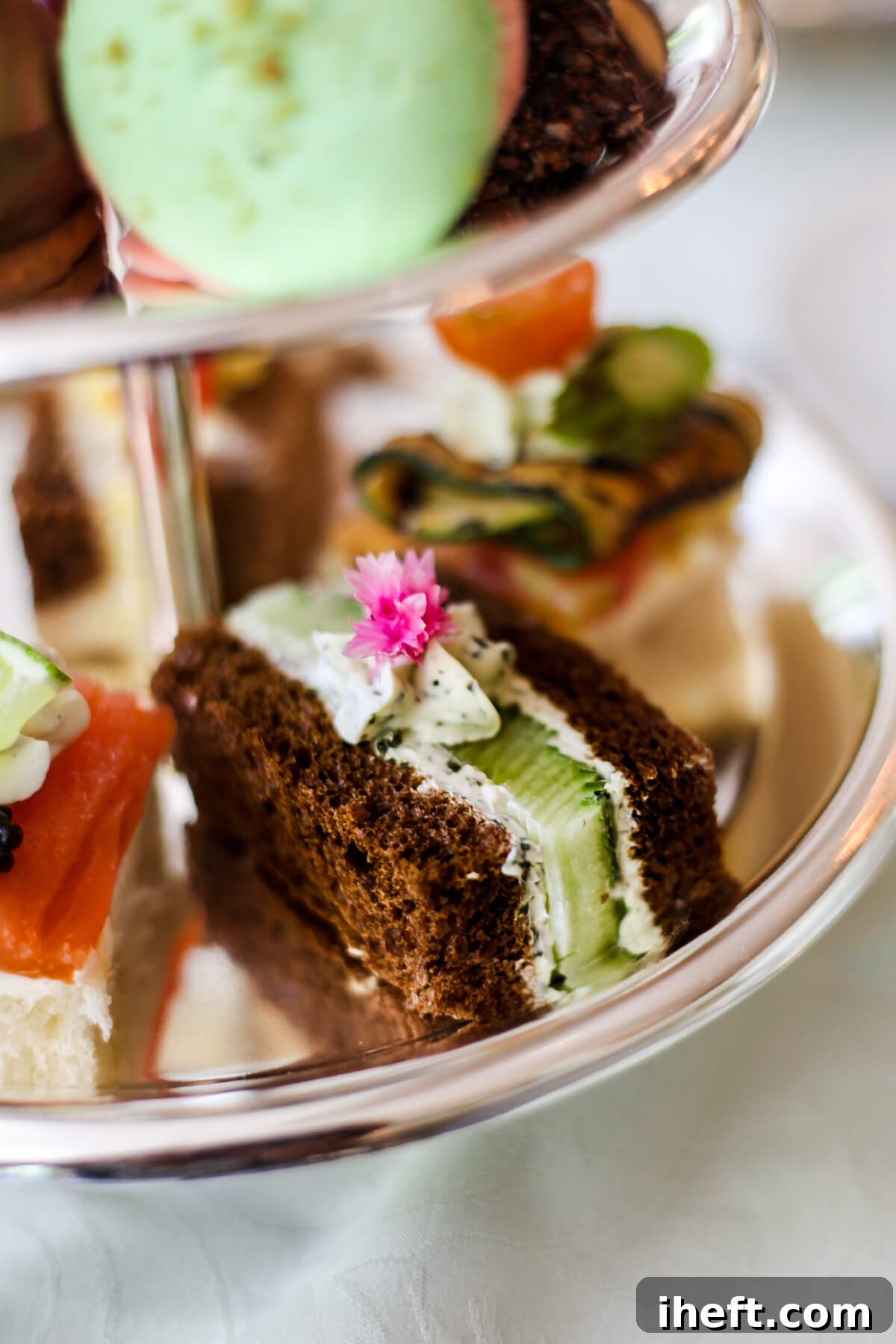
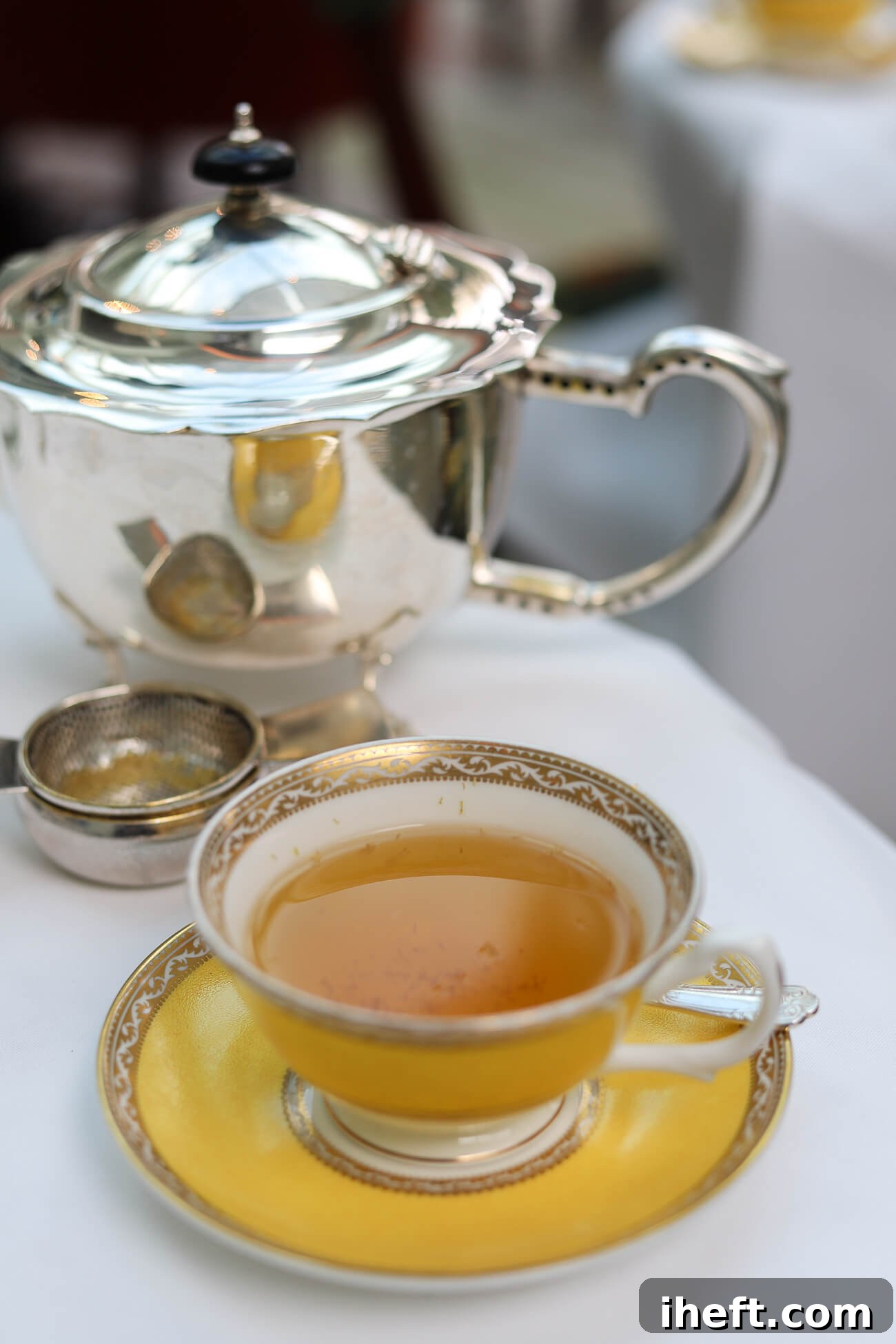
An exquisite Afternoon Tea experience at the Peninsula Beverly Hills.
The Quintessential Afternoon Tea: An Elegant Affair
Afternoon Tea, the experience most commonly — and mistakenly — referred to as “high tea” by many outside the UK, is in fact a sophisticated and leisurely social event. It is an occasion for refinement, delicate flavors, and engaging conversation, typically enjoyed in the late afternoon.
Historical Roots of Afternoon Tea
The origins of Afternoon Tea are frequently attributed to Anna, the 7th Duchess of Bedford, in the mid-19th century. Lore suggests that the Duchess found herself experiencing a “sinking feeling” in the late afternoon, a considerable gap between lunch and the fashionable late dinner of the era. To quell her hunger, she began taking a pot of tea and light snacks in her private drawing room. This private ritual soon evolved into a social gathering as she invited friends to join her. While her role in popularizing the custom is undeniable, historical records indicate that afternoon tea was being served in English spa towns like Bath as early as the 1750s and 60s, predating the Duchess’s purported innovation. Regardless of its exact genesis, Afternoon Tea quickly became a beloved Victorian tradition among the upper and middle classes, solidifying its place as a symbol of British elegance.
The Afternoon Tea Experience
An Afternoon Tea is a formal affair, often requiring reservations, particularly at prestigious venues. Guests are typically seated at low tables in comfortable lounge chairs or sofas, reflecting its origins as a relaxed, intimate gathering. The service itself is elaborate, featuring pristine white tablecloths, gleaming silver tea sets, and delicate china cups. The atmosphere is one of genteel leisure, making it a popular choice for celebrations, special occasions, or simply a luxurious treat.
What’s on the Menu for Afternoon Tea: A Culinary Delight
The centerpiece of Afternoon Tea is a beautiful tiered stand, laden with a delightful array of sweet and savory delicacies. Each tier offers a distinct component of this culinary journey:
- Tea Selection: The foundation of the experience is a generous pot of freshly brewed, loose-leaf tea. Options typically range from traditional black teas like Earl Grey and Darjeeling to green teas, herbal infusions, and specialty blends. Guests are usually offered milk or a slice of lemon to complement their chosen brew.
- Champagne (Optional): Many modern establishments offer the option to elevate the experience with a glass of champagne or sparkling wine, adding a celebratory touch that, while not traditional, has become a popular enhancement.
- Scones: Traditionally served on the middle tier, warm scones are a non-negotiable component. They are typically plain or fruit (currant) scones, though some venues introduce savory variations like cheddar and chive. They are accompanied by generous servings of rich clotted cream (the debate between Cornish and Devon methods of applying cream vs. jam first is a classic British topic!) and high-quality preserves, most commonly strawberry or raspberry jam.
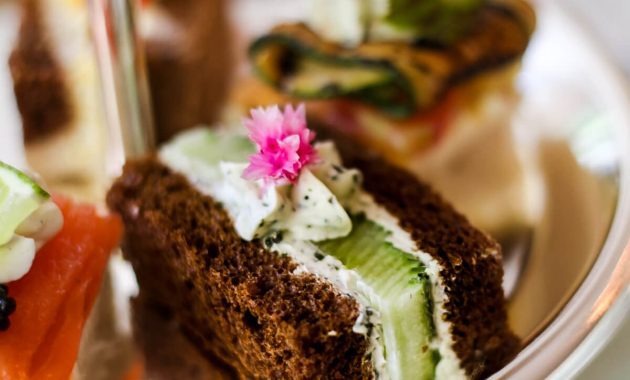
- Finger Sandwiches: The bottom tier presents an assortment of delicate, crustless finger sandwiches. These are designed to be easily handled and enjoyed in a few bites. Classic fillings include refreshing cucumber and cream cheese, savory smoked salmon, creamy egg mayonnaise and cress, and the distinctly British coronation chicken.
- Small Desserts & Pastries: The top tier is a tempting display of miniature pastries, petit fours, tarts, and cakes. These exquisite creations are a testament to the pastry chef’s artistry, offering a sweet conclusion to the savory and scone courses.
Where to Indulge in the Best Afternoon Tea
Afternoon Tea is a global phenomenon, but its heart remains in the UK and in establishments that uphold its grand tradition. Here are some renowned places:
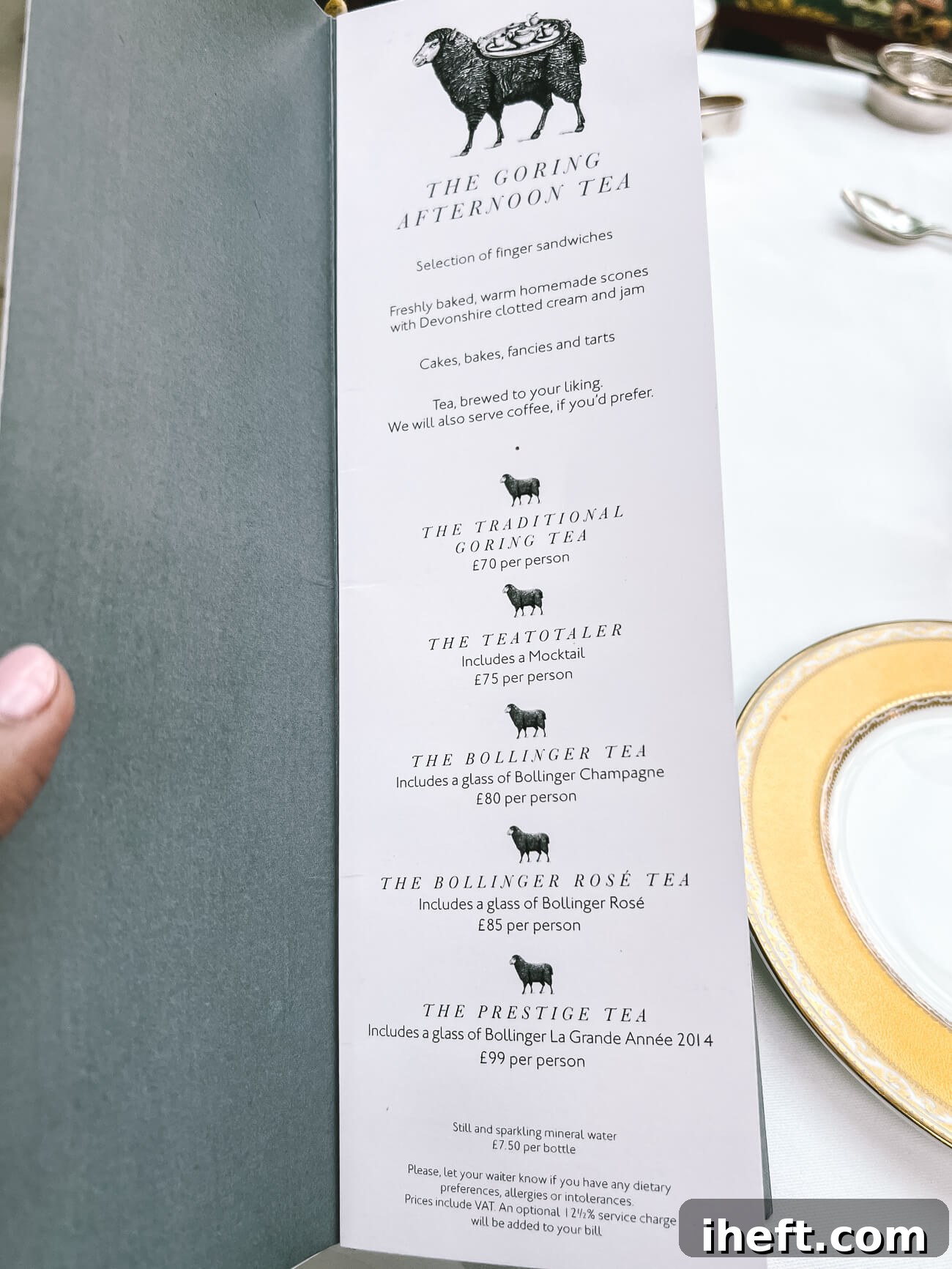
- London: The Ritz, known for its opulent setting and strict dress code; Harrods Tea Rooms, offering a lavish experience within the iconic department store; Fortnum & Mason, a historic grocer famous for its teas; The Goring, a royal favorite; and Peggy Porschen, for a more whimsical, pastel-hued experience.
- Los Angeles: The Peninsula Beverly Hills, known for its impeccable service and elegant ambiance.
- New York City: The Palm Court at The Plaza, an iconic venue offering a quintessential New York tea experience, including the popular Eloise-themed tea.
- Santa Barbara: Simpson House Inn and Belmond El Encanto, both offering luxurious and picturesque settings for a refined tea service.
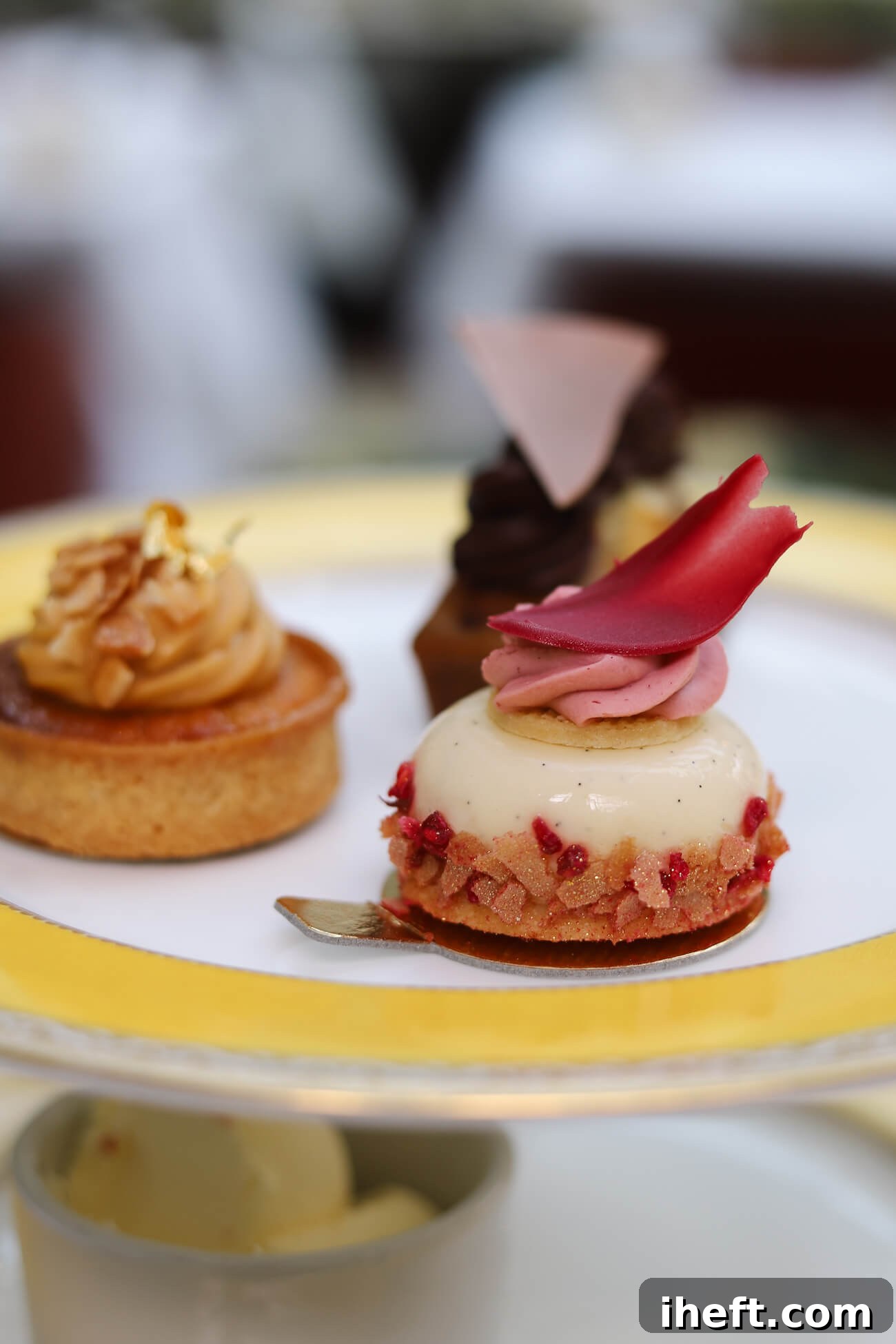
A glimpse of the delectable desserts served during Afternoon Tea at The Goring Hotel in London.
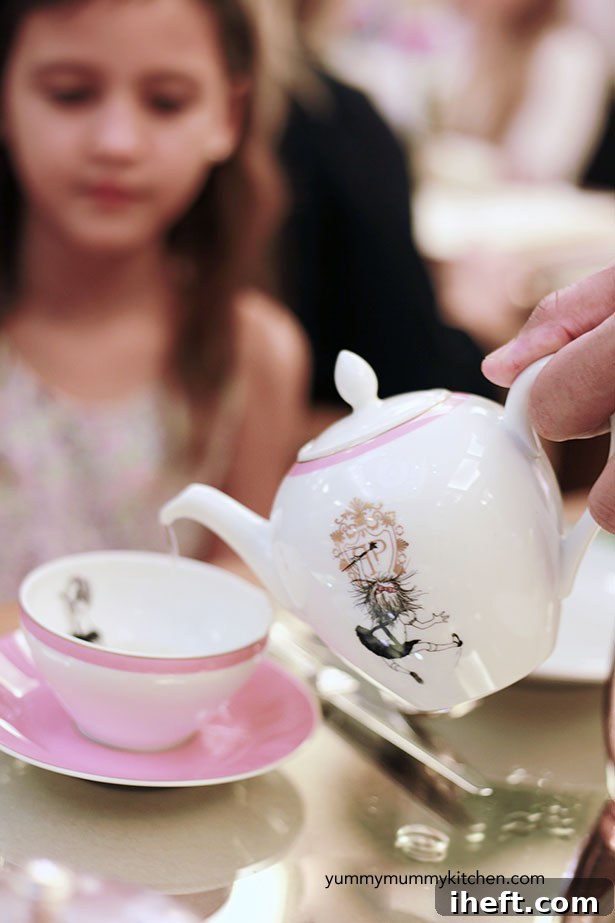
The enchanting Eloise Afternoon Tea experience at the Plaza Hotel in New York City.
Cream Tea: A Simple, Charming Interlude
For those seeking a more relaxed yet authentic British tea experience, Cream Tea offers a delightful alternative. Also known as Devon or Devonshire Tea, this tradition is a simpler, more pared-down affair compared to the elaborate presentations of Afternoon Tea.
The Essence of Cream Tea
Cream Tea is essentially a compact version of the scone course from Afternoon Tea. It embodies British hospitality in its most understated and comforting form. Unlike Afternoon Tea, which often requires formal attire and advance reservations, Cream Tea is typically a spontaneous treat. You can often “pop into” a local cafe, tearoom, or garden center in the UK and order a Cream Tea without much fuss, making it an accessible and affordable way to enjoy this beloved tradition. It’s also significantly less expensive than a full Afternoon Tea, usually costing under £10.00 in London.
What’s on the Menu for Cream Tea: Simplicity and Quality
The beauty of Cream Tea lies in its focus on a few, high-quality ingredients:
- Tea: A steaming pot of your preferred tea, traditionally a robust black tea, served with milk or lemon according to taste.
- Scones: One or two freshly baked scones, typically plain or fruit (raisin/currant). The warmth of the scone is crucial for the perfect experience.
- Clotted Cream: This is the star ingredient. Authentic Devon or Cornish clotted cream, with its rich, thick, and almost buttery texture, is essential. The method of application (cream first, then jam, or vice versa) is a source of friendly regional rivalry!
- Preserves: Generous portions of fruit preserves, most commonly strawberry or raspberry jam, complete the trio.
Where to Experience Cream Tea
While Cream Tea is a specialty strongly associated with the picturesque counties of Devon and Cornwall, it can be found in charming tearooms and cafes across the United Kingdom. When abroad, look for establishments that pride themselves on authentic British baking. You can also easily recreate this delightful experience at home:
- Learn to make your own Traditional British Scones from scratch.
- In Santa Barbara, you can enjoy scones and tea at Jeannine’s.
- Numerous teashops, cafes, and museum restaurants throughout the U.K. proudly serve Cream Tea.
Where to Find the Best Cream Tea in London
London offers numerous spots to enjoy a quintessential Cream Tea:
- Kensington Palace Cafe (enjoy history with your tea)
- Westminster Abbey Cellarium Cafe (a serene setting)
- The Ivy Collection (various locations offering consistent quality)
- Harrods Cafe (for a touch of luxury without the full Afternoon Tea price)
- The Wallace Collection Cafe (combining art with culinary delights)
- English Rose Café (a charming, traditional choice)
- Peggy Porschen (known for its beautiful cakes and Instagrammable aesthetics)
- The Clermont Hotels (offering classic British charm)
- Browns Hotel (a sophisticated choice for a refined Cream Tea)
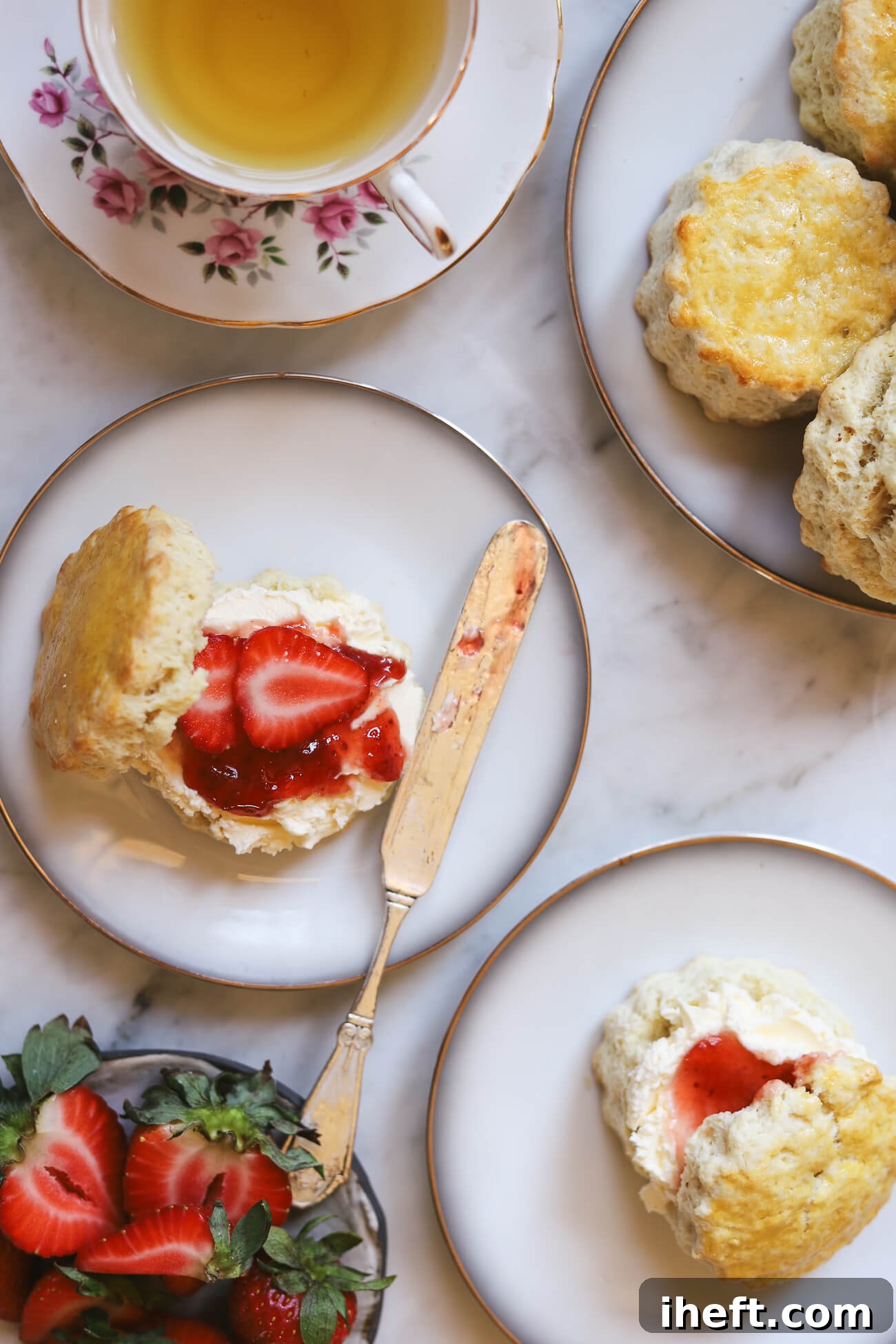
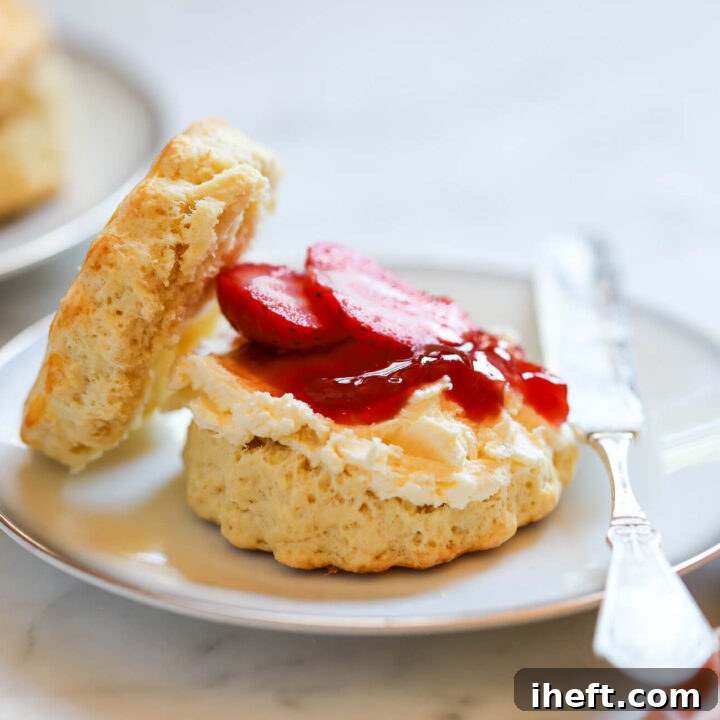
The simple pleasure of a Homemade Cream Tea.
High Tea: A Hearty Meal for the Working Class
Perhaps the most misunderstood of all British tea traditions is “High Tea.” While many outside the UK use this term to describe the elegant Afternoon Tea, in Britain, High Tea refers to a hearty, substantial evening meal, far removed from the dainty sandwiches and pastries of its afternoon counterpart.
The True Origins of High Tea
The term “High Tea” originated during the Industrial Revolution in the 18th and 19th centuries. It was the evening meal for the working class and, crucially, for families who could not afford to take a break for “Afternoon Tea” in the mid-afternoon. After a long day of strenuous labor in factories, mines, or fields, workers needed a filling meal to sustain them. This meal was typically served at a “high” dining table, in contrast to the “low” lounge or coffee tables where the upper classes enjoyed their Afternoon Tea. This distinction in table height is believed to be the origin of the term “high tea.”
What’s on the Menu for High Tea: A Filling Supper
High Tea was, and for some still is, essentially dinner or supper. It featured robust, satisfying dishes designed to provide sustenance and energy. The menu reflected practicality and hearty appetites:
- Tea: A comforting pot of hot tea, served with milk and sugar, was always present, providing warmth and refreshment.
- Savory Dishes: The focus was on substantial, savory items. This could include meat pies (like steak and kidney pie), cold cuts, cheese and bread, quiches, sausage rolls, or even fish and chips. Leftovers from lunch or a simple cooked meal were common.
- Sweets (less common than savories): While not the main focus, a simple sweet treat might follow, such as a fruit cake, sponges, or bread and butter pudding.
Where to Find High Tea Today
In modern Britain, the term “High Tea” is less common, with most families referring to their evening meal as “dinner” or “supper.” However, the tradition of a hearty tea-time meal still exists, particularly in certain regions or amongst older generations. If you’re looking for a “British high tea out,” you’d typically find a meal akin to a pub dinner or a substantial cafe meal rather than a formal tea service. Many traditional British pubs offer menus that reflect the hearty nature of historical High Tea. You can also embrace the spirit of High Tea by preparing Traditional British Foods at home, such as a delicious Veggie Wellington.
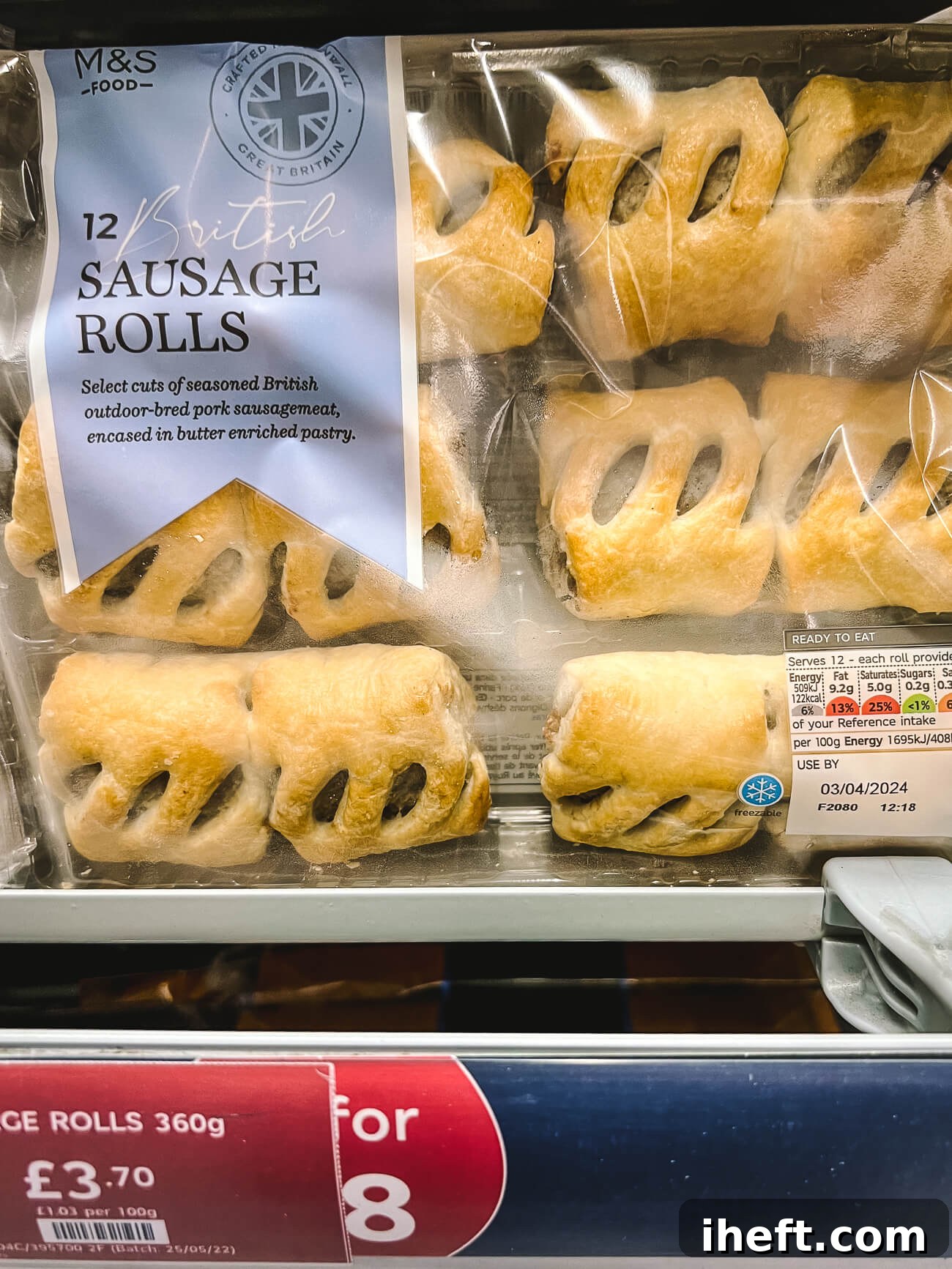
British Sausage Rolls: A staple of a hearty High Tea.
Understanding Tea Time: When and What to Expect
The timing of these tea traditions is as distinct as their menus, reflecting different social customs and needs.
- Afternoon Tea: Traditionally served between 2:30 PM and 5:00 PM. This timing was designed to bridge the gap between a light luncheon and a late evening dinner, offering a gentle pick-me-up.
- Cream Tea: As a lighter and more casual alternative, Cream Tea often follows similar afternoon timings, making it a perfect mid-afternoon treat or a simple refreshment.
- High Tea: Being a more substantial, after-work meal, High Tea is typically served later in the evening, from 5:00 PM to 7:00 PM (or even 8:00 PM), effectively replacing dinner.
Is Champagne Part of Tea Time Tradition?
Traditionally, Champagne was not a component of either Afternoon Tea or High Tea. Both experiences historically centered around the consumption of tea itself. However, in contemporary settings, particularly in upscale hotels and luxury establishments, offering Champagne or sparkling wine has become a popular optional addition to Afternoon Tea. This modern touch aims to elevate the experience, making it more celebratory and luxurious. For purists, it’s an enjoyable but non-traditional embellishment.
High Tea vs. Afternoon Tea: Clarifying the Common Misconception
The most pervasive confusion in British tea culture revolves around the terms “High Tea” and “Afternoon Tea.” It is a common linguistic misstep, particularly among Americans, to use “High Tea” when describing the refined, tiered-stand experience that the British correctly call “Afternoon Tea.”
To reiterate the core differences:
- Afternoon Tea: This is the elegant, leisurely affair. It is an indulgent social event featuring delicate finger sandwiches, warm scones with clotted cream and jam, and an assortment of exquisite miniature pastries. It is served at low tables in comfortable lounges, reflecting its aristocratic origins as a light meal to stave off hunger before a late dinner. The focus is on refinement and delicate flavors.
- High Tea: In contrast, High Tea is a robust, hearty meal. It originated as the working-class supper, served at a “high” dining table after a long day of labor. The menu consists of substantial, savory dishes like meat pies, cold cuts, cheeses, bread, and often a simple dessert, all designed to provide significant sustenance. The emphasis is on fulfilling hunger and providing energy.
Therefore, when you book a “High Tea” in a luxurious hotel, you are, in fact, almost certainly enjoying an “Afternoon Tea.” Understanding this distinction is key to appreciating the true cultural tapestry of British tea traditions.
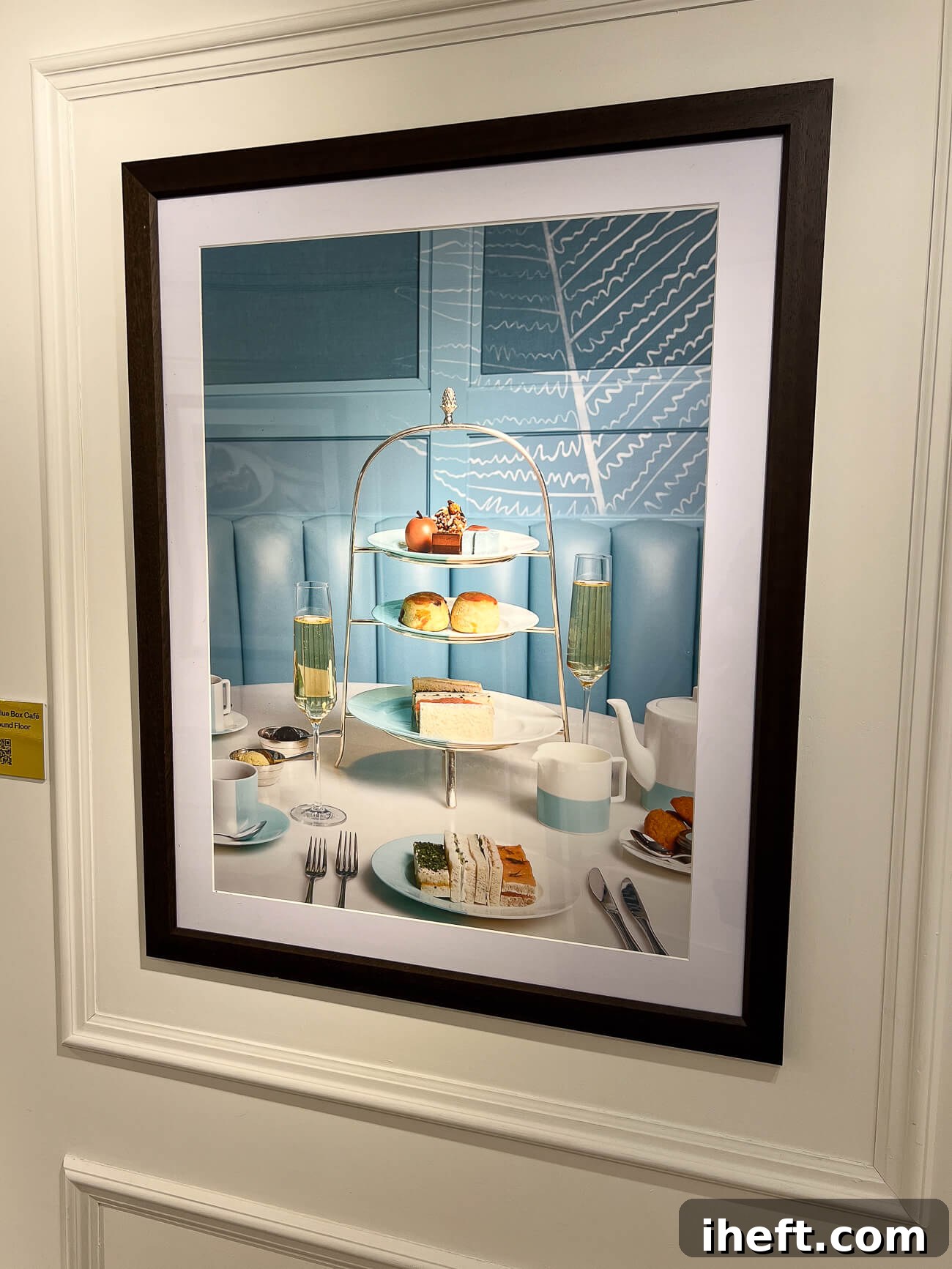
The iconic Afternoon Tea experience advertised at Harrods in London.
Host Your Own Traditional Afternoon Tea: A Guide
Why wait for a special occasion or a trip to London? You can bring the elegance of Afternoon Tea into your own home. Inviting friends over for a traditional English Afternoon Tea is a delightful way to celebrate friendship and culinary tradition. Here’s a guide to help you create a memorable experience:
Afternoon Tea Menu Suggestions:
Crafting your menu is central to the experience. Aim for a balance of flavors and textures across your tiered stand:
- Tea Selections: Offer 2-3 varieties of loose-leaf tea. Include a traditional black tea (like Earl Grey or English Breakfast), a lighter green tea, and a calming herbal infusion (chamomile or peppermint) to cater to different preferences.
- Scones: Freshly baked English Scones are a must. Serve them warm.
- Accompaniments for Scones: Essential are rich Clotted Cream and high-quality Strawberry or Raspberry Jam (like Bonne Maman Preserve).
- Finger Sandwiches: Prepare a variety of fillings such as cucumber and cream cheese, smoked salmon, egg mayonnaise, or coronation chicken. Remember to remove the crusts!
- Small Desserts: Include 2-3 types of miniature sweets like macarons, petit fours, small tarts, or delicate chocolates.
Instructions for Serving Afternoon Tea:
The presentation is key to an authentic experience:
- Begin by steeping your chosen tea leaves in boiling water directly at the table, allowing guests to savor the aroma and freshness.
- Traditionally, savory foods (finger sandwiches) are served first, followed by the warm scones with clotted cream and jam, and finally the sweets. However, for a more relaxed home setting, you can arrange all items elegantly on a tiered stand and serve them all at once.
- Ensure you have appropriate tableware: teacups and saucers, small plates, teaspoons, and a cake server or small tongs for guests to help themselves.
Recommended Products for Your Afternoon Tea
To enhance your home Afternoon Tea experience, consider these items:
- Porcelain Tea Sets British Royal Series: 8 OZ Cups & Saucer Service for 6, with Teapot Sugar Bowl Cream Pitcher Teaspoons and tea strainer for Tea/Coffee.
- HIWARE 1000ml Glass Teapot with Removable Infuser: Stovetop Safe Tea Kettle, perfect for blooming and loose leaf teas.
- Bonne Maman Preserve, Raspberry, 13-Ounce: A high-quality preserve that pairs perfectly with scones.
- Devon Cream Company Clotted Cream, 6 oz: Authentic clotted cream for that essential British touch.
By understanding the rich history and distinct characteristics of Afternoon Tea, Cream Tea, and High Tea, you can truly appreciate the depth of British tea culture. Whether you prefer the elegance of a tiered stand, the simple pleasure of scones and cream, or a hearty evening meal, each tradition offers a unique and memorable experience.