Transform Desserts with Homemade Chocolate Leaves
Crafting Edible Elegance: Your Guide to Gorgeous DIY Chocolate Leaves
There’s something truly enchanting about homemade treats, especially those that combine natural beauty with delightful flavor. I fondly recall watching my mother meticulously create delicate chocolate leaves when I was a child. She often used lemon leaves, a classic choice known for their sturdy structure and subtle citrus aroma, perfect for imprinting their intricate patterns onto chocolate. While lemon leaves are undoubtedly wonderful, as the crisp air of autumn approaches and nature paints the world in hues of red, orange, and gold, I find myself drawn to a different kind of foliage. This guide will show you how to capture the essence of the season by crafting stunning chocolate leaves, perfect for fall festivities, holiday decorations, or simply an elegant touch to any dessert. These edible masterpieces are surprisingly simple to make, yet they possess an undeniable beauty that will impress anyone.
Why Make Chocolate Leaves? The Allure of Edible Art
Beyond their aesthetic appeal, homemade chocolate leaves offer a unique blend of creativity and deliciousness. They serve as versatile garnishes, transforming simple cakes, cupcakes, tarts, or even a scoop of ice cream into a sophisticated dessert. Imagine a rich chocolate cake adorned with glistening golden-dusted chocolate maple leaves, or a pumpkin pie elevated with dark chocolate oak leaves. They’re also fantastic as standalone treats, offering a delightful snap and melt-in-your-mouth chocolate experience. Making them yourself allows for complete control over the ingredients, ensuring you use high-quality chocolate and safe, organic leaves. Plus, it’s a wonderfully meditative and rewarding activity, perfect for a cozy afternoon.
Gathering Your Supplies: Everything You Need for Chocolate Leaf Perfection
Before you embark on this delightful culinary adventure, let’s ensure you have all the necessary ingredients and equipment. The beauty of this project lies in its simplicity, requiring just a few basic items to create something truly extraordinary.
Essential Ingredients:
- Organic, Non-Toxic Leaves: This is the cornerstone of your chocolate leaves. The most critical aspect is ensuring the leaves are safe for food contact and free from pesticides or harmful chemicals. While lemon leaves are a popular year-round choice, for autumn, consider leaves like:
- Maple Leaves: Offer beautiful, iconic fall shapes. Choose smaller, thinner ones for easier peeling.
- Oak Leaves: Provide a distinct, elegant silhouette.
- Rose Leaves: Sturdy and often readily available, they have a lovely texture.
- Mint Leaves: While smaller, their pronounced veins make for intricate patterns, and some people enjoy a subtle minty essence (though it rarely transfers significantly to the chocolate).
- Grape Leaves: Often broad and sturdy, making them easy to work with.
Always select fresh, intact leaves without blemishes or tears. Wash them thoroughly under cool water and gently pat them completely dry with a paper towel. Any residual moisture can cause the chocolate to seize or not adhere properly.
- Good Quality Chocolate Chips or Bar: The type of chocolate you choose significantly impacts the flavor and workability. A single bag (around 10-12 ounces or 300g) is usually sufficient for a decent batch of leaves.
- Dark Chocolate: Offers a rich, intense flavor and sets up well.
- Milk Chocolate: A sweeter, creamier option, popular with children and those who prefer a less intense chocolate flavor.
- White Chocolate: Excellent for coloring or for a milder, vanilla-like taste.
- Candy Melts/Wafers: These are often easier to work with as they contain stabilizers that prevent seizing and typically don’t require tempering. They come in various colors, opening up creative possibilities beyond natural chocolate hues.
Choose a brand you enjoy eating, as the chocolate flavor will be prominent.
Necessary Equipment:
- Small, Food-Grade Paintbrush: A clean, synthetic paintbrush (about 1/2 to 1 inch wide) is ideal for applying the chocolate evenly. Ensure it’s never been used for actual paint. A dedicated baking brush is best.
- Microwave-Safe Bowl or Double Boiler: For melting your chocolate. A microwave-safe bowl is convenient for quick melting, while a double boiler offers more controlled, gentle heat.
- Baking Sheet or Tray Lined with Parchment Paper: You’ll need a flat, non-stick surface to place your painted leaves as they cool. Parchment paper or a silicone baking mat works perfectly to prevent sticking.
- Spatula or Spoon: For stirring the melting chocolate.
- Shimmer Dust (Optional): Also known as edible luster dust or edible glitter, this can be found in the baking or craft section of most stores. It adds a magical, iridescent finish to your leaves, making them truly sparkle. Gold, silver, or bronze dusts are particularly striking for autumn themes. You’ll also need a separate, smaller, dry paintbrush for applying the shimmer dust.
Step-by-Step Guide: Crafting Your Edible Chocolate Leaves
Now that your mise en place is complete, let’s dive into the simple yet rewarding process of transforming ordinary leaves into decadent chocolate art.
Step 1: Preparing Your Leaves
Thoroughly wash your selected organic leaves under cool running water. Gently scrub off any dirt or debris. The most crucial step here is to dry them completely. Lay them out on paper towels and gently pat them dry, ensuring there is absolutely no moisture left on the surface. Moisture is chocolate’s enemy; it can cause the chocolate to seize and become grainy. Once dry, arrange them on your parchment-lined baking sheet, ready for painting.
Step 2: Melting the Chocolate to Perfection
Properly melting your chocolate is key to achieving a smooth, workable consistency. Whether you choose the microwave or a double boiler, aim for a fluid yet not overly hot chocolate.
- Microwave Method: Place your chocolate chips or chopped chocolate bar in a microwave-safe bowl. Heat on medium power (around 50-70%) in short bursts, typically 15 to 20-second intervals. After each interval, remove the bowl and stir thoroughly with a spatula, even if the chocolate doesn’t look fully melted. The residual heat will continue to melt the chocolate. Continue this process until the chocolate is just melted and smooth, with no lumps remaining. Overheating can burn the chocolate or make it seize.
- Double Boiler Method: Place a heat-proof bowl over a saucepan of simmering water, ensuring the bottom of the bowl does not touch the water. Add your chocolate to the bowl and stir gently as it melts from the steam. This method offers more gradual and controlled melting, reducing the risk of burning.
Your goal is a smooth, liquid chocolate that is warm to the touch but not hot. It should drip easily from your brush.
Step 3: The Art of Painting
This is where the magic happens! Take one dry leaf and hold it by the stem or the smooth top side. Using your clean paintbrush, carefully paint a generous, even layer of melted chocolate onto the underside (the veined side) of the leaf. The veins are what will create that beautiful, intricate pattern on your chocolate. Ensure the chocolate coat is thick enough to be sturdy once hardened, but not so thick that it creates a blob. Aim for a thickness similar to a credit card. Cover the entire surface, right up to the edges. A thick enough coat is vital to prevent the chocolate from breaking when you peel the real leaf off. Place the painted leaf, chocolate side up, onto your parchment-lined baking sheet.
Repeat this process for all your leaves, working efficiently but without rushing. If your chocolate starts to thicken, return it to the microwave for a very short burst (5-10 seconds) or over the double boiler for a moment, and stir again until smooth.
Step 4: Cooling and Hardening
Once all your leaves are painted and arranged on the baking sheet, it’s time to let them set. Carefully transfer the baking sheet to the refrigerator. Allow them to chill for at least 15-30 minutes, or until the chocolate is completely firm and hard to the touch. You can also place them in the freezer for about 10-15 minutes for a quicker set, but watch them carefully to avoid condensation forming on the chocolate.
Step 5: The Grand Reveal: Peeling the Leaves
This is perhaps the most satisfying step! Once the chocolate is fully hardened, gently pick up each chocolate-covered leaf. Starting from the stem end, carefully peel the real leaf away from the chocolate. Be patient and gentle. The goal is to separate the real leaf from the hardened chocolate, leaving behind a perfectly formed, veined chocolate replica. If any chocolate breaks, don’t worry – simply remelt the chocolate and try again, perhaps with a thicker coat next time. With a little practice, you’ll get the hang of it.
Step 6: Adding a Touch of Sparkle (Optional)
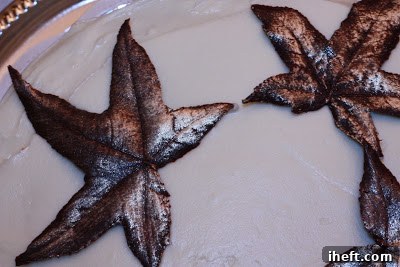
For an extra touch of glamour, especially for special occasions or fall-themed desserts, apply shimmer dust. Dip a small, dry, clean paintbrush into your edible shimmer dust (gold, silver, or bronze are stunning for fall). Lightly brush the dust over the surface of your chocolate leaves. You can apply it subtly for a hint of shimmer or more densely for a bold metallic finish. This step truly elevates the leaves from simple chocolate garnishes to dazzling edible art pieces.
Tips for Success and Creative Variations
To ensure your chocolate leaf making experience is as smooth and successful as possible, consider these additional tips and ideas for variation:
Choosing the Right Chocolate:
- Tempering: For a professional, shiny finish that is resistant to fingerprints and blooming (white streaks), you can temper your chocolate. This involves carefully heating and cooling the chocolate to specific temperatures. While not strictly necessary for home use, tempered chocolate yields the most beautiful results. Candy melts are a great alternative as they don’t require tempering.
- Flavor Infusions: Before painting, you can stir a tiny amount of food-grade essential oil (like peppermint or orange) or a few drops of extract (vanilla, almond, coffee) into your melted chocolate for an added flavor dimension.
Leaf Selection and Preparation:
- Variety is Key: Don’t limit yourself to just one type of leaf. Experiment with different shapes and sizes to create a diverse collection. Just always prioritize safety and cleanliness.
- Avoid Toxins: Be absolutely certain that the leaves you choose are organic and free from pesticides. If in doubt, stick to readily available edible options like mint, rose, or lemon leaves from a trusted source. Avoid ornamental plants unless you are certain they are non-toxic.
- Dryness is Paramount: Reiterate – thoroughly dry your leaves! Water droplets will ruin your chocolate.
Troubleshooting Common Issues:
- Chocolate Breaking During Peeling: This usually means the chocolate layer was too thin. Apply a thicker coat next time. Also, ensure the chocolate is thoroughly hardened; if it’s still slightly soft, it’s more prone to breaking.
- Dull Finish: If your chocolate leaves lack shine, it could be due to not tempering the chocolate (if using couverture chocolate) or if the chocolate was overheated during melting. Using candy melts typically gives a nice shine without tempering.
- Chocolate Seizing: If your melted chocolate suddenly turns thick, grainy, and unworkable, it’s likely come into contact with water (even a tiny drop). Unfortunately, seized chocolate is difficult to rescue for delicate applications like this. Prevention is better than cure – keep all tools and bowls completely dry.
Storage:
Once your chocolate leaves are complete, store them in an airtight container at room temperature in a cool, dry place. Avoid direct sunlight or excessive heat, which can cause them to melt. If your climate is very warm, a cool pantry or refrigerator might be necessary, but be aware that condensation can form when moving them from cold to warmer temperatures. They typically last for 1-2 weeks, though they are usually devoured much sooner!
Creative Ways to Use Your Beautiful Chocolate Leaves
Now that you’ve mastered the art of making chocolate leaves, it’s time to showcase your edible creations!
- Elegant Dessert Garnishes: The most obvious and popular use. Arrange them artfully on cakes, pies, tarts, puddings, mousse, or ice cream sundaes. They add instant sophistication to any dessert.
- Cupcake Toppers: Stand a single chocolate leaf atop a frosted cupcake for a charming and seasonal touch.
- Coffee & Hot Chocolate Enhancements: Float a small chocolate leaf on top of your coffee, latte, or hot chocolate for a gourmet presentation.
- Edible Art Pieces: Arrange several leaves on a platter for a beautiful, edible centerpiece, perhaps dusted with different colors of shimmer for a jewel-toned effect.
- Homemade Gifts: Package a collection of your chocolate leaves in a pretty box or cellophane bag tied with a ribbon. They make delightful and thoughtful edible gifts for friends, family, or as hostess presents during the holidays.
- Table Decorations: Use them as part of your fall or holiday table setting, either on plates or scattered among other decorative elements. Guests will be delighted to discover they are edible!
- Cocktail Garnish: A small chocolate leaf can be a surprisingly chic garnish for certain cocktails, especially those with chocolate or coffee notes.
Frequently Asked Questions About Making Chocolate Leaves
Here are some common questions people ask when making chocolate leaves:
- Can I use any type of leaf? No, you must only use organic, non-toxic leaves that are safe for consumption or safe for food contact. Examples include lemon, rose, mint, grape, or certain varieties of maple or oak leaves (ensure they are pesticide-free). Always research a leaf before using it.
- How long do chocolate leaves last? Stored in an airtight container at room temperature in a cool, dry place, they can last for 1-2 weeks.
- Why did my chocolate seize? Chocolate seizes when even a tiny amount of water comes into contact with it during melting. Ensure all your equipment is perfectly dry, and avoid any steam or condensation if using a double boiler.
- Can I color the chocolate? Yes! If using white chocolate or candy melts, you can add oil-based food coloring (not water-based, as it will seize the chocolate) to create leaves in a rainbow of colors.
- Do the leaves taste like the plant? Typically, very little, if any, flavor transfers from the leaf to the chocolate, especially if you’re painting the veined underside. The primary flavor will be that of the chocolate itself.
- What if I don’t have shimmer dust? No problem! Your chocolate leaves will still be beautiful without it. The shimmer dust is purely for aesthetic enhancement.
Conclusion: A Simple Pleasure, an Elegant Outcome
Making chocolate leaves is a wonderfully accessible and rewarding kitchen project that yields stunning results. From the simple act of melting chocolate to the delicate peeling of the leaf to reveal its edible replica, each step is a testament to the beauty that can be created with a little patience and creativity. Whether you’re channeling nostalgic childhood memories or simply looking for an elegant garnish to elevate your desserts this fall and holiday season, these DIY chocolate leaves are sure to delight. So gather your leaves, melt your chocolate, and prepare to impress with these exquisite, edible works of art. Happy crafting!