Top Fenugreek Alternatives
Discovering the Best Fenugreek Substitutes: A Comprehensive Guide for Flavorful Cooking
Fenugreek, also known as methi, is a remarkable herb and spice that holds a cherished place in the culinary traditions of Mediterranean, Indian, and Middle Eastern cuisines. Its distinctive aromatic qualities and complex flavor profile make it an invaluable ingredient, yet it can often be challenging to source, especially in its fresh leaf form. Whether you’re an avid cook exploring new recipes or simply caught without this unique spice, finding the right substitute is essential to maintain the authentic taste of your dishes. This comprehensive guide will delve into what makes fenugreek special, what it tastes like, and provide the top 10 fenugreek substitutes, ensuring your culinary creations remain rich and flavorful.
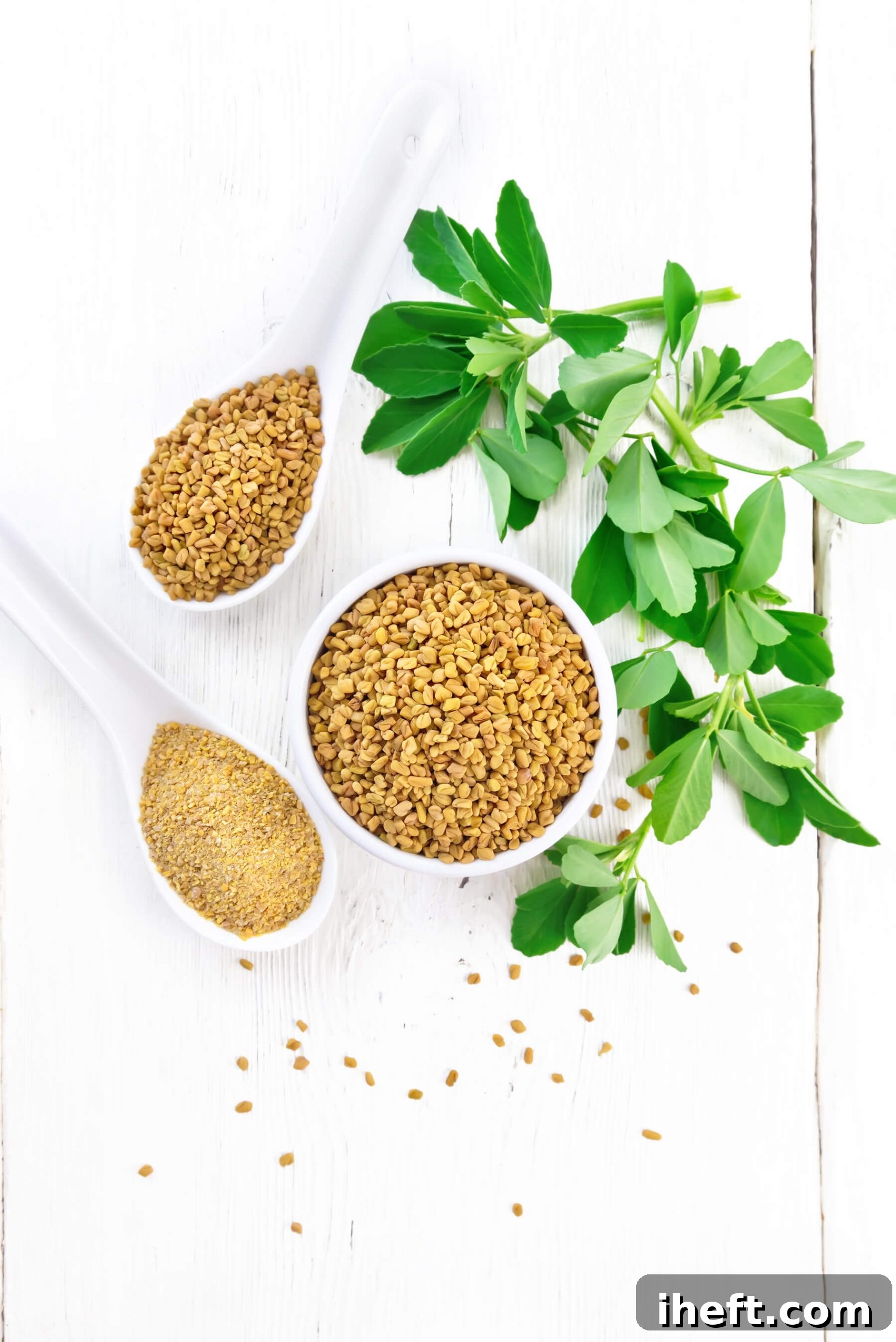
If you’ve ever savored the rich, nuanced flavors of authentic Mediterranean or Indian cuisine, it’s highly probable that fenugreek played a starring role, even if you didn’t consciously recognize it. This versatile ingredient contributes a nutty, slightly bitter, yet subtly sweet undertone that is fundamental to many traditional recipes. Beyond its culinary appeal, fenugreek boasts an impressive list of health benefits, further cementing its value in diets worldwide. However, its uncommon usage in many Western culinary traditions means it might not always be readily available in local supermarkets. When a recipe calls for fenugreek and you find yourself without it, a reliable substitute becomes indispensable to capture that true, intended flavor profile.
Fortunately, much like our guide to Tarragon Substitutes, identifying a suitable alternative for fenugreek is surprisingly straightforward. We’ve gathered a wealth of suggestions, offering a variety of options that allow you to experiment and discover which substitute most closely replicates the distinct taste you’re aiming for. Before you consider altering your recipe or giving up on that exotic dish, explore these excellent fenugreek alternatives and prepare for a truly delicious and authentic meal.
What is Fenugreek and Why You Might Need a Substitute?
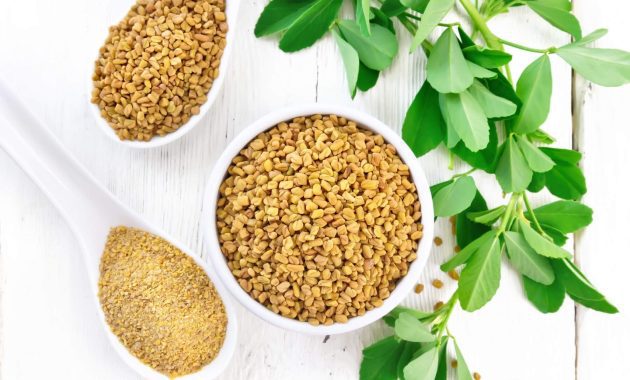
Fenugreek (Trigonella foenum-graecum) is a herbaceous plant belonging to the pea family, characterized by its small, clover-like green leaves. Native to the Mediterranean region, southern Europe, and Asia, it has been cultivated for centuries for both its culinary and medicinal properties. The plant is versatile, with its leaves, seeds, and even sprouts being used in various applications. Fresh fenugreek leaves, often referred to as methi leaves in Indian cuisine, offer a vibrant, slightly bitter taste and are typically available during the autumn months. However, dried leaves (kasoori methi) and the more commonly found fenugreek seeds (whole or ground) are accessible year-round, offering convenience for cooks worldwide.
Its distinctive aroma and flavor, which become more pronounced when toasted, make it a staple in complex spice blends and single-ingredient applications alike. From enriching curries and stews to flavoring breads and pickles, fenugreek adds an unparalleled depth. The challenge arises when fresh leaves are out of season, or when the specific form (seeds vs. leaves) isn’t available in your local grocery store. This common predicament often leads home cooks and professional chefs alike to seek effective substitutes that can mimic its unique essence without compromising the integrity of the dish.
The Unique Flavor Profile of Fenugreek
Understanding what fenugreek tastes like is crucial for selecting the best substitute. Fenugreek possesses a truly singular flavor profile, a fascinating blend of bitterness and sweetness that often evokes notes of maple syrup with a subtle, almost burned caramel undertone. This unique combination is largely attributed to a chemical compound called sotolon, which is also naturally present in maple syrup. When raw, fenugreek can have a pronounced bitterness, but this intensity mellows beautifully through cooking, transforming into a rich, nutty, and slightly sweet flavor that integrates seamlessly with other spices.
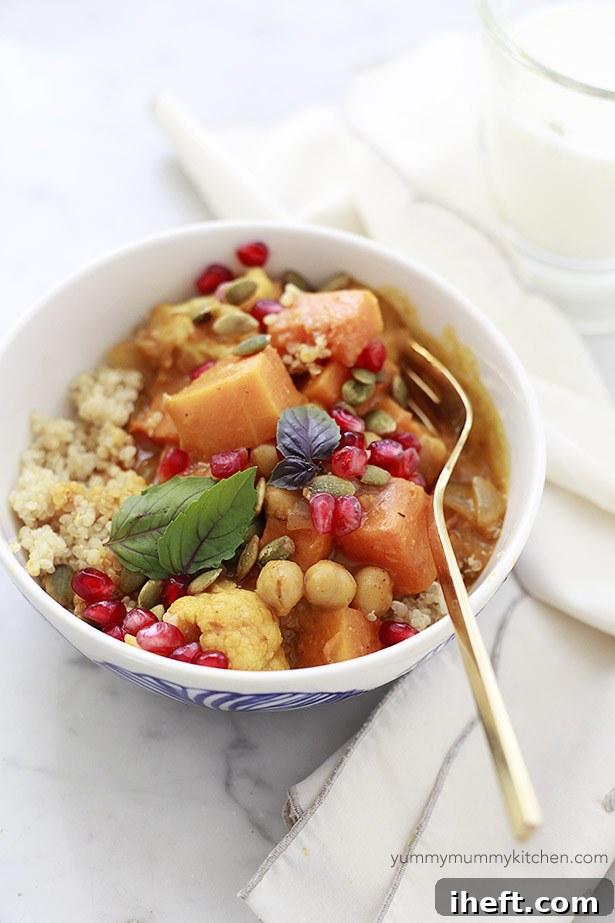
This aromatic spice harmonizes exceptionally well with other warm and earthy spices such as cinnamon, star anise, cloves, cardamom, and peppercorns. It acts as a bridge, enhancing the overall complexity of a dish without overpowering it. Fenugreek is an incredibly versatile ingredient that complements a wide array of foods. It shines when paired with hearty vegetables like cauliflower, potatoes, and other root vegetables, lending a grounding warmth. It’s also frequently used in rice dishes, lentil preparations (dals), creamy sauces, and yogurt-based marinades. Its flavor works wonderfully with seafood, adding a delicate earthiness, and it is a cornerstone in many comforting soups and stews, providing a depth that is hard to replicate.

Top 10 Fenugreek Substitutes for Authentic Flavor
When fenugreek is unavailable, these substitutes can help you achieve a similar taste and aroma in your dishes. Each offers a unique way to replicate fenugreek’s complex profile.
1. Maple Syrup: The Surprising Sweet and Bitter Ally
It might seem counterintuitive to consider maple syrup as a substitute for a savory spice, but its remarkable flavor compounds make it an excellent choice. Maple syrup offers a distinct blend of bitterness and sweetness, closely mirroring fenugreek’s complex taste. As mentioned, both fenugreek and maple syrup contain sotolon, the organic compound responsible for their characteristic aroma and flavor. This shared chemical signature makes maple syrup one of the most intriguing and effective substitutes.
However, discretion is key when using maple syrup. Its sweetness can quickly alter the intended balance of a savory dish. It’s best to start with a very small amount, perhaps a quarter teaspoon, and then taste and adjust. Gradually add more until you achieve the desired depth of flavor. Maple syrup works particularly well in dishes where a touch of sweetness can enhance other ingredients, such as glazes, marinades, or creamy sauces. For an even closer approximation, many chefs suggest combining maple syrup with a tiny pinch of a more bitter spice, like mustard seeds, to introduce that essential pungent edge.
2. Mustard Seeds: A Pungent and Nutty Alternative
Mustard seeds, especially the yellow variety, share a similar nutty and pungent flavor profile with fenugreek, making them a fantastic alternative in a wide range of recipes. Unlike maple syrup, mustard seeds don’t introduce an unwanted sweetness, allowing them to integrate more seamlessly into savory dishes. They bring a sharp, slightly spicy kick that can help balance the overall flavor.
For the most authentic fenugreek-like flavor, opt for whole yellow mustard seeds. To fully unlock their aromatic potential and temper their raw pungency, it’s highly recommended to toast them lightly in a dry pan before grinding or adding them to your dish. This process releases their essential oils, intensifying their nutty notes and making them more mellow. In most recipes, you can substitute mustard seeds at a 1:1 ratio for fenugreek seeds, making it a convenient and straightforward swap. They are particularly effective in Indian curries, lentil dishes, and vegetable stir-fries.
3. Curry Powder: A Blend with Fenugreek at its Heart
Many commercially available curry powder blends already contain fenugreek as one of their core ingredients. This makes curry powder a convenient and often readily available substitute, as it inherently carries some of the desired fenugreek flavor. By using curry powder, you can still impart that authentic, aromatic essence to your recipe, ensuring your dish retains its intended character.
It’s important to remember that curry powder is a complex mixture of various spices, not solely fenugreek. This means the fenugreek flavor within the blend might not be as strong or as pure as using fenugreek itself. When substituting, consider the other spices already present in your recipe and those in the curry powder. You might need to adjust quantities or other spice additions to ensure the curry powder doesn’t overpower the meal. Starting with a smaller amount and gradually adding more until the desired balance is achieved is a wise approach. A little trial and error might be necessary to perfect the balance, especially in recipes where fenugreek is a dominant flavor.
4. Fennel Seeds: An Aromatic and Anise-like Option
Fennel seeds, with their distinctive aromatic qualities, can serve as a viable fenugreek alternative, especially in dishes that benefit from a strong, fresh, and slightly sweet flavor. While fennel possesses a pronounced anise or licorice-like taste, which differs from fenugreek’s maple-like undertones, it offers a comparable brightness and pungency that can work well in certain applications. Their robust flavor means you won’t need to use them in large quantities.
Fennel seeds are particularly well-suited for meat rubs, savory stews, and vegetable roasts where their strong profile can stand up to other ingredients. They can also add an intriguing layer to pickling spices or bread recipes. While not a direct flavor match, their powerful aromatic presence can bring an interesting twist to your dish. Don’t be afraid to experiment with fennel seeds, especially if you enjoy their unique anise notes; they can often elevate a dish in an unexpected way, even if it’s not a perfect fenugreek mimic.
5. Chinese Celery Leaves: A Visually and Flavorfully Similar Green
For recipes requiring fresh fenugreek leaves, Chinese celery leaves offer both a similar appearance and a compatible flavor profile. These slender, vibrant green leaves provide a bitter yet nutty taste that closely resembles that of fresh methi. This visual and textural similarity makes them an excellent choice for garnishes or dishes where the leafy green component is important, such as stir-fries, salads, or chutneys.
To achieve the best results when substituting, use approximately half the amount of Chinese celery leaves compared to the fenugreek called for in the recipe, as their flavor can be quite concentrated. They are particularly good in chutneys and various sauces, adding a fresh, herbaceous bite. A common tip is to add a pinch of sugar when cooking with Chinese celery leaves to help balance their inherent bitterness and further bring out their subtle, nutty undertones, making them even more akin to fenugreek leaves.
6. Dijon Mustard: A Quick Tangy Fix
While Dijon mustard might seem like an unconventional substitute, it can effectively mimic some aspects of fenugreek’s flavor, particularly its sharp, pungent, and slightly bitter notes. The fermentation process in Dijon mustard develops a complexity that can surprisingly complement savory dishes in a similar way to fenugreek. It will undoubtedly lend a slightly different and tangier flavor to your dish than you might be used to, but in a pinch, it can be a valuable stand-in.
If you find yourself without any other suitable options, a teaspoon of Dijon mustard can work wonders. It’s particularly effective in sauces, marinades, and meat rubs, where its robust flavor can add depth and a subtle kick. As with many substitutes, it’s best to start conservatively, adding a small amount and tasting as your meal cooks to ensure you achieve the desired flavor balance without overpowering the dish with its distinct mustard profile. Its creamy texture also makes it a good option for wet applications.
7. Kale: A Bitter Green with Textural Parallels
Kale, a popular leafy green, shares both visual and textural similarities with fresh fenugreek leaves, making it a practical substitute, especially in dishes where the green vegetable component is significant. Its robust, slightly bitter flavor can replicate the bitterness expected from fenugreek leaves, though it is often much more pronounced in raw kale. Kale’s hearty texture also holds up well during cooking, similar to methi leaves.
Because kale’s bitterness can be quite intense, it’s highly recommended to cook the kale leaves before adding them to your main dish. Sautéing or blanching can help to soften its texture and mellow its flavor, making it a more agreeable substitute. It integrates well into various stew, soup, and stir-fry recipes where you might typically use fresh fenugreek. While it won’t provide the exact maple-like aroma, its nutritional value and robust leafy texture make it a healthy and satisfying stand-in for the green component of your meal.
8. Mustard Greens: Spunky Leaves for Savory Dishes
Given that the flavor profile of mustard seeds closely resembles fenugreek, it stands to reason that mustard greens also make an excellent substitute, particularly for fresh fenugreek leaves. These vibrant greens offer a slightly spicy, pungent, and distinctly bitter taste that lends itself wonderfully to various dishes that traditionally call for fenugreek. They contribute a lively kick and a robust earthy flavor that can elevate your cooking.
Mustard greens are highly versatile and can be used both raw in salads or cooked in stir-fries, curries, and saags (spinach-like dishes). Their slightly peppery notes combine with their bitterness to create a complex flavor profile that can stand in for methi. They are especially beneficial in Indian curries, stir-fry recipes, and any dish where you want to add a vibrant green vegetable with a bit of a bite. Their ability to hold up well during cooking makes them a hearty and flavorful addition to many savory preparations.
9. Alfalfa Sprouts: Mild Sweetness and Crunch
Alfalfa sprouts are well-known as a common substitute for celery leaves due to their crisp texture and mild flavor. This makes them a surprisingly good candidate for a fenugreek substitute, particularly for fresh leaves or where a subtle, fresh element is desired. While their flavor isn’t an exact match for fenugreek, they do offer those crucial slightly bitter and sweet undertones that you expect when cooking with fenugreek, albeit in a milder form.
The mild taste of alfalfa sprouts means they are less likely to overpower other ingredients, allowing them to blend seamlessly into various dishes. Their delicate crunch adds a pleasant textural contrast. You can confidently use alfalfa sprouts at a 1:1 ratio when replacing fresh fenugreek leaves, especially in salads, sandwiches, or as a garnish. They won’t provide the strong aroma of fenugreek seeds, but they are a great option for adding fresh greenness and a subtle hint of fenugreek’s characteristic bitterness and sweetness.
10. Spinach: A Versatile Leafy Green Option
Spinach serves as a suitable substitute for fenugreek leaves for many of the same reasons that kale does. It’s a nutritious leafy green that, while not an exact flavor match, offers a similar bitter undertone and a comparable leafy texture. Spinach is packed with vitamins and minerals, making it a healthy addition to any meal, and its mild flavor makes it highly versatile in the kitchen.
While spinach won’t create quite the same complex aromatic profile that fresh fenugreek leaves do, its inherent bitterness and soft, leafy texture will provide a reasonably close approximation, especially in dishes where the greens are cooked down, such as curries, stews, or saags. It’s an easily accessible and affordable option that can bring a similar visual and textural element to your dish, ensuring you still have a flavorful and nutritious meal, even without fresh methi.
Choosing the Right Fenugreek Substitute: Tips for Culinary Success
One of the most rewarding aspects of cooking with substitutes is the opportunity for culinary experimentation. The diverse range of fenugreek alternatives means you can try out various options to discover what works best for the specific dish you’re preparing and your personal taste preferences. Consider the form of fenugreek your recipe calls for – fresh leaves, whole seeds, or ground powder – as this will influence the most appropriate substitute.
It’s crucial to remember that you can’t always apply a 1:1 substitution ratio for all alternatives. Some substitutes, like maple syrup or fennel seeds, have more potent or distinct flavors, requiring a more cautious approach. Always start by adding a small amount of your chosen option, taste the dish, and then incrementally add more until you achieve the desired flavor balance. This iterative process allows you to control the outcome and prevent your dish from being overwhelmed. Don’t be afraid to combine certain substitutes, such as maple syrup with a pinch of mustard seeds, to create a more nuanced flavor profile that more closely mimics fenugreek’s complexity. Your kitchen is your laboratory – embrace the creative freedom!
Beyond the Plate: The Health Benefits of Fenugreek and its Alternatives
Beyond their role in enhancing flavor, fenugreek and many of its substitutes also offer significant health benefits. Fenugreek itself is revered in traditional medicine for its potential to aid digestion, regulate blood sugar, and support lactation. Similarly, many of the alternatives discussed provide their own nutritional advantages. Leafy greens like kale, spinach, and mustard greens are powerhouses of vitamins, minerals, and antioxidants. Mustard seeds contain beneficial compounds like glucosinolates, while alfalfa sprouts are rich in vitamins K and C. Incorporating these substitutes not only helps maintain the authentic taste of your dishes but can also contribute to a healthier diet, proving that culinary creativity and well-being often go hand-in-hand.
Before you embark on your next culinary adventure, take a moment to explore all of my delicious recipes and get ready to prepare some truly tasty and satisfying meals for yourself and your loved ones. Happy cooking!