The Smart Way to Freeze Avocados
Have you ever found yourself with a countertop full of perfectly ripe avocados, only to realize you can’t possibly eat them all before they turn brown and mushy? Or perhaps you’ve eyed those convenient bags of frozen avocado chunks at the grocery store, wondering if they’re worth it, or if you could achieve similar results at home? If you’ve ever pondered the possibility of extending the life of your beloved avocados, you’re in the right place. Freezing avocados is not only possible but also a fantastic way to prevent food waste, save money, and ensure you always have this creamy fruit on hand for a variety of culinary uses.
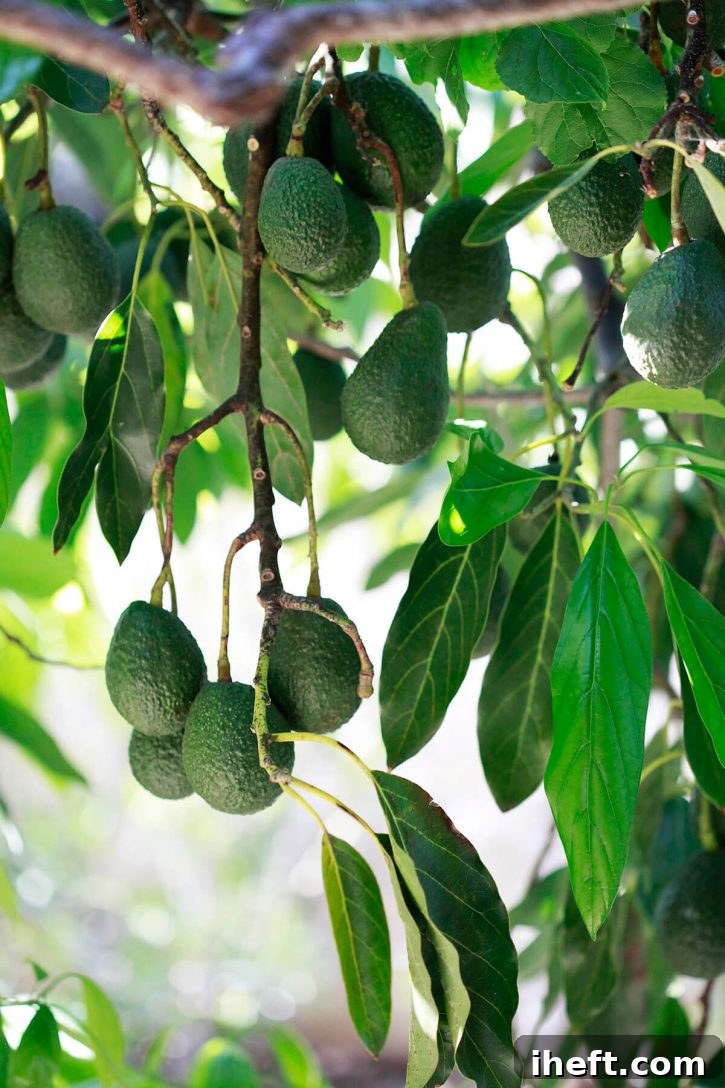
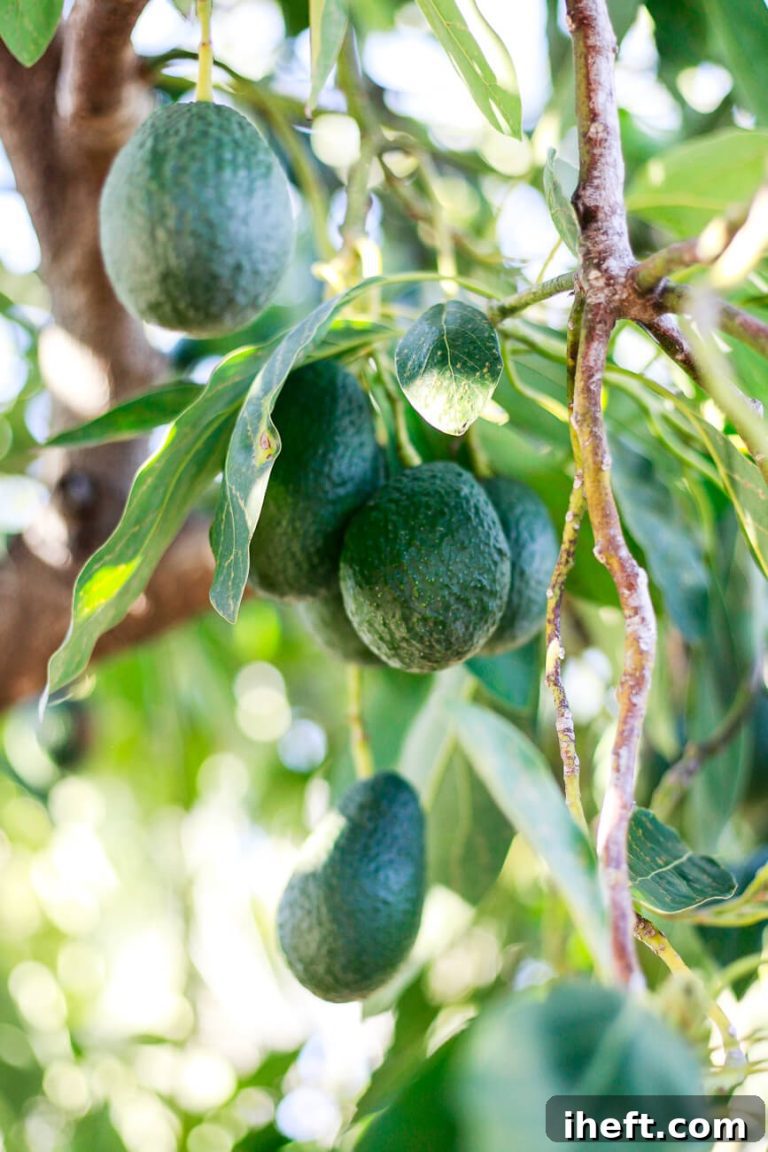
A thriving Haas avocado tree in California, laden with mature fruit.
Mastering Avocado Preservation: Your Ultimate Guide to Freezing Avocados for Year-Round Enjoyment
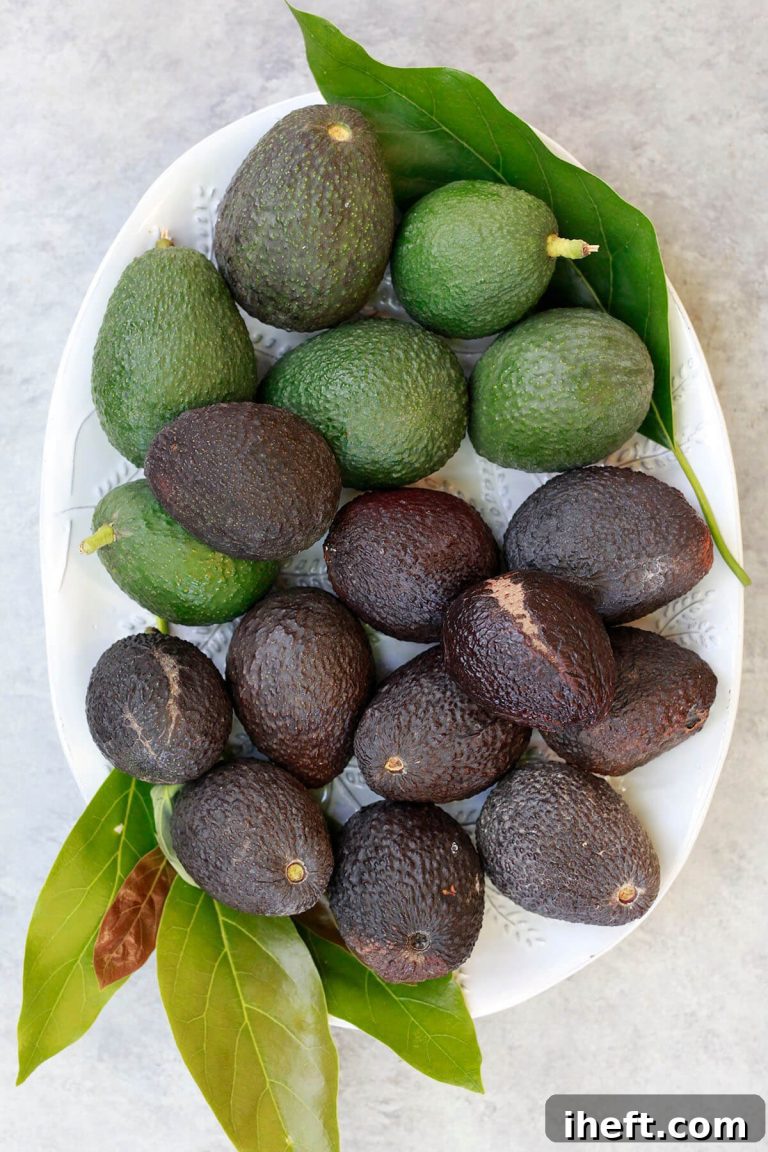
For those of us living in regions like California, Haas avocado season brings an abundance of this versatile fruit. With three avocado trees in my own backyard, I often find myself picking a couple of avocados daily to maintain a steady supply for delicious recipes like homemade guacamole or a decadent avocado toast. The challenge, however, arises when a sudden surplus of ripe avocados appears. As countless memes humorously highlight, avocados have a notoriously short window of perfect ripeness, transitioning from rock-hard to overripe almost overnight. While innovative solutions like Apeel technology can help keep avocados fresh longer (this isn’t a sponsored mention, though we’ve featured their caviar limes in the past), these technologies aren’t always available to the home consumer.
Whether you’ve picked too many from your garden, like I often do, or simply capitalized on a great sale at the grocery store, you might wonder if there’s a practical way to preserve these green gems before they spoil. The good news is, there absolutely is!
Can You Freeze Avocados? The Definitive Answer is a Resounding Yes!
The answer to this common query is an emphatic YES, avocados can indeed be frozen. However, it’s important to understand that freezing avocados comes with specific guidelines and expectations. While the process itself is straightforward, the texture of the thawed fruit will differ significantly from its fresh counterpart. This guide will walk you through the essential do’s and don’ts to successfully freeze your avocados and make the most of them later.
Why Should You Freeze Avocados? Unlocking Benefits and Preventing Waste
Freezing avocados offers a myriad of advantages that make it a highly practical strategy for any kitchen. Firstly, it’s an excellent way to combat food waste. Avocados are perishable, and their short shelf life often leads to perfectly good fruit being discarded. By freezing them, you extend their usability by several months. Secondly, it’s a smart economic move. When avocados are in season or on sale, you can buy them in bulk without worrying about them spoiling. This allows you to enjoy them at a fraction of the cost you might pay during off-peak times. Finally, freezing provides unparalleled convenience. Imagine needing an avocado for a smoothie or a dip, but none are ripe at the store, or you simply don’t have time to run out. Your frozen stash ensures you always have a ready supply, regardless of the season or market availability.
Step-by-Step Guide: How to Properly Freeze Avocados for Optimal Results
Freezing avocados is a simple process, but following these steps carefully will ensure the best possible outcome, preserving their flavor and texture for future use.
Step 1: Selecting the Perfect Avocados for Freezing
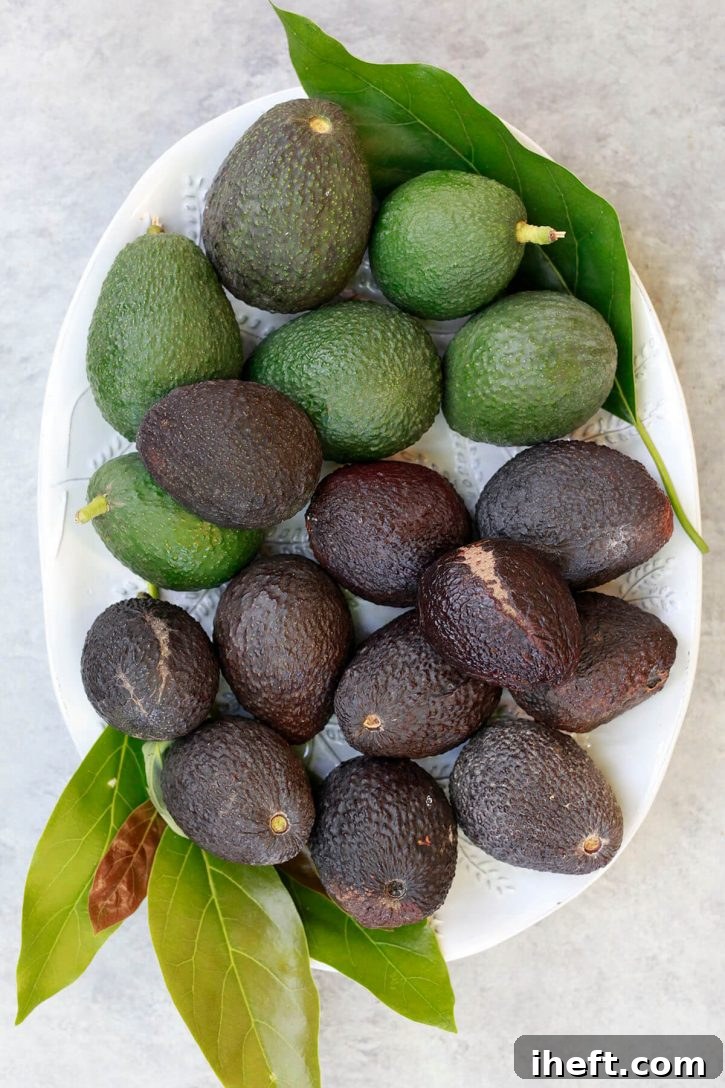
The quality of your frozen avocado begins with your selection. Start with avocados that are perfectly ripe but still slightly firm. What does this mean? They should yield gently to slight pressure when squeezed, but not feel mushy. Avoid avocados that are overripe, as they tend to turn dark and stringy after thawing. Underripe avocados, while they may eventually ripen, are best allowed to fully mature before freezing for optimal flavor and texture.
Step 2: Preparing Your Avocados for Freezing (Cut, Peel, and Protect)
Once you’ve selected your ripe avocados, it’s time for preparation.
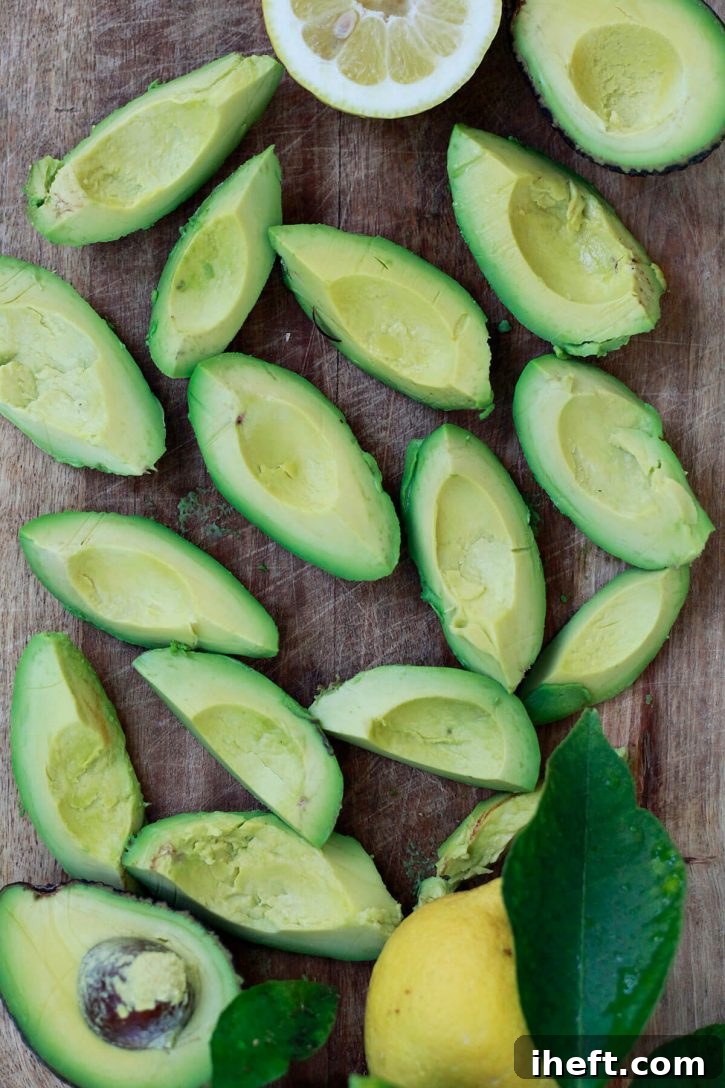
- Cut and Seed: Slice each avocado in half lengthwise and carefully remove the large seed. A common trick is to gently tap the seed with the sharp edge of a knife, twist, and lift.
- Peel: Peel the skin away from the avocado halves. For very ripe avocados, the skin should separate easily.
- Choose Your Form: You have a few options for how to freeze them:
- Halves: If you plan to use them in larger quantities, freezing halves is efficient.
- Quarters or Chunks: For easier portioning in smoothies or dips, cut the halves into quarters or 1-inch chunks.
- Mashed: For ultimate convenience in recipes like guacamole or baby food, you can even mash the avocado before freezing. This works particularly well as the lack of air exposure helps prevent browning.
- Prevent Browning: Avocados are prone to oxidation, which causes them to brown when exposed to air. To combat this, brush or squeeze a small amount of lemon or lime juice over the avocado pieces. The citric acid acts as an antioxidant, helping to preserve the vibrant green color. While optional, this step significantly improves the aesthetic appeal of your thawed avocado.
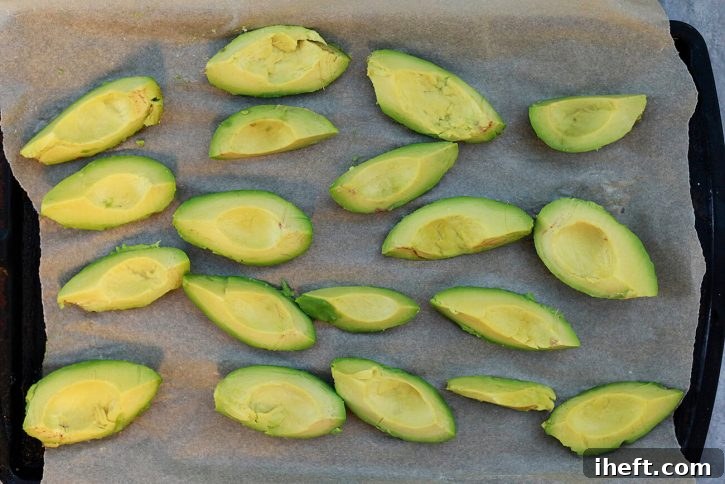
Step 3: The Initial Freeze (Flash Freezing for Best Results)
This step is crucial for preventing your avocado pieces from sticking together and forming one large, unmanageable clump.
- Arrange: Arrange the prepared avocado pieces (halves, quarters, or chunks) in a single layer on a cookie sheet lined with parchment paper. Ensure they are not touching each other. If freezing mashed avocado, spread it thinly on the parchment paper.
- Flash Freeze: Place the cookie sheet in the freezer for approximately one to two hours, or until the avocado pieces are completely hardened. This “flash freezing” allows each piece to freeze individually, making it easy to grab just the amount you need later.
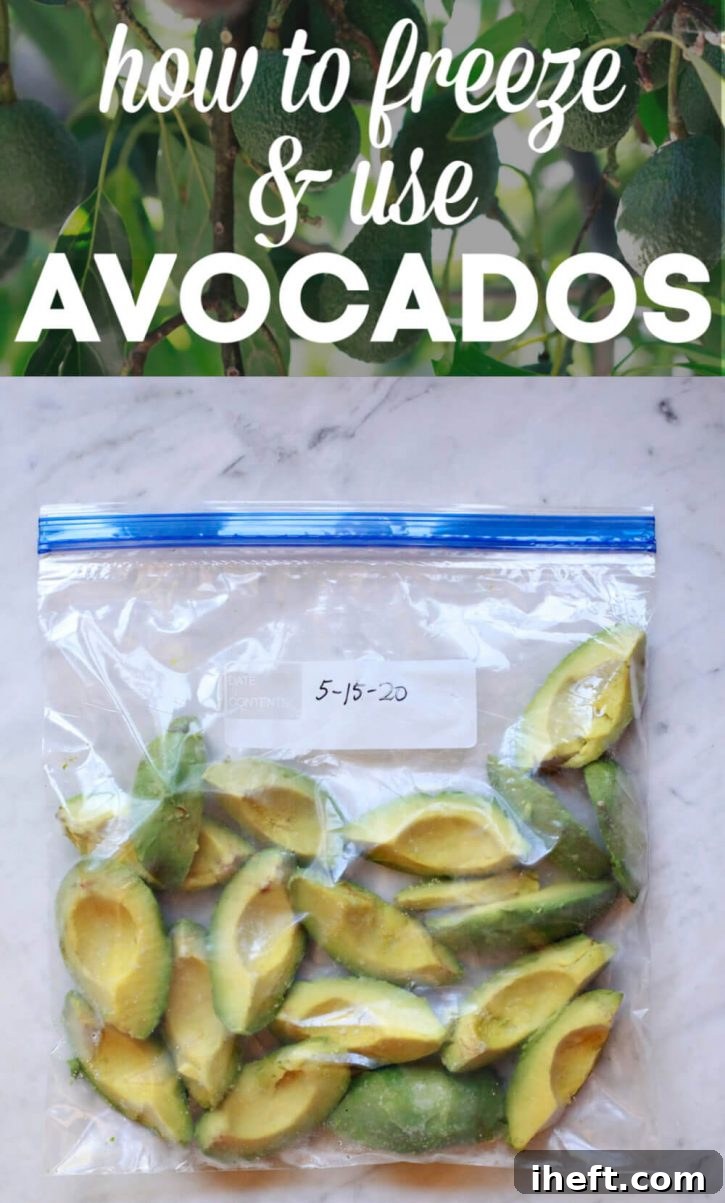
Step 4: Long-Term Storage (Packaging for Preservation)
Once your avocado pieces are flash-frozen, they are ready for long-term storage.
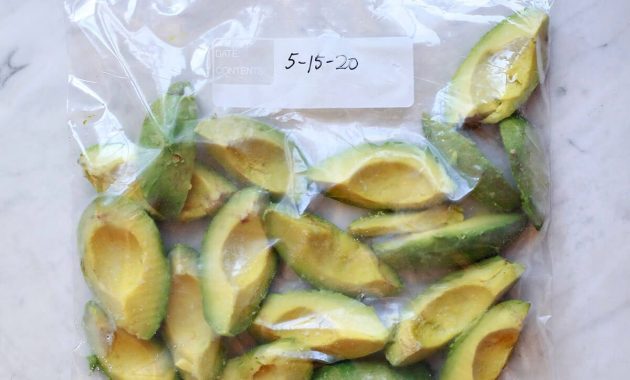
- Transfer: Transfer the hardened avocado pieces from the cookie sheet into a gallon-sized freezer bag or an airtight freezer-safe container.
- Remove Air: The key to preventing freezer burn and maintaining quality is to remove as much air as possible from the storage bag. One effective method for freezer bags is to zip the bag mostly closed, then insert a straw into a small opening in one corner and suck out the air before quickly sealing the rest of the bag. Alternatively, a vacuum sealer works perfectly for this purpose.
- Label and Store: Label the bag or container with the date. Frozen avocados are best used within 4-6 months for optimal quality, although they can remain safe to eat for up to a year. While commercial frozen avocado products often last longer due to added preservatives like citric acid, homemade versions are freshest within this timeframe.
Thawing and Enjoying Your Frozen Avocados: What to Expect
To thaw your frozen avocado, simply remove the desired amount from the freezer bag and let it sit at room temperature for about 30 minutes. You can also thaw it in the refrigerator overnight for a slower, more controlled defrost.
Understanding the Texture Transformation
It’s important to manage your expectations regarding the texture of thawed avocado. Once frozen and defrosted, the fruit’s texture definitely changes; it becomes noticeably softer, losing the firm creaminess of fresh avocado. This is due to the formation of ice crystals during freezing, which can damage the cell walls of the fruit. As a result, thawed frozen avocado is not suitable for every application. Reviews from culinary sites like The Kitchn and Taste of Home, along with my own experience, confirm that frozen avocado isn’t ideal for dishes where its inherent creamy texture is meant to be enjoyed on its own.
Creative Ways to Use Frozen Avocados: Beyond the Expected
While the texture change means some uses are out, frozen avocado excels in applications where its creamy consistency, rather than its firm structure, is desired. Here are some of the best ways to incorporate your frozen avocado stash into your cooking:
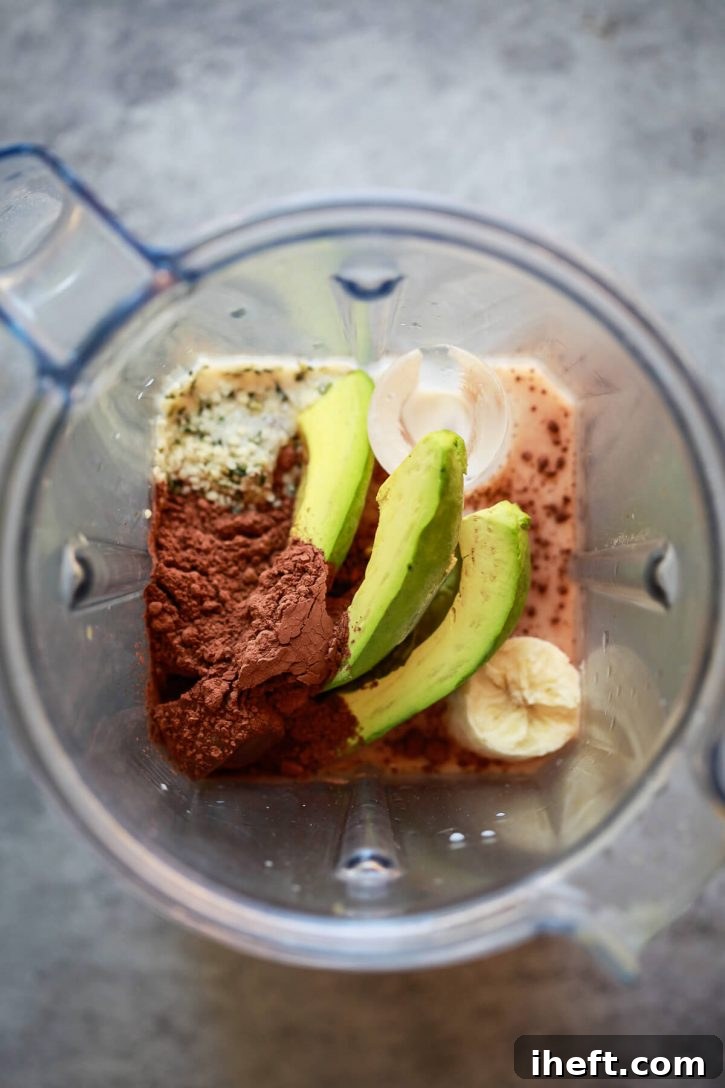
Smoothies: The Ultimate Creaminess Booster
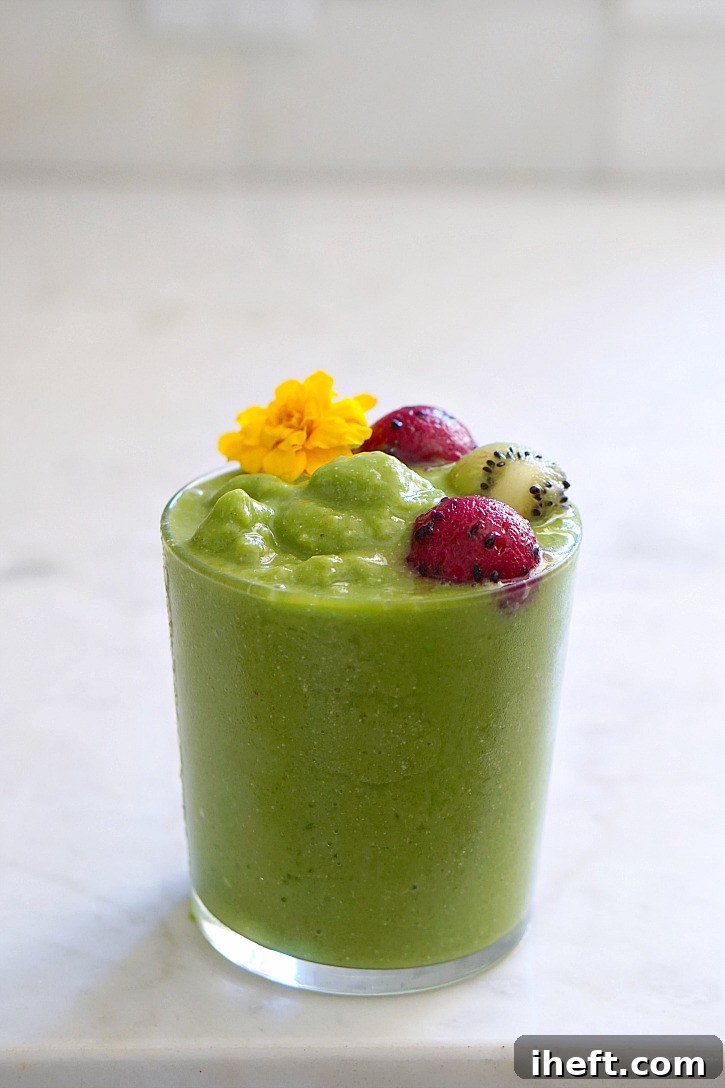
This is arguably the best use for frozen avocado. Adding anywhere from a quarter to a whole frozen avocado to your smoothie will instantly make it incredibly rich, thick, and creamy without altering the flavor profile significantly. It’s fantastic in a Chocolate Avocado Smoothie, a vibrant Weight Loss Green Smoothie, or any fruit-based blend. It’s a secret ingredient for achieving that luxurious, velvety texture.
Dips and Spreads: Elevating Flavor and Texture
Thawed frozen avocado is perfect for creamy dips and spreads. It blends beautifully into classics like guacamole (though you might need to adjust for texture if you prefer chunky guac), hummus, or creamy dressings such as Green Goddess Dressing. Its softened texture actually makes it easier to achieve a smooth consistency. Simply add your favorite seasonings and other ingredients as you normally would.
Baby Food: Wholesome and Convenient
For parents looking for nutrient-dense baby food, frozen avocado is a fantastic option. Once thawed, it can be easily mashed or blended into a smooth puree, providing healthy fats and essential nutrients for little ones. Freezing in small portions, like ice cube trays, makes it convenient to thaw just the right amount.
Baked Goods: A Secret Ingredient for Moisture
Surprisingly, pureed thawed avocado can be incorporated into baked goods. Its fat content and moist texture can serve as a healthy substitute for butter or oil in recipes like muffins, brownies, or quick breads. It adds moisture and richness without imparting a strong avocado flavor, often going unnoticed while boosting nutritional value.
Savory Sauces and Soups: Adding Richness
Consider adding thawed, pureed avocado to creamy pasta sauces or chilled soups. It can enhance the body and silkiness of dishes, adding a subtle depth of flavor and a boost of healthy fats. Try blending it into a cold cucumber soup or a zesty lime sauce.
When Not to Use Frozen Avocados: Managing Expectations
Understanding the limitations of frozen avocado is just as important as knowing its best uses. Due to the significant change in texture, thawed avocado is not well-suited for applications where the firm, buttery consistency of fresh avocado is key. This includes:
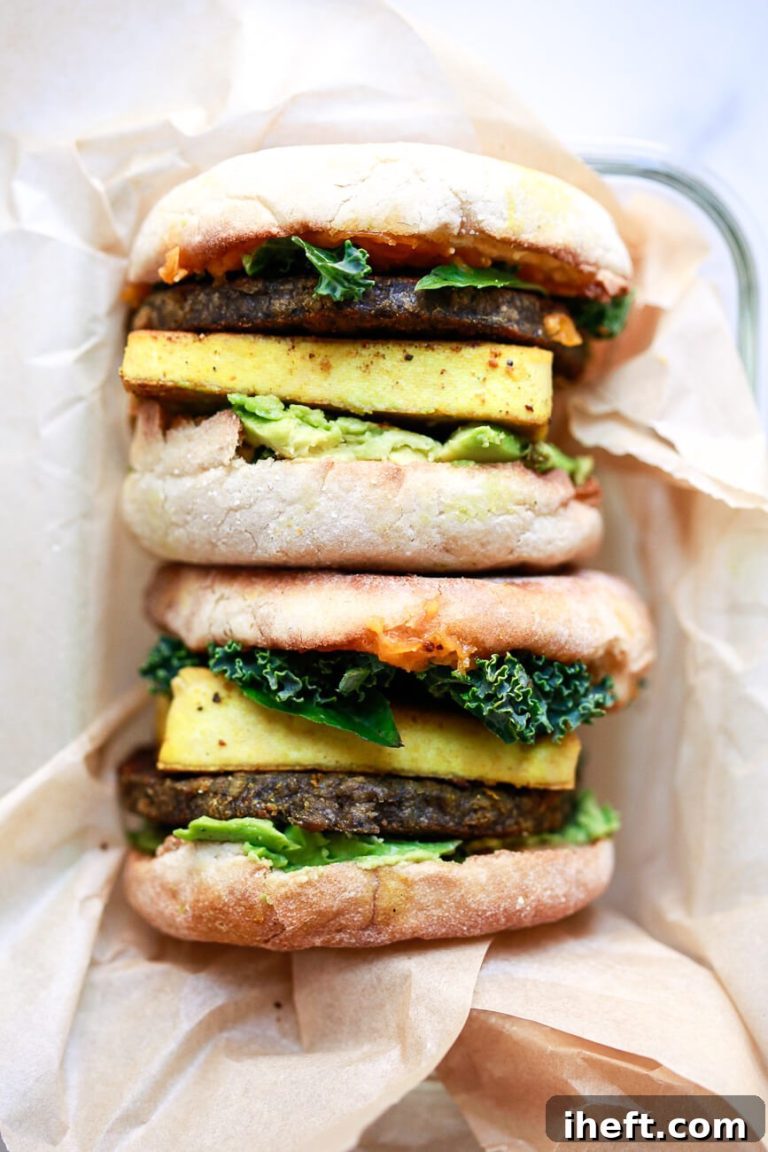
- Avocado Toast: The soft, almost watery texture won’t provide the satisfying bite you expect.
- Avocado Salads: Slices or chunks will lack their structural integrity and become mushy.
- Sushi or Fresh Slices: Any dish where avocado is meant to be a standalone component with a distinct texture will be disappointing.
In these cases, fresh avocado is truly irreplaceable.
Tips for Success and Troubleshooting
- Maximize Air Removal: The less air in your storage bag, the less chance of browning and freezer burn. Consider investing in a small vacuum sealer if you freeze avocados frequently.
- Don’t Skip Flash Freezing: It might seem like an extra step, but flash freezing prevents clumping, making it much easier to use small portions as needed.
- Mashed Avocado Method: If you’re primarily using avocados for guacamole or smoothies, freezing them already mashed (with a little lime juice) in freezer-safe containers or ice cube trays can be incredibly convenient.
- Taste Before Using: Always taste a small piece of thawed avocado before incorporating it into your recipe to ensure it meets your expectations for flavor and texture.
Frequently Asked Questions About Freezing Avocados
Here are answers to some common questions related to freezing avocados:
- Can you freeze mashed avocado? Yes, absolutely! Mashed avocado freezes very well, especially when mixed with a bit of lemon or lime juice to prevent browning. Store it in an airtight container or freezer bag, pressing out all excess air.
- How long do frozen avocados last? For best quality, use frozen avocados within 4 to 6 months. They can technically be safe to eat for up to a year, but their texture and flavor might degrade past the 6-month mark.
- Does freezing kill nutrients in avocados? While freezing can cause minor changes to the cellular structure and potentially negligible losses of some water-soluble vitamins over very long periods, the vast majority of an avocado’s nutrients, including healthy fats, fiber, and many vitamins and minerals, are well-preserved during freezing.
- Can I freeze whole avocados? While technically possible, it’s not recommended. Freezing whole avocados often leads to a severely compromised, watery, and mushy texture upon thawing, even more so than cut pieces. The skin also becomes very difficult to remove.
Recipe Summary: How to Freeze Avocados
This simple guide ensures you can preserve your avocado bounty efficiently.
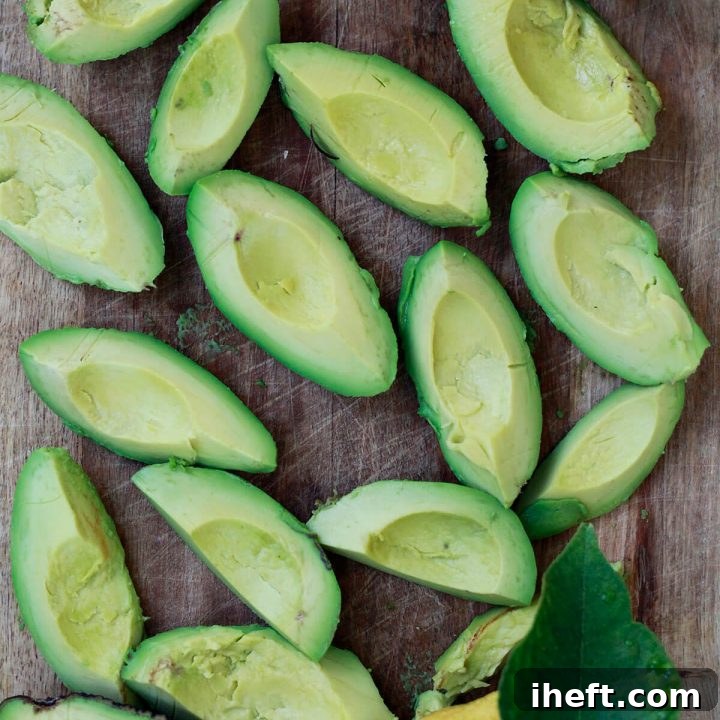
Yield: 5 avocados
Prep Time: 10 minutes
Additional Time: 1 hour (for flash freezing)
Total Time: 1 hour 10 minutes
Ingredients
- 5 avocados (ripe but firm)
- 1/2 lemon (optional, for preventing browning)
Instructions
- Cut avocados in half lengthwise. Remove and discard the seeds. Carefully peel the skin away from the avocado halves and discard.
- Decide on your desired frozen form: For frozen avocado halves, proceed to the next step. For quarters, cut each half lengthwise again. For chunks, cut into approximately 1-inch pieces.
- Optional: Squeeze or brush the juice from the lemon over the avocado pieces. This step helps to significantly prevent browning due to oxidation.
- Transfer the avocado pieces to a cookie sheet lined with parchment paper, ensuring they are arranged in a single layer without touching.
- Place the cookie sheet in the freezer until the avocado pieces are completely hardened, which usually takes about one hour. This flash-freezing step is vital to prevent them from sticking together.
- Once individually frozen, transfer the avocado pieces to a gallon-sized freezer bag or an airtight freezer-safe container. Remove as much air from the bag as possible before sealing.
- Place the bag of frozen avocados into the freezer for long-term storage.
- To thaw frozen avocados, remove the desired amount and let them defrost on a plate at room temperature for approximately 30 minutes, or in the refrigerator overnight.
Notes on Frozen Avocados
Remember that avocados do not retain their original creamy, firm texture once frozen and thawed. Therefore, they are not recommended for dishes like avocado toast, fresh salads, or any application where the distinct texture of fresh avocado is paramount. Frozen avocado shines brightest in recipes where it will be blended or mashed, such as smoothies, hummus, creamy dressings, and baby food, adding excellent creaminess and nutritional value.
Homemade frozen avocados typically maintain their best quality for about 4 to 6 months in the freezer. Commercial frozen avocado products might have a longer shelf life due to the inclusion of preservatives like citric acid.
Nutrition Information (Approximate per Serving)
Amount Per Serving (based on 1/5 of the total recipe):
- Calories: 161
- Total Fat: 15g
- Saturated Fat: 2g
- Trans Fat: 0g
- Unsaturated Fat: 12g
- Cholesterol: 0mg
- Sodium: 7mg
- Carbohydrates: 9g
- Fiber: 7g
- Sugar: 1g
- Protein: 2g
Please note: Nutrition information is automatically calculated by Nutritionix. I am not a nutritionist and cannot guarantee absolute accuracy. If your health depends on precise nutrition information, please calculate again with your preferred calculator or consult a professional.
Conclusion
Freezing avocados is a simple yet powerful technique that empowers you to enjoy this delicious and nutritious fruit all year round, minimizing waste and maximizing convenience. While their texture changes upon thawing, frozen avocados prove to be an invaluable ingredient for countless blended and mashed applications, from creamy smoothies to rich dips. Don’t let those perfectly ripe avocados go to waste ever again; embrace the freezer and keep your kitchen stocked!
And if you’re keen on preserving other seasonal bounties, be sure to explore our guide on How to Freeze Tomatoes!