The Art of Escargot Your Definitive Guide
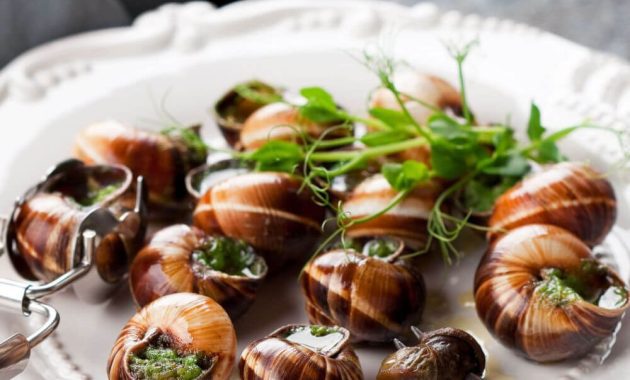
If you’ve ever found yourself pondering, “What exactly is escargot?” you’ve arrived at the perfect destination. This comprehensive guide will demystify this iconic French snail dish, exploring everything from its ancient origins and distinct flavors to its health benefits and how to prepare it in your own kitchen. We’ll even share a classic recipe for Escargots de Bourgogne, ensuring you’re fully equipped to appreciate this culinary marvel. This post contains affiliate links, which means we may earn a commission when you shop through them, supporting our mission to bring you delicious insights.
Escargot, pronounced ‘es-car-go’, is renowned globally as a sophisticated delicacy of French cuisine. The word ‘escargot’ itself is simply the French term for “snail,” but in culinary contexts, it almost always refers to the prepared dish of cooked land snails, typically served with a rich, aromatic butter sauce. While deeply ingrained in French gastronomic tradition, the enjoyment of edible snails transcends borders, cherished by food enthusiasts in numerous countries across the globe.
Much like other intriguing ingredients such as uni (sea urchin), caviar, or truffles, escargot can appear somewhat mysterious to those who haven’t yet had the pleasure of tasting it. If your curiosity has been piqued, this detailed guide promises to unravel the enigma of escargot, delving into its fascinating origins, the meticulous process of preparing it, the proper way to enjoy it, its surprising health benefits, potential considerations, and, finally, how you can recreate this gourmet experience in your own home. Continue reading to embark on a delectable journey into the world of this timeless French delicacy.
What Exactly is Escargot?
At its heart, escargot is a dish featuring edible land snails, celebrated particularly in French culinary traditions. While there are myriad ways to prepare and present it, the most iconic rendition involves snails cooked in a luxurious garlic and herb butter sauce. Although “escargot” broadly refers to any edible snail, in popular culinary parlance, it predominantly signifies this exquisite prepared dish. The experience of eating escargot is not just about the snail itself, but the harmonious blend of rich flavors imparted by the accompanying sauce and seasonings.
The Storied History of Escargot: A Culinary Journey Through Time
The human relationship with eating snails stretches back far beyond modern French cuisine, deep into prehistoric times. Archaeological evidence suggests that humans have been consuming snails for tens of thousands of years, indicating their role as an early food source. Fast forward to antiquity, and the ancient Romans were notable enthusiasts, already elevating snails to the status of a delicacy over 2,000 years ago. Historical texts and archaeological finds reveal that Romans not only consumed wild snails but also actively farmed them in specialized enclosures, often fattening them on milk or wine to enhance their flavor and size.
Over the centuries, the practice of eating snails gradually spread and gained popularity across various regions, particularly in Southern Europe. Countries like Spain, Portugal, and France developed their own unique traditions and recipes for preparing these gastropods. It was in France, however, that escargot truly became synonymous with haute cuisine and culinary refinement. The dish evolved from a simple peasant food into a symbol of gourmet dining, especially by the 19th century. Today, escargot stands as a quintessential French dish, revered by many as a sophisticated delicacy and viewed with intrigued curiosity by others, reflecting its rich and enduring culinary heritage.
Is Escargot Exclusively French?
When one thinks of escargot, France immediately comes to mind. Indeed, it has been an integral part of French cuisine for centuries, with classic preparations like Escargots de Bourgogne embodying traditional French cooking methods. Many would unequivocally declare it French. However, its historical roots hint at broader origins, with some arguing its initial popularity might stem from ancient Roman practices, which influenced regions now known as Spain and Italy. While its ancient consumption might have predated French national identity, its refinement and global popularization as a gourmet dish are undeniably French contributions.
Regardless of its precise birthplace, escargot is immensely popular in all these regions. Yet, France remains the undisputed champion of escargot consumption, enjoying more of this delicacy than any other nation worldwide, solidifying its association with French gastronomy.
What Kind of Snails Are Used for Escargot?
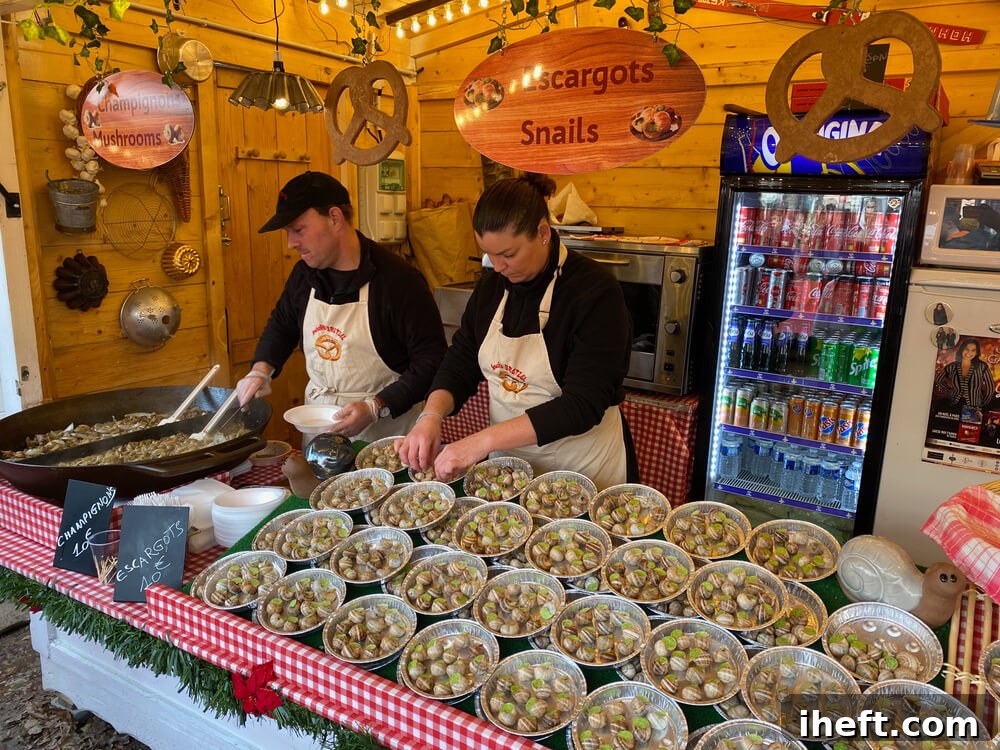
Not all snails are created equal, especially when it comes to culinary applications. Several specific species of land snails are favored for escargot, each contributing subtle differences in texture and flavor. The most common and widely consumed species is the European Garden Snail, scientifically known as Helix Aspersa (also referred to as Cornu Aspersum). These snails are characterized by their medium size and relatively tender meat.
Other notable species include the Turkish Snail (Helix Lucorum), which is larger and meatier, and the highly prized Burgundy Snail (Helix Pomatia), often considered the “true” escargot. The Burgundy snail is renowned for its delicate flavor and firm texture, making it a favorite among connoisseurs. These edible snails can be found and harvested in the wild across various parts of the world, particularly in Europe. There are also professional escargot harvesters who carefully collect them from their natural habitats. Additionally, a significant portion of the escargot market relies on heliciculture, the practice of farming snails in controlled, artificial environments, ensuring a consistent and sustainable supply for culinary use.
From Harvest to Plate: The Meticulous Processing of Snails
Once harvested, either from the wild or from farms, snails must undergo a rigorous processing procedure before they are deemed fit for consumption. This multi-step process is crucial for ensuring their cleanliness, safety, and optimal culinary quality. The initial and perhaps most critical step is purging.
Purging: This involves placing the snails in a clean, empty enclosure for several days, typically between 2 to 10 days, during which they are not fed. This fasting period is essential because it allows the snails to naturally cleanse their digestive systems, expelling any potentially harmful or bitter substances they might have ingested from their environment. This step ensures that the snails are completely free of toxins, pesticides, or unpleasant flavors that could compromise the final dish.
Cleaning and Pre-Cooking: After purging, the snails are thoroughly washed to remove any external dirt or slime. Following this, they are typically blanched or boiled. Boiling serves multiple purposes: it makes the snails easier to extract from their shells, helps to further remove any residual slime, and partially cooks the meat. In large-scale processing facilities, particularly for commercial production, snails are often boiled, then removed from their shells, cleaned again, and then canned. The majority of escargot imported globally is sold in cans, already cooked and ready for final preparation.
What Does Escargot Taste Like? Exploring its Flavor and Texture
For those new to this delicacy, the most pressing question is often: “What does escargot actually taste like?” The inherent flavor of the snail meat itself is surprisingly mild and subtle. It doesn’t possess a strong, fishy, or gamey taste. Instead, its true culinary magic lies in its remarkable ability to absorb and complement the flavors of the rich sauce it’s cooked in. In the classic Escargots de Bourgogne recipe, this means the snail acts as a perfect vehicle for a luscious, creamy, garlicky, and herbaceous butter sauce.
Imagine a delicate earthy undertone, somewhat reminiscent of mushrooms or tender, firm white fish, but without any overwhelming marine notes. This neutral canvas allows the vibrant flavors of fresh garlic, parsley, shallots, white wine, and butter to truly shine through, creating a profoundly savory and satisfying experience with every bite.
Equally important is the texture. Escargot is often described as firm, yet tender and slightly chewy. It’s not rubbery or slimy when properly prepared. Think of it as having a texture similar to that of a perfectly cooked clam, a tender mushroom, or even a piece of firm, well-seared scallop. It provides a satisfying resistance without being tough, inviting you to chew and savor the flavors rather than simply swallowing it whole. This unique combination of a mild, absorbent flavor and a pleasant, firm-chewy texture is what makes escargot such a distinctive and beloved culinary experience.
The Surprising Benefits of Eating Escargot
Beyond its gourmet appeal, escargot offers a surprising array of nutritional benefits, making it more than just a luxurious treat. It stands out as an excellent source of lean protein, crucial for muscle repair, growth, and overall bodily function. What truly distinguishes it is its impressively low fat, carbohydrate, and sugar content in its natural state – a stark contrast to the rich sauces it’s often served with.
Escargot is also a powerhouse of essential vitamins and minerals. It’s particularly rich in Vitamin A, a vital nutrient known for its role in supporting vision, boosting the immune system to fight off diseases, and maintaining healthy skin. Additionally, it provides significant amounts of:
- Magnesium: Important for nerve and muscle function, blood sugar control, and blood pressure regulation.
- Phosphorus: Essential for healthy bones and teeth, and plays a role in how the body uses carbohydrates and fats.
- Potassium: Crucial for maintaining fluid balance, nerve signals, and muscle contractions, and can help offset the effects of sodium on blood pressure.
- Selenium: A powerful antioxidant that helps protect cells from damage and supports thyroid function.
- Iron: Indispensable for the production of hemoglobin, which carries oxygen in the blood, preventing anemia and supporting energy levels.
While the accompanying garlic butter sauce adds indulgence, the snail itself is a remarkably healthy and nutrient-dense food, offering a unique way to incorporate valuable vitamins, minerals, and lean protein into your diet.
Are There Any Dangers to Eating Escargot? Safety Considerations
When properly sourced and prepared, eating escargot is considered perfectly safe and enjoyable. However, like many foods, there are a few important considerations to be aware of to ensure a worry-free dining experience.
Allergies: The most significant precaution concerns allergies. If you have a known allergy to shellfish (such as shrimp, crab, or lobster), it is strongly advised to avoid escargot. Snails are mollusks, a classification that also includes shellfish, and their proteins can trigger similar allergic reactions, which can range from mild to severe. Always check with your doctor if you have shellfish allergies and are considering trying escargot.
Wild Snails and Proper Processing: While edible snails can be found in the wild, consuming them directly from nature without proper processing can pose risks. Wild garden snails may have ingested toxins, pesticides, or parasites from their environment. This is why the purging process, where snails fast for several days to cleanse their systems, is absolutely critical. Snails that have not been thoroughly purged and cooked can potentially carry harmful substances or parasites. To mitigate these risks, it is highly recommended to only consume escargot that has been processed by reputable suppliers. Commercially processed and canned escargot, or snails from established heliciculture farms, undergo stringent cleaning and preparation protocols, making them safe for consumption. These products ensure that the snails are free from impurities and pathogens, allowing you to enjoy this delicacy with peace of mind.
Where in the World is Escargot Eaten?

While France holds the undisputed crown for escargot consumption, with this dish being a celebrated staple in classic French cuisine, its popularity extends far beyond French borders. Our own children had their memorable first taste at Carette, a charming cafe nestled in the picturesque Marais district of Paris, highlighting its cultural significance there.
However, escargots are also deeply ingrained in the culinary traditions of many other nations, particularly across Southern Europe and the Mediterranean. You’ll find them widely consumed in Spain and Portugal, where they often appear in tapas or stews. Italy also embraces snail consumption, particularly in its central and southern regions, often prepared with tomatoes and herbs. The broader Mediterranean diet often includes snails, reflecting their availability and nutritional value.
Beyond this, escargot enjoys popularity in Germany, particularly in the south, and historically in Great Britain, where archaeological sites show ancient consumption. Further afield, snails are a traditional food in parts of North Africa, including Algeria and Morocco, and even in certain regions of Africa and Asia, showcasing a surprisingly global culinary footprint for these humble gastropods.
If a trip to France isn’t immediately on your itinerary but you’re eager to try this exquisite dish, your best bet is to seek out a local authentic French restaurant. Many fine dining establishments specializing in French cuisine will feature escargot on their appetizer menu. For instance, on the Central Coast of California, food enthusiasts can find a notable rendition at Bell’s in Los Alamos, proving that this classic dish is cherished and prepared by talented chefs around the world.
Mastering the Art of Eating Escargot

Eating escargot is not just a meal; it’s a distinctive culinary experience steeped in tradition and etiquette that leaves a lasting impression. Before diving in, it can be helpful to mentally prepare. If the idea of eating snails feels unusual, simply remind yourself of their long history as a food source, their safe processing, and their status as a celebrated delicacy worldwide. Embrace the adventure!
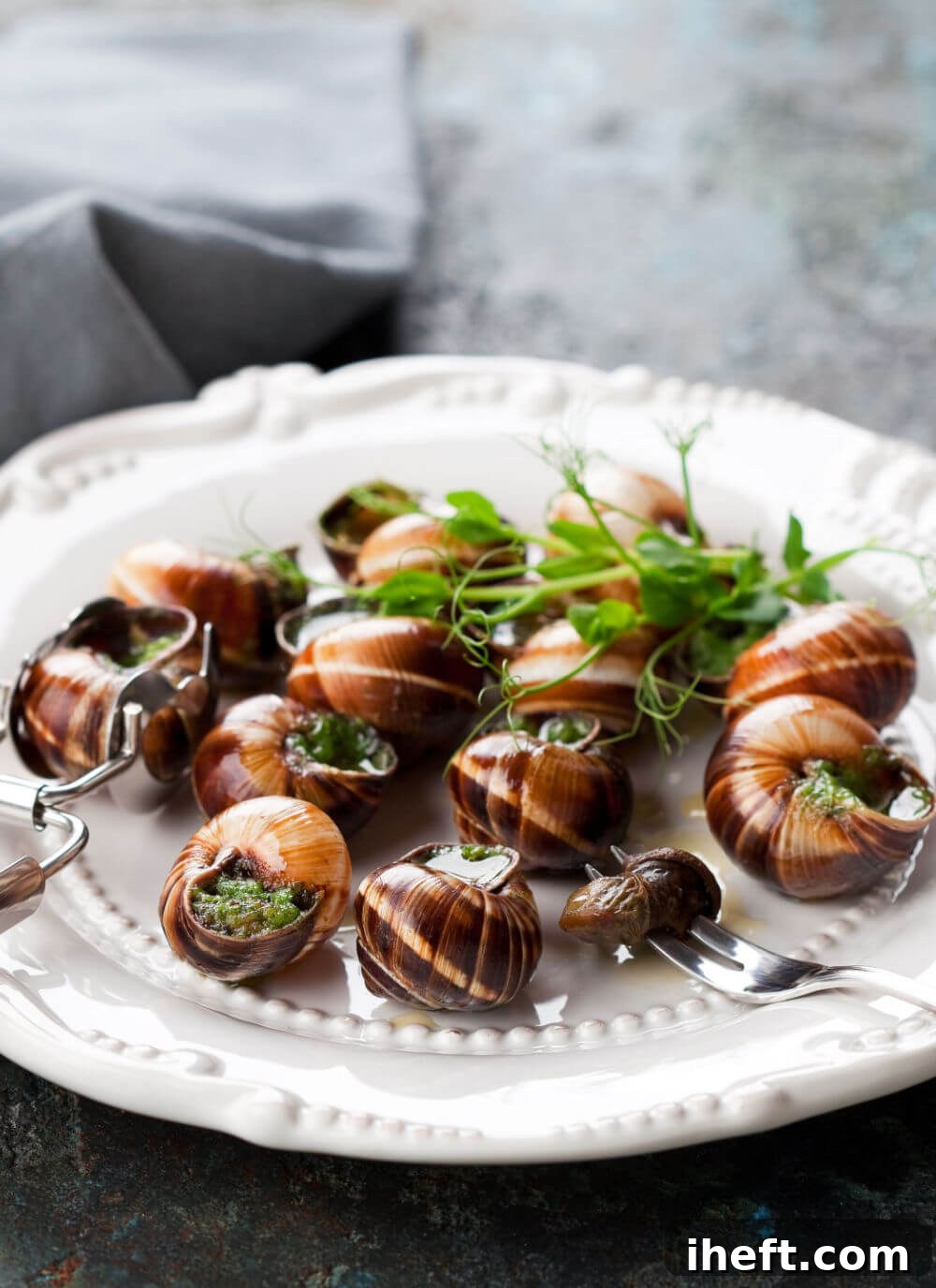
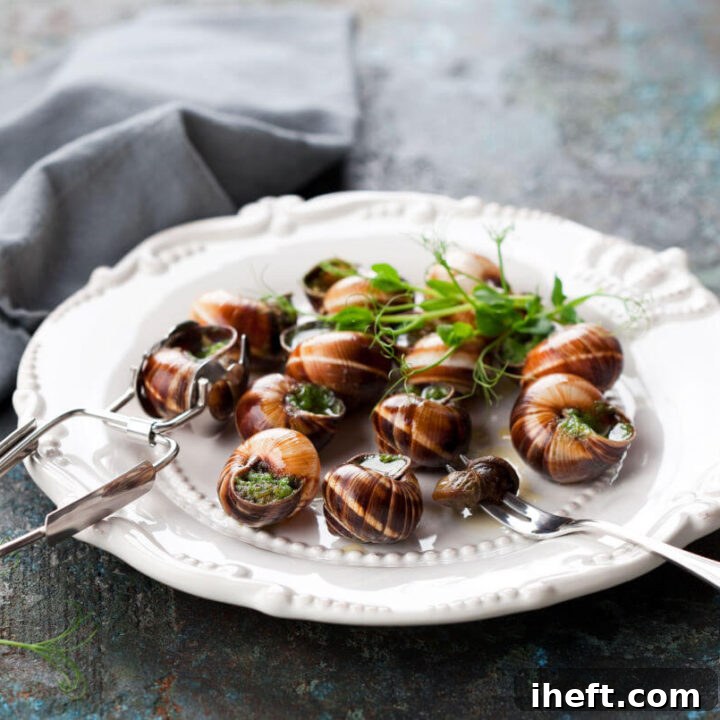
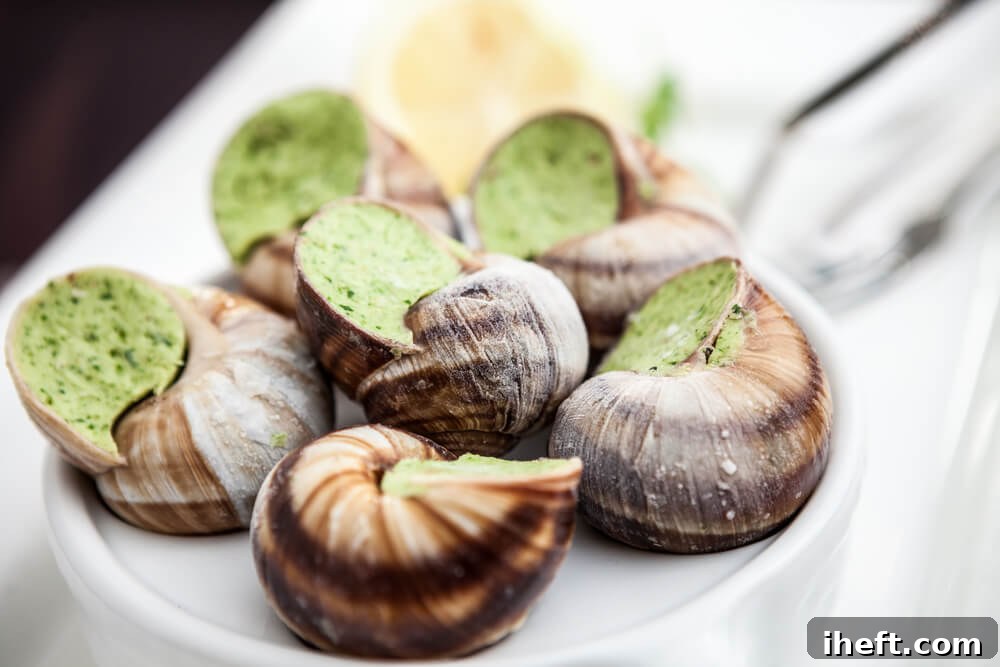
Escargot is almost exclusively served as an appetizer, typically presented piping hot in a special escargot plate. This plate features individual indentations designed to cradle each snail shell, preventing them from rolling around. The snails themselves are usually swimming in a fragrant garlic butter sauce, often enriched with fresh herbs (like parsley), spices, and sometimes a splash of white wine. While traditionally served in their shells, some modern preparations might present the snails out of their shells, directly in the sauce.
The Tools of the Trade: Fork and Tongs
To navigate this dish gracefully, you’ll typically be provided with two specialized tools: an escargot fork and escargot tongs. The tongs, resembling small pincers, are designed to securely hold the hot, slippery shell. Hold the shell firmly with your non-dominant hand using these tongs. With your dominant hand, employ the small, two-pronged escargot fork to gently pierce the snail meat. A slight twist of the fork will help detach the snail from the shell, allowing you to extract it cleanly.
Savoring Every Bite: Sauce and Bread
Once extracted, the snail is ready to be savored. If the sauce is served separately, dip the snail meat into it to fully coat it in the buttery goodness. If, as is common, the snails are already drenched in the sauce within their shells, you’ll get a delightful burst of flavor with each bite. A quintessential accompaniment is crusty bread, often a freshly warmed baguette. Use the bread to sop up the remaining garlic butter sauce from the indentations of the plate – this is considered perfectly acceptable and a highlight of the escargot experience. You can also place the snail onto a small piece of bread before eating it, enhancing both flavor and texture. Pair your escargot with a crisp white wine, such as a Chardonnay or Sauvignon Blanc, to complete this classic French gastronomic delight.
Can You Freeze Escargot? Preserving Your Delicacy
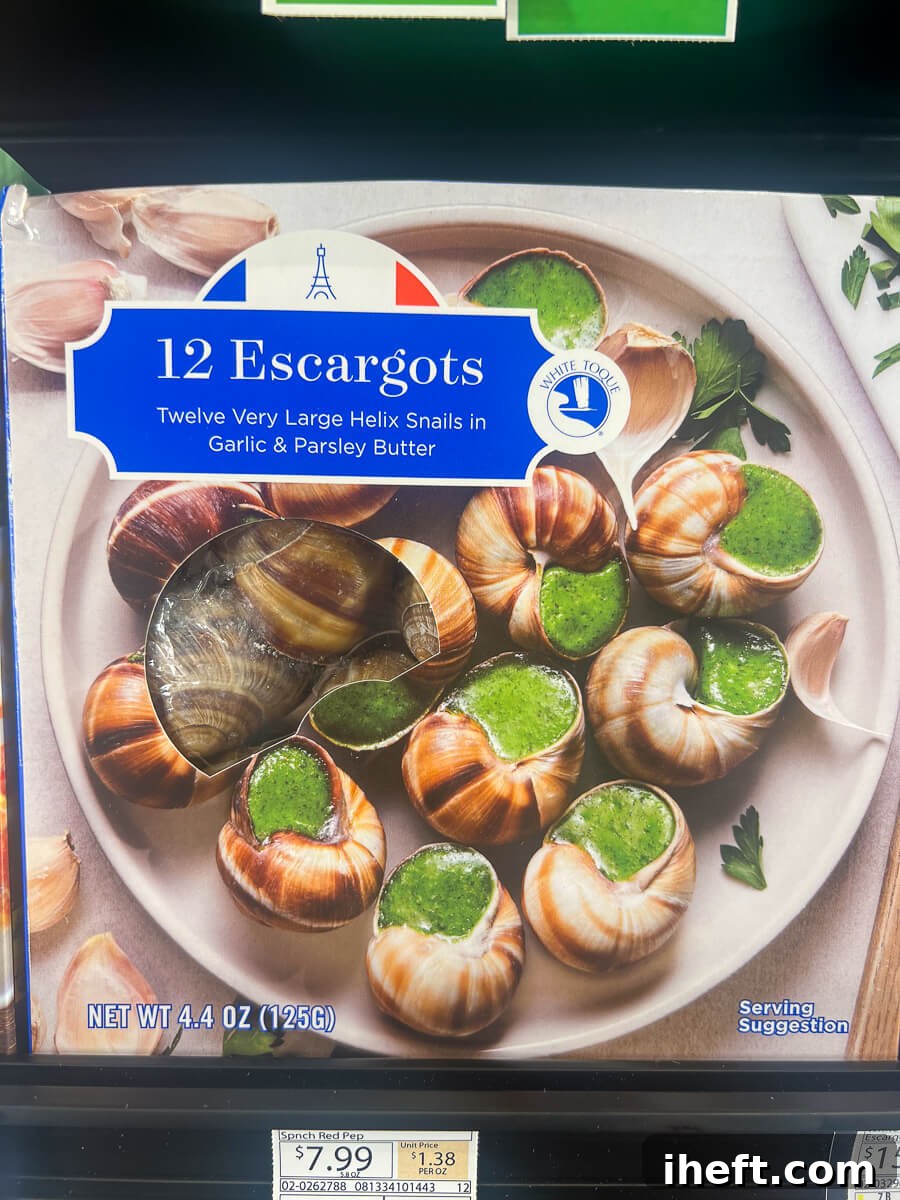
Escargot, like many delicate foods, is best enjoyed fresh after preparation. However, if you find yourself with an abundance of escargots or wish to prepare them in advance, freezing is a viable option to preserve their quality. You should never leave raw or cooked escargot meat sitting at room temperature for extended periods. For optimal freshness and safety, immediate cooking or freezing is key.
To freeze cooked escargots (e.g., if you’ve prepared too many for your Escargots de Bourgogne recipe), allow them to cool completely. Then, transfer them to an airtight freezer bag or a rigid freezer-safe container. This protects them from freezer burn and prevents the absorption of other freezer odors. Properly stored, escargot can maintain its quality in the freezer for approximately 3 to 6 months. Beyond this period, while still safe to eat, the texture and flavor might begin to degrade.
For convenience, many gourmet grocery stores and specialty markets offer pre-packaged frozen escargots, often already nestled in their shells and complete with a delectable parsley butter sauce. These ready-to-bake options provide a wonderfully quick and easy way to enjoy this French delicacy at home, requiring little more than a simple transfer from freezer to oven.
Escargots de Bourgogne: The Quintessential French Recipe
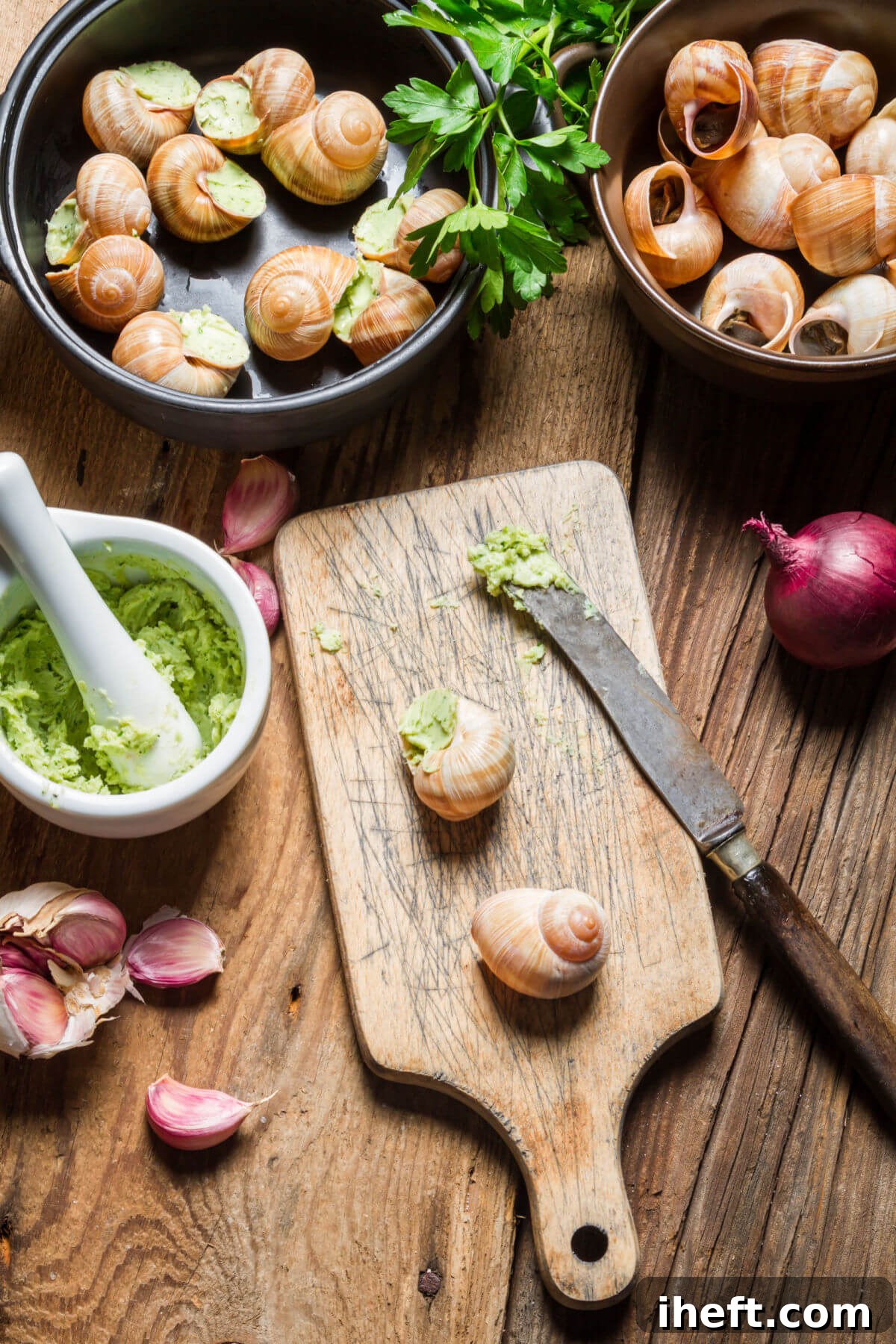
If you’re inspired to recreate the authentic taste of France in your own kitchen, preparing Escargots de Bourgogne is a rewarding experience. This traditional recipe showcases snails served in their shells, drenched in a rich, aromatic garlic, butter, and parsley sauce – a true cornerstone of French appetizer culture.
How to Make Classic Escargots de Bourgogne
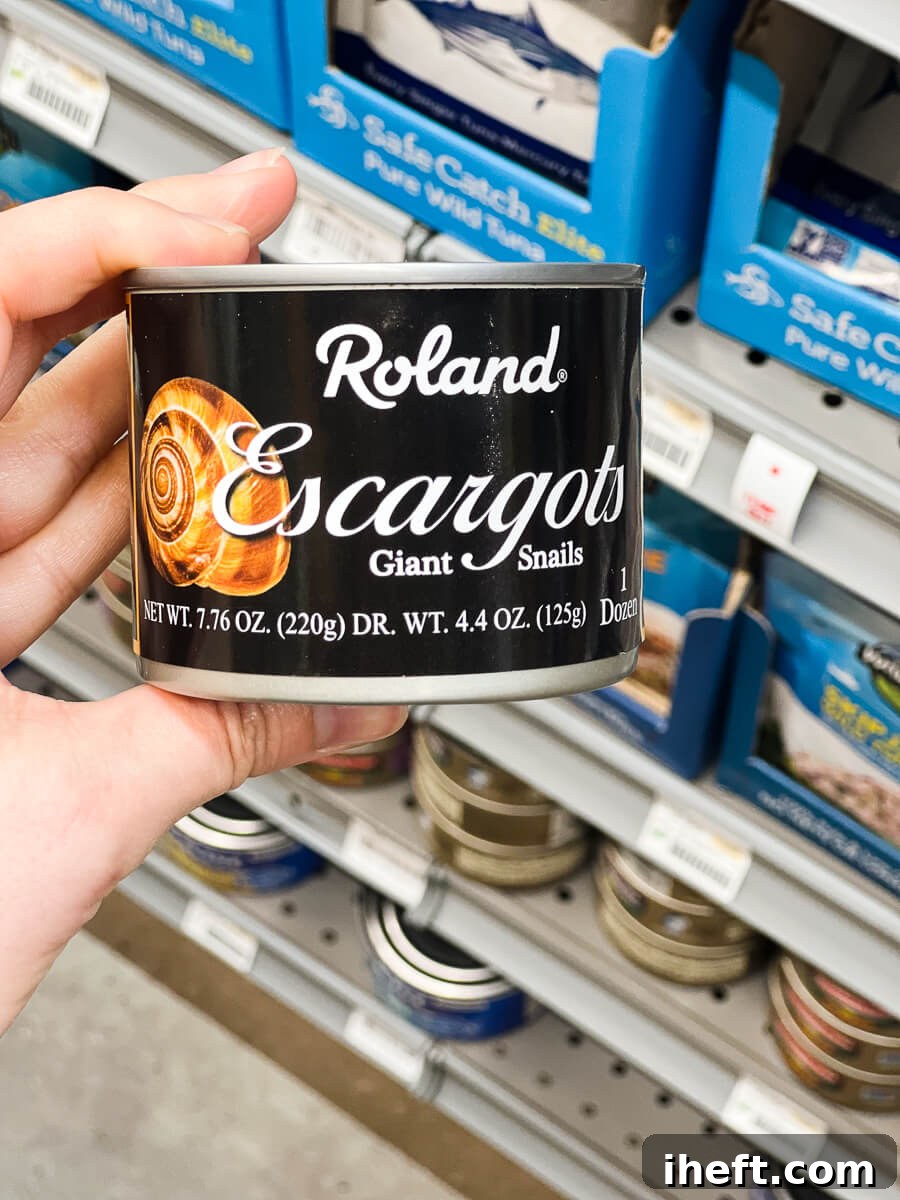
To embark on this culinary adventure, you’ll need two main specialized ingredients: the snails themselves and their shells. These can typically be sourced from gourmet grocery stores, specialty French markets, or conveniently online. All other ingredients are readily available at any standard grocery store.
- Canned Escargot Snails (often sold as “giant snails”)
- Empty Snail Shells
Preparing Your Snail Shells for Reuse
If you’re using previously used shells or new ones that need sanitizing, proper cleaning is essential. To prepare them, place the shells in a large pot of water with a splash of white vinegar (about 1-2 tablespoons per quart of water). Bring to a boil and simmer for approximately 5 minutes. This sterilizes the shells and helps remove any lingering odors. After boiling, drain them thoroughly. To ensure they are completely dry and free of trapped water, spread them on a baking sheet and bake in a 200°F (95°C) oven for about 20 minutes, or simply allow them to air dry completely for several hours.
Are Canned Escargots Already Cooked?
Yes, commercially canned escargots are indeed pre-cooked and ready for use. However, a crucial step before incorporating them into your recipe is to drain them completely from their canning liquid and rinse them thoroughly under cool, running water. This removes any metallic taste from the can and helps to improve their overall texture and flavor. We highly recommend trying them in the classic French preparation outlined below, which is surprisingly quick, easy, and yields impressive results.
In the Shell or Out? The Presentation Debate
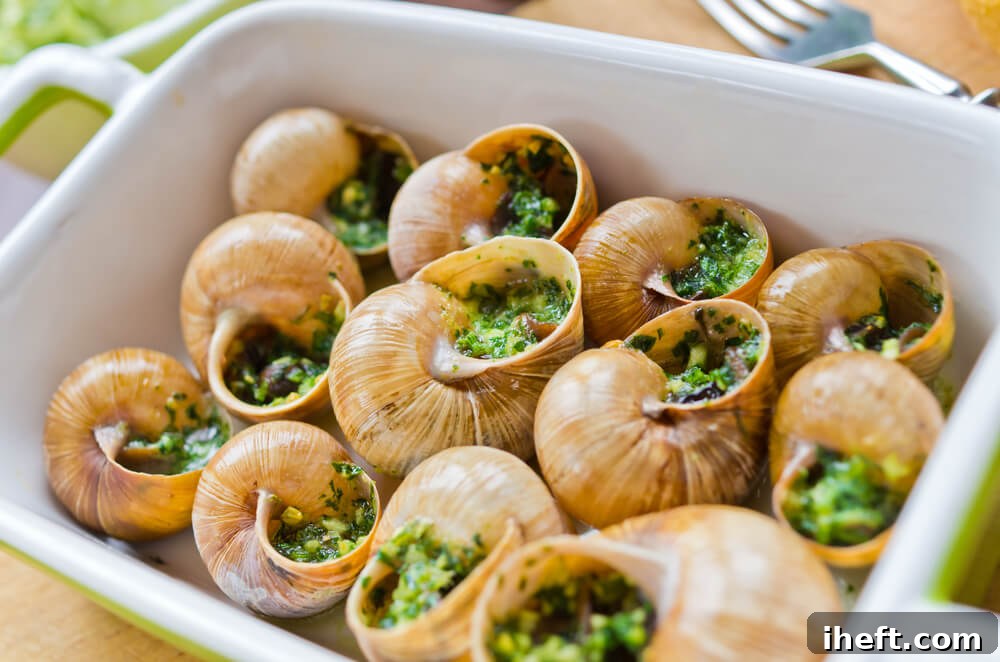
Traditionally, and most frequently in restaurants, escargots are served elegantly nestled back into their shells. Although the snails are initially removed from their shells for cleaning, boiling, and sometimes initial cooking, they are then returned to these very shells for a stunning presentation. Even canned escargots are designed to be served in shells, which can be purchased separately specifically for this purpose. While serving escargot in shells is the classic approach, it’s also acceptable, though less common, to prepare and serve them without the shells. Some escargot dishes are designed to hold the snails directly, bathed in sauce, offering an equally delicious but slightly less traditional presentation.
The Indispensable Role of Butter
French cuisine famously embraces butter, and escargot is no exception. The snails are almost always cooked in, or generously coated with, a rich butter sauce. This sauce is typically infused with fragrant garlic, a medley of fresh herbs, and often a hint of dry white wine. The dish can be served with the escargots already doused in this luxurious sauce, or with a side of extra sauce for dipping, allowing diners to control the richness to their preference.
Herbs and Spices: Crafting the Perfect Aroma
The beauty of escargot lies in its versatility, allowing various herbs and spices to enhance its mild flavor profile. The most common and beloved additions to the butter sauce include fresh parsley (essential for that vibrant green color and fresh taste), aromatic chervil, earthy thyme, and sometimes a pinch of nutmeg for warmth. Minced fresh garlic is non-negotiable, often complemented by garlic powder and onion powder for depth. A dash of Italian seasoning can also provide a harmonious blend of flavors. The choice of herbs and spices allows for countless variations, enabling you to tailor the escargot experience to your personal taste.
What to Serve with Escargot
Escargot, typically enjoyed as a sophisticated appetizer, pairs wonderfully with specific accompaniments. The most classic pairing is slices of crusty bread, particularly a freshly baked baguette. Whether fresh or lightly toasted, the bread serves as the perfect vehicle for soaking up every last drop of the delectable garlic butter sauce – a truly essential part of the experience. Often, extra sauce will be provided on the side for dipping both the escargots and the bread.
To complete the gourmet meal, a well-chosen wine is almost always served alongside this tasty appetizer. The ideal wine pairing largely depends on the flavor profile of your escargot sauce. For the traditional garlic butter escargot, a crisp, dry white wine is an excellent choice. A unoaked Chardonnay offers a buttery complement, while a Sauvignon Blanc or Pinot Grigio provides a refreshing acidity that cuts through the richness of the butter, enhancing the overall dining pleasure. Consider also a dry Rosé or a light-bodied red like Pinot Noir if you prefer red wines, especially if your sauce has a more robust, earthy flavor.
Escargots de Bourgogne
5 minutes
10 minutes
15 minutes
This escargot recipe features flavorful garlic and parsley butter. Canned snails are cooked with butter in shells for a classic French appetizer.
Ingredients
- 24 Empty Snail Shells
- 1 small shallot
- 2 large cloves garlic
- 1/4 cup Italian parsley
- 1/4 cup salted butter, softened
- 1 tablespoon dry white wine
- Pinch freshly cracked black or white pepper
- 1 can Escargots snails, canned
- 1 baguette, warmed and sliced
Instructions
- Boil the shells in a large pot of water for 5 minutes. Drain and set aside to air dry. Preheat the oven to 400°F (200°C).
- To make the compound butter, combine the butter with the rest of the ingredients. You can do this with a stand or hand mixer, a spatula, or a food processor (works best if butter is cold).
- Finely chop the shallot, garlic, and parsley, and add to a medium bowl. Stir in the room-temperature butter, wine, and pepper with a spatula or mixer until well combined. Transfer to a piping bag if you have one for easier filling.
- Drain and rinse the canned escargots thoroughly under cool water.
- Using a small spoon, knife, or piping bag (preferred for precision), fill each shell with a small amount of the garlic parsley butter.
- Gently press one snail per shell into the butter. Top with more butter to completely cover the snail, ensuring it’s fully encased.

- Place the filled shells butter-side-up on a baking dish. To prevent the shells from rolling around, it’s best to use a rimmed baking dish that keeps them closely packed together, or a mini muffin tin. Bake for 10 minutes, or until the butter is bubbling and melted, and the snails are heated through.
- Serve immediately with a sliced, warm baguette for dipping in the delicious butter sauce.
Notes
Escargots are typically eaten with a small fork and tongs, but any small fork will do. There are also special escargot plates that have indentations to hold the shells securely.
Recommended Products
As an Amazon Associate and member of other affiliate programs, I earn from qualifying purchases.
- 6PCS escargot tongs Stainless Steel Kitchen Food Tongs with Seafood Forks For snails
Nutrition Information:
Yield: 24
Serving Size: 4 snails
Amount Per Serving:
Calories: 136
Total Fat: 3g
Saturated Fat: 2g
Trans Fat: 0g
Unsaturated Fat: 1g
Cholesterol: 49mg
Sodium: 159mg
Carbohydrates: 9g
Fiber: 0g
Sugar: 1g
Protein: 16g
Nutrition information is automatically calculated by Nutritionix. We are not nutritionists and cannot guarantee absolute accuracy. If your health depends on precise nutrition information, please calculate again with your preferred tool.
In Summary: The Enduring Allure of Escargot
The culinary journey of snails, spanning tens of thousands of years, culminates beautifully in the esteemed dish known as escargot. Far from being an exclusively French invention, this popular delicacy, deeply entrenched in French gastronomy, is also widely cherished and consumed in numerous other countries across Europe, Africa, and Asia, reflecting its universal appeal and adaptability.
The preparation of escargot involves a meticulous process that begins with purging, a vital step that ensures the snails are thoroughly cleansed and safe for consumption. Following this, they are cleaned and carefully removed from their shells. Often, a blanching or boiling step precedes shell removal, simplifying the process and further enhancing cleanliness. For convenience and wider distribution, commercially canned snails, already cooked and prepared, are readily available.
The most iconic preparation, Escargots de Bourgogne, traditionally features snails sumptuously cooked in a rich, flavorful garlic butter sauce. This exquisite dish is typically served as an elegant appetizer, often accompanied by slices of crusty baguette, perfect for soaking up the aromatic sauce, and a glass of crisp white wine, which beautifully complements its rich flavors.
Beyond its gourmet status, escargot offers notable health benefits. It is widely considered safe to eat when properly sourced and prepared, and it stands out as a lean protein source packed with essential vitamins and minerals, including Vitamin A, magnesium, potassium, and iron. Furthermore, in its natural state, it is entirely free of unwanted carbohydrates, fats, and sugars. This makes escargot not only a delightful culinary experience but also a surprisingly nutritious addition to a balanced diet, inviting diners to explore its unique taste and texture with confidence and pleasure.