Thanksgiving Harvest: Living Succulent Pumpkin Decor
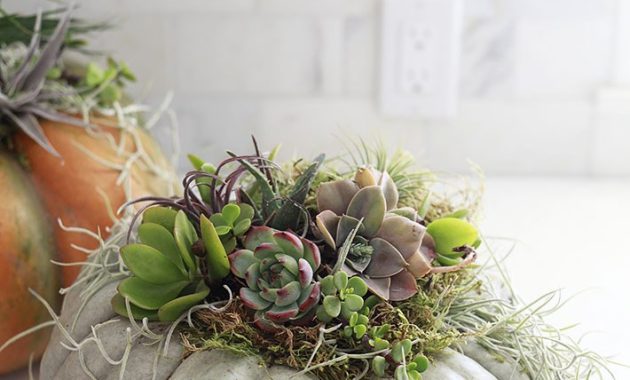
Elevate your autumn and holiday decor with a charming succulent pumpkin centerpiece. Learn to craft these beautiful, long-lasting arrangements featuring fairytale pumpkins adorned with vibrant succulents and lush moss – perfect for Thanksgiving tables, fall displays, or as a thoughtful hostess gift.
DIY Succulent Pumpkin Centerpiece: An Elegant & Sustainable Fall Decoration
As the crisp air of autumn settles in and the holiday season approaches, there’s no better time to infuse your home with natural beauty and warmth. While traditional floral arrangements are lovely, they often wilt quickly. This year, consider a captivating alternative: a succulent pumpkin centerpiece. This project offers a delightful blend of rustic charm and modern elegance, perfect for your Thanksgiving table, a festive fall tablescape, or even as a unique, enduring hostess gift.
The beauty of these succulent and air plant pumpkins lies in their simplicity, longevity, and natural appeal. Unlike carved pumpkins, these require no cutting, meaning they stay fresh and vibrant throughout the entire autumn season and beyond. Imagine creating these stunning pieces now and enjoying them until well after Thanksgiving, perhaps only needing to add a few votives or small vases of fresh flowers on the big day itself to complete your festive spread. They are not just for your dining table; these charming creations also make a darling addition to a front porch display, a mantelpiece, or any cozy corner of your home.
Why Choose a Succulent Pumpkin Centerpiece?
Opting for a succulent pumpkin centerpiece offers numerous advantages, making it a favorite among DIY enthusiasts and decor aficionados:
- Unmatched Longevity: Forget wilting flowers. Succulents and air plants are incredibly hardy, ensuring your centerpiece remains fresh and beautiful for weeks, even months, with minimal care.
- Effortless Creation: This is a no-carve pumpkin project, making it simple, mess-free, and accessible for crafters of all skill levels. No complex tools or techniques are required.
- Sustainable & Eco-Friendly: At the end of the season, the plants can be easily removed and replanted in your garden or in pots, and the pumpkin can be composted. This minimizes waste and extends the life of your living decor.
- Versatile Aesthetics: These centerpieces blend seamlessly with various decor styles, from rustic farmhouse to modern minimalist. Their organic textures and muted tones complement the autumnal palette beautifully.
- Perfect Hostess Gift: Show your appreciation with a unique, handmade gift that lasts. A succulent pumpkin is a memorable token that your host can enjoy long after the dinner party.
Understanding Succulents and Air Plants: Your Living Decor Partners
The stars of our centerpiece are succulents and air plants, celebrated for their resilience and striking beauty.
About Air Plants (Tillandsia)
Air plants, or Tillandsia, are fascinating epiphytes that, as their name suggests, derive most of their nutrients and water from the air around them. They don’t require soil, making them incredibly versatile for unique decor projects like this one. I first discovered the magic of air plants a few years ago and have been captivated by their low-maintenance nature and architectural forms ever since.
Air Plant Care Tips:
- Watering: The most common method is misting. I spritz my air plants with a fine mist of water once a week, and they thrive. However, watering frequency can vary significantly based on your climate. In very humid environments, they may need less water, while dry climates might require more frequent misting, or even a weekly soak (submerging them in water for 20-30 minutes).
- Signs of Thirst: If the tips of your air plant begin to look crisp, brown, or appear more curled than usual, it’s a clear signal they need more hydration.
- Light: Air plants generally prefer bright, indirect light. Avoid direct, intense sunlight, especially during the hottest parts of the day, as this can scorch their delicate leaves.
- Air Circulation: Good air circulation is vital for air plants. After misting or soaking, ensure they dry completely within a few hours to prevent rot.
About Succulents
Succulents are a broad category of plants known for their thick, fleshy parts, which are adapted to store water in arid climates. Their diverse shapes, sizes, and colors—from soft greens and blues to vibrant reds and purples—add incredible visual interest to any arrangement. For this project, rosette-forming varieties like Echeveria, Sedum, or Sempervivum (hens and chicks) work beautifully.
Succulent Care Tips (in this arrangement):
- Watering: Since succulents in this centerpiece aren’t rooted in soil, they’ll primarily rely on the moisture absorbed through their leaves. A light misting directly onto the plants once a week (or as needed) is usually sufficient. Be careful not to drench the pumpkin itself, as this can accelerate its decomposition.
- Light: Succulents generally crave bright light. Place your centerpiece in a location where it receives ample natural light to keep the succulents vibrant and prevent them from stretching.
- Temperature: Most succulents prefer moderate temperatures and should be protected from frost.
Crafting Your Succulent Pumpkin Centerpiece: A Simple Guide
The beauty of this project lies in its simplicity. Since we’re not cutting into the pumpkin, it remains intact, preserving its freshness for a much longer display period. The pumpkin provides the perfect organic and festive base for your living plants.
What You’ll Need:
- Fairytale Pumpkin (or similar): I highly recommend “Fairytale” or “Cinderella” pumpkins for their beautiful, flattened, often deeply ribbed shape, which naturally creates a perfect dip in the center for your arrangement. White pumpkins or even smaller decorative gourds can also work wonderfully. Look for a pumpkin that has a slightly concave top, providing a natural well to cradle your moss and plants. Keep an eye out for post-Halloween sales at local fruit and veggie stands, farmers’ markets, or grocery stores like Trader Joe’s.
- Air Plants and/or Succulents: A variety of shapes, sizes, and textures will create a more dynamic display. For air plants, look for healthy specimens at local nurseries, garden centers (like Orchard Supply Hardware, if available), or even online specialty retailers. For succulents, you might find great prices at big box stores, local nurseries, or even propagate some cuttings from your own garden if you have them.
- Moss: Sheet moss or sphagnum moss works best. This provides a soft, natural base for your plants and helps retain a bit of moisture.
- Hot Glue Gun: A low-temperature hot glue gun is ideal for this project, as it’s gentle on the plants and dries quickly.
- Optional Enhancements: Small pinecones, acorns, decorative berries, cinnamon sticks, or mini gourds can add extra festive touches.
Step-by-Step Instructions:
- Prepare Your Pumpkin: Gently clean the surface of your pumpkin to remove any dirt or debris. Ensure it’s dry before you begin gluing.
- Create the Moss Foundation: Take a handful of moss and gently arrange it on the top of your pumpkin, focusing on any natural depressions or the stem area. Use your hot glue gun to secure the moss firmly to the pumpkin’s surface. This forms the soft bed for your plants.
- Arrange Your Plants: Before gluing, experiment with the placement of your air plants and succulents on top of the moss. Consider creating a focal point with a larger succulent, then surrounding it with smaller plants or air plants. Think about varying heights, textures, and colors for an appealing design.
- Secure the Plants: Once you’re happy with your arrangement, carefully lift each plant one by one. Apply a small dab of hot glue to the bottom or a non-critical part of the plant and press it gently onto the moss until secure. For succulents, try to apply glue to the very bottom, avoiding the fleshy leaves. For air plants, a small amount of glue on the base is usually sufficient.
- Add Finishing Touches (Optional): If desired, tuck in small pinecones, acorns, or other decorative elements into the moss around your plants, securing them with a tiny bit of glue if necessary.
Caring for Your Succulent & Air Plant Pumpkin Centerpiece
This is where your centerpiece truly outshines traditional floral arrangements. Its longevity is a major draw.
- Watering: To keep your plants vibrant, mist them with a spray bottle or mister once every week or so. Ensure you’re misting the plants directly, rather than soaking the pumpkin, to prolong the pumpkin’s life. Adjust frequency based on your home’s humidity – more often in dry environments, less in humid ones.
- Light: Place your centerpiece in a location with bright, indirect light. Avoid direct sunlight that can scorch the plants or cause the pumpkin to decompose more quickly.
- Environment: Keep the centerpiece in a cool, well-ventilated area to maximize the pumpkin’s freshness.
Beyond Thanksgiving: Repurposing Your Living Decor
One of the most rewarding aspects of this project is its sustainability. There’s very little waste, allowing you to enjoy your plants for seasons to come.
After Thanksgiving, or whenever your pumpkin begins to show signs of softening, you can easily transition your plants:
- Harvest the Plants: Gently peel the plants off the pumpkin, carefully removing any residual glue.
- Air Plant Wreaths: Air plants are perfect for creating beautiful, living wreaths. I love to repurpose my air plants into a hardy air plant wreath. You’ll need a grapevine wreath (easily found at craft stores like Michael’s), some wire or hot glue, and moss. Simply attach the air plants to the wreath using small dabs of hot glue or by tucking them into crevices and securing with fine wire. Tuck some moss in between the branches for added texture and to help retain moisture. This creates a stunning, low-maintenance living wreath that can adorn your door or wall.
- Replant Succulents: Your succulents can be replanted into individual pots with well-draining soil, added to a succulent garden bed, or incorporated into other indoor arrangements or terrariums. Give them a good watering after replanting and place them in a bright spot to help them establish new roots.
- Compost the Pumpkin: Once the plants are removed, the pumpkin can be composted, returning its nutrients to the earth.
Creating a succulent pumpkin centerpiece is more than just a craft project; it’s an invitation to bring sustainable, living beauty into your home. It’s a wonderful way to celebrate the harvest season and express gratitude, offering a unique blend of elegance, simplicity, and eco-consciousness. Enjoy crafting your beautiful fall decor, and prepare to receive compliments on your stunning and lasting creation!
Looking for more inspiration to adorn your home during the festive season? Explore additional ideas to make your holiday table truly special!
More Holiday Table Ideas