Tempeh Unveiled: Understanding Its Origins and Crafting Incredible Meals
Welcome to the ultimate guide to tempeh! If you’ve ever wondered what tempeh is, how to prepare this incredible plant-based protein, or are searching for the most delicious tempeh recipes, you’ve come to the right place. Get ready to discover a versatile, nutritious, and truly satisfying ingredient that will revolutionize your cooking.

For many years, tempeh remained a mystery to me, often overlooked in favor of its more popular cousin, tofu. However, once I embraced this unique fermented soybean product, it quickly earned a permanent spot in my kitchen. It’s an incredibly quick and easy way to infuse your diet with high-quality protein and essential nutrients, making it a perfect choice for busy weeknights or elaborate meal preps.
My journey with tempeh began, like many, with a curious glance at the packages nestled beside the tofu at my local grocery store. “Tempeh,” I mused, “what exactly is tempeh?” My initial attempts at cooking it were, to be frank, less than stellar. The texture and sometimes slightly bitter undertone were unfamiliar, leading to a few disappointing meals. But armed with perseverance and a desire to explore new plant-based options, I kept experimenting with different preparations and cooking methods. And I am so glad I did!
The turning point arrived during a visit to the Whole Foods deli counter. There, I discovered spicy BBQ sauce-covered tempeh slices, a revelation that instantly won over both my daughter and me. This delicious experience ignited my passion, leading me to create my own Easy Baked BBQ Tempeh at home. Later, a meal kit subscription introduced me to another game-changer: Vegan Caesar Salad with Tempeh Croutons. The crispy, savory tempeh croutons were an absolute delight, inspiring me to develop a copycat Vegan Caesar Dressing recipe for everyone to enjoy. These experiences transformed tempeh from a confusing food into a beloved staple, proving that with the right approach, tempeh is not only easy to cook but also a versatile and fantastic high-protein addition to countless recipes.

What is Tempeh? Your Comprehensive Guide
Pronounced “tem-pay,” tempeh is an ancient superfood with roots deeply embedded in Indonesian culture. Like other plant-based powerhouses such as Tofu, Lentils, Chickpeas, and Quinoa, tempeh is celebrated for its remarkably high plant-based protein content. A mere 3-ounce serving of tempeh boasts an impressive 16 grams of protein. What sets it apart even further is its significant fiber content, offering 7 grams per serving, a valuable addition not found in traditional animal protein sources.
At its core, tempeh is a fermented soybean product, originating from Asia, specifically Indonesia. The fermentation process is key to tempeh’s unique qualities. Whole soybeans are cooked, slightly crushed, and then fermented with a special starter culture, typically *Rhizopus oligosporus*. This fungus binds the soybeans into a compact, cake-like form, creating a distinctive nutty flavor and firm, chewy texture. The fermentation not only contributes to its unique taste but also breaks down complex compounds, making the nutrients more bioavailable and easier to digest.
While tempeh may feel like a relatively new discovery in Western markets, it has been a staple protein in Indonesia, particularly on the island of Java, for centuries, possibly even over a thousand years, according to Wikipedia. This rich history highlights its enduring value as a nutritious and affordable food source. Today, the tempeh you find in grocery stores often includes other grains and seeds alongside soybeans, such as brown rice, millet, or flax, enhancing its nutritional profile and adding textural variety.
Beyond its impressive nutritional benefits, tempeh is also an incredibly economical choice. Priced around $2 per package at stores like Trader Joe’s and typically $3.50 elsewhere, it offers exceptional value, making healthy, plant-based eating accessible to everyone. Its versatility and affordability make tempeh a truly indispensable ingredient for any pantry.
Why Choose Tempeh? Health Benefits and Culinary Versatility
Tempeh is more than just a protein source; it’s a nutritional powerhouse packed with benefits that extend far beyond its high protein count. Here’s why tempeh deserves a place in your diet:
- Rich in Plant-Based Protein: As mentioned, tempeh provides a substantial amount of complete protein, making it an excellent alternative to meat for vegans, vegetarians, and anyone looking to reduce their meat consumption.
- Excellent Source of Fiber: The whole soybeans and added grains contribute significantly to your daily fiber intake, promoting digestive health, aiding in satiety, and helping to regulate blood sugar levels.
- Gut Health Champion: As a fermented food, tempeh contains probiotics, beneficial bacteria that support a healthy gut microbiome. A balanced gut is crucial for digestion, immunity, and even mood regulation.
- Nutrient-Dense: Beyond protein and fiber, tempeh is a good source of various vitamins and minerals, including iron, calcium, magnesium, and B vitamins, particularly B3 (niacin) and B6. These nutrients are vital for energy production, bone health, and overall well-being.
- Heart-Healthy: Tempeh is naturally low in saturated fat and cholesterol-free, which can help support cardiovascular health. Studies suggest that soy products may help lower LDL (“bad”) cholesterol.
- Sustainable Choice: Opting for tempeh is also a conscious choice for the planet. Plant-based proteins generally have a smaller environmental footprint compared to animal agriculture, making tempeh an eco-friendly option.
Its firm texture and ability to absorb flavors like a sponge make tempeh incredibly versatile in the kitchen. From mimicking ground meat in tacos to serving as a hearty base for sandwiches, tempeh adapts beautifully to a wide array of cuisines and cooking styles. It’s an ingredient that brings both nutrition and exciting culinary possibilities to your table.
How to Cook Tempeh: Simple Steps for Delicious Results
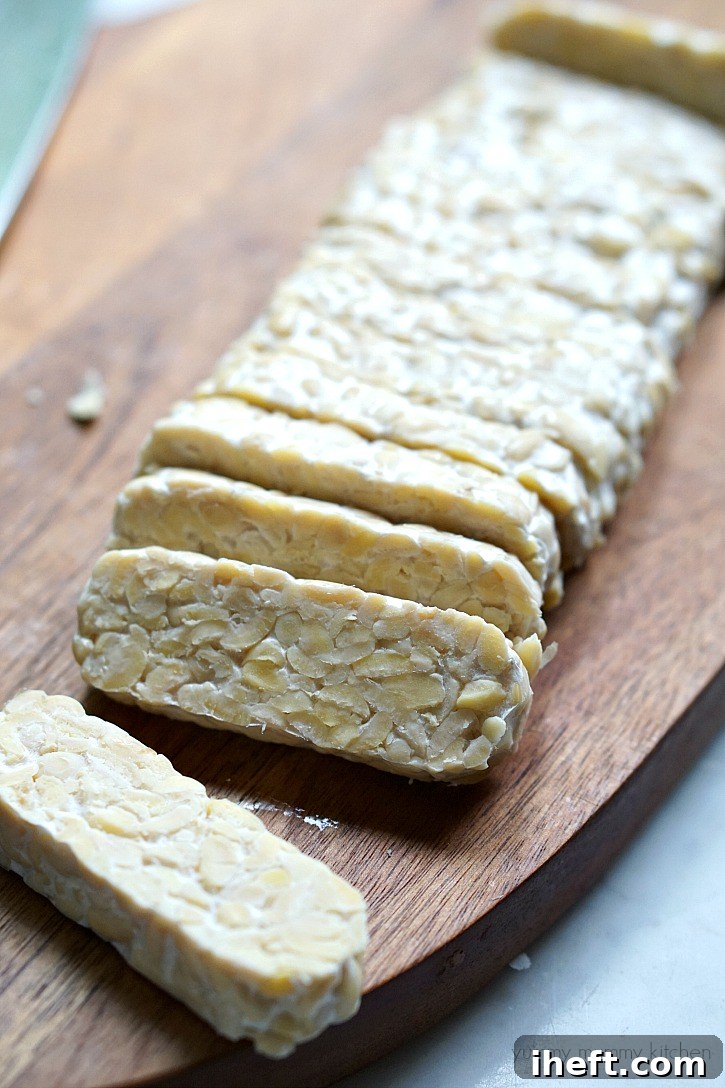
Don’t be intimidated by tempeh – cooking it is surprisingly straightforward, often much easier than preparing many types of meat! It comes conveniently packaged and ready to eat, though its flavor and texture are significantly enhanced when baked, pan-fried, or simmered on the stove. Here’s a basic, foolproof method to get you started on your tempeh cooking adventure:
1. Prepare & Cut Tempeh
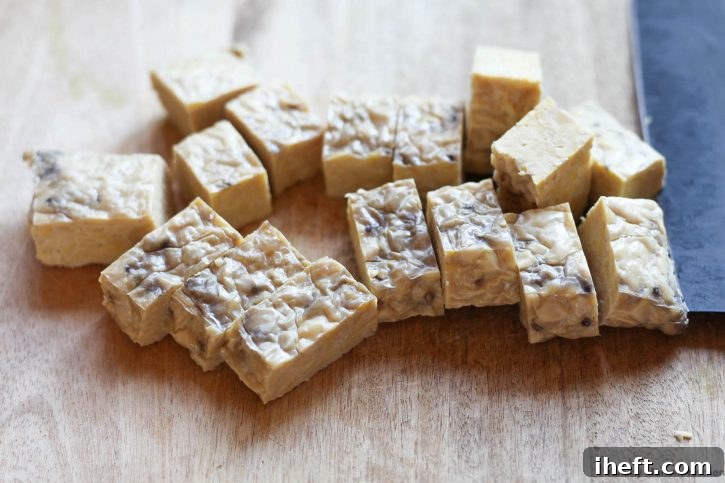
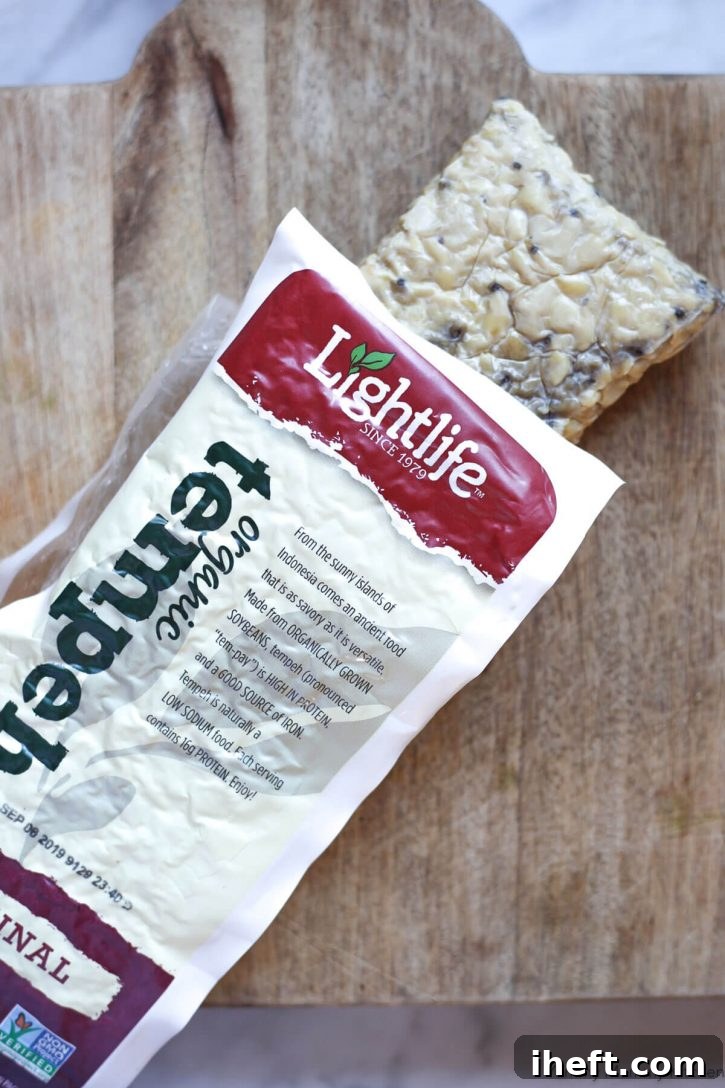
Begin by removing the tempeh from its plastic packaging, typically consisting of two layers. Discard both. The way you cut your tempeh can dramatically influence its texture and how well it absorbs flavors. For maximum flavor infusion, aim for smaller pieces. Here are some popular cutting options:
- Strips or Triangles: These shapes are ideal for grilling, pan-frying, creating satisfying sandwiches, or adding to vibrant stir-fries. They hold their shape well and develop a lovely crust.
- Crumbled: For dishes where you want to mimic ground meat, crumbling tempeh is perfect. It works wonderfully in tacos, chili, or as a base for sloppy joes.
- Grated: When you need a finer texture, perhaps for a rich bolognese sauce or a savory crumble topping, grating tempeh is the way to go.
- Cubes: Versatile and easy to work with, tempeh cubes are excellent for adding to salads, grain bowls, or curries.
2. Steam (Optional, but Recommended for Newbies)
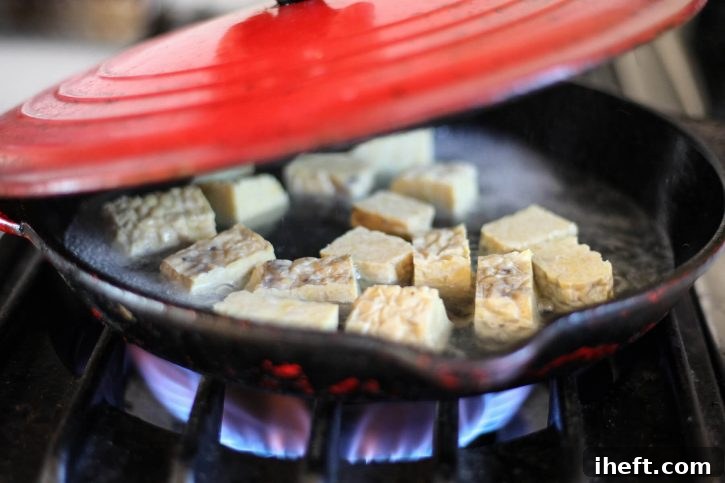
Tempeh can sometimes have a slightly bitter taste, which varies from brand to brand. While I often skip this step for convenience or when using robust sauces, steaming can be a game-changer, especially if you’re new to tempeh or find your batch has a noticeable bitterness. To steam, place the cut tempeh in a pot with about 2 inches of water, bring to a simmer, partially cover, and let it steam for 5-7 minutes. This process helps to soften the tempeh’s texture and mellow out any potential bitterness. When simmering tempeh directly in flavorful sauces like soy sauce, tomato sauce, or as taco crumbles, steaming is often unnecessary as the tempeh will soften and absorb the sauce’s flavors simultaneously.
3. Marinate for Enhanced Flavor
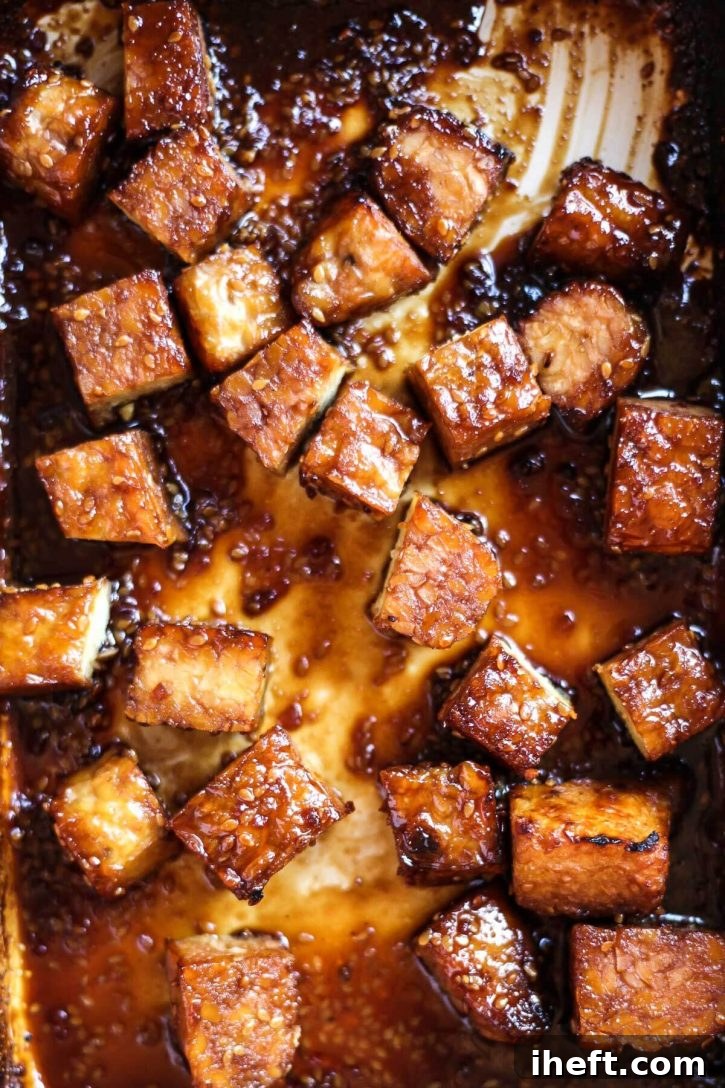
Marinating tempeh is highly recommended, especially when you plan to grill, pan-fry, or bake it. Tempeh acts like a sponge, readily absorbing the flavors of your marinade, transforming it into an incredibly delicious component of your meal. Excellent marinade options include sweet and savory Teriyaki sauce, smoky BBQ sauce, or umami-rich tamari (a gluten-free soy sauce alternative). The ginger sesame glaze from this tofu recipe would also be absolutely delicious on tempeh. For best results, marinate your tempeh for at least 30 minutes, or even overnight in the refrigerator for deeper flavor penetration. While simple stove-top tempeh can be delicious without marinating, it’s a crucial step for achieving that incredible depth of flavor when grilling or roasting.
4. Cook to Perfection
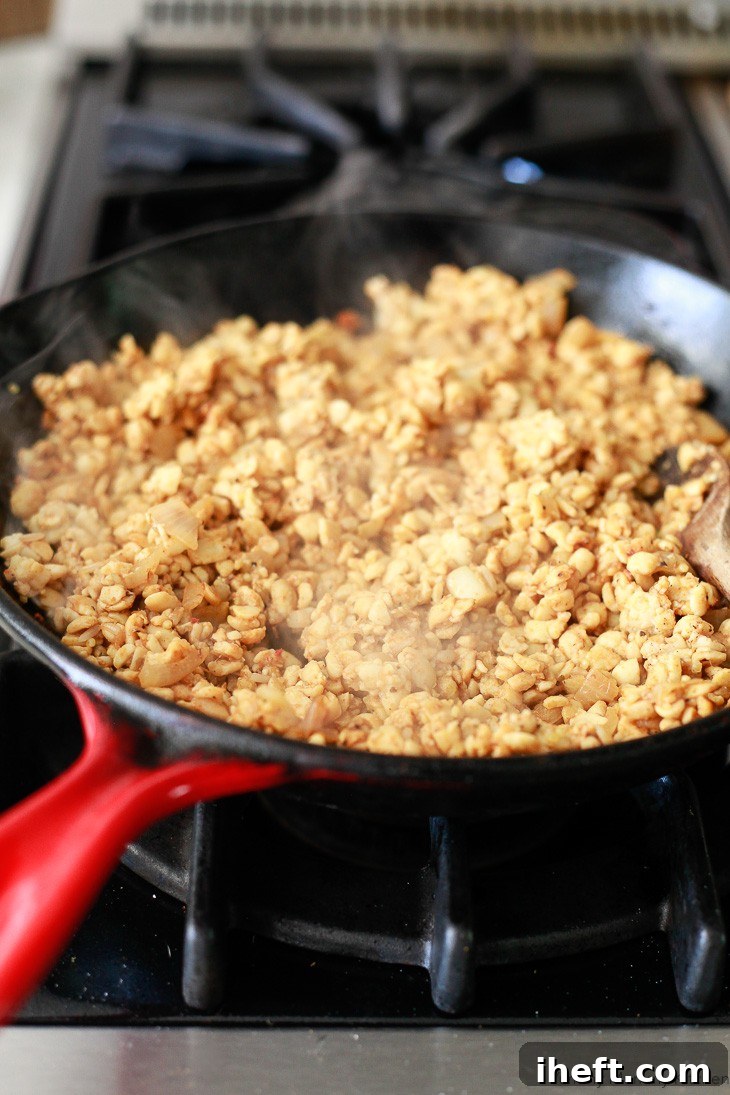
Once your tempeh is prepped and, if desired, marinated, it’s time to cook! Here are the most common and effective cooking methods:
- Sauté: This is my go-to method for a quick and easy tempeh dish. Coat a skillet with a splash of coconut oil or your preferred cooking oil. Add the tempeh (sliced, cubed, or crumbled) and a couple of tablespoons of soy sauce or coconut aminos. Sauté over medium-high heat, stirring occasionally, until the tempeh is golden brown and slightly crispy, typically about 5-7 minutes. This method yields deliciously caramelized edges and a tender interior.
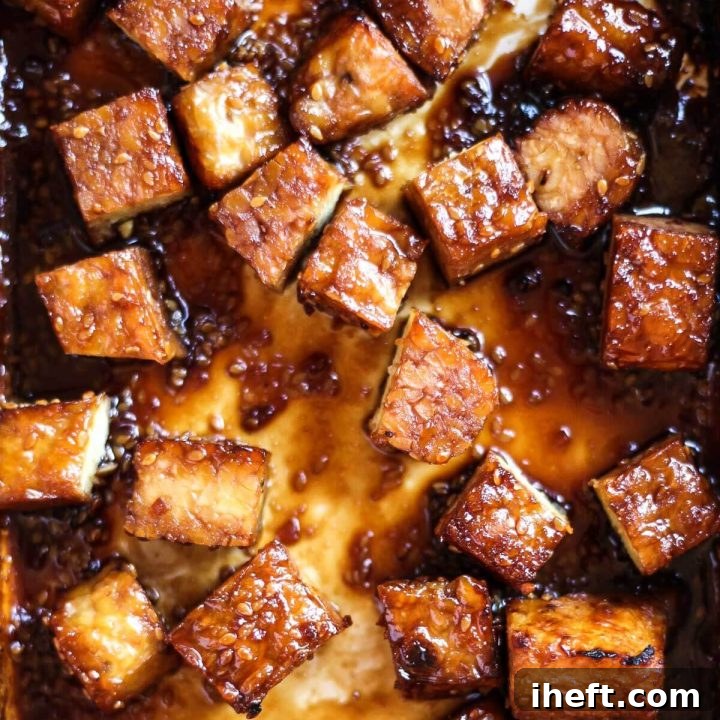
- Bake: For an evenly cooked, hands-off approach, baking is fantastic. Arrange marinated tempeh slices or cubes on a baking sheet. Ensure they are generously coated with sauce. Bake in a preheated oven at 375°F (190°C) until caramelized and slightly crisp, usually around 20-25 minutes, flipping halfway through. Baking is excellent for achieving a firmer texture.
- Grill: Tempeh makes a superb meat alternative for outdoor BBQs. Simply place marinated tempeh strips or patties directly on a preheated grill. Grill for 3-5 minutes per side, or until beautiful grill marks appear and the tempeh is heated through and slightly charred. The smoky flavor from the grill pairs wonderfully with tempeh’s nutty notes.
- Simmer: Perfect for absorbing rich flavors, tempeh can be simmered directly in sauces, stews, or chilis. Add crumbled or cubed tempeh to your simmering sauce and let it cook until it has absorbed the flavors and softened to your desired texture. This method is ideal for curries, pasta sauces, or making tempeh “ground meat.”
Tempeh Common Questions: Your FAQ Answered
New to tempeh? You likely have questions. Here are answers to some of the most frequently asked questions about this fantastic ingredient:
Is Tempeh Gluten-Free?
Many brands of tempeh are naturally gluten-free, as their primary ingredients are soybeans and sometimes brown rice. However, it is crucial to always double-check the ingredient list for any added grains like barley or wheat, and to look for a “gluten-free” certification if you have a severe allergy or sensitivity. Cross-contamination can also be a concern in some manufacturing processes, so verifying the label is always the safest approach.
Where Can I Buy Tempeh?
Tempeh has become increasingly accessible and can be found in most major grocery stores across the US and many other countries. I often purchase it at Trader Joe’s, where it’s typically the most affordable option. You’ll also find a good selection, often including different varieties and organic options, at health food stores like Whole Foods and Sprouts. Look for it in the refrigerated section, usually near the tofu and other plant-based proteins.
Is Tempeh Healthy?
Absolutely, tempeh is incredibly healthy! Unless you have a specific soy allergy, tempeh is a nutritional powerhouse. It’s an excellent source of complete plant-based protein, iron, calcium, and dietary fiber, all vital for a balanced diet. Its fermentation process also enhances its digestibility and provides beneficial probiotics for gut health. Furthermore, tempeh is naturally low in sodium and saturated fat, contributing to heart health. A 3-ounce serving typically provides around 16 grams of protein, making it an ideal choice for muscle maintenance and overall well-being.
What Does Tempeh Taste Like?
Tempeh has a distinctive earthy, nutty flavor with hints of mushroom and sometimes a subtle bitterness, especially if not steamed. Its texture is firm and chewy, with a slightly crumbly quality due to the visible whole soybeans. What makes tempeh truly remarkable is its ability to absorb other flavors and sauces exceptionally well. This makes it a chameleon in the kitchen, capable of taking on savory, smoky, spicy, or sweet profiles depending on your marinade and cooking method. It might take a little getting used to if you’re new to fermented foods, but give it a chance, and you’ll likely discover a new favorite flavor profile.
Tempeh vs. Tofu: What’s the Difference?
While both tempeh and tofu are made from soybeans, they are quite distinct in terms of processing, texture, and flavor. Tofu is made from coagulated soy milk pressed into blocks, resulting in a soft, custardy, and relatively flavorless product that easily absorbs marinades. Tempeh, on the other hand, is made from whole, fermented soybeans, making it less processed. This fermentation gives tempeh a much firmer, chewier, and nuttier texture with a more pronounced, earthy flavor profile. Tofu is known for its versatility in blending into dishes, while tempeh often stands out as a more substantial, textured component.
How Long Does Tempeh Last in the Fridge?
Once opened, tempeh should be stored in an airtight container in the refrigerator and consumed within 5-7 days for optimal freshness. Unopened packages typically have a longer shelf life, often indicated by an expiration date. For longer storage, tempeh freezes exceptionally well for up to 9 months. To freeze, simply wrap the entire block or pre-cut pieces tightly in plastic wrap or place them in a freezer-safe bag.
Is It Okay to Eat Tempeh with Black Spots?
Yes, absolutely! Black or gray spots on tempeh are perfectly normal and indicate healthy fermentation. These spots are simply areas where the *Rhizopus oligosporus* mold (the starter culture) has sporulated, similar to how mushrooms develop spores. In fact, these spots are a sign of a well-fermented product. Avoid tempeh that has unusual colors like pink, yellow, or green, or smells distinctly alcoholic, slimy, or sour, as these could indicate spoilage from unwanted bacteria.
Can You Eat Tempeh Raw?
While commercially produced tempeh is technically safe to eat raw, as the soybeans have been cooked during processing, it’s generally not recommended. Eating it raw might offer a very firm, somewhat bitter, and less appealing texture and flavor. Cooking tempeh significantly enhances its taste, makes it more palatable, and improves its digestibility. So, for the best culinary experience, always cook your tempeh!
Beyond the Basics: Tempeh Tips & Tricks
Mastering tempeh goes beyond the fundamental cooking methods. Here are a few expert tips to elevate your tempeh game:
- Pressing Tempeh: Unlike tofu, tempeh does not typically require pressing to remove excess water. Its firm structure holds up well on its own. However, if you’re aiming for an exceptionally crispy texture or want to ensure maximum marinade absorption, you can lightly press it between paper towels for 15-20 minutes.
- Flavor Layering: Don’t just rely on marinade! Consider seasoning your tempeh with dry spices before marinating, or adding a glaze or sauce during the last few minutes of cooking for an extra burst of flavor.
- Achieving Crispy Tempeh: For truly crispy tempeh, ensure your skillet is adequately hot and you’re using enough oil. Avoid overcrowding the pan, as this can steam the tempeh instead of browning it. Baking at a higher temperature (e.g., 400°F/200°C) after marinating can also yield fantastic crispy results.
- Tempeh as a Meat Substitute: Tempeh’s firm texture makes it an excellent replacement for ground meat, chicken, or even bacon. Crumble it for “meat” sauces, slice it thin for “bacon” strips, or form it into patties for hearty burgers.
Delicious Tempeh Recipes: Your Culinary Inspiration
Tempeh’s incredible versatility shines through in its ability to adapt to a vast array of global cuisines. From hearty American BBQ to spicy Mexican tacos, and flavorful Asian stir-fries, tempeh integrates seamlessly into any dish. I’ve gathered over 20 of the tastiest tempeh recipes, curated with permission from their talented authors, to inspire your next plant-based meal. Get ready to explore new flavors and make tempeh a star in your kitchen!
Tempeh Recipes
Wondering how to cook tempeh? Look no further! Over 20 of the best tempeh recipes are all right here!
Vegetarian Taco Salad
A big, beautiful, colorful taco salad that’s perfect for a light vegetarian or vegan meal.
Easy Baked BBQ Tempeh
Easy 2-Ingredient BBQ tempeh is quick and delicious. Try it with rice and veggies, on salads, or as part of a sandwich or wrap.
Tempeh Tacos
These easy tempeh tacos are an easy meatless dinner that’s hearty and delicious!
Tempeh Cheeseburgers
Hearty and protein rich vegetarian tempeh cheeseburgers are a great meatless BBQ idea. These tempeh burgers are easy to make vegan – just omit the cheese or use vegan cheese.
TTLA Sandwich (Whole Foods Copycat Spin)
You can make my favorite sandwich at home with this recipe!
Vegan Sloppy Joes
This old school favorite has a new plant based spin!
Vegan Tempeh Cacciatore
This vegan tempeh recipe has all the Italian flavor.
BBQ Tempeh Vegan Burrito
Hearty and colorful tempeh burritos perfect for lunch or dinner.
Vegan Bao Burgers with Peking Tempeh
What a delicious little handheld package!
Savory Vegan Breakfast Bowl
This beautiful breakfast is filled with protein, veggies and good carbs.
Tempeh Chorizo Tacos + a Green Crema
Tempeh chorizo is a brilliant idea!
Vegetarian Lettuce Wraps with Spicy Sesame Tempeh
Light and healthy wraps are perfect for lunch or dinner.
Vegan BLT with Baked Tempeh Bacon
This vegan BLT looks so satisfying!
Kimchi-Marinated Tempeh Wraps
Tempeh wraps with Korean flair.
Tempeh Reuben Sandwiches with Caramelized Onions and Mushrooms (Vegan)
Finally, a meatless Reuben!
Sesame Ginger Tempeh Stir Fry | Food with Feeling
Serve with rice or quinoa for a beautifully balanced meal.
Easy Tempeh Fajitas
Just add tortillas and guac!
Crispy Tempeh Arugula Sandwich with Roasted Garlic Truffle Aioli
The flavors in this tempeh sandwich are insanely delicious.
Roasted Vegetable Salad with Smoky Tempeh
So much goodness going on in this bowl!
Tempeh Cauliflower Butternut in Teriyaki Sauce – Date Sweetened
This tempeh bowl is my kind of comfort food.
Southwest BBQ Tempeh Salad with Vegan Ranch
A flavorful Southwest salad is perfect for a light buy satisfying dinner.
Kale Caesar Salad with Nut-Free Dressing
Crispy tempeh is a great high protein swap for croutons.
How to Cook Tempeh: Basic Recipe
2 minutes
7 minutes
9 minutes
A basic recipe for cooking tempeh to use in salads, bowls, sandwiches, and other recipes.
Ingredients
- 1 tsp. coconut oil
- 1 (8 oz.) package organic tempeh
- 2 tablespoons coconut aminos (or soy sauce)
Instructions
- Remove all plastic packaging from the tempeh. Cut into 1/4″ thick slices crosswise, or 1/2″ to 1″ cubes.
- Melt the coconut oil in a skillet over medium-high heat. Add the tempeh slices and coconut aminos to the pan and sauté until browned, about 3 minutes per side.
- Add teriyaki or BBQ sauce to coat, if desired, or enjoy as is.
Notes
If you would like to soften the tempeh and remove any bitterness, add the tempeh and 2 cups of water to a skillet and bring to a simmer. Partially cover and simmer for 5-7 minutes. Drain. This step is optional and I skip it when using flavorful sauces or simmering in liquid.
Tempeh recipe ideas:
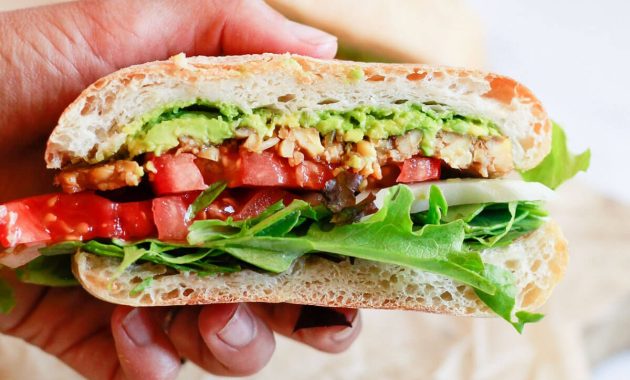
- Add sliced tempeh to “BLT” style sandwiches with toasted bread, tomato, lettuce, and avocado.
- Add tempeh cubes to salads and grain bowls.
- Crumble unseasoned tempeh and simmer with your favorite spaghetti sauce.
- Crumble and sauté with a splash of veggie broth and taco seasoning for tempeh “taco meat”.
Storing Tempeh
Once opened, keep tempeh in an airtight container in the fridge for 5-7 days. I recommend cooking the entire package for meal prep and using during the week.
A comprehensive guide to tempeh that covers what is tempeh, how to cook tempeh, and over 20 tempeh recipes.
Nutrition Information:
Yield: 2.5
Serving Size: 3 oz.
Amount Per Serving:
Calories: 140
Total Fat: 4.5g
Cholesterol: 0mg
Carbohydrates: 10g
Fiber: 7g
Protein: 16g