Sweet Transformation: Caramelizing Onions to Perfection
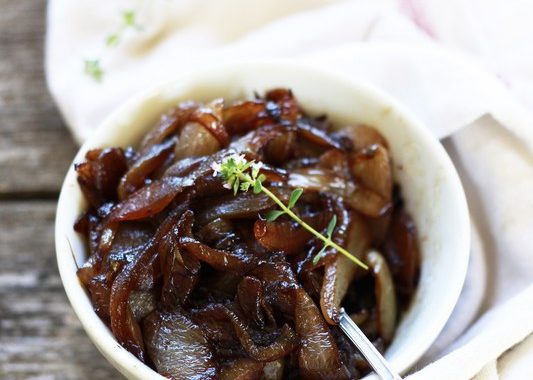
Welcome to a culinary journey where humble onions transform into a golden, sweet, and utterly irresistible delight. Today, we’re diving deep into the art of caramelizing onions, a process that promises to elevate countless dishes from the ordinary to the extraordinary. You can find my detailed method for achieving perfectly caramelized onions over on Allrecipes. This article is part of a sponsored conversation, crafted by me on behalf of Allrecipes, and all opinions and the text are entirely my own.
Mastering the Art of Caramelized Onions: A Culinary Essential
The magic of caramelized onions lies in their incredible transformation. Raw onions, with their sharp, pungent bite and tear-inducing gases, are a far cry from the mellow, rich, and naturally sweet indulgence they become after a slow, patient cook. It’s a metamorphosis that even the youngest palates can appreciate. I vividly recall an evening when my daughter, barely three years old, requested caramelized onions on her burger instead of the standard plain kid’s fare. Her server was understandably surprised, but when you truly consider it, there’s absolutely nothing to dislike about caramelized onions – not even if you’re three. This simple culinary gem sheds its spicy notes and pungent edge, revealing a profound, natural sweetness that is incredibly versatile and deeply satisfying.
The Science of Sweetness: Unveiling the Magic of Caramelization
What exactly happens when onions caramelize? It’s a beautiful dance of chemistry and patience. The process isn’t just about cooking; it’s about breaking down complex sugars within the onion through prolonged exposure to low heat. This slow cooking causes the natural sugars in the onion to caramelize, leading to their characteristic golden-brown color and intensely sweet flavor. Simultaneously, the Maillard reaction, a chemical reaction between amino acids and reducing sugars, contributes to the development of hundreds of new flavor compounds, creating that distinct savory, complex, and umami-rich taste we adore. The water content slowly evaporates, concentrating the flavors and leaving behind a soft, jam-like texture. This isn’t a quick fix; it’s a testament to the power of time and gentle heat, turning an everyday vegetable into a gourmet ingredient.
Your Guide to Perfect Caramelized Onions: Patience is Key
While the detailed, step-by-step guide to my proven method for caramelizing onions will soon be featured in the relaunched “How-To” section on Allrecipes.com, I can share the fundamental principles that make this process a success. Achieving that perfect, deep golden-brown hue and incredibly sweet flavor requires dedication and, most importantly, patience. You’ll need a good quality, heavy-bottomed pan, a moderate amount of fat (butter, oil, or a combination), and a very low heat setting. The key is to avoid rushing the process. High heat will simply brown or burn the onions, not caramelize them. Instead, a gentle simmer allows the sugars to slowly develop, coaxing out their inherent sweetness without scorching. Regular stirring is also crucial to ensure even cooking and prevent sticking. This methodical approach is what yields those gloriously sweet caramelized onions that transform any dish.
Why Caramelized Onions Belong in Every Kitchen
Beyond their delightful flavor, caramelized onions are a kitchen staple because of their incredible versatility and their ability to add depth and complexity to almost any meal. They are a flavor enhancer par excellence, capable of transforming simple ingredients into something extraordinary. Whether you’re looking to add a touch of sweetness, a hint of umami, or a layer of rich, savory depth, these slow-cooked onions deliver every time. They represent an investment of time that pays dividends in flavor, making them a secret weapon for home cooks and professional chefs alike. Once you master this technique, you’ll find countless opportunities to incorporate this golden condiment into your cooking, elevating everyday dishes into memorable culinary experiences.
Endless Culinary Creations: Delicious Ways to Use Caramelized Onions
Now that we’ve explored the magic behind their creation, let’s talk about the delicious ways you can use these golden treasures. The possibilities are truly boundless, limited only by your imagination. My little gourmand’s preference for caramelized onions on her burger is just the beginning; these sweet, savory gems can enhance an incredible array of dishes.
Elevate Your Burgers and Sandwiches
As my daughter proved, a simple burger is instantly upgraded with a generous dollop of sweet caramelized onions. Their soft texture and rich flavor provide a perfect counterpoint to the savory meat and crisp toppings. But don’t stop there! Imagine them layered into a gourmet grilled cheese sandwich with sharp cheddar or Gruyère, melted over a succulent steak sandwich, or tucked into a hearty reuben. They also make a fantastic addition to hot dogs, bratwursts, or any savory sandwich that needs a touch of sweetness and depth.
Pizzas, Tarts, and Savory Bakes
The Caramelized Onion and Arugula Pizza is a fantastic example of how these onions can star in a baked dish. Their sweetness beautifully balances the peppery bite of arugula and the tang of a good cheese. Consider them as a base for a savory tart or quiche, paired with goat cheese, bacon, or mushrooms. They also make a superb topping for flatbreads, focaccia, or even inside savory pastries like individual puff pastry tarts.
Comfort Food Classics Reinvented
Caramelized onions have a special place in comfort food. Think of Macaroni and Cheese with Caramelized Onions – a simple addition that takes a beloved classic to a sophisticated new level, adding a sweet, savory undertone to the creamy pasta. Sweet Potatoes with Caramelized Onions offer a delightful blend of earthy and sweet flavors, perfect as a side dish. And of course, no discussion of caramelized onions in comfort food would be complete without mentioning French Onion Soup, where these slow-cooked wonders form the very heart and soul of the dish. They can also enrich stews, casseroles, and pot roasts, adding a layer of depth that tastes like it cooked all day.
Beyond the Main Dish: Dips, Sides, and Spreads
The versatility of caramelized onions extends far beyond main courses. Whip them into a creamy dip for crackers and vegetables, creating an instant crowd-pleaser that’s far more flavorful than your average onion dip. Blend them into a compound butter to spread on toast or use to finish a steak. They can be pureed into a savory jam or relish to serve alongside cheeses, charcuterie, or roasted meats. Even stirring a spoonful into mashed potatoes or roasted vegetables can provide an unexpected burst of rich, sweet flavor.
Unique Pairings and Breakfast Delights
The Bacon and Caramelized Onion Rolls are a testament to how well these onions pair with other bold flavors. Imagine them folded into an omelet or frittata for a gourmet breakfast or brunch. They can even be used to create savory pancakes or waffles, offering a unique and sophisticated twist to morning meals. Their ability to bridge sweet and savory makes them an incredibly dynamic ingredient.
Tips for Perfect Caramelization Every Time
To ensure your success in achieving those perfect, sweet caramelized onions, remember these crucial tips:
- Patience is Paramount: This cannot be stressed enough. True caramelization takes time – typically 45 minutes to an hour, sometimes longer, depending on the quantity. Resist the urge to crank up the heat.
- The Right Pan Matters: Use a wide, heavy-bottomed pan or Dutch oven. A wide surface area allows the onions to cook evenly without steaming, and a heavy bottom distributes heat consistently.
- Fat is Your Friend: Use enough butter, oil, or a combination to coat the onions evenly and prevent sticking. This also aids in the browning process.
- Deglaze for Flavor: If bits start sticking to the bottom of the pan and browning too much, add a splash of water, wine, or broth to deglaze. Scrape up the flavorful brown bits, incorporating them back into the onions.
- Don’t Overcrowd the Pan: Cooking too many onions at once will cause them to steam rather than caramelize. Cook in batches if necessary.
- Storage: Once cooled, caramelized onions can be stored in an airtight container in the refrigerator for up to 5-7 days or frozen for several months, ready to be pulled out and used whenever inspiration strikes.
Looking Ahead: The Allrecipes How-To Section
I’m incredibly excited to be working with Allrecipes.com on the relaunch of their dedicated “How-To” section. This new resource promises to be an invaluable tool for home cooks looking to master essential techniques, and I’m thrilled that my method for caramelizing onions will be featured there. Stay tuned to Allrecipes.com for their new section, where you’ll find comprehensive guides, tips, and inspiration to enhance your culinary skills. It’s an honor to contribute to a platform that empowers so many to cook confidently and creatively.
Ultimately, caramelizing onions is more than just a cooking technique; it’s an act of culinary patience that yields extraordinary flavor. From turning a simple burger into a gourmet experience to enriching complex stews, these sweet, golden onions are a testament to the transformative power of slow cooking. So, grab some onions, dedicate some time, and prepare to elevate your home cooking with this truly essential ingredient. Find my full method and many more inspiring recipes on Allrecipes, and discover the sweet rewards of this timeless culinary art.