Sun-Ripened Pomodoro Sauce
Experience the unparalleled taste of authentic Italy right in your kitchen with this simple, homemade pomodoro sauce. Forget the jarred varieties – once you master this fresh, vibrant tomato sauce from scratch, your culinary world will transform. Perfect for pasta, lasagna, pizza, and so much more, this recipe is a cornerstone of Italian cooking that every home chef should have in their repertoire.
There’s a special place in our hearts for the rich culinary traditions of Italy. With Italian heritage flowing through my family and my own immersive experience studying Italian Renaissance art in Florence, my appreciation for authentic Italian cuisine deepened significantly during a memorable cooking class. The passion for food truly ignited as I learned the secrets of classic dishes from a wonderful local woman, whose warmth transcended any language barrier. This profound connection to Italy means we’re no strangers to the joys of homemade Italian food, especially pasta.
Over the years, I’ve had the pleasure of sharing various homemade tomato sauces, each with its unique charm. We explored How to Make Marinara with Fresh Tomatoes when our summer garden was overflowing with ripe, juicy produce, capturing the essence of the season. We also delved into the convenience and heartiness of Crockpot Spaghetti Sauce, packed with nourishing vegetables, perfect for busy weeknights. Today, I’m thrilled to share a fundamental recipe that embodies simplicity, freshness, and incredible flavor: an easy, no-fuss homemade pomodoro sauce. This classic Italian staple tastes infinitely lighter, brighter, and fresher than any store-bought alternative, elevating everyday meals into extraordinary experiences. It’s the ideal accompaniment for spaghetti, the foundational layer for Mini Eggplant Pizzas, and an essential component for the Best Vegan Lasagna.
What is Pomodoro Sauce? Unraveling the Italian Classic
The word pomodoro itself means “golden apple” in Italian, referring to the humble tomato. Pomodoro sauce is, at its heart, a simple tomato sauce, celebrated for its pure, concentrated tomato flavor. It’s a versatile foundation used across a myriad of Italian dishes, from coating delicate pasta strands to spreading generously on pizza bases and enriching baked casseroles. Often characterized by its smoother consistency and lighter, more focused seasoning compared to its counterpart, marinara, pomodoro sauce truly lets the quality of the tomatoes shine through.
While both marinara and pomodoro are tomato-based sauces, their distinctions are noteworthy. According to culinary experts like Chowhound, an authentic pomodoro sauce should be smoother and possess a richer, thicker texture, achieved through a gentle, longer simmer. Marinara, by contrast, is typically quicker to make, often chunkier, and can be thinner in consistency, sometimes featuring a broader array of herbs and spices. Pomodoro emphasizes the inherent sweetness and acidity of the tomato, balanced with just a few key aromatics. This dedication to the tomato is evident in other beloved Italian recipes, such as the authentic Tuscan Tomato Bruschetta and the hearty soup, Pappa al Pomodoro. Clearly, tomatoes are not just an ingredient in Italy; they are a culinary cornerstone.
Crafting the Perfect Homemade Pomodoro Sauce: A Step-by-Step Guide
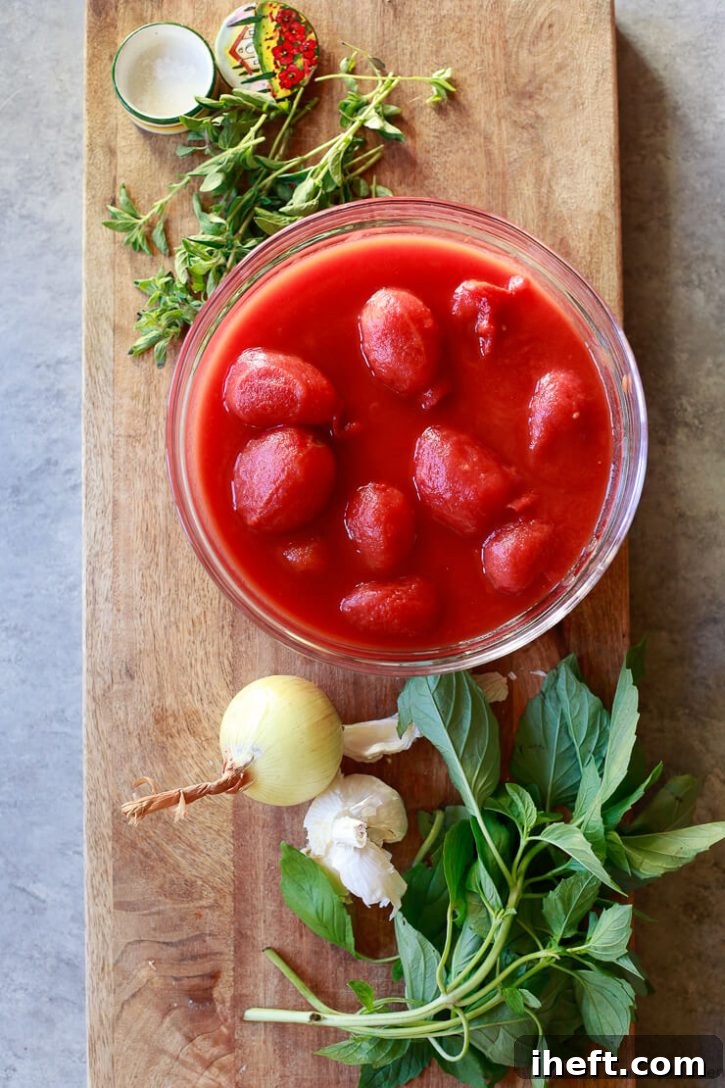
The beauty of homemade pomodoro sauce lies in its elegant simplicity. With just a handful of high-quality ingredients, you can create a sauce that far surpasses anything you’ll find in a jar. The core staples of any authentic pomodoro are premium tomatoes, aromatic garlic, rich olive oil, and fragrant fresh basil. For an extra layer of flavor and depth, I love to include a touch of sweet onion and a hint of earthy oregano. If you’re fortunate enough to have a bounty of homegrown plum tomatoes, consider learning How to Freeze Tomatoes to preserve their summer goodness and enjoy them in this recipe all year round. The quality of your ingredients directly impacts the final flavor, so opt for the best you can find, especially when it comes to tomatoes.
Choosing the Best Tomatoes for Pomodoro
For an authentic Italian pomodoro sauce, the choice of tomatoes is paramount. Whole peeled San Marzano tomatoes from Italy are often considered the gold standard. These plum tomatoes are known for their balanced sweetness, low acidity, and thick flesh, which breaks down beautifully into a smooth, rich sauce. If San Marzano tomatoes are unavailable, any good quality canned whole peeled plum tomatoes will work. Avoid diced tomatoes, as they often contain calcium chloride, which prevents them from breaking down properly, leading to a less silky texture. You can also use fresh, ripe plum tomatoes during peak season, but be sure to blanch, peel, and seed them first.
The Art of Aromatics: Onion, Garlic, and Herbs
The foundation of any great sauce begins with perfectly sautéed aromatics. These ingredients slowly release their flavors, creating a complex base for the tomatoes.
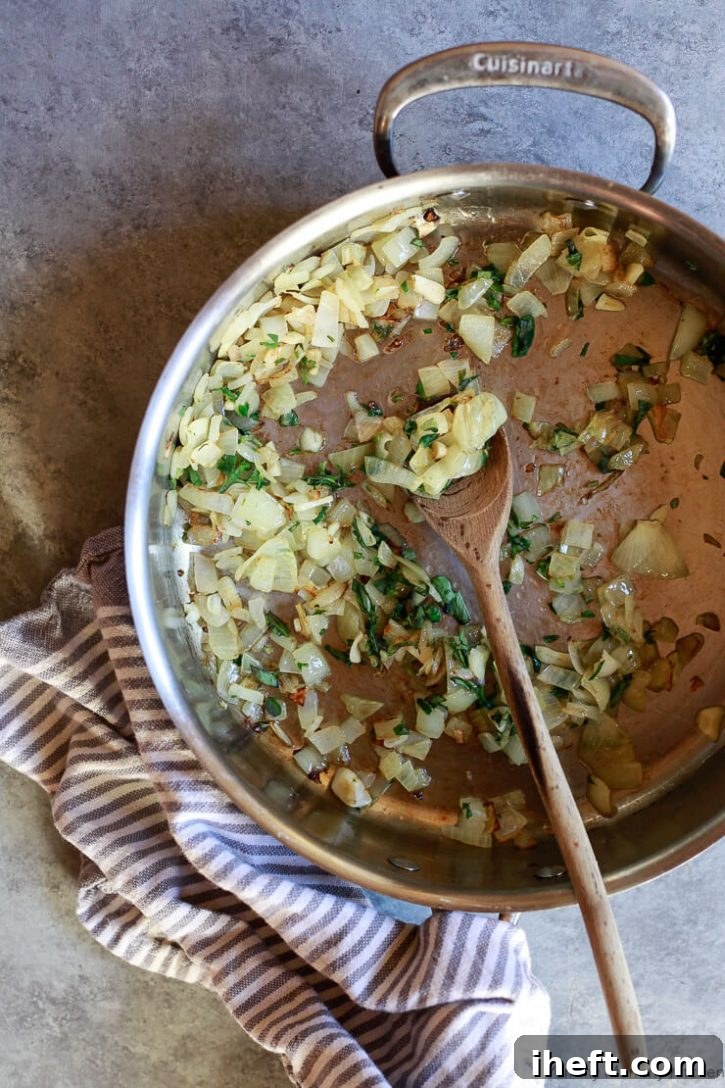
Step 1: Build the Flavor Base. Begin by heating a generous two tablespoons of extra virgin olive oil in a medium-large saucepan over medium heat. Once the oil is shimmering, add one small, finely diced yellow onion. Sauté the onion gently, stirring occasionally, until it becomes translucent and tender, usually about 5 to 7 minutes. This slow cooking allows the onion to sweeten and soften without browning, laying a delicate foundation for the sauce. Next, add three cloves of thinly sliced garlic and one tablespoon of dried oregano (or a quarter cup of fresh leaves if available). Continue to sauté for another 2-3 minutes, until the garlic is fragrant and slightly softened. Be careful not to burn the garlic, as it can turn bitter very quickly. A pinch of sea salt added at this stage will help draw out the moisture from the aromatics and enhance their flavor.
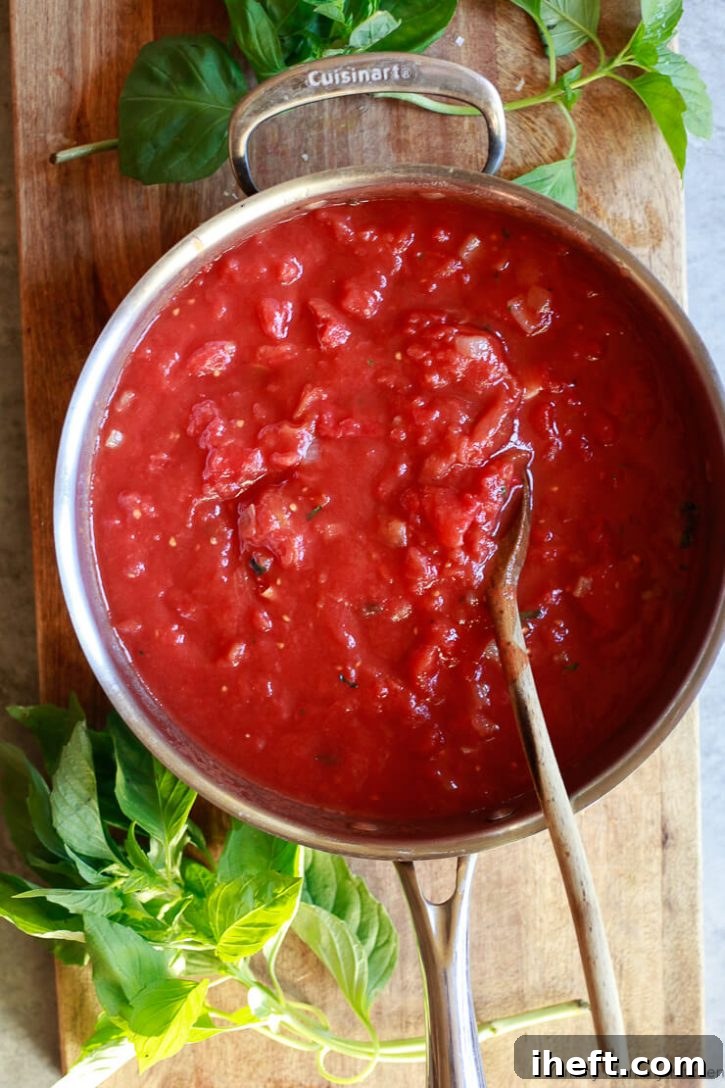
Step 2: Incorporate the Tomatoes. While your aromatics are gently cooking, prepare your tomatoes. If using whole peeled canned tomatoes, you have a few options for crushing them. For a rustic, slightly chunky sauce, simply use your hands to crush the tomatoes directly in the can or a bowl – this is often the preferred method for Italian nonnas! Alternatively, a potato masher can achieve a similar texture. For an exceptionally smooth sauce from the start, you can quickly pulse them in a blender before adding them to the pan. Once crushed, add the tomatoes and their juices directly to the saucepan with the sautéed onions and garlic. Give everything a good stir to combine.
Step 3: The Simmer and Thicken. Bring the pomodoro sauce to a gentle simmer over medium heat. Once simmering, reduce the heat to low, cover the pan, and let it cook for at least 20 minutes. This initial covered simmer allows the flavors to meld beautifully and the tomatoes to continue breaking down. After 20 minutes, remove the lid and continue simmering, uncovered, for an additional 10-15 minutes, or until the sauce has thickened to your desired consistency. This uncovered stage allows excess moisture to evaporate, concentrating the flavors and achieving that perfect rich texture characteristic of pomodoro. During this simmering phase, I often like to add a dash of red pepper flakes for a subtle hint of warmth and complexity, though this is entirely optional.
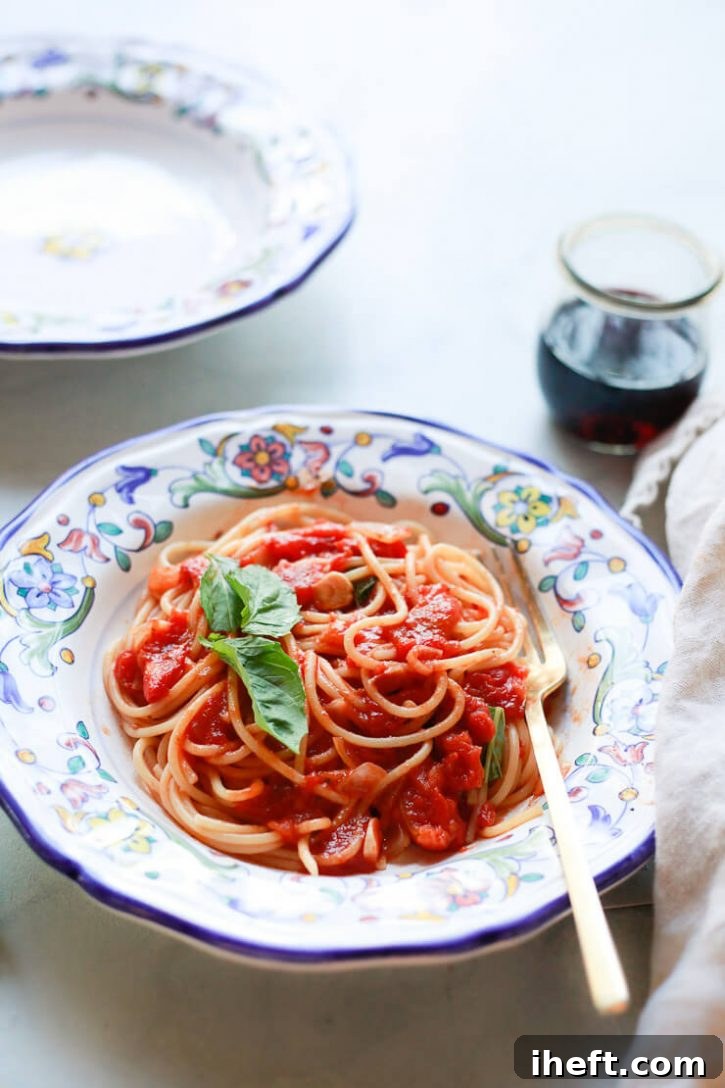
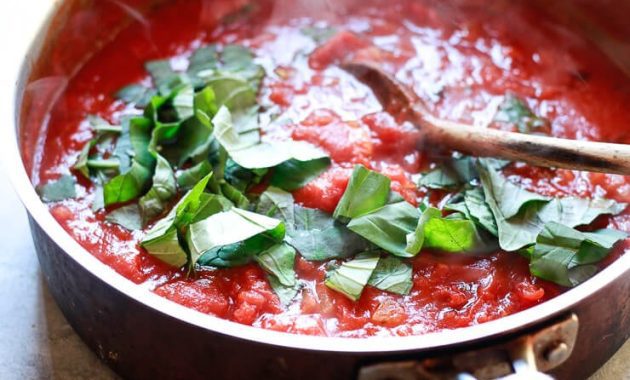
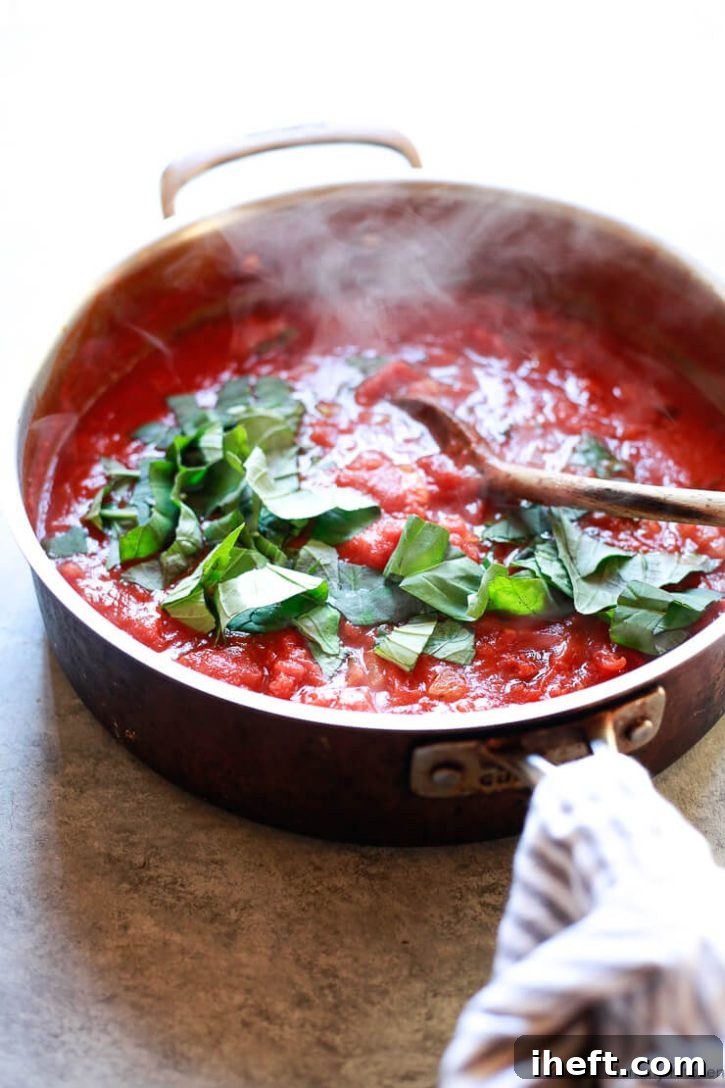
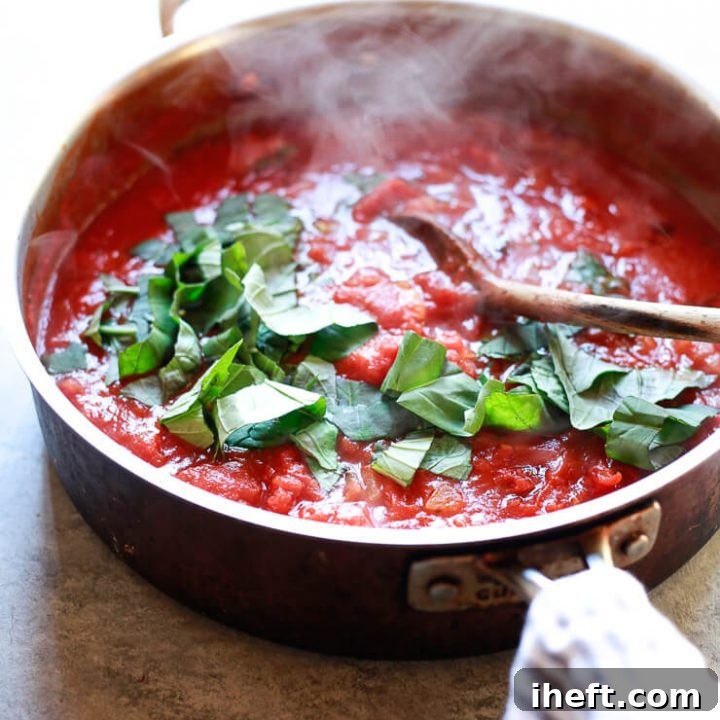
Step 4: Finishing Touches and Serving. Once your sauce has reached its desired thickness, it’s time to add the fresh basil. Stir in a generous handful of fresh basil leaves – you can leave them whole, tear them, or finely chop them, depending on your preference. Season the sauce to taste with additional sea salt and freshly ground black pepper as needed. At this point, you have a choice regarding texture: serve the sauce as is for a delightful chunky consistency, or carefully transfer it to a blender and blend until perfectly smooth for a more refined finish. If you plan to use this pomodoro sauce for pizza, I highly recommend blending it until very smooth and then continuing to simmer it uncovered until it becomes exceptionally thick, ensuring it holds up well on the crust without making it soggy. Serve this incredible homemade pomodoro sauce warm over your favorite pasta, or incorporate it into other beloved Italian dishes.
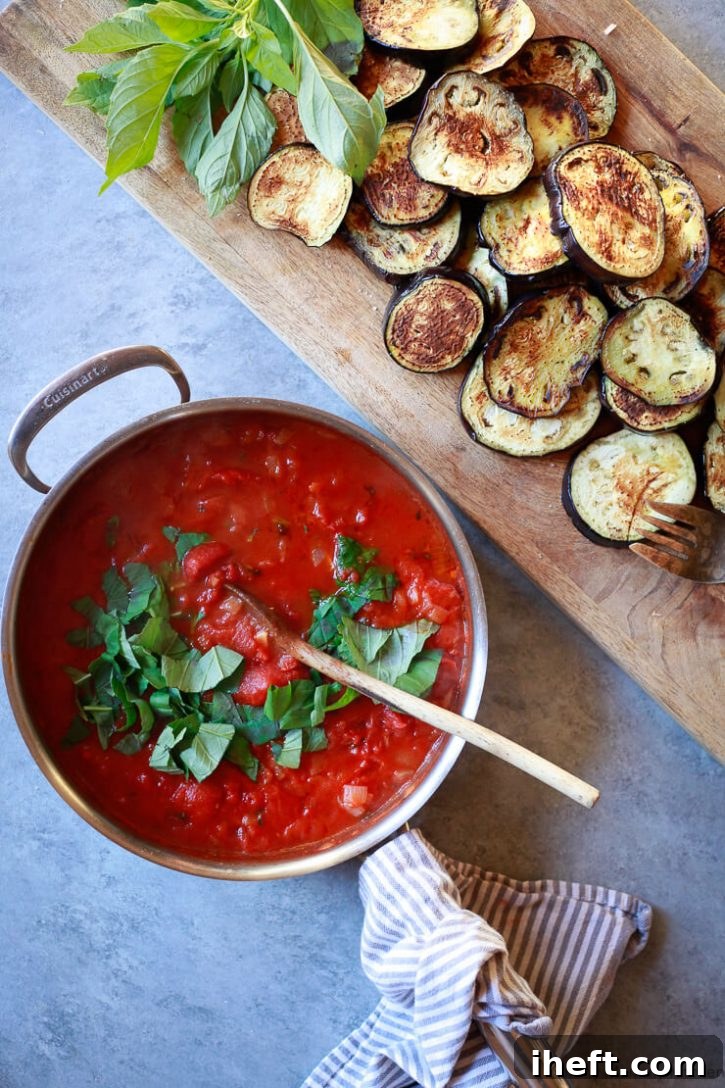
How to Use Pomodoro Sauce: Endless Culinary Possibilities
The versatility of homemade pomodoro sauce is truly one of its greatest assets. Beyond its classic pairing with pasta, this vibrant and flavorful sauce can elevate a wide array of dishes, bringing a taste of authentic Italy to every meal. Its pure tomato flavor makes it a perfect canvas for many culinary creations.
- Pasta: The most obvious and beloved pairing. Toss your freshly cooked spaghetti, penne, rigatoni, or fettuccine with warm pomodoro sauce, perhaps a sprinkle of Pecorino Romano or Parmigiano-Reggiano, and a drizzle of good quality olive oil for a simple yet profound meal. It’s the quintessential comforting dish.
- Pizza: As mentioned, a thicker, smoother pomodoro makes an ideal base for homemade pizzas. Its concentrated flavor shines through the cheese and other toppings, creating an authentic Italian pizza experience.
- Lasagna: Layers of pasta, ricotta, and other fillings are incomplete without a rich, flavorful tomato sauce. Pomodoro provides that perfect balance of acidity and sweetness, making your lasagna truly unforgettable, whether it’s meat-based or vegan.
- Eggplant Parmesan: This hearty baked dish relies heavily on a robust tomato sauce to bind the layers of fried eggplant, cheese, and herbs. Pomodoro sauce enhances the earthy flavor of the eggplant beautifully.
- Stuffed Shells & Manicotti: When filling pasta shells with creamy ricotta, spinach, or meat, a generous amount of pomodoro sauce is essential for baking. It keeps the pasta moist and infuses every bite with delicious tomato flavor.
- Meatballs & Sausage: Simmering meatballs or Italian sausage directly in pomodoro sauce infuses them with flavor and keeps them tender. Serve over pasta or in a sandwich.
- Polenta: A warm bowl of creamy polenta, topped with a generous ladle of pomodoro sauce, makes for a rustic and satisfying meal.
- Chicken or Fish Cacciatore: Use pomodoro as the flavorful base for braising chicken or fish, creating a wonderfully aromatic and tender dish.
- Crostini & Bruschetta: While fresh bruschetta topping is often chunkier, a smooth pomodoro sauce can be lightly spread on toasted bread for a delightful appetizer.
- Soups & Stews: Add depth and body to minestrone, vegetable stews, or even a simple tomato soup with a spoonful of this rich sauce.
Tips for the Perfect Pomodoro Sauce
- Quality Matters: As emphasized, the better your tomatoes and olive oil, the better your sauce will be. San Marzano tomatoes are highly recommended.
- Don’t Rush the Simmer: The slow, gentle simmer is crucial for developing deep, complex flavors and achieving the desired thickness. Patience is key.
- Taste as You Go: Always taste your sauce before serving. Adjust seasoning with salt, pepper, and a tiny pinch of sugar if your tomatoes are too acidic.
- Fresh Basil Last: Add fresh basil towards the end of the cooking process or even just before serving to preserve its vibrant flavor and aroma.
- Sweetness Balance: If your tomatoes are a bit too acidic, a very small pinch of sugar (1/4 to 1/2 teaspoon) can help balance the flavors without making the sauce sweet.
- Optional Kick: For those who enjoy a little heat, red pepper flakes are a wonderful addition. Add them with the garlic and oregano to infuse their spice.
Storage and Make-Ahead
Homemade pomodoro sauce is fantastic for meal prep! It stores beautifully and often tastes even better the next day as the flavors deepen. Once cooled, transfer the sauce to an airtight container and refrigerate for up to 5-7 days. For longer storage, pomodoro sauce freezes exceptionally well. Portion it into freezer-safe containers or bags and freeze for up to 3-4 months. Thaw overnight in the refrigerator or gently reheat from frozen on the stovetop over low heat, stirring occasionally.
Making your own pomodoro sauce from scratch is a rewarding experience that connects you directly to the heart of Italian cooking. It’s a simple recipe that yields incredibly flavorful results, proving that often, less truly is more. Embrace the simplicity, savor the freshness, and enjoy the endless possibilities this classic sauce offers.
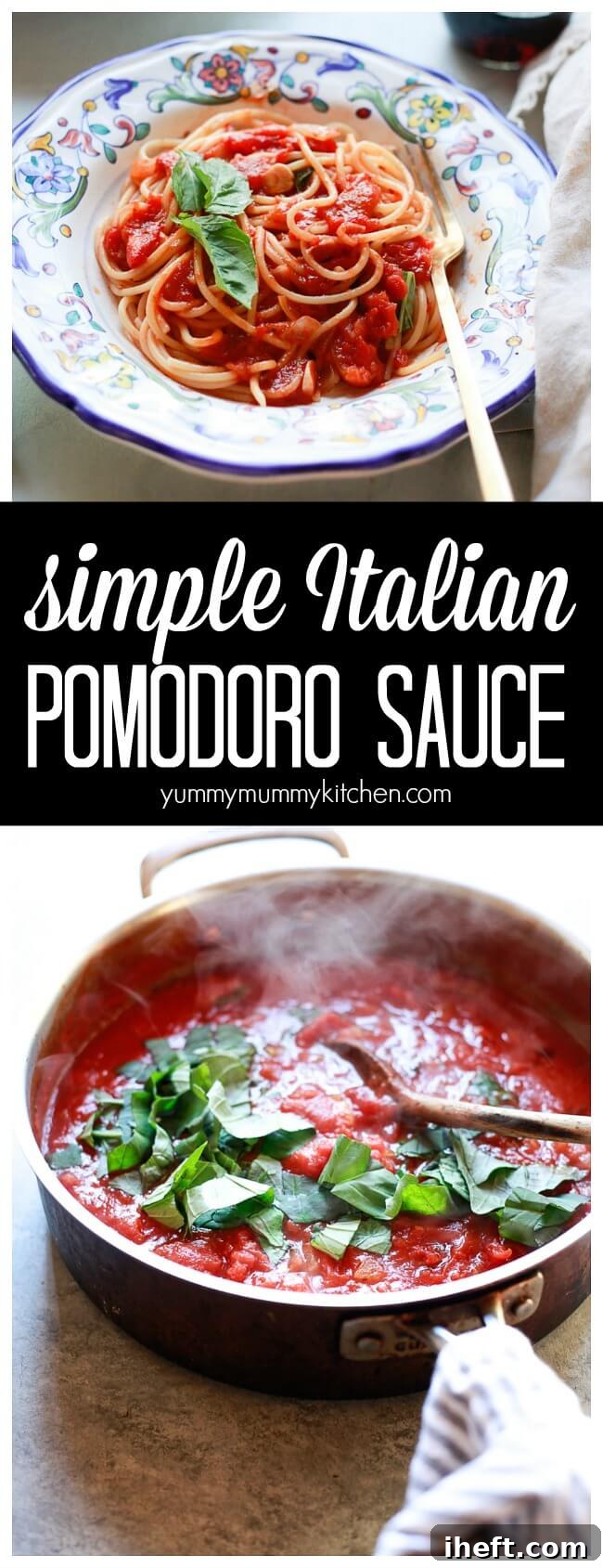
Pomodoro Sauce
10 minutes
30 minutes
40 minutes
A simple homemade Italian pomodoro sauce, or tomato sauce, perfect for pasta, lasagna, eggplant parmesan, and more.
Ingredients
- 2 tablespoons extra virgin olive oil
- 1 small yellow onion, diced
- 3 cloves garlic, peeled and thinly sliced
- 1 tablespoon dried oregano, or 1/4 cup fresh leaves
- 1 (28-oz) can/jar/box whole peeled San Marzano tomatoes
- sea salt to taste
- 1/4 teaspoon red pepper flakes
- handful fresh basil leaves
Instructions
- In a saucepan over medium heat, saute the onion with the olive oil until translucent, about 5 minutes. Add the garlic and oregano and continue to saute another few minutes until the garlic has softened. Meanwhile, crush the tomatoes with your hands or puree in the blender for a smoother sauce.
- Add the tomatoes and juices to the pan. Season with a pinch of salt and the red pepper flakes. Bring to a simmer then reduce the heat to low. Cover and simmer for 20 minutes. Remove the lid and continue simmering until the sauce has thickened to desired consistency, about 10 minutes more.
- Stir in the basil (can be whole leaves or torn pieces) and season to taste with more salt and pepper. You can serve this sauce chunky, or carefully blend it in the blender.
- Serve your pomodoro sauce warm with your favorite pasta, as a sauce for lasagna, eggplant parmesan, on pizza, etc.
Notes
This makes a nice amount for a pasta dinner. If you’re making a lasagna or larger dish, I recommend doubling this recipe.
Nutrition Information:
Yield: 6
Serving Size: 1
Amount Per Serving:
Calories: 60Total Fat: 5gSaturated Fat: 1gTrans Fat: 0gUnsaturated Fat: 4gCholesterol: 0mgSodium: 100mgCarbohydrates: 5gFiber: 2gSugar: 1gProtein: 1g
Nutrition information is automatically calculated by Nutritionix. I am not a nutritionist and cannot guarantee accuracy. If your health depends on nutrition information, please calculate again with your favorite calculator.