Spring Harvest Halibut Packets
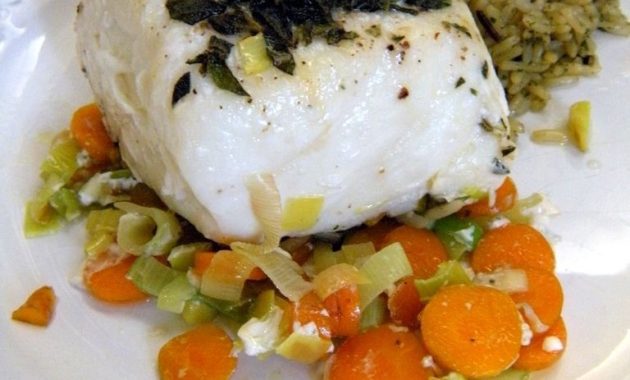
Experience the ultimate fusion of simplicity, nutrition, and gourmet flavor with Halibut en Papillote. This elegant dish features tender halibut fillets steamed to perfection in parchment paper packets alongside fresh leeks, vibrant carrots, and aromatic herbs, creating a truly delicious and healthful pescatarian meal.
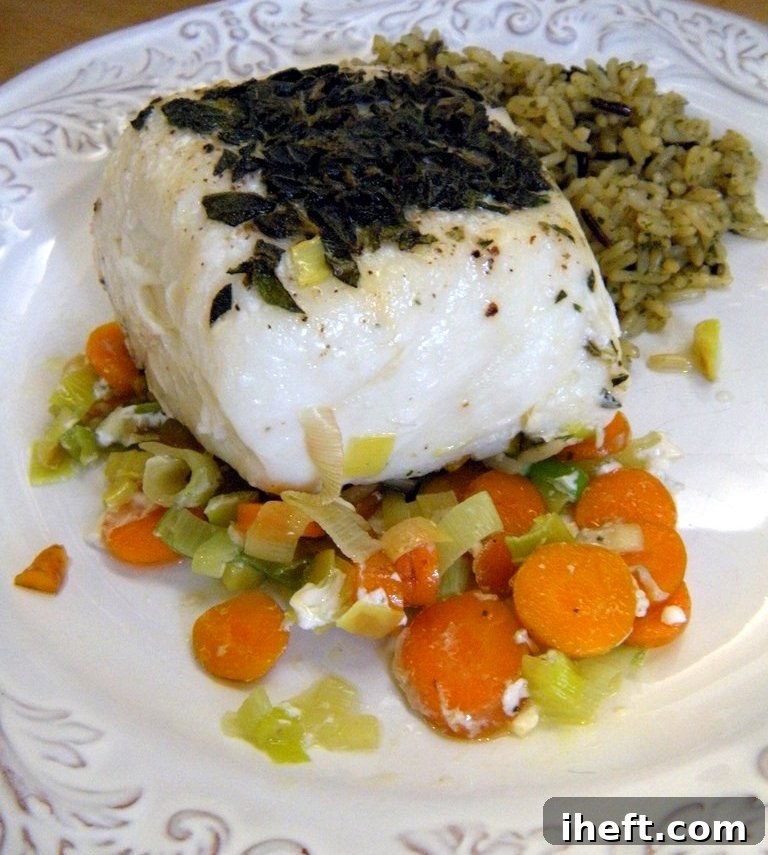
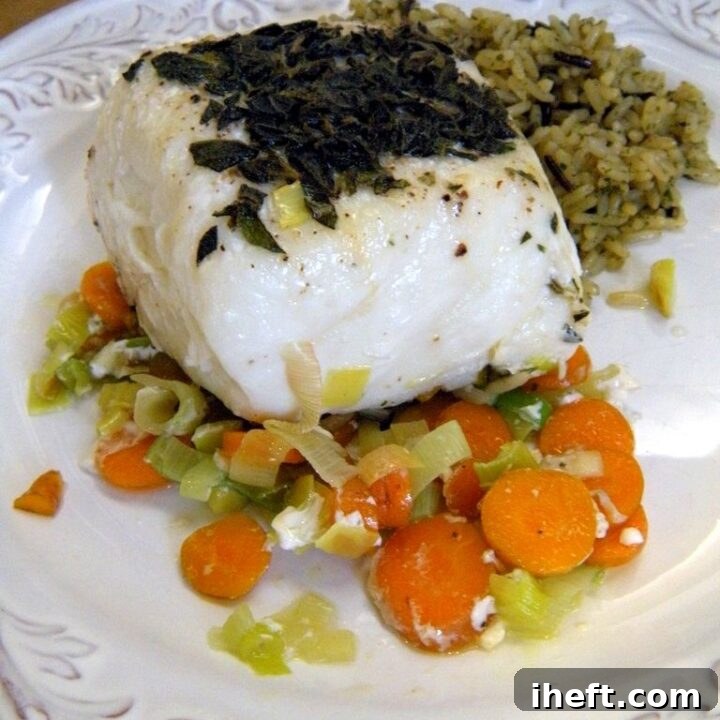
There’s a certain magic in discovering a recipe that effortlessly blends health-consciousness with exceptional taste. This Halibut with Carrots and Leeks En Papillote recipe is precisely that kind of culinary revelation. The “en papillote” method, which simply means “in parchment paper,” is an often-overlooked technique that deserves a prime spot in every home cook’s repertoire. It’s an incredibly healthy approach to cooking, where ingredients gently steam within their sealed paper pouch, locking in every ounce of natural flavor and vital nutrients. The result is a remarkably moist, tender fish and perfectly cooked vegetables, all infused with a delicate herbal aroma.
For years, I found myself admiring the concept of en papillote cooking but rarely putting it into practice. Similarly, leeks, with their subtle oniony sweetness, often slipped my mind as a go-to vegetable. This recipe has changed all that. It’s a harmonious blend that exceeded my already high expectations, transforming simple ingredients into a dish that tastes wonderfully complex and satisfying. Beyond its incredible flavor, one of its greatest appeals is its speed. This is a meal that comes together quickly, making it ideal for busy weeknights. I’ve even managed to assemble it with one hand while multitasking, a true testament to its straightforward nature!
My only regret after enjoying this delightful meal was not packing even more of the succulent carrots and tender leeks into each parchment packet. Their sweetness and earthy notes are the perfect counterpoint to the delicate halibut. I wholeheartedly encourage you to try this recipe, then unleash your inner chef and experiment with various other ingredients. Once you experience the ease and deliciousness, cooking en papillote will undoubtedly become a regular and cherished method in your kitchen.
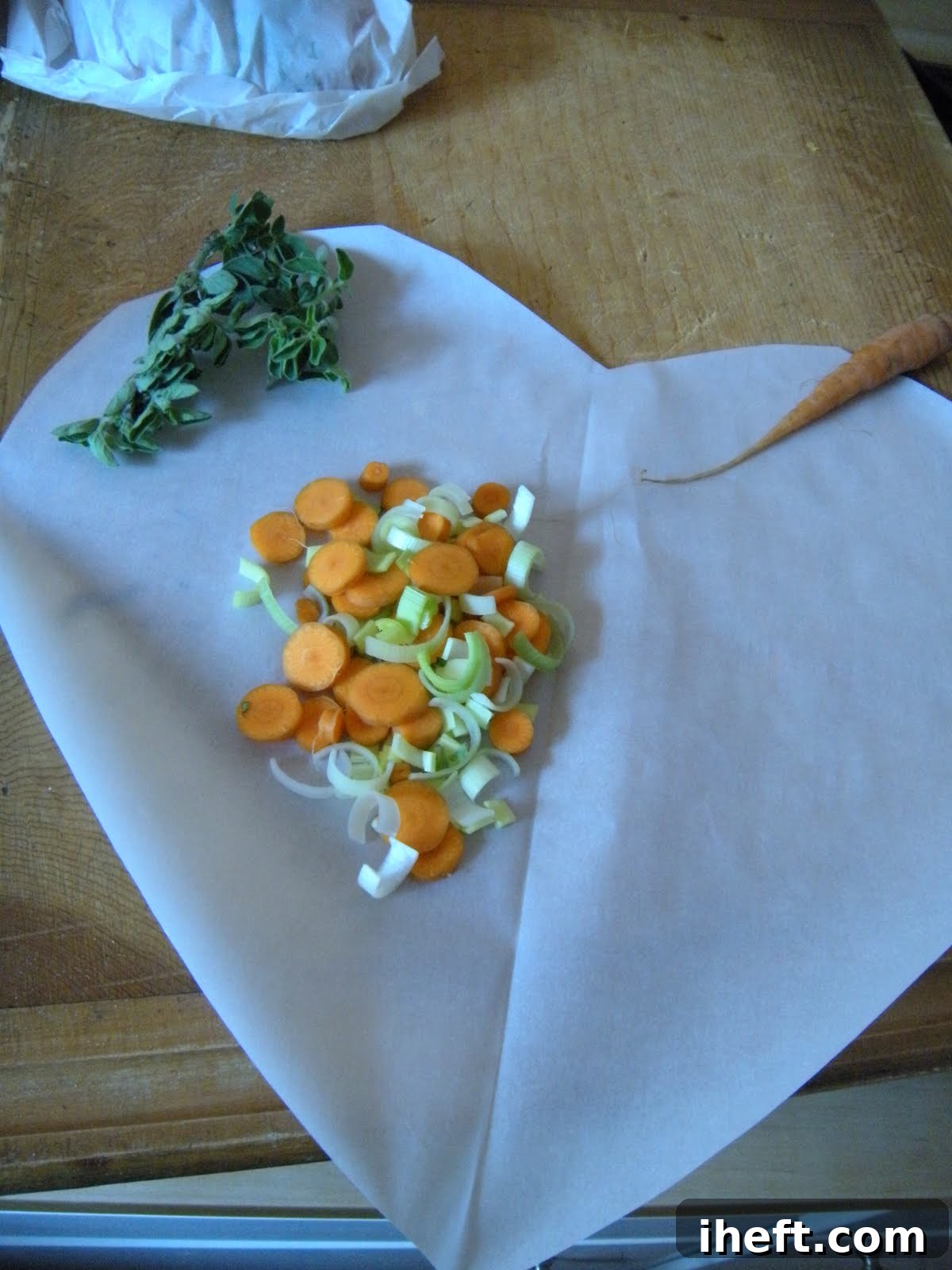
A crucial tip for success when cooking en papillote: always use parchment paper, not waxed paper. The distinction is vital! Waxed paper contains a thin coating of wax that will melt at oven temperatures, potentially adhering to your food and leaving an unpleasant residue. Parchment paper, on the other hand, is treated with silicone, making it heat-resistant and non-stick, ensuring your beautiful fish remains pristine and delicious. Don’t compromise on this essential detail!
Embrace the Elegance of En Papillote: A Deep Dive into Halibut with Carrots and Leeks
The Magic Unveiled: Why En Papillote is a Culinary Game-Changer
Cooking en papillote isn’t just a fancy French term; it’s a brilliant technique that elevates simple ingredients into extraordinary meals. By sealing food within a parchment paper packet, you create a miniature steaming environment in your oven. This gentle cooking method ensures that fish and vegetables retain their natural moisture, resulting in incredibly tender textures and vibrant flavors. Unlike baking or pan-frying, steaming locks in delicate nuances and vital nutrients that might otherwise escape. The parchment acts as a natural barrier, preventing direct contact with dry heat and allowing the ingredients to bathe in their own juices, creating a self-saucing dish with minimal effort.
Beyond the taste and health benefits, the en papillote method offers several practical advantages. Cleanup is a breeze, as the parchment paper largely contains any mess. It’s incredibly versatile, accommodating a wide array of proteins, vegetables, and flavor profiles. And let’s not forget the presentation: serving individual steaming packets at the table adds an element of theatrical charm, allowing each diner to unveil their perfectly cooked meal. It’s a healthy, flavorful, and impressively simple way to cook that feels gourmet.
Halibut: The Star of Our Show
Halibut, with its firm, flaky white flesh and mild, sweet flavor, is an ideal choice for en papillote cooking. Its robust texture holds up beautifully to steaming, preventing it from becoming mushy, while its delicate taste readily absorbs the aromas of the accompanying vegetables and herbs. This lean protein powerhouse is also an excellent source of omega-3 fatty acids, promoting heart health and overall well-being. Opting for fresh, wild-caught halibut whenever possible will ensure the best flavor and texture for this exquisite dish.
The Perfect Supporting Cast: Leeks, Carrots, and Herbs
The combination of leeks and carrots in this recipe is not accidental; it’s a classic pairing that brings out the best in halibut. Leeks, often overlooked in favor of onions, offer a milder, sweeter, and more sophisticated flavor. When steamed, they become wonderfully tender and infuse the fish with their subtle aromatics. Carrots add a touch of natural sweetness, vibrant color, and a pleasant textural contrast. Thinly sliced, they cook quickly and evenly alongside the fish.
Fresh oregano is the herb of choice here, offering a warm, peppery, and slightly earthy note that complements both the fish and vegetables beautifully. While fresh is always preferred for its vibrant essence, dried oregano can be used in a pinch, just remember that its flavor is more concentrated, so use a slightly smaller amount. A drizzle of quality extra-virgin olive oil not only adds richness and helps distribute the flavors but also contributes to the healthy fat content of the meal.
MORE HALIBUT RECIPES FROM SANTA BARBARA
- Grilled Halibut with Tomatoes and Pesto
- Lemongrass Halibut en Papillote
Halibut with Carrots and Leeks En Papillote
15 minutes
15 minutes
30 minutes
Discover a remarkably simple yet elegant way to prepare a nutritious and flavorful pescatarian dinner. These individual parchment packets enclose succulent halibut fillets with tender leeks and sweet carrots, steaming them to perfection and locking in all their natural juices and aromas. It’s a quick, healthy, and visually appealing meal that’s sure to impress.
Ingredients
- 3 small carrots, thinly sliced into small circles
- 2 leeks (white and light green parts only), thoroughly washed and sliced into half-moons
- 4 6-ounce halibut fillets (approximately 1 inch thick), skin removed
- 4 tablespoons extra-virgin olive oil
- 1/4 cup fresh oregano leaves, finely chopped (or 2-3 tablespoons dried oregano)
- Salt and freshly ground black pepper, to taste
Instructions for a Perfect En Papillote Experience
- Prepare Your Oven: Begin by preheating your oven to 375°F (190°C). Ensuring the oven is at the correct temperature before placing your packets inside is key for even and efficient cooking.
- Assemble the Packets: Tear off 4 generously sized squares of parchment paper. Each square should be large enough to comfortably hold your ingredients with room to seal. Fold each square in half, then carefully cut out a large heart shape along the fold – this creates an attractive, naturally sealing packet. Open the paper and place an equal portion of the thinly sliced carrots and leeks onto the middle-right side of the fold. Gently lay one halibut fillet on top of the vegetables. Season generously with salt and freshly ground black pepper. Drizzle each fish fillet with one tablespoon of extra-virgin olive oil and sprinkle with the fresh or dried oregano.
- Seal with Care: To seal the packet, bring the left side of the parchment paper (the side without ingredients) over to meet the right side. Starting from the top of the heart, make a small, tight fold, pressing down firmly. Continue making small, overlapping folds all the way down to the bottom tip of the heart, creating a secure, crimped seam. Tuck the very last fold tightly under the flaps to ensure the entire package is completely sealed. This tight seal is crucial for trapping the steam and flavors inside.
- Bake and Serve: Carefully place the sealed parchment paper packets in a single layer on a baking sheet. Cook in the preheated oven for 15-20 minutes. The cooking time may vary slightly depending on the thickness of your halibut fillets; aim for an internal temperature of 145°F (63°C) for the fish to be perfectly cooked. Remove from the oven and transfer each packet to an individual serving plate. Before serving, carefully cut open the packets with kitchen shears or a knife (be mindful of the hot steam that will escape). Drizzle any accumulated juices from the packet over the fish and vegetables for an extra burst of flavor. Serve immediately and enjoy your delicious, healthy meal!
Nutrition Information:
Yield: 4
Serving Size: 1 packet
Amount Per Serving:
Calories: 342Total Fat: 16gSaturated Fat: 3gTrans Fat: 0gUnsaturated Fat: 13gCholesterol: 102mgSodium: 166mgCarbohydrates: 8gFiber: 2gSugar: 3gProtein: 39g
Nutrition information is automatically calculated by Nutritionix. I am not a nutritionist and cannot guarantee accuracy. If your health depends on nutrition information, please calculate again with your favorite calculator.
Recipe adapted from Real Simple.
Customizing Your En Papillote Adventure
One of the most exciting aspects of en papillote cooking is its incredible versatility. While halibut, leeks, and carrots form a fantastic base, feel free to experiment and make this dish truly your own. Consider adding a splash of white wine or vegetable broth to the packet for an extra layer of moisture and flavor. A slice of lemon or a sprig of fresh dill can brighten the fish, while a pinch of red pepper flakes can introduce a subtle heat. Other vegetables that perform wonderfully in parchment include asparagus spears, thinly sliced bell peppers, zucchini ribbons, cherry tomatoes, or a handful of fresh spinach. For a more robust flavor, add a clove of minced garlic or some sliced shallots alongside the leeks. Don’t limit yourself to halibut; salmon, cod, or even shrimp are excellent alternatives. For those seeking non-pescatarian options, thin slices of chicken breast or firm tofu can also be cooked successfully using this method. Serve your flavorful packets with a side of fluffy quinoa, brown rice, or a crusty baguette to soak up all the delicious juices.
Essential Tips for En Papillote Success
- Parchment Paper is Non-Negotiable: As mentioned, never substitute waxed paper for parchment paper. The latter is heat-resistant and non-stick, crucial for preventing a waxy mess and ensuring your food doesn’t stick.
- Don’t Overcrowd: Each packet should comfortably hold one serving of fish and vegetables. Overfilling can prevent proper steaming and sealing, leading to uneven cooking and potential leaks.
- Seal Tightly: A good seal is the secret to en papillote. The goal is to trap all the steam and flavors inside. Take your time with the crimping to ensure there are no gaps for steam to escape.
- Mind the Cooking Time: Fish cooks relatively quickly. Overcooking can lead to dry, tough results. Follow the recommended cooking times but also consider the thickness of your fillets. Halibut is done when it easily flakes with a fork.
- Handle with Care: When removing the packets from the oven and opening them, be extremely cautious. The steam trapped inside will be very hot and can cause burns. Slit the top carefully to allow steam to escape before fully opening.
- Fresh is Best: While dried herbs can be used, fresh herbs will impart a more vibrant and aromatic flavor to your dish.
With these simple guidelines and the versatile en papillote technique, you’re well on your way to creating healthy, delicious, and impressive meals that are as easy to make as they are to clean up. This Halibut with Carrots and Leeks En Papillote isn’t just a recipe; it’s an invitation to explore a delightful world of flavorful, steam-cooked perfection. Enjoy!