Speedy Pickled Beets
Quick Refrigerator Pickled Beets: An Easy & Flavorful Recipe
Discover how to effortlessly prepare delicious and healthy quick refrigerator pickled beets with this simple recipe! These vibrant, earthy beets are not only packed with incredible flavor but also boast impressive nutritional benefits, making them a fantastic addition to your diet.
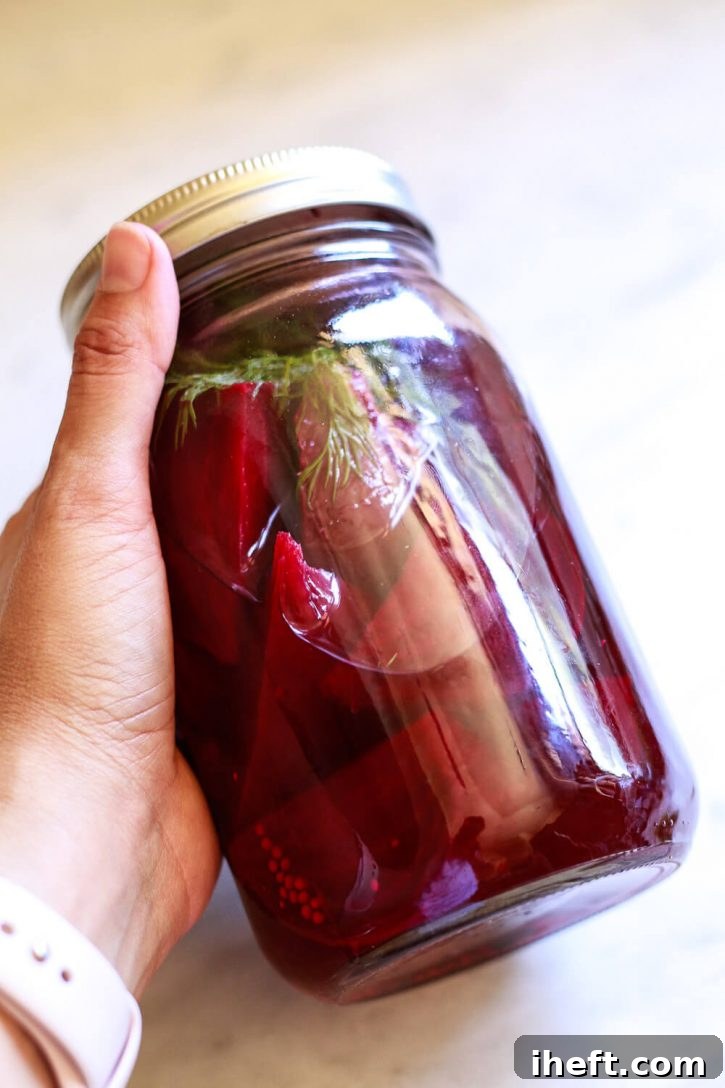
Pickling has been a cherished culinary tradition for centuries, a method of food preservation that transforms humble vegetables into tangy, mouth-watering delights. While most of us are familiar with classic dill pickles, the world of pickled vegetables extends far beyond cucumbers. In recent years, our family has developed a profound appreciation for a broader spectrum of pickled produce, leading us on a delightful journey of culinary exploration. This particular recipe focuses on quick refrigerator pickling, a method that offers all the flavor without the intensive, shelf-stable canning process.
We’ve enjoyed experimenting with various pickled vegetables, from crisp green beans and tender cauliflower to crunchy carrots and even Brussels sprouts. However, a unanimous family favorite quickly emerged: pickled beets. Their striking color, unique earthy sweetness, and tangy brine make them irresistible. This quick pickled beet recipe is specifically designed for storage in your refrigerator, offering a simpler approach than traditional pressure canning or water bath methods for long-term, shelf-stable preservation. This means you can enjoy fresh-tasting pickled beets relatively quickly and with minimal fuss, perfect for beginners or those seeking a less time-consuming option.
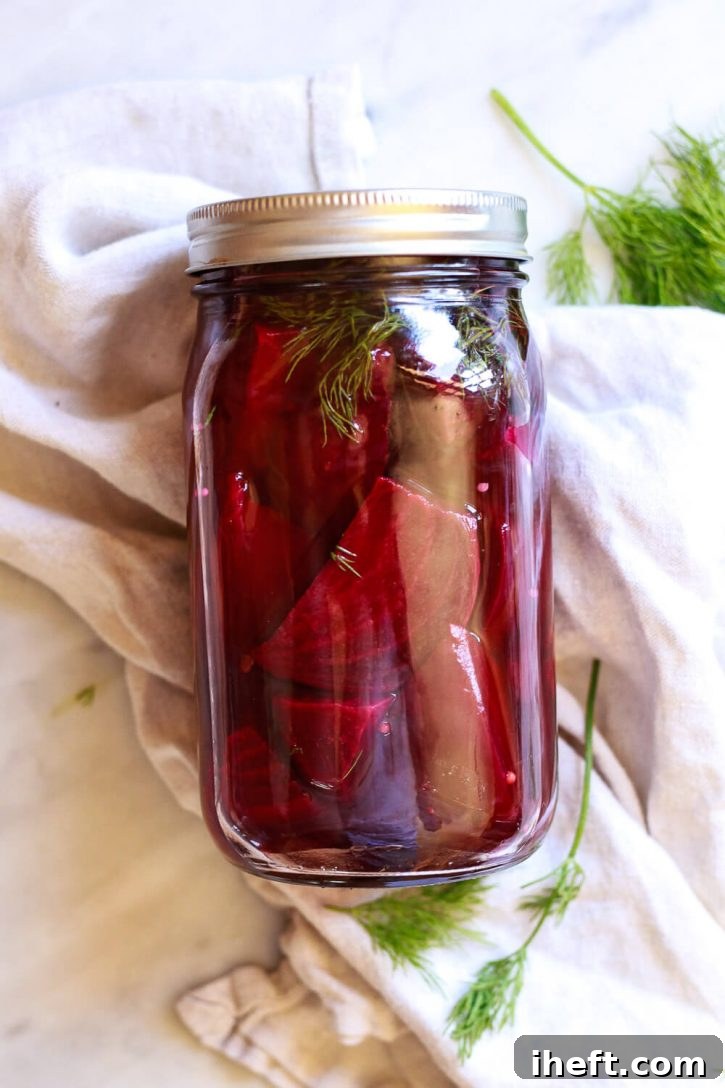
How to Make Quick Refrigerator Pickled Beets
Beets are incredibly versatile root vegetables, celebrated for their deep, earthy flavor and vibrant hues. They’ve graced our kitchen in many forms, from hearty Beet Burgers and refreshing Beet Salad to revitalizing Beet Smoothies. During peak gardening season, when our beet patch was overflowing with various colors, we found ourselves roasting batches weekly. Pickling beets transforms their inherent sweetness with a delightful tang, creating a condiment or side dish that’s both healthy and bursting with character. The process for making these quick refrigerator pickled beets is surprisingly straightforward, requiring just a few simple steps. Let’s delve into the details of pickling beets at home!
Step 1: Prepare Your Beets for Pickling
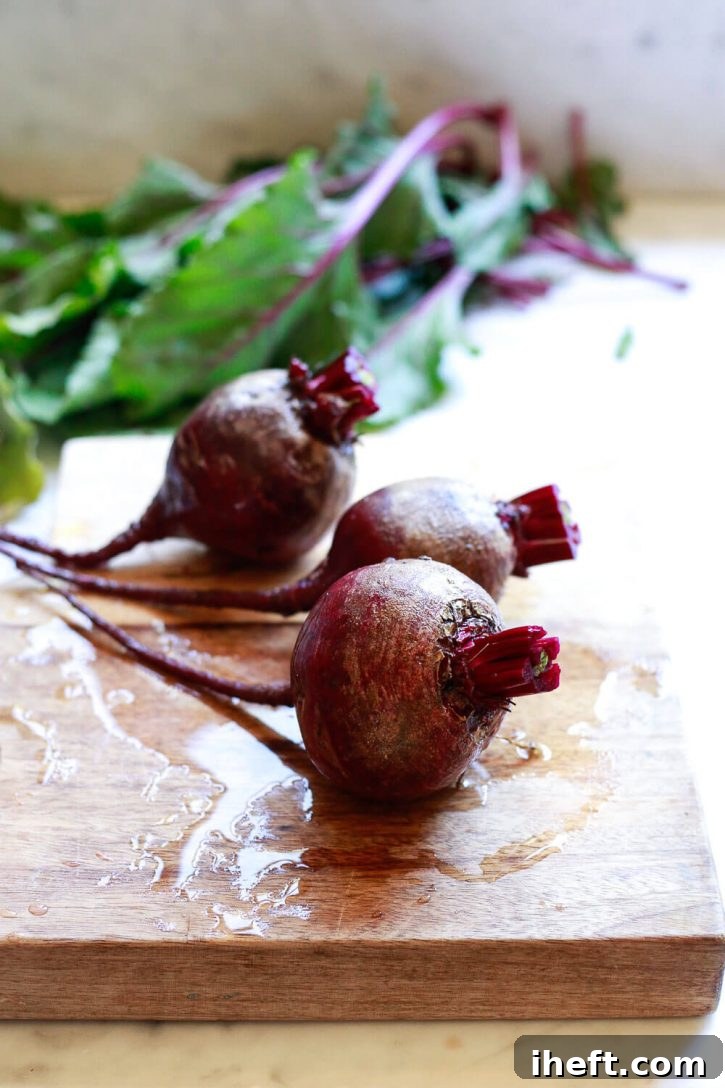
When selecting beets, you’ll typically find them in bunches, often containing two large or three medium-sized roots. The most common variety is the deep purple-red beet, which imparts that iconic rich color to your pickles. However, don’t hesitate to experiment with other varieties like golden beets or candy cane beets (Chioggia beets) for a different aesthetic and subtle flavor profile; they will work beautifully in this easy pickled beets recipe too. Beets are a powerhouse of nutrition, rich in fiber, vitamins, and minerals, and pickling them is a fantastic way to enjoy their goodness.
Begin by carefully cutting off the beet greens, leaving about an inch of stem attached to the beet root. While the greens aren’t used in the pickling process, they are a culinary treasure in themselves! Don’t discard them; instead, save them for later. Beet greens are delicious when sautéed with a little olive oil, garlic, salt, and pepper, serving as a vibrant and nutritious side dish. Once the greens are removed, wash the beets thoroughly under cool running water to remove any soil, but leave the skin intact for now.
Step 2: Cook the Beets to Perfection
Achieving perfectly tender beets is crucial for the best pickled beet texture. There are several excellent methods for cooking beets, each with its own advantages. My personal preference for maximizing their natural sweetness and depth of flavor is roasting beets. Roasting caramelizes their sugars, resulting in a more intense and complex taste. More recently, however, I’ve embraced the efficiency of pressure cooking whole beets in an Instant Pot. This method significantly cuts down on cooking time without compromising on flavor or tenderness, making it ideal when you’re looking for an even quicker way to make your pickled beets.
To pressure cook, simply place whole, medium-sized beets in a steamer basket with about 1 cup of water in the Instant Pot liner. Cook them on manual mode for 15-20 minutes, depending on their size. Once cooked, carefully perform a quick release of the steam. You can find more detailed instructions for cooking beets, including boiling and roasting methods, in our comprehensive Beet Salad post. Whichever method you choose, the goal is for the beets to be fork-tender, indicating they are ready for the next step in your pickling journey.
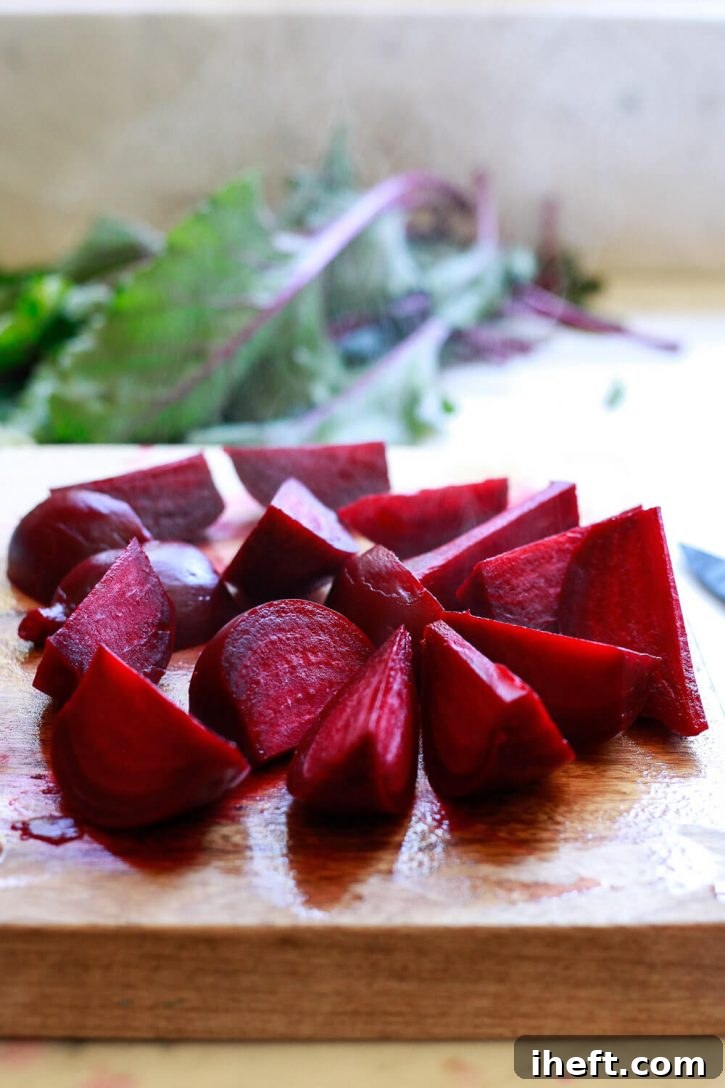
Step 3: Peel and Slice the Cooked Beets
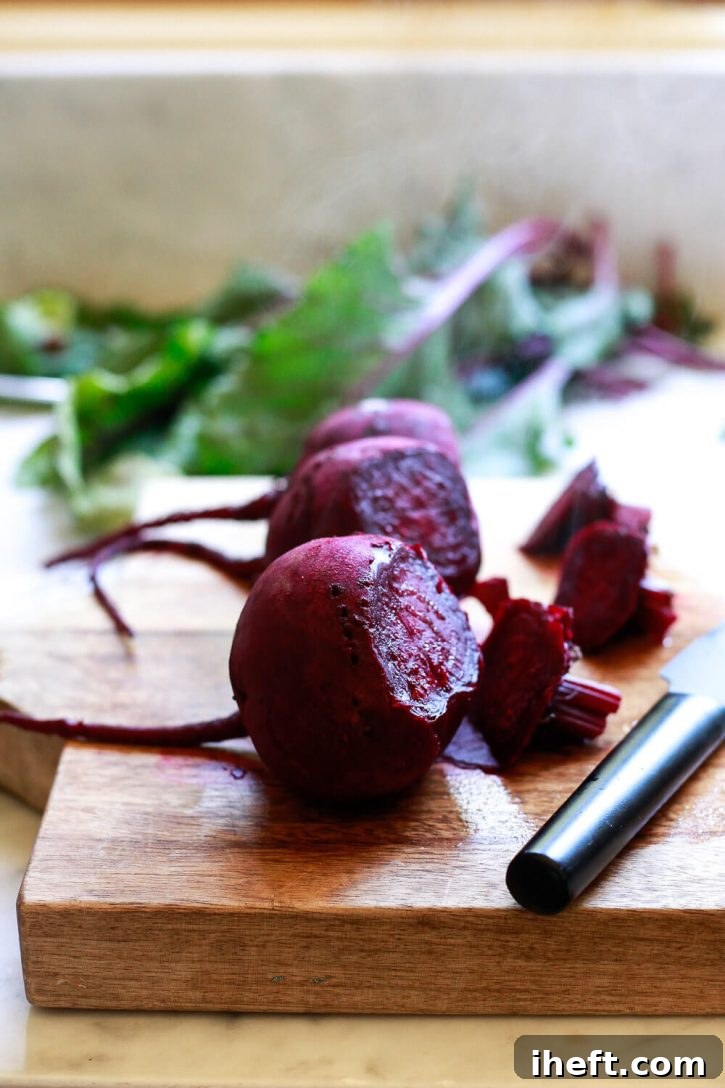
Once your beets are cooked and cool enough to handle, it’s time to prepare them for their pickling bath. First, trim off the very bottom of the root end and about 1/2 inch from the top stem end. You’ll find that once beets are perfectly fork-tender, their skins will slip off remarkably easily. To minimize mess and staining, I highly recommend performing this task under cool running water. The water helps wash away the vibrant beet juices, preventing them from tinting your hands or countertop excessively.
After peeling, decide on your desired cut. If you’ve used very small beets, you can opt to leave them whole for an appealing presentation. For medium to large beets, cut them into sixths or smaller wedges. Uniformly sized pieces not only look more appealing in the jar but also ensure even absorption of the pickling liquid, leading to a consistent flavor throughout your batch of quick pickled beets.
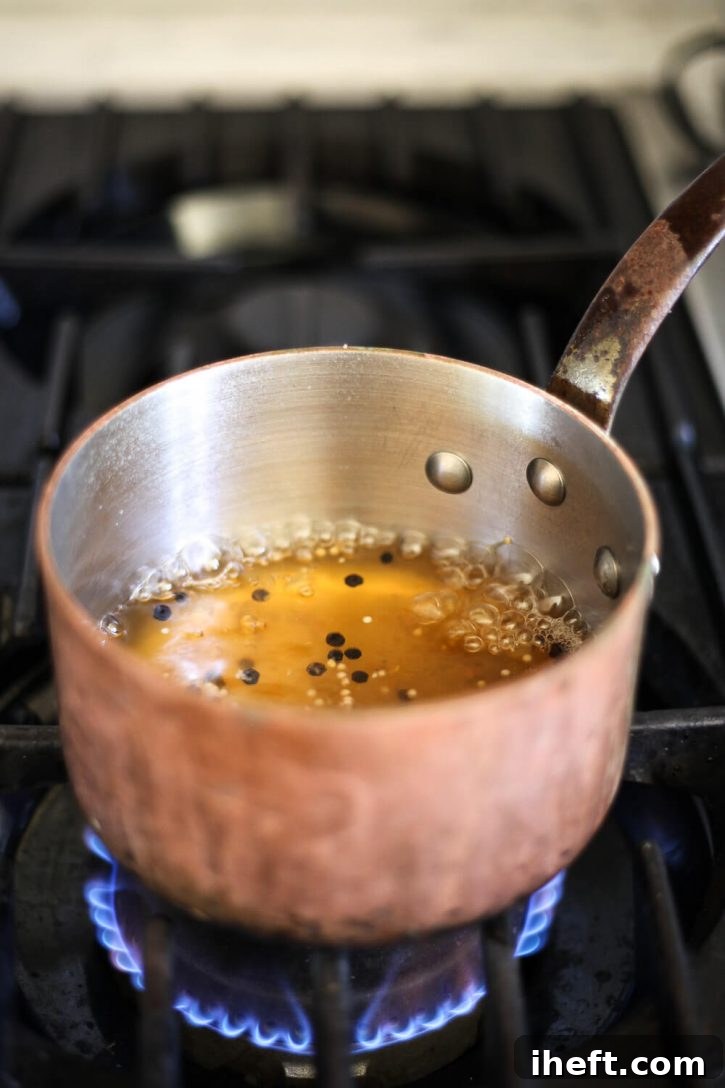
Step 4: Craft the Flavorful Pickling Liquid
This step is where the magic truly happens, as you create the vibrant and aromatic pickling liquid that will infuse your beets with their signature tangy flavor. The brine is a harmonious blend of acid, sweetness, and spices, each playing a vital role in transforming the beets. In a small saucepan, combine apple cider vinegar with water, a touch of brown sugar, and an array of carefully selected spices. Apple cider vinegar is a fantastic choice for pickling due to its mild, fruity acidity, which complements the earthiness of the beets beautifully. If you have leftover apple cider vinegar, consider making a delicious Apple Cider Vinegar Salad Dressing or a refreshing Apple Cider Vinegar Drink.
Bring this mixture to a gentle simmer over medium heat, stirring occasionally to ensure the sugar dissolves completely. Continue to simmer the liquid for about 5 minutes. This simmering process is essential; it allows the spices to release their full aromatic potential and meld together, creating a rich, complex flavor base for your pickled beets. The combination of whole peppercorns and mustard seeds provides a classic pickling foundation, while a pinch of red pepper flakes adds a subtle, pleasant warmth.
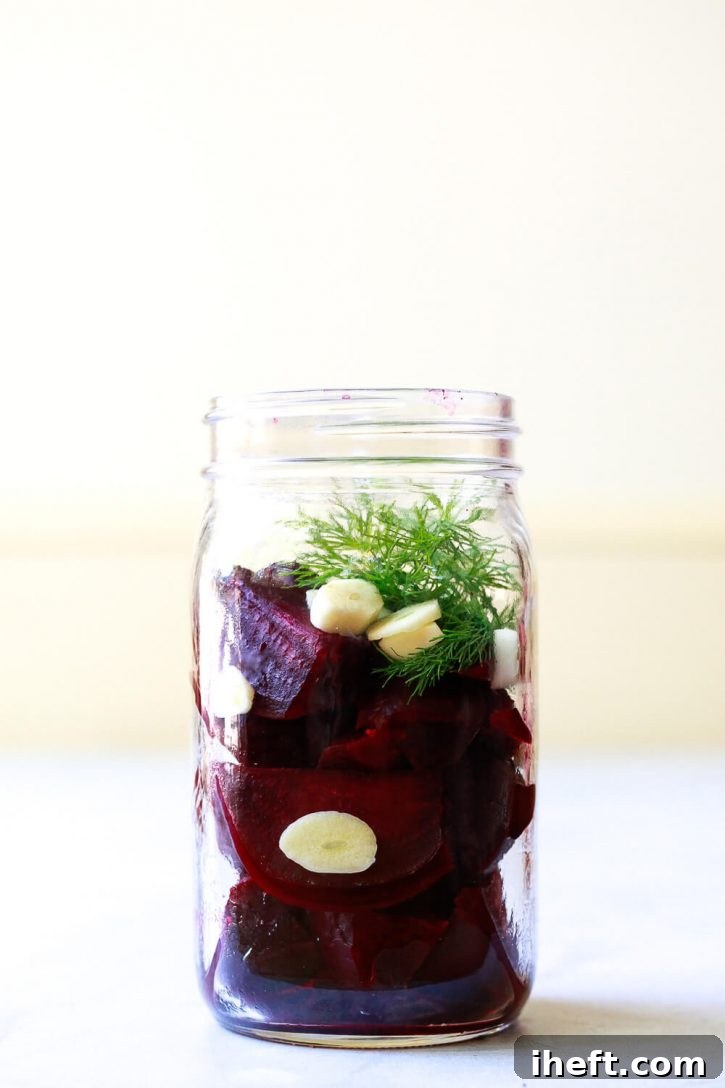
Step 5: Combine Beets and Brine in Jars
Once your beets are peeled and cut, and your pickling liquid is ready, it’s time to bring everything together. Carefully pack the beet wedges into a clean, quart-sized canning jar. Typically, a bunch of three medium-sized beets will yield just the right amount to fill a jar of this size, ensuring an optimal beet-to-brine ratio. If you happen to have more beets than can fit comfortably, simply enjoy the remainder fresh, perhaps in a salad or as a roasted side dish.
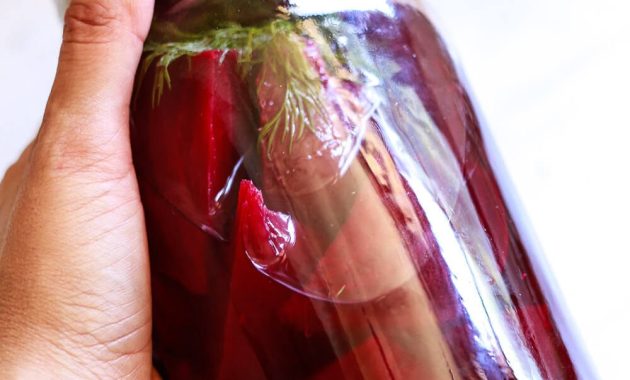
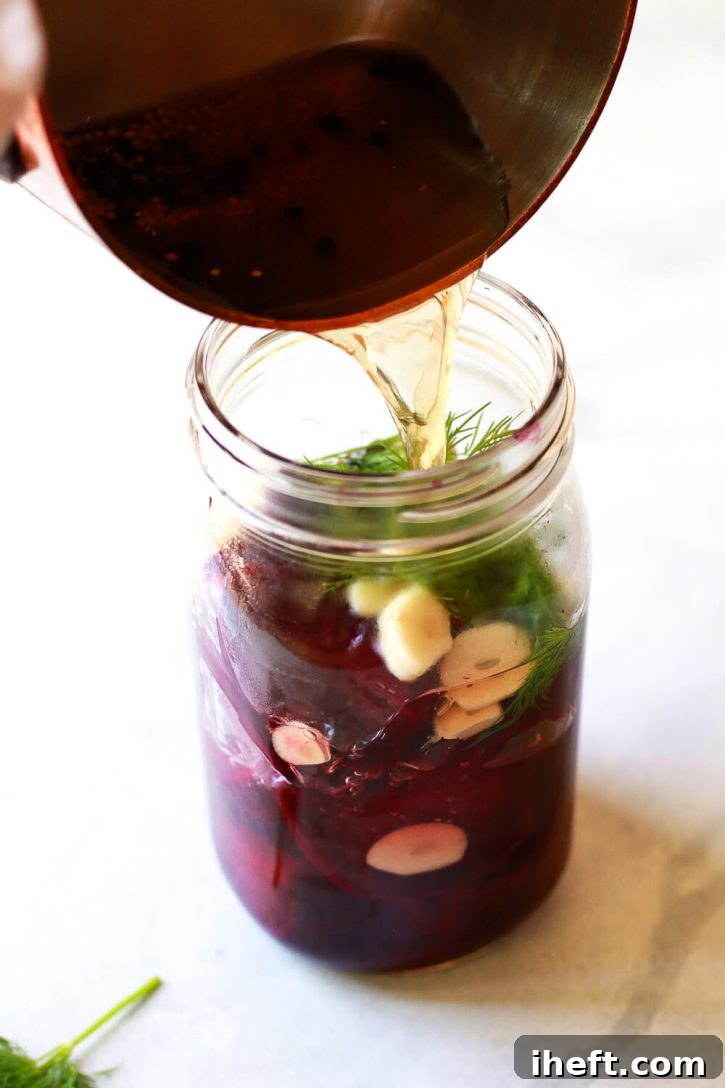
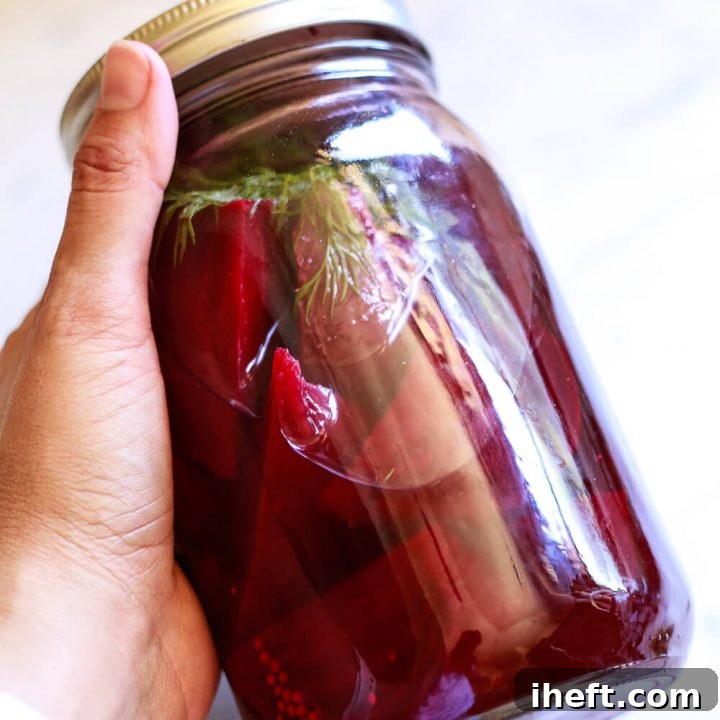
Before pouring in the liquid, add fresh garlic slices and a small bunch of fresh dill to the jar with the beets. These aromatics will infuse the pickles with wonderful depth and a classic savory note. Then, carefully pour the hot pickling liquid over the beets, ensuring they are fully submerged. Leave about 1/2 inch of headspace from the top of the jar to allow for expansion. You might not need all of the liquid you’ve prepared; just use enough to cover the beets. If any spices remain in the saucepan, spoon them into the jar as well to maximize flavor. Seal the jar tightly with a lid, allow it to cool to room temperature, and then transfer your quick pickled beets to the refrigerator. They will be ready to enjoy within 24-48 hours and will maintain their deliciousness for up to a month or two.
Understanding Refrigerator Pickling vs. Traditional Canning
It’s important to differentiate between quick refrigerator pickling and traditional canning. While both methods involve preserving food, they achieve different results and require distinct approaches to ensure food safety. Refrigerator pickles, like these quick pickled beets, are made by pouring a hot brine over vegetables and then storing them in the refrigerator. The high acid content of the brine, combined with cold storage, inhibits bacterial growth, allowing the pickles to last for several weeks (typically 1-2 months).
Traditional canning, on the other hand, aims to create shelf-stable products that can be stored at room temperature for a year or more. This process involves specific heat treatments, either a water bath canner for high-acid foods or a pressure canner for low-acid foods, to destroy harmful bacteria and create a vacuum seal. When canning, adhering strictly to tested recipes and precise acid ratios is paramount for food safety. The recipe shared here is specifically for quick refrigerator pickled beets and is not intended for traditional, shelf-stable canning. If you are interested in traditional canning, which is especially useful for a large harvest from a garden, I highly recommend consulting authoritative resources like the “Ball Complete Book of Home Preserving,” which provides tested, safe recipes and techniques.
Creative Pickled Beet Variations
One of the joys of making your own quick pickled beets is the freedom to customize the flavor profile. While the basic recipe is wonderfully delicious, you can easily experiment with different spices and vinegars to create unique variations:
- Sweet Spiced Beets: For a warmer, sweeter flavor, replace the peppercorns, mustard seed, garlic, and dill with a cinnamon stick and 5-6 whole cloves. A hint of star anise can also add an exotic touch. These are particularly lovely served with roasted meats or winter salads.
- Spicy Pickled Beets: If you love a kick, increase the amount of red pepper flakes in the pickling liquid. You can also add a few thin slices of fresh jalapeño or serrano pepper to the jar with the beets for an extra layer of heat.
- Herbaceous Beets: Beyond dill, consider adding other fresh herbs like thyme, rosemary, or bay leaves to the jar. A sprig of fresh tarragon can also impart a delicate, anise-like flavor that pairs beautifully with beets.
- Different Vinegars: While apple cider vinegar offers a fruity tang, you can try white vinegar for a sharper, cleaner profile, or even a good quality red wine vinegar for a deeper, more robust flavor and an even richer color.
- Citrus Infusion: Add a strip of orange or lemon zest to the pickling liquid as it simmers for a bright, aromatic twist.
How to Enjoy Your Quick Pickled Beets
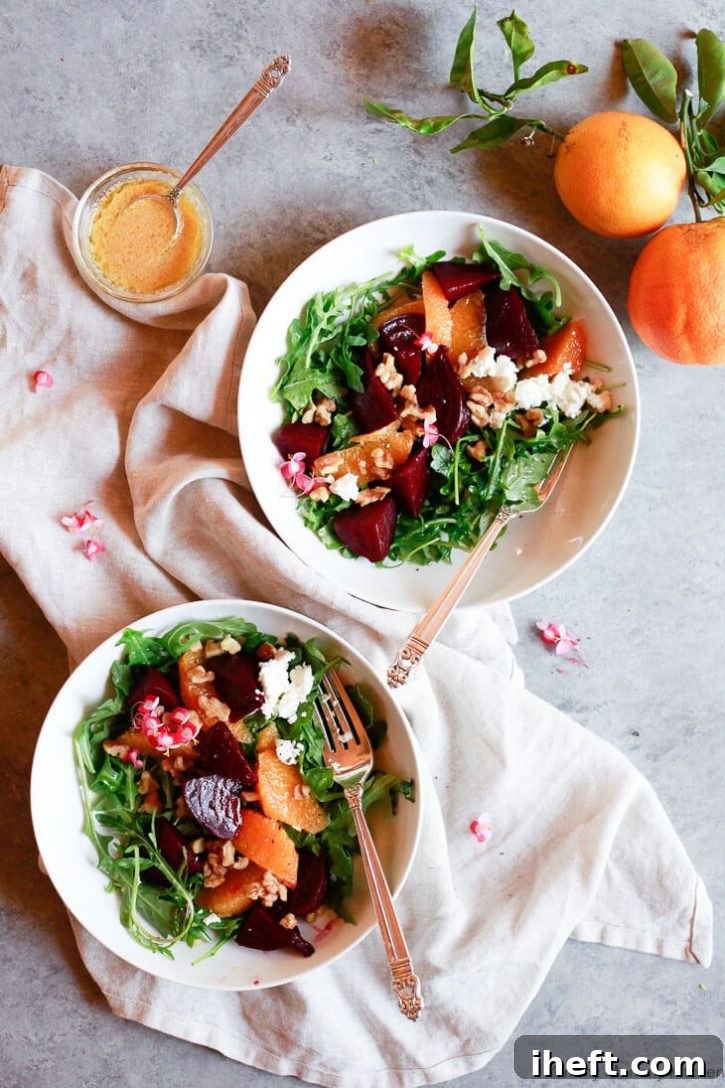
Once you’ve made a batch of these flavorful quick pickled beets, you’ll find countless ways to incorporate them into your meals. Their tangy, sweet, and earthy notes make them incredibly versatile:
- Beet Salad: They are a stellar addition to any salad, providing a pop of color and a burst of flavor. Try them in our classic Beet Salad recipe, or add them to mixed greens with goat cheese, walnuts, and a light vinaigrette.
- Sandwiches and Wraps: Thinly slice or chop pickled beets and add them to sandwiches, wraps, or even burgers for an extra layer of crunch and tang that cuts through richer flavors. They pair wonderfully with turkey, ham, or even veggie burgers.
- Elegant Crostini: Top toasted baguette slices (crostini) with cream cheese or goat cheese, then add a slice of pickled beet for a simple yet sophisticated appetizer. A sprinkle of fresh herbs like chives or parsley elevates it further.
- Healthy Snack: Enjoy them straight from the jar as a refreshing and nutritious snack. They are low in calories and high in fiber, making them a guilt-free treat.
- Savory Side Dish: Serve pickled beets as a vibrant side dish alongside roasted chicken, grilled fish, or hearty stews. Their acidity provides a wonderful contrast to richer main courses.
- Charcuterie Boards: Include a small bowl of pickled beets on your next charcuterie or cheese board. Their bright color and tangy flavor offer a delightful counterpoint to cured meats and creamy cheeses.
- Grain Bowls: Add chopped pickled beets to your favorite grain bowls for an extra boost of flavor, color, and texture. They work well with quinoa, farro, or brown rice.
Quick Pickled Beets Recipe
10 minutes
15 minutes
25 minutes
Learn how to make quick refrigerator pickled beets with this easy and flavorful recipe! Perfect as a healthy snack or versatile side dish.
Ingredients
- 1 bunch beets (about 3 medium-sized beets, yielding 3 cups cooked beet quarters)
- 1 ½ cups apple cider vinegar
- 1 ½ cups water
- 1 tablespoon brown sugar
- ½ teaspoon sea salt
- ½ teaspoon whole peppercorns
- ½ teaspoon mustard seed
- Pinch red pepper flakes (optional, for a hint of heat)
- 2 cloves garlic, thinly sliced
- 1 small bunch fresh dill
Instructions
- Cut the greens off the beets, leaving about 1-inch of stem attached to the beetroot. Save the greens for another culinary use, such as sautéing. Wash the beets thoroughly to remove any dirt.
- Cook the beets until fork-tender using your preferred method (see notes below). Once cooked, allow the beets to cool enough to handle comfortably. Under cool running water, gently slip the skins off the beets. Trim the root and stem ends, then cut the peeled beets into uniform wedges or quarters, depending on their size.
- While the beets are cooking and cooling, prepare the pickling liquid. In a small saucepan set over medium heat, combine the apple cider vinegar, water, brown sugar, sea salt, whole peppercorns, mustard seeds, and red pepper flakes (if using). Bring the mixture to a simmer, stirring continuously until the sugar and salt are fully dissolved. Allow the liquid to simmer gently for about 5 minutes to infuse the flavors from the spices.
- Carefully place the beet wedges, sliced garlic, and fresh dill into a clean, quart-sized canning jar. Fill the jar, leaving at least 1/2 inch of space from the top. Pour the hot pickling liquid over the beets in the jar, ensuring the beets are completely covered and maintaining about 1/2 inch of headspace. You may not need all the prepared liquid. If any spices remain in the saucepan, spoon them into the jar for maximum flavor.
- Once the jar is filled and sealed, allow it to cool completely to room temperature on your countertop. After cooling, transfer the jar of quick pickled beets to the refrigerator. Allow at least 24-48 hours for the flavors to meld before enjoying. These refrigerator pickles will stay fresh and delicious for 1 to 2 months.
Notes
How to Cook Beets:
- Instant Pot Method: Add one cup of water to your Instant Pot. Place the washed, whole beets on a steamer basket inside the pot. Cook on manual mode (or pressure cook) for 15-20 minutes, adjusting the time based on the size of your beets. Perform a quick pressure release, then carefully remove the lid and check for fork-tenderness.
- Boiling Method: Place the washed, whole beets into a large saucepan and cover them generously with water. Bring to a rolling boil, then reduce the heat to a simmer and cook until the beets are tender when pierced with a fork, typically 20-40 minutes, depending on their size.
- Roasting Method: For maximum sweetness, roast your beets. You can roast them wrapped in foil or in a Dutch oven. Follow the instructions in the linked recipes for detailed guidance.
Recommended Products
As an Amazon Associate and member of other affiliate programs, I earn from qualifying purchases.
- Bragg USDA Gluten Free Organic Raw Apple Cider Vinegar, with The Mother
Nutrition Information:
Yield: 6 servings
Serving Size: 1 (approx. ½ cup)
Amount Per Serving:
Calories: 35
Total Fat: 0g
Saturated Fat: 0g
Trans Fat: 0g
Unsaturated Fat: 0g
Cholesterol: 0mg
Carbohydrates: 6g
Fiber: 1g
Protein: 1g
Nutrition information is automatically calculated and provided for general guidance. I am not a nutritionist and cannot guarantee absolute accuracy. If your health depends on precise nutrition information, please calculate again with your preferred calculator based on the ingredients you use.