Roasted Pumpkin Seeds: A Crunchy, Wholesome Snack
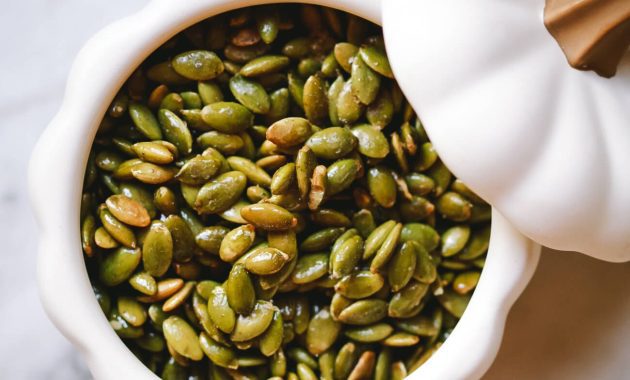
Crunchy, nutritious, and incredibly easy to make, perfectly seasoned roasted pepitas are a delightful snack for any time of day. Discover how to transform raw pumpkin seeds into a savory or sweet treat right in your own oven.
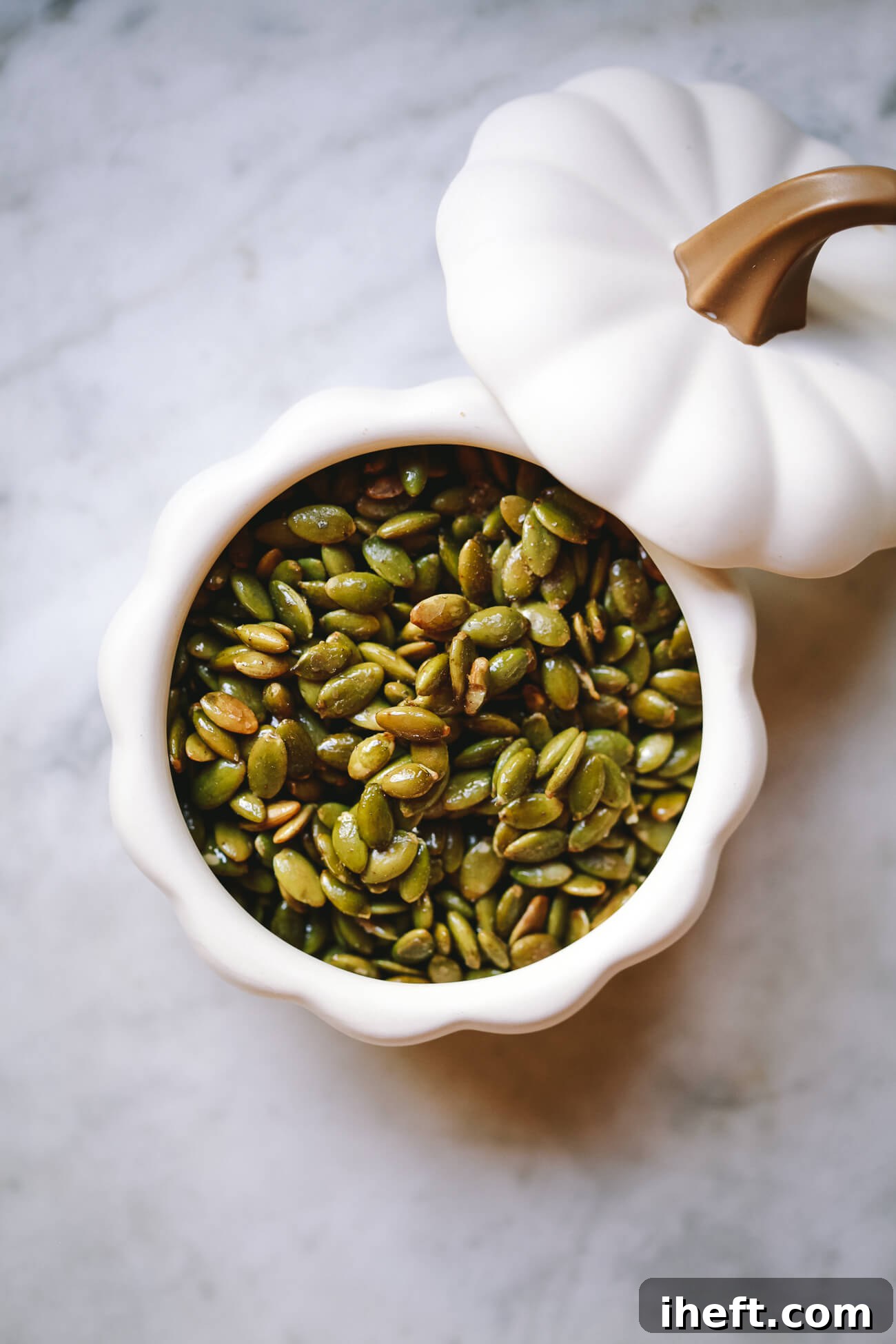
Roasted pepitas, widely recognized as shelled pumpkin seeds, are more than just a tasty and wholesome snack; they are also a remarkably versatile ingredient that can elevate a wide array of recipes. While pre-roasted pepitas are readily available in stores, crafting them at home allows for unparalleled freshness, superior flavor, and complete control over seasonings, making them far more satisfying.
This comprehensive guide will walk you through every step of roasting pepitas in your oven. From selecting the highest quality raw seeds to mastering seasoning techniques and proper storage, we’ll cover it all. Prepare to unlock the secrets to creating the ultimate batch of crispy, flavor-packed roasted pepitas, perfect for a healthy snack, an appealing garnish, or a flavorful addition to your favorite dishes.
What Exactly Are Pepitas?
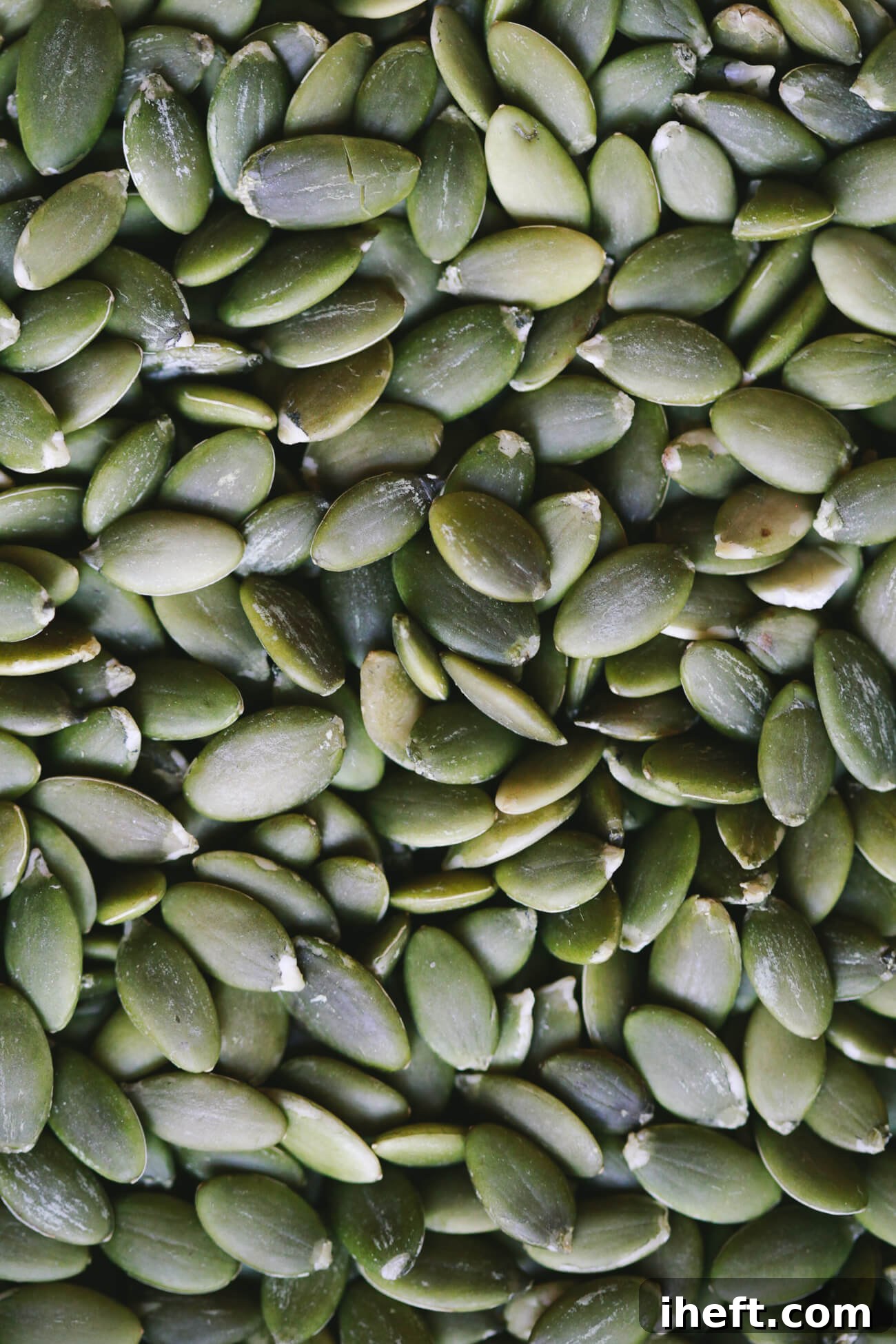
Before we delve into the roasting process, let’s clarify what pepitas are. Pepitas are the edible, hull-less seeds derived from specific varieties of pumpkins or certain types of squash. Unlike traditional pumpkin seeds, which come encased in a white fibrous shell, pepitas are naturally dark green and shell-free, making them immediately ready for consumption. These tiny powerhouses are a nutritional goldmine, packed with an impressive array of health benefits that make them an excellent addition to any diet.
They are an exceptional source of plant-based protein, making them ideal for vegetarians and vegans. Furthermore, pepitas are rich in healthy fats, particularly omega-3 and omega-6 fatty acids, which are crucial for heart health. They also provide a significant amount of dietary fiber, aiding in digestion and promoting a feeling of fullness. Beyond macronutrients, pepitas are loaded with essential micronutrients, including magnesium, zinc, iron, and various antioxidants. Magnesium supports muscle and nerve function, zinc is vital for immune health, and iron helps prevent anemia. Their antioxidant content helps protect the body against free radical damage, contributing to overall well-being. This dense nutritional profile makes them a popular choice among health-conscious individuals seeking wholesome and functional foods.
Why Should You Roast Pepitas at Home?
Roasting pepitas offers a multitude of advantages that go beyond simple consumption. Primarily, it significantly enhances their natural flavor. The heat of the oven brings out a deeper, nuttier, and more complex taste, transforming the raw, somewhat grassy flavor into a richly aromatic and appealing profile. This process also dramatically improves their texture, turning them from soft and pliable to wonderfully crispy and crunchy, making them incredibly satisfying to snack on.
Beyond taste and texture, roasting pepitas serves practical purposes. It extends their shelf life considerably by reducing moisture content, making them less susceptible to spoilage. This allows you to prepare a larger batch and enjoy them over an extended period, ensuring you always have a healthy snack on hand.
The versatility of roasted pepitas is another compelling reason to consider making them yourself. They are not merely a standalone snack; they can be incorporated into countless dishes to add crunch, flavor, and nutritional value. Imagine sprinkling them over fresh salads for an added textural dimension, stirring them into creamy soups for a delightful contrast, or adding them to your morning yogurt or oatmeal for a satisfying boost. They can also be a fantastic ingredient in homemade granolas, energy bars, or even as a crunchy coating for savory dishes. Keeping a bag of raw pepitas handy (they store well in the freezer for even longer durations) ensures you’re always ready to whip up a batch for a quick, nutritious, and plant-based snack or ingredient, such as in wholesome seed bread.
Essential Ingredients and Tools for Roasting Pepitas
Before you begin your pepita roasting adventure, gather all the necessary ingredients and tools to ensure a smooth and successful process. Having everything organized beforehand will make the experience much more enjoyable.
Ingredients:
- Raw Pepitas: Opt for high-quality, fresh raw pepitas if possible. You can find them in the bulk section of many grocery stores or health food markets. I often source mine from places like Sprouts, known for their quality seeds and nuts.
- Cooking Oil: A light drizzle of olive oil is traditional and lends a pleasant flavor, but you can also use other neutral-flavored cooking oils like avocado oil, grapeseed oil, or even melted coconut oil for a slightly different aroma and taste profile.
- Seasonings: This is where the fun begins! We will explore a variety of seasoning ideas in detail shortly, ranging from simple salt to sweet and spicy blends.
Tools:
- Baking Sheet or Tray: A sturdy, flat baking sheet is essential for even roasting.
- Parchment Paper or Silicone Baking Mat: Lining your baking sheet with parchment paper or a reusable silicone baking mat prevents sticking and makes cleanup a breeze. It also helps with even heat distribution.
- Mixing Bowl: A medium-sized mixing bowl is perfect for tossing the pepitas with oil and seasonings, ensuring every seed is uniformly coated.
- Spatula or Wooden Spoon: Useful for stirring the pepitas during roasting and for transferring them.
- Measuring Cups and Spoons: For accurate measurement of pepitas, oil, and seasonings.
The Simple Roasting Process
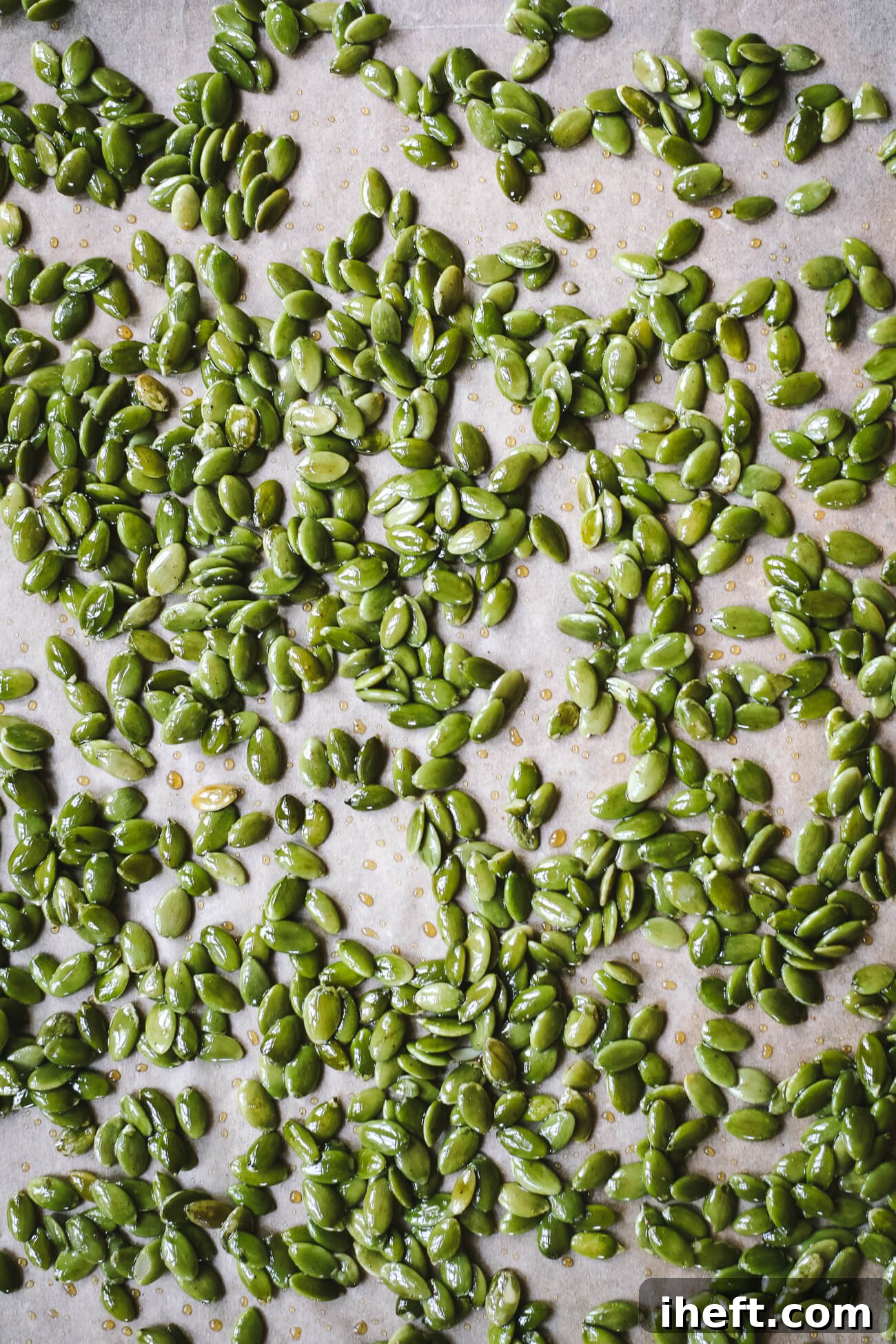
With your ingredients and tools at the ready, let’s dive into the straightforward process of roasting pepitas to golden, crispy perfection:
- Preheat Your Oven: Begin by preheating your oven to 325°F (160°C). This moderate temperature is crucial for achieving an even roast without burning the delicate seeds. While the oven comes to temperature, prepare your baking sheet by lining it with parchment paper or a silicone baking mat. This step is vital for preventing sticking and facilitating easy cleanup.
- Season the Pepitas: In your mixing bowl, combine the raw pepitas with a light drizzle of your chosen cooking oil. Approximately 1-2 tablespoons of oil per cup of pepitas is a good starting point, but feel free to adjust based on your preference for a richer coating. Toss the pepitas thoroughly to ensure each seed is lightly and evenly coated. This oil layer helps the seasonings adhere and contributes to their crispness. Now, add your desired seasonings (we’ll explore creative ideas in the next section) and toss again until the pepitas are uniformly coated. You can even taste a raw pepita at this stage to adjust salt or spice levels before baking.
- Spread Evenly: Once seasoned, spread the pepitas in a single layer on your prepared baking sheet. It’s essential to avoid overcrowding the sheet, as this can lead to steaming rather than roasting, resulting in less crispy pepitas. A single layer ensures optimal air circulation around each seed, promoting even roasting and maximum crispiness.
- Roasting Time and Technique: Place the baking sheet in the preheated oven and roast for a total of about 15-18 minutes. The key to perfectly roasted pepitas is active monitoring. Make sure to stir or shake the pepitas on the baking sheet every 8-10 minutes. This prevents any single area from burning and ensures all sides of the seeds get adequate exposure to the heat, leading to uniform golden-brown coloration and crisp texture. Keep a close eye on them towards the end of the roasting time, as they can go from perfectly roasted to burnt very quickly.
Exciting Seasoning Ideas
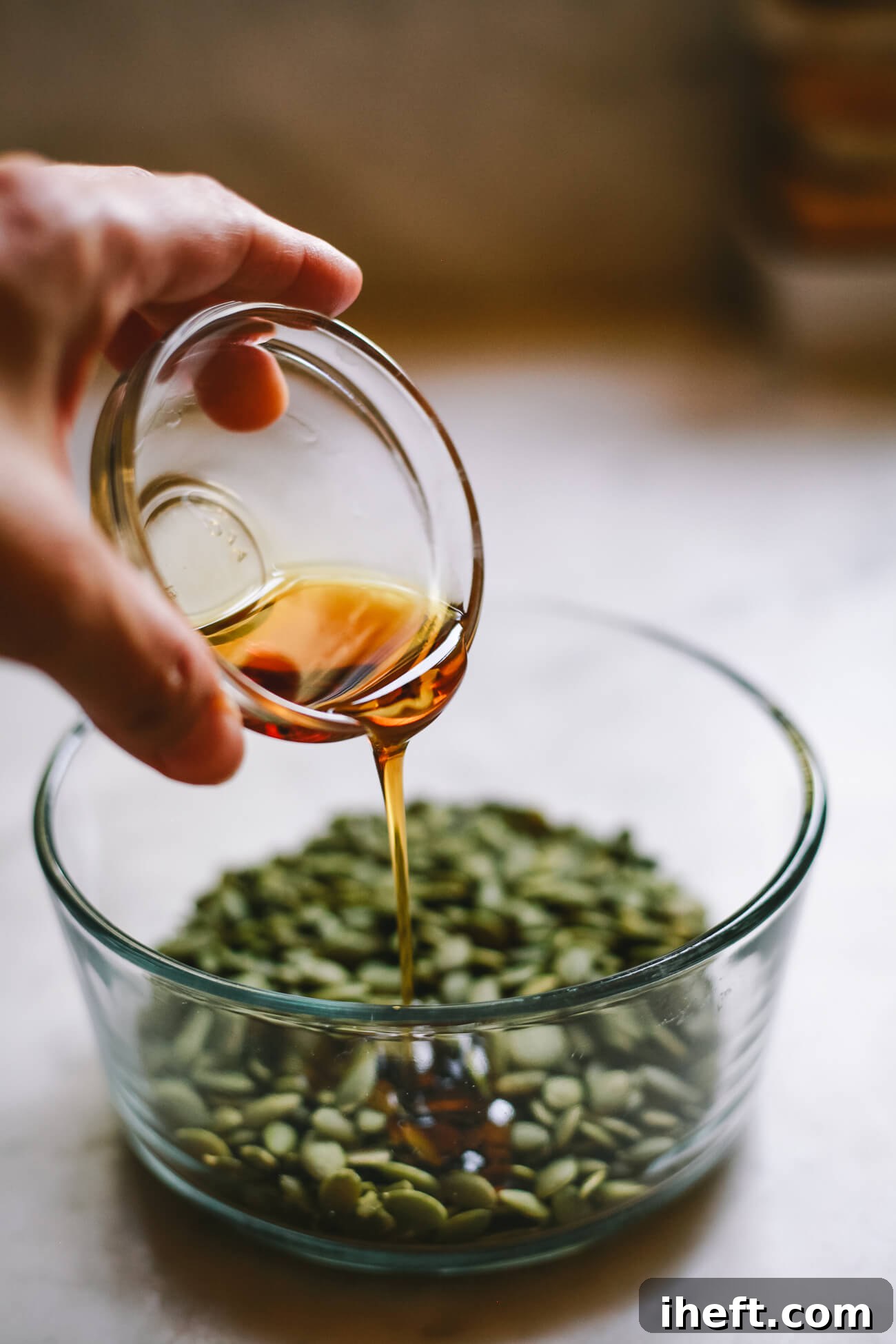
One of the most enjoyable aspects of roasting pepitas is the endless possibilities for flavor customization. Here are several seasoning ideas to inspire your culinary creativity, allowing you to tailor your snack to any craving:
- Classic Salted Pepitas: For a timeless and simply delicious snack, toss 1 cup of pepitas with 1 tablespoon of olive oil and a generous pinch (about 1/4 teaspoon) of flaky sea salt or kosher salt. This highlights their natural nutty flavor.
- Sweet Cinnamon and Sugar Pepitas: Create a delightful sweet treat by tossing 1 cup of pepitas with 1 tablespoon of melted coconut oil, 1 tablespoon of granulated sugar, and 1/2 teaspoon of ground cinnamon. A tiny pinch of nutmeg can enhance this blend.
- Spicy Chili-Lime Pepitas: For a zesty and spicy kick, combine 1 cup of pepitas with 1 tablespoon of olive oil, 1 teaspoon of chili powder, 1/2 teaspoon of ground cumin, the zest of half a lime, and a good pinch of salt. A dash of cayenne pepper can be added for extra heat.
- Garlic and Herb Pepitas: Infuse your pepitas with aromatic savory notes. Toss 1 cup of pepitas with 1 tablespoon of olive oil, 1/2 teaspoon of garlic powder (or 1 clove minced garlic), 1/2 teaspoon of dried mixed herbs (such as rosemary, thyme, or oregano), and a touch of salt.
- Everything Bagel Pepitas: Capture the popular “everything bagel” flavor profile. Toss 1 cup of pepitas with 1 tablespoon of olive oil and 1-2 teaspoons of everything bagel seasoning blend. This combination offers a savory, garlicky, and oniony burst of flavor.
- Smoked Paprika & Cumin Pepitas: For a warm, earthy, and slightly smoky flavor, mix 1 cup of pepitas with 1 tablespoon of olive oil, 1 teaspoon of smoked paprika, 1/2 teaspoon of ground cumin, and a pinch of salt.
- Maple Glazed Pepitas: A sweet and slightly sticky favorite. Combine 1 cup of pepitas with 2 tablespoons of maple syrup, 1/4 teaspoon of vanilla extract (optional), 1/2 teaspoon of pumpkin pie spice (or just cinnamon), and a pinch of flaky sea salt. These will be slightly sticky but incredibly delicious.
Remember, raw pepitas are edible, so don’t hesitate to taste and adjust your seasonings before they go into the oven. This allows for perfect flavor balance right from the start.
Checking for Doneness: The Key to Perfection
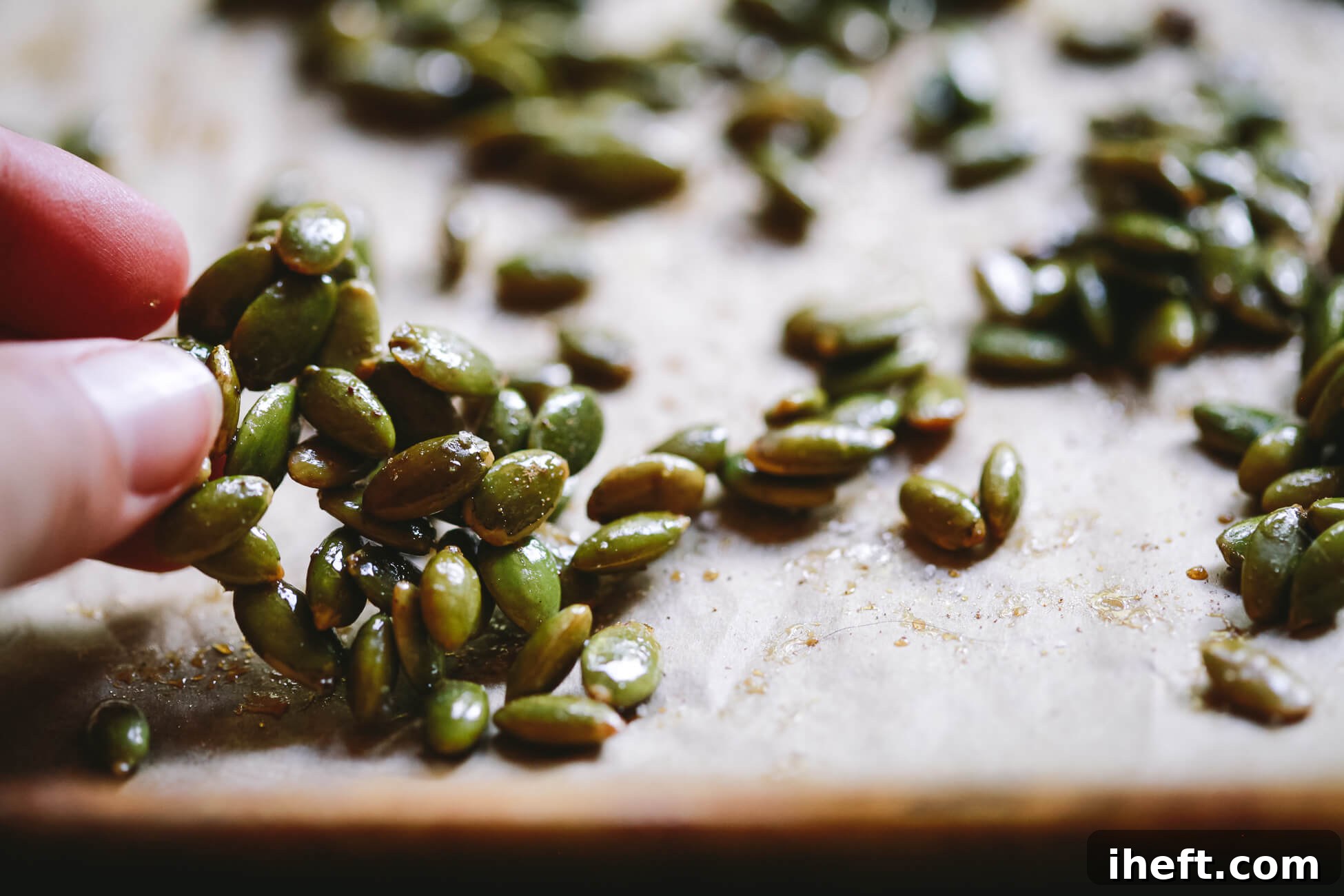
Knowing precisely when your pepitas are ready is paramount to achieving that ideal crispy texture and rich flavor. Keep a close watch for these visual and tactile cues:
- Subtle Color Change: The pepitas should just be beginning to acquire a light golden-brown-green hue. They won’t turn entirely brown due to their natural green pigment, but a slight darkening and a hint of toastiness around the edges indicate doneness.
- Crisp Texture (after cooling): While they might seem slightly soft directly out of the oven, perfectly roasted pepitas will become satisfyingly crisp and firm once they have cooled for a few minutes. They should be easy to bite into with a pleasant crunch, not chewy or rubbery.
- Aromatic Fragrance: As they near completion, you’ll notice a distinct, nutty aroma filling your kitchen. This is a good indicator that the flavors are developing beautifully.
Exercise caution and avoid the temptation to overcook them. Roasting pepitas for too long can lead to a bitter taste and a hard, burnt texture, ruining their appeal. If in doubt, it’s better to slightly under-roast than over-roast, as you can always return them to the oven for a few extra minutes. Remember, the true crispness develops during the cooling process, so allow them that crucial time before assessing their final texture.
Cooling and Proper Storage for Freshness
Once your pepitas have reached that perfect roast, proper cooling and storage are essential to maintain their crispness and extend their shelf life.
- Cooling Process: Immediately after removing them from the oven, allow the roasted pepitas to cool completely on the baking sheet. Resist the urge to transfer them to a container while warm. As they cool, the residual heat will dissipate, and their moisture content will stabilize, allowing them to crisp up further and achieve their optimal crunchy texture. This cooling period typically takes about 10-15 minutes, depending on the ambient temperature.
- Storage Guidelines: To preserve their freshness, flavor, and delightful crunch, transfer the completely cooled pepitas to an airtight container or a resealable bag. Store them in a cool, dry place away from direct sunlight and humidity. Properly stored roasted pepitas can maintain their quality for up to 2 weeks at room temperature. For even longer freshness, you can store them in the refrigerator for up to 2 months, or freeze them for up to 6 months. Freezing is an excellent option for bulk batches, ensuring you always have a fresh supply on hand.
Versatile Serving Suggestions
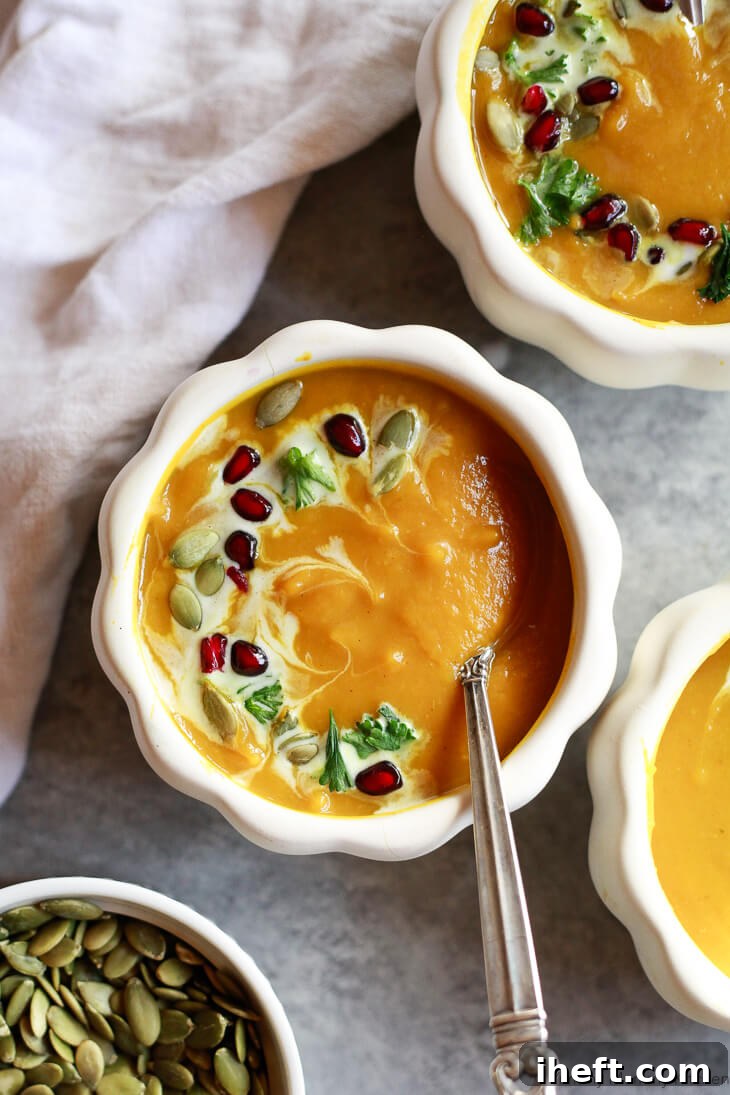
Roasted pepitas are incredibly versatile and can be enjoyed in numerous ways beyond simple snacking. Here are some creative serving suggestions to inspire you:
- Standalone Snack: Enjoy them on their own as a healthy, satisfying, and crunchy snack anytime.
- Salad Topping: Sprinkle them generously over green salads, grain bowls, or pasta salads for an added crunch and nutty flavor dimension.
- Breakfast Booster: Mix them into your morning yogurt, oatmeal, granola, or smoothie bowls for a boost of protein, healthy fats, and fiber.
- Soup and Chili Garnish: Use them as a delightful garnish for creamy soups, hearty chilis, or stews, adding texture and a visually appealing touch.
- Baked Goods Inclusion: Fold them into muffin batter, cookie dough, or bread recipes for extra texture and nutritional value.
- Savory Dish Accent: Sprinkle them over roasted vegetables, stir-fries, or even avocado toast for an unexpected crunch.
- Homemade Energy Bites: Incorporate them into homemade energy bars or protein balls for sustained energy.
The culinary possibilities are truly endless. Don’t hesitate to experiment and get creative with how you integrate these delicious and healthy roasted pepitas into your daily meals and snacks.
Troubleshooting Common Issues
While roasting pepitas is generally a straightforward process, you might occasionally encounter a few minor hiccups. Here’s how to effectively address and prevent them:
- Burned Pepitas: If your pepitas turn out burnt or too dark, it’s usually a sign that the oven temperature was too high or they were roasted for too long without enough stirring. To prevent this, try lowering the roasting temperature by 25°F (about 14°C) next time and check them more frequently, stirring every 5-7 minutes instead of 8-10. Always remove them as soon as you notice the subtle golden-green hue.
- Undercooked or Chewy Pepitas: If your pepitas lack crispness and remain soft or chewy after cooling, they are likely undercooked. This could be due to an oven that wasn’t hot enough, insufficient roasting time, or overcrowding on the baking sheet (which causes steaming). To fix this, simply return them to the oven for an additional 2-5 minutes, keeping a very close eye on them until they reach the desired crispness. Ensure they are spread in a single layer for optimal airflow.
- Unevenly Roasted Pepitas: If some pepitas are perfectly roasted while others are still pale or even burnt, it often indicates uneven heat distribution in your oven or infrequent stirring. To ensure an even roast, always stir or shake the baking sheet thoroughly at regular intervals during the cooking process. Consider rotating the baking sheet halfway through if your oven tends to have hot spots.
Final Thoughts on Homemade Roasted Pepitas
Roasting your own pepitas is a simple, incredibly rewarding, and highly customizable culinary endeavor. With just a few basic ingredients, minimal effort, and the right techniques, you can effortlessly create a wholesome, flavorful, and delightfully crunchy snack right in your own kitchen. Whether you prefer a classic savory crunch, a sweet maple glaze, or a bold spicy kick, the ability to control the flavors ensures every batch is perfectly tailored to your taste.
Beyond being a delicious treat, homemade roasted pepitas offer a wealth of nutritional benefits, making them an excellent choice for a healthy lifestyle. They are perfect for on-the-go snacking, enhancing your favorite meals, or impressing guests with a unique appetizer. Embrace the joy of crafting your own crispy, flavorful pumpkin seeds, and discover how truly satisfying and versatile this humble seed can be. Enjoy the process, and savor every crunchy bite!
Yield: 1 cup
Roasted Pepitas Recipe
3 minutes
13 minutes
16 minutes
Learn how to make roasted pepitas in the oven two delicious ways. Use this recipe to create your own batch of roasted pepitas with either the classic salted flavor or a delightful maple glaze. Enjoy this nutritious and tasty snack.
Ingredients
For Salted Pepitas:
- 1 cup raw pepitas (shelled pumpkin seeds)
- 1-2 tablespoons olive oil
- 1/4 teaspoon flaky sea salt
For Maple Roasted Pepitas:
- 1 cup raw pepitas (shelled pumpkin seeds)
- 2 tablespoons maple syrup
- 1/4 teaspoon vanilla extract (optional)
- 1/2 teaspoon pumpkin pie spice (or cinnamon)
- 1/4 teaspoon flaky sea salt
Instructions
- Preheat the Oven: Preheat the oven to 325°F (160°C) and position a rack in the center. Line a baking sheet with parchment paper or a silicone baking mat. For extra non-stick insurance, you can lightly coat it with cooking spray or a thin layer of oil.
- Prepare the Pepitas:
For the Salted Pepitas:
- In a mixing bowl, toss the raw pepitas with olive oil to coat them evenly. Add sea salt to taste, and mix well to distribute.
For the Maple-Glazed Pepitas:
- In a separate mixing bowl, combine raw pepitas, maple syrup, vanilla (if using), pumpkin pie spice, and a pinch of salt. Stir until the pepitas are thoroughly coated in the sweet glaze.
- Spread the Pepitas: Spread your seasoned pepitas (either salted or maple-glazed) evenly in a single layer on the prepared baking sheet. While it’s acceptable if the pepitas are lightly touching, spreading them thinly helps ensure even roasting and a deliciously crisp outcome.
- Roasting: Place the baking sheet in the preheated oven and roast for 8 minutes. Carefully remove, stir the pepitas, and return to the oven to roast for another 5-7 minutes. The total roasting time will be approximately 13-15 minutes. When done, the maple-glazed pepitas will be sticky but will crisp up as they cool. For both varieties, look for a subtle change to a golden-green hue. I prefer to remove them from the oven while they are still predominantly green, just before they turn fully golden brown, to prevent bitterness.
- Cooling and Storage: After roasting, remove the pepitas from the oven and let them cool completely on the baking sheet. They will become significantly crisper as they cool down. Once completely cool to the touch, transfer them to an airtight container or a resealable bag for optimal freshness and crunch.
Nutrition Information:
Yield: 8 servings
Serving Size: 1 (approx. 2 tablespoons)
Amount Per Serving:
Calories: 92
Total Fat: 8g
Saturated Fat: 1g
Trans Fat: 0g
Unsaturated Fat: 6g
Cholesterol: 0mg
Sodium: 69mg
Carbohydrates: 2g
Fiber: 1g
Sugar: 0g
Protein: 4g
Nutrition information is an estimate based on standard calculations and may vary.