Red Wine Vinegar Alternatives

Mastering Your Kitchen: The Essential Guide to Red Wine Vinegar Substitutes
Red wine vinegar, with its distinctive sharp tang and robust fruitiness, is a beloved ingredient in kitchens worldwide. A cornerstone of Mediterranean cuisine, it lends a crucial acidic backbone to countless dishes, from vibrant salad dressings and rich marinades to delicate reductions and perfectly pickled vegetables. Its presence is often taken for granted until, inevitably, you find yourself mid-recipe with an empty bottle and a sudden need for a viable alternative. But the quest for a substitute isn’t always born out of necessity; sometimes, it’s a culinary adventure – seeking new flavor nuances, accommodating dietary restrictions, or simply exploring healthier options.

Whether you’ve run out, are catering to guests with specific health considerations, or are simply curious about expanding your flavor palette, understanding the best red wine vinegar substitutes is an invaluable skill for any home cook. This comprehensive guide will equip you with a range of alternatives, ensuring your dishes always achieve that perfect balance of acidity and flavor, even without the staple ingredient.
Why Explore Red Wine Vinegar Alternatives?
Red wine vinegar is more than just a flavor enhancer; it’s a versatile acid that serves multiple purposes in cooking and even offers potential health benefits. However, there are several compelling reasons why you might need a substitute:
- Running Out Mid-Recipe: This is perhaps the most common scenario. Picture yourself meticulously preparing a complex dish, only to realize the red wine vinegar bottle is empty. Knowing a quick and effective replacement can save your meal and your sanity.
- Dietary Restrictions and Health Concerns: For some individuals, red wine vinegar might pose issues. It contains a small amount of alcohol, which can be a concern for those avoiding alcohol entirely. Additionally, its high acidity can exacerbate conditions like acid reflux or interact with certain medications, such as blood pressure drugs. Offering a suitable alternative ensures everyone can enjoy your culinary creations without discomfort.
- Flavor Exploration: Culinary curiosity is a powerful motivator. Different vinegars and acidic liquids offer unique flavor profiles. Substituting can introduce exciting new dimensions to familiar recipes, transforming a classic salad dressing or marinade into something unexpectedly delightful.
- Availability and Cost: Depending on your location, certain specialized vinegars might be harder to find or come with a higher price tag. Common alternatives are often more accessible and budget-friendly.
- Quality Degradation: Once opened, red wine vinegar, like many pantry staples, doesn’t last indefinitely. While still safe to use past its prime, an opened bottle will typically begin to lose its vibrant quality after two to three months. Signs of spoilage include a darkened, cloudy appearance and an “off” taste or smell. While it won’t necessarily harm you, it certainly won’t elevate your dish as intended. Using a fresh substitute ensures your food always tastes its best.
Understanding these reasons highlights the practicality and creativity inherent in mastering red wine vinegar alternatives. Let’s delve into the best options that can seamlessly integrate into your favorite recipes.
Greek Lentil Soup often achieves its distinctive tang and depth with a finishing drizzle of red wine vinegar.
The Best Substitutes For Red Wine Vinegar in Your Cooking
When selecting the ideal red wine vinegar substitute, the goal is often to replicate its signature acidic tang and, sometimes, its fruity notes and color, without drastically altering the intended flavor profile of your dish. However, culinary flexibility allows for creative experimentation. What works perfectly for a delicate salad dressing might not be suitable for a robust reduction, and vice versa. Always consider the primary flavors of your dish and the role the vinegar plays.
As a general starting point, most vinegar-based alternatives can be swapped in a 1:1 ratio. However, the precise amount and any necessary adjustments will depend on the specific alternative you choose and the recipe’s requirements. It’s always wise to start with a slightly smaller amount and taste as you go, gradually adding more until you achieve your desired balance.
Let’s explore the top red wine vinegar alternatives and how to best incorporate them into your cooking:
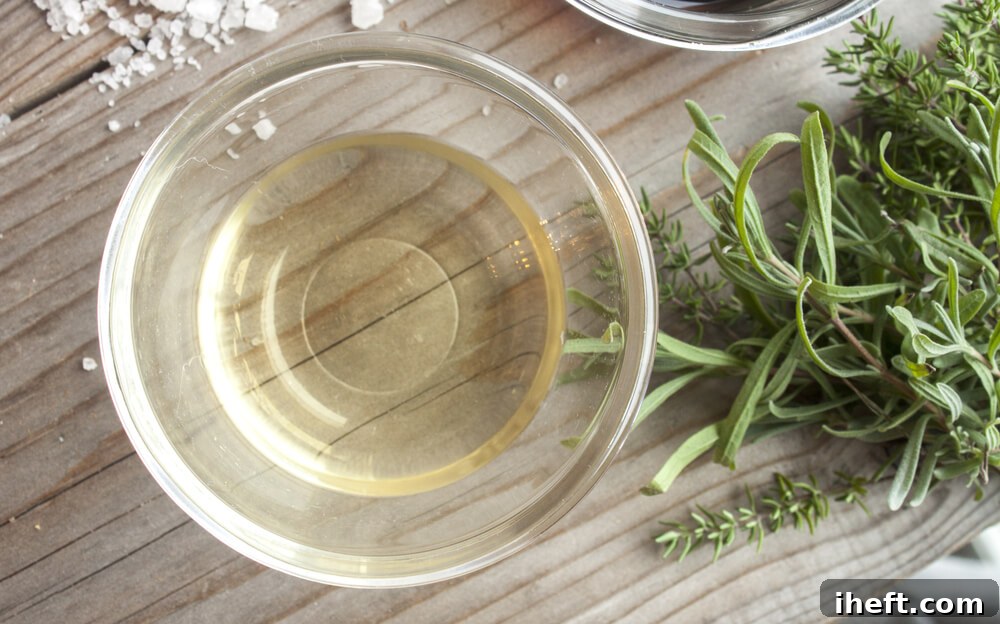
1. White Wine Vinegar: The Closest Match
White wine vinegar is often the most straightforward and universally recommended substitute for red wine vinegar. It’s produced from white wine fermentation, much like red wine vinegar comes from red wine. Their acidity levels are remarkably similar, making it a reliable choice when you need a direct swap.
Flavor Profile: While both are wine-based, white wine vinegar offers a slightly milder, crisper, and less fruity flavor compared to its red counterpart. It lacks the deep, robust notes and distinct color of red wine vinegar, but its clean acidity is a near-perfect match.
Best Uses: This substitute shines in applications where the color isn’t critical, such as salad dressings, light marinades for poultry or fish, vinaigrettes, and pickling liquids. In these preparations, the subtle difference in flavor is often imperceptible, especially when combined with other ingredients. For recipes like healthy salad dressings or quick pickles, it performs admirably.
Substitution Ratio: You can generally use white wine vinegar in a direct 1:1 ratio with red wine vinegar without needing to dilute it.
Considerations: Avoid using white wine vinegar in dishes where the red hue of the original vinegar is essential for visual appeal, such as certain reductions or sauces. Its delicate palate also means it might not pair as well with robust red meats where the bolder flavor of red wine vinegar is often preferred.
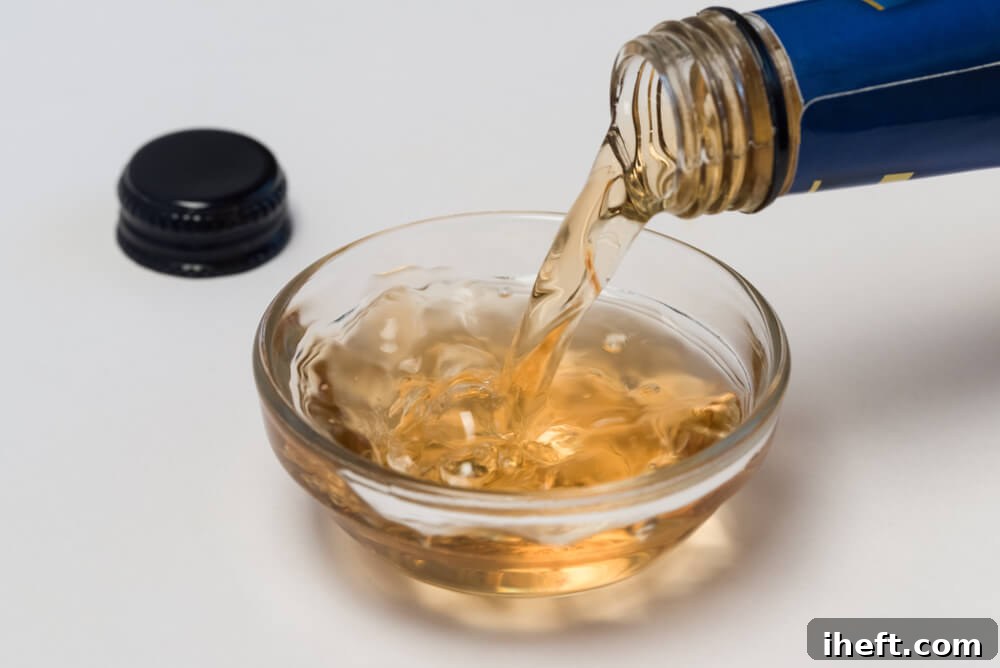
2. Sherry Vinegar: The Refined Alternative
Originating from sherry wine in Spain, sherry vinegar offers a sophisticated and slightly nutty flavor profile that makes it an excellent red wine vinegar substitute, especially in Mediterranean and Spanish-inspired dishes. While sherry wine itself can be sweeter than dry red wine, its vinegar form provides a nuanced acidity that is less sharp but more complex than red wine vinegar.
Flavor Profile: Sherry vinegar is characterized by its deep, nutty, and subtly sweet notes, often with hints of caramel and dried fruit. It has a less pronounced tang than red wine vinegar but delivers a richer, more mellow acidity that can elevate a dish without overpowering it.
Best Uses: Its refined flavor makes it ideal for vinaigrettes, marinades for pork or chicken, glazes, and finishing sauces. It’s particularly fantastic in soups, stews, and dishes where you want to add depth and a touch of elegance. A drizzle of sherry vinegar can brilliantly finish dishes like Pan con Tomate, adding a gourmet touch.
Substitution Ratio: Start with a 1:1 ratio. However, because its flavor is more subtle, you might find yourself adding a bit more than the recipe calls for to achieve a bolder, more prominent flavor. Always taste and adjust.
Considerations: Sherry vinegar has a lovely amber-brown color, which means it won’t match the deep red hue of red wine vinegar, but it won’t drastically alter the appearance of most dishes either. Its unique flavor can bring a new dimension to your recipes, making it a favorite for those seeking a slight deviation from the norm.
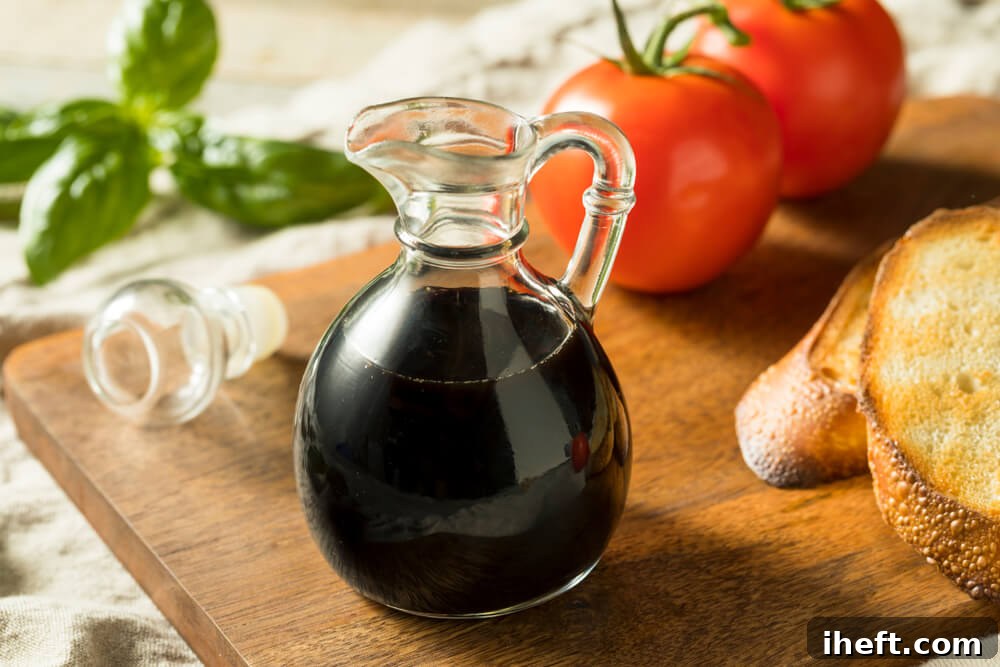
3. Balsamic Vinegar: The Sweet-Tart Powerhouse
Balsamic vinegar, a proud culinary gift from Italy, is celebrated for its intricate balance of richness, acidity, and a distinctive sweetness. Unlike many other vinegars, traditional balsamic undergoes a lengthy aging process in wooden barrels, developing complex notes of molasses, cherries, dark chocolate, figs, and even prunes. Commercial balsamic vinegars, while not as complex, still offer a robust sweet-tart profile.
Flavor Profile: Balsamic vinegar presents a more mellow tartness rather than a sharp acidic bite, combined with a pronounced sweetness. Its rich, full-bodied flavor profile means it brings more to the table than just acidity.
Best Uses: Balsamic is incredibly versatile. It works wonderfully in salad dressings, marinades, glazes for meats or vegetables, and as a finishing drizzle over fresh fruits or cheeses. It can also be reduced to create a thick, intensely flavorful syrup. For many dishes, particularly those where a darker color is acceptable or even desired, balsamic vinegar makes an excellent alternative.
Substitution Ratio: Due to its inherent sweetness and strong flavor, balsamic vinegar requires careful substitution. For simple salad dressings, a 1:1 swap can work well. However, for other recipes calling for red wine vinegar, it’s best to start with half the amount of balsamic vinegar and consider cutting its sweetness with a dash of something more purely acidic, like lemon juice or a less sweet vinegar. Always taste and adjust.
Considerations: The complex sweetness of balsamic vinegar can significantly alter the overall flavor of your dish. It will also impart a dark color. If you’re using an aged or high-quality balsamic, its depth of flavor will be more pronounced, so use it sparingly to avoid overwhelming other ingredients.
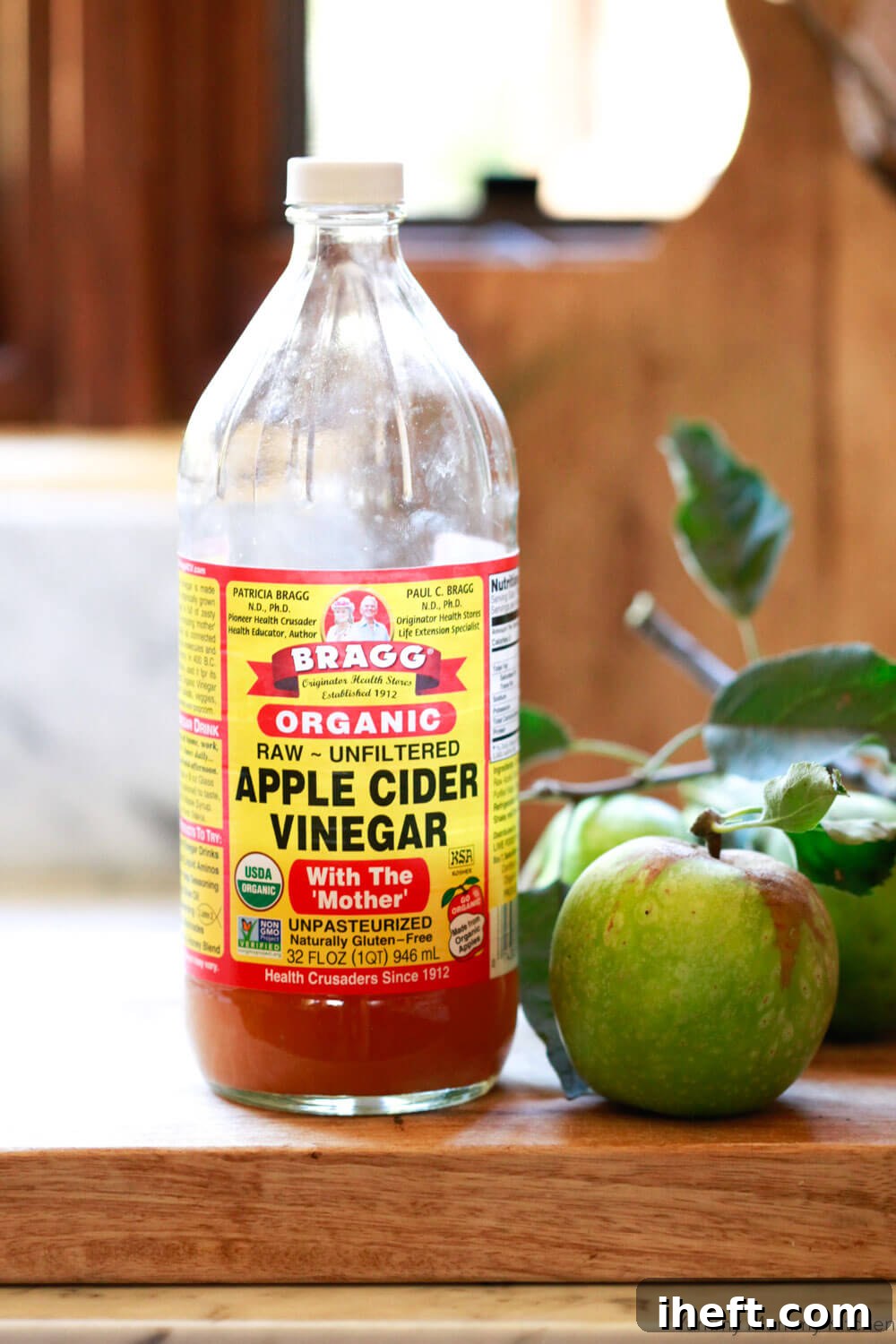
4. Apple Cider Vinegar (ACV): The Fruity Kick
Derived from fermented apples, apple cider vinegar (ACV) delivers a distinct fruity, robust, and somewhat pungent tang. It’s a popular pantry staple not just for cooking but also for its widely recognized health benefits. Its unique flavor makes it a worthy red wine vinegar substitute, particularly in dishes where a brighter, fruitier finish is welcomed.
Flavor Profile: ACV is noticeably more potent and fruitier than red wine vinegar. It has a sharp, almost cidery taste that can be quite assertive if used undiluted in large quantities.
Best Uses: This vinegar performs exceptionally well in marinades, salad dressings, and pickling brines. Its strong flavor can complement pork, chicken, and even some vegetable dishes. It’s also a popular ingredient in health elixirs, such as our Apple Cider Vinegar Drink Recipe, often mixed with other ingredients to temper its potency.
Substitution Ratio: Due to its potency, a direct 1:1 substitution is often too strong. A recommended starting point is a 3:1 ratio for every four tablespoons of red wine vinegar. This means for every four tablespoons of red wine vinegar called for, use three tablespoons of apple cider vinegar diluted with one tablespoon of either plain water, regular red wine (if not avoiding alcohol), or a neutral fruit juice (like grape or cranberry, depending on your dish). If you prefer a bolder, fruitier finish, you can use it undiluted, adding small amounts and tasting as you go until you achieve your desired flavor.
Considerations: ACV’s cloudy appearance (especially unfiltered varieties “with the mother”) and distinct flavor mean it will alter the color and taste of your dish more significantly than white wine vinegar. Be mindful of its strong aroma and taste, which might not be suitable for delicate sauces or reductions.
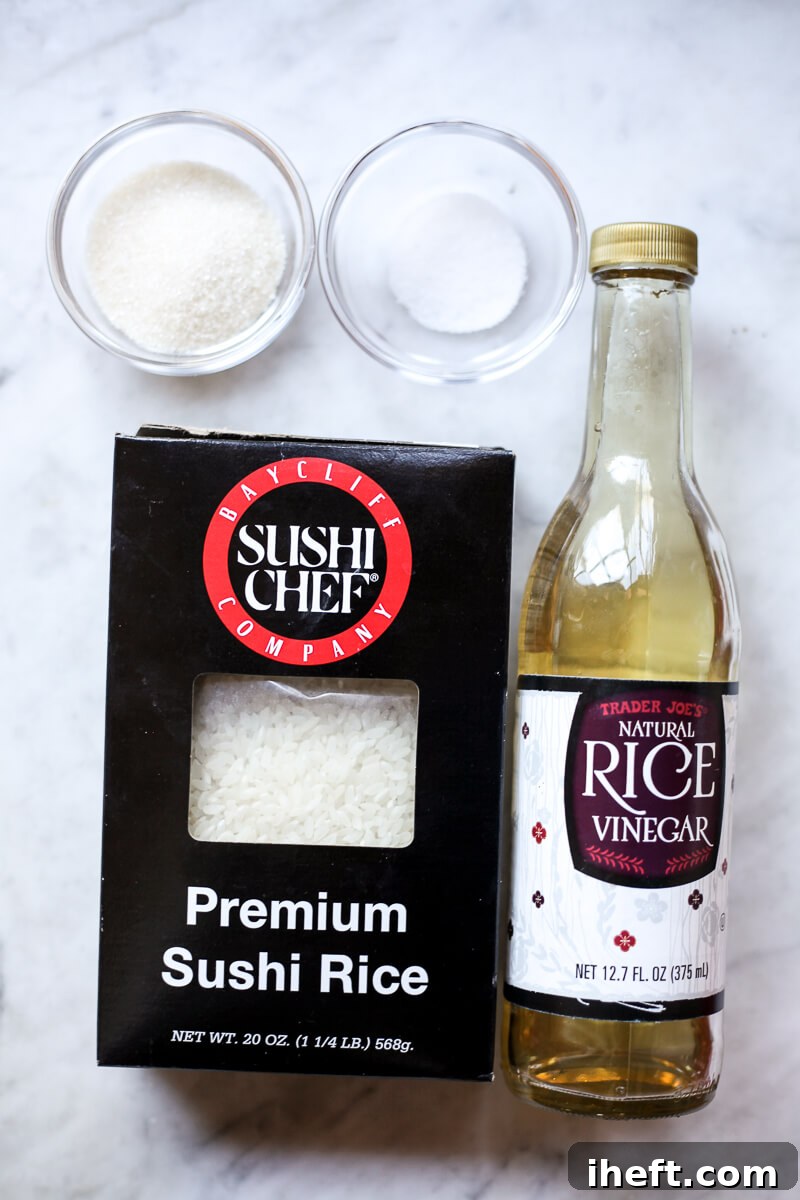
5. Rice Vinegar: The Mild and Versatile Choice
Often found in the Asian section of grocery stores, rice vinegar is made from fermented rice and is remarkably versatile. It’s known for its exceptionally mild flavor, making it a good “blank canvas” alternative for red wine vinegar when you need acidity without a strong competing taste.
Flavor Profile: Rice vinegar is characterized by its very delicate, clean, and subtly sweet flavor. It provides a gentle tang that is far less assertive than red wine vinegar, making it easy to incorporate without overpowering other ingredients.
Best Uses: Its mildness makes it a fantastic option for lighter salad dressings, marinades for delicate proteins like fish or tofu, and Asian-inspired dishes. It can be used in virtually any recipe that calls for red wine vinegar, especially when you want the acidity to be subtle.
Substitution Ratio: You can typically substitute rice vinegar in a 1:1 ratio. However, because its flavor is so mild, you might find that you need to enhance it to achieve a similar impact to red wine vinegar. Consider adding a small pinch of sugar to round out its flavor or a tiny squeeze of lemon juice for an extra acidic lift, depending on the dish.
Considerations: The biggest consideration with rice vinegar is its lack of robust flavor. If your recipe relies on the deep, fruity notes of red wine vinegar, rice vinegar alone might fall short. It’s best when you primarily need acidity and are happy to build flavor through other ingredients.

6. Red Wine: The Source of the Flavor (without the acidity)
When seeking a red wine vinegar substitute for its flavor contribution, especially in marinades or reductions, why not go straight to the source? Red wine, after all, is the foundational ingredient from which red wine vinegar is made. While it won’t provide the same acidic punch, it can infuse your dishes with rich, complex flavors.
Flavor Profile: The flavor of red wine is varied, ranging from fruity and light to bold and tannic, depending on the varietal. It offers depth, richness, and can act as a tenderizer in marinades.
Best Uses: Red wine is an excellent alternative when the primary role of red wine vinegar in your recipe is for flavor, depth, and tenderization, such as in slow-cooked stews, braises, pan sauces, and marinades for red meats. It’s particularly effective for deglazing pans, capturing flavorful bits from the bottom. I personally favor dry wines from organic Dry Farm Wines for cooking due to their clean profile.
Substitution Ratio: You can generally use red wine in a 1:1 ratio. However, keep in mind that it lacks the high acidity of red wine vinegar. If your recipe relies heavily on that tang, you’ll need to supplement the red wine with an acidic component, such as a splash of lemon juice or a tiny bit of another vinegar. Always use a wine you would enjoy drinking, as its flavor will concentrate as it cooks.
Considerations: Red wine alone will not provide the same tartness needed for salad dressings or pickling. Its use is best confined to cooked applications where its flavors can mellow and integrate. For those avoiding alcohol, this is not a suitable substitute, as the alcohol content will not fully cook out in all preparations.
7. White Distilled Vinegar + Red Wine: The DIY Solution
If you find yourself with white distilled vinegar and a bottle of red wine, you have the perfect components to create a highly effective, homemade red wine vinegar substitute. This ingenious combination leverages the strengths of both ingredients to mimic the real deal.
Flavor Profile: White distilled vinegar provides the sharp, unadulterated acidity, while the red wine contributes the characteristic color, fruity notes, and complexity found in red wine vinegar. Together, they create a balanced blend.
Best Uses: This DIY blend is remarkably versatile and can be used as a direct substitute in almost any recipe calling for red wine vinegar, including salad dressings, marinades, and sauces. It’s especially useful when both acidity and the visual appeal of red are important.
Substitution Ratio: Mix equal parts (50/50) dry red wine and white distilled vinegar. For example, if a recipe calls for two tablespoons of red wine vinegar, combine one tablespoon of red wine with one tablespoon of white distilled vinegar. This 1:1 blend can then be used in the exact quantity required by the recipe.
Considerations: While effective, the quality of your red wine will influence the final flavor. A dry, medium-bodied red wine will yield the best results. For those avoiding alcohol, remember that the red wine component will still contain alcohol. This method allows you to control the exact balance of flavor and acidity.
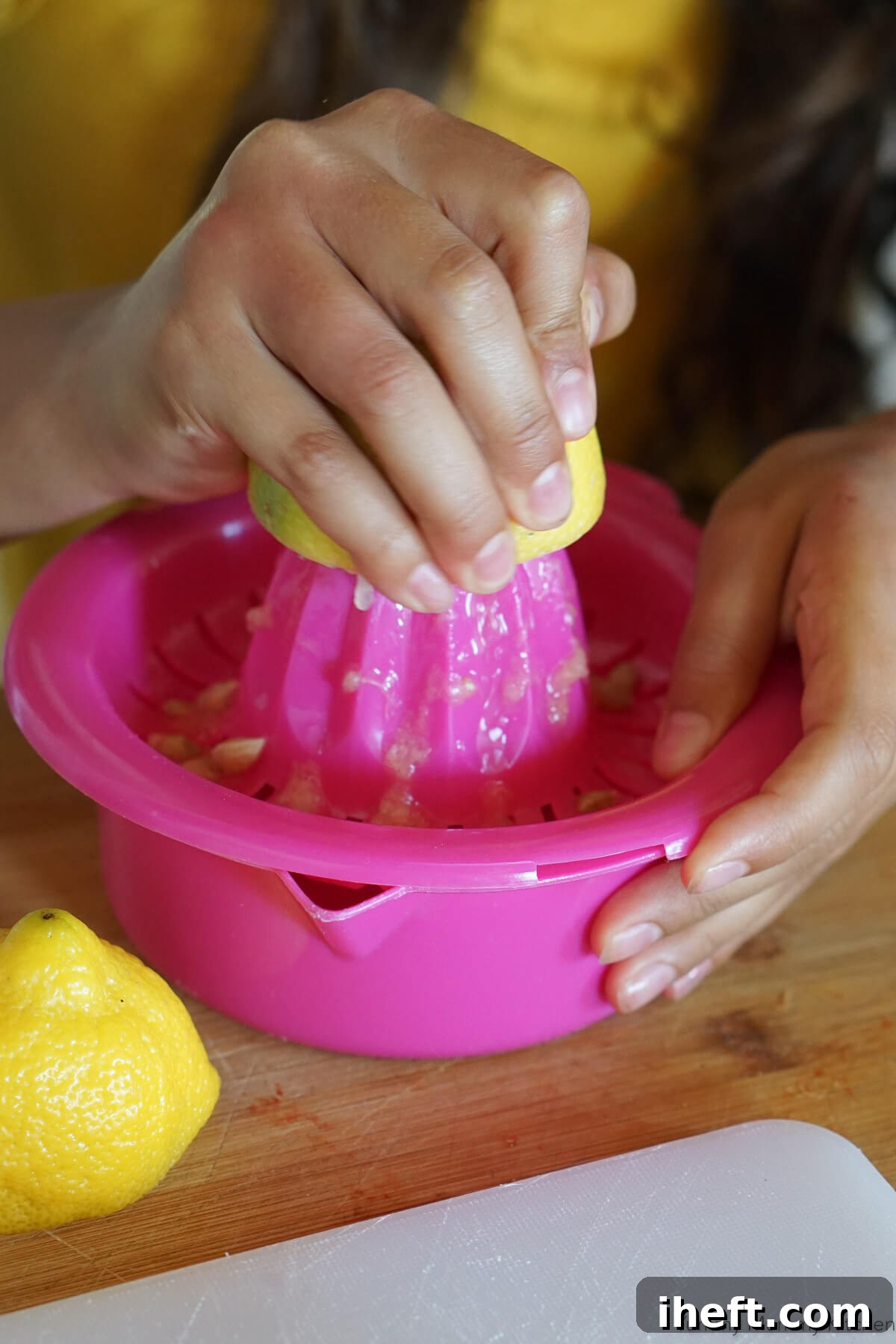
8. Lemon or Lime Juice: The Citrusy Twist
When all else fails, or if you’re looking for a completely different flavor profile with similar acidic properties, fresh lemon or lime juice can come to the rescue. While vinegars are acetic acid-based, these citrus juices provide citric acid, offering the necessary tang to brighten a dish.
Flavor Profile: Lemon and lime juices are intensely zesty, bright, and distinctly fruity. They will impart a fresh, vibrant, and unmistakably citrusy flavor to your dish, fundamentally changing its taste compared to red wine vinegar.
Best Uses: These juices are excellent for marinades, salad dressings (especially for seafood or lighter greens), and wherever a fresh, clean burst of acidity is desired. They can also prevent browning in some fruits and vegetables. If a recipe calls for a touch of acidity to “lift” the flavors, lemon or lime juice can often perform this role beautifully.
Substitution Ratio: Start with a 1:1 ratio, but be prepared to adjust. Lemon and lime juices can be stronger and more pungent than many vinegars, so taste frequently. You might find you need slightly less to achieve the desired tartness, or you might prefer the bolder citrus flavor.
Considerations: The most significant consideration is the distinct citrus flavor. It will entirely alter the flavor profile of your dish, potentially moving it away from the original culinary intent. Avoid using them in recipes where the unique, complex notes of red wine vinegar are crucial, or where a citrus flavor would clash. However, when embraced, they can bring a delightful freshness that makes you forget about red wine vinegar altogether.
Choosing the Best Red Wine Vinegar Substitute for Your Recipe
Ultimately, the “best” substitute for red wine vinegar is subjective and highly dependent on the specific dish you’re preparing and your personal flavor preferences. There’s an art to substitution, and it often involves a blend of science, intuition, and adventurous spirit.
For me, the choice often hinges on the desired depth and character. While I strive to get as close as possible to the recipe’s original intent, I frequently find that a high-quality balsamic vinegar can introduce an entirely new layer of depth and nuanced sweetness to many dishes. Its rich profile can transform a simple marinade or reduction into something truly special. Conversely, when cooking robust red meats, using a good quality dry red wine can impart incredible tenderness and a profound complexity of flavor that perfectly complements the protein.
If you’re less inclined to experiment on the fly and prefer a reliable, straightforward swap, keeping white wine vinegar, apple cider vinegar, or sherry vinegar in your pantry is an excellent strategy. These options offer consistent acidity and similar flavor profiles without veering too far from the red wine vinegar’s essence.
Tips for Successful Substitution:
- Taste as You Go: This is the golden rule of substitution. Start with a smaller amount of the substitute than the recipe calls for, taste, and gradually add more until you reach the desired balance of acidity and flavor.
- Consider the Color: If the final appearance of your dish is important, choose a substitute with a similar color. For instance, balsamic vinegar will darken a dish, while white wine vinegar will keep it light.
- Match the Intensity: Assess the strength of the substitute. Potent options like undiluted apple cider vinegar or lemon juice may require less quantity or dilution.
- Think About the Dish’s Core Flavor: Does the dish benefit from a fruity tang, a nutty undertone, or a clean sharpness? Let the overall flavor profile guide your choice.
- Don’t Be Afraid to Experiment: Culinary innovation often comes from trying new things. Embrace the opportunity to discover new favorite flavor combinations!
With this comprehensive guide to red wine vinegar substitutes, you’re now equipped to handle any culinary curveball. Go forth and cook with confidence, knowing that a delicious alternative is always within reach!
Red Wine Vinegar Substitute Guide
Total Time: 1 minute
What can you substitute for red wine vinegar? Here are your best red wine vinegar substitute options. Vinegar is an acid, so the trick is to use another acid with a similar color and sweetness to achieve the desired effect in your cooking.

Ingredients (Substitute Options)
- White Wine Vinegar
- Sherry Vinegar
- Balsamic Vinegar
- Apple Cider Vinegar
- Rice Vinegar
- Red Wine
- White Vinegar + Red Wine (mixed)
- Lemon Juice or Lime Juice
Instructions
- Depending on your specific recipe and desired outcome, carefully choose one of the ingredient substitution options listed above. Always take into consideration both the flavor profile and the potential color impact on your final dish. For instance, using balsamic vinegar will naturally make your dish darker.
- While you should generally be able to substitute another acid from this list for red wine vinegar in the same amount (1:1 ratio), it is crucial to proceed slowly. Add the substitute gradually, tasting frequently as you go, to ensure you achieve the perfect balance of acidity and flavor without overpowering the dish. Adjust as necessary based on taste and desired intensity.
Nutrition Information:
Yield: 1 serving (variable, based on substitute)
Serving Size: 1 tablespoon (approx.)
Amount Per Serving (approximate for average vinegar):
Calories: 14