Plant-Powered Shopping List
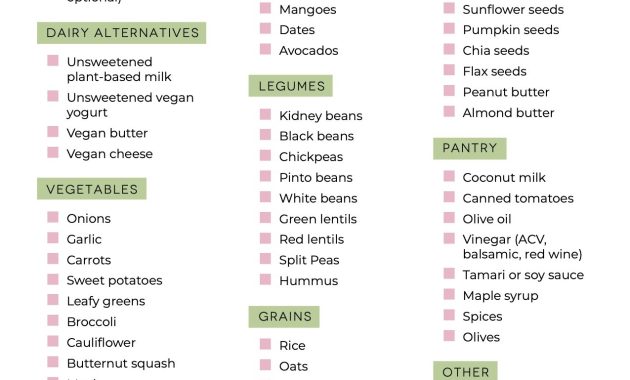
Have you recently embarked on a plant-based journey and found yourself asking, “What do vegans eat?” Or perhaps you’re a seasoned vegan looking to refresh your pantry staples. This comprehensive vegan food list is designed to guide you, especially if you’re a beginner navigating the exciting world of plant-based eating. Prepare to simplify your next shopping trip like never before with our ultimate vegan grocery list! This meticulously curated list features all the essential ingredients you’ll need to effortlessly prepare everything from energizing, rise-and-shine breakfasts to comforting evenings-in-front-of-the-fire nibbles. Discover how accessible and delicious a vegan diet can truly be.
For many, grocery shopping can be a therapeutic experience – a chance to fill your pantry with nourishing, wholesome ingredients. This act of stocking up on fresh, healthy food is a luxury that too many of us often take for granted. However, we also recognize that shopping can become a bit more challenging when you’re pressed for time, or when you have little helpers eagerly adding items you don’t necessarily need to your cart! This challenge is often amplified when you decide to make a significant change to your diet, such as transitioning to a plant-based diet.
If you’ve recently adopted a more plant-based approach to eating, your routine trip to the grocery store might not feel as quick and simple as it once did. For those just starting out, the question “what do vegans eat?!” can feel overwhelming. To help you glide through the aisles with confidence and purpose, we’ve compiled our top tips for efficient and enjoyable vegan grocery shopping, alongside our comprehensive ultimate vegan food list! Get ready to explore a world of vibrant flavors and nutritious choices.
Top Tips for Smart Vegan Grocery Shopping
Before we dive into our extensive vegan grocery list, we want to share some invaluable wisdom gleaned from years of buying, preparing, and experimenting with a wide array of plant-based ingredients. These practical tips are designed to empower you to fill your pantry with delicious, wholesome food without overspending or missing out on the incredible nutritional goodness that plant sources have to offer. Following these guidelines will not only make your shopping trips more efficient but also more sustainable and enjoyable.
- Embrace Seasonal Produce: Whenever possible, prioritize shopping for seasonal fruits and vegetables. This simple practice offers multiple benefits: it’s kinder to your wallet, reduces your carbon footprint by supporting local agriculture, and introduces wonderful variety into your diet. Seasonal produce is often at its peak freshness and flavor, inspiring you to try new recipes and ingredients in your cooking repertoire.
- Check for Fortification: When purchasing mildly processed ingredients like plant-based milk (e.g., almond, soy, oat milk) or tofu, make it a habit to check the labels for fortification. Opt for products that have been enriched with essential minerals and vitamins often lacking in some vegan diets. Calcium and vitamin D-enriched foods are particularly common and crucial for bone health, while B12 fortification is vital for energy and nerve function.
- Mind the Sugar and Sodium in Canned Goods: Canned goods can be incredibly convenient for a busy vegan lifestyle, offering quick access to chopped tomatoes, black beans, chickpeas, and more. However, it’s essential to scrutinize the labels. Always look for low-sugar and low-sodium brands to avoid unnecessary additives. Rinsing canned beans and legumes thoroughly before use can also help reduce their sodium content.
- Choose Fresh Over Canned Fruit: While canned fruit might seem convenient, it is often packed in heavy syrup, significantly increasing its sugar content. Instead, buy fresh fruit, especially when it’s in season and abundant. You can easily chop and freeze fresh fruit yourself for later use in smoothies, oatmeal, vibrant fruit salads, or delicious pancake recipes. This ensures you get natural sweetness and maximum nutrients.
- Prioritize Whole Plant Proteins Over Processed Meat Alternatives: Vegan meat alternatives have surged in popularity, offering compelling textures and flavors. While they can be a fun treat or a transitional food, it’s generally much healthier to substitute traditional meat with whole food plant proteins. Incorporate soybean products like tempeh and tofu, or nutrient-dense pulses such as lentils and chickpeas. These options provide essential protein, fiber, and a host of micronutrients without the highly processed ingredients often found in mock meats.
- Plan Your Meals: Before heading to the store, take some time to plan your meals for the week. This helps you create a targeted grocery list, reducing impulse buys and ensuring you have all the ingredients for nourishing, balanced meals. Meal planning is a fantastic strategy to minimize food waste and stick to your budget.
With these smart shopping strategies in mind, are you now ready to embark on your culinary adventure? Let’s start filling that cart with incredible, wholesome ingredients! Enjoy the journey to a healthier, more vibrant you.
What Do Vegans Eat? The Ultimate Vegan Shopping List
This definitive vegan shopping list covers all the essential categories, providing you with a solid foundation for delicious and nutritious plant-based meals. From foundational flavor builders to versatile protein sources and abundant fresh produce, this list answers the crucial question: “what do vegans eat?“
Flavor Bases
These foundational items are the unsung heroes of any kitchen, vegan or otherwise! Stocking your pantry with these robust flavor bases will significantly elevate almost any meal you prepare, adding depth, aroma, and complexity. They are crucial for creating delicious and satisfying vegan dishes.
- Aromatics: Essential for building a rich flavor profile. Include staples such as fresh garlic, fiery chili, versatile onion, and pungent ginger. These form the aromatic backbone of countless cuisines.
- Fresh or Dried Herbs: Add brightness and specific regional flavors. Stock up on basil, cilantro, parsley, thyme, and oregano. Fresh herbs are wonderful for finishing dishes, while dried herbs offer convenience and concentrated flavor.
- Fresh or Dried Spices: The soul of many dishes, providing warmth, heat, and exotic notes. Key spices include paprika, turmeric (known for its health benefits), earthy cumin, aromatic curry powder blends, and sweet cinnamon.
- Vegetable Stock/Broth: An indispensable liquid base for soups, stews, risottos, and sauces. Choose low-sodium options to control the salt content in your cooking.
- Nutritional Yeast*: Often called “nooch,” this flaky deactivated yeast has a savory, cheesy flavor, making it a fantastic addition to sauces, popcorn, and tofu scrambles.
*Nutritional yeast is not only a fantastic flavor enhancer but also a crucial vegan source of vitamin B12, which is essential for nerve function and red blood cell formation. To delve deeper into this versatile ingredient, check out ‘What is nutritional yeast + best nutritional yeast recipes.’
Mildly-Processed Staple Foods
Having these convenient yet nutritious foods readily available in your kitchen will make preparing and cooking diverse vegan dishes significantly simpler and quicker. While mildly processed, they remain packed full of essential nutrients, contributing to a balanced diet. Occasionally, for a special treat or a craving for familiar textures, I might incorporate a high-quality vegan meat alternative. The market has seen an incredible rise in excellent options from innovative brands like Impossible and Hungry Planet. Don’t miss out on our amazing meaty Vegan Chili Recipe, which showcases how satisfying plant-based meals can be!
- Tofu: A highly versatile protein made from soybeans, available in various consistencies from silken to extra-firm. It readily absorbs flavors and can be baked, fried, scrambled, or blended.
- Tempeh*: Another fantastic soybean product, tempeh has a firmer texture and nutty flavor, making it excellent for grilling, crumbling into stir-fries, or marinating.
- Canned Coconut Milk: A creamy, rich ingredient vital for curries, soups, and desserts. Opt for full-fat for richness or light for a lower-calorie option.
- Canned Chopped Tomatoes: An essential base for countless sauces, stews, and chilis. Look for varieties with no added salt or sugar.
- Olive Oil: A staple for sautéing, roasting, and dressing. Choose extra virgin olive oil for its robust flavor and health benefits.
*Like tofu, the lesser-known tempeh is also a powerhouse of nutrition made from fermented soybeans, offering a different texture and flavor profile. To explore more about this incredible ingredient, read our detailed guide: ‘What is tempeh + best tempeh recipes’.
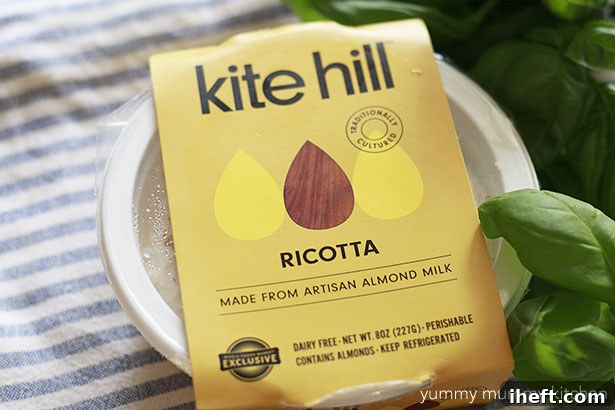
Almond-based dairy alternatives can be part of a healthy vegan grocery list, offering creamy textures and delicious flavors.
Dairy Alternatives
While not every vegan incorporates dairy alternatives into their daily diet, having a selection of these products can be incredibly helpful and versatile in the kitchen, particularly for creating delicious breakfasts, baking, or replicating the textures of traditional comfort foods. The market for plant-based dairy is constantly expanding, offering more delicious and healthier options than ever before.
- Unsweetened Plant-Based Milk: A fundamental staple for cereal, coffee, smoothies, and cooking. Choose from popular options like soya milk (high in protein), oat milk (creamy and excellent for lattes), rice milk (light and allergen-friendly), hazelnut milk (nutty flavor), or almond milk (light and versatile). Always opt for unsweetened varieties to avoid added sugars.
- Unsweetened Vegan Yogurt: Perfect for breakfast parfaits, smoothies, or as a sour cream substitute in savory dishes. Made from soy, almond, oat, or coconut, these yogurts offer probiotics and creamy texture without dairy.
- Vegan Butter or Spread: Essential for baking, toast, and sautéing, these plant-based spreads mimic the taste and texture of dairy butter. Look for options made from olive oil, coconut oil, or shea butter.
- Vegan Cheese*: From shredded mozzarella alternatives for pizzas to artisan-style blocks, vegan cheeses have come a long way. They can be a delightful addition to sandwiches, pasta, or charcuterie boards.
*You can ingeniously replicate the rich, savory nuttiness of cheese by stirring nutritional yeast into soups, stews, and sauces. For a homemade, whole-food alternative, soaked and blended cashews make a wonderfully creamy and delicious cheese substitute, perfect for recipes such as our yummy vegan chocolate cheesecake, vegan cream cheese, and vegan ricotta recipes! These options provide both flavor and health benefits.
Vegetables
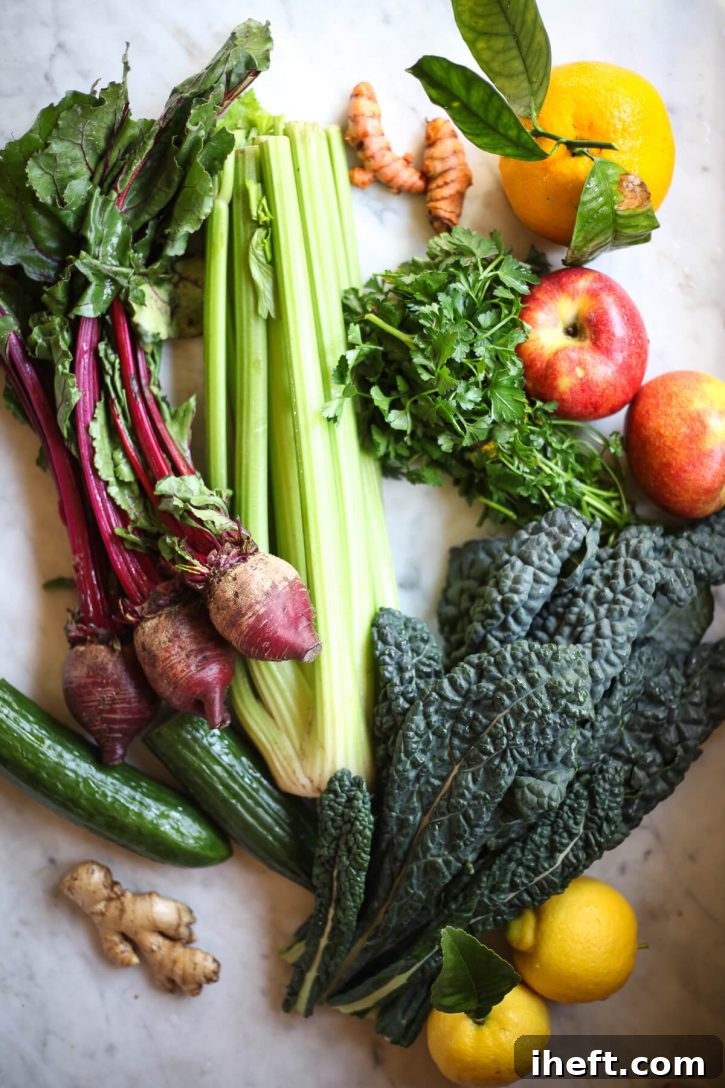
Loaded with an abundance of antioxidants, essential minerals, and vital vitamins, vegetables are undeniably the main event in any balanced vegan food list! They form the cornerstone of a healthy plant-based diet, offering a spectrum of flavors, textures, and colors. The perfect combination of vegetables can add incredible substance, vibrant flavor, and unparalleled nutritional value to any meal, making them satisfying and wholesome. Incorporating a wide variety ensures you get a full range of micronutrients. Juicing is another excellent and efficient way to boost your daily intake of various beneficial veggies.
The specific vegetables you choose to buy will likely depend on the season, as seasonal produce is often fresher, more affordable, and environmentally friendly. However, some of our all-time favorites that are frequently available and form the basis of many delicious meals include:
- Root Vegetables: Hearty and grounding, such as sweet and crisp carrots, earthy parsnips, and nutrient-dense sweet potatoes (a great source of Vitamin A).
- Leafy Greens and Cruciferous Vegetables: Powerhouses of vitamins K and C, including nutrient-rich kale, crunchy broccoli, versatile spinach, and robust collard greens. These are essential for daily vitality.
- Squash Vegetables: Offering both sweetness and savory notes, such as vibrant pumpkin, creamy butternut squash, and unique spaghetti squash. Ideal for roasting, soups, or pasta alternatives.
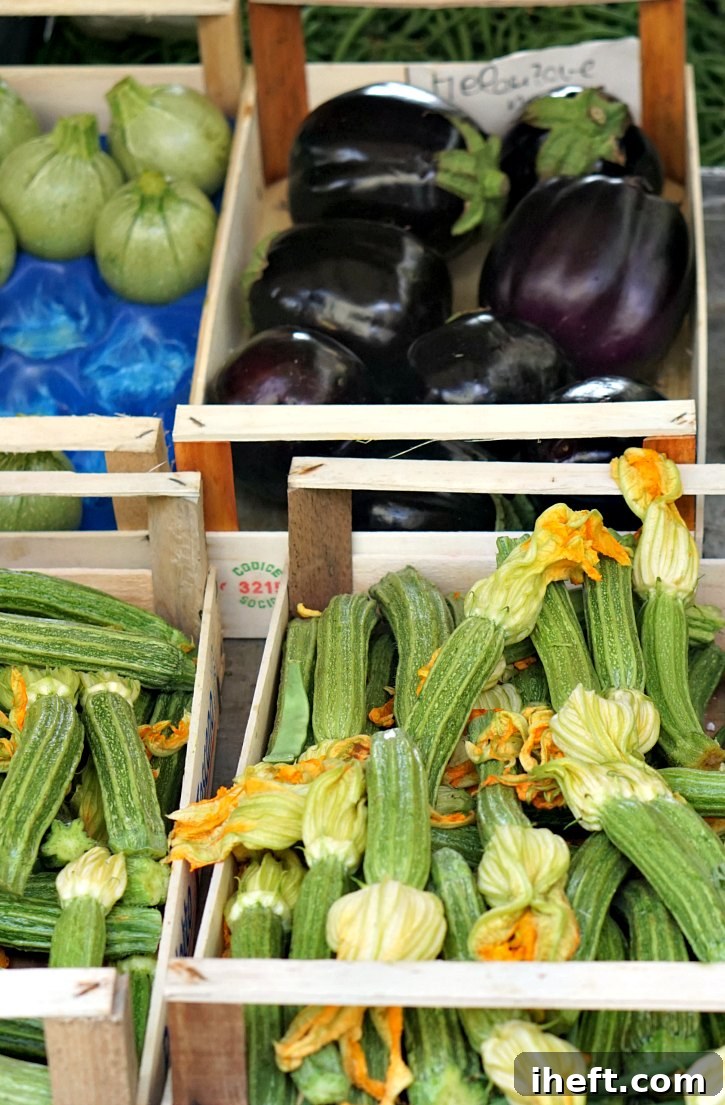
- Nightshades and Other Staples: Versatile and flavorful options including earthy mushrooms, tender eggplants, refreshing zucchini, juicy tomatoes, and colorful bell peppers. These provide diverse textures and culinary uses.
Note: Once you’ve filled your cart with an abundance of fresh, vibrant veggies, you’ll be eager to start cooking! Check out these 30 delicious vegan dinner recipes for all the inspiration and guidance you need to transform your produce into incredible meals.
Fruit
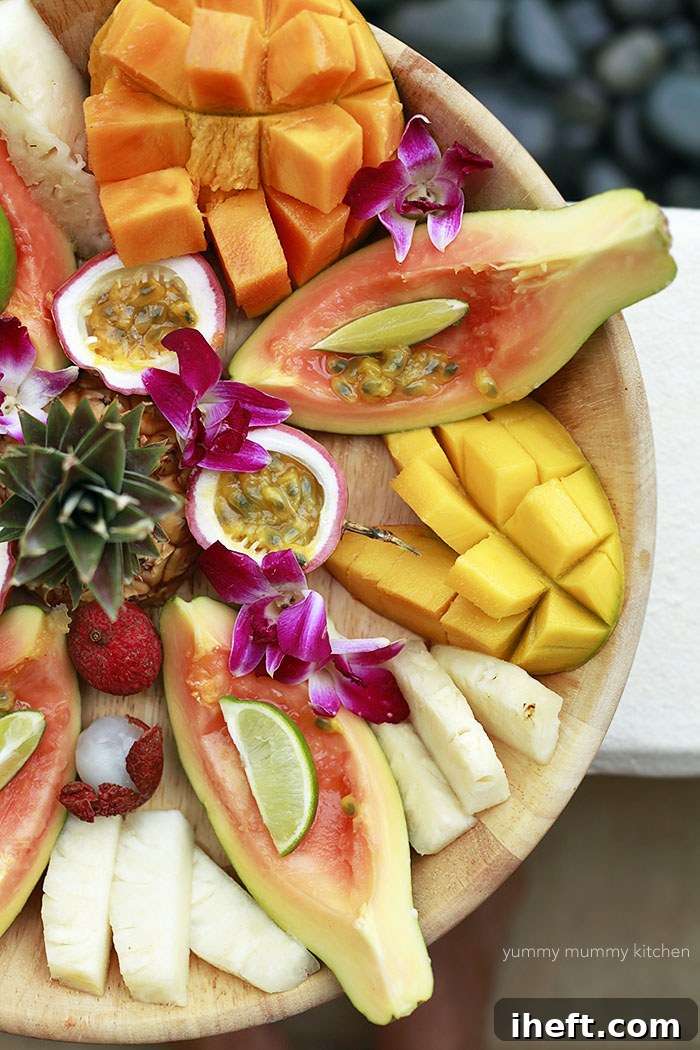
We simply adore nature’s candy! Fruit is not only the perfect refreshing and naturally sweet snack to enjoy between meals, but its incredible versatility also allows it to bring a wonderful burst of sweetness and brightness to both desserts and savory dishes. This dual role firmly cements its place as an absolute must-have on our comprehensive vegan shopping list. Packed with vitamins, fiber, and natural sugars, fruit is essential for a well-rounded diet.
To keep your fruit bowl exciting and your palate delighted, you might enjoy incorporating a variety of options, including:
- Berries: Small but mighty, packed with antioxidants. Indulge in sweet blueberries, juicy strawberries, tangy raspberries, and nutrient-dense goji berries. Excellent fresh or frozen.
- Citrus Fruits: Bursting with Vitamin C, these are essential for immune support and adding zing to dishes. Stock up on bright oranges, zesty lemons, and refreshing grapefruits.
- Pomes: Crispy and satisfying, these classic fruits are perfect for snacking or baking. Enjoy crisp apples and sweet pears.
- Tropical or Exotic Fruits: Bring a taste of paradise to your plate with succulent mangoes, tangy pineapples, vibrant dragon fruit, and creamy coconuts. Remember to stock up on frozen fruit, which is perfect for creating creamy smoothies and energizing protein shakes year-round.
Note: Just like with vegetables, it is often more convenient, more cost-effective, and environmentally friendly to shop for seasonal fruit produce. Supporting local retailers and farmer’s markets ensures you get the freshest fruit while contributing to your community.
Legumes
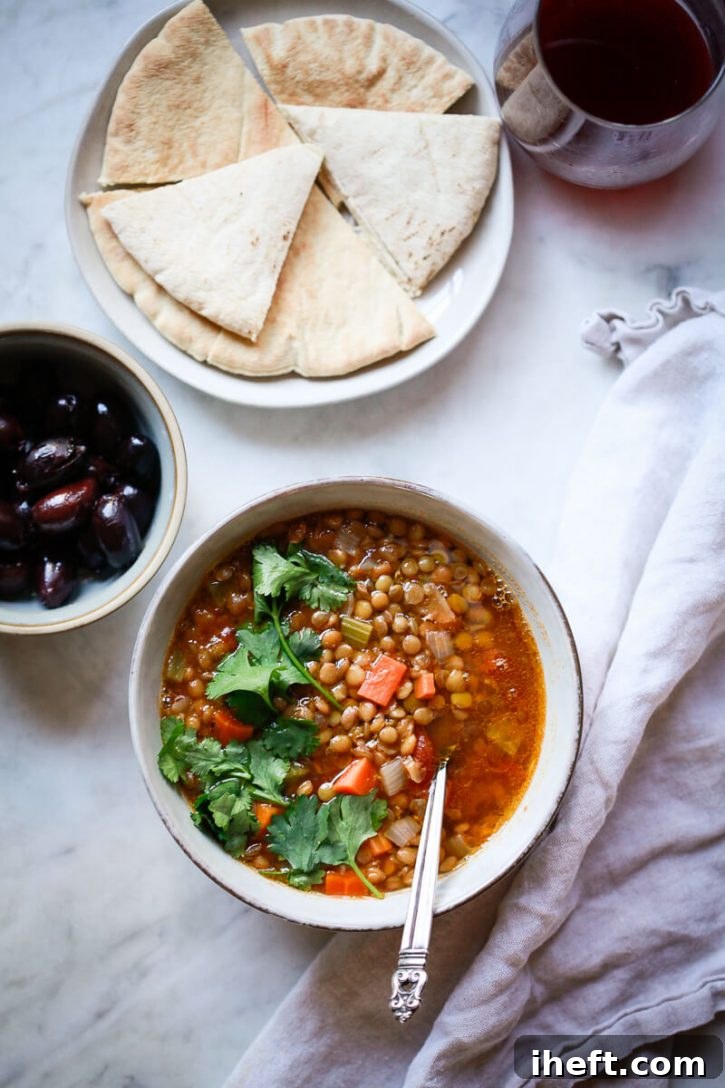
Protein-rich legumes are truly indispensable in a vegan diet, bringing incredible depth, heartiness, and nutritional punch to any meal. These versatile powerhouses are packed with plant-based protein, dietary fiber, and essential micronutrients, making them some of our absolute must-have vegan pantry staples. They are affordable, delicious, and incredibly satisfying, forming the backbone of many comforting and healthy dishes.
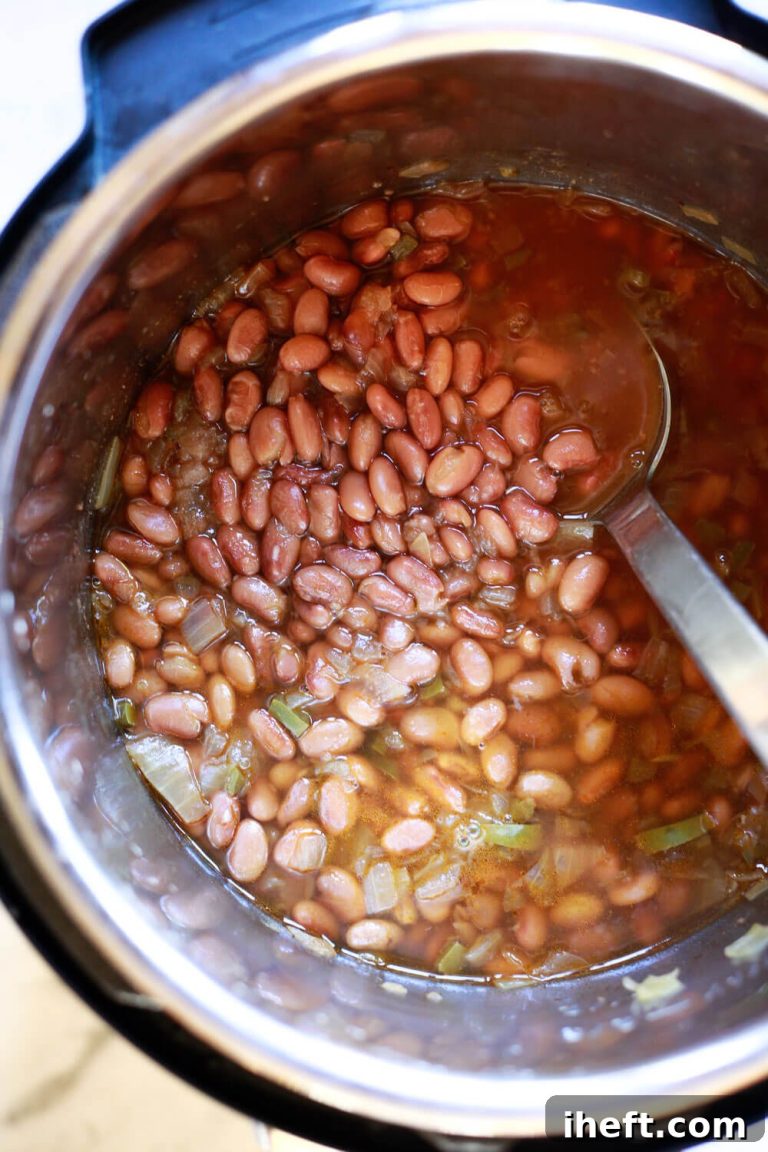
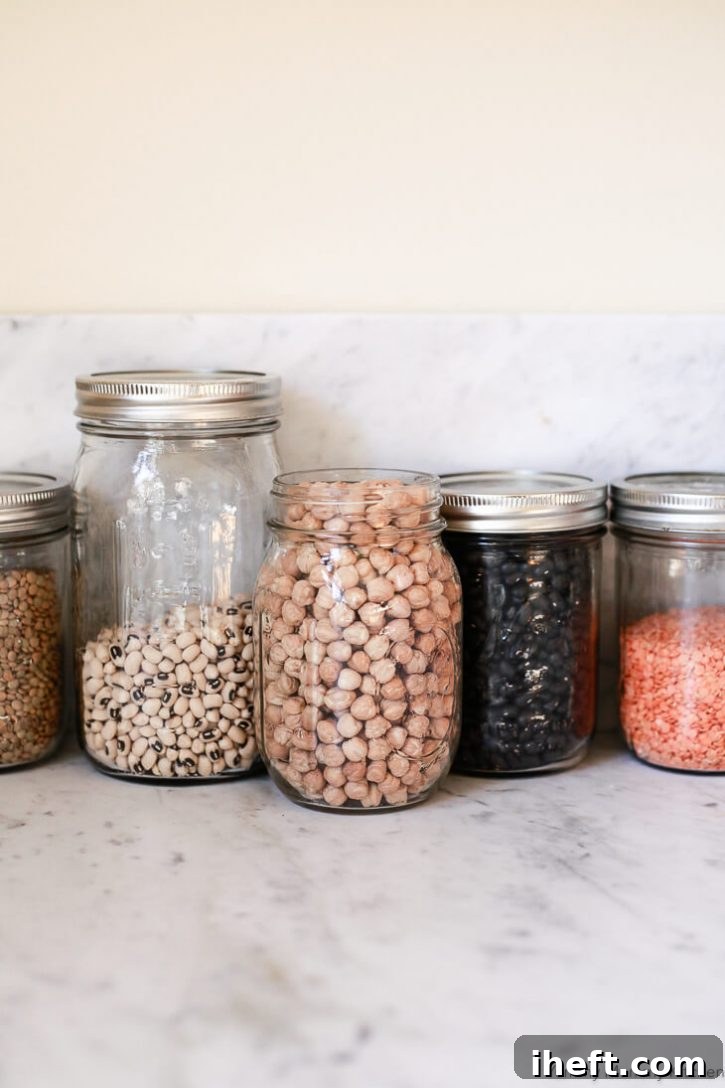
- Beans: A foundational component of diverse cuisines worldwide. Include hearty kidney beans for chilis, protein-packed black beans for tacos and bowls, and creamy pinto beans for refried beans or stews.
- Chickpeas (Garbanzo Beans): Incredibly versatile, perfect for making hummus, roasting for a crunchy snack, adding to salads, or as a crucial ingredient in our moreish chana masala recipe!
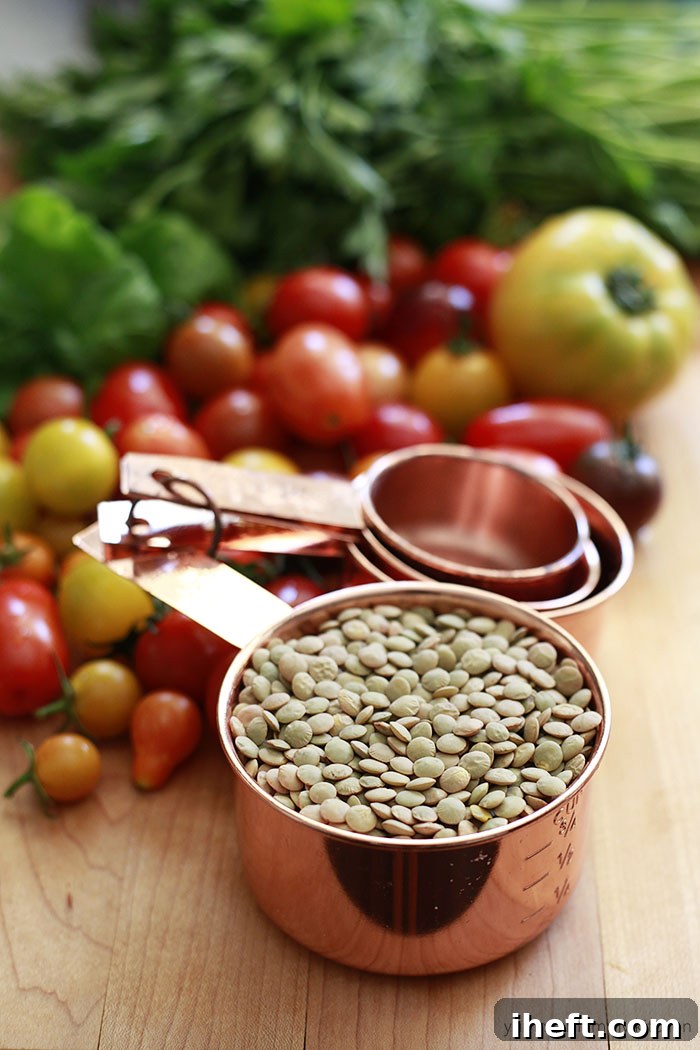
- Lentils: Quick-cooking and nutrient-dense, especially green lentils (great for stews), brown lentils (hold their shape well), and red lentils (soften quickly, ideal for dahls and purees).
Note: You have the option to buy legumes dried or canned and ready-to-eat. It is usually very inexpensive to purchase large bags of dried legumes, which require soaking and cooking but offer significant cost savings. However, many people prefer the ultimate convenience of canned goods, which are pre-cooked and ready to use after a quick rinse. Both are excellent choices for a busy kitchen.
Unrefined Grains
Unrefined grains are the perfect, wholesome accompaniment to vegetable-heavy dishes, providing sustained energy and vital nutrients. Every comprehensive vegan grocery list should contain a diverse range of unrefined grains, as you’ll likely find yourself incorporating them into most of your main meals. They offer complex carbohydrates, fiber, and various minerals crucial for overall health and satiety.
- Brown Rice: A versatile and widely enjoyed whole grain, offering a nutty flavor and chewy texture. Perfect as a side dish, in stir-fries, or grain bowls.
- Oats: A breakfast superstar, ideal for oatmeal, overnight oats, granola, and baking. A fantastic source of soluble fiber for heart health.
-
Quinoa:
A complete protein, meaning it contains all nine essential amino acids. A quick-cooking grain that’s great in salads, as a side, or a breakfast porridge. - Barley: A chewy grain with a mild flavor, excellent for adding heartiness to soups and stews, or as a side dish.
- Millet: A gluten-free ancient grain that can be cooked fluffy like rice or creamy like polenta. Great in bowls or as a breakfast cereal.
- Buckwheat: Despite its name, it’s not related to wheat and is naturally gluten-free. Kasha (toasted buckwheat groats) is popular in Eastern European cuisine, and buckwheat flour is great for pancakes.
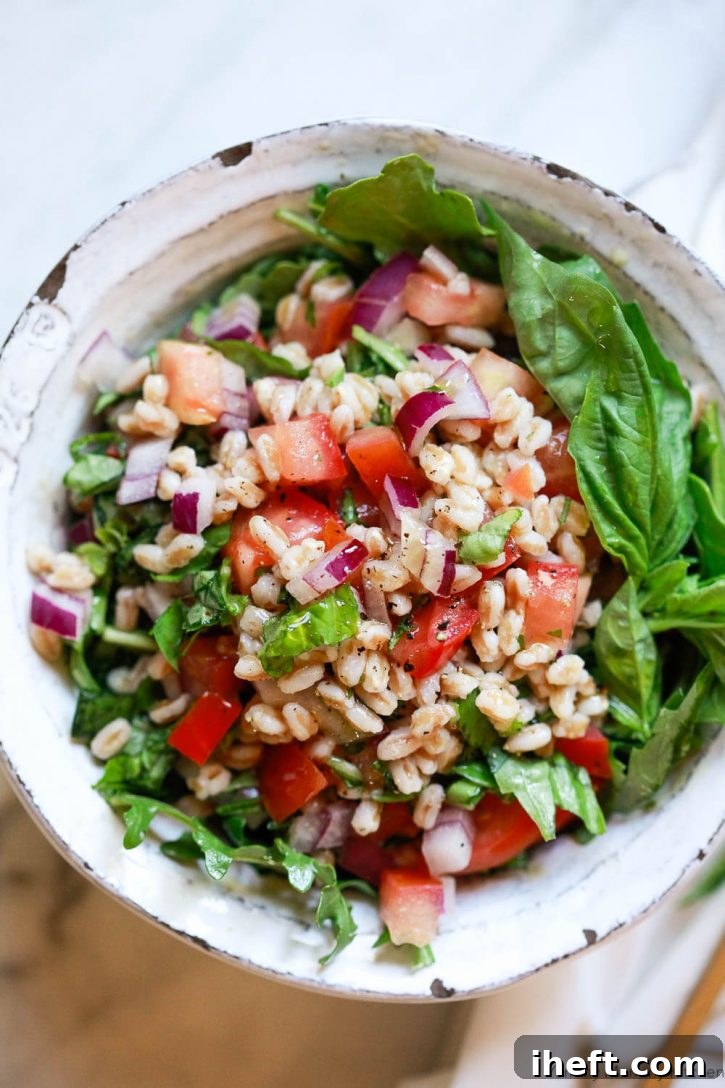
- Farro*: A chewy, nutty ancient wheat grain, popular in Italian cooking. Excellent in salads, soups, and as a side dish.
We also love filling our pantry with wholewheat pasta for those times when Italian cuisine cravings strike! However, it’s always important to carefully check the packaging to ensure your chosen brand doesn’t contain egg, which is sometimes used as a binder in traditional pasta.
*If you’ve never heard of this delicious Italian superfood, we explain everything you need to know about its history, nutritional benefits, and culinary uses in our comprehensive ‘What is farro + best farro recipes’ guide.
Nuts and Seeds
Don’t forget to add a diverse selection of nuts and seeds to your vegan shopping list! These tiny but mighty ingredients are nutritional powerhouses. With just a sprinkle of flax seeds here and a handful of walnuts there, you can significantly boost your daily consumption of vital nutrients like calcium, protein, dietary fiber, and healthy fats, all without incorporating any animal products. They add wonderful texture, flavor, and satiety to meals and snacks.
We highly recommend stocking up on:
- Almonds: Rich in Vitamin E and magnesium, great for snacking, almond milk, or baking.
- Cashews: Creamy and versatile, perfect for making sauces, vegan cheeses, or adding to stir-fries.
- Walnuts: Excellent source of Omega-3 fatty acids, ideal for salads, baking, or as a meat substitute in tacos.
- Peanuts: High in protein and healthy fats, great for snacking, peanut butter, or Asian-inspired dishes.
- Sunflower Seeds: Rich in Vitamin E and selenium, delicious roasted as a snack, or sprinkled over salads.
- Pumpkin Seeds (Pepitas): A good source of zinc and iron, with a delightful crunch, perfect for toppings.
- Chia Seeds: Known for their high Omega-3 content and ability to absorb liquid, forming a gel – excellent for chia puddings or thickening.
- Flax Seeds*: Another fantastic source of Omega-3s and fiber. Ground flax seeds are incredibly versatile in baking and cooking.
*If you’re a keen vegan baker, you’ll be pleased to know that ground flax seeds can be used as a quick and simple egg replacement in many recipes, binding ingredients together effectively! Here, we provide clear instructions on how to effortlessly make a flax egg. Furthermore, prepared Sea Moss gel is another fantastic natural option that can serve as a culinary thickener and binder, offering additional nutritional benefits.
Printable Vegan Grocery List PDF
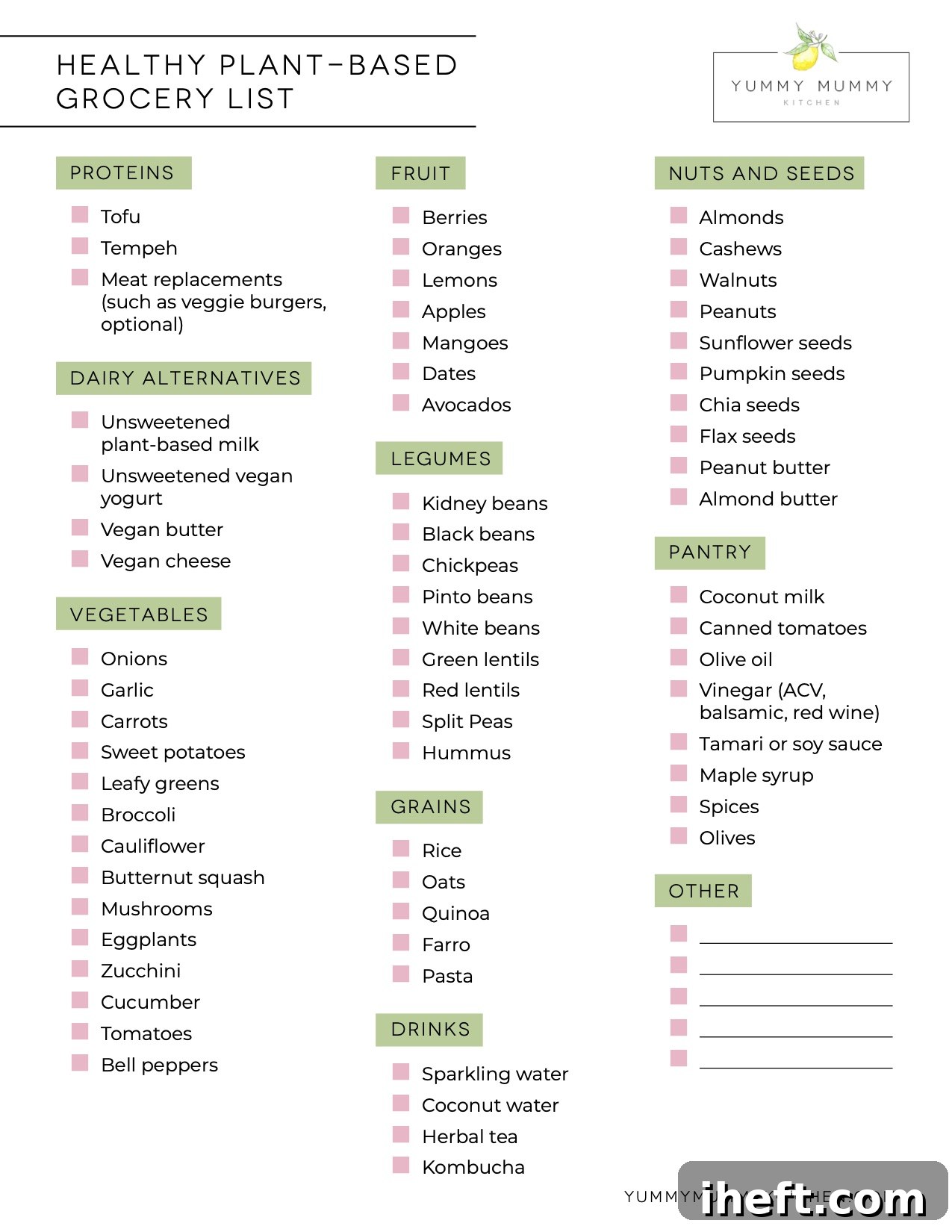
We hope this extensive vegan food list has been incredibly helpful and has thoroughly answered the common question, “what do vegans eat?” This guide aims to empower both beginners and experienced plant-based eaters with the knowledge to make informed choices. What essential ingredients would you add to our ultimate vegan grocery list? We’d love to hear your favorite staples! To make your next shopping trip even easier, feel free to download and print our convenient PDF free printable grocery list here!
These are some of the core vegan food staples we rely on to create nourishing and delicious meals, providing a solid foundation for any plant-based kitchen. However, remember that everyone’s kitchen, lifestyle, and dietary preferences look a little different. Ultimately, how you choose to nourish yourself is a deeply personal journey, and it’s all about discovering what feels genuinely good and sustainable for you. Embrace the variety, experiment with new flavors, and enjoy every plant-based bite!