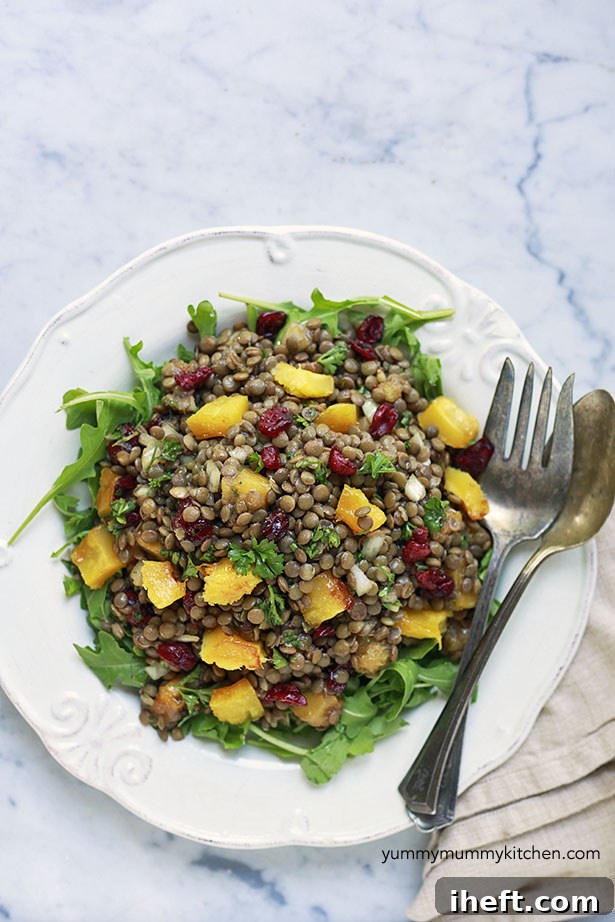
Perfectly Cooked Lentils Every Time
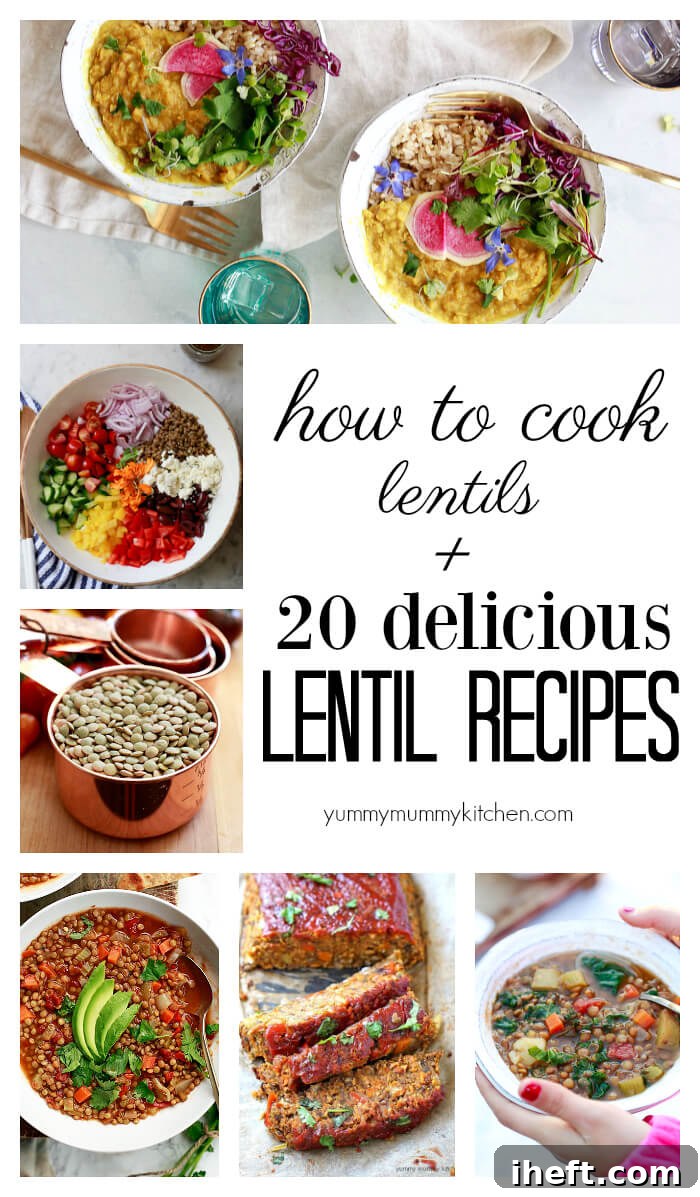
Unlock the full potential of lentils with this comprehensive guide, covering how to perfectly cook both green and red varieties. Plus, discover a curated collection of over 20 of the best lentil recipes, ranging from comforting soups to refreshing salads and hearty main courses.
Lentils have become an indispensable staple in my kitchen over recent years, and for good reason. These tiny, disk-shaped legumes are not just incredibly inexpensive, but they also pack a powerful punch of nutrition and satiety. They are an exceptional source of plant-based protein and iron, remarkably low in calories, and brimming with dietary fiber. To put their nutritional value into perspective, a single cup of cooked lentils provides nearly 18 grams of protein, making them a fantastic building block for any meal(1).
I frequently incorporate lentils into my weekly meal prep, making them an effortless addition to vibrant Buddha bowls and fresh salads. They also seamlessly blend into warming soups and robust stews. My youngest daughter, a true lentil enthusiast, even transforms them into a pizza-like snack by baking them with marinara, her favorite veggies, and a sprinkle of cheese – a recipe I’ll certainly share another time! If you’re expanding your repertoire of healthy cooking, don’t miss my guides on How to Cook Chickpeas + Best Chickpea Recipes and How to Cook Perfect Quinoa + Best Quinoa Recipes!
What Are Lentils? A Deep Dive into These Ancient Legumes
Lentils are members of the legume family, sharing lineage with beans, chickpeas, and peas. Distinctive for their small, disk-like shape, they boast a delightful nutty and earthy flavor. While most commonly purchased in dried form, you might occasionally encounter fresh or even sprouted lentils at local farmers markets, offering a slightly different texture and potentially enhanced digestibility for some. For those seeking ultimate convenience, vacuum-packed cooked lentils can be found in the refrigerated sections of stores like Trader Joe’s, and canned varieties are readily available alongside other beans. These pre-cooked options are perfect for quickly enhancing last-minute meals.
Lentils are not just affordable and nutritious; they also carry a rich history, having been a dietary cornerstone worldwide for millennia. Archaeological evidence suggests they are one of the oldest cultivated crops, consumed in the Near East over 9,000 years ago. Today, their culinary influence spans continents. Traditional Indian cuisine features red lentil curry, known as “dal,” as a daily staple. Ethiopian cuisine offers its own distinctive and flavorful red lentil stews. Throughout Europe and the Americas, lentils are a beloved ingredient in a vast array of soups, stews, and salads. In Italy, lentils hold a special cultural significance, traditionally eaten on New Year’s Eve, as their coin-like shape is believed to usher in prosperity for the coming year.
While there are numerous varieties of lentils, the most commonly found in grocery stores are the robust green or brown lentils and the delicate red lentils. This guide will primarily focus on these popular types. However, it’s worth noting other excellent options, such as Beluga lentils – small, black, and resembling caviar – which are particularly well-suited for elegant salads due to their firm texture.
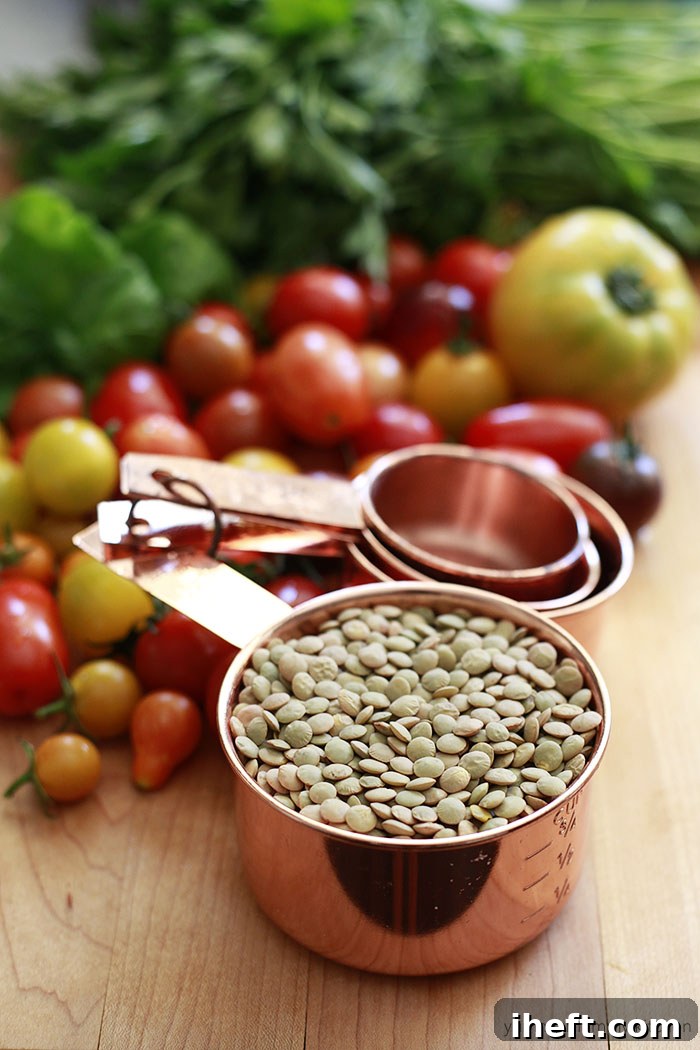
Exploring Lentil Varieties and Their Culinary Uses
Understanding the different types of lentils is key to achieving the desired texture and flavor in your dishes. Each variety has unique characteristics that make it suitable for specific culinary applications.
Green and Brown Lentils (Including Puy and French Lentils)
Green and brown lentils, along with their more refined cousins like French Green (Du Puy) and Beluga lentils, are renowned for their ability to maintain their distinct shape and a pleasant, slightly firm texture even after cooking. They are roughly the size of peas, though variations exist. Their robust structure makes them an excellent choice for hearty salads, grain bowls, and dishes where you want the lentils to stand out rather than blend in. They typically require a slightly longer cooking time, usually around 25-35 minutes, to become tender yet retain their integrity. Their earthy flavor profile pairs beautifully with strong herbs, vinaigrettes, and roasted vegetables.
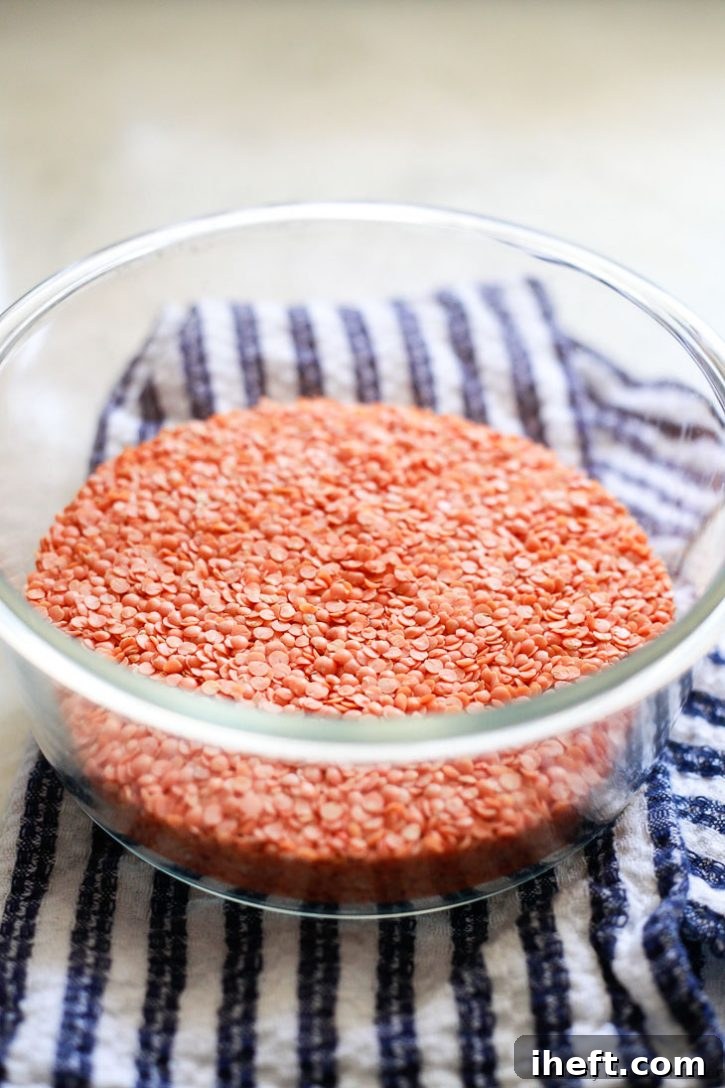
Red and Yellow Lentils
Red and yellow lentils, which can be found either whole or split, behave quite differently when cooked. Don’t be surprised if your “red” lentils appear more orange in their dried state! When split, their outer skin is removed, causing them to break down quickly and become incredibly soft and creamy. These varieties cook remarkably fast, often in as little as 5-10 minutes, transforming into a wonderfully soft, mushy consistency. This makes them ideal for creamy curries (like Indian dal), thick pureed soups, and stews where you desire a smooth, comforting texture. Due to their tendency to lose shape, red lentils would be a poor choice for dishes like salads where firmness is preferred. They particularly shine when paired with coconut milk, aromatic spices, and vibrant vegetables in comforting curries.
The Nutritional Powerhouse: Health Benefits of Lentils
Beyond their culinary versatility, lentils are a true superfood, offering an impressive array of health benefits that make them a valuable addition to any diet. They are a cornerstone of plant-based eating and contribute significantly to overall well-being:
- Excellent Source of Plant-Based Protein: For vegetarians and vegans, lentils are an indispensable protein source, providing essential amino acids for muscle repair and growth.
- Rich in Dietary Fiber: High fiber content promotes healthy digestion, helps regulate blood sugar levels, and contributes to a feeling of fullness, which can aid in weight management.
- Packed with Iron: Lentils are a significant source of non-heme iron, crucial for preventing anemia and supporting energy levels, especially important for individuals on plant-based diets. Pairing them with Vitamin C-rich foods (like bell peppers or citrus) can enhance iron absorption.
- Abundant in Folate (Vitamin B9): Folate is vital for DNA synthesis, cell growth, and overall cellular function. It’s particularly important for pregnant women to prevent neural tube defects.
- Good Source of Potassium: This essential mineral plays a key role in maintaining healthy blood pressure and fluid balance in the body.
- Cholesterol-Free and Low in Fat: Lentils are naturally free of cholesterol and very low in fat, supporting cardiovascular health.
- Stabilizes Blood Sugar: The complex carbohydrates and fiber in lentils help slow down glucose absorption, leading to more stable blood sugar levels, which is beneficial for managing diabetes.
- Antioxidant Properties: Lentils contain various polyphenols and other compounds with antioxidant properties, which help combat oxidative stress and inflammation in the body.
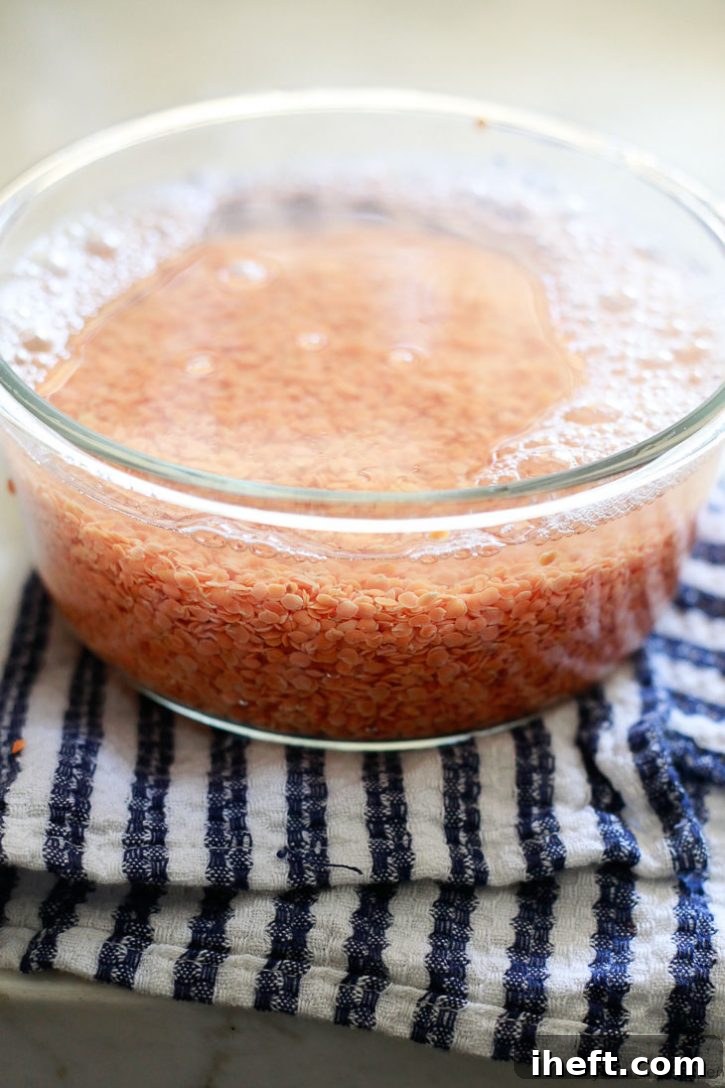
Essential Preparation: Rinsing Dried Lentils Before Cooking
While lentils don’t typically demand the same extensive soaking process as larger dried beans, proper preparation is still crucial for both cleanliness and optimal digestion. It is absolutely essential to always **pick over and thoroughly rinse your dried lentils** before cooking, regardless of whether you’re using red, green, or any other variety.
Here’s why and how:
- Remove Debris: Dried lentils, especially those purchased in bulk, can sometimes contain tiny stones, bits of dirt, or other foreign debris that you definitely don’t want in your meal. Spreading them out on a light-colored surface or baking sheet can help you spot and remove these unwanted elements.
- Cleanse from Dust: Even packaged lentils can accumulate dust from processing and packaging. Rinsing them under cold running water in a fine-mesh sieve or colander will wash away any surface impurities. Continue rinsing until the water runs clear.
- Optional Soaking for Digestibility: While not strictly necessary for cooking time, some individuals prefer to soak their lentils, particularly green or brown varieties, to aid in digestion and reduce the presence of naturally occurring compounds called anti-nutrients (such as phytic acid). Phytic acid can sometimes interfere with the absorption of certain minerals. Soaking lentils for a few hours (or even overnight) can help break down these compounds, making the lentils potentially easier on the stomach for sensitive individuals. If you choose to soak, always discard the soaking water and rinse thoroughly before cooking.
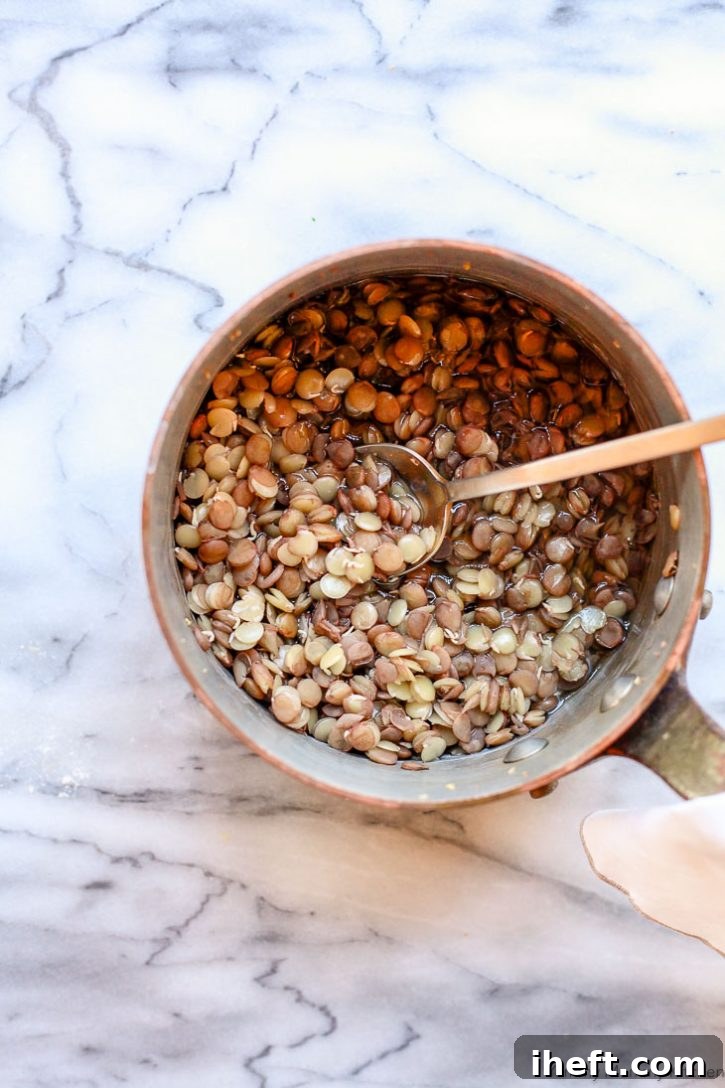
How to Cook Lentils: Stovetop Method for Perfect Texture
Cooking lentils on the stovetop is a simple and straightforward process, allowing you to achieve the perfect texture for your intended dish. The method varies slightly depending on whether your lentils will be incorporated directly into a dish or used as a standalone component.
For Soups and Stews:
When preparing soups, stews, or thick curries, you can often add dried, rinsed lentils directly to the pot along with your broth and other ingredients. The lentils will absorb liquid as they cook, contributing to the dish’s overall thickness. Be sure to account for this absorption by adding enough liquid to ensure the final consistency is just right.
For Salads, Bowls, and Side Dishes:
If you’re cooking lentils to be drained and added to salads, Buddha bowls, or served as a side dish, the exact amount of water isn’t as critical as long as there’s enough to fully submerge them. A good rule of thumb is to use 2 ½ to 3 cups of liquid for every 1 cup of dried lentils.
- Combine Lentils and Liquid: Place your rinsed and picked-over lentils in a medium saucepan. Add your chosen liquid. While water works fine, using vegetable broth will infuse the lentils with an extra layer of flavor from the start. You can further enhance the flavor by adding aromatics like a bay leaf, a sprig of fresh thyme, or a few cloves of crushed garlic to the cooking liquid.
- Simmer to Perfection: Bring the liquid to a boil over medium-high heat. Once boiling, reduce the heat to low, cover the saucepan, and allow the lentils to gently simmer until they are tender. For medium-sized whole green or brown lentils, this typically takes about 25-35 minutes. Red lentils will cook much faster, often in just 5-10 minutes.
- Check for Doneness: Periodically taste a few lentils to check their texture. Green and brown lentils should be tender yet still have a slight firmness, holding their shape. Red lentils will be soft and creamy.
- Drain and Season: Once cooked to your liking, drain any excess liquid using a fine-mesh sieve. Then, it’s time to season! I love tossing my cooked green lentils with a generous drizzle of good quality olive oil, a splash of red wine vinegar, minced fresh garlic, and a sprinkle of salt and freshly ground black pepper. This simple seasoning transforms them into a delicious and versatile component for many meals.
Tip: Avoid adding salt to the cooking water too early, as this can sometimes toughen the lentil skins and prevent them from becoming tender.
Effortless Cooking: How to Cook Lentils in the Instant Pot
The Instant Pot pressure cooker is a game-changer for preparing legumes, drastically cutting down on cooking time and offering unparalleled convenience. It’s one of my favorite methods for achieving perfectly cooked lentils with minimal effort.
For most lentil preparations in the Instant Pot, a simple 1:1 ratio of dried lentils to liquid (water or broth) works beautifully. While some recipes might call for slightly more liquid, starting with equal parts generally yields perfectly cooked, firm-yet-tender lentils.
- Add Ingredients: Place one cup of dried, thoroughly rinsed lentils into the Instant Pot insert. Add one cup of water or vegetable broth.
- Set Cook Time: Cook on high pressure according to the following guidelines. The cooking time will vary significantly between different lentil types:
- Green and Brown Lentils (whole): 8-10 minutes (for firm-tender lentils perfect for salads, use 8 minutes. For softer, but still whole lentils, go for 10 minutes).
- Red and Yellow Lentils (split): 1-2 minutes (these cook incredibly fast and will become very soft).
- Release Pressure: Once cooking is complete, carefully perform a quick pressure release (QPR) to prevent overcooking and achieve a more controlled texture. Alternatively, for green lentils, you can opt for a natural pressure release (NPR) for 5-10 minutes before releasing any remaining pressure, which can result in a slightly creamier texture.
Important Note: While you can cook red lentils in the Instant Pot, I generally recommend doing so only if they are part of a larger recipe, such as a dal, where their rapid breakdown into a creamy consistency is desired. For standalone use in salads, the stovetop method often provides better control over their delicate texture.
These times are general guidelines; always refer to the specific recommendations on the official Instant Pot website or your recipe for precise instructions.
General Cooking Tips for Success
- Don’t Overcook: Lentils can go from perfectly tender to mushy very quickly. Keep an eye on them, especially toward the end of their cooking time.
- Season After Cooking: While you can add aromatics to the cooking liquid, it’s best to add salt and acidic ingredients (like vinegar or lemon juice) after the lentils are cooked. Salt can sometimes toughen the skins, and acid can prevent them from fully softening.
- Adjust Liquid: For stovetop cooking, if your lentils are absorbing liquid too quickly, add a little more hot water or broth. If there’s too much liquid left after cooking, simply drain it off.
- Rinse Again (Optional): For some dishes, especially salads, giving cooked lentils a quick rinse after draining can help prevent them from sticking together.
- Make Ahead: Cooked lentils are excellent for meal prep. Store them in the refrigerator and use throughout the week.
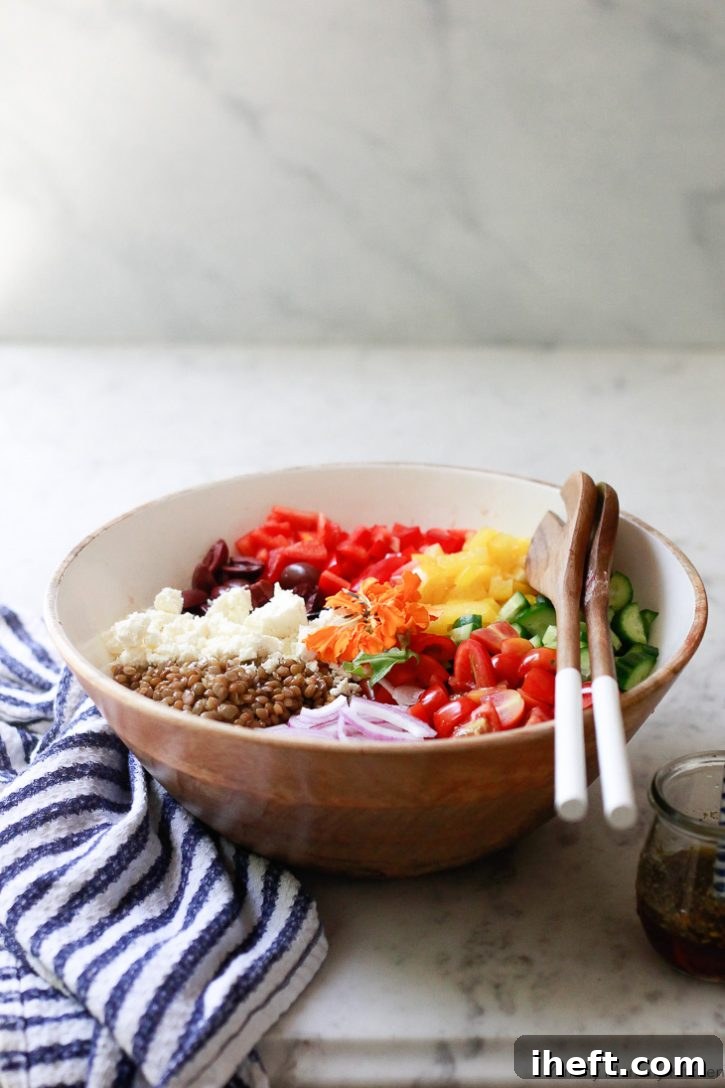
Delectable Green and Brown Lentil Recipes
Green and brown lentils, with their ability to hold their shape, are incredibly versatile. They shine in a variety of dishes, from crisp salads to hearty main courses.
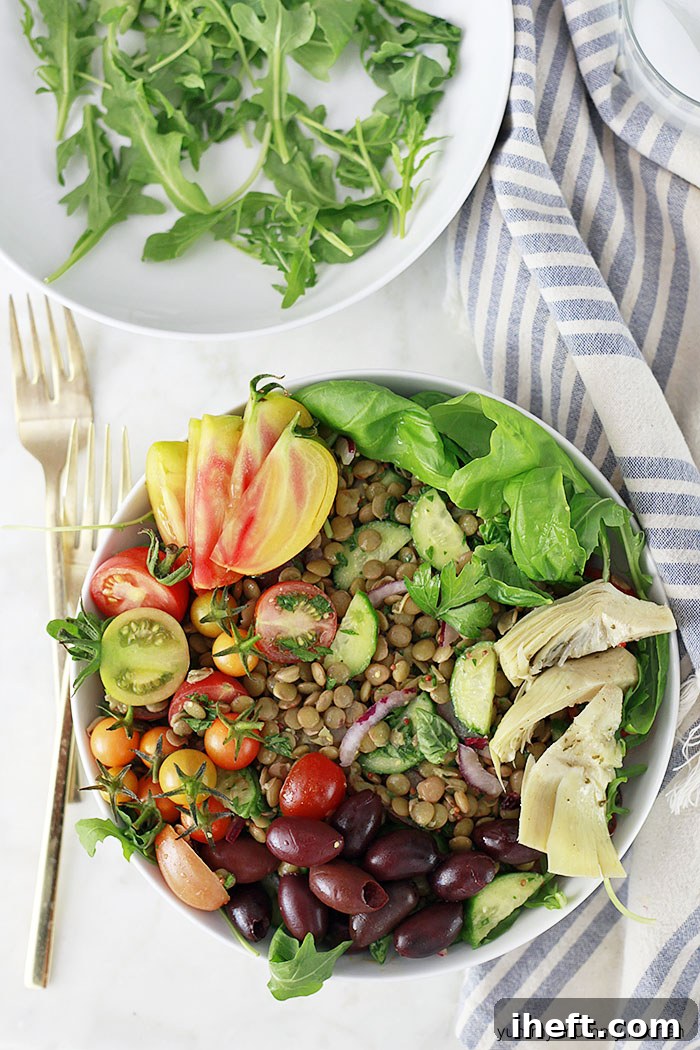
- Mediterranean Lentil Salad: A vibrant and fresh salad bursting with flavors.
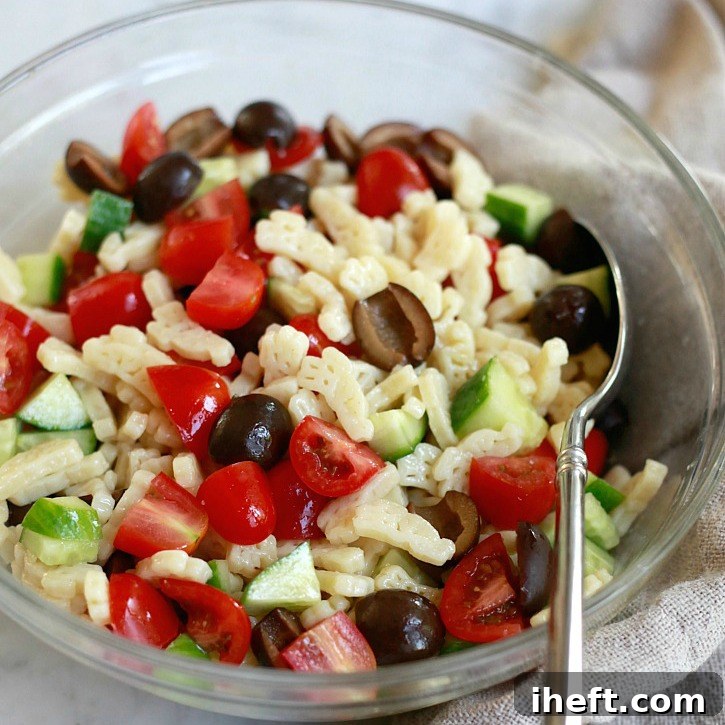
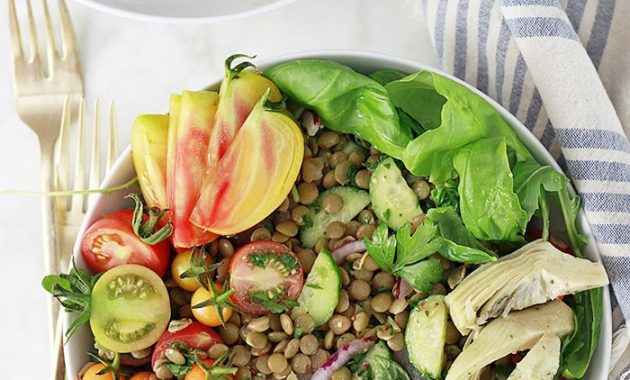
- Lentil Salad with Tomatoes, Cucumbers, and Mustard Vinaigrette (shown at top): A classic and refreshing salad, perfect for a light lunch.
- Vegan Lentil Loaf: A hearty and comforting plant-based alternative to traditional meatloaf.
- Vegan Lentil Sloppy Joes: A family-friendly, savory sandwich filling that’s quick and easy to make.
- Vegan Lentil “Meatballs”: Perfect for pasta dishes or appetizers, these “meatballs” are full of flavor.
- Instant Pot Lentil Soup: A quick and nourishing soup made effortlessly in your pressure cooker.
- Creamy Mushroom Lentil Soup: A rich and satisfying soup, ideal for a cozy meal.
- Mexican Lentil Soup: A zesty and spicy soup with a kick, inspired by Mexican flavors.
- Lemony Lentil Soup: A bright and refreshing soup with a delightful citrus twist.
- Lentil Shepherd’s Pie: A hearty and comforting classic, reinvented with lentils.
- Lentil Stuffed Portobello Mushrooms: An elegant and flavorful appetizer or main course.
- Lentil Bolognese: A rich, savory meat-free sauce perfect for pasta or spaghetti squash.
- Lentil Sloppy Joe’s from Stacy Homemaker: Another fantastic take on the beloved sloppy joe.
- Chickpea and Lentil Taco Salad Meal Prep Bowls from She Likes Food: Perfect for healthy lunches on the go.
- Sweet Korean Lentils on It Doesn’t Taste Like Chicken: A unique and flavorful twist on lentils.
- Vegan Lentil Balls with Sweet & Sour Sauce from Vegan in the Freezer: A delicious and versatile plant-based appetizer.
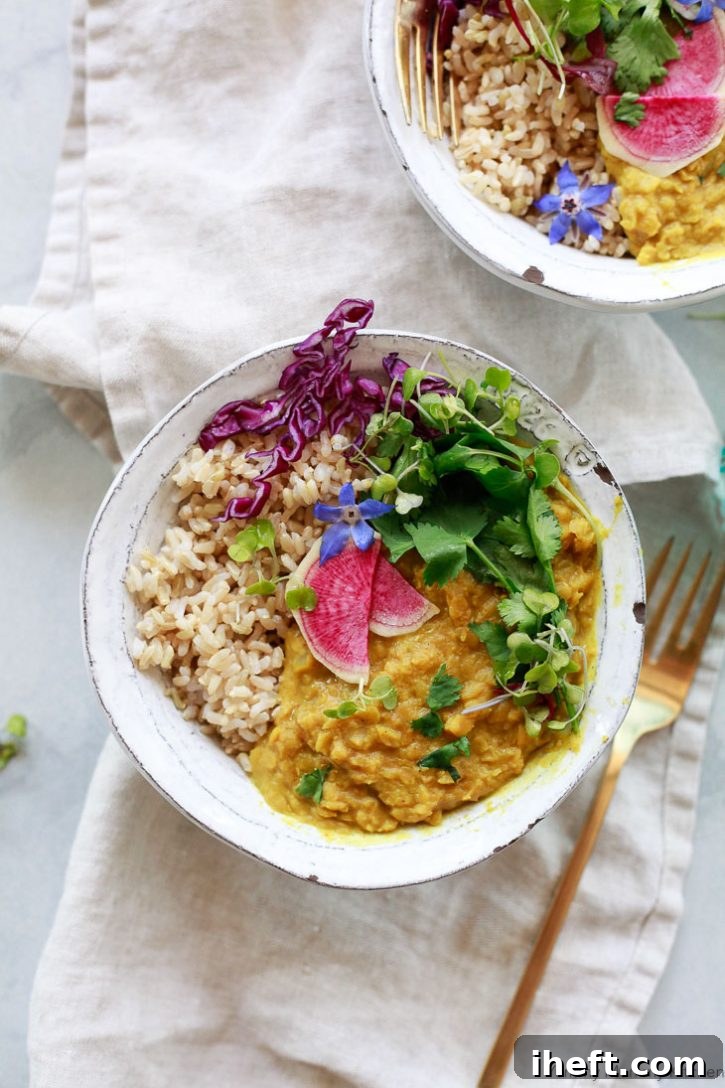
Creamy and Comforting Red Lentil Recipes
Red and yellow lentils, known for their ability to break down into a soft, creamy consistency, are perfect for dishes that call for a velvety texture.
- Easy Red Lentil Dal: A comforting and classic Indian dish that’s simple to prepare.
- Curried Pumpkin Lentil Soup: A warm and inviting soup with aromatic spices and the sweetness of pumpkin.
- Spicy Ethiopian Lentil Stew on Connoisseurus Veg: A richly spiced and flavorful stew, a staple in Ethiopian cuisine.
- Cozy Red Lentil and Butternut Squash Stew on Oh She Glows: A perfect stew for chilly evenings, combining sweet and savory notes.
- Red Lentil Falafel in a Nanwich from Occasionally Eggs: A creative and delicious twist on traditional falafel.
Common Questions About Cooking and Using Lentils
Do lentils need to be soaked before cooking?
No, unlike many larger dried beans, lentils do not require soaking to reduce their cooking time. Their smaller size and thinner skins mean they cook much more quickly on their own. However, some people choose to soak lentils, particularly green or brown varieties, for a few hours or overnight to aid in digestion and potentially reduce anti-nutrients like phytic acid. If you opt to soak, always discard the soaking water and rinse the lentils thoroughly before cooking.
How much do lentils expand when cooked?
Dried lentils will roughly double in volume once cooked. So, if you start with 1 cup of dried lentils, you can typically expect to yield about 2 cups of cooked lentils.
Can red and green lentils be used interchangeably in recipes?
Generally, no. Red lentils and green (or brown) lentils have very different cooking characteristics and textures. Red lentils cook much faster and break down into a soft, creamy consistency, making them ideal for soups, purees, and curries. Green or brown lentils, on the other hand, retain their shape and a firmer texture when cooked, making them better suited for salads, grain bowls, and dishes where you want the lentils to have a distinct presence.
Are lentils gluten-free?
Yes, lentils are naturally gluten-free, making them an excellent choice for individuals with celiac disease or gluten sensitivity. However, it’s always a good practice to check the product packaging, especially if you have a severe allergy, to ensure there hasn’t been any cross-contamination during processing or packaging in facilities that also handle gluten-containing grains.
What’s the best way to season cooked lentils?
The best way to season lentils depends on their intended use. When I pre-cook green lentils for meal prep to add to salads or bowls, I love a simple yet flavorful combination: a tiny splash of high-quality olive oil, a drizzle of red wine vinegar, a clove of freshly minced garlic, and a generous sprinkle of salt and freshly ground black pepper. For soups or stews, they can be seasoned along with the other ingredients, absorbing the flavors of the broth and spices. Red lentils in curries benefit from robust spices like cumin, turmeric, and ginger.
How should cooked and dried lentils be stored?
Dried lentils: Store dried lentils in an airtight container in a cool, dark pantry. Properly stored, they have a remarkably long shelf life of approximately 2-3 years, although older lentils might take a little longer to cook.
Cooked lentils: Cooked lentils should be stored in an airtight container in the refrigerator and will remain fresh for about 5-7 days. For longer storage, you can freeze cooked lentils in an airtight container or freezer bag for 2-3 months. Thaw them in the refrigerator before reheating.
How to Cook Lentils (Basic Stovetop Recipe)
2 minutes
35 minutes
37 minutes
The basic recipe for cooking green, brown, or French lentils to use in salads, bowls, and other versatile recipes.
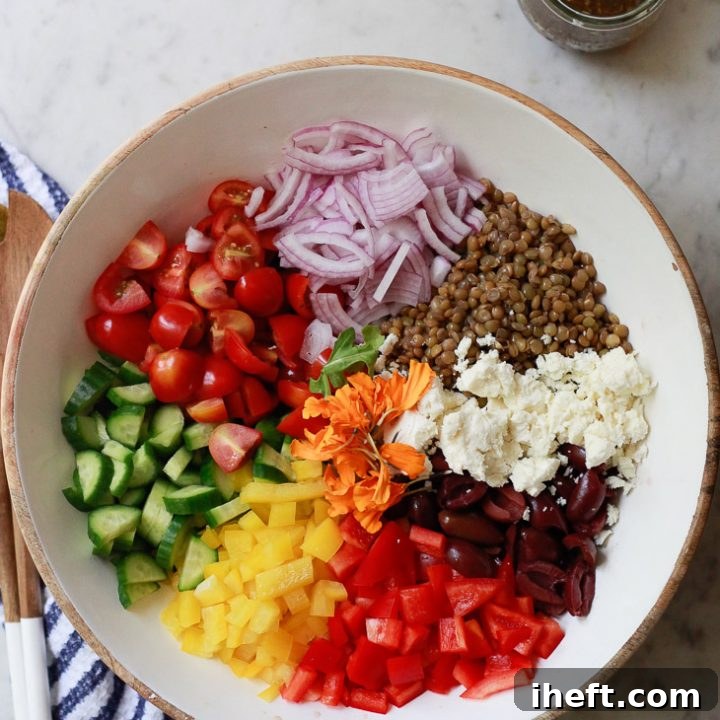
Ingredients
- 1 cup whole green, brown, or French dried lentils
- 2 1/2 cups water or vegetable broth
- Salt and pepper, to taste
Instructions
- Rinse and pick through the lentils, discarding any little stones or debris. Drain thoroughly.
- Add the clean lentils and water or broth (using broth adds a richer flavor) to a medium saucepan.
- Bring the liquid to a boil, then immediately reduce the heat to a low simmer. Cook the lentils, covered, until they are tender yet still hold their shape. This typically takes about 25-40 minutes, depending on the size and age of your lentils.
- If any liquid hasn’t been fully absorbed, drain the lentils using a fine-mesh sieve. Season the cooked lentils to taste with salt and pepper.
- Allow the lentils to cool to room temperature before storing them in an airtight container in the refrigerator until ready to use.
Notes
Be sure to check packaging for specific cook times, as they may vary depending on the variety and size of the lentils. For example, some sprouted green dried lentils cook in as little as 5 minutes!
Refer to the main article for a wealth of recipe ideas, from hearty soups to fresh salads, and even creative lentil “meatloaf” and more.
Nutrition Information:
Yield: 4
Serving Size: 1/2 cup
Amount Per Serving:
Calories: 60Total Fat: 0gSaturated Fat: 0gTrans Fat: 0gUnsaturated Fat: 0gCholesterol: 0mgSodium: n/amgCarbohydrates: 10gFiber: 4gSugar: 1gProtein: 5g