Oyster Mushrooms Demystified: From Basics to Crispy Fried Delights
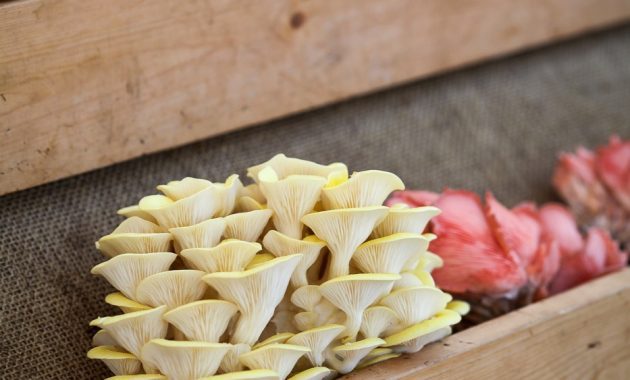
Welcome to the definitive guide on Oyster Mushrooms! Here’s everything you need to know about these culinary treasures, from identifying diverse varieties like Pearl, Golden, Pink, and Blue Oyster Mushrooms to mastering the best cooking techniques and mouth-watering recipes. Prepare to discover your new favorite way to enjoy fungi, including an absolutely irresistible fried oyster mushroom recipe at the end!
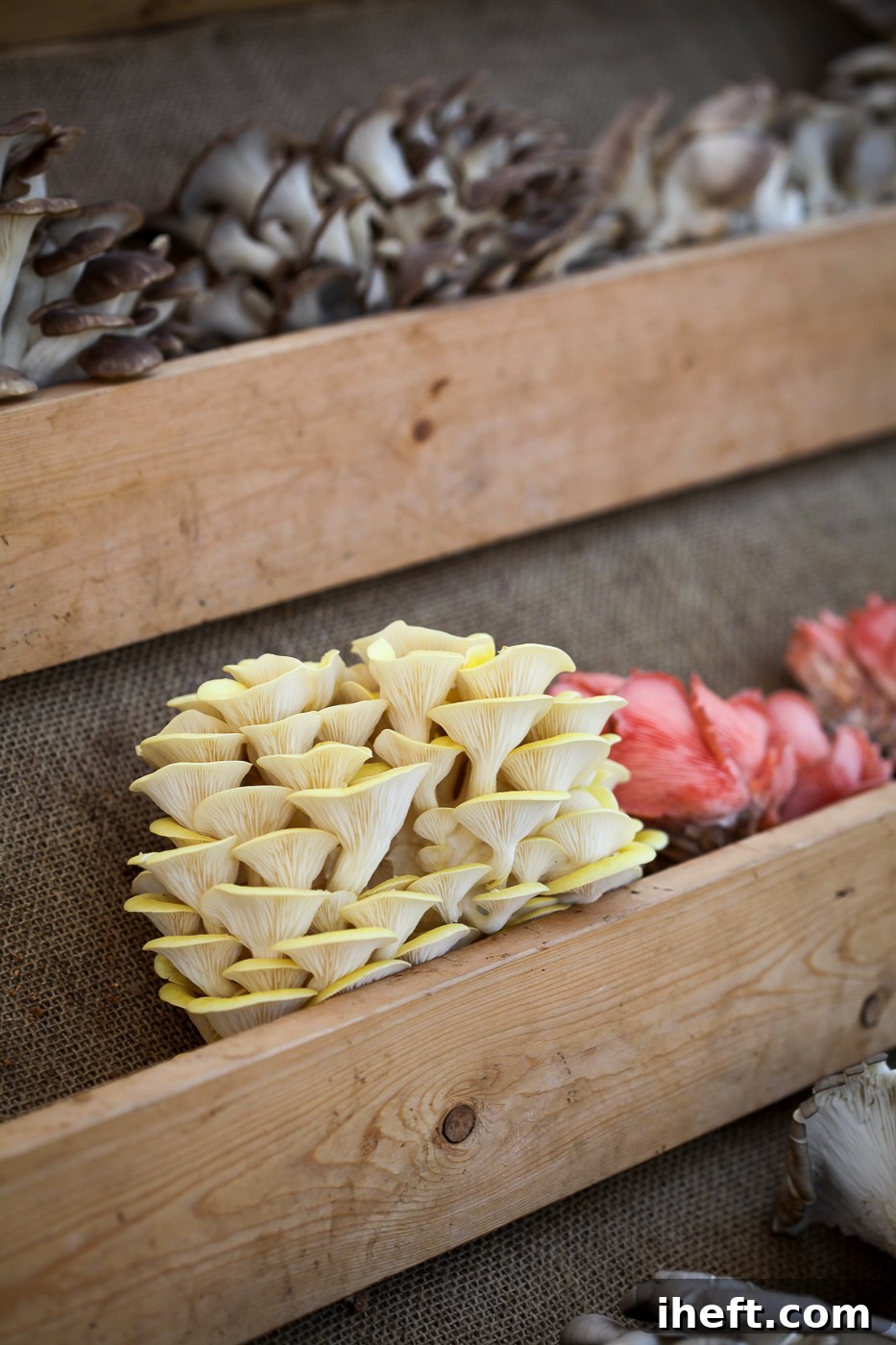
A colorful assortment of Pearl, Golden, Pink, and Blue Oyster Mushrooms displayed at a bustling farmer’s market, ready for culinary exploration.
Following the tremendous interest in our Lion’s Mane Mushroom article, it’s clear that the world of specialty mushrooms holds a special fascination for many. Inspired by your enthusiasm, I wanted to dedicate an equally comprehensive guide to another magnificent and beloved mushroom variety: Oyster Mushrooms! Whether you’re a seasoned chef or a curious home cook, these fungi offer an incredible range of flavors and textures that are surprisingly easy to incorporate into your meals.
I often find myself captivated by the striking hues of yellow, pink, and various earthy tones presented by oyster mushrooms at local markets. Their delicate ruffles and robust clusters are truly a sight to behold. If you, like me, have admired their beauty but hesitated, unsure of how to bring them into your kitchen, then this guide is crafted especially for you. We’ll delve into their origins, explore their fascinating varieties, and arm you with all the knowledge needed to confidently select, prepare, and savor these remarkable mushrooms.
What Are Oyster Mushrooms? A Culinary Delight Explained
Oyster mushroom is the collective common name for various species within the genus Pleurotus, with Pleurotus ostreatus being one of the most widely recognized. This captivating fungus is named for its distinctive oyster-shell shape and often subtle, delicate flavor. In the wild, these fascinating organisms thrive in temperate and subtropical regions across the globe, typically found growing in shelf-like clusters on and near dead or decaying hardwood logs and trees. Their natural ability to break down wood makes them vital components of forest ecosystems.
Commercially, oyster mushrooms are among the most popular cultivated mushrooms worldwide, valued for their rapid growth and adaptability. They are typically grown on a substrate of straw, sawdust, or other agricultural waste products, which are tightly packed into plastic bags or containers. This controlled environment allows for consistent quality and availability, making them a staple in many grocery stores and farmer’s markets. One of their most appealing characteristics is their mild, earthy flavor, which can range from slightly sweet to a hint of anise, depending on the variety. Beyond their taste, oyster mushrooms boast a wonderfully unique texture—often described as meaty, tender, and somewhat chewy, yet delicate enough to absorb flavors beautifully. This versatility makes them an excellent ingredient in a wide array of dishes, from simple sautés to complex gourmet preparations.
Exploring the Diverse Types of Oyster Mushrooms: Pearl, Blue, Pink, Golden, and King
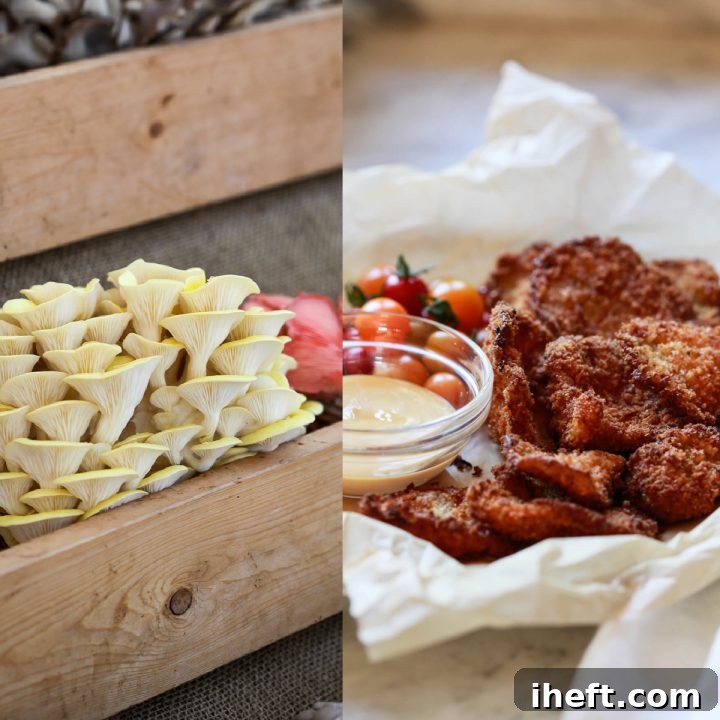
While the most common oyster mushrooms you’ll encounter in standard grocery stores are typically the Pearl Oyster variety, often light brown or grey, the world of oyster mushrooms offers a spectrum of colors, textures, and subtle flavor notes. Venture into a local farmers’ market or specialty food store, and you might be delighted to discover vibrant golden, striking pink, or even subtle blue oyster mushrooms. After speaking with local mushroom farmers, it’s clear that while their fundamental flavor profile remains broadly similar, their textures can vary, often influenced by their water content and growing conditions. Here are five of the most popular and distinct types of oyster mushrooms you’ll encounter, each bringing its own charm to the table:
Pearl Oyster (Pleurotus ostreatus)
The Pearl Oyster mushroom is arguably the most common and recognizable variety in North America and many other parts of the world. Characterized by its fan-shaped caps that range in color from off-white to a light brownish-grey, these mushrooms often grow in beautiful, layered clusters. They offer a mild, savory flavor that is wonderfully versatile, making them a fantastic starting point for anyone new to oyster mushrooms. Their texture is tender yet satisfyingly meaty, holding up exceptionally well in various culinary applications. They absorb flavors beautifully, making them ideal for everything from stir-fries and sautés to soups and stews.
Blue Oyster (Pleurotus ostreatus var. columbinus)
Despite their name, Blue Oyster mushrooms typically present a striking greyish-blue hue when young, gradually maturing to a softer grey as they develop. It’s important to note that you won’t usually find them in a vibrant blue shade at the market; the “blue” refers to their initial appearance. Flavor-wise, they are quite similar to Pearl Oysters, offering a delightful earthiness. Where they truly shine is in their texture: Blue Oysters are known for being particularly robust and meaty, making them an excellent choice for dishes where you want the mushroom to maintain its integrity and provide a substantial bite, even after prolonged cooking. They are a chef’s favorite for their resilience and satisfying mouthfeel.
Pink Oyster (Pleurotus djamor, formerly Pleurotus salmoneostramineus)
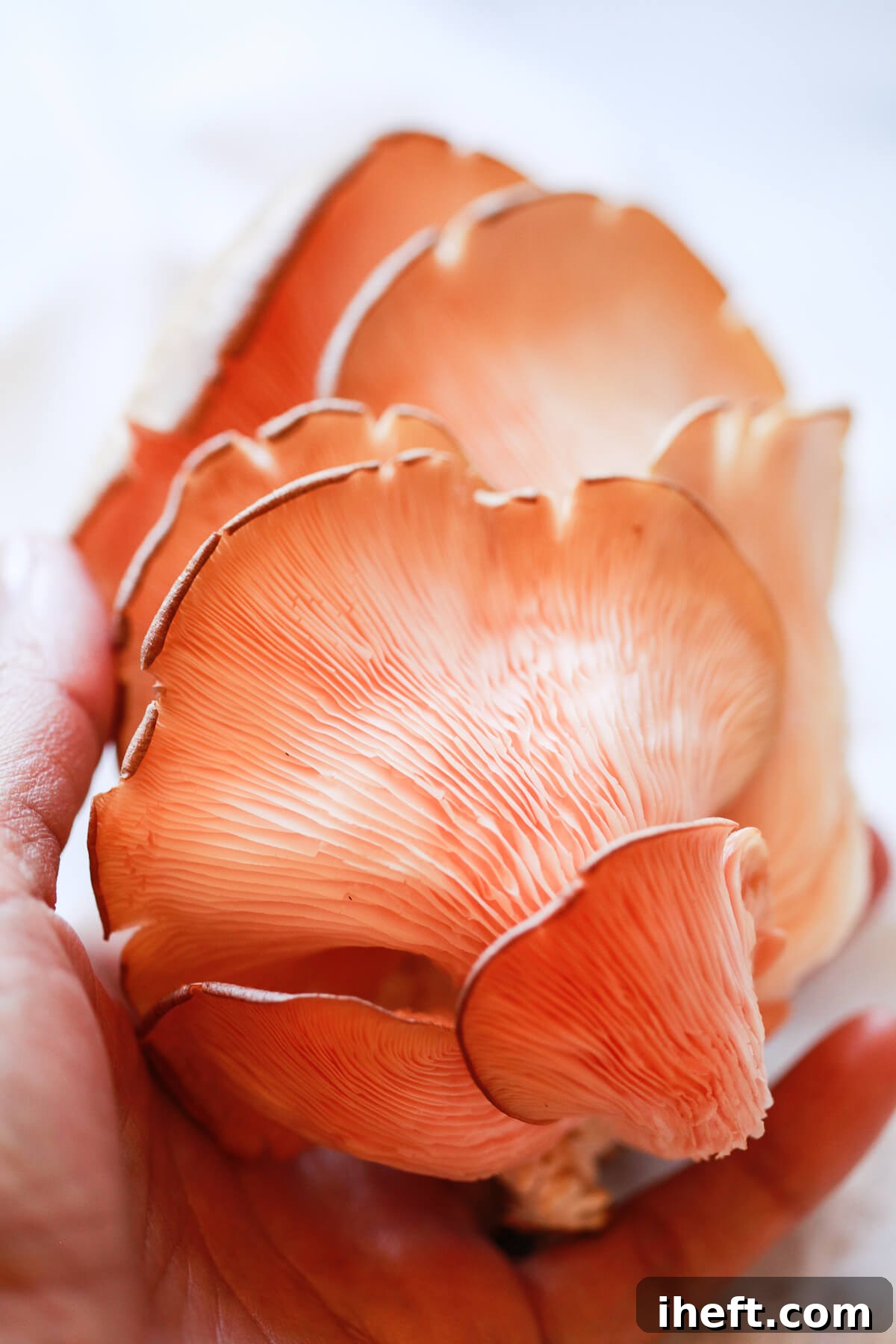
Prepare to be enchanted by the dramatic beauty of the Pink Oyster mushroom! Also known as Flamingo, Salmon, or Strawberry Oyster, this species boasts incredibly vibrant, ruffled caps that are an undeniable showstopper. Native to more tropical regions, Pink Oysters thrive in warmer climates, distinguishing them from their cooler-weather cousins. Their flavor is often described as slightly woody with a hint of seafood-like sweetness, and their texture is noticeably meatier than Pearl Oysters. A unique characteristic is that their brilliant pink color tends to fade to a more subdued, earthy tone upon cooking, but their delightful flavor and firm texture remain, making them fantastic in stir-fries or as a standalone sautéed dish.
Golden Oyster (Pleurotus citrinopileatus)
Hailing originally from Northern Asia, particularly China and Japan, the Golden Oyster mushroom is a visual feast with its stunning, bright yellow caps and delicate, somewhat ruffled flesh. Beyond their captivating appearance, Golden Oysters are distinguished by their unique fragrance—often described as nutty or citrusy, setting them apart from other varieties. Their flavor is delicate and slightly sweet, with a wonderfully tender texture. They are fantastic for adding a pop of color and a subtle flavor complexity to any dish, particularly Asian-inspired cuisines, where they are traditionally celebrated. They cook quickly and are best enjoyed lightly sautéed to preserve their texture and aroma.
King Oyster (Pleurotus eryngii)
The King Oyster mushroom stands distinctly apart from its Pleurotus relatives listed above. Unlike the cluster-forming, delicate caps of other oysters, King Oysters possess a single, thick, robust stem (often an inch or more in diameter) and a much smaller, flattened cap. This substantial structure gives them a completely different culinary profile. Their dense, meaty texture makes them incredibly versatile. Sliced crosswise, their thick stems resemble scallops, making them a popular choice for vegan “scallops” due to their satisfying chew and ability to caramelize beautifully. They can also be sliced lengthwise into “steaks,” roasted whole, or grilled, offering a hearty, umami-rich experience. Their firm texture and rich flavor make them exceptional for mimicking meat in vegetarian and vegan dishes. Given their unique characteristics, King Oyster mushrooms truly deserve their own dedicated exploration, which we’ll save for a future deep dive!
Where to Buy Oyster Mushrooms: Your Guide to Finding Fresh Fungi
Many aspiring home cooks often ask, “Where can I find fresh oyster mushrooms near me?” Thankfully, these exquisite fungi are becoming increasingly accessible. In vibrant communities like Santa Barbara, CA, the best quality and most diverse selection of specialty mushrooms, including various oyster mushroom types, can often be found at local farmer’s markets. Here, you can connect directly with growers, learn about their cultivation practices, and select the freshest specimens.
Beyond farmer’s markets, many well-stocked grocery stores now regularly carry oyster mushrooms. Larger chains known for their fresh produce and specialty items, such as Whole Foods Market, are reliable places to find Pearl Oysters and sometimes even Blue or Golden varieties. Explore the produce section of your favorite local supermarket, particularly those that pride themselves on offering a wide range of fresh, seasonal, and unique ingredients.
If local availability is a challenge or you’re simply eager to experience the magic of growing your own food, consider cultivating them at home! Oyster mushroom grow kits are readily available online and at gardening stores, offering a fun and rewarding way to harvest fresh mushrooms right from your kitchen counter. These kits typically require minimal effort and provide a continuous supply of delicious fungi, allowing you to witness the fascinating growth process firsthand.
For the adventurous, foraging for oyster mushrooms in the wild can be an exhilarating experience, as they commonly grow on logs and dead trees. However, it is paramount to exercise extreme caution when foraging. There are poisonous look-alikes, and misidentification can have serious consequences. Always consult with an experienced mycologist or a reliable field guide, and when in doubt, never consume a wild mushroom. Prioritize safety above all else, and if you’re unsure, it’s always best to purchase from a trusted source or grow your own.
How to Cook Oyster Mushrooms: Unlocking Their Culinary Potential
Oyster mushrooms are celebrated for their incredible versatility in the kitchen, making them a fantastic addition to almost any mushroom-centric recipe. Their mild flavor and unique texture allow them to seamlessly integrate into a wide array of dishes, absorbing the flavors of accompanying ingredients while adding their own delightful character. They would be absolutely superb in our savory Vegan Mushroom Gravy or our hearty Farro Risotto. They excel in Asian-inspired stir-fries, providing a satisfying meaty element. Their delicate yet firm texture also pairs beautifully with egg dishes such as fluffy scrambles, elegant quiches, or savory omelets. For creamy, comforting meals, try them in rich soups like a classic Potato Leek Soup. They also make an excellent topping for homemade pizza or can be simply sautéed and used as a flavorful garnish for steaks, pastas, or roasted vegetables. Before cooking, gently wipe your mushrooms with a damp paper towel to clean them; avoid washing them under running water, as they can become waterlogged and lose their desired texture.
- Roast for Earthy Perfection. For a simple yet deeply flavorful preparation, toss your oyster mushrooms with a generous drizzle of high-quality olive oil. Add a few cloves of crushed garlic, a sprig or two of fresh thyme, and season generously with sea salt and freshly cracked black pepper to taste. Spread them evenly on a sheet pan, ensuring they are not overcrowded, which would steam instead of roast. Roast in a preheated oven at 400°F (200°C) for approximately 15 to 20 minutes, or until they are tender and slightly golden brown at the edges. This method brings out their natural umami beautifully.
- Sauté for Quick & Crispy Results. Sautéing is a classic way to enjoy oyster mushrooms, bringing out a wonderful tenderness with crispy edges. Coat the bottom of a cast iron pan or a heavy-bottomed skillet with about 1 tablespoon of extra virgin olive oil or butter (or a combination of both for richer flavor). Heat over medium-high heat until the fat is shimmering. Add the separated oyster mushrooms in a single layer, avoiding overcrowding the pan to allow for proper browning. Season with salt, pepper, and minced garlic. Sauté for 5-8 minutes, stirring occasionally, until they are softened and beautifully golden or even slightly crispy. Finish with a sprinkle of fresh chopped parsley for a burst of freshness.
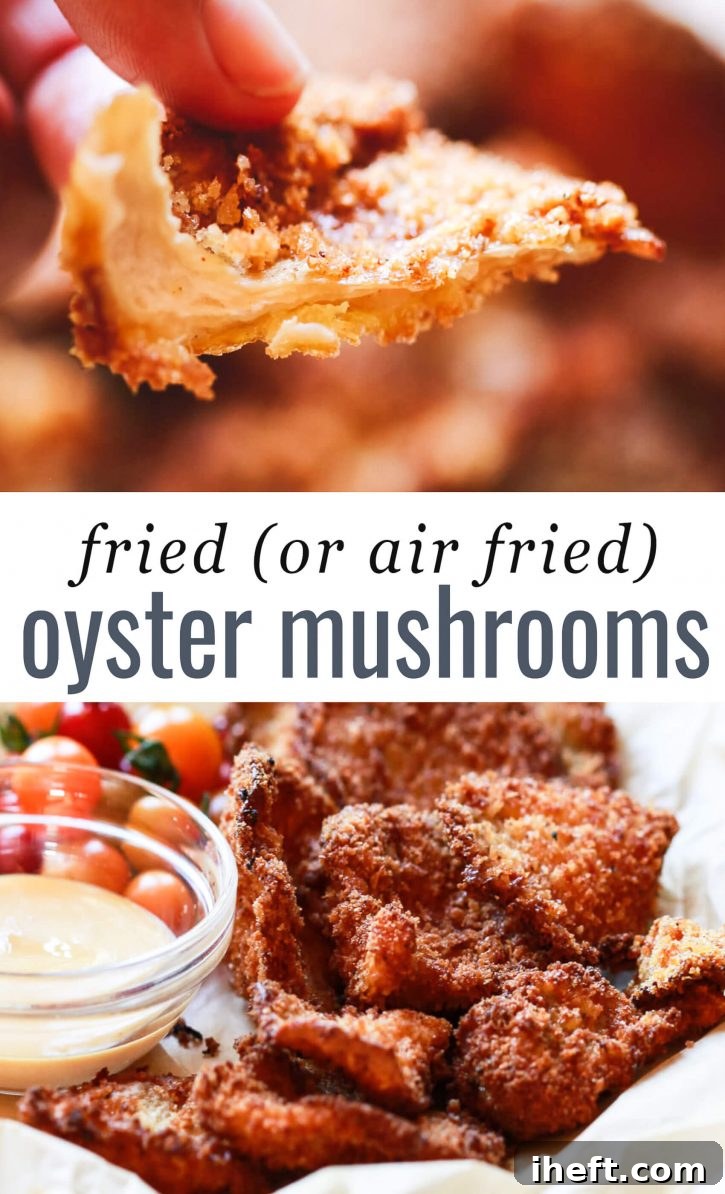
- Fry or Air Fry for Unbelievable Texture. Without a doubt, my absolute favorite—and admittedly, wonderfully addictive—way to prepare these mushrooms is to either shallow-fry or air fry them until they achieve an unparalleled crispness. The transformation is truly remarkable: the result is a gloriously crispy, meaty snack or side dish that surprisingly resembles fried chicken or tender fish fillets. This method accentuates their natural texture and mild flavor, making them incredibly satisfying. For a detailed guide on how to achieve this crispy perfection, don’t miss the complete recipe at the end of this post!
Fried Oyster Mushrooms: The Ultimate Vegan “Chicken Tender” Experience
While Lion’s Mane Mushrooms are renowned for their ability to shred like crab, making them perfect for vegan crab cakes, Oyster Mushrooms truly shine when breaded and fried. Their naturally mild flavor and wonderfully meaty yet tender texture make them an ideal candidate for mimicking the satisfying experience of traditional chicken tenders. The transformation is nothing short of incredible, yielding a crispy exterior and a juicy, substantial interior that will surprise and delight even the most committed carnivores.
This particular recipe for fried oyster mushrooms employs a similar technique to our popular Crispy Baked Tofu Nuggets, ensuring a perfectly crispy coating and a succulent, flavorful bite every time. Much like the tofu nuggets, these fried oyster mushrooms are incredibly versatile. They make for a fantastic, protein-rich afternoon snack, perfect for satisfying those savory cravings. Alternatively, they can be elevated to a main meal component when served atop a fresh, vibrant salad, tucked into warm sandwiches, or nestled within soft tacos for a plant-based twist on your favorite comfort foods. Get ready to experience a truly unique and delicious culinary delight that’s both comforting and exciting!
Other Delicious Oyster Mushroom Recipes to Explore
Beyond frying, oyster mushrooms lend themselves to an incredible variety of dishes. Here are some other inspiring recipes that highlight their versatility and deliciousness:
- Oyster Mushrooms Rockefeller: A sophisticated appetizer, reimagining the classic with a fungal twist.
- Mushroom Potpie: Comfort food at its finest, with hearty mushrooms taking center stage in a rich, savory filling.
- Vegan Mushroom Etouffée: A flavorful, plant-based take on a Louisiana classic, showcasing the umami of mushrooms.
- Oyster Mushroom Tacos: A vibrant and zesty option, perfect for a fun and healthy meal.
- Vegan No-Clam Chowder: A creamy, comforting soup that cleverly uses mushrooms to achieve a rich, savory depth without seafood.
Oyster Mushroom Recipe: Crispy Fried Oyster Mushrooms
10 minutes
15 minutes
25 minutes
These crispy fried oyster mushrooms are arguably the most delicious way to enjoy this versatile fungi! This comprehensive guide covers everything you need to know about oyster mushrooms, from the common Pearl to the exotic Pink and Blue varieties. This particular recipe transforms humble oyster mushrooms into a vegetarian and vegan-friendly delicacy reminiscent of classic chicken tenders – perfect for snacks or a savory main course.
Rated 4.9 out of 5 stars based on 9 reviews.
Ingredients
- 5 oz. oyster mushrooms (approximately 2 packages, preferably larger clusters)
- 1 1/2 cups breadcrumbs (Panko breadcrumbs for extra crispiness, or plain breadcrumbs)
- 1 teaspoon sea salt
- 1/2 teaspoon black pepper, freshly ground
- 1 teaspoon garlic powder
- 1 teaspoon paprika (smoked paprika can add depth)
- 1/4 teaspoon cayenne pepper (adjust to your spice preference)
- 2 large eggs or 2 flax eggs for a vegan alternative (1 tbsp ground flaxseed + 3 tbsp water per egg)
- 2 tablespoons plain almond milk (or other plant-based milk, or regular milk)
- Vegetable oil for frying, or cooking spray for air frying
Instructions
- Gently clean the oyster mushrooms using a damp paper towel to wipe away any dirt or debris. Avoid washing them under running water, as they can absorb too much moisture and become soggy. Carefully separate the mushroom clusters into individual pieces. Trim off any excessively tough or dirty stems, but try to retain as much of the meaty stem as possible, as it contributes to the delicious texture.
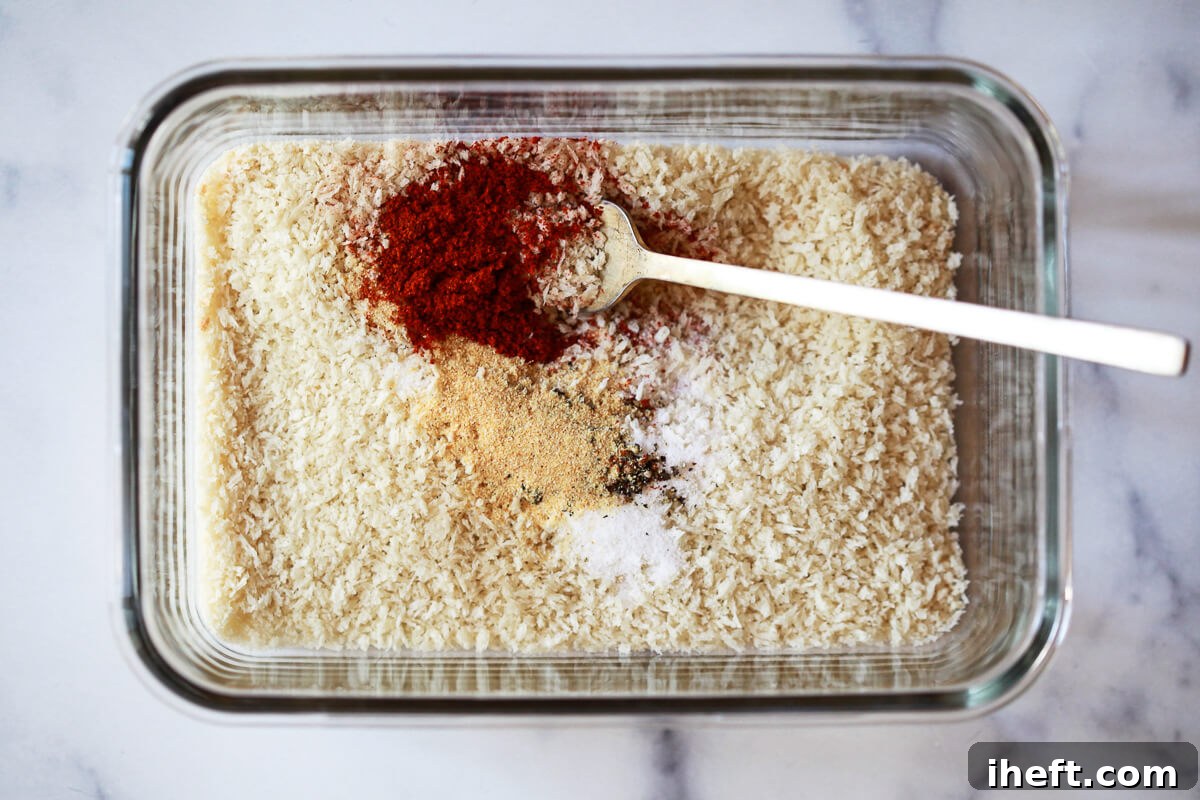
- In a shallow dish (a pie dish or wide bowl works perfectly for this), combine the breadcrumbs, sea salt, black pepper, garlic powder, paprika, and cayenne pepper. Stir well to ensure all the spices are evenly distributed throughout the breadcrumbs. Set this mixture aside.

- In a separate shallow dish, whisk together the eggs (or flax egg substitute) and almond milk until the mixture is smooth and thoroughly combined. This will serve as the binder for your breading.
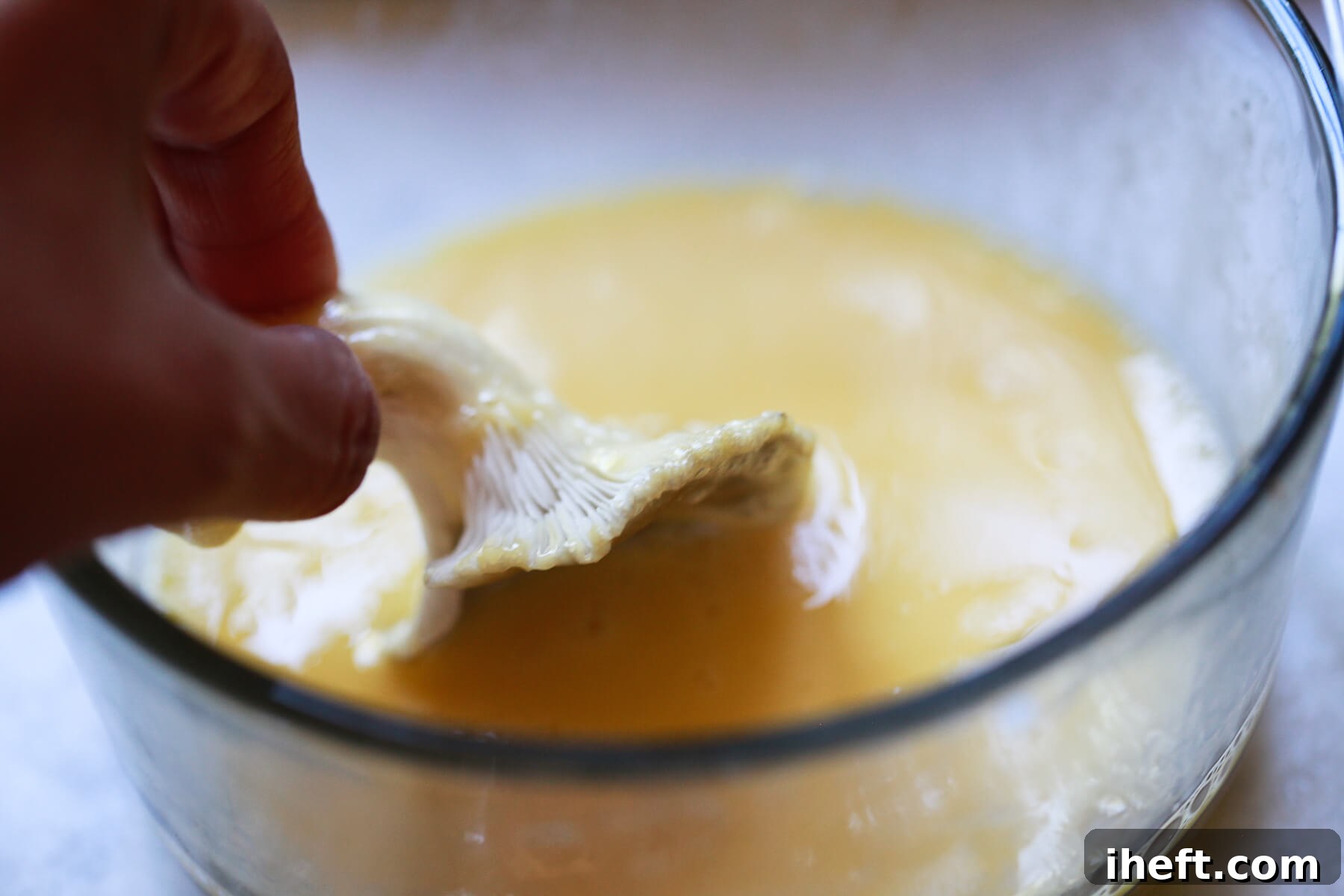
- Take one separated oyster mushroom and fully coat it in the whisked egg mixture, ensuring it is thoroughly moistened on all sides. Allow any excess egg mixture to drip off.
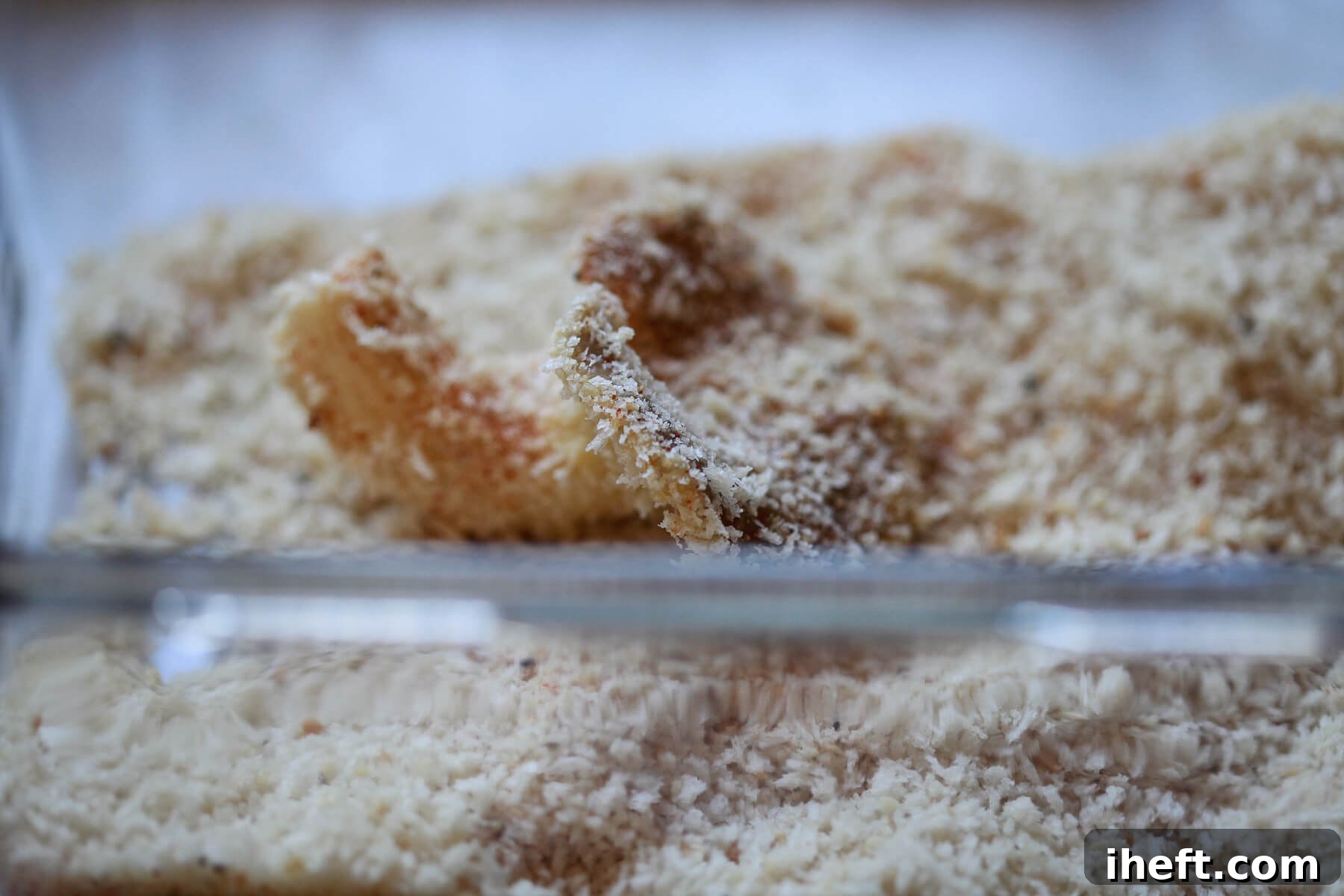
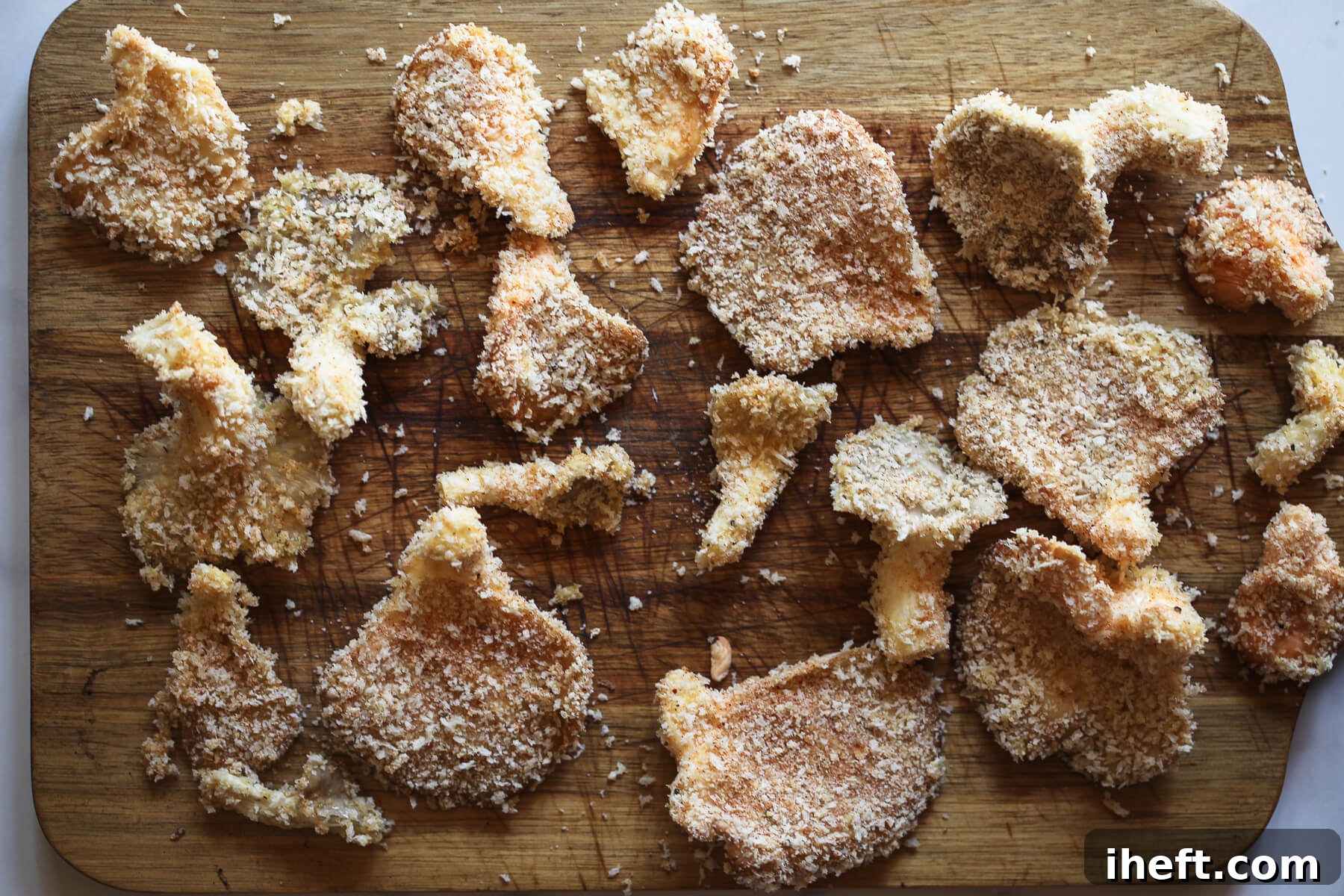
- Immediately transfer the egg-coated mushroom to the breadcrumb mixture. Gently press and turn the mushroom to ensure it is completely and evenly coated with the seasoned breadcrumbs. A good coating is key to achieving maximum crispiness.
- Repeat the dipping and breading process with the remaining oyster mushrooms until all pieces are well-coated in the flavorful breadcrumb mixture. Arrange them on a plate or baking sheet, ready for cooking.
- For Air Frying: Preheat your air fryer to 375°F (190°C). For Pan Frying: Heat about 1 inch of vegetable oil in a deep, medium-sized saucepan or Dutch oven over medium-high heat. The oil is ready when it reaches approximately 350-375°F (175-190°C) or when a small piece of breadcrumb sizzles immediately upon contact.
- If using the air fryer: Arrange the breaded mushrooms in a single layer in the air fryer basket, ensuring not to overcrowd it (cook in batches if necessary). Liberally coat the mushrooms with cooking spray to help achieve a golden, crispy crust. Air fry for about 15 minutes, flipping them halfway through and checking occasionally, until they are beautifully crisp and golden brown.
- If pan frying: Carefully add just a few of the breaded mushrooms at a time to the hot oil. Avoid overcrowding the pan to maintain oil temperature and ensure even cooking. Fry, turning once or twice with tongs, until they are crisp and golden on all sides, usually about 1-2 minutes per side.
- Once cooked, remove the fried oyster mushrooms from the oil or air fryer and place them on a plate lined with paper towels to absorb any excess oil. This step is crucial for maintaining their crispiness.
- Serve and enjoy these crispy fried oyster mushrooms immediately while they are warm. While they are best fresh, if you have leftovers, they may lose some crispness after about 30 minutes. You can easily revive them by popping them back into an air fryer or toaster oven for a few minutes until they are crispy again.
Notes
For the best “meaty” texture in this fried oyster mushroom recipe, aim to choose the largest oyster mushroom clusters you can find at the market. Their robust size will provide a more satisfying bite, akin to traditional chicken tenders. I do not recommend substituting any other type of mushroom for this specific recipe, as the unique structure and mild flavor of oyster mushrooms are key to its success.
Nutrition Information:
Yield: 3
Serving Size: 1
Amount Per Serving (estimated):
Calories: 366Total Fat: 14gTrans Fat: 0gUnsaturated Fat: 10gCarbohydrates: 44gFiber: 5gSugar: 4gProtein: 16g
Nutrition information is automatically calculated by Nutritionix based on typical ingredient values and is an estimate only. I am not a nutritionist and cannot guarantee absolute accuracy. If your health or dietary needs depend on precise nutrition information, please recalculate with your preferred nutrition calculator using the specific brands and quantities of ingredients you use.
We hope this guide inspires you to explore the wonderful world of oyster mushrooms! Their unique flavors, diverse textures, and incredible versatility make them a rewarding addition to any culinary repertoire. From the delicate Pearl to the vibrant Pink and the robust King, each variety offers a distinct experience. Whether you choose to sauté, roast, or indulge in the crispy delight of our fried oyster mushroom recipe, you’re in for a treat. Don’t hesitate to experiment with these fantastic fungi – your taste buds will thank you!
Sources:
http://mycoterrafarm.com/mushroom-varieties/