Mastering the Flax Egg
Welcome to the essential guide on creating a versatile flax egg substitute, perfect for enhancing your plant-based baking and culinary adventures. Whether you follow a vegan diet, manage egg allergies, or simply find yourself without eggs in the kitchen, mastering the flax egg is a fundamental skill that will open up a world of possibilities. This simple, natural, and highly nutritious egg alternative is not only easy to prepare but also a healthy addition to many recipes, offering a host of benefits that traditional eggs do not.
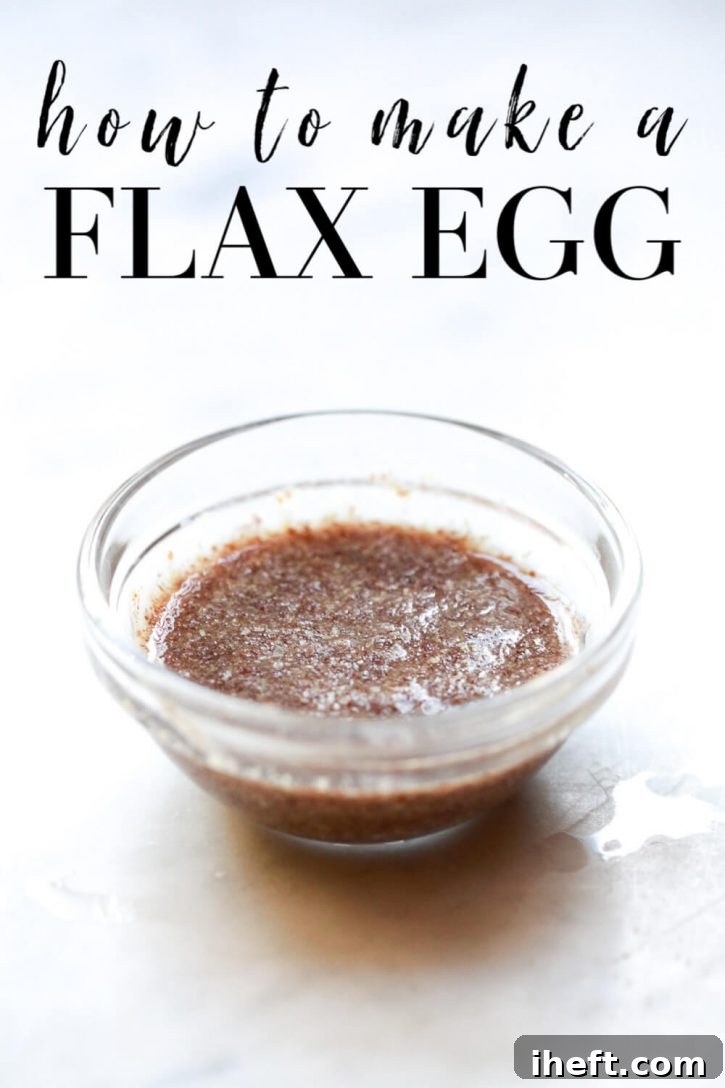
Among the myriad of egg substitutes available today, from aquafaba and silken tofu to mashed bananas and chia seeds, the flax egg stands out as one of the most popular and reliable options. Flaxseeds themselves are nutritional powerhouses, rich in Omega-3 fatty acids (specifically ALA), dietary fiber, and lignans. These components contribute to heart health, improved digestion, and antioxidant benefits, making flaxseeds a smart choice for any balanced diet. Incorporating flaxseeds into your meals, whether in smoothies like a vibrant Green & Glowing Smoothie or a delightful Blueberry Banana Smoothie, or sprinkled over salads, yogurt, and cereal, is an excellent way to boost your nutrient intake. When transformed into a flax egg, they become an invaluable ingredient in vegan baking and beyond.
Understanding the Flax Egg: Nature’s Binder for Plant-Based Cooking
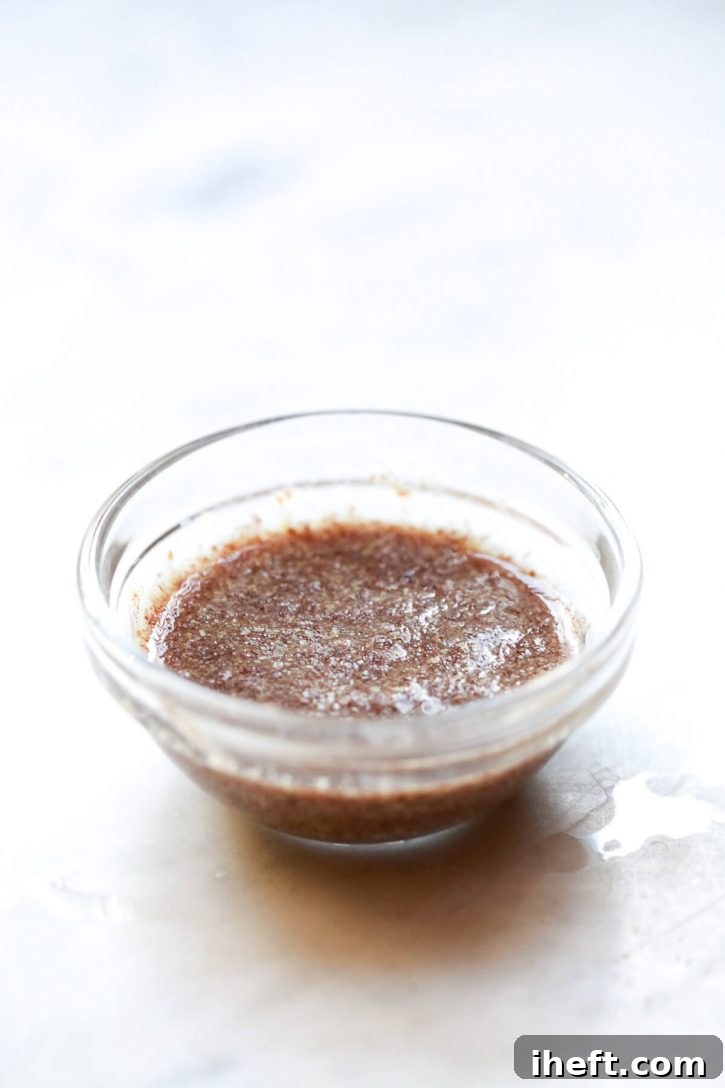
So, what exactly is a flax egg? Despite its name, this mixture of ground flaxseeds (often called flax meal) and water is not an actual egg. Instead, it’s a brilliant vegan innovation that leverages the natural properties of flaxseeds to mimic the binding capabilities of an egg in recipes. When ground flaxseeds come into contact with liquid, they absorb it and release a mucilaginous gum, creating a gelatinous, somewhat gooey texture that effectively holds ingredients together. This makes it an indispensable binder, particularly in recipes where eggs are primarily used for structure and cohesion rather than leavening.
I’ve personally witnessed the impressive results of using this plant-based egg substitute in a wide array of dishes. From ensuring cookies maintain their delightful chewiness and brownies achieve their desired fudgy consistency, to even serving as a plant-based adhesive for breadcrumbs on crispy tofu nuggets, the flax egg consistently delivers. Its neutral flavor ensures it won’t overpower your dish, making it an ideal, discreet helper in vegan and egg-free cooking.
From Seed to Binder: How to Make Flax Meal
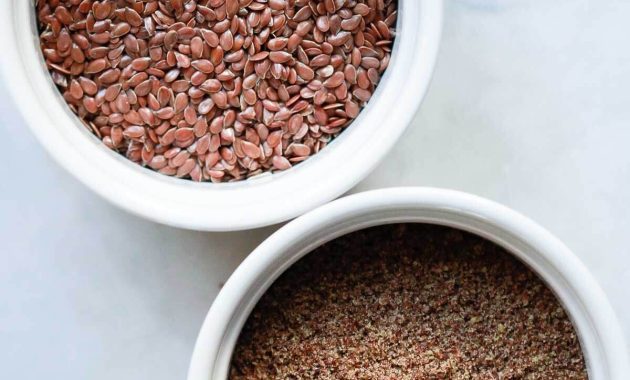
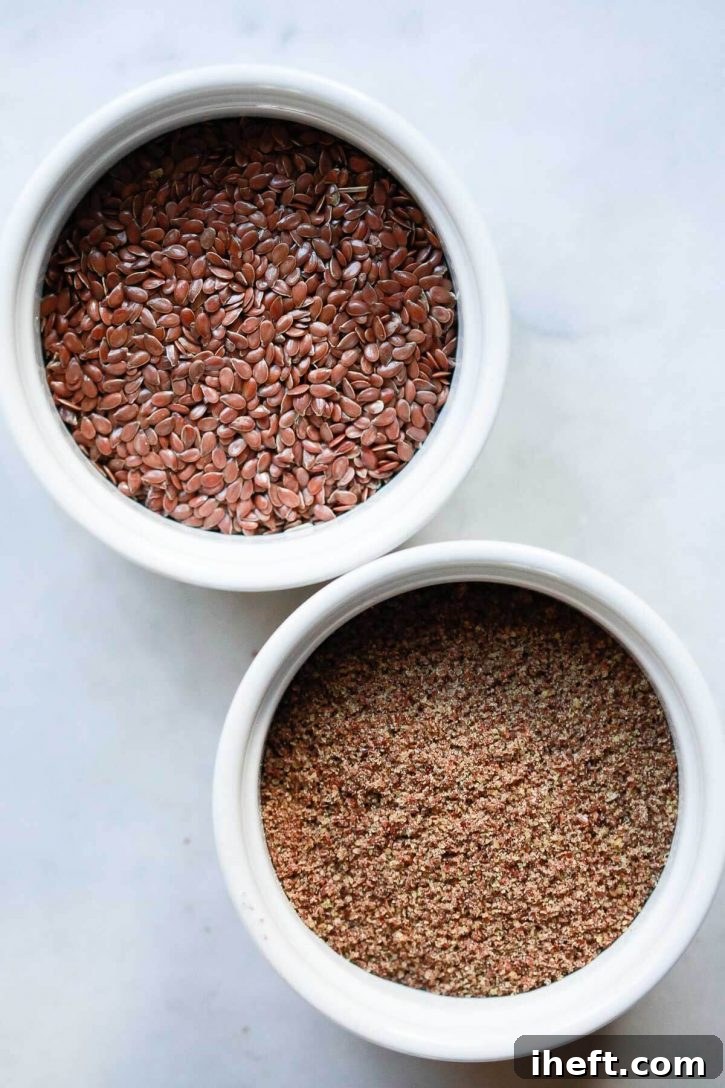
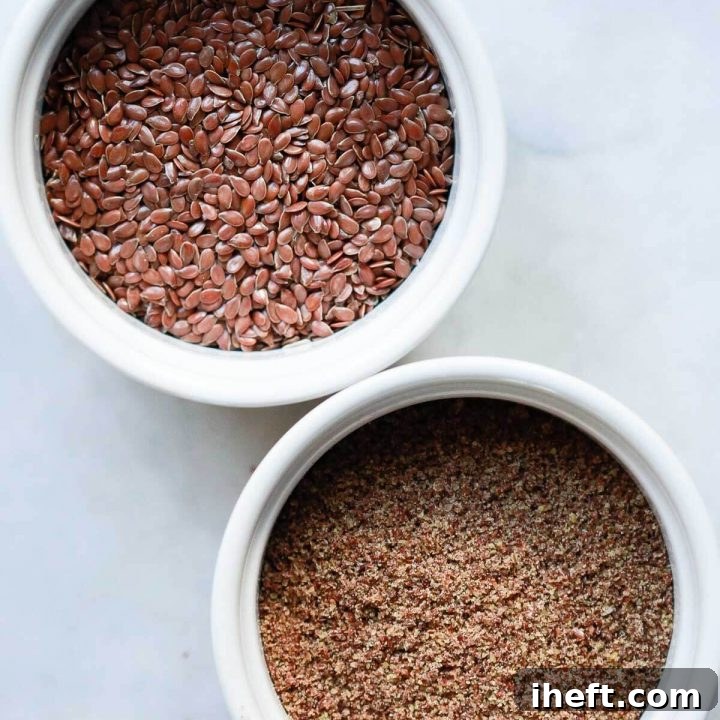
The foundation of any successful flax egg is good quality flax meal. You can readily purchase pre-ground flax meal in bags from most grocery stores and health food shops. Reputable brands like Bob’s Red Mill offer excellent options. However, for maximum freshness and nutritional benefits, I highly recommend grinding your own flax meal from whole flaxseeds. This ensures that the delicate Omega-3 fatty acids are preserved until just before use, preventing rancidity and maintaining potency.
Making your own flax meal is incredibly simple and takes mere seconds. All you need are whole flaxseeds and a kitchen appliance capable of grinding them finely. A dedicated coffee grinder (kept separate from coffee beans to avoid flavor transfer), a spice grinder, or even a high-speed blender will do the trick. Simply add the desired amount of whole flaxseeds to your chosen device and process until a fine, flour-like meal is achieved. Avoid over-processing, as this can turn the meal into a paste due to the oils being released.
I prefer to buy whole flaxseeds in bulk and store them in an airtight container in the freezer, which significantly extends their shelf life. Then, I grind small batches of flax meal as needed, storing the freshly ground meal in a sealed mason jar in the refrigerator. This approach not only guarantees freshness but also makes the flax meal more easily digestible than whole seeds, allowing your body to better absorb their valuable nutrients. The hard outer shell of whole flaxseeds can be difficult for the digestive system to break down, so grinding ensures you get the full nutritional punch.
The Essential Guide: How to Make a Flax Egg Substitute
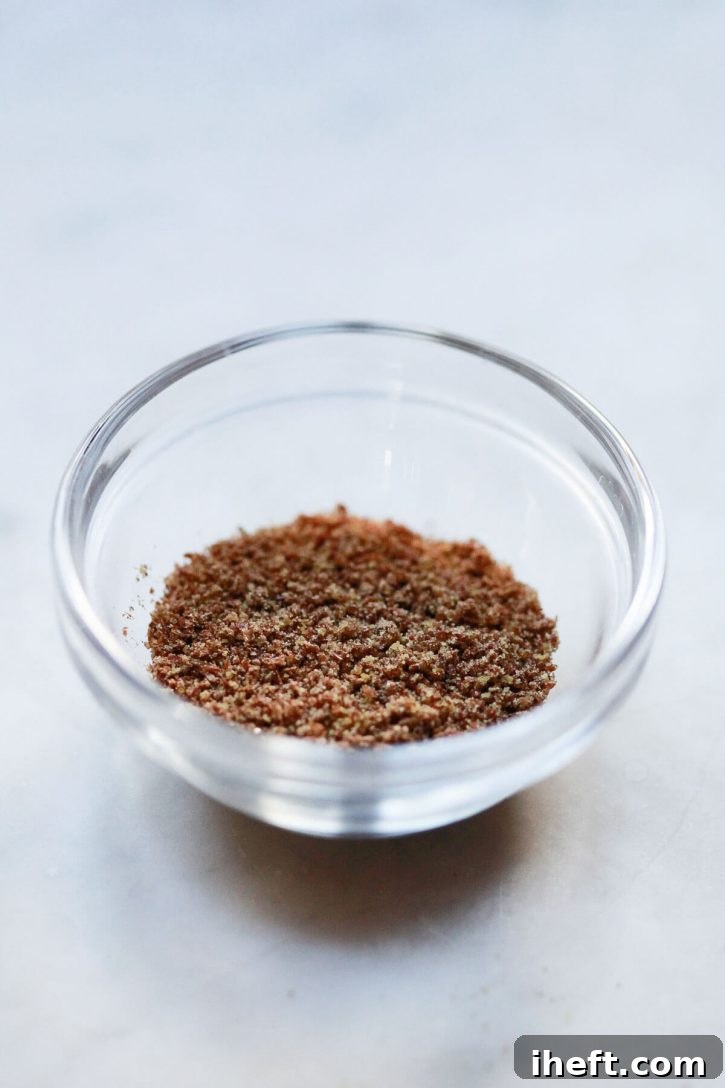
Creating a flax egg is remarkably straightforward, requiring only two basic ingredients: flax meal and water. The magic lies in understanding the correct ratio and allowing adequate time for the gelling process to occur.
Mastering the Flax Egg Ratio
Just like perfecting the consistency of a chia pudding, making a flax egg is easy once you commit one simple ratio to memory: 1 part flax meal to 3 parts water. This ratio is designed to produce a gelatinous mixture that effectively mimics the binding properties of one large chicken egg.
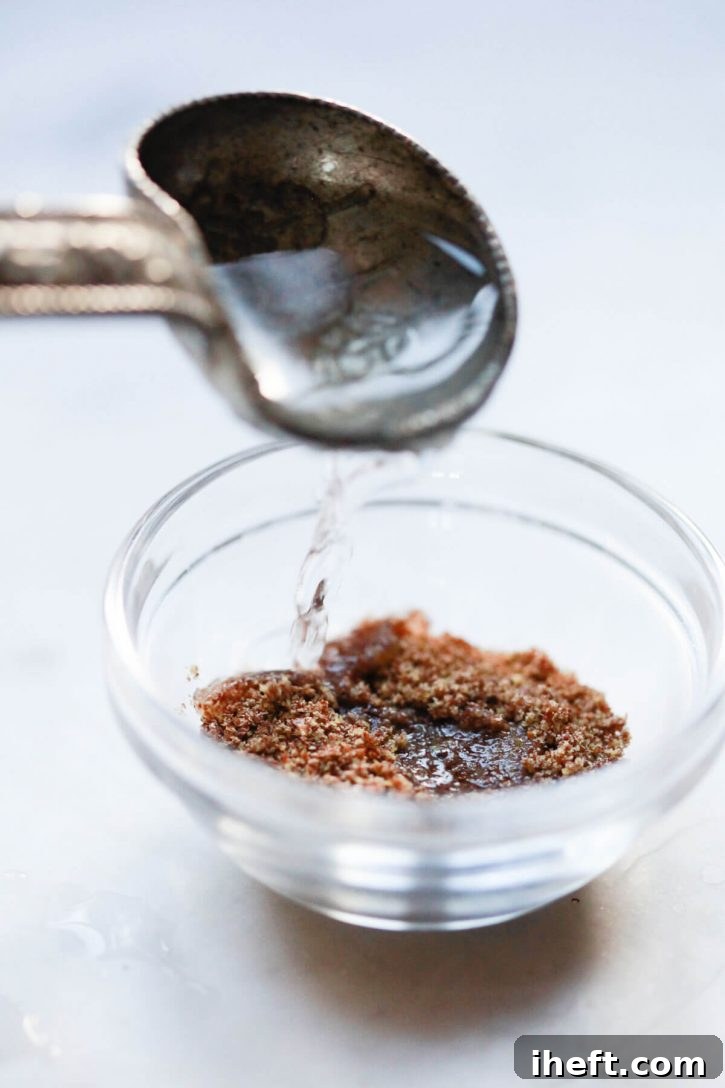
To prepare a single flax egg, combine 1 tablespoon of flax meal with 3 tablespoons of water in a small bowl. Use a fork or a small whisk to thoroughly combine the ingredients, ensuring there are no dry pockets of flax meal. Once mixed, let the bowl sit undisturbed for approximately 5 minutes. During this time, the flax meal will absorb the water and transform into a thick, gelatinous consistency, similar to that of a raw egg white. This thickening indicates your flax egg is ready to be used in your favorite recipes. Using warm water can slightly speed up this gelling process, which is a useful tip when you’re short on time.
Recipes that Shine with Flax Eggs
The flax egg is a star performer in many baking applications where its primary role is to bind ingredients together. It’s particularly excellent for dishes that don’t rely heavily on eggs for leavening. Here are some fantastic recipes where flax eggs truly make a difference, providing structure and moisture without the need for animal products:

- Oatmeal Raisin Cookies: The flax egg ensures these cookies are perfectly chewy and hold their shape beautifully.
- Salted Brownies: Achieve that classic fudgy, dense brownie texture with the binding power of flax.
- Peanut Butter Breakfast Cookies: Flax eggs help keep these wholesome cookies together for a convenient morning treat.
- Gluten Free Vegan Pumpkin Muffins: Essential for moist and tender muffins that don’t crumble apart.
- Vegan Lentil “Meatloaf”: Provides the necessary binder to keep savory loaves and burgers from falling apart during cooking.
- Pancakes & Waffles: Helps create a tender crumb and holds the batter together, ensuring fluffy results.
- Quick Breads (like banana bread or zucchini bread): Contributes to the moistness and structure of these comforting baked goods.
Expert Flax Egg Tips for Success
To ensure your flax egg endeavors are always a success, keep these handy tips in mind:
- Warm Water for Speed: If you’re in a hurry, use warm (not hot) water to mix with your flax meal. It significantly accelerates the gelling process, getting your flax egg ready faster.
- Chia Seed Alternative: Don’t have flaxseeds on hand? Ground chia seeds work similarly! Just use the same 1:3 ratio of ground chia seeds to water. Chia seeds also form a gel and are an excellent binder.
- Quantity Matters: A single flax egg is perfect for replacing one chicken egg. You can easily double the recipe to make two flax eggs. However, I generally don’t recommend substituting more than two to three flax eggs for chicken eggs in a single recipe. Flax eggs are binders, not leavening agents. In recipes requiring many eggs for structure and lift (like custards, soufflés, or airy cakes), flax eggs may alter the final texture and density, making them heavier or less airy than desired. For such recipes, other egg substitutes or specific vegan baking techniques might be more appropriate.
- Storage: While best used fresh, a prepared flax egg can be stored in an airtight container in the refrigerator for up to 1-2 days. It might thicken further upon refrigeration, but it will still be effective.
Flax Egg
5 minutes
5 minutes
How to make a flax egg substitute for baking and other recipes. A flax egg is a great vegan egg substitute for baking cookies, brownies, pancakes, and more.
Ingredients
- 1 tablespoon flax meal
- 3 tablespoons warm water
Instructions
- Place the flax meal in a small bowl.
- Pour the water over the flax meal and whisk to combine.
- Let sit for 5 minutes, or until gelatinous.
- Use to replace 1 egg.
Notes
To grind fresh flax meal, simply blend whole flaxseeds in a blender, coffee grinder, or spice grinder.
Your flax egg will gel faster when using warm water.
Flax eggs work well for cookies, brownies, pancakes, and muffins. They do not work well for all recipes, especially those that are egg-based such as omelets, or require more than 2 eggs.
Nutrition Information:
Yield: 1
Serving Size: 1
Amount Per Serving:
Calories: 35Total Fat: 3gSaturated Fat: 0gTrans Fat: 0gUnsaturated Fat: 2gCholesterol: 0mgSodium: 4mgCarbohydrates: 2gFiber: 2gSugar: 0gProtein: 1g
Nutrition information is automatically calculated by Nutritionix. I am not a nutritionist and cannot guarantee accuracy. If your health depends on nutrition information, please calculate again with your favorite calculator.