Legumes Decoded Your Essential Guide to Power Packed Plants
Welcome to the ultimate guide on legumes! Have you ever found yourself pondering, “What are legumes?” or “Are beans truly legumes?” Perhaps even, “What about peanuts – where do they fit in?” This comprehensive article is designed to answer all your questions, providing deep insights into everything you need to know, from the fundamental differences between legumes and beans to an extensive list of varieties, their incredible nutritional benefits, and essential cooking techniques. Get ready to unlock the full potential of these versatile and vital foods!
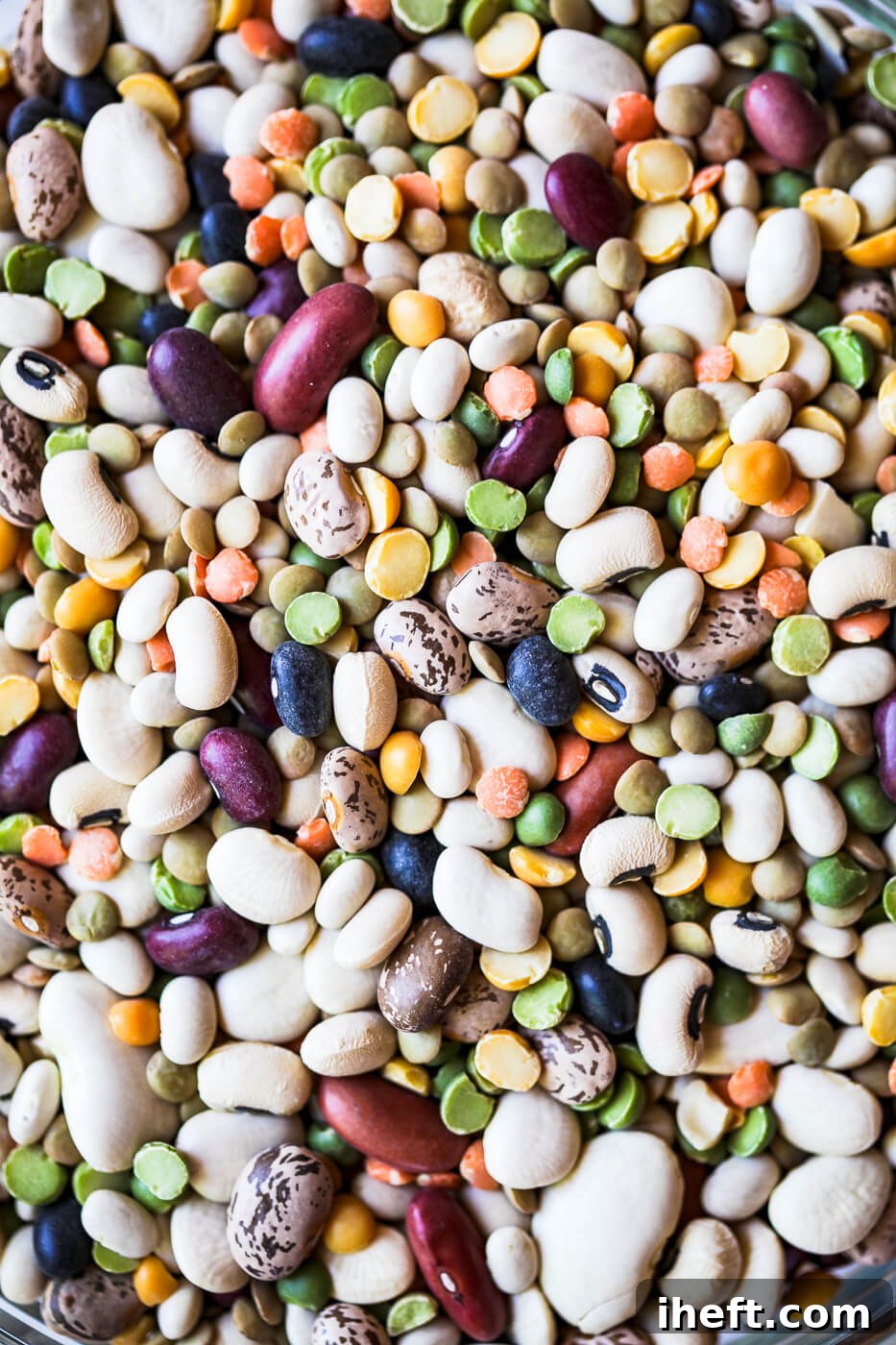
Legumes are a cornerstone of plant-based diets and an invaluable addition to any pantry. Bursting with essential protein, rich in dietary fiber, and incredibly filling, it’s no surprise they are highly favored by vegans and vegetarians worldwide. Beyond their popularity in plant-forward cuisines, legumes are a commonplace ingredient in countless traditional dishes across various cultures. However, for many in Western culinary circles, they often remain a bit of a mystery. Fear not, for this guide will demystify legumes, equipping you with all the knowledge to confidently incorporate them into your daily meals.
What Exactly Are Legumes?
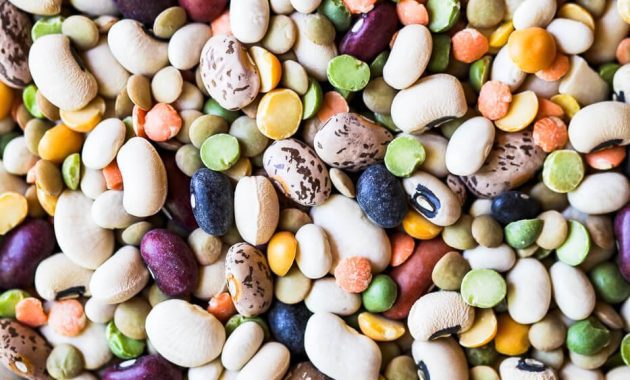
To truly understand the power of these incredible foods, let’s start with a clear definition: what exactly are legumes? Botanically speaking, a legume refers to any plant within the Fabaceae family (also known as Leguminosae) that produces a pod containing edible seeds. This broad classification means the term “legume” encompasses an astonishing diversity of plants. In fact, scientists have identified more than 19,000 species of legumes, making them one of the largest plant families on Earth!
While the family is vast, most of the legumes commonly consumed by humans fall into specific, recognizable categories. These include soybeans, various types of pulses (which are dried edible legumes like lentils, chickpeas, and dried beans), fresh peas, and even peanuts. It’s highly probable that you’ve already enjoyed several of the more common varieties, perhaps without realizing their shared botanical lineage. From ancient civilizations to modern kitchens, legumes have played a crucial role in human nutrition and agriculture for thousands of years, revered for their versatility, nutritional density, and sustainability.
Legumes vs. Beans: Unraveling the Distinction
One of the most frequently asked questions is, “Are beans legumes?” The answer is a clear but nuanced “yes, but not always.” All beans are indeed legumes, as they fit the botanical definition of being seeds grown in pods. However, not all legumes are beans. This distinction is important for clarity.
Think of it this way: “legume” is the umbrella term for the entire plant family that produces pods with seeds inside. “Beans” represent a specific subset of this family – typically referring to the dried seeds of certain leguminous plants. Other members of the legume family include lentils, which are small, disc-shaped seeds, and peas, which are usually spherical. Peanuts are another interesting example; despite their common name, they are botanically legumes, not nuts, because they grow underground in a pod. So, while a kidney bean is a legume, a lentil is also a legume, but it’s not a bean. This understanding helps in navigating the diverse world of leguminous foods.
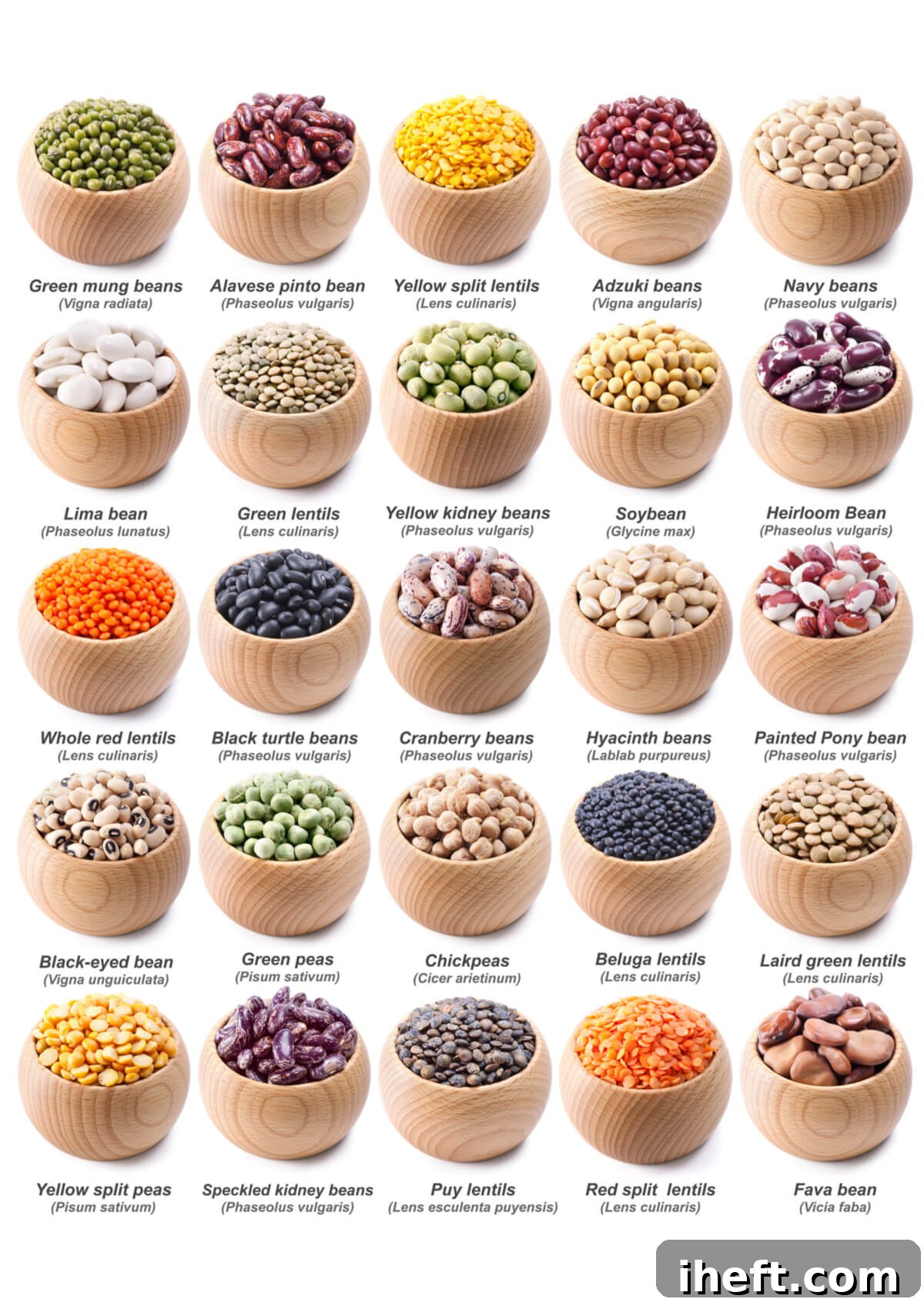
A Comprehensive Legumes List: Popular Varieties to Explore
The world of legumes is incredibly diverse, offering a rich array of flavors, textures, and culinary applications. Here’s a look at some of the most popular and widely consumed varieties, perfect for any kitchen:
Black Beans

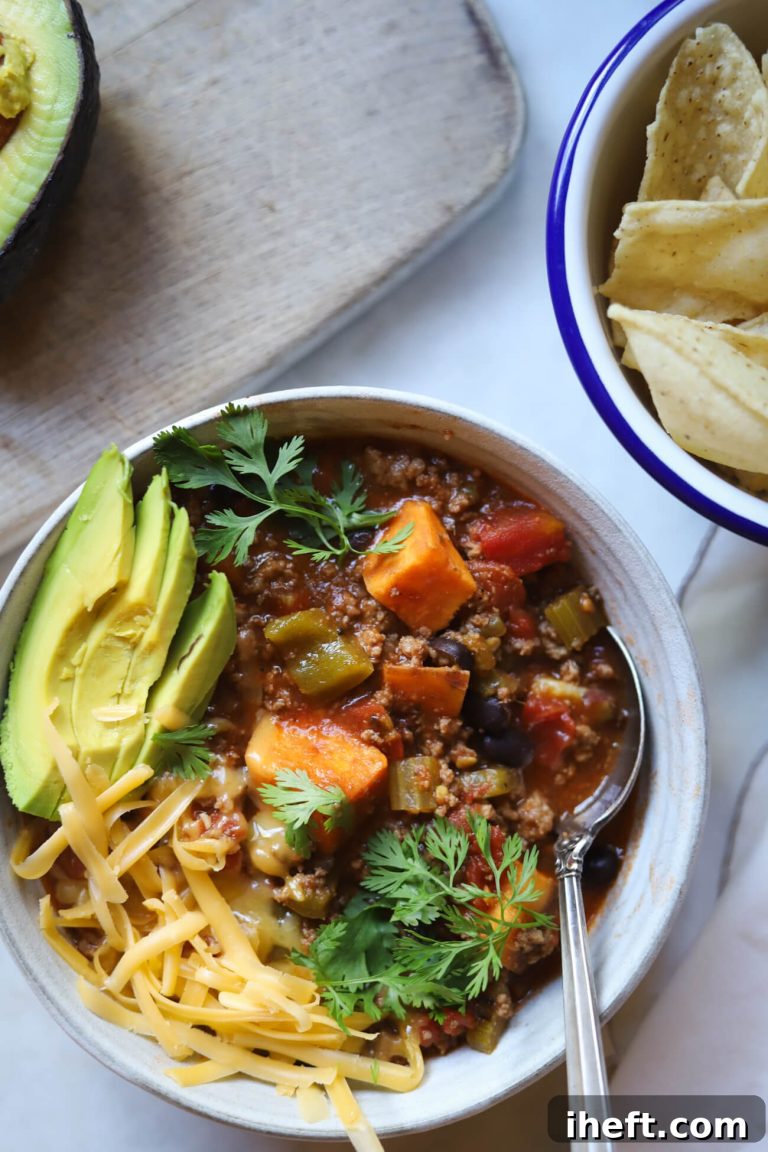
Black beans are a staple in Latin American, Caribbean, and Southern U.S. cuisines, especially revered for their earthy flavor and creamy texture. They are incredibly versatile, forming the base for delicious soups, stews, and side dishes. Try an easy no-soak method for Instant Pot Black Beans, then incorporate them into flavorful tacos, burritos, salads, or even as a hearty breakfast component.
Chickpeas (Garbanzo Beans)
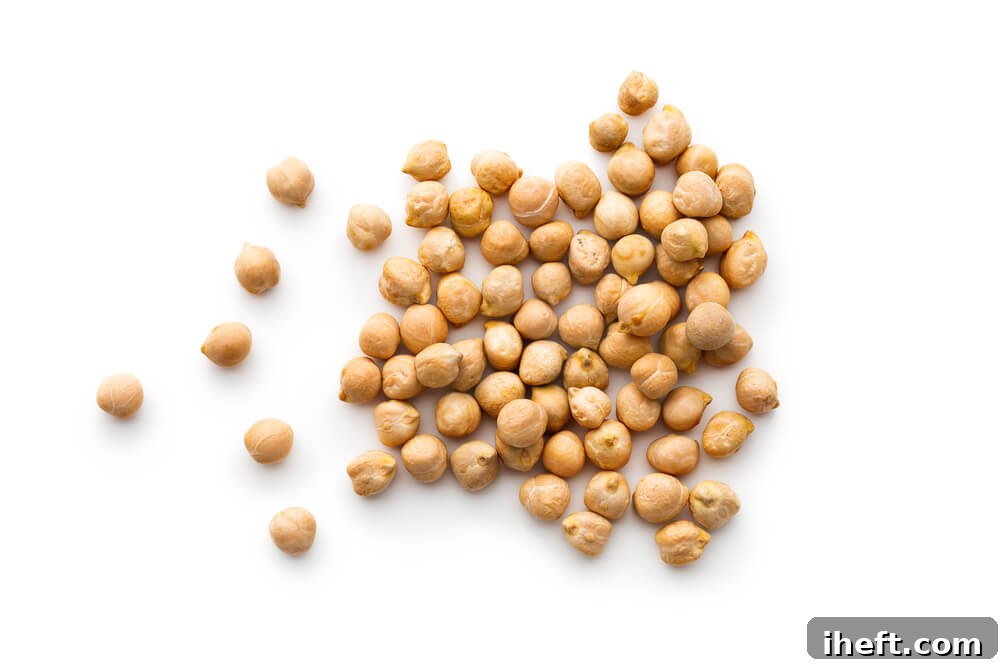
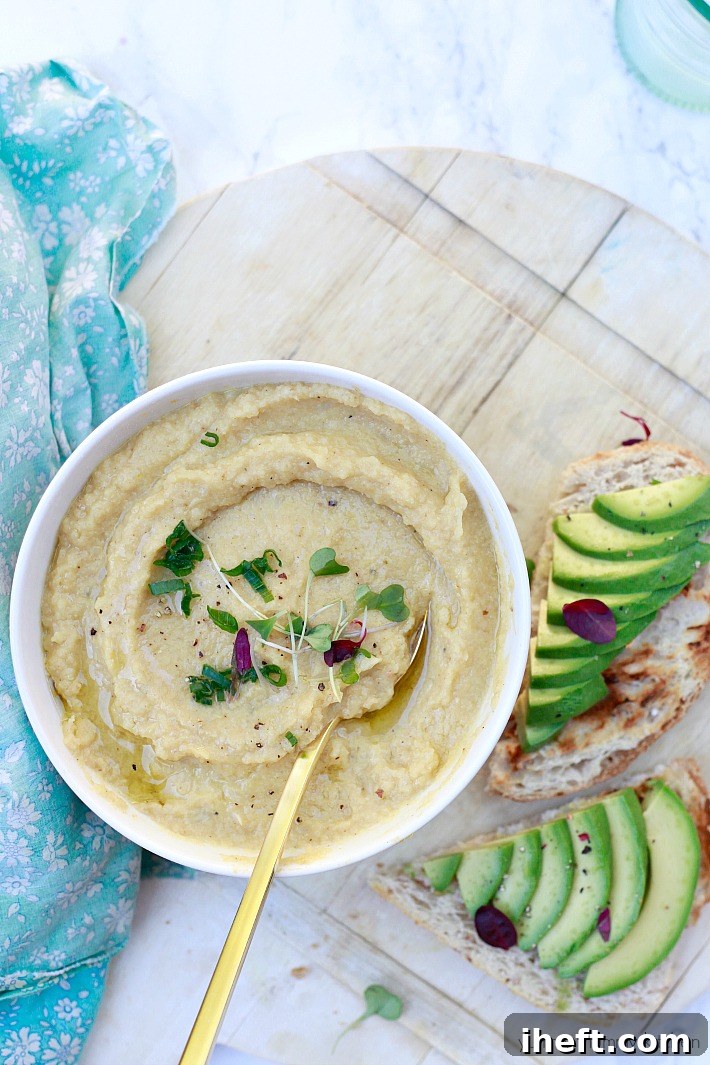
Chickpeas, also known as garbanzo beans, are one of the most versatile legumes. Their firm texture and nutty flavor make them perfect for a wide range of dishes. Roast cooked chickpeas until crispy for a satisfying, salty snack, use them to add substance to a vegan Chickpea Vegetable Soup, or make classic, creamy hummus completely from scratch. They are also excellent in curries, salads, and Mediterranean dishes.
Black-Eyed Peas
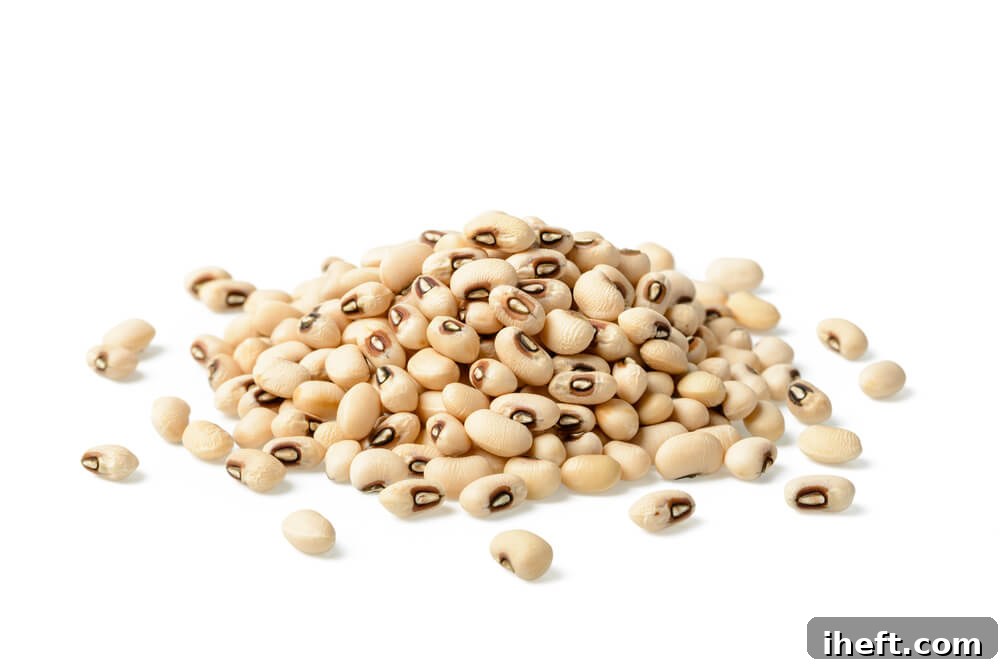
Black-eyed peas are celebrated in Southern American cooking, particularly for New Year’s Day traditions, and are also a beloved ingredient in Mediterranean and African cuisines. Their distinctive earthy taste and slightly firm texture make them ideal for stews and side dishes. A popular and delicious way to enjoy them is in this Mediterranean Black Eyed Peas with Greens recipe.
Pinto Beans
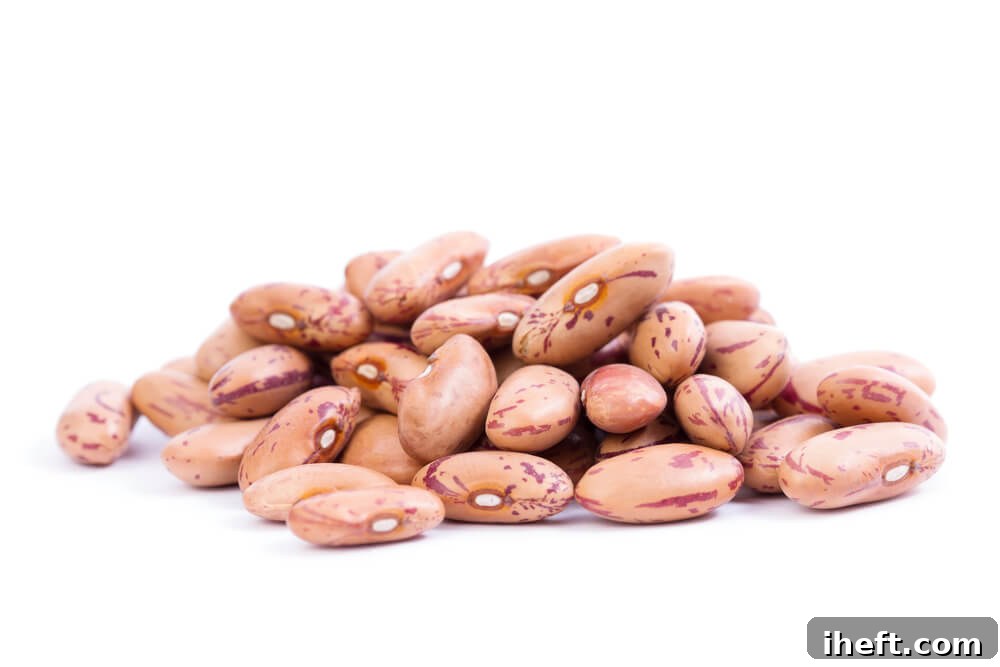
Pinto beans are another favorite, especially in Mexican cooking, where they are often refried or used in hearty bean dishes. Their mild, creamy flavor and tender texture make them incredibly adaptable. Discover how to prepare a delicious Pinto Beans Recipe for the Instant Pot, Crockpot, or Stovetop, perfect for burritos, chili, or as a flavorful side dish.
Soybeans (Edamame, Tofu, Tempeh)
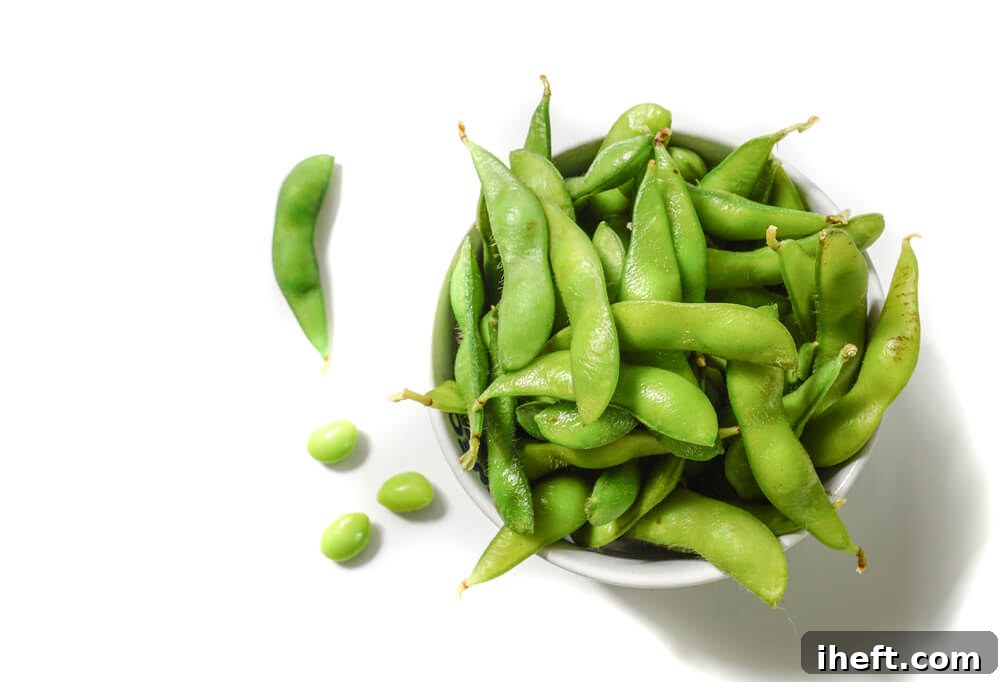
Soybeans are arguably the most prominent source of plant-based high-protein, available in numerous forms. From fresh edamame pods to versatile tofu, fermented tempeh, and widely consumed soy milk, their culinary applications are endless. While some perceive soy and tofu as modern or even controversial ingredients, they have been a dietary cornerstone in Asian countries for centuries, cherished for their nutritional value and culinary adaptability. You’ll love the unique flavor and creamy texture of Edamame Hummus, offering a fresh twist on a classic dip.
Lentils (Green, Red, Puy)
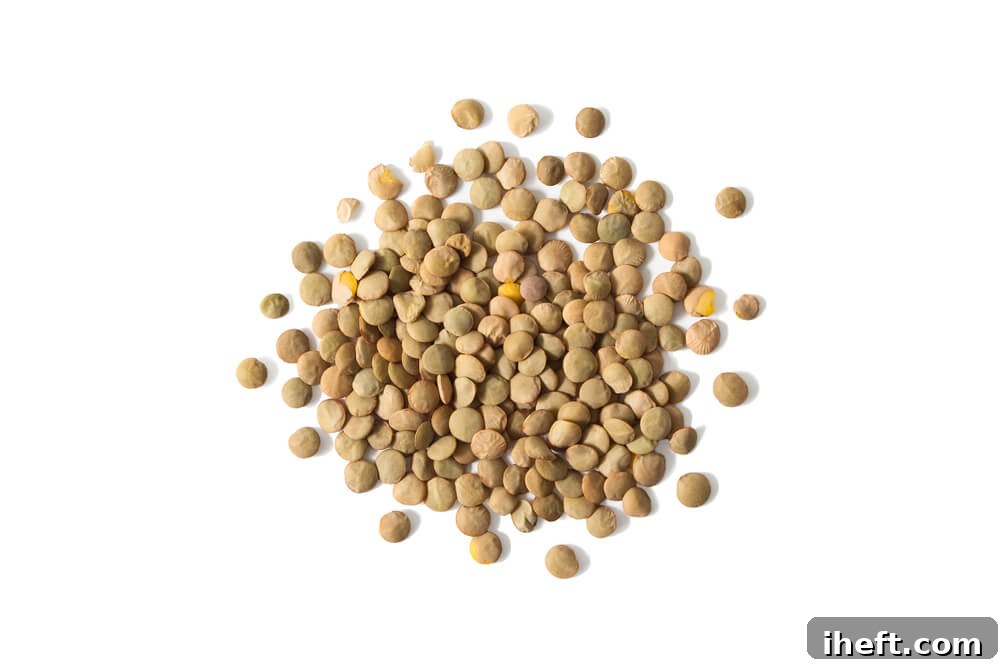
Lentils are small, disc-shaped legumes known for their quick cooking time and earthy flavor. They come in several varieties, each with distinct characteristics. The most common types include black puy lentils (often called French lentils), green lentils, and red lentils. Green and puy lentils hold their shape well, making them ideal for salads and hearty side dishes, while red lentils break down easily, perfect for creamy soups and daals. Our Lentils 101 article provides a deeper dive into their differences and best uses.
Peas (Split Peas, Green Peas)
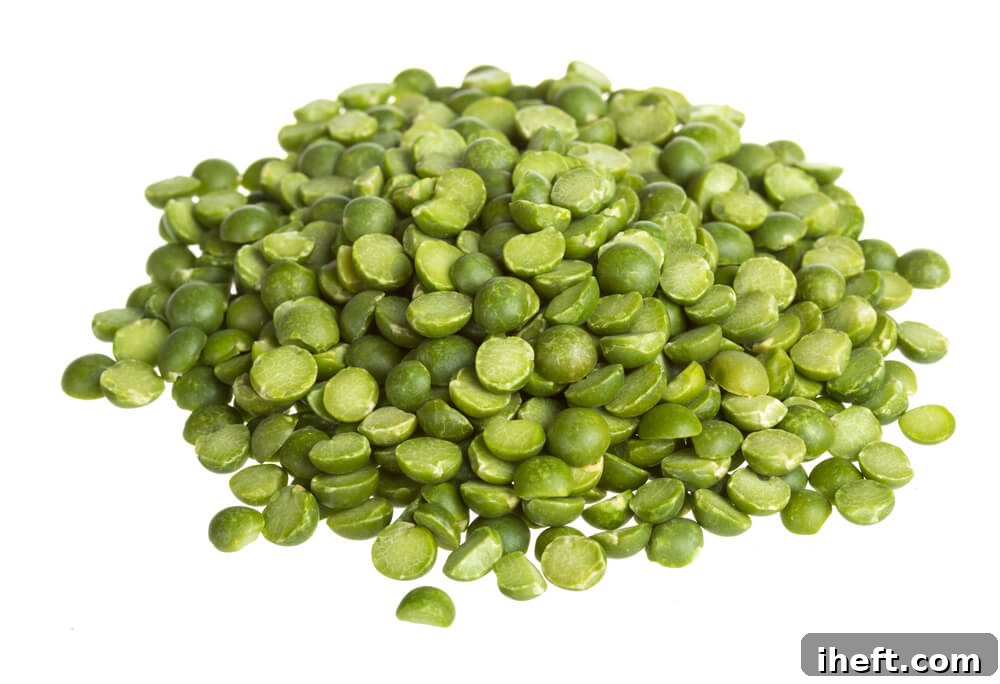
Peas are another popular and incredibly versatile legume enjoyed globally. Whether eaten fresh as sweet green peas, in their pod as snap peas, or dried and split for traditional dishes, they offer a delightful flavor and texture. You’ve likely enjoyed them in a comforting Split Pea Soup, as a vibrant addition to stir-fries, or simply shelled and steamed as a side vegetable. Their widespread appeal speaks to their adaptability in various cuisines.
Peanuts
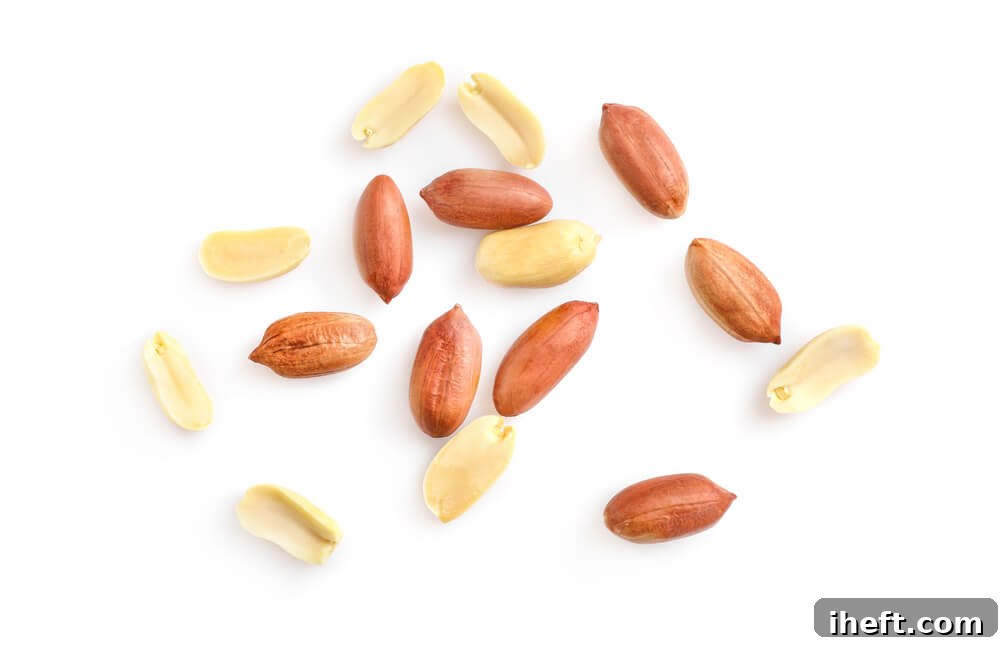
While often categorized as nuts in culinary terms, peanuts are botanically legumes. According to the Peanut Institute, they are distinctly different from tree nuts like walnuts and almonds because they grow underground in a pod, rather than on trees. This classification highlights their unique agricultural and botanical traits within the legume family. Peanuts are incredibly rich in protein and healthy fats, making them a popular snack, a key ingredient in sauces, and the star of beloved peanut butter.
Other Notable Legumes
The legume family extends far beyond these popular varieties. Other notable members include Adzuki Beans (common in Asian desserts), Cannellini Beans (white kidney beans, popular in Italian dishes), Fava Beans (broad beans, a Mediterranean favorite), Gigantes Beans (large white beans, essential in Greek cuisine), Kidney Beans (renowned for chili), and Mung Beans (often sprouted or used in Indian daals).
The Nutritional Powerhouse: Why Legumes Are Essential for Health
Are legumes healthy? The answer is an emphatic and resounding “yes!” Legumes are nutritional powerhouses, offering an impressive array of benefits that make them an essential component of a balanced diet.
Rich in Protein
Legumes are an exceptional source of plant-based protein, making them an invaluable food choice for vegetarians, vegans, and anyone looking to reduce their meat intake. For individuals following a plant-based diet, protein intake is often a significant consideration, and legumes provide a robust solution. Even better, some legumes, such as soybeans, are considered “complete proteins,” meaning they contain all nine essential amino acids that the human body cannot produce on its own. Finding complete proteins from plant sources is relatively rare, making legumes like soybeans an outstanding addition to any diet focused on optimal nutrition.
Abundant in Fiber
Beyond protein, legumes are incredibly rich in dietary fiber, both soluble and insoluble. This high fiber content is crucial for digestive health, promoting regularity and preventing constipation. It also plays a vital role in blood sugar control, slowing down the absorption of glucose and preventing spikes. Furthermore, the fiber in legumes contributes significantly to satiety, helping you feel fuller for longer, which can aid in weight management and reducing overall caloric intake.
Packed with Vitamins and Minerals
Legumes are also a fantastic source of various essential minerals and vitamins, contributing to numerous bodily functions. While the specific micronutrient profile varies by type, they consistently offer impressive nutritional value. Here are a few common examples to illustrate their richness:
Lentils Nutritional Profile (One Cup, Cooked):
- Calories: 230
- Carbohydrate: 40g
- Protein: 18g
- Fiber: 16g
- Folate: 90% of the RDA (Recommended Dietary Allowance)
- Potassium: 21% of the RDA
- Iron: 37% of the RDA
- Magnesium: 18% of the RDA
- More than 10% of the RDA for Vitamins B1, B3, B5, and B6
Chickpeas Nutritional Profile (One Cup, Cooked):
- Calories: 269
- Carbohydrate: 47g
- Protein: 14g
- Fiber: 12g
- Folate: 70% of the RDA
- Iron: 26% of the RDA
- Copper: 29% of the RDA
- Manganese: 84% of the RDA
Dried Peas Nutritional Profile (One Cup, Cooked):
- Calories: 229g
- Carbohydrate: 41g
- Fiber: 16g
- Protein: 16g
- Potassium: 46% of RDA
Black Beans Nutritional Profile (One Cup, Cooked):
- Calories: 227g
- Carbohydrate: 41g
- Protein: 15g
- Fiber: 15g
- Folate: 64% of the RDA
- Magnesium: 30% of the RDA
- Manganese: 38% of the RDA
- Iron: 20% of the RDA
Low in Fat, Sodium, and Cholesterol
In addition to their rich nutrient content, legumes are naturally low in fat, contain virtually no sodium (when prepared without added salt), and are completely cholesterol-free. This makes them an excellent choice for individuals aiming to reduce fat, salt, and cholesterol in their diet, especially those concerned with cardiovascular health. Legumes provide a delicious, satisfying, and health-promoting option without the drawbacks of less nutritious alternatives.
Legumes in Healthy Diets: Blue Zones & Mediterranean
The health benefits of legumes are underscored by their prominent role in some of the healthiest diets globally. Beans are a cornerstone of the Mediterranean Diet, renowned for its association with longevity and reduced risk of chronic diseases. Furthermore, legumes are a key food group in the “Blue Zones” – regions around the world where people live measurably longer, healthier lives, often reaching age 100 or more with remarkable vitality. In fact, pioneers in nutrition research, such as Dr. Michael Greger, advocate for the consumption of legumes daily, including 3 servings per day on his widely recognized Daily Dozen checklist. This consistent recommendation from diverse health perspectives solidifies legumes’ status as a truly superfood.
Debunking Legume Myths: Addressing Anti-Nutrients
Legumes, unfortunately, received a negative reputation during the peak popularity of the Paleo diet, primarily due to the presence of compounds known as “anti-nutrients” like phytic acid, lectins, and saponins. While these compounds exist, a deeper understanding reveals that their negative effects are largely mitigated through proper preparation and cooking. Let’s break down each one:
Understanding Phytic Acid
Phytic acid is the primary storage form of phosphorus in many plants, including legumes. Some nutritionists refer to it as an anti-nutrient because it can bind to essential minerals like iron, magnesium, calcium, and zinc in the digestive tract, potentially hindering their absorption. The amount of phytic acid varies significantly between different legume species and even within the same species depending on growing conditions.
However, the good news is that the vast majority of phytic acid can be drastically reduced through common preparation methods. Soaking legumes overnight, sprouting them, and fermentation are highly effective at breaking down phytic acid. Thorough cooking also significantly lowers its content. For example, simply boiling dried beans can reduce phytic acid by up to 50%. Additionally, pairing phytic acid-rich legumes with foods high in vitamin C (like bell peppers or tomatoes) can help counteract its mineral-binding effects, enhancing overall nutrient absorption.
The Truth About Lectins
Lectins are carbohydrate-binding proteins found in almost all plants and even some dairy products. They gained notoriety primarily from a misunderstanding of how they function in the human diet. Plants produce lectins as a natural defense mechanism against pests and insects.
In their raw state, high concentrations of certain lectins can indeed be problematic, potentially damaging intestinal tract cells and leading to symptoms like bloating, gas, and fatigue – often referred to as “leaky gut” syndrome. However, the reason most people do not experience these severe symptoms after eating legumes is simple: lectins are highly sensitive to heat and are almost entirely destroyed during the preparation and cooking process. Soaking, boiling, pressure cooking, and fermentation effectively neutralize most problematic lectins, rendering properly cooked legumes perfectly safe and beneficial to eat. Unless you’re consuming raw beans (which is never recommended), lectins are largely a non-issue.
Saponins: Benefits and Preparation
Saponins are another group of plant compounds found in legumes, similar to phytic acid in that they can bind to certain nutrients and inhibit their absorption. They are responsible for the foamy residue often seen when boiling legumes. Like lectins and phytic acid, the concentration of saponins can be substantially reduced through proper preparation, including soaking, thorough rinsing, and, most effectively, heating.
Despite their “anti-nutrient” label, saponins are not entirely negative. In fact, studies have shown that certain saponins can offer health benefits, including contributing to lower cholesterol levels by interfering with the absorption of dietary cholesterol and binding to bile acids. They may also possess antioxidant and anti-inflammatory properties, suggesting that, in moderation and with proper preparation, saponins can contribute positively to health outcomes rather than just posing a risk.
Sustainable and Affordable: The Environmental Benefits of Legumes
Beyond their impressive nutritional profile, legumes stand out as an incredibly environmentally friendly food choice, making them a cornerstone of sustainable agriculture and dietary practices.
Nitrogen Fixation and Soil Health
One of the most remarkable environmental benefits of legumes is their unique ability to “fix” atmospheric nitrogen. Through a symbiotic relationship with bacteria in their root nodules, legumes convert nitrogen gas from the air into a usable form for plant growth, a process known as nitrogen fixation. This means that farmers cultivating legumes don’t need to rely heavily on synthetic nitrogen fertilizers. The production of synthetic fertilizers is an energy-intensive process that consumes vast amounts of fossil fuels and contributes significantly to greenhouse gas emissions and water pollution. By naturally enriching the soil with nitrogen, legumes reduce the need for these chemical inputs, promoting healthier soil ecosystems and significantly lowering the carbon footprint of food production.
Water Efficiency
Legumes are also highly water-efficient crops. Compared to many other plant-based proteins, such as nuts, and especially when contrasted with animal-based proteins, legumes require substantially less irrigation. For instance, growing one pound of legumes typically uses only a third of the water required to produce one pound of beef. This makes them a critical crop in regions facing water scarcity and an excellent choice for promoting sustainable water use in agriculture. Their drought resistance further solidifies their role in resilient food systems.
Economic Advantages
Because of their low maintenance requirements—minimal need for synthetic fertilizers and relatively low water demand—legumes are one of the most cost-effective protein sources available. Pound for pound, they offer exceptional nutritional value at a fraction of the price of many other protein options, both plant-based and animal-based. This affordability makes legumes an accessible and practical food choice for people across all socioeconomic levels, contributing to food security and equitable nutrition globally.
Buying and Storing Legumes
Incorporating legumes into your diet is easy, as they are widely available in various forms.
Dried Legumes
Common varieties like chickpeas, black beans, pinto beans, kidney beans, and lentils are readily available in dried form at most grocery stores. Buying dried legumes is often the most economical option, offering greater versatility for cooking and a significantly longer shelf life. Store dried legumes in airtight containers in a cool, dry, dark place, where they can last for years. While they don’t spoil, older dried beans may take longer to cook.
Canned Legumes
For convenience, canned legumes are an excellent choice. Varieties such as black beans, chickpeas, and cannellini beans come pre-cooked and ready to use, saving significant preparation time. Always rinse canned legumes thoroughly under cold water before use to remove excess sodium and any canning liquid. Store canned legumes in a cool, dry pantry until their expiration date.
Specialty and International Varieties
For specialty legumes like yard long beans, specific heirloom varieties, or unique dried beans, you might need to broaden your search. These are often found at health food stores like Whole Foods, international grocery stores, or online retailers. The hunt for these unique varieties is often well worth the effort, as they can unlock delicious and unusual recipes, adding exciting diversity to your meals.
Storage Tips for Cooked Legumes
Once cooked, legumes can be stored in an airtight container in the refrigerator for 3-5 days. For longer storage, they freeze exceptionally well. Portion cooked legumes into freezer-safe bags or containers and they can last for several months. Thaw them in the refrigerator overnight or use directly in hot dishes.
How to Cook Legumes: A Practical Guide
Cooking legumes from scratch might seem daunting, but it’s a straightforward process that yields superior flavor and texture compared to canned varieties. Here’s a comprehensive guide to preparing your favorite legumes:
Preparation: Rinsing and Soaking
- Rinsing: Always begin by thoroughly rinsing dried legumes under cold running water. Spread them out on a clean surface and pick over, discarding any small stones, debris, or shriveled pieces.
- Soaking: Most dried beans (like black beans, pinto beans, chickpeas, kidney beans, cannellini beans, adzuki beans, and black-eyed peas) benefit greatly from soaking. Soaking helps to rehydrate the beans, reducing cooking time and making them more digestible by starting to break down complex carbohydrates and anti-nutrients.
- Overnight Soak (Traditional Method): Place rinsed beans in a large bowl, cover with at least three times their volume of cold water, and let them soak on the counter or in the refrigerator overnight (8-12 hours).
- Quick Soak Method: For a faster option, place rinsed beans in a pot, cover with water, bring to a boil for 2-3 minutes, then remove from heat, cover, and let stand for 1 hour.
- No Soaking Required: Smaller legumes like lentils (red, green, puy) and split peas generally do not require soaking due to their smaller size and thinner skins.
After soaking (if applicable), drain the water and rinse the legumes again before cooking.
Stovetop Method
- Combine: Transfer the rinsed (and soaked, if applicable) legumes to a large saucepan or pot. Cover with fresh water, ensuring there are at least two inches of water above the level of the legumes.
- Seasoning: Add a pinch of salt to the cooking water. For added flavor, consider incorporating aromatics like a halved onion, a few cloves of garlic, bay leaves, or a sprig of rosemary.
- Simmer: Bring the water to a boil, then immediately reduce the heat to a gentle simmer. Partially cover the pot with a lid, allowing some steam to escape.
- Cook Until Tender: Simmer until the legumes are tender. Stir occasionally and add more water if needed to keep them covered. Cook times will vary significantly depending on the type and freshness of the legume.
- Final Seasoning: Once tender, season to taste with additional salt, pepper, or other spices.
Pressure Cooker/Instant Pot Method
Pressure cooking is an excellent way to dramatically reduce the cooking time for dried legumes, often eliminating the need for soaking (though soaking can still yield a slightly better texture and faster cooking). If pressure cooking without soaking, be aware there’s a slightly greater chance some beans might break apart.
- Preparation: Rinse legumes thoroughly. If soaking, drain and rinse again.
- Combine: Place legumes in the pressure cooker with enough water to cover them by at least 1-2 inches. Add salt and any desired aromatics.
- Cook: Seal the pressure cooker and cook at high pressure for the recommended time (see approximate cook times below). Allow for natural release of pressure for best results.
Flavoring Your Legumes
While cooking, you can infuse legumes with rich flavors by adding an onion (halved or quartered), whole garlic cloves, chili peppers, a bay leaf, sprigs of fresh herbs (like thyme or rosemary), or even a vegetable bouillon cube. Remember to taste and adjust seasonings, especially salt and pepper, at the very end of the cooking process.
Approximate Cook Times (after soaking, unless specified):
- Whole dried beans (black, pinto, chickpeas, kidney, cannellini): 1 to 1 1/2 hours on the stovetop; 25-40 minutes in a pressure cooker.
- Green split peas (unsoaked): 45-60 minutes on the stovetop; 15-20 minutes in a pressure cooker.
- Green lentils (unsoaked): 25-40 minutes on the stovetop; 10-15 minutes in a pressure cooker.
- Split red lentils (unsoaked): 8-10 minutes on the stovetop; 5-7 minutes in a pressure cooker.
Note: Cook time will vary depending on the freshness of the beans and legumes. Older packages that have been sitting on grocery store or pantry shelves for a long time may take much longer to cook. A general rule of thumb is that 1 pound of dried legumes will make approximately 6-8 servings.
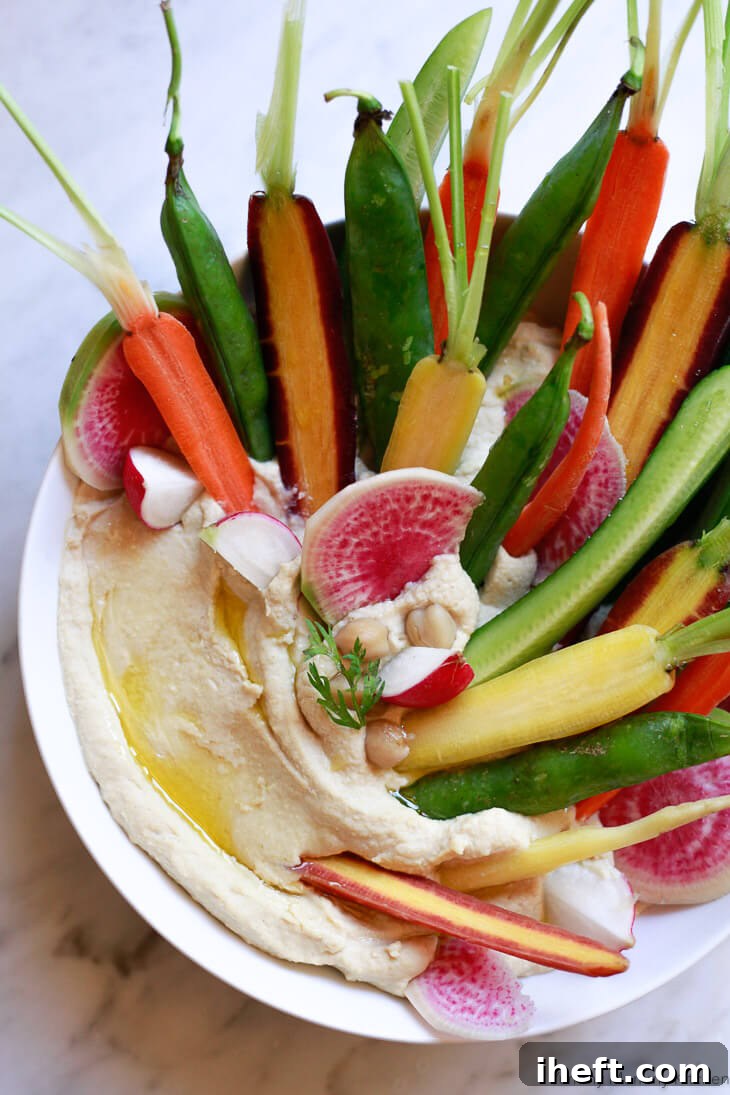
Embrace the Power of Legumes in Your Kitchen
Legumes are truly a miraculous food group—versatile, affordable, nutritious, and environmentally friendly. Whether you’re a seasoned chef or a home cook looking to explore healthier, more sustainable eating, integrating more legumes into your diet is a decision that benefits both your body and the planet. They are packed full of protein, fiber, and other vital nutrients that will help your body thrive, contributing to improved digestion, sustained energy, and long-term health. By understanding their preparation and diverse applications, you open up a world of culinary possibilities.
Delicious Legume Recipes to Try
Ready to put your newfound legume knowledge to the test? Make sure to look through our blog for some tasty legume recipes to inspire your next meal. Start with one of the common types discussed, or if you’re craving something truly special, try an heirloom variety for a unique culinary experience. We particularly love these Giant Brothy Beans for a comforting and flavorful dish. Enjoy the journey of discovering the incredible world of legumes!