Hummus Freezing Secrets Revealed

Hummus, a rich and creamy dip originating from the Middle East, has captivated taste buds around the globe for centuries. Its irresistible flavor and versatile nature make it a staple in many kitchens. Whether you whip up a fresh batch at home or pick up a tub from your local grocery store, you might sometimes find yourself with more hummus than you can possibly consume before its expiration date. This often leads to a common culinary question: “Can you freeze hummus?” The excellent news is, absolutely! Freezing hummus is not only possible but also a fantastic way to extend its shelf life, reduce food waste, and ensure you always have this delicious dip on hand. This comprehensive guide will walk you through everything you need to know about freezing hummus, from preparation to thawing and revitalization, ensuring your hummus remains as delightful as the day it was made.

Can You Freeze Hummus? The Ultimate Guide to Storing Your Favorite Dip
Hummus, with its ancient roots tracing back to the 13th century, has long been a beloved culinary delight. While its exact origins are debated, its universal appeal is undeniable. Made from simple, wholesome ingredients, hummus is not just a delicious snack but also a healthy addition to any meal. However, enjoying too much hummus at once can be a challenge, and nobody wants good food to go to waste. Fortunately, with the right techniques, you can easily freeze hummus, preserving its flavor and texture for future enjoyment. This guide addresses the common queries about freezing hummus and provides actionable steps to ensure successful preservation.
What Exactly is Hummus?
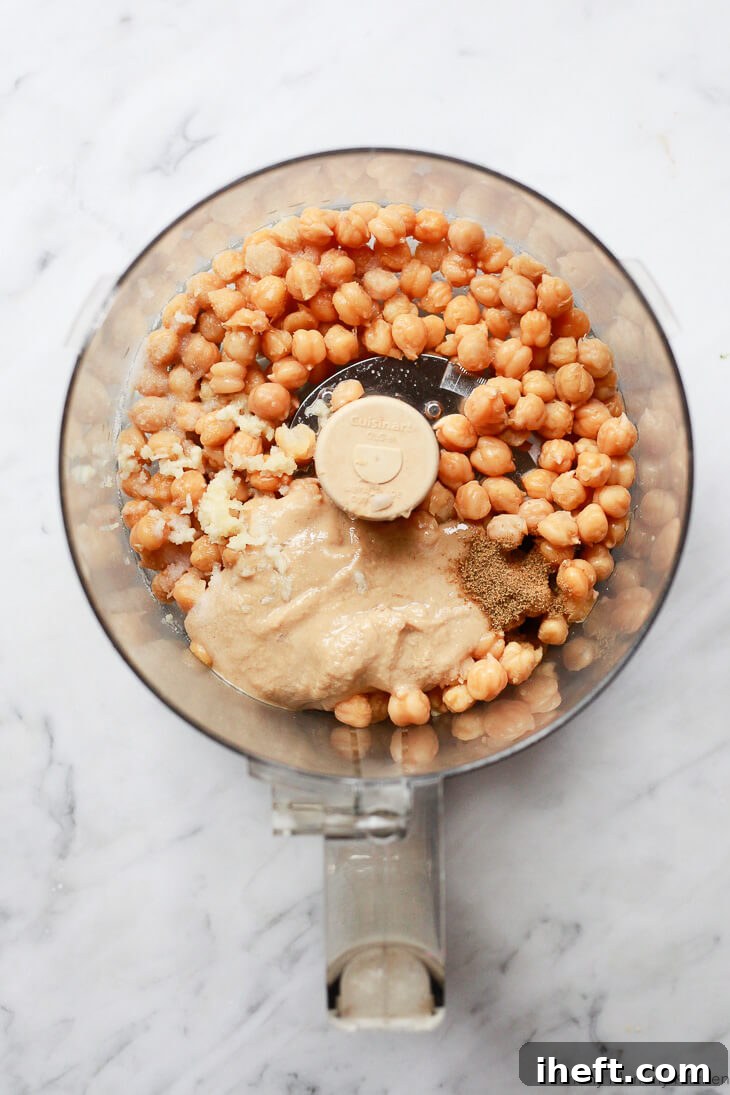
At its heart, hummus is a savory dip or spread primarily crafted from cooked, mashed chickpeas (garbanzo beans), blended with tahini (a paste made from ground sesame seeds), lemon juice, and garlic. These core ingredients create a wonderfully creamy and tangy base, which can then be customized with various seasonings and garnishes. While the classic version is often enjoyed with warm pita bread, fresh vegetables, chips, or crackers, its versatility extends to being a spread for sandwiches, a flavorful addition to wraps, or even a base for salad dressings. Beyond its delicious taste, hummus is also celebrated for its nutritional benefits, offering a good source of plant-based protein, fiber, and healthy fats.
Why Consider Freezing Hummus? Benefits and Practicality
Freezing hummus offers numerous advantages, making it a smart practice for any home cook. Here are some compelling reasons to embrace freezing your hummus:
- Reduce Food Waste: If you’ve made a large batch of homemade hummus or bought a family-sized container, freezing ensures that any excess doesn’t spoil before you can finish it. This is a practical step towards a more sustainable kitchen.
- Convenience and Meal Prep: Having pre-portioned, frozen hummus means quick and easy access to a healthy snack or meal component. It’s perfect for busy weeknights, last-minute gatherings, or packing lunches.
- Save Money: Buying larger quantities of hummus or making it from scratch can be more economical. Freezing allows you to take advantage of sales or bulk purchases without worrying about spoilage.
- Always Have it On Hand: Craving hummus but don’t have time to make it or run to the store? Your freezer stash has you covered, providing instant gratification.
- Seasonal Flavors: If you enjoy making hummus with seasonal ingredients, freezing allows you to preserve those unique flavors to enjoy year-round.
The Big Question: Can Hummus Be Frozen Successfully?
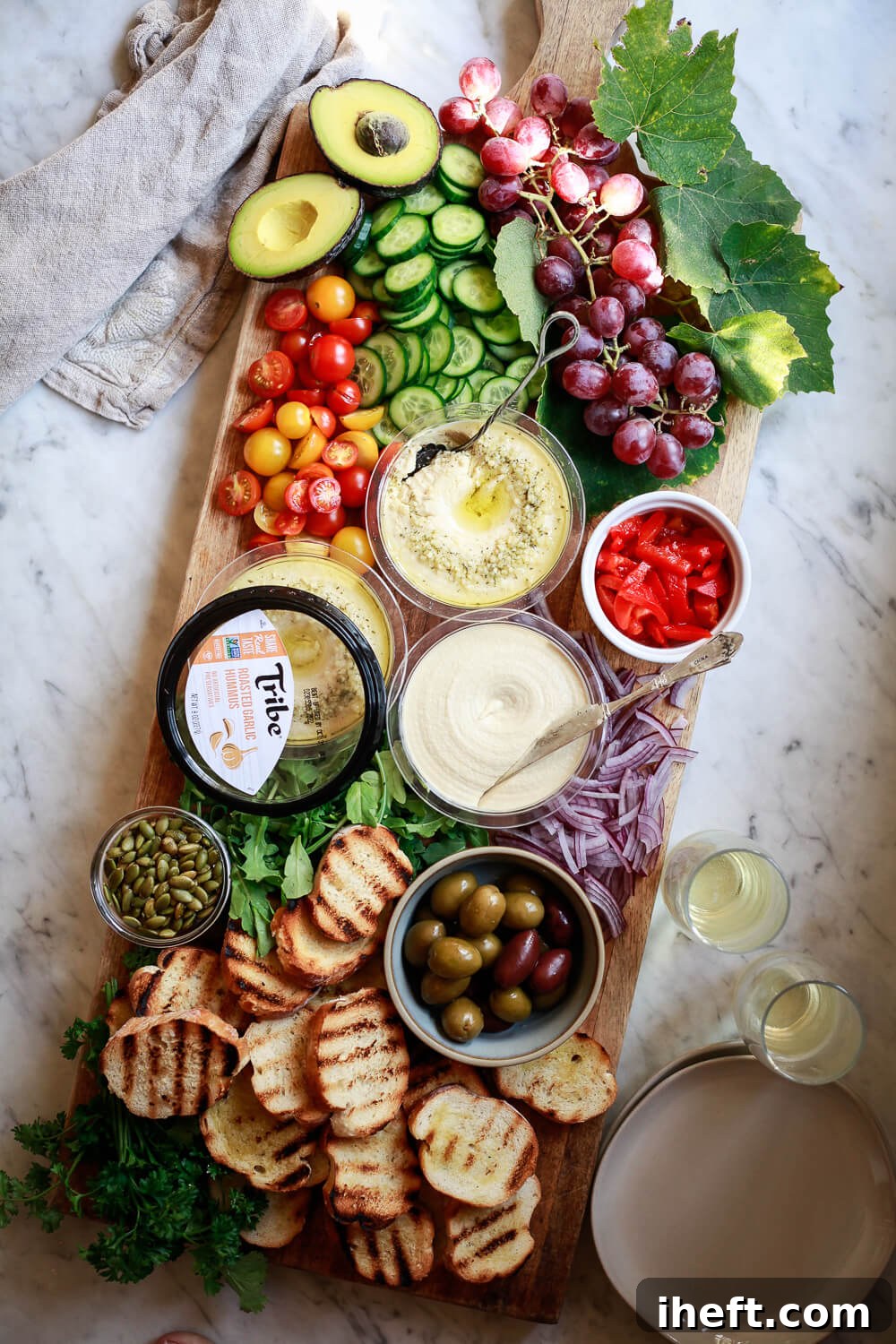
Yes, without a doubt! Hummus, whether it’s a gourmet homemade creation or a popular brand from the supermarket, is perfectly freezable. The key is understanding how the freezing and thawing process can impact its texture and taking a few simple steps to mitigate any potential changes. While plain hummus typically fares best, most flavored varieties can also be frozen successfully. Those with chunky additions like roasted peppers or whole olives might experience a slight alteration in texture upon thawing, becoming a bit softer. However, the overall flavor and nutritional value will largely remain intact, still providing a delicious and safe-to-eat product.
Essential Tips Before You Freeze Hummus
To ensure your hummus freezes and thaws beautifully, consider these crucial preparation tips:
- Choose the Right Hummus: While most hummus types freeze well, plain or classic hummus tends to hold up best. Hummus with a higher water content, like those containing cucumber or fresh tomatoes, might become slightly watery upon thawing. If freezing homemade hummus, ensure it’s thoroughly blended to a smooth consistency.
- Use Airtight Containers: Exposure to air is the enemy of frozen food, leading to freezer burn and flavor degradation. Always use containers specifically designed for freezing, whether they are plastic, glass, or heavy-duty freezer bags.
- Leave Headspace: Hummus, like most water-based foods, will expand slightly when frozen. If using rigid containers, leave at least half an inch of space from the top to prevent cracking or overflowing.
- Add a Protective Layer of Olive Oil: This is perhaps the most important tip for maintaining texture and preventing dryness. Before sealing your container, pour a thin layer of olive oil over the top of the hummus. This creates a barrier against air, locking in moisture and flavor, and preventing freezer burn.
- Label and Date: Always label your frozen hummus with the date it was frozen. For optimal quality, hummus should be consumed within 3-4 months. While it will remain safe to eat beyond this period, its quality might start to decline.
Step-by-Step Guide: Various Methods for Freezing Hummus
There isn’t just one way to freeze hummus; several methods cater to different needs and preferences. Choose the one that best suits your storage space and how you plan to use the hummus later.
Method 1: Freezing Hummus in its Original Container
This method is incredibly convenient, especially for unopened store-bought hummus or if you plan to use the entire container after thawing.
- Preparation: If the container is unopened, simply ensure it’s tightly sealed. For opened containers, ensure there’s enough headspace, and consider adding a layer of olive oil on top before securely sealing the lid.
- Placement: Place the container directly into the freezer.
- Best Use: This method works best for smaller, unopened containers that you intend to thaw and consume entirely.
Method 2: Using Freezer-Safe Bags for Compact Storage
Freezer bags are excellent for saving space and can be particularly useful for freezing larger quantities of hummus in smaller portions.
- Fill the Bag: Carefully spoon the desired amount of hummus into a heavy-duty freezer bag (quart or gallon size).
- Remove Air: This is crucial. Gently press out as much air as possible before sealing the bag. You can use a straw to suck out the remaining air for a tighter vacuum seal.
- Seal and Flatten: Seal the bag completely. For efficient storage, lay the bag flat on a baking sheet and spread the hummus evenly to create a flat disc. This allows for quicker thawing and easier stacking once frozen.
- Freeze: Place the baking sheet with the flattened hummus bags into the freezer. Once frozen solid, you can store them upright or stacked to save space.
Method 3: Storing Hummus in Airtight Containers (Plastic or Glass)
Rigid containers offer excellent protection against freezer burn and are ideal for storing medium to large portions of hummus.
- Transfer Hummus: Spoon the hummus into your chosen freezer-safe container. Ensure it’s made from plastic or glass designed to withstand freezing temperatures. Mason jars (wide-mouth are best) are also an excellent option.
- Leave Headspace: Remember to leave about ½ to 1 inch of headspace to accommodate expansion during freezing.
- Add Olive Oil: Pour a thin layer of olive oil over the surface of the hummus to create a protective seal.
- Seal and Freeze: Securely close the lid, ensuring it’s completely airtight, then place the container in the freezer.
Method 4: Portioning Hummus with Parchment Paper
This method is perfect for those who want to thaw very small, customized amounts of hummus at a time, preventing waste.
- Scoop Portions: Line a baking sheet with parchment paper. Using a spoon or an ice cream scoop, drop individual portions of hummus onto the parchment paper, leaving some space between each dollop.
- Flash Freeze: Place the baking sheet directly into the freezer. Let the hummus portions freeze solid for several hours until firm.
- Transfer to Bag: Once frozen, peel the hummus portions off the parchment paper and transfer them into a freezer-safe bag or airtight container.
- Benefits: This “flash freezing” technique prevents the portions from sticking together, allowing you to grab just one or two as needed without thawing the entire batch.
Method 5: Freezing Hummus in Ice Cube Trays for Small Servings
Similar to the parchment paper method, ice cube trays are fantastic for creating perfectly portioned, single-serving sizes of hummus that thaw quickly.
- Fill Trays: Fill each compartment of an ice cube tray with hummus. You can add a tiny drizzle of olive oil on top of each cube for extra protection.
- Freeze Solid: Place the filled trays into the freezer until the hummus cubes are completely solid.
- Transfer and Store: Once frozen, pop the hummus cubes out of the trays and transfer them into a labeled freezer-safe bag or airtight container.
- Convenience: These small cubes are ideal for adding to smoothies, mixing into dressings, or thawing for a quick, individual snack.
How to Properly Thaw Frozen Hummus for Best Results
Thawing hummus correctly is just as important as freezing it properly. A gentle and gradual thawing process helps to maintain its texture and flavor.
- Overnight in the Refrigerator (Recommended): The best and safest method is to transfer the frozen hummus (still in its sealed container or bag) to the refrigerator and allow it to thaw slowly overnight, or for about 8-12 hours. This gradual process helps to minimize changes in texture.
- Cold Water Bath: For quicker thawing, place the sealed container or freezer bag of hummus into a bowl or sink filled with cold water. Ensure the container is fully submerged and change the water every 30 minutes to keep it cold. This method typically thaws hummus within 1-2 hours, depending on the volume.
- Microwave Defrost (Use with Caution): While possible, microwaving should be a last resort as it can unevenly heat the hummus and negatively affect its texture. Use the defrost setting and microwave in short, 15-30 second bursts, stirring frequently to ensure even thawing. Avoid fully cooking or heating the hummus in the microwave.
Important: Never thaw hummus at room temperature for extended periods. This can encourage bacterial growth and compromise food safety.
Revitalizing Thawed Hummus: Bringing Back its Creamy Texture
After thawing, you might notice that your hummus has separated slightly, becoming a bit drier or having a less creamy consistency than before freezing. This is completely normal! The good news is that it’s usually very easy to revitalize it and bring it back to its original glory.
- Stir Vigorously: Give the thawed hummus a good, thorough stir. This helps to re-emulsify any separated ingredients and restore its smooth texture.
- Add a Splash of Liquid: If it still seems too thick or dry, gradually stir in a tablespoon or two of cold water, fresh lemon juice, or extra virgin olive oil until it reaches your desired consistency. Lemon juice also adds a bright, fresh flavor.
- Re-Season: Taste the hummus. Freezing can sometimes mellow flavors. You might want to add an extra pinch of salt, a dash of cumin, a fresh squeeze of lemon juice, or a finely minced garlic clove to enhance its taste.
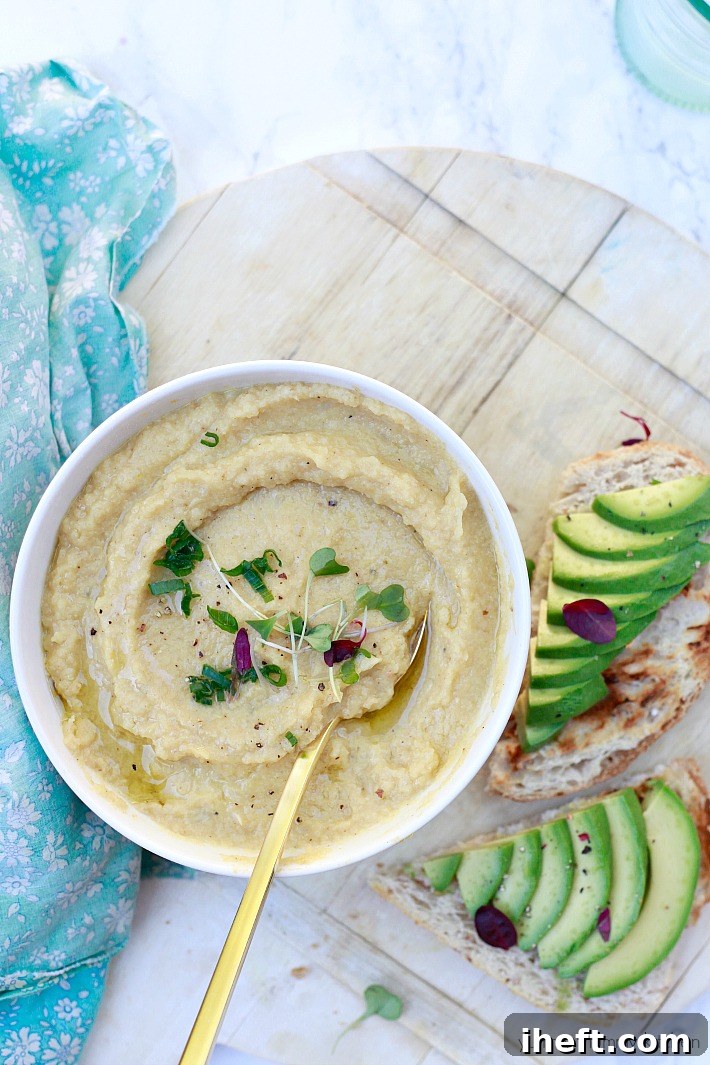
- Garnish: For the ultimate presentation and flavor boost, drizzle a fresh swirl of extra virgin olive oil on top, sprinkle with paprika or sumac, or add some fresh chopped parsley or cilantro.
Once thawed and revitalized, store any leftover hummus in an airtight container in the refrigerator and consume within 3-4 days. Do not refreeze thawed hummus.
Homemade vs. Store-Bought Hummus: Which Freezes Better?
Both homemade and store-bought hummus can be frozen successfully, but there can be subtle differences in how they fare:
- Store-Bought Hummus: Often contains stabilizers and preservatives, which can help it maintain its texture and consistency a bit better through the freezing and thawing process. You might find it requires less revitalization after thawing.
- Homemade Hummus: Being free of artificial additives, homemade hummus might be more prone to slight texture changes, such as becoming a little grainier or separating more noticeably. However, with the tips mentioned above (especially the olive oil layer and thorough stirring after thawing), homemade hummus can still be enjoyed perfectly after freezing. The quality largely depends on the original recipe and consistency.
Regardless of whether it’s homemade or store-bought, always follow the essential freezing tips to maximize the quality of your frozen hummus.
Freezing Hummus Snack Cups: A Convenient Option
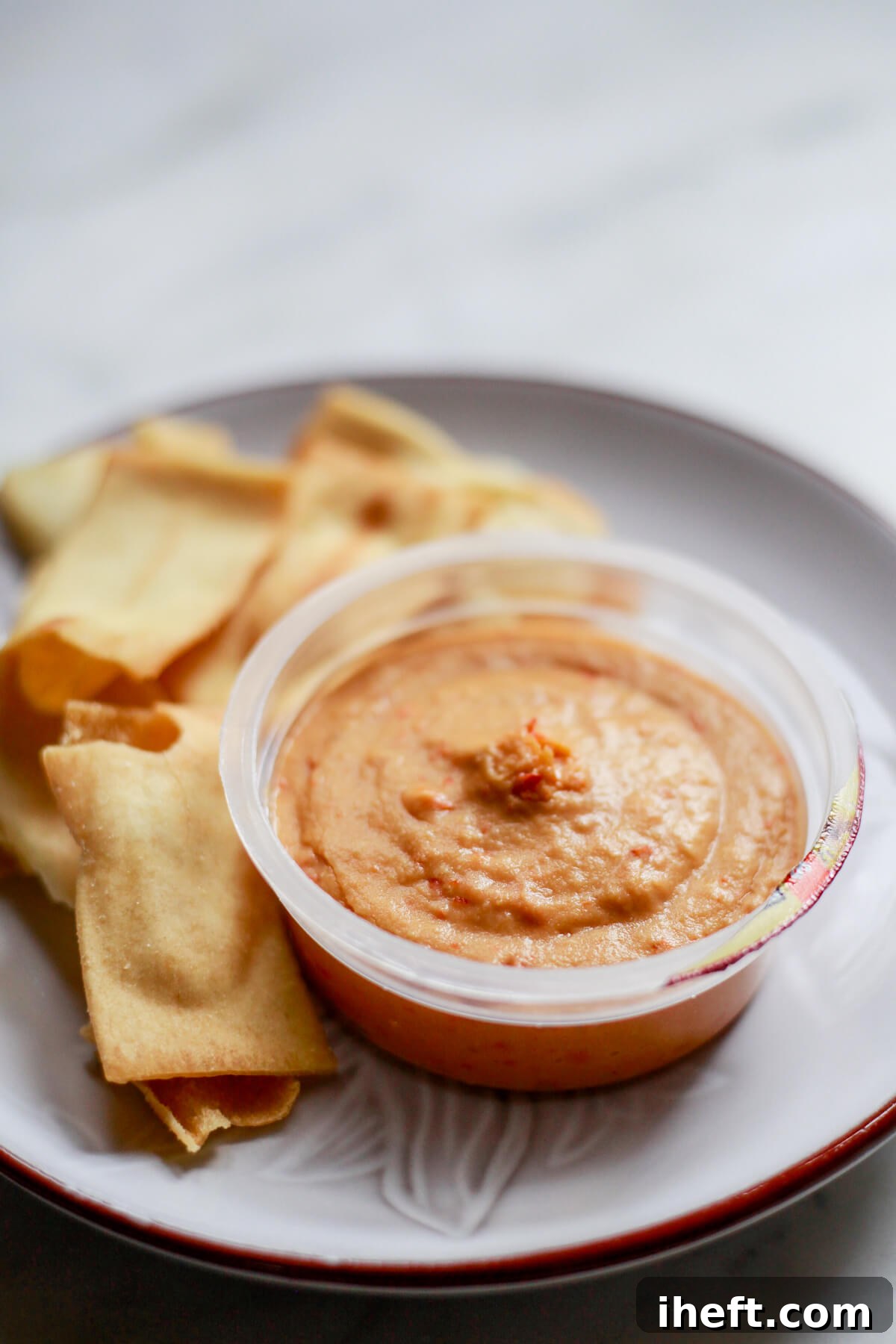
For those who love the convenience of single-serving hummus snack cups, you’ll be happy to know that these can also be frozen! They are typically well-sealed and already portioned, making them ideal for freezing. Simply place the unopened snack cups directly into your freezer. When you’re ready for a quick snack or packed lunch, transfer a cup to the refrigerator overnight to thaw. In a pinch, you can let it sit at room temperature for a couple of hours or use the cold water bath method for faster thawing. Once thawed, give it a quick stir and enjoy with your favorite dippers.
Creative Ways to Use Your Frozen & Thawed Hummus
Beyond being a dip, thawed hummus can be a fantastic ingredient in various dishes, especially when frozen in smaller portions:
- Sandwich or Wrap Spread: A healthy and flavorful alternative to mayonnaise or other spreads.
- Salad Dressing Base: Whisk thawed hummus with a little extra lemon juice, olive oil, and water for a creamy, protein-packed dressing.
- Thickener for Soups and Stews: Add a dollop of hummus to vegetable soups or stews for added creaminess and body, along with a boost of protein.
- Sauce for Pasta or Grains: Stir into warm pasta or grain bowls for a quick and nutritious sauce.
- Hummus Crostini: Spread on toasted bread with your favorite toppings.
- Baked Potato Topping: A healthier and more flavorful alternative to sour cream.
- In Smoothies: A small frozen hummus cube can add creaminess and protein to savory or even some sweeter smoothies without overpowering the flavor.
Common Questions About Freezing Hummus (FAQs)
How long can hummus stay frozen?
For best quality, hummus should be consumed within 3-4 months of freezing. While it can remain safe to eat for longer, its texture and flavor might start to degrade after this period.
Can you refreeze hummus?
No, it is not recommended to refreeze hummus once it has been thawed. Refreezing can significantly diminish its quality, alter its texture, and potentially compromise food safety.
What if my hummus separates after thawing?
Separation is a common occurrence with thawed hummus. Simply stir it vigorously to re-emulsify the ingredients. Adding a small amount of fresh lemon juice, olive oil, or cold water can also help restore its creamy consistency.
Can I freeze hummus with toppings already mixed in?
It’s generally best to freeze plain hummus and add fresh toppings after thawing. Ingredients like roasted red peppers, sun-dried tomatoes, or pesto can freeze well, but fresh, watery toppings like cucumber or fresh herbs might become soggy or lose their vibrancy after freezing and thawing.
Does freezing affect the nutritional value of hummus?
Freezing generally does not significantly affect the nutritional value of hummus. The primary impact is on texture and potentially a slight dulling of fresh flavors, which can be easily remedied during revitalization.
Hummus Recipes to Try
Now that you know how to perfectly preserve your hummus, why not try some new recipes? Here are a few to inspire your culinary adventures:
- Roasted Red Pepper Hummus
- Classic Hummus from Scratch
- Edamame Basil Hummus
- Mediterranean Hummus Mezze Platter
- Hummus Crostini
- Pumpkin Dessert Hummus
Conclusion: Don’t Let Good Hummus Go to Waste!
Hummus is a versatile and healthy food that deserves to be enjoyed to its last spoonful. By understanding and implementing the simple freezing techniques outlined in this guide, you can confidently preserve your excess hummus, whether homemade or store-bought. From choosing the right freezing method to expertly thawing and revitalizing your dip, you now have all the knowledge to extend the life of this flavorful staple. Say goodbye to food waste and hello to always having delicious hummus ready whenever the craving strikes!