How Much Does a Garlic Clove Cost
The Ultimate Guide to Garlic Cloves: From Head to Teaspoon & Beyond
Garlic, a ubiquitous ingredient in cuisines worldwide, is celebrated not only for its distinctive, pungent flavor but also for its remarkable health benefits. Whether you’re a seasoned chef or a home cook, understanding the nuances of garlic—from deciphering a “clove” to converting measurements and mastering cooking techniques—is essential. This comprehensive guide will peel back the layers of this fascinating allium, helping you unlock its full potential in your kitchen.
Often considered a foundational flavor enhancer, garlic is much more than just a culinary staple. For centuries, it has been revered in traditional medicine for its powerful medicinal properties. Rich in antioxidants and sulfur-containing compounds like allicin, regular consumption of garlic can help boost your immune system, lower high blood pressure and cholesterol levels, reduce inflammation, and even enhance athletic performance. It’s a true superfood packed into a small, flavorful package.
Many recipes specify a certain number of garlic cloves, leading to common questions: What exactly is a clove of garlic? How many cloves are typically found in a single head? And how does a “clove” translate into standard measurements like teaspoons of minced garlic? We’ll address all these questions and more, ensuring you can confidently incorporate this healthful and delicious ingredient into any dish.
What is a Clove of Garlic?
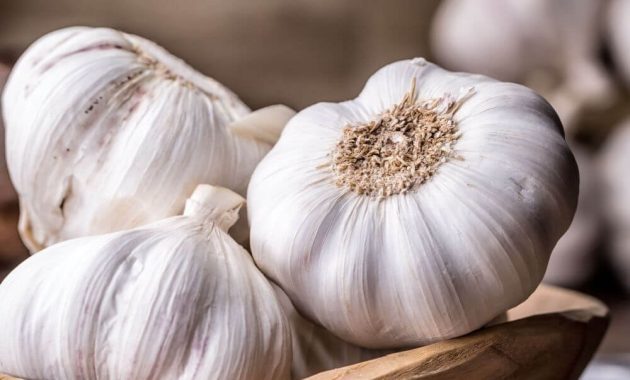
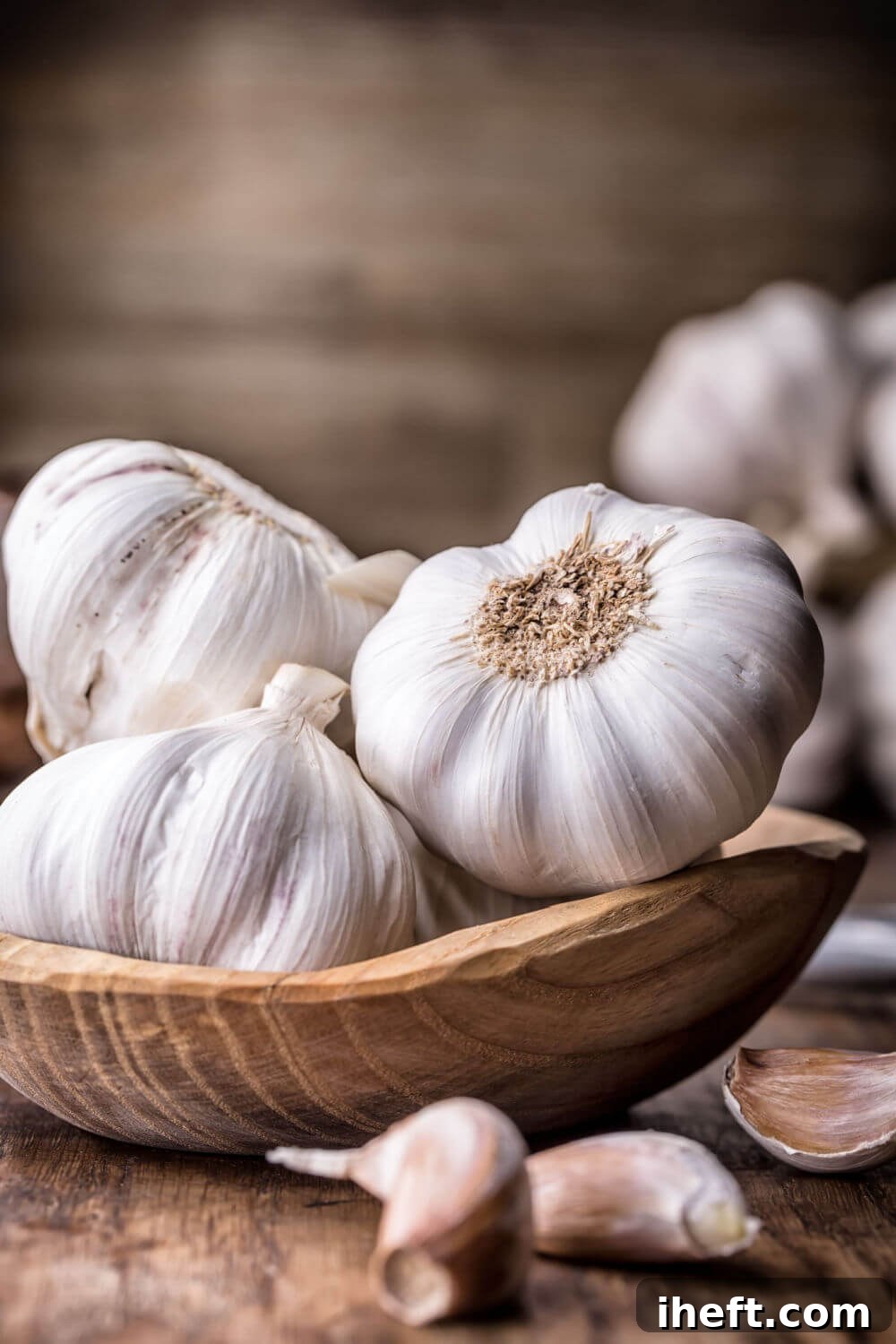
When you purchase garlic from the grocery store or farmer’s market, you’re most likely buying a whole garlic “head” or “bulb.” This is a round or slightly flattened bulbous structure encased in several layers of papery skin, similar to an onion. It’s crucial to differentiate this from a single clove.
A “clove of garlic” refers to one of the individual segments found within the head. To access these cloves, you must first peel away the tough, flakey outer layers of the garlic head. Once revealed, you’ll see that the head is naturally divided into multiple distinct sections, typically crescent-shaped and each wrapped in its own thin, papery skin. Each of these segments is a clove. These cloves are easily separated from the central stem, allowing you to use precisely the amount required for your recipe while keeping the remaining cloves intact and fresh within the head for future use.
Garlic varieties also play a role in clove characteristics. Softneck garlic, the most common type found in supermarkets, tends to have more numerous, smaller cloves that are tightly packed. Hardneck garlic, often preferred by gourmet chefs, usually has fewer but larger, more easily peelable cloves arranged around a hard central stalk. Understanding these distinctions can enhance your cooking and preparation efficiency.
How Many Cloves Are in a Head of Garlic?
Given garlic’s potent flavor, it’s often used sparingly in dishes. Unlike most other vegetables where you might measure by volume, a single clove of garlic can deliver a significant flavor punch. Alliums, the family of plants that includes garlic and onions, are renowned for their pungent compounds. Just one medium-sized garlic clove can infuse a dish with a powerful aroma and taste, which is why recipes typically call for only one or two cloves unless garlic is intended to be the star ingredient.
The exact number of cloves in a head of garlic can vary, influenced by factors such as the garlic variety, its size, and growing conditions. However, as a general rule, you can expect a standard head of garlic to contain anywhere from 8 to 12 cloves. Larger heads of garlic, particularly those of hardneck varieties, might yield fewer but larger cloves, while smaller softneck heads could have more numerous but daintier ones. When selecting garlic at the store, look for firm, heavy heads with no soft spots or sprouting, as these indicate freshness and quality, ensuring vibrant flavor for your culinary creations.
How Much Garlic is in One Clove? Clove to Teaspoon Conversion
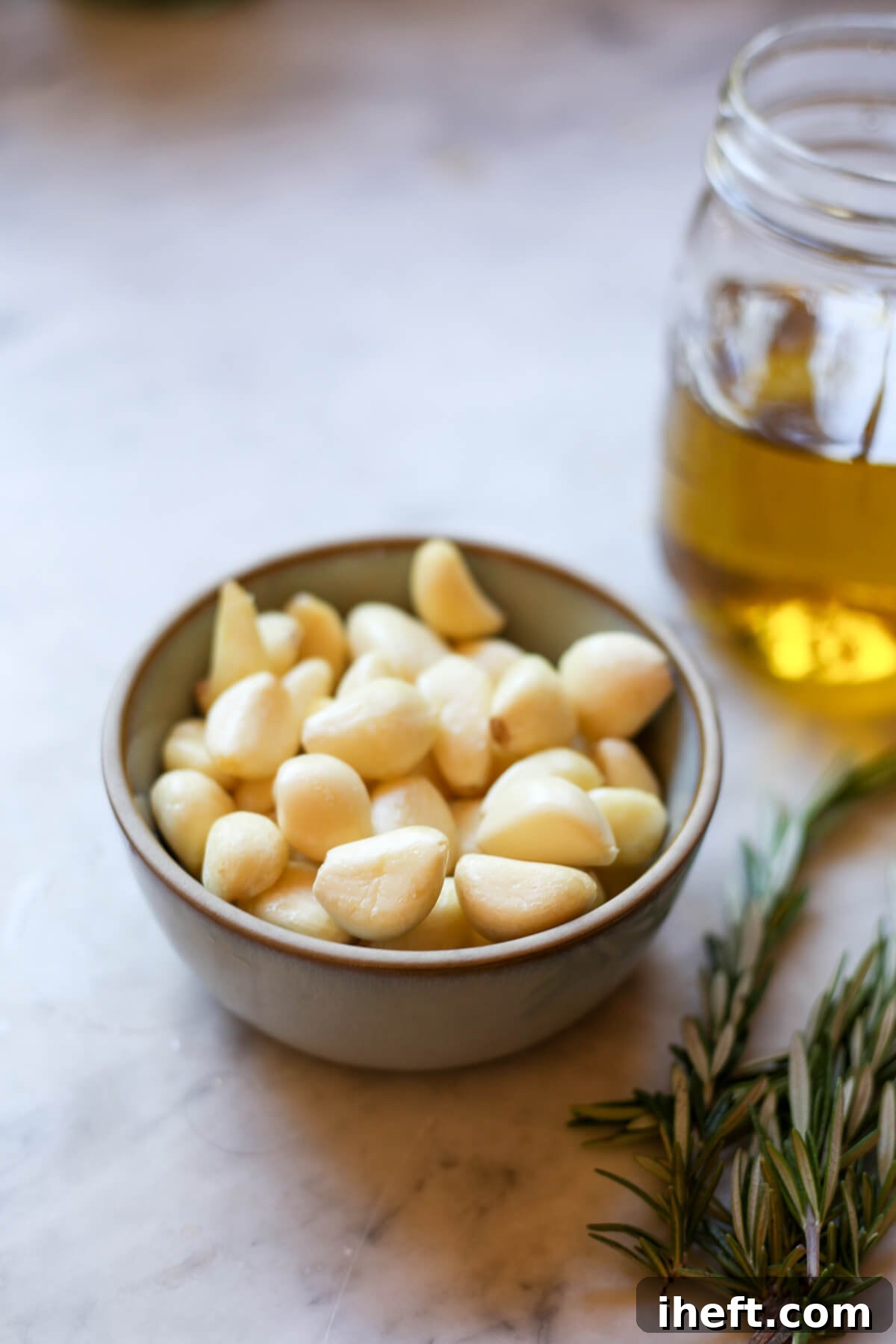
One of the most frequent questions home cooks have is how to translate “X number of cloves” into a measurable quantity, especially when dealing with minced garlic. While the size of individual cloves can differ, a widely accepted culinary conversion is that one medium-sized clove of garlic yields approximately one teaspoon (tsp) of minced garlic. This conversion serves as an excellent benchmark for most recipes.
However, it’s important to acknowledge the inherent variability. A small clove might only produce half a teaspoon, while a large, plump clove could easily offer 1.5 teaspoons or even more. When a recipe calls for a specific number of cloves, it’s often a general guideline. If you prefer a milder garlic flavor, opt for smaller cloves or use slightly less. For a more intense garlic presence, choose larger cloves or add a little extra. The method of preparation also influences the perceived strength of the garlic; finely minced or crushed garlic will release more volatile compounds and thus a stronger flavor compared to roughly chopped or sliced garlic.
For precision, especially in baking or delicate sauces, it’s best to peel and mince your garlic, then measure it by the teaspoon if the recipe allows for that flexibility. Always taste as you go, and adjust the garlic quantity to suit your personal preference and the desired intensity of the dish.
Preparing Garlic: Peeling and Chopping Techniques
Before you can unleash garlic’s potent flavors into your dishes, it needs a little preparation. Peeling and chopping might seem straightforward, but mastering a few techniques can make the process quicker and more efficient, impacting both your cooking experience and the final flavor profile.
Easy Garlic Peeling Methods
Removing the papery skin from individual garlic cloves can sometimes be a fiddly task. Here are a couple of popular methods to make it effortless:
- The Smash Method: Place the clove on a cutting board. Lay the broad side of a chef’s knife flat over the clove. With the palm of your hand, give the knife a firm, quick smack. The skin will loosen and often crack, making it easy to pull away from the crushed clove. This method is excellent if you plan to mince or crush the garlic anyway.
- The Two-Bowl Shake: For multiple cloves, place them in a sturdy bowl. Place another bowl of the same size inverted over the first, creating a sealed sphere. Shake vigorously for about 15-20 seconds. The friction between the cloves and bowls will cause the skins to detach, leaving you with mostly peeled cloves. This is perfect for recipes requiring a large quantity of garlic.
- Hot Water Soak: Briefly soak garlic cloves in hot water for about 15-30 seconds. The heat helps to loosen the skin, making it much easier to slip off by hand. This method is gentle and keeps the cloves intact.
Chopping Techniques for Different Flavors
How you cut garlic significantly impacts its flavor release. The more finely garlic is chopped or crushed, the more allicin (the compound responsible for garlic’s pungent flavor and health benefits) is released, resulting in a stronger, sharper taste. Conversely, larger pieces yield a milder, more mellow flavor.
- Minced Garlic: After peeling, finely chop the garlic into very small, uniform pieces. This maximizes surface area, releasing the most potent flavor. Minced garlic is ideal for sauces, dressings, marinades, and any dish where you want the garlic to blend seamlessly and provide a strong, even flavor throughout.
- Crushed Garlic: Use a garlic press or the smash method described above. Crushing garlic releases the most allicin, giving the most intense and pungent flavor. It’s often used in robust dishes, stir-fries, or when a very strong garlic presence is desired quickly.
- Sliced Garlic: Cut the peeled clove into thin slices. Sliced garlic provides a milder flavor and adds textural interest to dishes. It’s excellent in pasta dishes, sautéed vegetables, or as a garnish where you want visible pieces of garlic.
- Diced Garlic: A slightly coarser chop than mincing, dicing results in small cubes. This offers a balance between flavor intensity and texture, suitable for many everyday cooking applications.
No matter the method, remember to trim the hard root end of the clove before use, as it can be tough and slightly bitter.
Recipes and Cooking Methods: Transforming Garlic’s Flavor
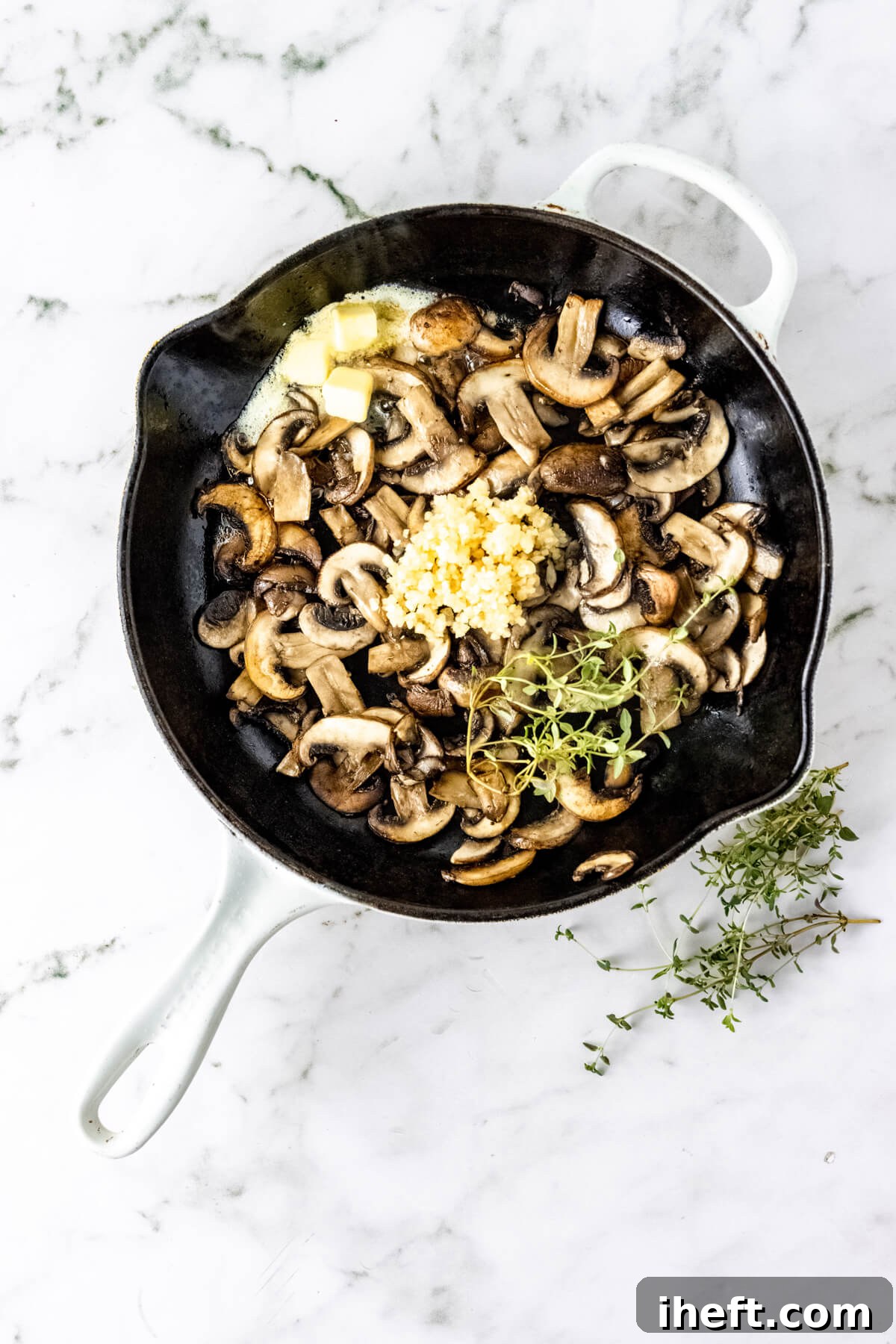
Garlic’s versatility in the kitchen is truly remarkable. The way it’s prepared and cooked can drastically alter its flavor profile, ranging from sharply pungent to delightfully sweet and mellow. Experimenting with different cooking methods opens up a world of culinary possibilities.
Raw Garlic Cloves
When consumed raw, garlic delivers its most potent and pungent flavor. This intensity comes from the maximum release of allicin, which is responsible for its characteristic bite and many of its health benefits. Raw garlic adds a sharp, spicy kick and a fresh aroma to dishes.
- Culinary Uses: Finely minced raw garlic is fantastic in salad dressings, vinaigrettes, pestos, and spreads like guacamole or hummus. It also provides a vibrant zest to salsas, bruschetta, and some marinades.
- Tips: To slightly mellow the intensity of raw garlic, you can finely mince it and then soak it in a little lemon juice or vinegar for a few minutes before adding it to your dish. This process slightly denatures the compounds, making it less aggressive while retaining freshness.
Sautéed Garlic
Sautéing is perhaps the most common cooking method for garlic, transforming its sharp edge into a fragrant, savory, and slightly nutty flavor. The key to perfectly sautéed garlic is gentle heat, as burnt garlic turns bitter and unpleasant.
- Process: Heat a small amount of oil or butter in a pan over medium-low heat. Add minced or sliced garlic and cook for 30 seconds to 2 minutes, stirring constantly, until fragrant and just lightly golden.
- Culinary Uses: Sautéed garlic forms the aromatic base for countless dishes, including stir-fries, pasta sauces, soups, stews, and sautéed vegetables like spinach or green beans. It pairs beautifully with roast chicken or fish, adding depth without overpowering.
- Tips: Always add garlic to a preheated pan with fat, but be careful not to let the heat get too high. Garlic can burn very quickly, especially when minced, turning from golden to burnt in a matter of seconds. If using butter, watch it even more closely than oil, as butter has a lower smoke point.
Roasted Garlic
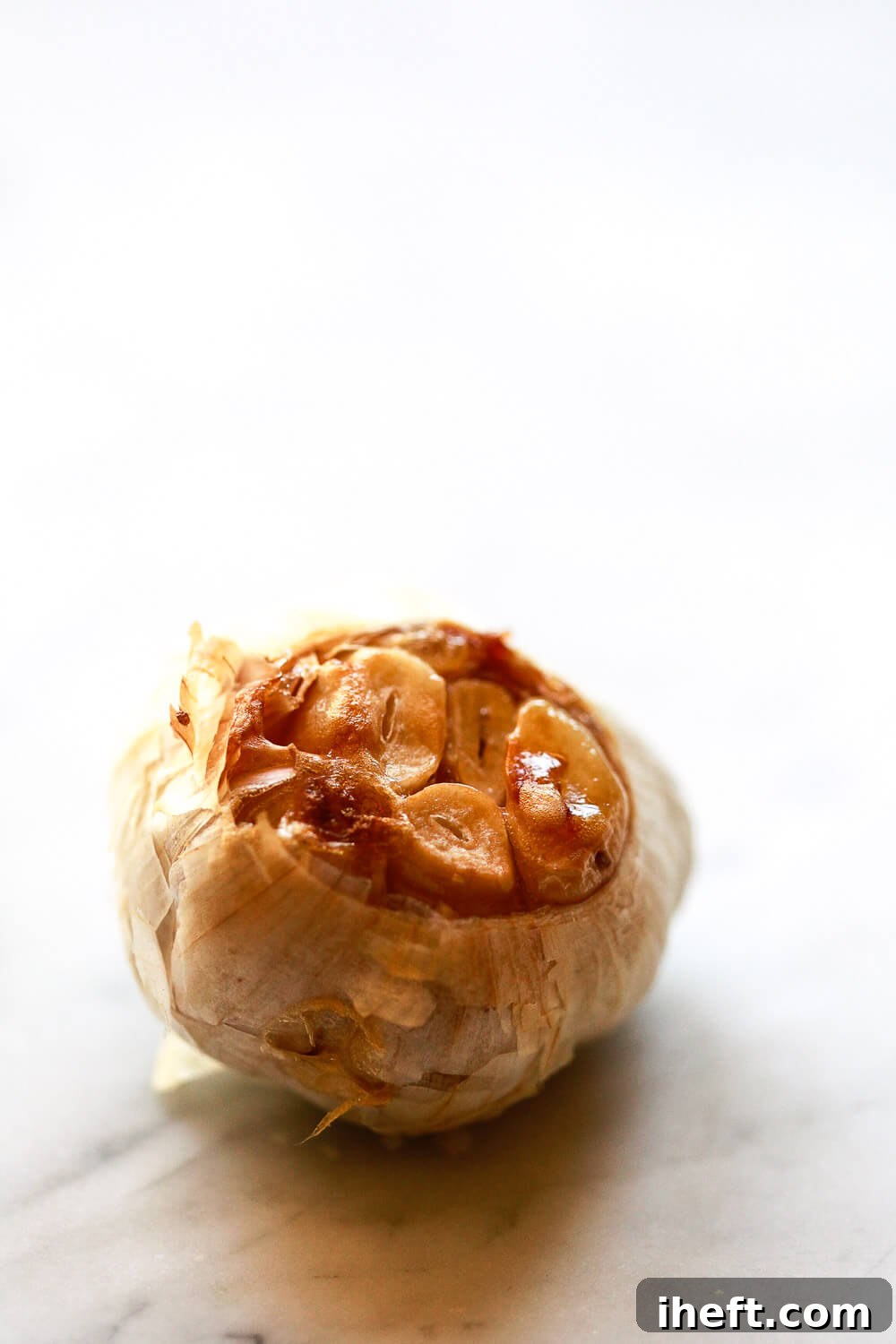
Roasting garlic produces a wonderfully sweet, mellow, and caramelized flavor with a soft, spreadable texture. The high heat of the oven breaks down the pungent compounds, resulting in a complex, almost buttery sweetness that is a far cry from its raw counterpart.
- Process: To roast, simply slice off the top quarter-inch of a whole garlic head, exposing the cloves. Drizzle with olive oil, sprinkle with salt and pepper, and wrap loosely in aluminum foil. Roast in a preheated oven at around 400°F (200°C) for 30-45 minutes, or until the cloves are golden brown and very soft when squeezed.
- Culinary Uses: Roasted garlic is fantastic spread on crusty bread, mashed into potatoes or cauliflower for a rich, savory side, blended into soups or dips, or incorporated into pasta sauces and pizzas for a sophisticated flavor. Its creamy texture makes it an excellent addition to savory tarts or quiches.
- Tips: Roasting the entire head keeps the cloves moist and prevents burning. Once roasted, the softened cloves can be easily squeezed out of their skins. This method also enhances the antioxidant properties of garlic, making it a healthy indulgence.
Baked Garlic
Baking garlic involves incorporating it directly into a dish that then cooks in the oven, often with other ingredients. This method allows the garlic’s flavors to slowly meld and infuse throughout the entire dish, creating a harmonious and deep flavor profile.
- Process: Typically, chopped or minced garlic is mixed into the uncooked components of a dish, such as bread dough, casseroles, or roasts, before being placed in the oven to bake.
- Culinary Uses: The most classic example is garlic bread, where minced garlic is mixed into butter and spread on bread. It’s also excellent in savory muffins, stuffed chicken, or baked pasta dishes. As the dish bakes, the garlic roasts gently, releasing its juices and aroma into every bite.
- Tips: Ensure the garlic is evenly distributed throughout the mixture to prevent any single strong pockets of flavor. Baking offers a good middle ground between the intensity of sautéed garlic and the sweetness of roasted garlic.
Garlic Confit
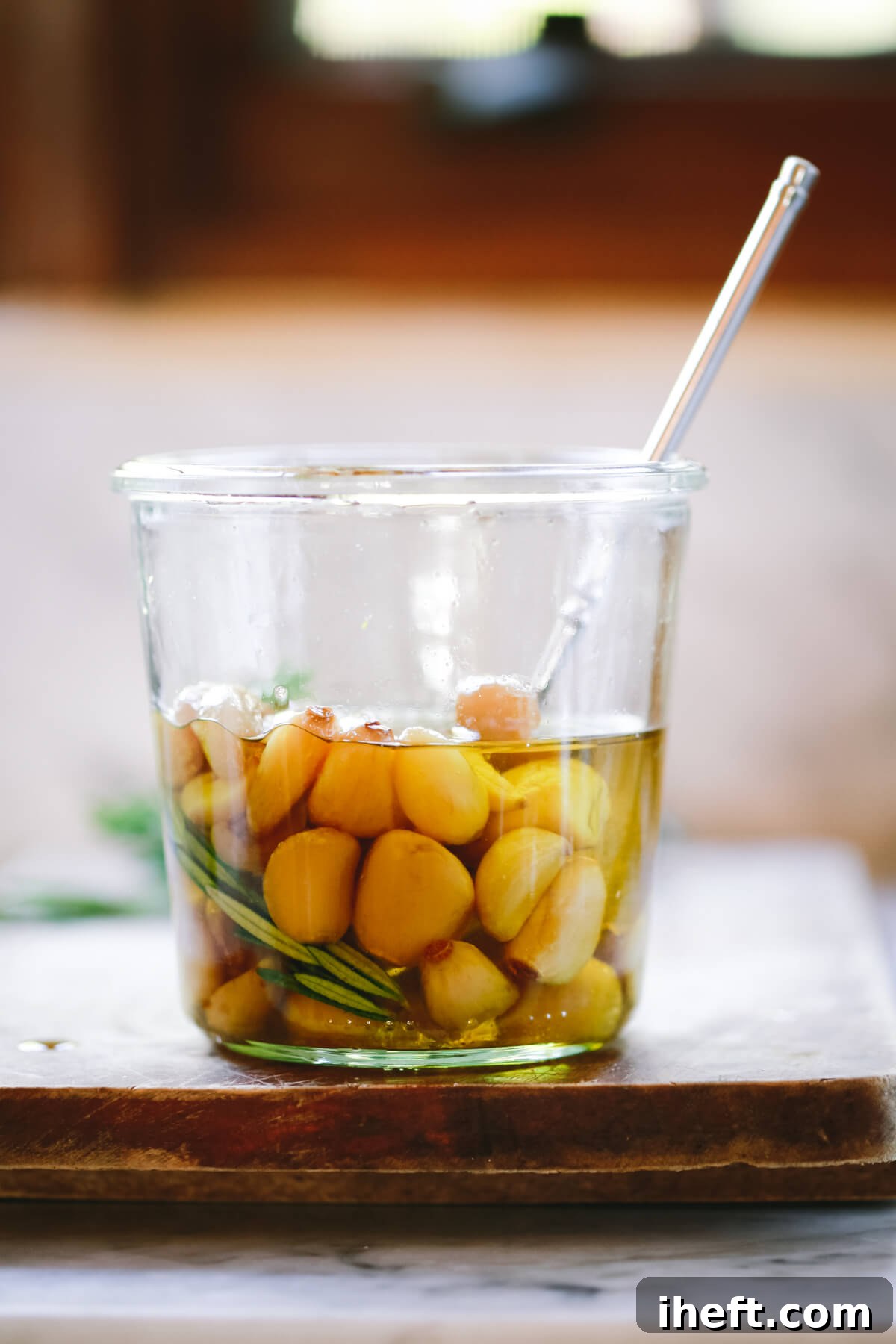
Garlic confit is a luxurious preparation method where garlic cloves are gently cooked and slowly simmered in olive oil over very low heat until they are incredibly tender, sweet, and nutty. The resulting garlic-infused oil is also a treasure.
- Process: Whole peeled garlic cloves are submerged in olive oil (or another neutral oil) and cooked at a very low temperature (just barely simmering, typically below 200°F / 93°C) for an extended period, usually 45 minutes to 2 hours. This slow cooking prevents browning and allows the garlic to soften and sweeten profoundly. Our favorite Garlic Confit recipe is a must-try.
- Culinary Uses: Confit garlic cloves are delightful spread on toast, added to mashed potatoes, pureed into dips, or used as a garnish for meats and vegetables. The infused oil is perfect for salad dressings, drizzling over pasta, or as a flavorful cooking oil.
- Tips: Store garlic confit safely. Due to the low-acid, anaerobic environment created by oil, homemade garlic confit can pose a risk of botulism if not stored properly. Always refrigerate confit immediately in a clean, airtight container and consume within 7-10 days. For longer storage, freeze the confit.
Pickled Garlic
Pickling transforms garlic cloves into a tangy, slightly crunchy snack or condiment. The briny solution mellows garlic’s raw pungency while infusing it with bright, acidic notes, making it a surprisingly refreshing treat.
- Process: Whole or sliced garlic cloves are submerged in a vinegar-based brine, often seasoned with herbs and spices. They are then refrigerated and allowed to marinate for several days to weeks, allowing the flavors to develop.
- Culinary Uses: Pickled garlic is a fantastic addition to charcuterie boards, salads, sandwiches, or as a flavorful side dish. It can be added to homemade dill pickles or pickled beets, or enjoyed simply on its own as a nutritious snack.
- Tips: You can customize your brine with different vinegars (apple cider, white wine), sugars, and spices (peppercorns, mustard seeds, dill sprigs) to create unique flavor profiles for your pickled garlic.
Storing Garlic: Keeping Your Cloves Fresh
Proper storage is key to extending the shelf life of your garlic and ensuring its robust flavor remains intact. Unlike many perishable fruits and vegetables, garlic is quite resilient, but it does have specific requirements to prevent sprouting, molding, or drying out.
Storing Whole Garlic Heads
Whole, unpeeled heads of garlic are best stored in a cool, dark, and well-ventilated place. A pantry, cellar, or even a breathable mesh bag hanging in your kitchen is ideal. Temperatures between 60-65°F (15-18°C) are perfect. Avoid storing garlic in the refrigerator, as the cold, humid environment can encourage sprouting and mold growth, shortening its shelf life. Stored correctly, a whole head of garlic can last for several weeks, or even a couple of months.
Storing Peeled Garlic Cloves
Once individual cloves are separated from the head and peeled, their shelf life significantly decreases. These cloves should be stored in an airtight container in the refrigerator and ideally used within 5-7 days. While some moisture is okay, ensure they are not sitting in excess water, which can lead to sliminess and spoilage. You can also place them in a small amount of olive oil in a sealed container in the fridge, but again, consume quickly due to the botulism risk with extended oil storage.
Storing Minced or Chopped Garlic
For convenience, you might chop or mince a larger batch of garlic. This can be stored in the refrigerator in an airtight container for 1-2 days. For longer-term storage, freezing is an excellent option. Place minced garlic in small portions (e.g., 1 tsp or 1 tbsp) on a baking sheet lined with parchment paper and freeze until solid. Once frozen, transfer the garlic cubes to a freezer-safe bag or container. Frozen minced garlic can last for several months and can be added directly to dishes from frozen.
Always discard garlic that shows signs of mold, softness, or excessive sprouting, as these are indicators of spoilage.
How to Grow Garlic: A Gardener’s Guide
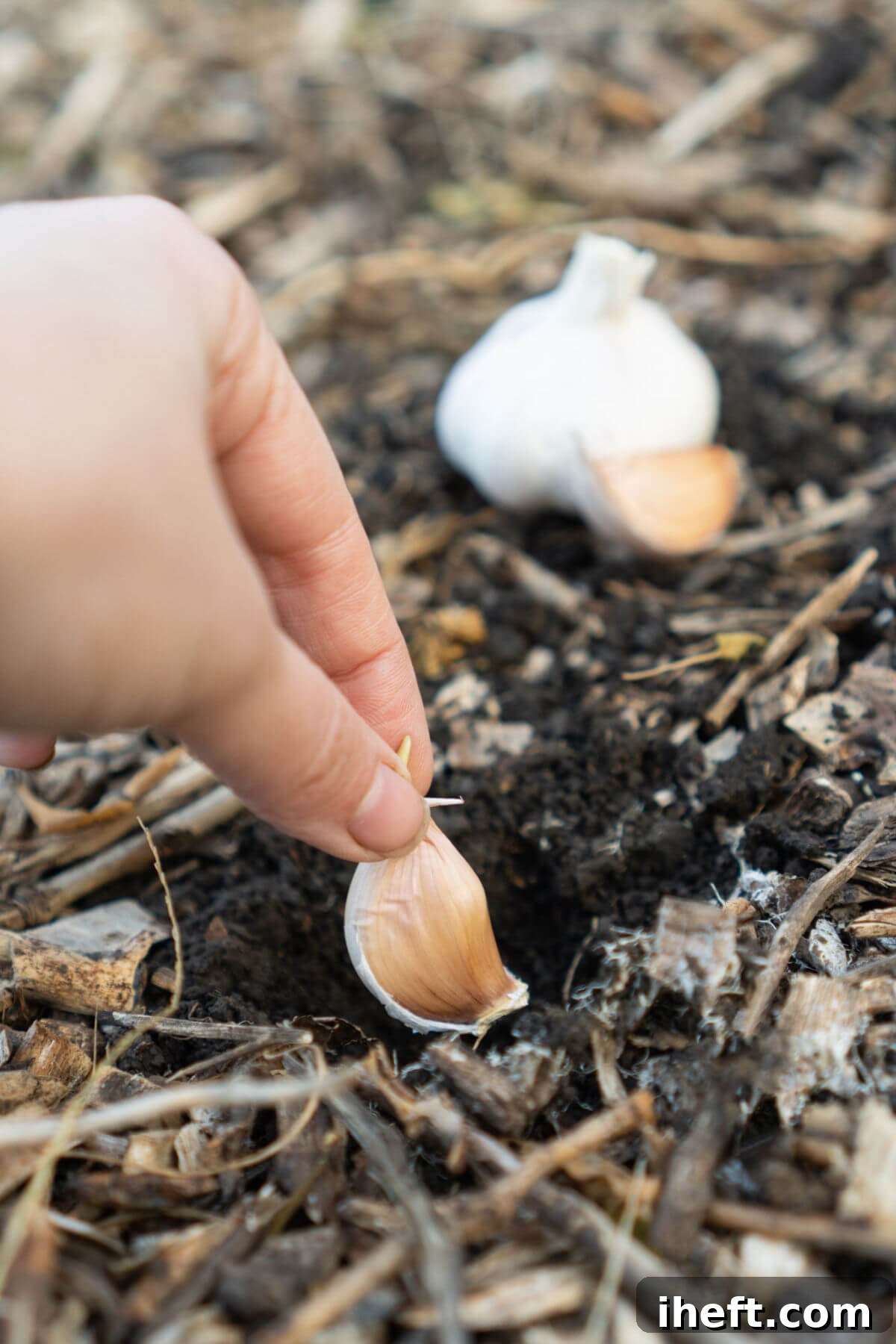
Growing your own garlic is a rewarding experience, and surprisingly, it’s quite simple. Unlike many other vegetables, you don’t need seeds; you just need a single clove. However, patience is key, as garlic has a much longer growing cycle than most common garden vegetables, often taking 8 to 9 months from planting to harvest.
When to Plant
The best time to plant garlic is in the fall, typically 4-6 weeks before the first hard frost, or when soil temperatures drop below 60°F (15°C). This allows the cloves to establish roots before winter dormancy. In spring, as temperatures rise, the plant will emerge and begin its vigorous growth phase.
Choosing and Preparing Cloves
Select healthy, unblemished cloves from a reputable seed garlic supplier or from organic garlic purchased at a farmer’s market. Avoid using grocery store garlic that may be treated to inhibit sprouting. Gently separate the cloves from the head, being careful not to damage the basal plate (the flat part where roots emerge).
Planting Garlic
Choose a sunny spot in your garden with well-draining, fertile soil. Loosen the soil to a depth of at least 8-10 inches and amend it with compost for optimal nutrients. Dig individual holes about 3 inches (8 cm) deep and 4-6 inches (10-15 cm) apart. Place one garlic clove in each hole, with the pointed end facing upwards and the flat, root end facing downwards. Re-cover the cloves with soil, then apply a layer of mulch (straw or leaves) about 4-6 inches thick. This helps regulate soil temperature, conserve moisture, and suppress weeds.
Watering and Care
Water sparingly after planting, just enough to settle the soil. During the growing season, particularly in spring and early summer when the plant is actively growing, ensure consistent moisture. About 1 inch of water per week, either from rain or irrigation, is usually sufficient. Reduce watering as harvest approaches to prevent rot. Garlic benefits from regular fertilization, especially nitrogen, during its active growth phase.
Harvesting Your Garlic
Garlic is typically ready for harvest in late spring to mid-summer, depending on your climate and planting time. You’ll know it’s ready when the lower leaves begin to turn yellow and brown, but there are still 4-5 green leaves remaining. If you wait too long, the wrappers around the cloves can split, reducing storage potential.
To harvest, gently loosen the soil around the bulbs with a trowel or fork, then carefully pull the garlic plants from the ground. Avoid pulling by the stalk alone, as it might separate from the bulb. If you want fresh green garlic (similar to scallions), you can harvest it earlier when the stalks are tender. For dried, storage-ready garlic, allow it to mature fully.
Curing Garlic
After harvesting, garlic needs to be “cured” to prepare it for long-term storage. Brush off excess soil, but do not wash the bulbs. Hang the entire plants (with stalks and roots still attached) in a cool, dry, well-ventilated area, out of direct sunlight, for 2-4 weeks. Once the wrappers are dry and papery, the necks are tight, and the roots are brittle, trim the roots and cut the stalks to about 1 inch above the bulb. Your cured garlic is now ready for storage!
The Rich History of Garlic: An Ancient Superfood
The story of garlic is as long and fascinating as its flavor is complex, tracing back thousands of years to ancient civilizations that recognized its value not just as a food, but as medicine, a ritualistic element, and even a form of currency. Its origins are generally believed to lie in Central Asia, specifically the North-Eastern parts of Iran and the region extending to South Asia.
The earliest documented uses of garlic date back an astonishing 5,000 years to the ancient Egyptians and Indians. The Egyptians, a civilization known for its advanced understanding of medicinal plants, highly valued garlic. It was discovered in the tombs of pharaohs, including King Tutankhamun, suggesting its significance in the afterlife. They believed it imparted strength and stamina, feeding it to the laborers who built the pyramids to enhance their physical endurance. This unfortunate practice highlights its double-edged use – a source of sustenance and strength, but also a tool to extract more labor from slaves. Beyond physical strength, Egyptian papyri record its use in treating a wide array of ailments, from headaches and worms to tumors and heart conditions.
Around 4,500 years ago, Babylonian culture also embraced garlic, incorporating it into their diet and medicinal practices. Simultaneously, ancient Chinese cultures were discovering and utilizing garlic’s health benefits as early as 2,700 BC. They lauded it for its ability to “lift spirits” and counteract what we now recognize as symptoms of depression. Chinese medicine extensively documented garlic’s efficacy in treating respiratory problems, digestive issues, and various infections, firmly establishing it as a cornerstone of their traditional pharmacopeia.
In ancient India, garlic was initially used more as an ingredient in potent tonics known as “roborants” rather than directly in culinary dishes. These tonics were prescribed for a multitude of conditions, including skin diseases, hemorrhoids, general weakness, and joint pain, showcasing a sophisticated understanding of its therapeutic properties. The Sumerians, a Mesopotamian civilization flourishing around 2,500 BC, were also significant early adopters, reportedly discovering its potent healing attributes and potentially playing a role in introducing it to neighboring regions like China, Japan, and Korea, though its precise global dissemination paths are still debated among historians.
Garlic’s journey didn’t stop there. The Greeks and Romans used it extensively. Greek athletes would consume large quantities of garlic before sporting events, believing it enhanced performance, while Roman soldiers ate it for courage and strength in battle. Throughout the Middle Ages, garlic served as a protective charm against evil spirits, vampires, and disease, particularly during outbreaks of the plague. Its pungent aroma was believed to ward off illness, contributing to its widespread cultivation across Europe.
Today, garlic remains a global staple, a testament to its enduring appeal and verifiable benefits. From its humble origins in Central Asia to its revered status in cuisines and traditional medicines across continents, garlic has shaped culinary traditions and health practices for millennia, proving itself to be much more than just a simple bulb.
Conclusion
Garlic is undeniably a powerhouse ingredient, offering an unparalleled blend of flavor, aroma, and health benefits that have made it indispensable in kitchens worldwide for thousands of years. Whether you’re seeking to add a sharp, pungent kick or a sweet, mellow undertone to your dishes, understanding the various forms and preparation methods of garlic is key to unlocking its full potential.
To recap some fundamental aspects: a whole “head” of garlic typically contains 8 to 12 individual “cloves.” When a recipe calls for a single clove, it generally equates to about one teaspoon of minced garlic, though this can vary based on the clove’s size and your desired intensity. From raw zest to roasted sweetness, sautéed savoriness to pickled tang, each cooking technique transforms garlic in unique ways, allowing for endless culinary creativity. Moreover, knowing how to properly store and even grow your own garlic ensures you always have this ancient superfood at your fingertips.
Embrace the versatility of garlic in your cooking and enjoy the delicious and healthful rewards it brings to every meal.