Hearty Seeded Loaf
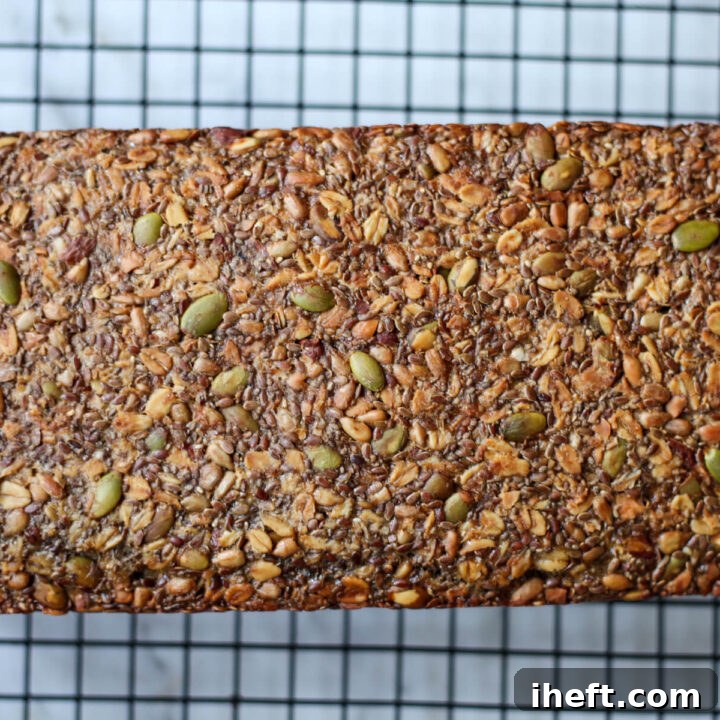
Embark on a culinary adventure with this incredible homemade seed bread! This easy-to-follow recipe offers a gluten-free, low-carb, and high-protein bread that is incredibly dense, satisfying, and packed with an abundance of wholesome seeds and nuts. Perfect for fueling your day or your next outdoor excursion, this bread is a true nutritional powerhouse.
In recent years, nutrient-dense seed breads have soared in popularity, becoming a staple in health-conscious bakeries across the globe. You might have encountered variations like the “Superseed bread” from Oat Bakery in Santa Barbara or Bob’s Well Bread’s “Centennial Loaf” in Los Alamos. However, one of the most iconic and frequently referenced is Josey Baker’s “Adventure Bread” from The Mill in San Francisco, which has inspired countless home bakers to create their own versions of this remarkable loaf.
While these artisanal loaves are undeniably delicious, purchasing them regularly can become quite costly. The good news is that making your own healthy seed bread at home is not only incredibly easy but also significantly more budget-friendly. This guide will walk you through crafting a delicious and wholesome loaf that rivals any bakery offering, ensuring you can enjoy this nutritious bread whenever you desire.
What is Adventure Bread? The Ultimate Seedy Loaf
Adventure Bread, often interchangeably called Seed Bread, is a revolutionary type of bread that defies traditional baking norms. Unlike conventional breads made with yeast and refined flour, Adventure Bread is primarily composed of an impressive array of whole grains, seeds, nuts, and other nutrient-rich ingredients. Its distinguishing characteristic is its dense, hearty texture, making it an ideal, portable snack or meal for anyone seeking sustained energy, especially those engaging in outdoor activities such as hiking, camping, or backpacking – hence its evocative name, “Adventure Bread.”
This unique bread is a fantastic choice for individuals prioritizing health and convenience. Each slice is brimming with protein, dietary fiber, healthy fats, and essential micronutrients, offering a sustained energy release that keeps you feeling full and satisfied for longer. Furthermore, this particular recipe for Adventure Seed Bread is inherently gluten-free, dairy-free, and vegan, making it an incredibly versatile option that caters to a wide spectrum of dietary preferences and needs. While our recipe focuses on a specific blend, variations often include ingredients like rye flakes or dried fruits, adding further complexity and flavor dimensions to this already versatile bread.
Why This Gluten-Free Seed Bread Recipe Works So Well
The magic behind this seed bread’s incredible structure lies in a clever botanical secret, bypassing the need for traditional baking binders like eggs or chemical leavening agents. If you’ve ever experimented with creating creamy chia pudding or crafting a vegan flax egg, you’re already familiar with the remarkable gelatinous properties that these super seeds exhibit when combined with liquid. In this recipe, the synergistic combination of psyllium husk, chia seeds, and flax seeds creates a powerful, natural, and entirely vegan binding matrix.
When these ingredients are introduced to water, they absorb the liquid and form a mucilaginous gel. This gel encapsulates all the other seeds, nuts, and oats, effectively holding them together in a cohesive mass. This process results in an exceptionally dense and hearty loaf that, unlike many gluten-free alternatives, holds its shape perfectly and slices cleanly without any crumbling. This robust structure makes it absolutely ideal for toasting, providing a delightfully crisp exterior that serves as the perfect canvas for all your favorite sweet or savory toppings. The recipe truly leverages the natural properties of these ingredients to create a sturdy, satisfying, and incredibly nutritious bread experience.
Understanding Psyllium Husk: The Essential Binder
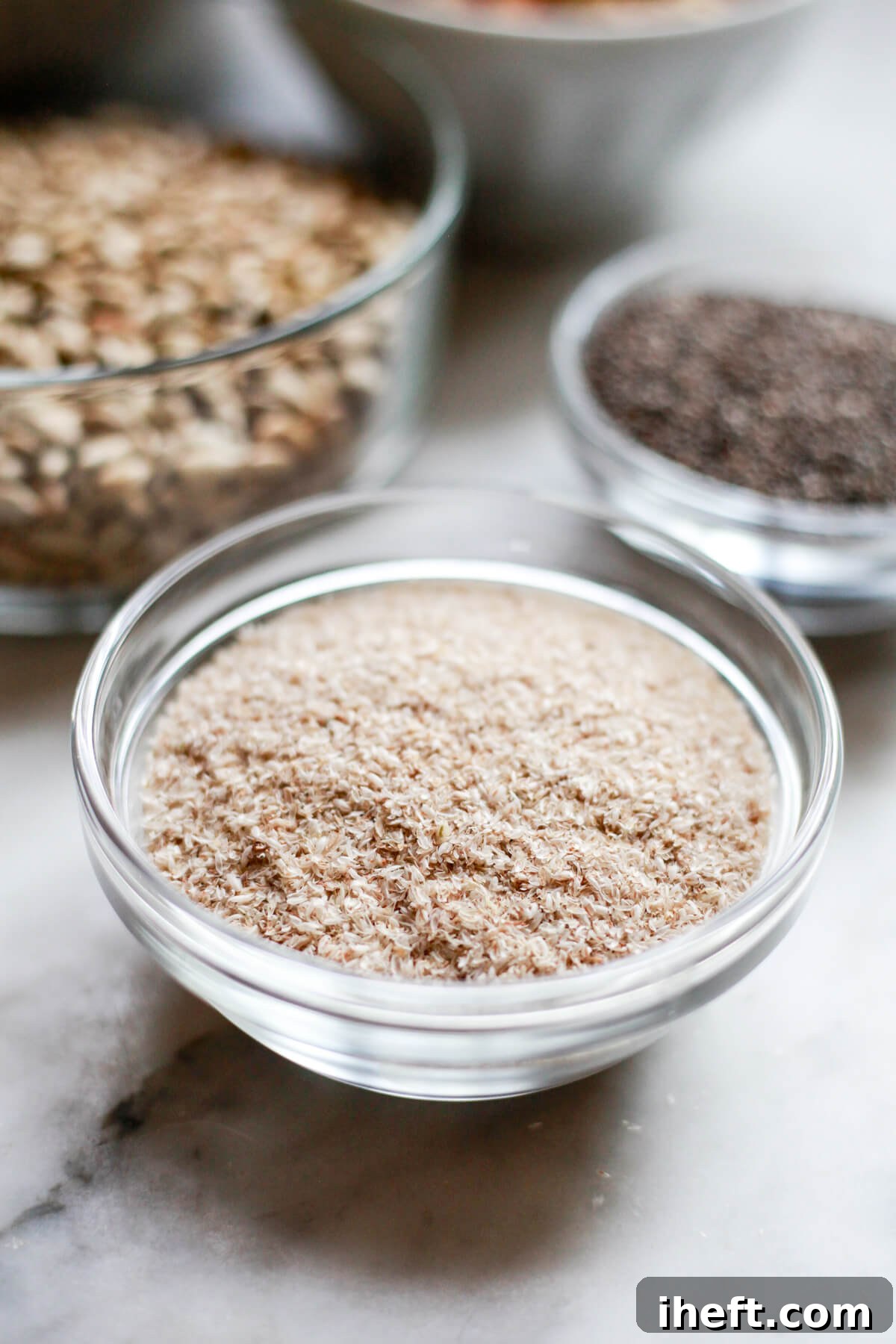
Psyllium husk is a natural, soluble dietary fiber derived from the seeds of Plantago ovata, an herbaceous plant primarily cultivated in parts of Asia and Africa. It has gained significant recognition in the health and wellness community in recent years, celebrated for its extensive array of health benefits. These include its ability to help reduce cholesterol levels, stabilize blood sugar, promote regularity and overall healthy digestion, and even support weight management efforts by increasing feelings of fullness.
Beyond its impressive health credentials, psyllium husk plays a crucial functional role in gluten-free baking, especially in recipes like our Adventure Bread. When added to doughs and batters, it acts as a powerful hydrocolloid, absorbing a remarkable amount of liquid and creating a viscous, gel-like substance. This property is indispensable for several reasons: it provides much-needed structure and elasticity to gluten-free mixtures, which naturally lack the binding network that gluten provides. Additionally, psyllium husk helps with moisture retention, contributing to a softer, less crumbly texture in the finished baked good. In some applications, it might even impart a subtle, mildly sweet flavor and a slight natural coloring, though its primary role here is structural integrity.
For this Adventure Bread recipe, psyllium husk is not merely an optional addition; it is an absolutely critical binding ingredient that cannot be omitted or easily substituted without compromising the loaf’s texture and structure. Skipping it would result in a loose, crumbly mixture that won’t hold together. You can typically find either whole or ground psyllium husks readily available in the supplement aisle of natural food stores, health food shops, and even many larger supermarkets. Ensure you select a product that is pure psyllium husk, without added sugars or flavors, for the best results in your baking.
Key Ingredients for Your Homemade Adventure Bread
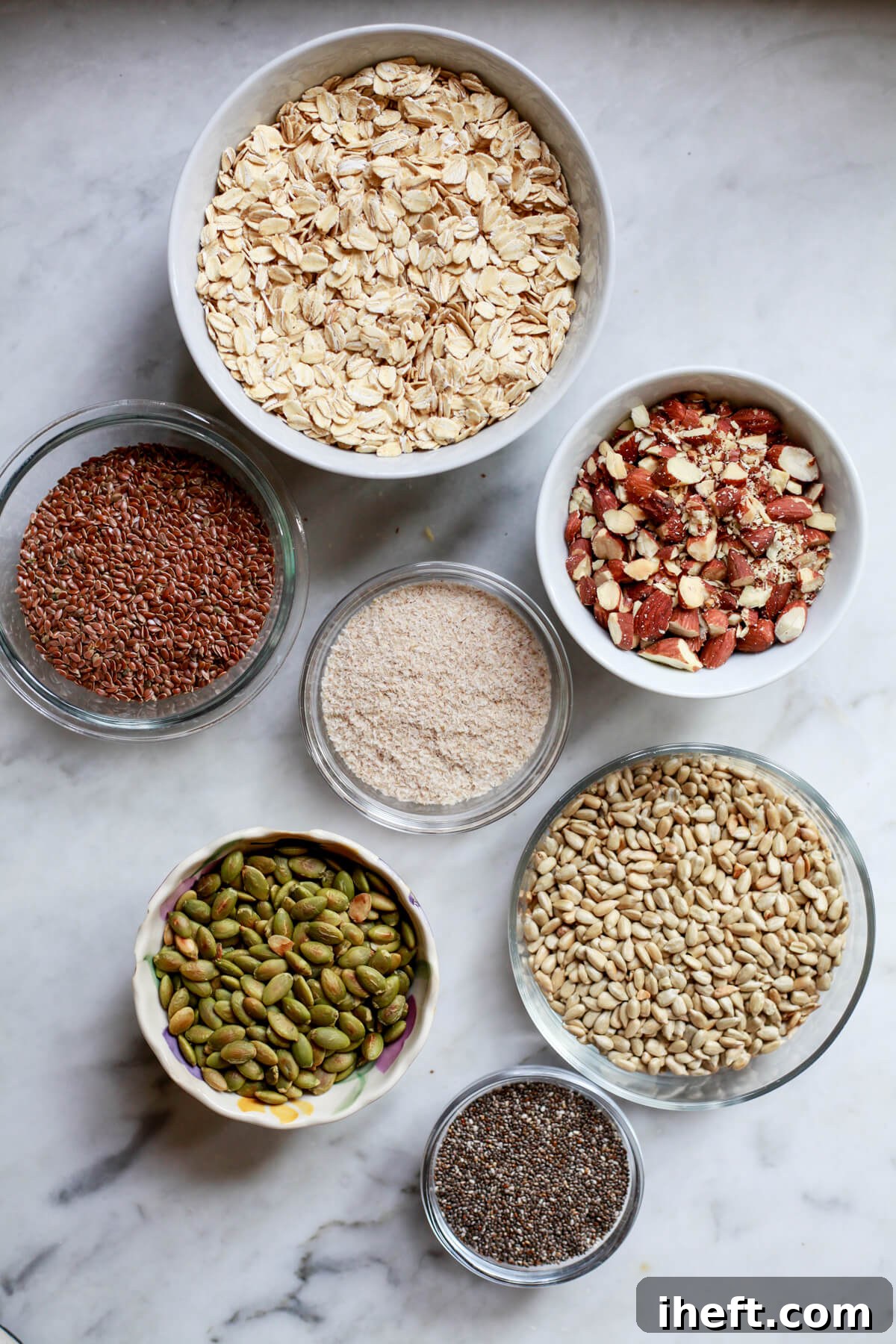
Crafting this hearty Adventure Bread requires a carefully selected combination of ingredients, each contributing to its unique texture, flavor, and nutritional profile. Here’s a closer look at what you’ll need to gather:
- Gluten-Free Rolled Oats: Oats form the foundational bulk of this bread, offering a pleasant chewiness and a good source of soluble fiber. To ensure your seed bread is truly gluten-free, it is crucial to use certified gluten-free rolled oats. Standard oats are often cross-contaminated with wheat during processing, so look for a label explicitly stating “gluten-free.”
- Psyllium Husks: As previously discussed, psyllium husk is the non-negotiable hero of this recipe, acting as the primary binder that holds everything together without gluten. There are no tested or recommended substitutions for psyllium husk in this specific formulation, so please do not skip this vital ingredient. It’s available in whole or ground forms; either works, but whole husks tend to absorb more liquid and create a slightly coarser texture.
- An Abundance of Seeds: This recipe truly lives up to its “seed bread” name, incorporating approximately two generous cups of various seeds! We typically use raw pepitas (pumpkin seeds) and sunflower seeds, which are then lightly toasted in a dry saucepan on the stove to enhance their nutty flavor and aroma. Other fantastic seed choices include sesame seeds, hemp hearts, or even a mix of several. Remember to use unsalted seeds, as we will be adding a specific amount of fine sea salt to the mixture for balanced seasoning. Chia seeds and flax seeds, in particular, are essential for their gelling properties and their rich content of Omega-3 fatty acids and fiber. You can also use your chia seeds for making delicious chia puddings and healthy smoothies!
- Wholesome Nuts: Nuts add another layer of texture, healthy fats, and protein to the bread. You have flexibility here to use your favorite varieties. Almonds and walnuts are excellent choices and blend beautifully with the seeds, offering a rich, earthy flavor. Feel free to experiment with pecans, cashews, or even a mixed blend. Roughly chopping them ensures even distribution throughout the loaf. Like the seeds, opt for unsalted nuts.
- The Essential Liquid Mix: The liquid component is simple yet crucial for activating the binding agents and hydrating all the dry ingredients. You’ll need just three elements: pure water, a touch of healthy oil (such as olive oil or melted coconut oil) for moisture and richness, and a natural sweetener like maple syrup or honey. The sweetener adds a subtle hint of flavor and helps with browning, though it’s not strictly for binding.
- Fine Sea Salt: A good quality fine sea salt is essential to balance and enhance all the flavors of the nuts and seeds, preventing the bread from tasting bland.
Mastering the Art of Making Seed Bread
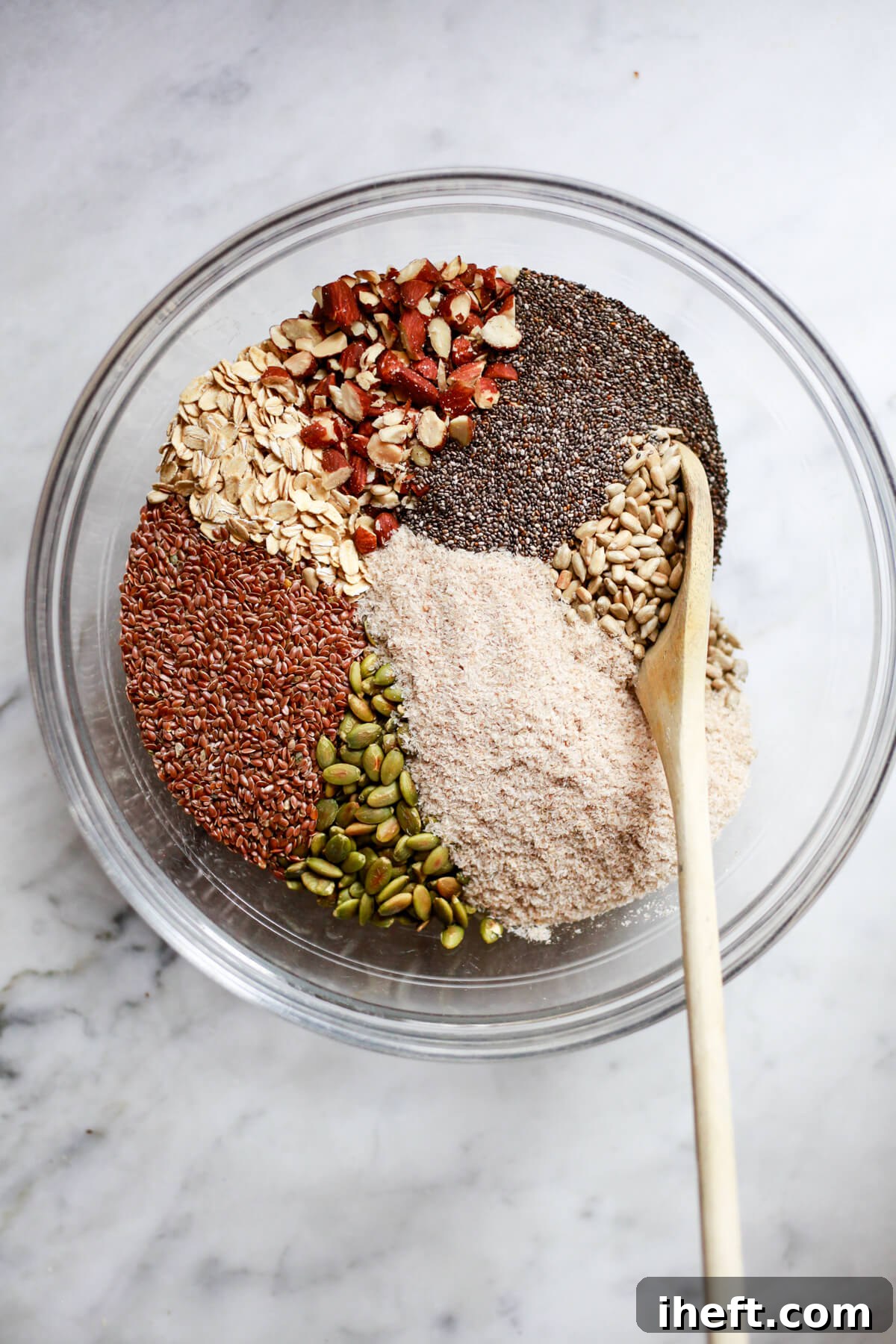
While this seed bread recipe is remarkably straightforward and comes together quite quickly in terms of active preparation time, it does demand a generous dose of patience. The unique composition of this bread means it requires ample time to properly hydrate, set, bake thoroughly, and perhaps most importantly, cool completely before it can be enjoyed. Rushing any of these stages will compromise its structure and taste. Follow these steps for a perfect loaf:
Step 1: Prepare Your Pan and Combine Dry Ingredients
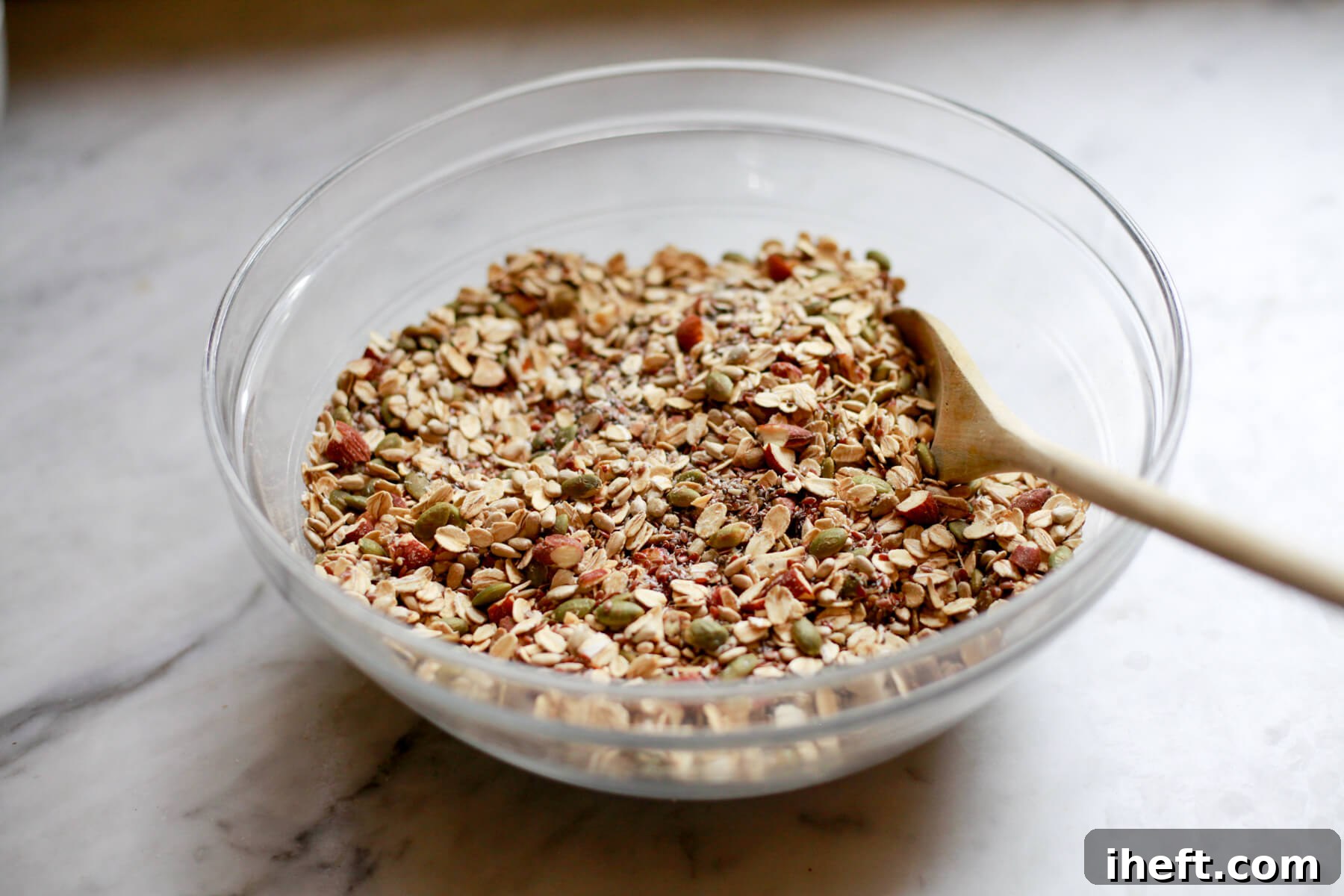
Begin by preparing an 8×4-inch loaf pan. You can either lightly oil it or, for easier removal and cleanup, line it with parchment paper, leaving an overhang on the longer sides to act as “handles.” In a large mixing bowl, combine all your dry ingredients: the gluten-free rolled oats, toasted sunflower seeds, toasted pumpkin seeds (pepitas), chopped almonds (or walnuts), psyllium husks, flax seeds, chia seeds, and fine sea salt. Stir these thoroughly with a large spoon or your hands until all the components are evenly distributed. Ensuring the dry ingredients are well mixed now will prevent clumps later and guarantee a uniform loaf.
Step 2: Incorporate the Wet Ingredients and Mix Thoroughly
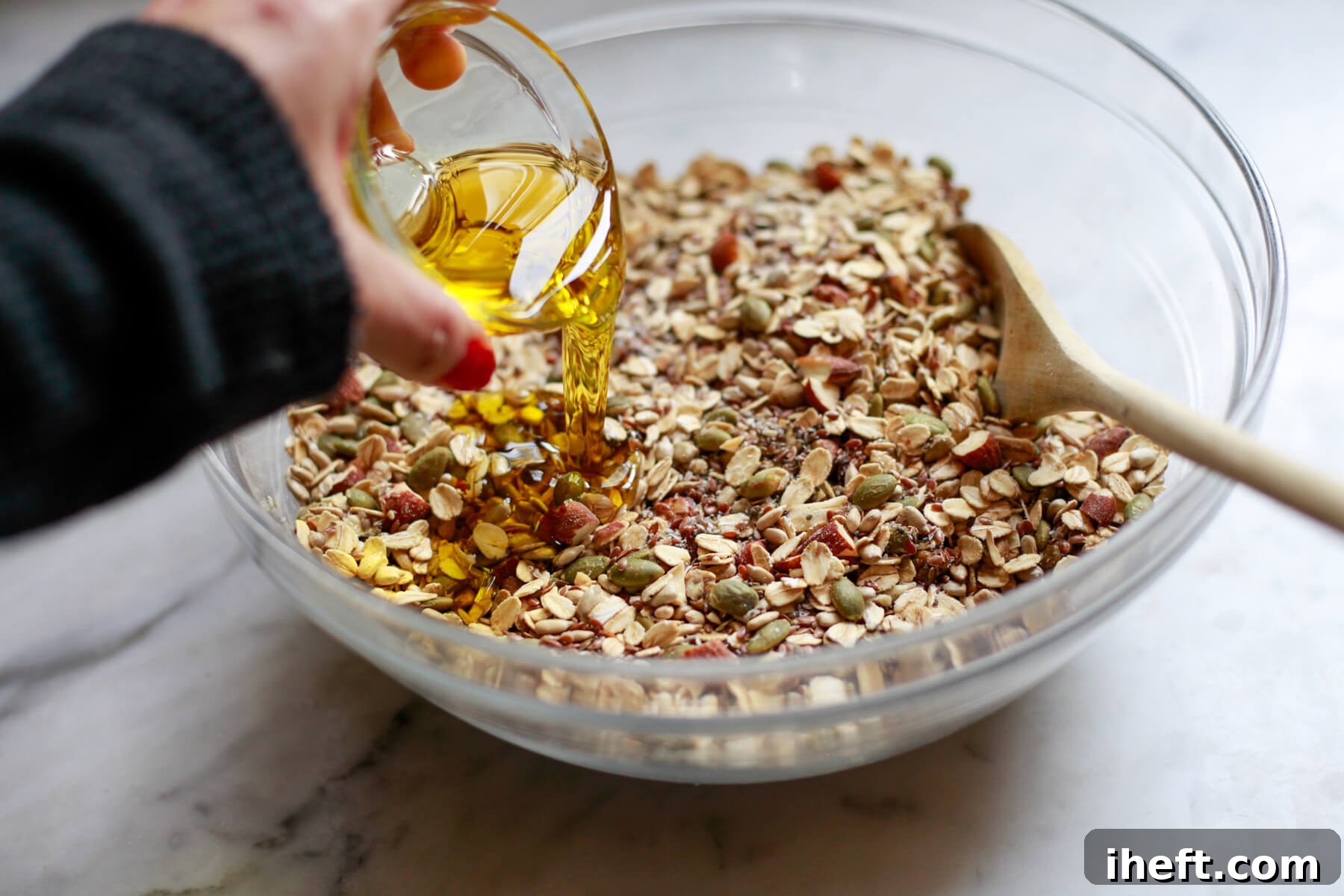
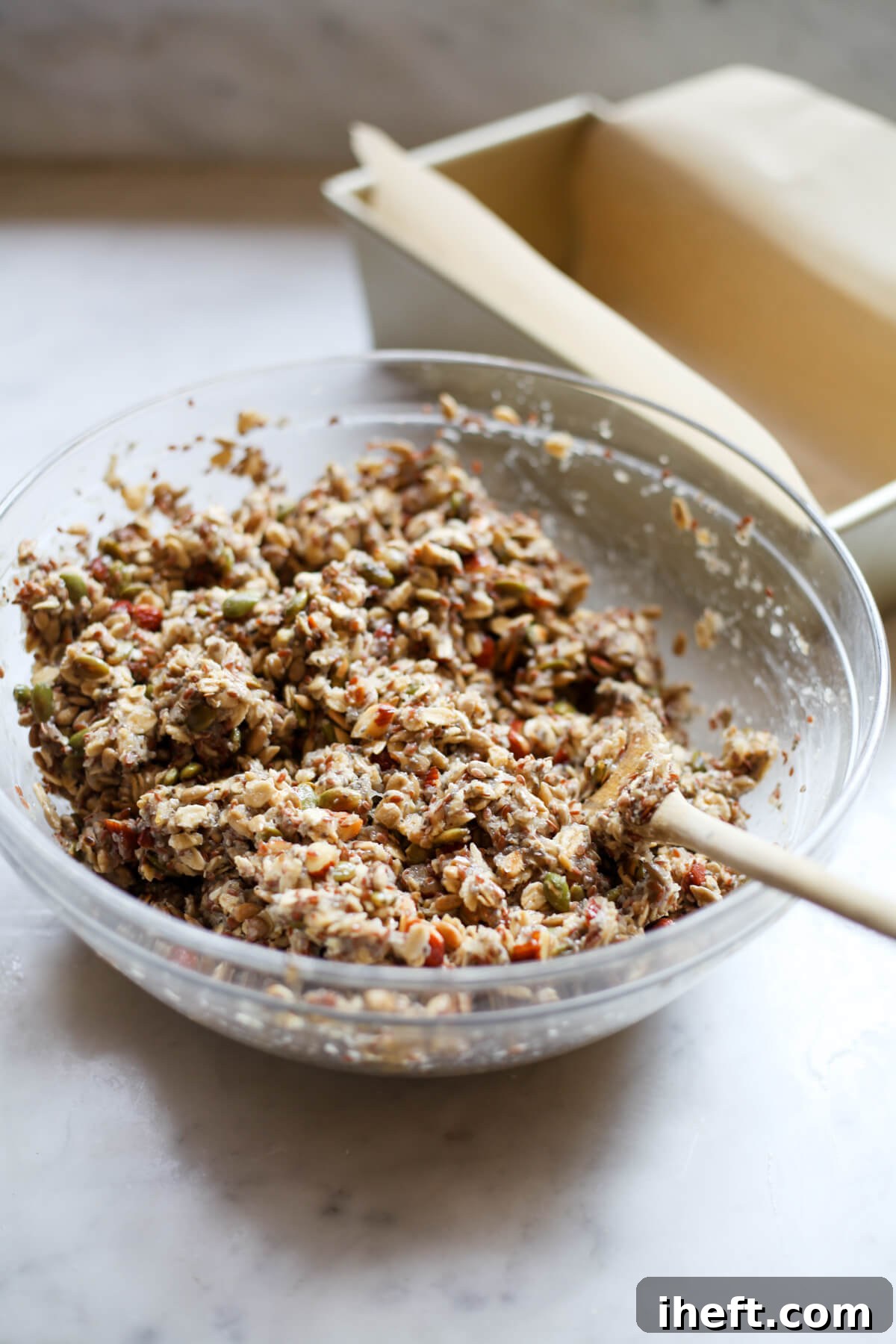
Next, add the wet components to your dry mixture: water, maple syrup (or honey), and olive oil (or melted coconut oil). This is where the magic begins. Mix all the ingredients together very, very thoroughly. Initially, it might seem like there isn’t enough liquid, but as you continue to mix, the psyllium, chia, and flax seeds will begin to absorb the moisture and activate their gelling properties. The mixture will become very thick and sticky. For the best results and to ensure no dry pockets or clumps of seeds (especially chia) remain, it works best to get your hands in there and really “squish” and work the mixture together. This ensures maximum hydration and proper binding of all the ingredients.
Step 3: Allow the Mixture to Rest and Hydrate
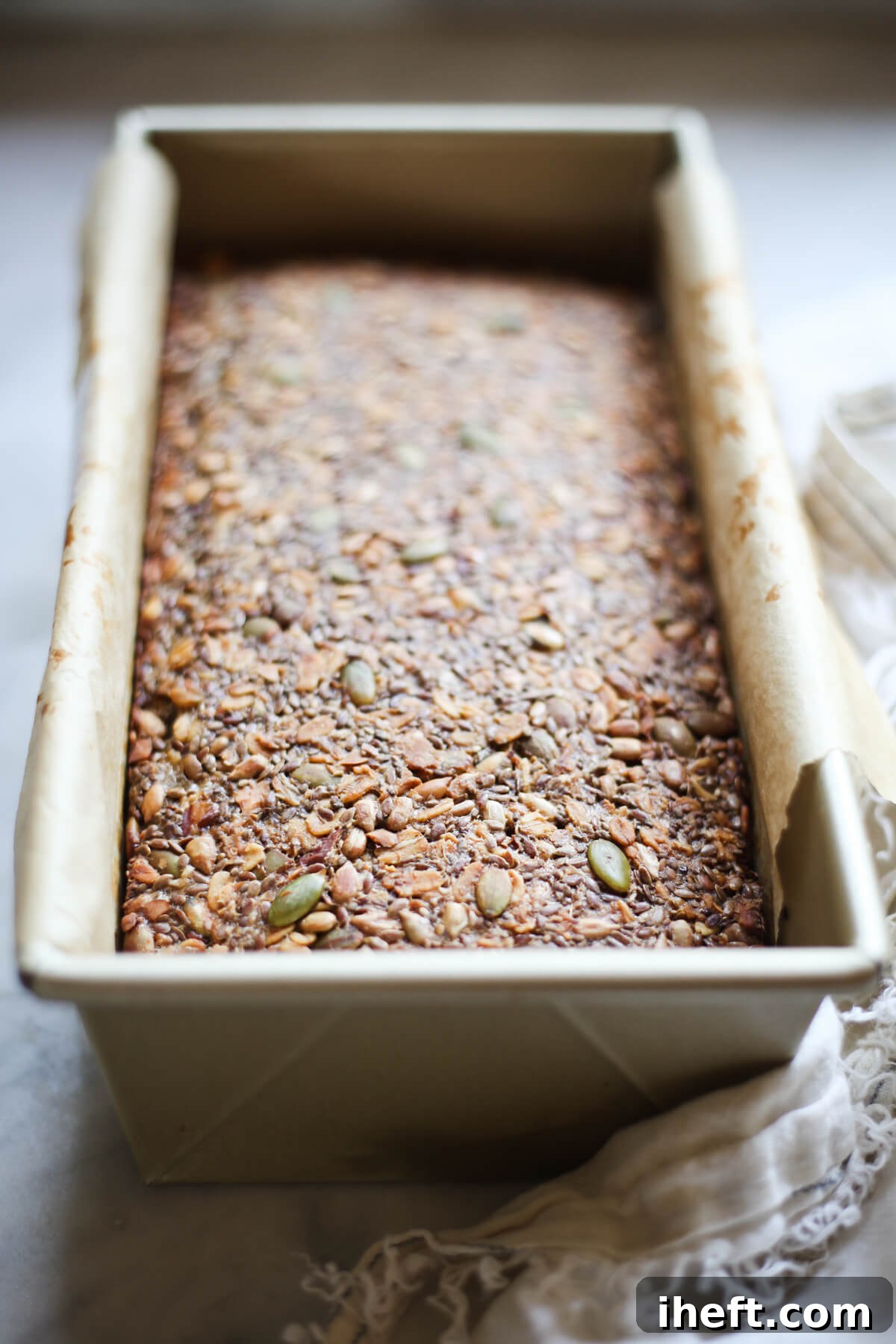
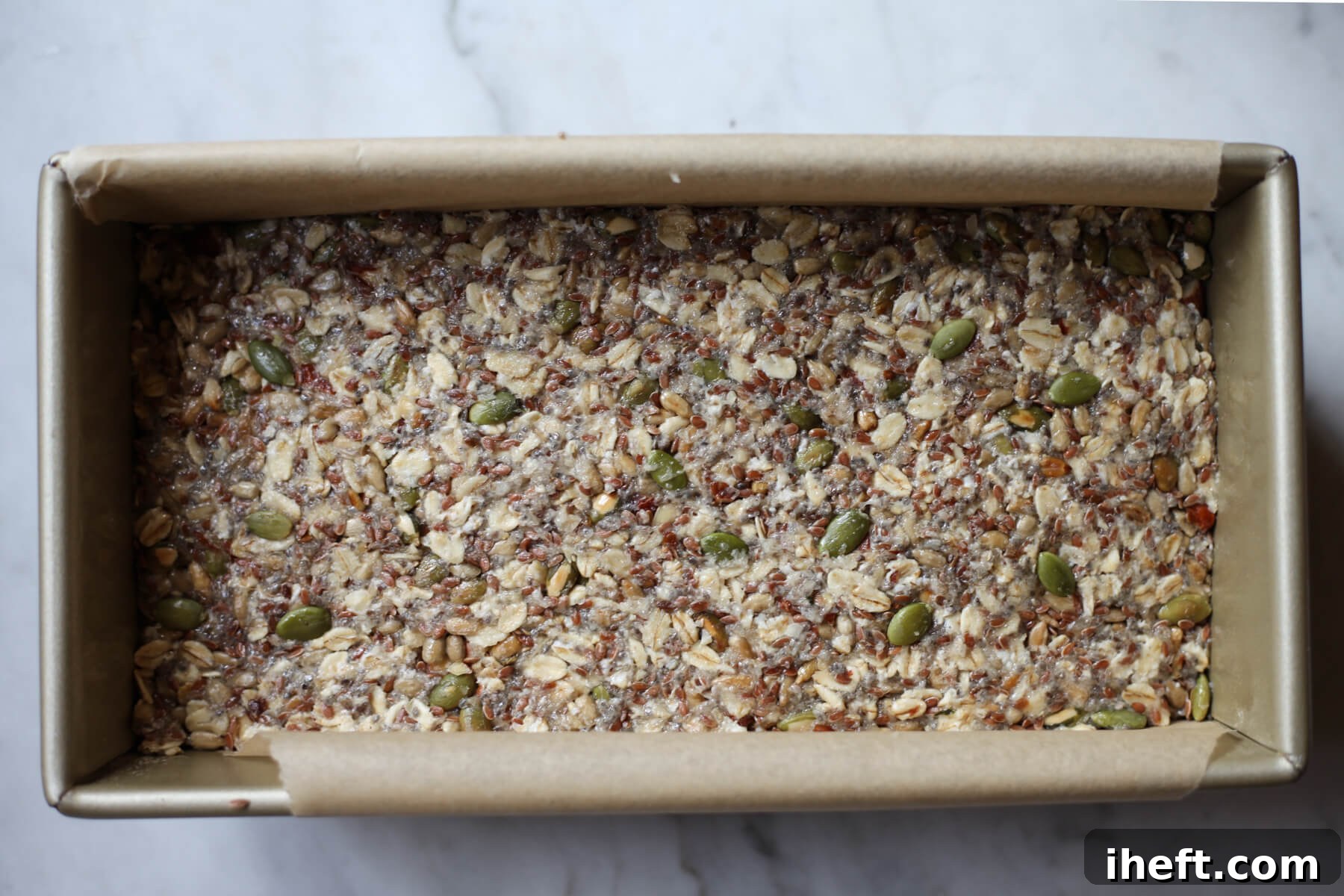
Once your “dough” is uniformly mixed and sticky, transfer it to your prepared loaf pan. Press it down firmly and evenly into the pan. This compression is important for a dense, well-formed loaf. Cover the loaf pan with a clean kitchen towel and let the mixture rest at room temperature for at least 1 hour. This resting period is crucial. It allows the psyllium, chia, and flax seeds sufficient time to fully absorb the liquid, swell, and form a robust, gelatinous binder that will hold the bread together during baking. While the dough rests, preheat your oven to 400°F (200°C) so it’s ready when the loaf is.
Step 4: Bake to Golden Perfection and Cool Completely
Once the resting period is complete and your oven is preheated, bake the loaf for about 60-70 minutes, or until the top is beautifully golden brown and firm to the touch. The internal temperature, if checked, should be around 200°F (93°C). A fully baked loaf will sound hollow when tapped on the bottom. After baking, remove the pan from the oven and let it sit for a few minutes before carefully transferring the loaf out of the pan and onto a wire cooling rack. The most critical step now is to let the loaf cool completely, which means at least 1 to 2 hours, or even longer. Slicing the bread while it’s still warm will result in a gummy texture and it may crumble, as the binding agents need to fully set as they cool. Patience is key for the perfect texture!
Delicious Ways to Enjoy Your Super Seed Bread
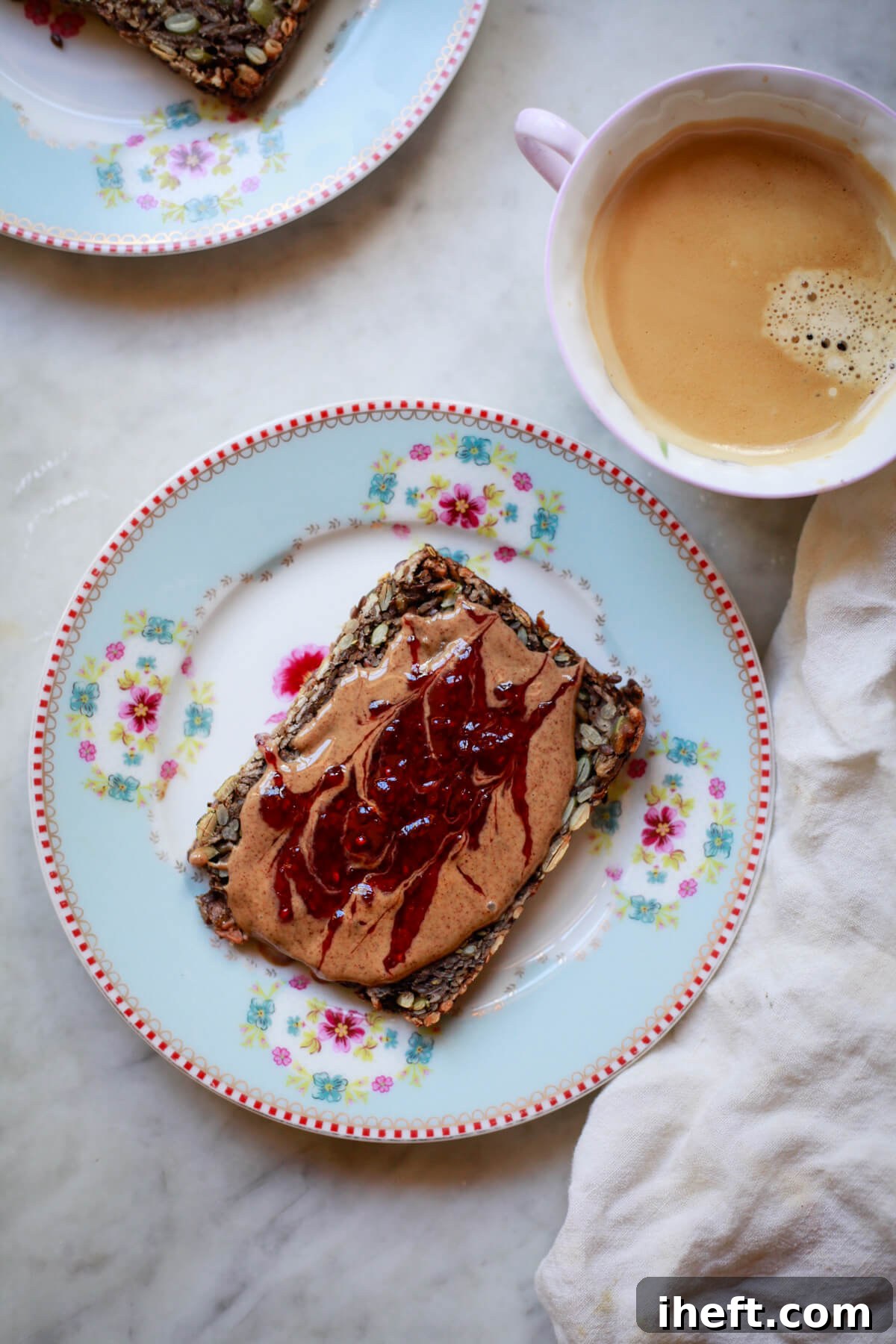
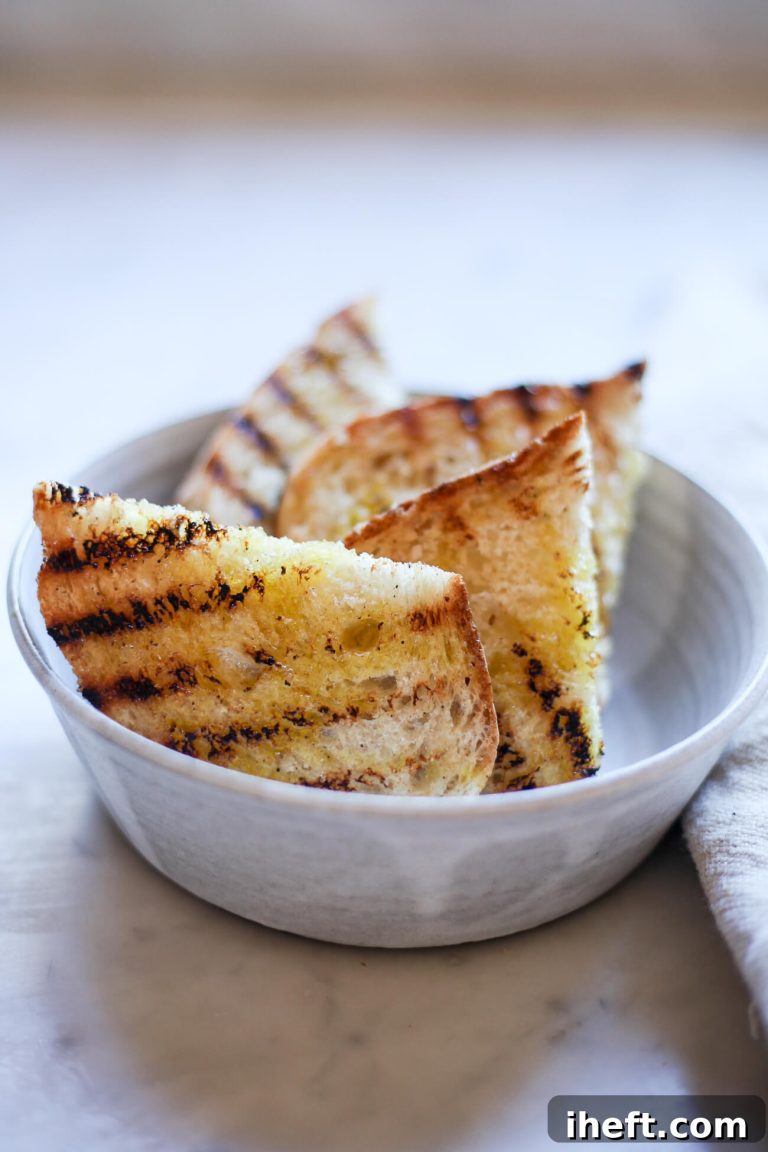
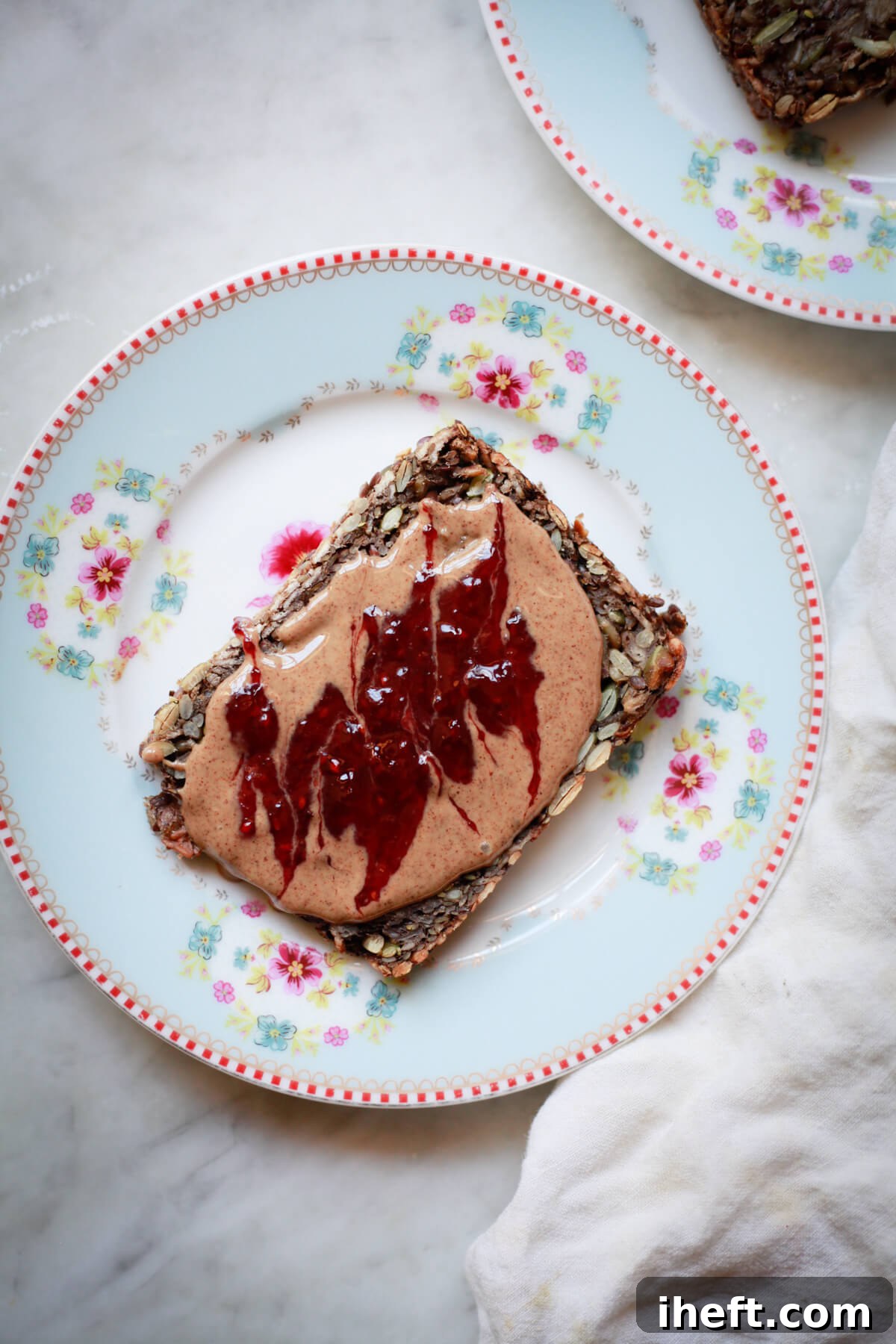
The best and most highly recommended way to truly appreciate the incredible texture and flavor of your super seed bread is to slice it thinly and toast it. This step is non-negotiable for an optimal eating experience! Toasting transforms the dense interior into a satisfyingly chewy bite while creating delightfully crispy edges that are simply irresistible. A serrated knife works best for slicing through the dense matrix of seeds and nuts, yielding perfect 1/4 to 1/2-inch thick slices.
Once toasted, your Adventure Bread becomes the perfect foundation for an endless array of toppings, suitable for any meal of the day. Here are some of our favorite ideas to get you started:
Sweet Topping Ideas:
- Creamy nut butter (peanut, almond, cashew) paired with your favorite berry jam or fruit preserves.
- Almond butter layered with thinly sliced fresh bananas and a sprinkle of cinnamon.
- A drizzle of honey or maple syrup with a scattering of fresh berries.
- Tahini and a touch of date syrup for a rich, nutty sweetness.
Savory Topping Ideas:
- Mashed ripe avocado generously seasoned with flaky sea salt and a pinch of chili flakes.
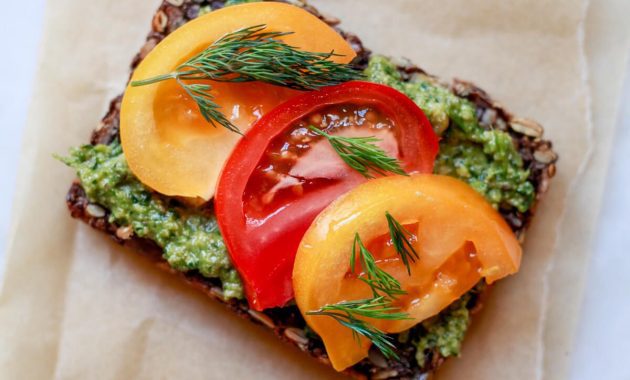
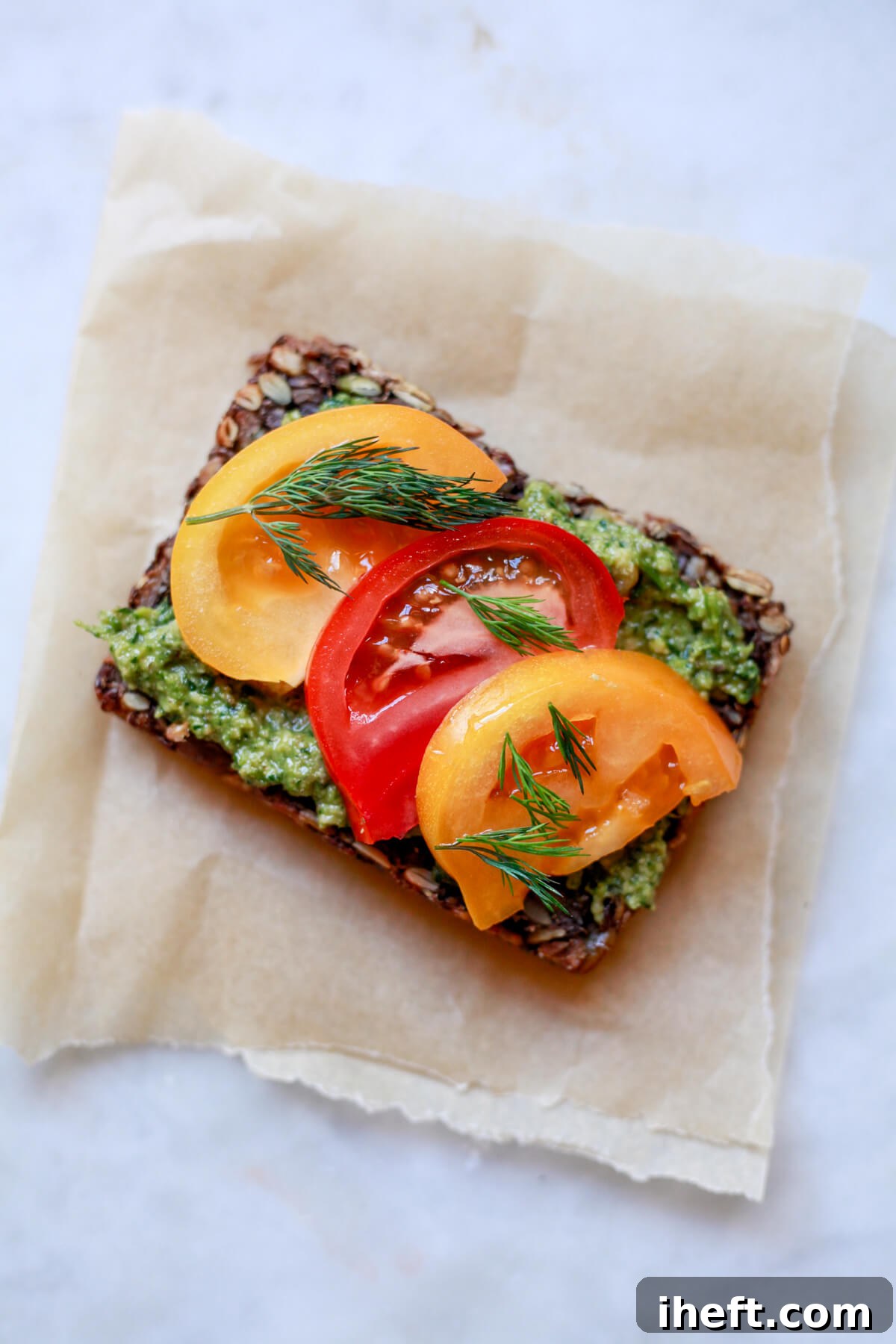
- Fresh pesto (or any other savory spread you love) topped with vibrant, thinly sliced heirloom tomatoes and a sprig of fresh dill.
- A smear of vegan cream cheese with everything bagel seasoning.
- Classic butter (dairy or plant-based) and a sprinkle of black pepper.
- Hummus with sliced cucumber and a sprinkle of paprika.
- Fried egg or scrambled tofu for a protein-packed breakfast.
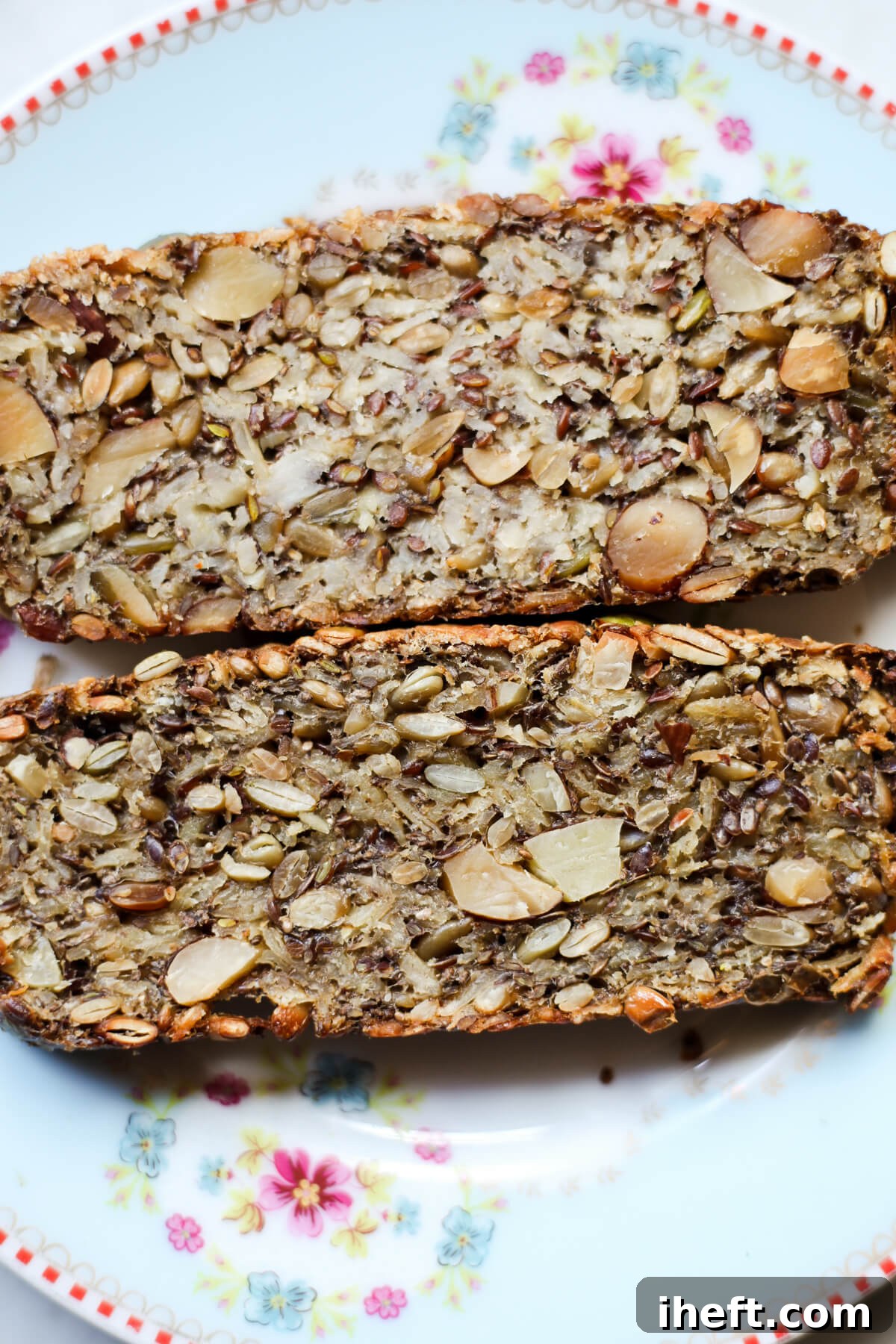
Storage and Freezing Guidelines for Maximum Freshness
Proper storage is essential to maintain the quality and extend the shelf life of your homemade seed bread. Given its high content of nuts and seeds, which are rich in oils, this bread can be susceptible to becoming rancid if exposed to air or moisture for prolonged periods. Follow these guidelines to keep your loaf fresh and delicious:
Room Temperature Storage:
For short-term storage, keep your seed bread in an airtight container at room temperature. Options include a plastic container with a tight-fitting lid or a heavy-duty, resealable plastic bag. Crucially, ensure you press out as much air as possible before sealing the container. This minimizes oxidation and helps preserve freshness. When properly stored at room temperature, your seed bread should remain fresh and enjoyable for several days, typically up to 3-5 days.
Refrigeration:
If you live in a humid environment or want to extend its shelf life slightly beyond a few days, you can refrigerate the seed bread. Wrap it tightly in plastic wrap or aluminum foil, then place it in an airtight container or bag. Refrigeration can extend its freshness for up to a week. However, keep in mind that refrigeration can sometimes alter the texture of bread, making it a bit firmer. A quick toast will usually revive it beautifully.
Freezing for Long-Term Preservation:
One of the fantastic attributes of seed bread is how exceptionally well it freezes, thanks to its dense structure and high protein content. Freezing is the best option for long-term storage, allowing you to enjoy your homemade loaf for weeks or even months to come. To freeze your bread effectively:
- Whole Loaf: Wrap the entire cooled loaf tightly in plastic wrap, ensuring no air pockets remain, and then wrap it again in aluminum foil. Place the double-wrapped loaf into a freezer-safe bag or container.
- Sliced Portions: For ultimate convenience, slice the bread first and wrap each individual slice tightly in plastic wrap before placing the wrapped slices into a freezer-safe bag or container. This method is incredibly practical as it allows you to thaw and use only the amount you need at a time, minimizing waste and making quick snacks effortless.
When you’re ready to enjoy a slice (or several!), simply remove the desired amount from the freezer. You can let it thaw at room temperature for about 15-30 minutes, then toast it. Alternatively, for a delightfully crispy texture straight away, you can place a frozen slice directly into the toaster or toaster oven. Properly frozen seed bread can last for up to three months in the freezer without significant loss of quality or flavor. This makes it an excellent candidate for meal prepping and ensures you always have a healthy, homemade option on hand.
Adventure Seed Bread
10 minutes
1 hour
3 hours
4 hours 10 minutes
Are you looking for a hearty, gluten-free seed bread loaded with oats, nuts, and seeds? Adventure bread is delicious sliced, toasted, and topped with nut butter and jam, or a savory topping of avocado or tomatoes with pesto.
Ingredients
- 1 cup hulled sunflower seeds, toasted
- 1/2 cup hulled pumpkin seeds (pepitas), toasted
- 3/4 cup toasted almonds or walnuts, roughly chopped
- 2 cups gluten-free rolled oats
- 1/3 cup psyllium husks
- 3/4 cup flax seeds
- 1/4 cup chia seeds
- 3/4 tablespoon fine sea salt
- 2 1/4 cups water
- 2 tablespoons maple syrup (or honey)
- 1/4 cup olive oil (or melted coconut oil)
Instructions
- Prepare an 8×4″ loaf pan by oiling lightly or lining it with parchment paper.
- In a medium bowl, stir together the sunflower seeds, pumpkin seeds, almonds, oats, psyllium, flax, chia, and salt until well combined.

- Add the water, syrup, and oil.
- Mix the wet ingredients with the dry ingredients very well. The oats, flax, chia, and psyllium will absorb much of the liquid. This mixture will be very thick. It works best to use your hands to really work the mixture together so there are no clumps of chia seeds.
- Transfer the mixture to the prepared loaf pan. Cover with a kitchen towel and let sit for 1 hour. Preheat the oven to 400°F.
- Bake the loaf in the oven for about an hour, until nice and golden on top. Let sit for a few minutes then transfer to a cooling rack. Let the loaf cool completely, at least an hour or two.
- To enjoy, slice thinly, about 1/4-1/2″ thick. A serrated knife works best to cut through the seeds. Toast the seed bread slice (don’t skip this step!) and top it with your favorite things. See our post for topping ideas.
Notes
This recipe was adapted from Josey Baker’s Adventure Bread and inspired by the Superseed Bread at Oat Bakery in Santa Barbara.
Pan: You can use larger or smaller sized loaf pans, though the loaves will be taller or shorter.
You can use raw sunflower seeds and pepitas and toast them in a large dry saucepan on the stove.
Recommended Products
As an Amazon Associate and member of other affiliate programs, I earn from qualifying purchases.
- Good Cook 7428419185195 8 Inch x 4 Inch Loaf Pan (8 x 4 Inch (2 Pack), Stainless
- Organic India Psyllium
Nutrition Information:
Yield: 20
Serving Size: 1 slice
Amount Per Serving:
Calories: 188Total Fat: 13gSaturated Fat: 1gTrans Fat: 0gUnsaturated Fat: 11gCholesterol: 0mgSodium: 732mgCarbohydrates: 15gFiber: 7gSugar: 2gProtein: 6g
Nutrition information is automatically calculated by Nutritionix. I am not a nutritionist and cannot guarantee accuracy. If your health depends on nutrition information, please calculate again with your favorite calculator.