Ginger Juice From Scratch Your Recipe for Wellness
Ginger root, a globally revered spice, is not just for flavoring your favorite dishes. Its potent essence, when extracted into juice form, transforms into a powerful wellness elixir. Today, we’ll embark on a comprehensive journey to discover how to make ginger juice with and without specialized equipment, delve deep into its remarkable health benefits, and explore countless ways to integrate this golden liquid into your daily routine.
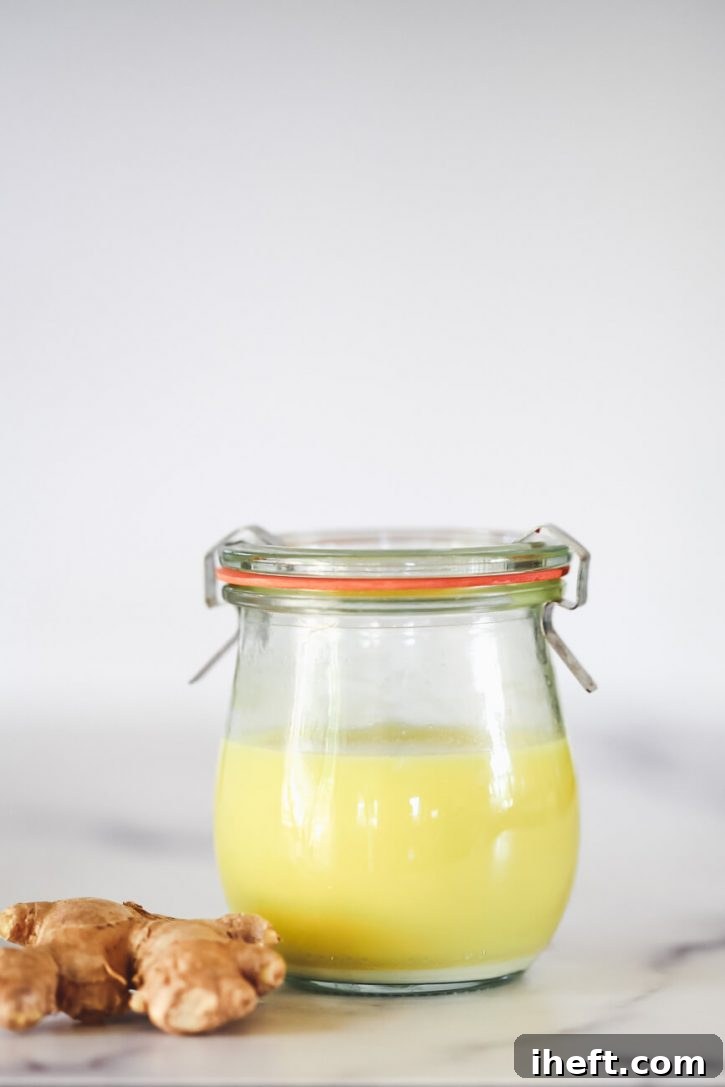
Ginger (Zingiber officinale) can be enjoyed in various forms – fresh, dried, powdered, as an extract, or brewed into a comforting tea. I frequently incorporate it into my cooking to infuse dishes with an unparalleled depth of flavor, particularly in Asian-inspired recipes such as Thai Peanut Sauce, a warming Carrot Ginger Soup, or a refreshing Asian Salad with Ginger Sesame Dressing. The possibilities are truly endless.
However, one of the most concentrated and effective ways to harness ginger’s therapeutic properties is through its juice. Ginger juice is a concentrated liquid extracted from the fibrous ginger root. When you find yourself with an abundance of fresh ginger, transforming it into juice is an excellent way to preserve its goodness and make it readily available for everyday use. You can even freeze the juice for long-term storage, ensuring you always have this powerful ingredient on hand. Let’s explore how to prepare it.
The Remarkable Health Benefits of Ginger Juice
Native to Southeast Asia, ginger is celebrated worldwide as one of the healthiest spices. For centuries, the root of the ginger plant has been a cornerstone in traditional medicine systems across various cultures, revered for its extensive medicinal properties. To shed more light on the top benefits of ginger juice, we consulted registered dietitian Allison Lansman, RDN, LD.
The synergy of beneficial compounds, vitamins, and minerals found in ginger root contributes to a plethora of scientifically-backed health advantages, including:
1. Potent Antioxidant and Anti-inflammatory Properties
Ginger root is rich in an oleoresin containing over 14 bioactive compounds. The most prominent among these is [6]-gingerol, a phenolic compound responsible for much of ginger’s unique aroma and flavor, as well as its profound therapeutic effects. This powerful compound endows ginger with remarkable anti-inflammatory, antibacterial, and antioxidant properties. By actively combating chronic, age-related oxidative stress markers and preventing cellular DNA damage, ginger juice plays a crucial role in protecting your body at a molecular level.
2. Significant Boost to Immune Function
The remarkable ability of ginger to mitigate chronic inflammation and oxidative damage directly contributes to an improved overall immune system function. The bioactive compounds within ginger can enhance the body’s immune response, making it more efficient at identifying and neutralizing invading pathogens. Regular consumption of ginger juice can, therefore, help prevent infections, reduce the frequency and severity of illnesses like the common cold and flu, and support a robust defense system against various environmental threats.
3. Easing Nausea and Indigestion
Ginger’s long-standing reputation as a natural remedy for an upset stomach is well-deserved. Specific compounds, including 6-shogaol, have been extensively studied for their antiemetic effects. These compounds work by accelerating gastric emptying and promoting the release of hormones that help soothe digestive upset. Ginger juice is particularly effective in alleviating various forms of nausea, including morning sickness during pregnancy, motion sickness, and even chemotherapy-induced nausea. It can also relieve general indigestion, bloating, and gas.
4. Natural Pain Relief Capabilities
Beyond its anti-inflammatory effects, ginger acts as a natural analgesic, offering relief from various types of pain. Its ability to reduce prostaglandins, which are compounds associated with inflammation and pain, makes it an effective natural remedy. Ginger juice can significantly reduce muscle soreness experienced after intense physical activity and has been shown to alleviate menstrual pain (dysmenorrhea). Furthermore, it may help manage symptoms of chronic inflammatory conditions like osteoarthritis and rheumatoid arthritis.
5. Supports Cardiovascular Well-being
Emerging research suggests that ginger can contribute positively to cardiovascular health. Studies indicate its potential to help lower levels of “bad” (LDL) cholesterol and triglycerides, while also supporting healthy blood pressure regulation. Certain compounds in ginger may also possess mild anticoagulant properties, which can help improve blood circulation. Always consult a healthcare professional if you are on blood-thinning medication due to ginger’s potential effects.
6. Assists in Blood Sugar Regulation
Some studies have explored ginger’s potential role in managing blood sugar levels. It appears to enhance insulin sensitivity and may help reduce fasting blood glucose in individuals with type 2 diabetes. While ginger juice can be a beneficial dietary addition, it should not replace prescribed diabetes medication, and individuals with diabetes should monitor their blood sugar levels closely.
Crafting Your Own Ginger Juice: Methods Explained
Making ginger juice at home is surprisingly simple, regardless of whether you own a juicer or not. The key is to select fresh, high-quality ginger root. Look for ginger that is firm, smooth, and heavy for its size, with no soft spots, mold, or wrinkling. Organic ginger is often preferred, especially if you plan not to peel it.
Preparation Basics: To Peel or Not to Peel?
One common question is whether to peel ginger before juicing. While you don’t *have* to peel the ginger root, I highly recommend doing so. The skin can impart a slightly bitter or earthy flavor, and its fibrous nature can sometimes make the juicing process more challenging. A quick peel with a vegetable peeler or even the edge of a spoon is usually sufficient. Don’t stress about removing every last speck of skin; the juicer or straining process will handle any tiny remaining bits.
Method 1: Juicing with a Dedicated Juicer (Easiest & Purest)
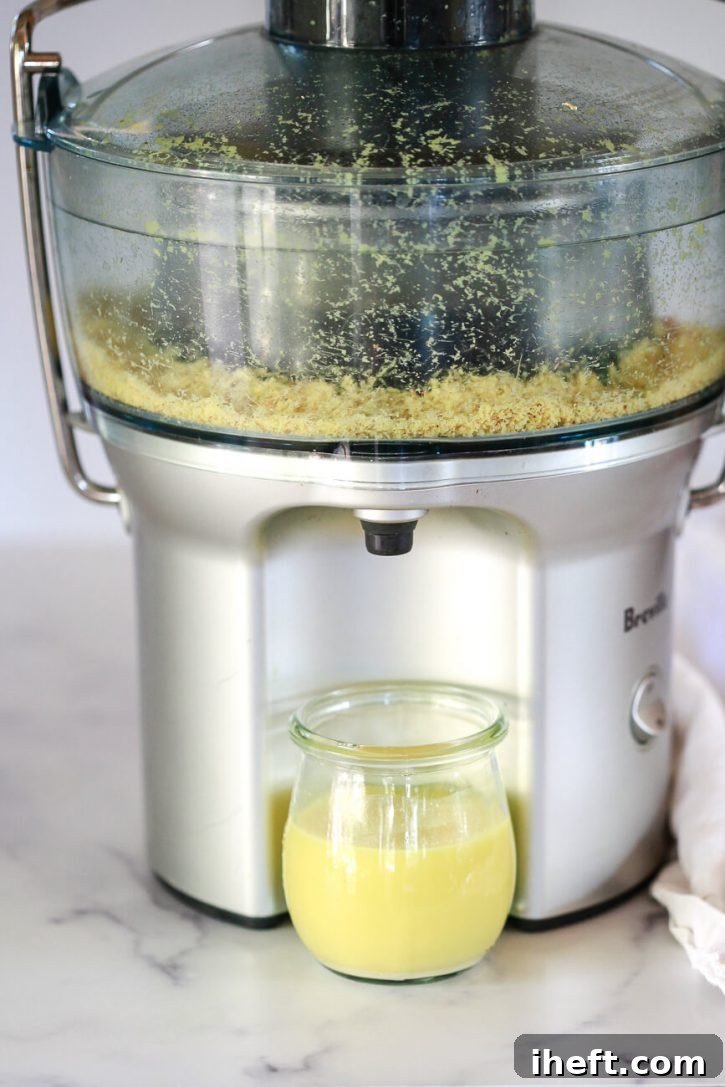
If you have a juicer, this is by far the quickest and most efficient method to obtain pure, concentrated ginger juice. The process is straightforward, much like making our popular turmeric shots or ginger shots, and is ideal for creating your favorite Healthy Juicing Recipes.
- Step 1: Prepare the Ginger. Thoroughly wash the ginger root. If desired, peel the ginger using a vegetable peeler or the edge of a spoon. Cut the ginger into pieces small enough to fit comfortably into your juicer’s feeding chute.
- Step 2: Juice. Turn on your juicer and feed the ginger pieces through, following your manufacturer’s instructions. The juicer will separate the potent juice from the fibrous pulp.
- Yield Expectation: A typical 3-ounce piece of fresh ginger root usually yields about 2 to 2.5 tablespoons of pure ginger juice. The yield can vary slightly depending on the ginger’s freshness; older ginger tends to be drier and produces less juice, so it’s always best to juice your ginger as soon as possible after purchasing.
Method 2: Blending for Diluted Ginger Juice (Accessible & Convenient)
Don’t own a juicer? No problem! A good quality blender can also be used to make ginger juice, although this method will result in a slightly diluted product due to the added water.
- Step 1: Prepare and Chop. Wash and peel the ginger root. Give it a rough chop into smaller, manageable pieces to help your blender process it efficiently.
- Step 2: Blend. Place the chopped ginger into your blender. Add approximately one cup of filtered water. Blend on high speed until the mixture is completely smooth and no large chunks of ginger remain. This might take a few minutes, depending on your blender’s power.
- Step 3: Strain. Set a piece of cheesecloth (doubled for better filtration) over a bowl or jar. Alternatively, use a fine-mesh sieve. Pour the blended ginger-water mixture into the cheesecloth or sieve. Gather the edges of the cheesecloth and squeeze out all the liquid, or press the mixture through the sieve with a spoon, collecting the juice below. Discard the remaining fibrous pulp.
- Consideration: This method yields a more diluted ginger juice compared to a juicer, but it still provides excellent flavor and health benefits.
Method 3: Manual Extraction Without a Juicer or Blender (Simple & Effective)
If you don’t have a juicer or blender, or simply prefer a hands-on approach for smaller batches, making ginger juice without any specialized appliance is surprisingly easy and requires minimal equipment.
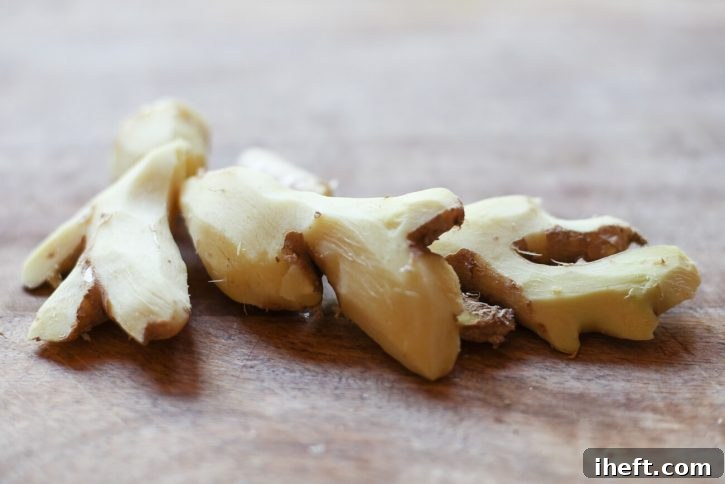
Step 1: Peel the Ginger
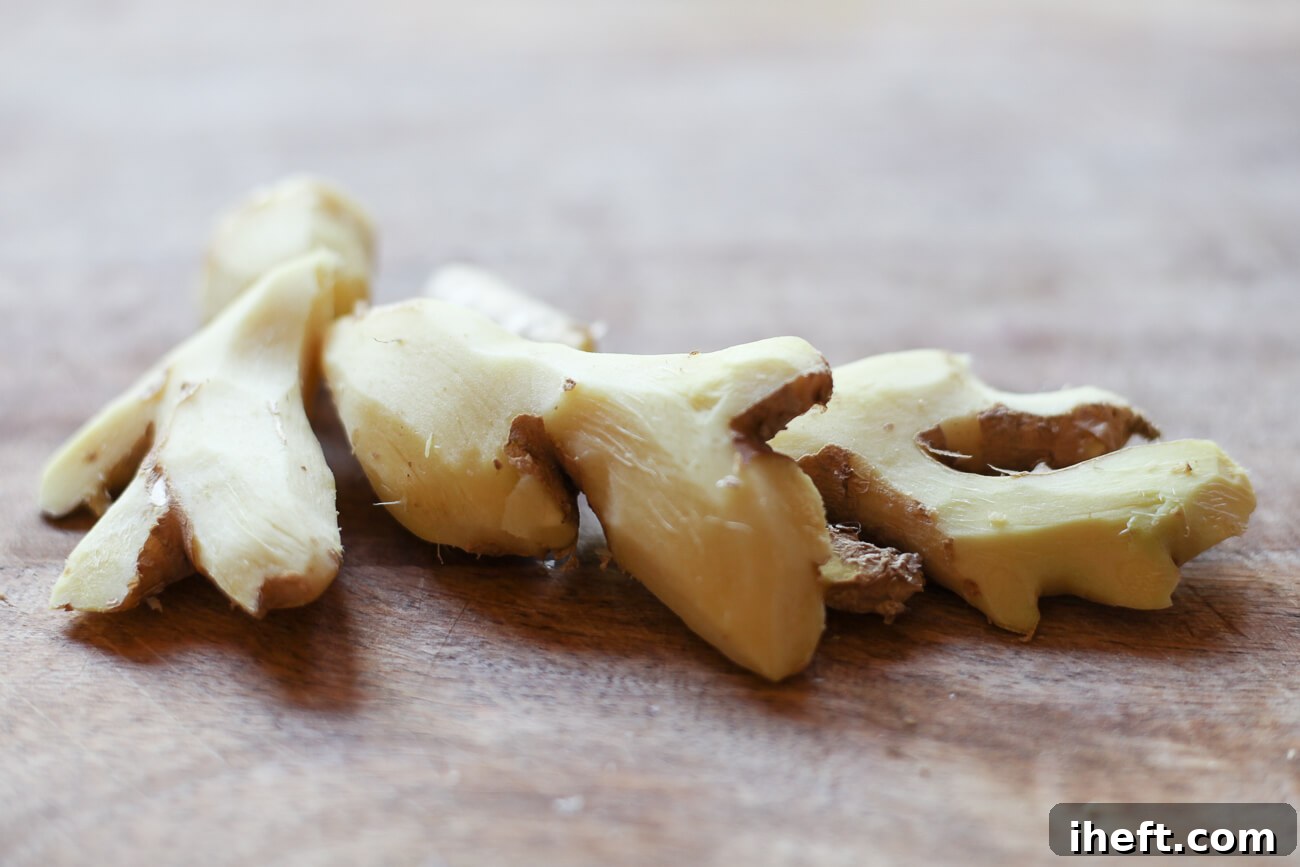
Start by washing the ginger root thoroughly. Use a vegetable peeler to remove the skin. In a pinch, the edge of a spoon works exceptionally well for scraping off the skin, especially around knobs and irregular shapes, minimizing waste.
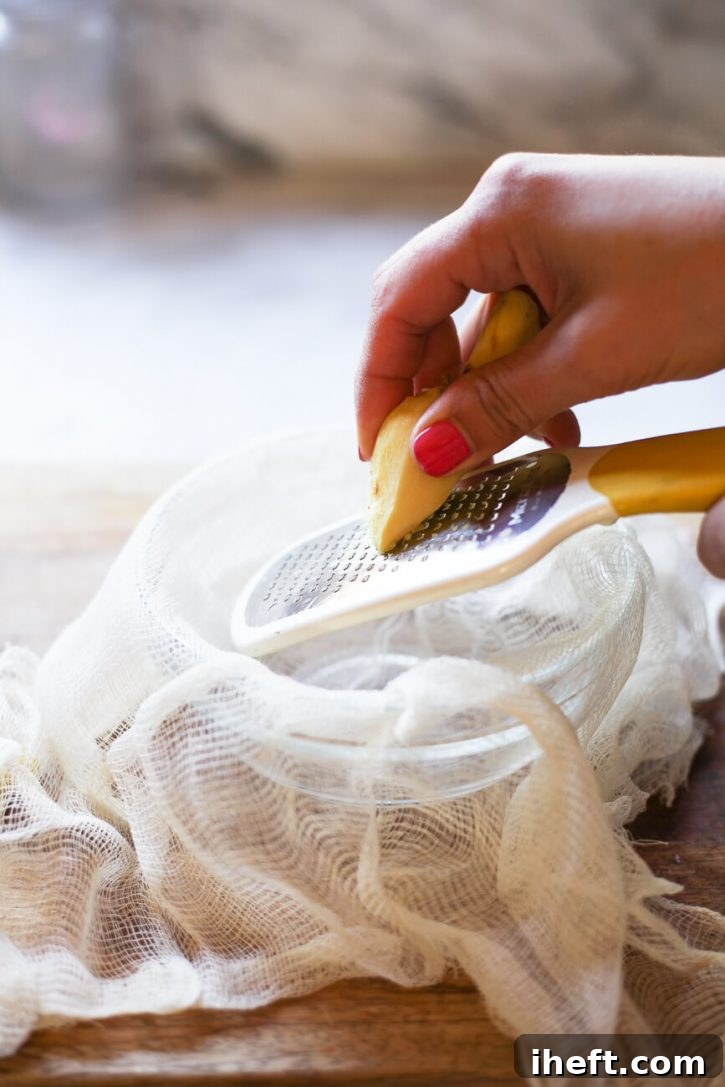
Step 2: Grate the Ginger
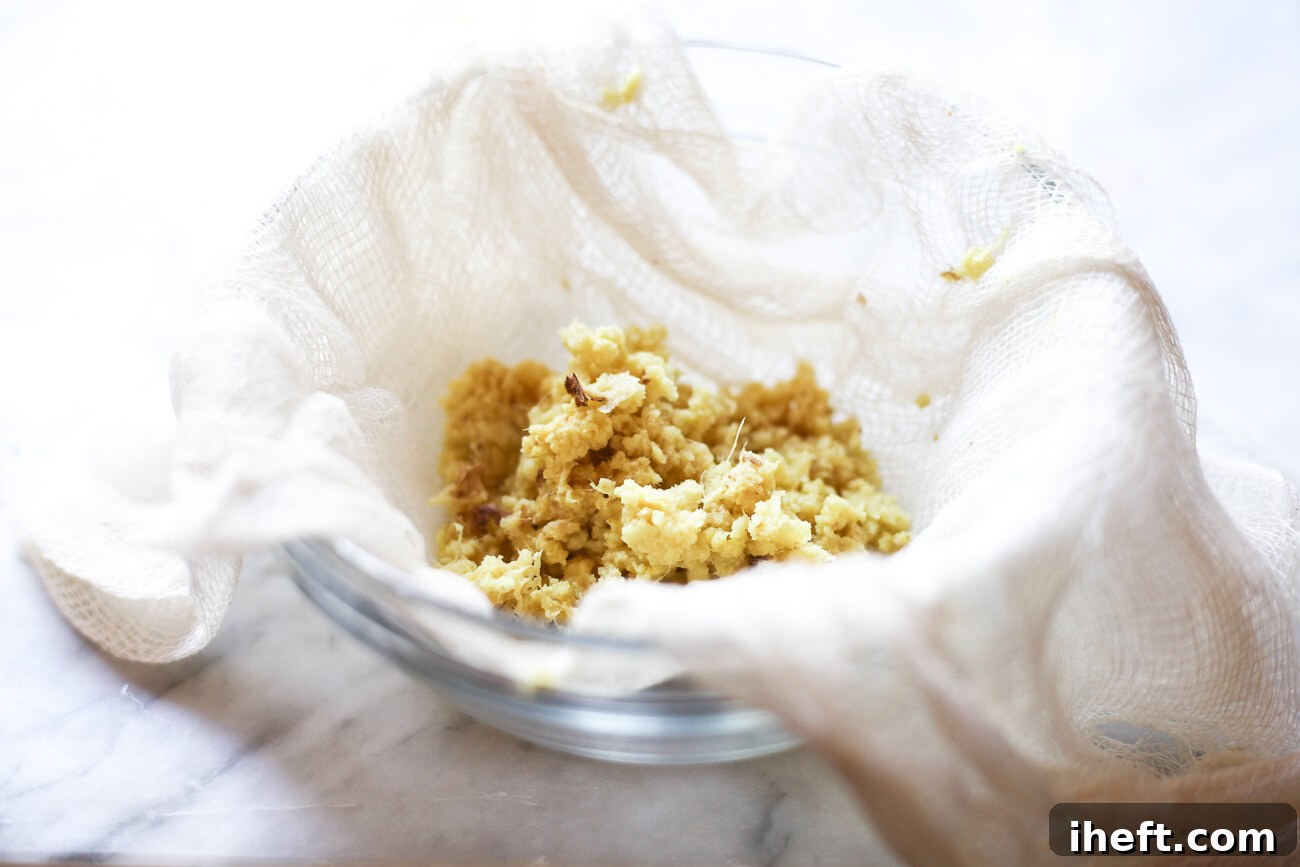
The best tool for this job is a Microplane grater, as it produces very fine ginger pulp, maximizing juice extraction. If you don’t have one, a standard box grater (using the fine side) or even a garlic press can work for smaller amounts. Grate all the peeled ginger directly into a small bowl that has been lined with a double layer of cheesecloth. A 3-ounce piece of ginger root will typically yield about 1/3 cup of finely grated ginger.
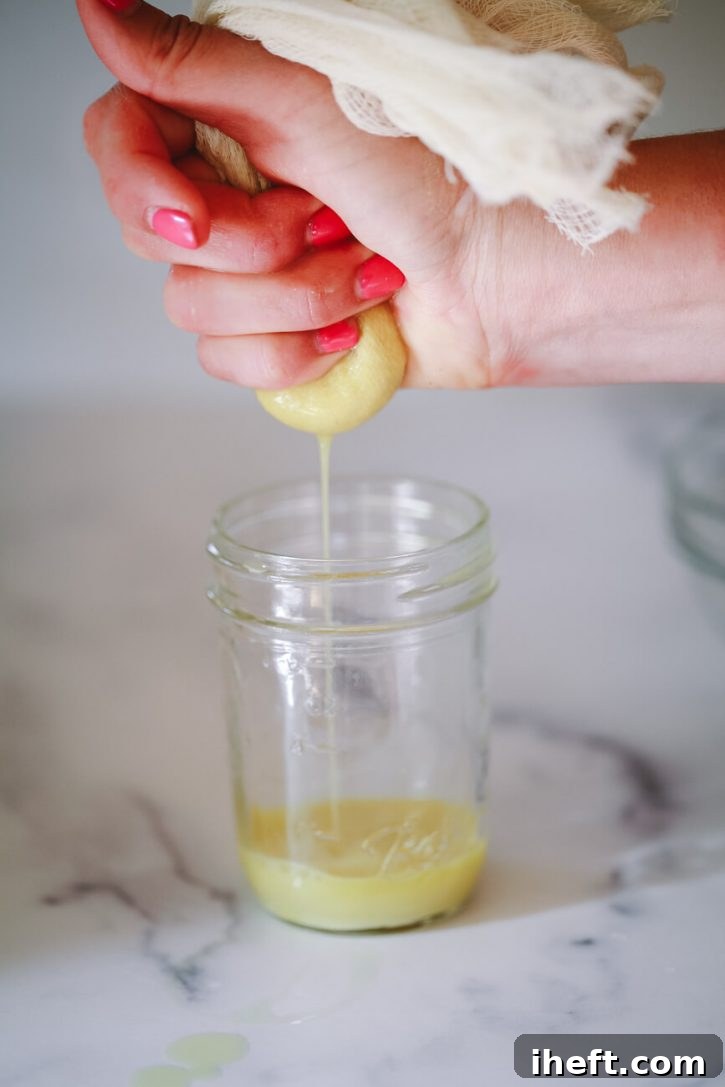
Step 3: Squeeze the Juice
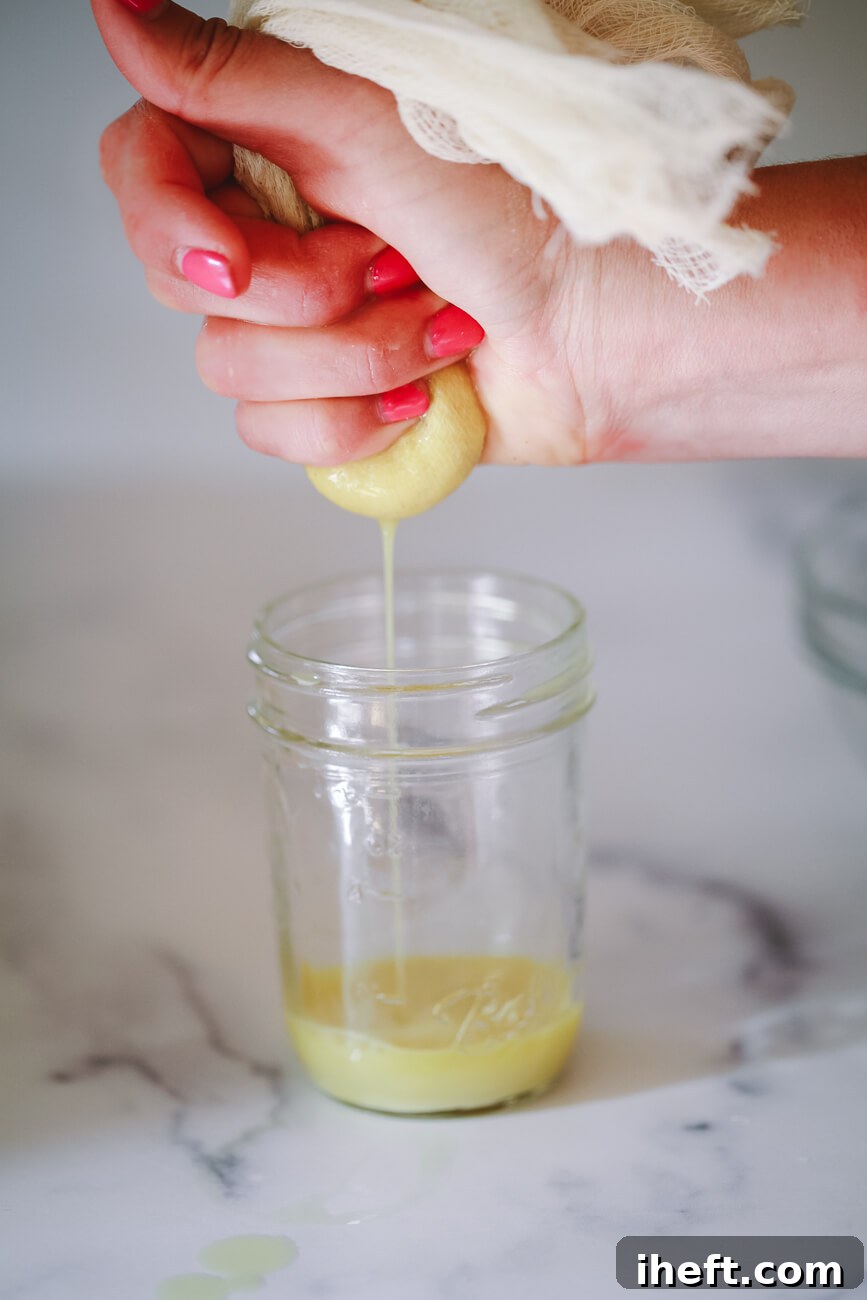
Once all the ginger is grated into the cheesecloth, gather the corners of the cloth to form a pouch around the grated ginger. Hold the pouch firmly over a small jar or bowl and squeeze with all your might. Apply continuous pressure to extract as much liquid as possible from the ginger pulp. For a 3-ounce piece of fresh ginger, you should yield approximately 2 to 2.5 tablespoons of pure, potent juice.
Storing Your Fresh Ginger Juice for Lasting Benefits
Proper storage is essential to maintain the freshness, potency, and flavor of your homemade ginger juice. Whether you plan to use it within a few days or save it for later, these tips will help:
- Refrigeration: Fresh ginger juice can be stored in an airtight container, such as a sealed glass jar, in the refrigerator for up to 3 days. Beyond this period, its potency and flavor may begin to diminish.
- Freezing for Extended Shelf Life: For longer storage, freezing is an excellent option. Pour the ginger juice into an ice cube tray, filling each compartment. Once the cubes are completely frozen, transfer them to a freezer-safe bag or container. Frozen ginger juice cubes can last for up to 3 months in the freezer. They are incredibly convenient for adding directly to smoothies, stir-fries, or thawing for beverages.
Versatile Ways to Enjoy Ginger Juice in Your Daily Routine
Adding the vibrant flavor and extensive health benefits of this fantastic root to your daily routine is incredibly easy. Here are numerous ways to incorporate ginger juice into your diet:
- Warm Wellness Elixir: Serve warm with a squeeze of fresh lemon, a dash of hot water, and a touch of maple syrup or honey for a comforting and immune-boosting drink.
- Smoothie Booster: Add a tablespoon or two to your favorite smoothie recipe for an invigorating kick and enhanced nutritional value.
- Potent Ginger Shots: Take a concentrated ginger shot on its own, or combine it with other beneficial ingredients like turmeric and lemon for an extra wellness punch.
- Kombucha Enhancement: Stir a small amount into your homemade or store-bought kombucha for an effervescent, spicy, and probiotic-rich beverage.
- Spicy Cocktails or Mocktails: Elevate your beverage game by adding a splash to your favorite cocktails or crafting refreshing, non-alcoholic mocktails with a zesty ginger twist.
- Soups and Stews: Incorporate ginger juice into homemade soups, broths, and stews during the last few minutes of cooking to brighten flavors and add a subtle warmth.
- Infused Waters: Spice up infused waters with a touch of ginger juice, cucumber, and mint for a refreshing and hydrating drink.
- Homemade Detox Drinks: Create potent detox drinks by combining ginger juice with apple cider vinegar, lemon, and a pinch of cayenne pepper.
- Marinades and Dressings: Toss into marinades for tofu, chicken, fish, or vegetables, like this delicious Baked Tofu with Ginger Glaze. It also makes an excellent addition to homemade salad dressings.
- Ginger Lemonade: Mix with freshly squeezed lemon juice, water, and a sweetener of choice for a homemade, refreshing ginger lemonade.
- Stir-fries: A teaspoon of ginger juice added at the end of cooking a stir-fry can replace fresh ginger, infusing a vibrant, piquant flavor.
Frequently Asked Questions About Ginger Juice
Q: How much ginger juice should I consume daily?
While there’s no universally prescribed dosage, a common recommendation for general wellness is 1-2 tablespoons (15-30 ml) of pure ginger juice per day. It’s always best to start with a smaller amount, especially if you’re new to ginger juice, and gradually increase as your body adjusts. If you have any underlying health conditions or are taking medications, consult your doctor before regularly consuming ginger juice.
Q: Are there any side effects of ginger juice?
For most people, ginger juice is safe when consumed in moderation. However, in some individuals, high doses might cause mild side effects such as heartburn, diarrhea, or stomach upset. People on blood-thinning medications, those with gallstones, or pregnant women should consult their healthcare provider due to ginger’s potential effects on blood clotting and its stimulating properties.
Q: Can pregnant women drink ginger juice?
Ginger is often recommended for relieving morning sickness during pregnancy. However, it’s crucial for pregnant women to discuss any ginger consumption, especially in concentrated juice form, with their doctor or midwife. While generally considered safe in moderate amounts, medical advice is always recommended to ensure it’s appropriate for individual circumstances.
Q: What’s the best time to drink ginger juice?
There’s no single “best” time. Many people enjoy it first thing in the morning to kickstart digestion and energy. Others prefer it before meals to aid digestion or in the evening as a warming, soothing drink. Listen to your body and incorporate it when it feels most beneficial for you.
Q: Can I use powdered ginger instead of fresh ginger for juice?
No, powdered ginger is not suitable for making juice. It’s a dried, ground product and won’t yield any liquid. For ginger juice, you must use fresh ginger root to extract its natural liquids and beneficial compounds.
Conclusion: Embrace the Power of Fresh Ginger Juice
As we’ve explored, fresh ginger juice is a powerhouse of health benefits, offering everything from potent anti-inflammatory and antioxidant properties to robust immune support and digestive relief. Beyond its medicinal qualities, it’s an incredibly versatile ingredient that can elevate a wide array of beverages and culinary creations. Whether you choose to extract it with a high-speed juicer, a blender, or simply by grating and squeezing, making your own ginger juice at home is a simple yet profoundly rewarding endeavor.
By incorporating this vibrant elixir into your daily routine, you’re not just adding a splash of flavor; you’re investing in a holistic approach to wellness. So, grab some fresh ginger root, choose your preferred method, and experience the invigorating taste and countless advantages of homemade ginger juice. Your body will thank you!
Ginger Juice (Recipe and Benefits)
5 minutes
5 minutes
Fresh ginger juice has several health benefits, from its antioxidant properties to digestion and immune support. Add a splash of fresh ginger juice to detox waters, tea, and other drinks, or to marinades. It’s easy to make with and without a juicer. Here’s how!
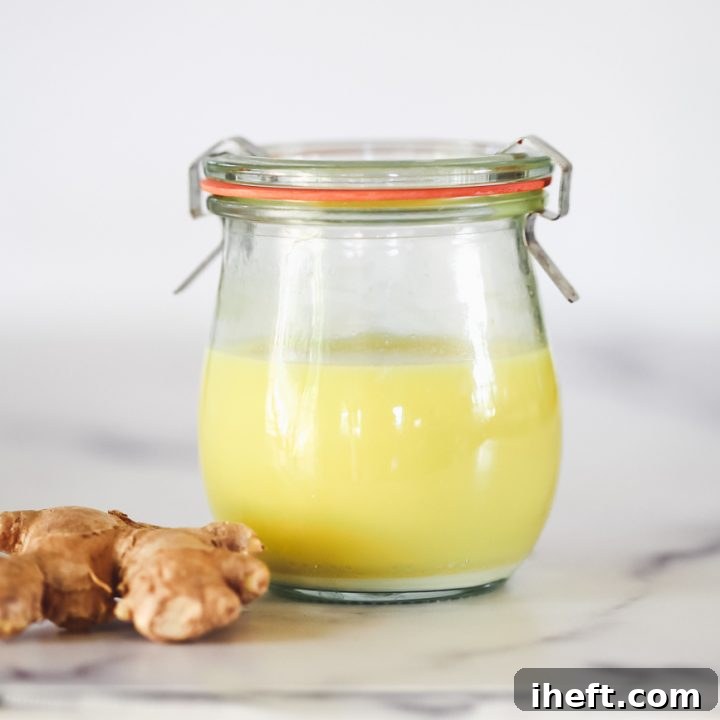
Ingredients
- 3 oz. fresh ginger root
Instructions
Juicer Ginger Juice
- Peel the ginger root with a vegetable peeler or spoon. While you can juice unpeeled ginger in a juicer, I prefer to remove most of the skin as it can affect the flavor and make juicing slightly more difficult.
- Cut the peeled ginger into a few large chunks and juice according to your juicer manufacturer’s instructions.
Blender Ginger Juice
- Peel the ginger root with a vegetable peeler or spoon. Roughly chop the ginger and add it to a blender. Add 1 cup of filtered water. Blend until completely smooth.
- Set a double layer of cheesecloth over a bowl or jar and strain the blended mixture through the cloth, squeezing out all the liquid.
Ginger Juice without a Juicer (Manual Method)
- Peel the ginger root with a vegetable peeler or spoon.

Peel ginger thoroughly for best results. - Set a piece of cheesecloth, doubled, over a small bowl.
Prepare your cheesecloth-lined bowl. - Use a Microplane grater to grate all of the ginger into the cheesecloth-lined bowl. You will have about 1/3 cup of grated ginger from a 3 oz root.
- Pick up the cheesecloth, gather the edges to form a pouch around the grated ginger, and squeeze the juice from the solids into the bowl or other small jar.
Squeeze firmly to extract all the juice.
Notes
Depending on how fresh your ginger is, you’ll typically get about 2 ½ tablespoons of pure juice from 3 oz. of ginger root. If you plan to make a larger quantity to freeze for later, be sure to purchase several pieces of fresh ginger.
Freshly made ginger juice lasts for 2-3 days when stored in an airtight container in the refrigerator.
To freeze ginger juice: Pour the juice into an ice cube tray and freeze completely. Once solid, remove the cubes and transfer them to a freezer-safe bag or container. Frozen ginger juice cubes can be stored for up to 3 months and are excellent for adding directly to smoothies or stir-fries from frozen, or thawed for other drinks and recipes.
Nutrition Information:
Amount Per Serving (based on 2.5 servings from 3 oz ginger):
- Calories: 34
- Total Fat: 0g
- Saturated Fat: 0g
- Trans Fat: 0g
- Unsaturated Fat: 0g
- Cholesterol: 0mg
- Sodium: 6mg
- Carbohydrates: 8g
- Fiber: 1g
- Sugar: 1g
- Protein: 1g
Nutrition information is automatically calculated by Nutritionix for the original recipe and provided as an estimate. I am not a nutritionist and cannot guarantee absolute accuracy. If your health depends on precise nutrition information, please calculate again with your preferred calculator or consult a professional.