Fresh & Easy Homemade Vegan Sushi
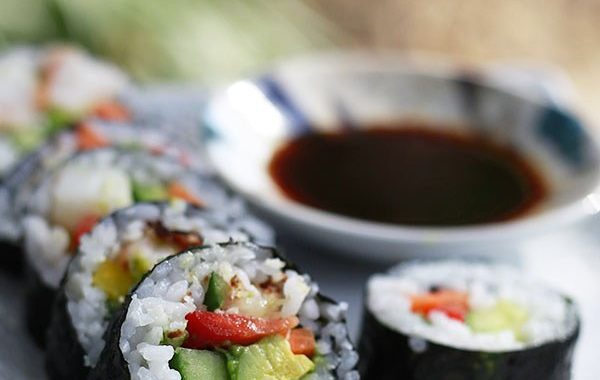
Welcome to the delightful world of homemade vegan sushi! Crafting sushi at home, especially with an abundance of fresh vegetables, is an incredibly rewarding and utterly delicious experience. My family has cherished the tradition of making vegan sushi for years, and it continues to be a firm favorite for its vibrant flavors, healthy ingredients, and the sheer joy it brings to our kitchen. This comprehensive guide will empower you to create perfect, plant-based sushi rolls that are not only fun to make but also a treat for the senses.
Embarking on a culinary adventure often begins with inspiration, and for us, it was a memorable trip to our local Japanese market, Nikka. My daughters and I ventured out with the ambitious plan to conquer homemade sushi for dinner, despite my initial uncertainty. The market itself was a sensory delight, a labyrinth of fascinating Japanese goods that captivated us all. We spent what felt like hours, immersing ourselves in the aisles, marveling at the kaleidoscopic array of rice crackers, the charming packaging of Pocky sticks, whimsical koala cookies, various types of rice, and a myriad of bento box essentials. It was an experience that sparked our imagination and set the stage for our sushi-making journey.
Amidst the excitement of discovering novel treats and tossing a few “essential” items like adorable kids’ chopsticks into our basket, we eventually refocused on our primary mission. We gathered the fundamental ingredients for our homemade vegan sushi: premium sushi rice, crisp sheets of nori seaweed, and seasoned rice vinegar. The anticipation of creating our own rolls filled us with exhilaration. Making sushi at home proved to be an incredibly enjoyable family activity, and an easy sushi recipe like this one is truly a blessing, especially during warm summer days when turning on the oven is the last thing you want to do. It satisfies cravings for fresh, healthy ingredients and offers a delightful alternative to heavier meals.
The Essential Elements of Perfect Homemade Sushi
Crafting exquisite homemade sushi revolves around three fundamental components, each playing a crucial role in the final flavor and structural integrity of your rolls. Understanding these elements is the first step toward mastering the art of sushi making at home:
- Nori (Dried Seaweed Sheets). These thin, dark green sheets of roasted seaweed are the edible wrapper for your sushi rolls. Nori offers a distinct umami flavor and a satisfying crispness, which softens slightly when it comes into contact with the seasoned rice. You can readily find high-quality nori in the Asian section of most well-stocked grocery stores or, for a wider selection and potentially better value, at your local Asian market. When selecting nori, look for sheets that are dark, uniform in color, and have a slightly shiny appearance.
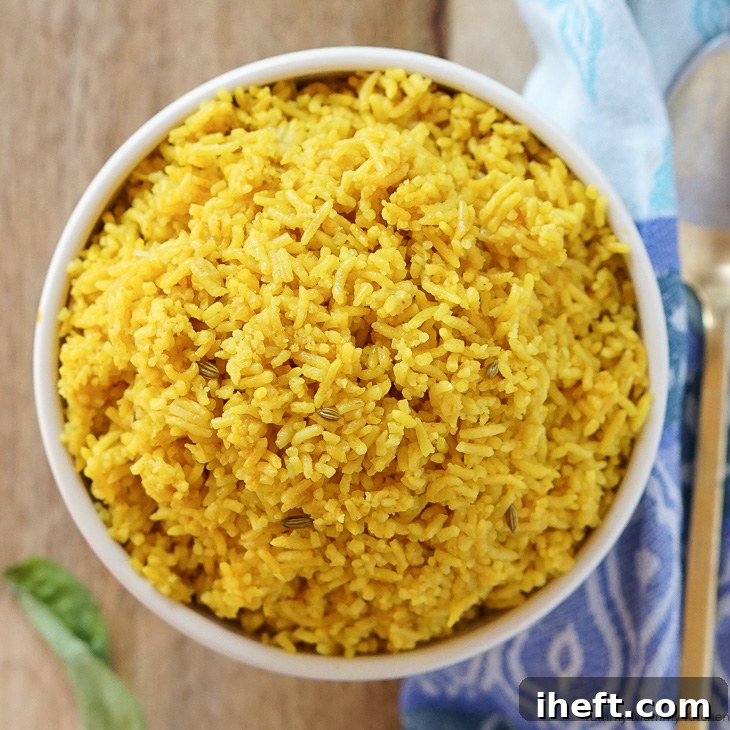
- Sushi Rice. The heart of any sushi roll, sushi rice is specifically short-grain white rice that becomes sticky and slightly chewy when cooked, and is then carefully seasoned with a mixture of rice vinegar, sugar, and salt. This unique preparation creates a rice that binds together beautifully, allowing your rolls to hold their shape, and provides a subtly sweet and tangy flavor profile that complements the fillings. While traditional sushi calls for this specific sticky rice, don’t hesitate to experiment with other grains like brown rice or even quinoa for a different texture and nutritional boost. Our linked recipe for Instant Pot Sushi Rice will guide you to perfect consistency and flavor.
- Vibrant Vegan Fillings. This is where your creativity truly shines! The beauty of vegan sushi lies in the endless possibilities for fresh, colorful, and nutritious fillings. From creamy avocado to crunchy bell peppers and crisp cucumber, the options are only limited by your imagination. We’ve compiled some of our absolute favorite plant-based ideas below to inspire your culinary creations.
Step-by-Step Guide to Rolling Perfect Vegan Sushi
Making sushi might seem intimidating at first, but with a little practice and these clear instructions, you’ll be rolling like a pro in no time. Follow these steps to assemble your delicious vegan sushi rolls:
1. Prepare Your Workspace and Ingredients
Before you begin rolling, ensure all your ingredients are prepped and within easy reach. This means having your perfectly seasoned sushi rice cooled to room temperature, and all your chosen vegetables thinly sliced into long, even strips. Have a small bowl of water nearby to keep your hands moist and prevent the rice from sticking.
2. Laying the Nori and Rice
Place a single sheet of nori, shiny side down, onto a bamboo sushi mat. If you don’t have a mat, a piece of plastic wrap or parchment paper can work in a pinch. Dip your hands in the prepared water to prevent sticking, then gently spread about 1/8 to 1/4 inch thickness of cooked sushi rice evenly over the nori. It’s helpful to leave approximately a 1/2-inch border along one long edge of the nori – this will be essential for sealing your roll later. Press the rice down gently but firmly to ensure it adheres to the nori.
3. Adding Your Flavorful Fillings
Arrange your chosen vegan fillings in a neat line across the rice, positioned roughly one-third of the way from the long edge closest to you. Avoid overfilling, as this can make the roll difficult to close and prone to falling apart. A good rule of thumb is to use 2-3 different fillings in moderation to allow each flavor to shine through.
4. The Art of Rolling
This is arguably the most crucial step. Using your bamboo sushi mat (or your hands if you’re confident), carefully lift the long edge of the nori and rice closest to you, bringing it up and over the fillings. Begin to roll tightly, applying even pressure as you go, much like you would roll a log. The goal is to create a compact, firm roll with no air pockets. Once you reach the un-riced border, moisten it lightly with a dab of water using your finger. This acts as an adhesive, helping the nori stick to itself and seal the roll completely.
5. Slicing and Serving
Once your roll is securely formed, transfer it to a clean cutting board. For clean, precise slices, it is absolutely vital to use a very sharp chef’s knife. Slightly dampen the blade before each cut to prevent the rice from sticking. Slice the roll crosswise into uniform pieces, typically around 3/4 to 1 inch thick. Serve your freshly made vegan sushi immediately with traditional accompaniments like soy sauce (or Bragg Liquid Aminos for a gluten-free alternative), a dollop of spicy wasabi (optional, but highly recommended for a kick), and a side of pickled ginger to cleanse the palate. If you plan to enjoy it later, refrigerate for up to 2 hours in an airtight container to maintain freshness, though it’s always best consumed fresh.
Inspiring Vegan Sushi Filling Ideas for Endless Creativity
The versatility of vegan sushi truly shines in the array of plant-based fillings you can choose from. Each ingredient brings its unique texture, color, and flavor, allowing for endless delicious combinations. Here are some fantastic ideas to get you started:
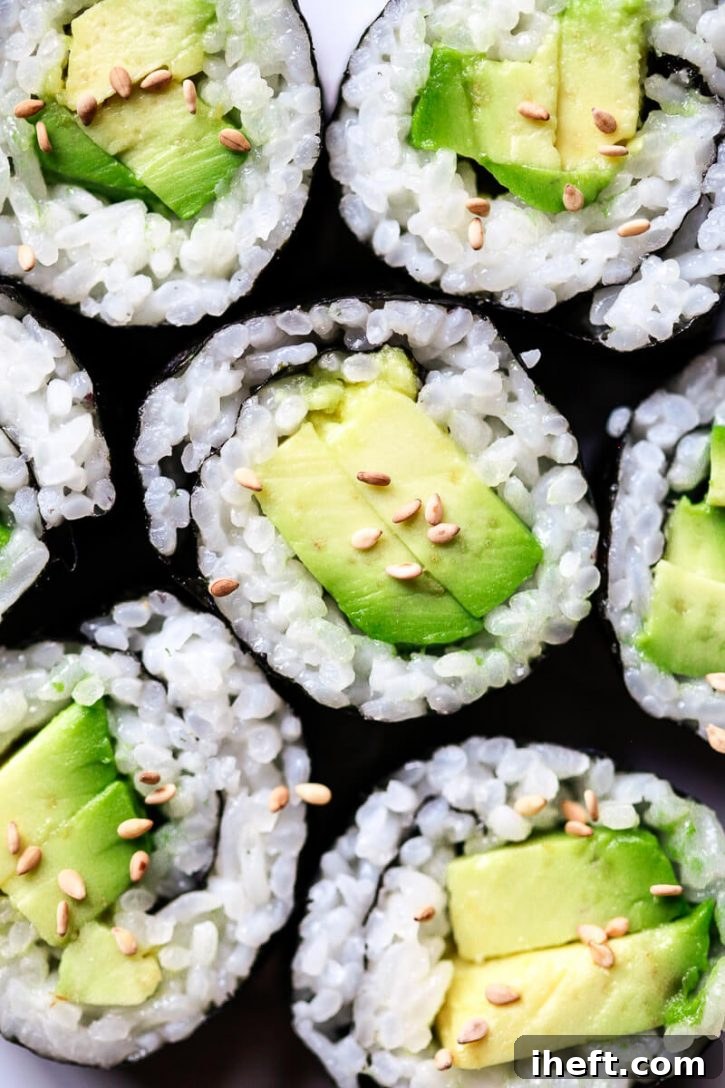
- Avocado: Creamy, rich, and incredibly satisfying, avocado is a classic sushi filling that adds a luxurious texture and healthy fats. Ensure it’s ripe but firm enough to slice easily.
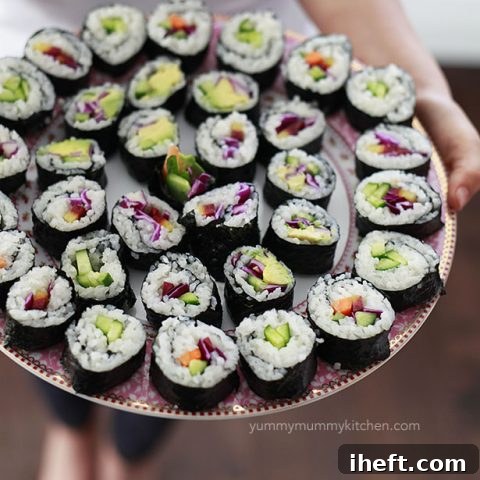
- Bell Pepper: Red, yellow, or orange bell peppers provide a wonderful crunch and a sweet, slightly peppery flavor. Their vibrant colors also make your sushi rolls visually appealing. Julienne them thinly for the best results.
- Cucumber: Crisp, refreshing, and mild, cucumber is a staple in many sushi varieties. It adds a delightful coolness and a satisfying snap. Persian cucumbers work especially well due to their smaller seeds.
- Carrots: Shredded or julienned carrots offer a subtle sweetness and a firm, crisp texture. They are packed with nutrients and add a beautiful pop of orange to your rolls.
- Shredded Raw Beets: For an earthy flavor and a stunning deep purple hue, raw beets, finely shredded, are an unconventional but delicious choice that also provides an extra nutritional boost.
- Cabbage: Thinly shredded purple or green cabbage can add a pleasant crunch and a slightly peppery note, enhancing the overall texture of your sushi.
- Tofu: Firm or extra-firm tofu, pressed, marinated (e.g., in soy sauce, ginger, and sesame oil), and then baked or pan-fried until golden, provides a fantastic source of plant-based protein and a satisfying chewiness.
- Tempeh: Similar to tofu, tempeh can be crumbled, seasoned, and cooked to offer a nutty, savory, and protein-rich filling. Its firmer texture makes it an excellent choice for substantial rolls.
- Mango: For a sweet and tangy contrast, thin strips of ripe mango can add a tropical twist and a burst of flavor.
- Asparagus: Lightly blanched asparagus spears provide a tender-crisp texture and a delicate, earthy flavor.
- Mushrooms: Sautéed shiitake or oyster mushrooms, seasoned with soy sauce, can offer a rich, umami depth to your vegan sushi.
Tips for Sushi Success and Making it a Family Affair
Making sushi at home is not just about the food; it’s about the experience. Here are some extra tips to ensure your sushi-making adventure is both successful and memorable:
- Perfecting the Rice: The rice is key! Ensure it’s cooked to the right stickiness and seasoned perfectly. Taste a small amount of the seasoned rice before rolling to adjust sweetness or tanginess if needed.
- Don’t Rush the Cooling: Allow your sushi rice to cool completely to room temperature before handling. Hot rice will steam the nori, making it soggy and difficult to roll.
- Moist Hands are Your Friends: Keep a bowl of water (with a splash of rice vinegar) handy and moisten your hands frequently when handling rice. This prevents sticking and makes spreading much easier.
- Less is More with Fillings: While tempting to load up on fillings, moderation is crucial. Too many fillings make rolling difficult and the rolls prone to breaking. Aim for a balanced profile of flavors and textures.
- Practice Makes Perfect Rolling: Your first few rolls might not be perfectly cylindrical, and that’s absolutely fine! Focus on applying even pressure to create a tight roll. The more you practice, the better you’ll become.
- A Sharp Knife is Non-Negotiable: A dull knife will tear the nori and smash the rice, resulting in messy cuts. Invest in a good, sharp knife and keep it clean and slightly damp when slicing.
- Embrace the Mess (and the Fun!): Sushi making can be a bit messy, especially with kids. Embrace it as part of the creative process. It’s a fantastic hands-on activity for the whole family, encouraging children to engage with healthy foods and develop culinary skills. Let them choose their own fillings and help with spreading the rice (with supervision, of course!).
Homemade vegan sushi is a delightful culinary journey, offering a healthy, customizable, and incredibly fun way to enjoy fresh, vibrant flavors. Whether you’re a seasoned sushi maker or a curious beginner, this recipe promises a rewarding experience and delicious results that will impress family and friends alike. So gather your ingredients, set up your rolling station, and prepare to create some truly amazing plant-based sushi!
More Vegan Asian Recipes You’ll Love
- Fresh & Flavorful Rice Paper Spring Rolls
- Easy & Creamy Thai Peanut Sauce
- Crisp Chinese Cabbage Salad with Zesty Ginger Sesame Dressing
Vegan Sushi Recipe
10 minutes
15 minutes
25 minutes
Wondering how to make delicious sushi at home? There’s no need for raw fish with this easy Vegan Sushi recipe filled with vibrant veggies. For extra protein and a complete meal, consider serving alongside our favorite crispy sesame tofu or tempeh, or with a side of steamed edamame. This recipe is perfect for a light, healthy, and satisfying meal any day of the week!
Ingredients
- 1 package Nori (seaweed sheets, 10 count)
- 1 batch prepared Sushi Rice (approximately 3 cups cooked)
- 1 red bell pepper, thinly julienned
- 2 Persian cucumbers, cut into 1/4″ strips lengthwise
- 1 ripe avocado, sliced
- 1 large carrot, peeled and thinly julienned
- Soy sauce, for serving (Bragg Liquid Aminos recommended for a gluten-free option)
- Wasabi, for serving. Optional (prepared from powder or paste)
- Pickled ginger, for serving (optional, but highly recommended for palate cleansing)
Instructions
- Prepare your sushi rice according to the linked instructions. This process typically takes about 30-40 minutes from start to finish, including cooking and seasoning. While the rice is cooking and cooling slightly, take this time to thoroughly wash, peel, and thinly slice all your chosen vegetables into long, even strips.
- Once the sushi rice has cooled to room temperature, lay one piece of nori seaweed on your bamboo sushi rolling mat (or a clean, damp kitchen towel covered with plastic wrap). Lightly wet your hands or the back of a large spoon with a little water to prevent sticking. Carefully press an even, thin layer of sushi rice over the nori, ensuring it covers about three-quarters of the sheet. Leave approximately a 1/2-inch border clean and clear on the long edge furthest from you. This border will be used to seal the roll.
- Neatly arrange your prepared vegetable fillings (e.g., bell pepper, cucumber, avocado, carrot) in a horizontal line along the bottom third of the rice-covered nori sheet. Be mindful not to overfill, as this will make rolling difficult and could cause the roll to break. Using the sushi mat, gently lift the long edge of the nori and rice closest to you, folding it up and over the fillings. Begin to roll tightly and evenly, applying steady pressure as you go, forming a compact cylinder. When you reach the un-riced border of the nori, moisten it lightly with a finger dipped in water to help it adhere and seal the roll securely.
- Once the roll is tightly sealed, transfer it to a clean cutting board. For the cleanest cuts, use a very sharp chef’s knife. Slightly dampen the blade with water before each slice to prevent rice from sticking. Slice the log crosswise into 6-8 uniform pieces, each roughly 3/4 to 1 inch thick. Serve your freshly made vegan sushi immediately with soy sauce or liquid aminos, and a side of wasabi and pickled ginger if desired. Enjoy the fresh flavors and satisfying textures!
Recommended Products for Sushi Making
As an Amazon Associate and member of other affiliate programs, I earn from qualifying purchases, helping to support this blog at no extra cost to you.
- Lundberg Family Farms Organic Sushi Rice, California White, 32 Ounce – A premium choice for perfectly sticky sushi rice.
- Organic 10 Full Size Sheet KIMNORI Sushi Nori – Essential for authentic sushi rolls, offering great flavor and texture.
Nutrition Information:
Yield: 4 servings
Serving Size: 1 roll (approx. 6-8 pieces)
Amount Per Serving (estimated):
Calories: 215Total Fat: 13gSaturated Fat: 2gTrans Fat: 0gUnsaturated Fat: 10gCholesterol: 4mgSodium: 564mgCarbohydrates: 24gFiber: 6gSugar: 7gProtein: 4g
Nutrition information is automatically calculated by Nutritionix and is an estimate based on ingredients and serving sizes. I am not a certified nutritionist and cannot guarantee absolute accuracy. If your health depends on precise nutrition information, please recalculate with your preferred calculator and adjust according to your specific ingredients.