
Free Range or Pasture Raised Decoding the Labels
Navigating the egg aisle at the grocery store can be a surprisingly complex task. With a myriad of labels like “free range,” “pasture raised,” and “cage-free,” it’s easy to feel overwhelmed and unsure about which carton truly aligns with your values regarding animal welfare, nutrition, and environmental impact. This comprehensive guide will demystify these common egg labels, explain the critical differences in hen living conditions, delve into their nutritional implications, and highlight the importance of independent certifications to help you make the best, most informed choice for your family.
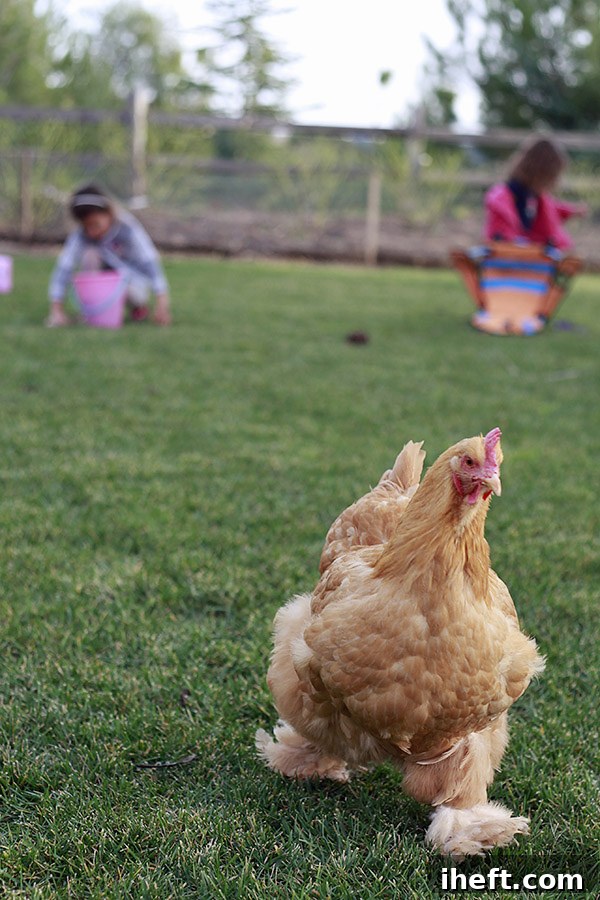
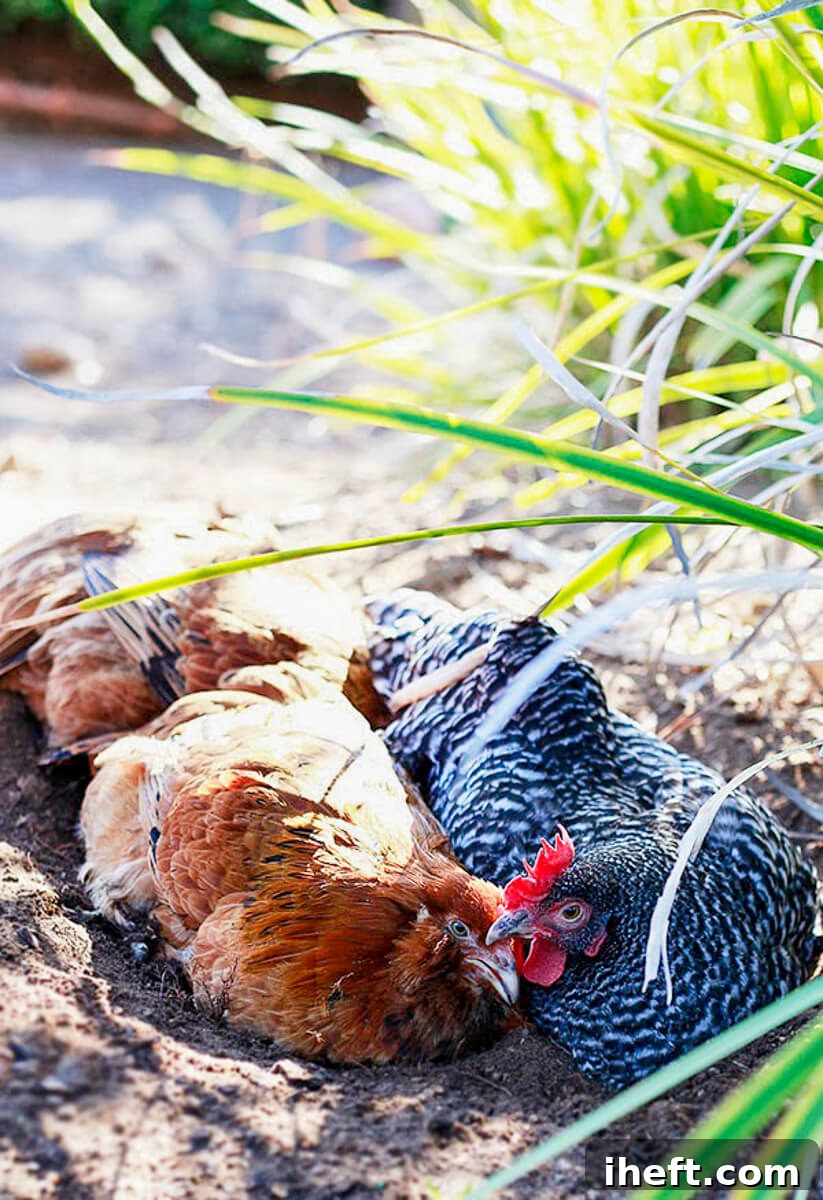
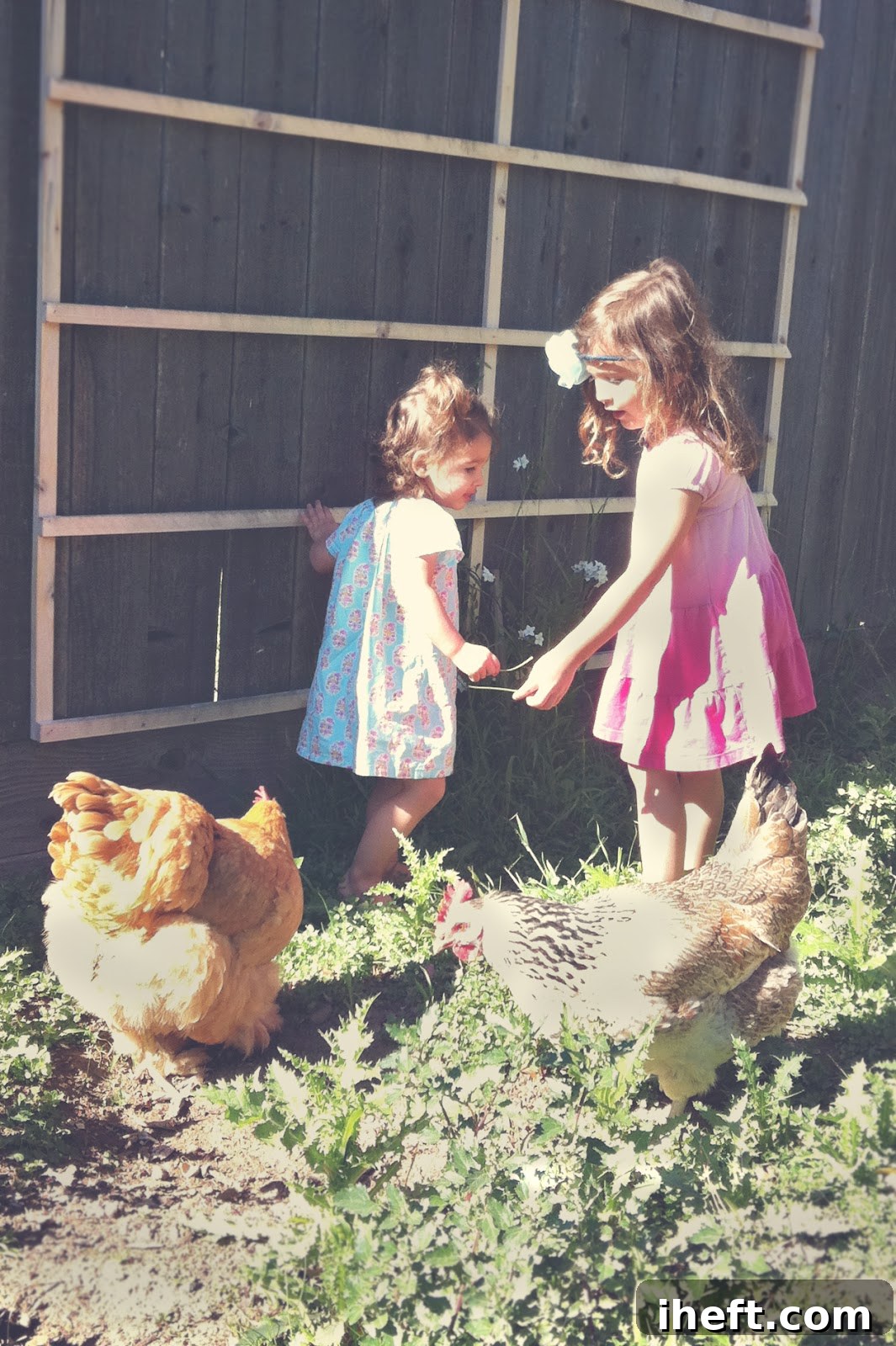
For years, our family has had the joy of keeping backyard chickens. This personal experience has offered us a unique glimpse into the true nature of these often-misunderstood birds. We’ve discovered that chickens are incredibly social, intelligent, and affectionate creatures, each possessing a distinct personality. Just like our beloved dogs, cats, and even cows, our hens expressed their emotions clearly, whether they were happily foraging for treats in the yard or playfully dust-bathing in a sunny spot. This firsthand understanding of chicken welfare has only deepened our commitment to making ethical choices when it comes to the eggs we consume.
When faced with the array of egg carton labels at the supermarket, it’s understandable to feel confused. These labels are intended to convey information about the conditions in which the hens that laid the eggs were raised. However, without a clear understanding of what each term truly signifies, consumers can inadvertently support practices that don’t align with their intentions. This article will break down the key distinctions between “pasture raised,” “free range,” and “cage-free” eggs, empowering you to confidently select eggs that reflect your priorities, whether they be hen welfare, nutritional benefits, or environmental sustainability.
The Quest for Ethical and Humane Eggs: Understanding Hen Welfare
One of the most pressing concerns in modern egg production revolves around the ethical treatment and welfare of the hens. Historically, and still predominantly in industrial farming, hens are confined to battery cages. These are small wire enclosures, often housing multiple birds, where each hen has less space than a letter-sized sheet of paper. In such cramped conditions, hens are deprived of the ability to move freely, stretch their wings, forage, dust bathe, or engage in any natural behaviors essential for their well-being. This leads to chronic stress, physical injuries, feather loss, and susceptibility to disease.
For consumers committed to supporting humane practices, identifying truly ethical eggs can be a complex endeavor. The terminology used on egg cartons often creates a perception of higher welfare, but the reality can differ significantly. Understanding the nuances between “cage-free,” “free-range,” and “pasture-raised” is the crucial first step toward making choices that genuinely prioritize the welfare of laying hens and support producers dedicated to more humane and sustainable farming practices.
1. Pasture-Raised Eggs: The Gold Standard for Hen Welfare
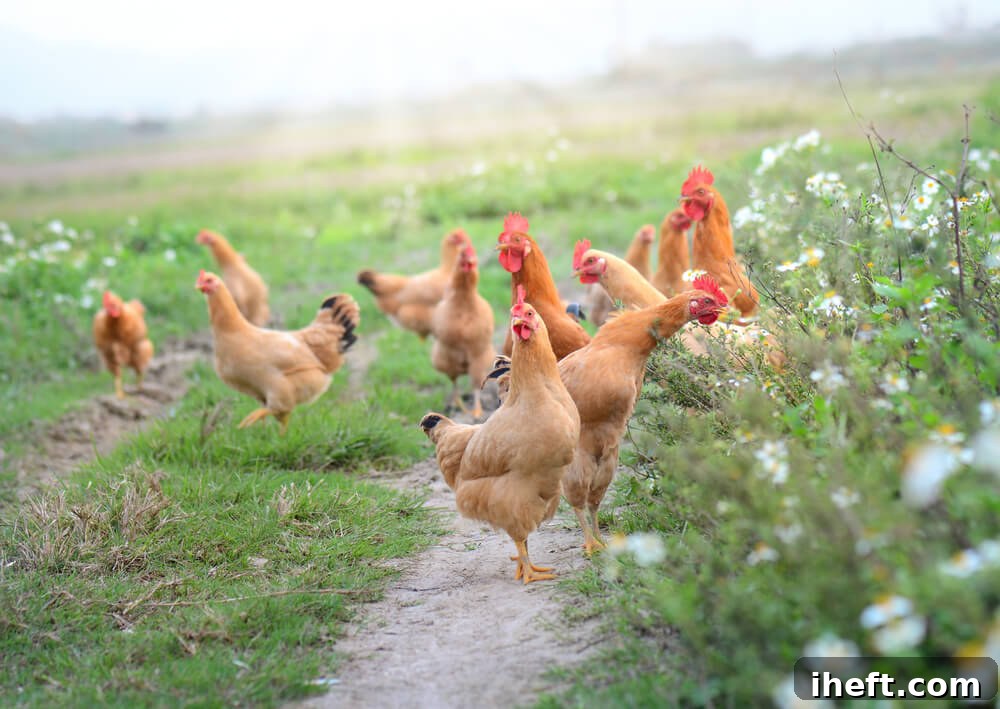
Pasture-raised eggs represent what many consider the pinnacle of ethical egg production. These eggs come from hens that are allowed to roam freely and continuously outdoors on expansive, vegetated pastures. Unlike other labels, pasture-raised hens spend the majority of their lives outdoors, with access to mobile coops or shelters for protection from predators and harsh weather, particularly at night. This environment provides ample space for natural behaviors such as foraging for grass, seeds, weeds, insects, and worms, dust bathing, stretching their wings, and socializing with other birds.
The diet of pasture-raised hens is significantly more diverse and natural, supplementing their commercial feed with nutrient-rich forage. This diverse diet is believed to contribute to the superior nutritional profile of their eggs, often boasting higher levels of beneficial omega-3 fatty acids, vitamins (especially Vitamin D from sunlight exposure), and antioxidants. Beyond nutrition, the hens’ ability to engage in natural behaviors drastically reduces stress and improves their overall health and happiness, making this the most humane and natural farming system available for laying hens.
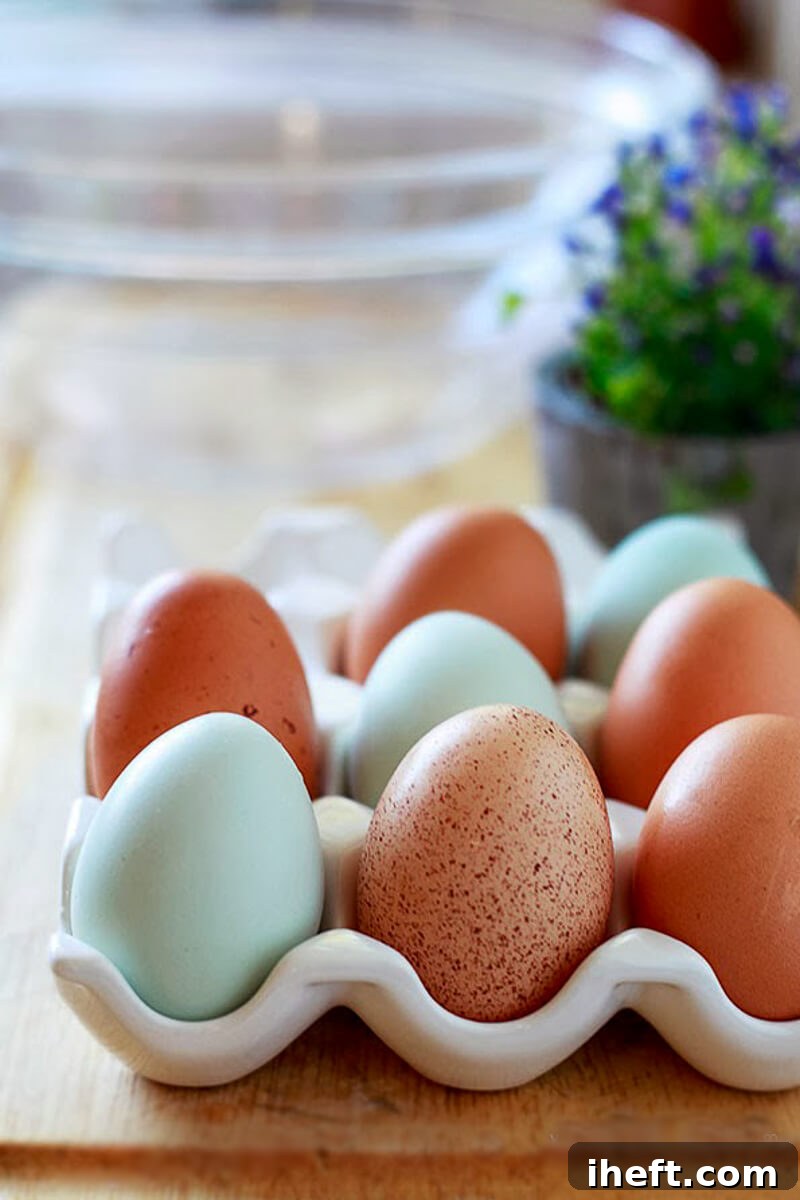
It’s important to note that, while widely recognized, the term “pasture-raised” is not explicitly regulated by the USDA for egg production. However, reputable third-party certifications like Certified Humane® have established strict parameters to define and verify pasture-raised claims, ensuring transparency and accountability for consumers. Farms committed to pasture-raising often prioritize heritage-breed chickens, known for their robustness and ability to thrive outdoors, sometimes even producing unique blue eggs.
2. Free-Range Eggs: A Step Towards Outdoor Access
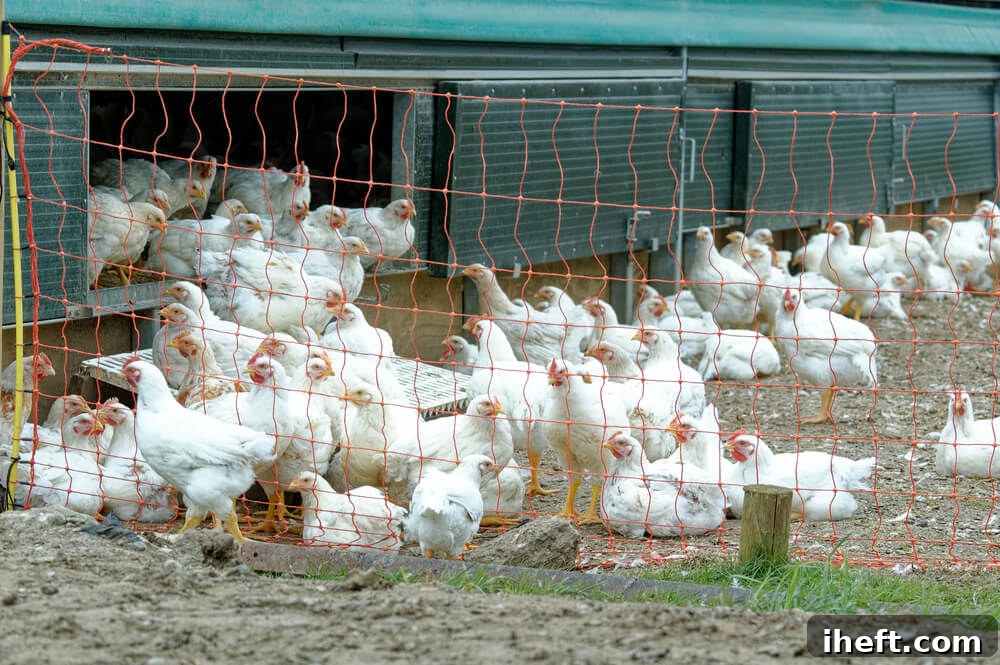
The term “free range” offers a promise of outdoor access, and unlike “pasture-raised,” it is regulated by the USDA. According to USDA guidelines, free-range eggs must come from hens that have been allowed “continuous access to the outdoors.” While this sounds promising, the practical interpretation of “continuous access” can vary significantly among producers and often falls short of consumer expectations for wide-open spaces.
In many free-range operations, hens are housed in barns but have a small, often enclosed, outdoor area (a “porch” or “patio”) that they can access. The size of this outdoor space, the quality of the vegetation (if any), and the amount of time hens actually spend outside are not strictly defined by the USDA. This means that some free-range hens may only have access to a small, barren patch of dirt for a limited portion of the day, while others may enjoy more substantial outdoor areas. While it represents an improvement over purely cage-free systems by offering some outdoor exposure to sunlight and fresh air, the conditions can still be far from ideal for hens to express natural behaviors fully.
For a more reliable standard of free-range, consumers should look for eggs that carry independent certifications, such as Certified Humane® free-range. These certifications impose more rigorous and transparent requirements on outdoor space, density, and the quality of the outdoor environment, providing a clearer picture of the hens’ living conditions.
3. Cage-Free Eggs: Freedom Within Four Walls
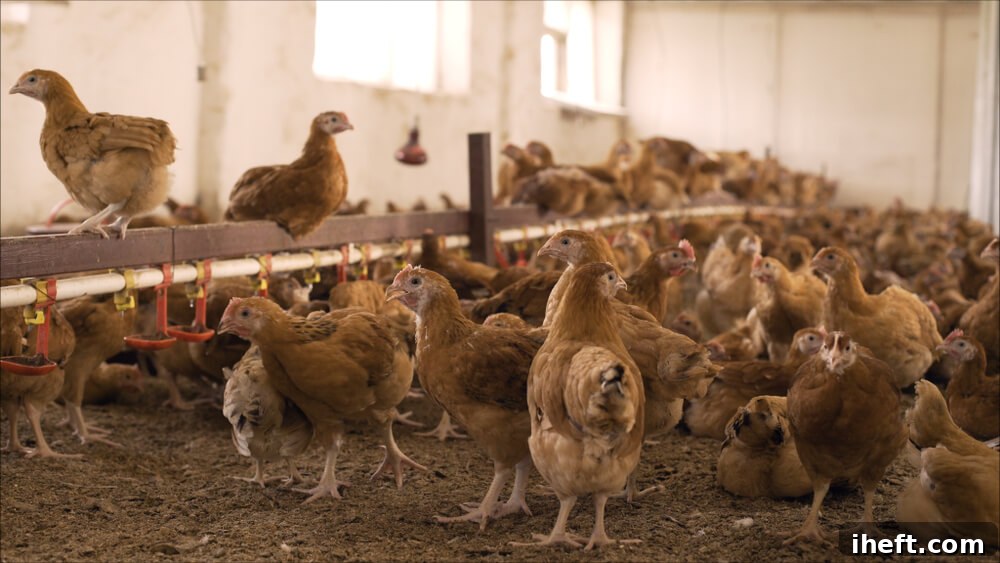
The “cage-free” label indicates that hens are not confined in traditional battery cages. This is often the first step towards improved welfare in large-scale egg production. Instead, cage-free hens are typically housed in large, open barns or aviaries, where they are allowed to roam within the building. These barns usually feature enrichment elements like perches, nesting boxes, and dust-bathing areas, which allow hens to engage in some natural behaviors that are impossible in cages.
However, the term “cage-free” does not guarantee outdoor access. These hens may never see natural sunlight or breathe fresh air, spending their entire lives indoors. Furthermore, “cage-free” does not regulate flock density. Consequently, many cage-free barns can become severely overcrowded, leading to significant welfare issues such as aggression, stress, and difficulty for hens to access food and water. While undoubtedly better than battery cages, the conditions in an overcrowded, unsanitary cage-free barn may not be as idyllic as the label suggests, highlighting the critical need for further scrutiny or certified labels.
Comparing Free Range vs. Pasture Raised: Decoding the Differences
While both “free range” and “pasture raised” suggest outdoor access, the actual living conditions for hens under these labels can vary dramatically. The core distinction lies in the extent and quality of that outdoor access, which significantly impacts hen welfare and, by extension, egg quality.
The primary difference is that pasture-raised chickens typically have substantially more outdoor space and spend more time outdoors than free-range chickens. While the USDA’s definition of “free range” is broad and offers minimal space requirements, “pasture raised” implies a more expansive, natural outdoor environment, often with rotating access to fresh forage. For instance, Certified Humane® standards clearly differentiate: free-range hens require a minimum of 2 square feet of outdoor space per bird, whereas pasture-raised hens require a generous 108 square feet of outdoor space per bird – a stark contrast that reflects a truly different quality of life.
Pasture-raised hens benefit from a diet rich in natural vegetation and insects, which free-range hens, with their more limited outdoor access, may not fully enjoy. This leads to not only healthier, happier hens but also potentially more nutritious eggs. Therefore, for consumers prioritizing optimal hen welfare and superior egg quality, pasture-raised eggs, especially those from certified sources, are the preferred choice over free-range.
Nutritional Differences: Does How a Hen Lives Affect Her Eggs?
The conditions in which hens are raised can indeed have a measurable impact on the nutritional profile and even the flavor of the eggs they produce. This connection stems directly from the hen’s diet and access to natural elements like sunlight.
Eggs from pasture-raised hens are frequently found to be more nutritious than those from conventionally raised hens. Scientific studies and nutritional analyses often reveal that pasture-raised eggs contain significantly higher levels of omega-3 fatty acids, which are crucial for human heart and brain health. They also tend to have higher concentrations of vitamins, particularly Vitamin D (due to sunlight exposure), Vitamin E, and Beta-Carotene (which contributes to richer yolk color). This nutritional boost is attributed to the hens’ natural diet of fresh grass, legumes, seeds, and a variety of insects and worms, which provide a broader spectrum of nutrients than a purely grain-based feed.
In contrast, eggs from cage-free hens, while coming from birds not confined to cages, do not inherently offer any significant nutritional advantages over conventional eggs. Since cage-free hens often lack outdoor access and consume a standard commercial feed, their eggs’ nutritional content largely mirrors that of eggs from caged hens. The exact nutritional profile of any egg can also vary based on the specific breed of hen and the particular feed composition, but generally, the more natural and diverse the hen’s diet and environment, the richer the egg’s nutritional content tends to be.
Choosing the Most Humane Eggs: A Guide for Conscious Consumers
Ultimately, the decision between free-range, cage-free, and pasture-raised eggs hinges on your personal values, ethical priorities, and budget. For consumers who prioritize the highest standards of hen welfare and seek eggs with potentially superior nutritional benefits, pasture-raised eggs, particularly those verified by a reputable humane certification, represent the optimal choice. While they typically come with a higher price tag, this cost often reflects the increased resources, labor, and land required to maintain these more humane and sustainable farming practices.
If budget constraints are a significant factor, it’s a personal decision whether to opt for other types of eggs, reduce egg consumption, or explore plant-based egg alternatives. The key is to be an informed consumer, understanding that not all labels are created equal and that a higher price often correlates with genuinely improved animal welfare standards.
What Does Certified Humane Mean? A Mark of True Welfare
The Certified Humane® label is a critically important tool for consumers striving to make ethical choices. Administered by the nonprofit organization Humane Farm Animal Care (HFAC), this label signifies that the hens laying the eggs were raised and treated according to stringent, independently verified animal welfare standards. HFAC’s standards are developed by a scientific committee of animal welfare experts and cover a comprehensive range of aspects of animal care.
For egg-laying hens, the Certified Humane® standards strictly prohibit the use of cages, ensuring that hens have freedom of movement. Beyond this, they mandate access to clean, fresh water and nutritious feed, sufficient space for natural behaviors, and environmental enrichment such as perches, nesting boxes, and areas for dust bathing. The certification process is rigorous, involving annual, unannounced inspections by HFAC-trained auditors to ensure continuous compliance with these welfare criteria. Farms that meet these high standards are granted permission to use the Certified Humane label, offering consumers a trustworthy assurance that the animals were raised with care and respect.
- HFAC’s Certified Humane® “Free Range” requires a minimum of 2 square feet of outdoor space per chicken. Hens must have continuous outdoor access for at least 6 hours per day, weather permitting, ensuring exposure to natural light and fresh air.
- HFAC’s Certified Humane® “Pasture Raised” sets an even higher bar, requiring a minimum of 108 square feet of outdoor space per chicken. These hens must be kept outdoors year-round, weather permitting, and have access to an indoor enclosure for safety at night or during extreme weather conditions. This generous space allows for extensive foraging and a life lived predominantly in a natural environment.
By choosing products with the Certified Humane label, consumers directly support farms that are committed to these higher welfare standards, promoting a more ethical food system.
Humane Free Range and Pasture-Raised Egg Producers to Look For
When seeking out ethically produced eggs, looking for specific brands that are transparent about their practices and carry reputable certifications is key. Here are some producers known for their commitment to humane standards:
Alexandre Family Farm
Alexandre Family Farm is renowned for producing organic, Certified Humane, pasture-raised eggs. They employ regenerative farming methods, ensuring their chickens graze on lush, organic green pastures. Their innovative use of rotating mobile coops guarantees that hens always have access to fresh ground for foraging, contributing to both hen health and soil vitality.
Handsome Brook Farms
Handsome Brook Farms is dedicated to organic, regenerative, and sustainable farming. They partner with numerous small family farms, all of which raise their hens under Certified Humane pasture-raised conditions. This network ensures hens have ample space to roam freely, living a life that supports their natural instincts.
Happy Hens Pasture Raised
This California-based farm lives up to its name by providing its happy hens with extensive pastures and continually rotated mobile barns. Their chickens thrive on a 100% organic diet, supplemented by the natural grasses, insects, and seeds they forage from the land, leading to truly happy hens and high-quality eggs.
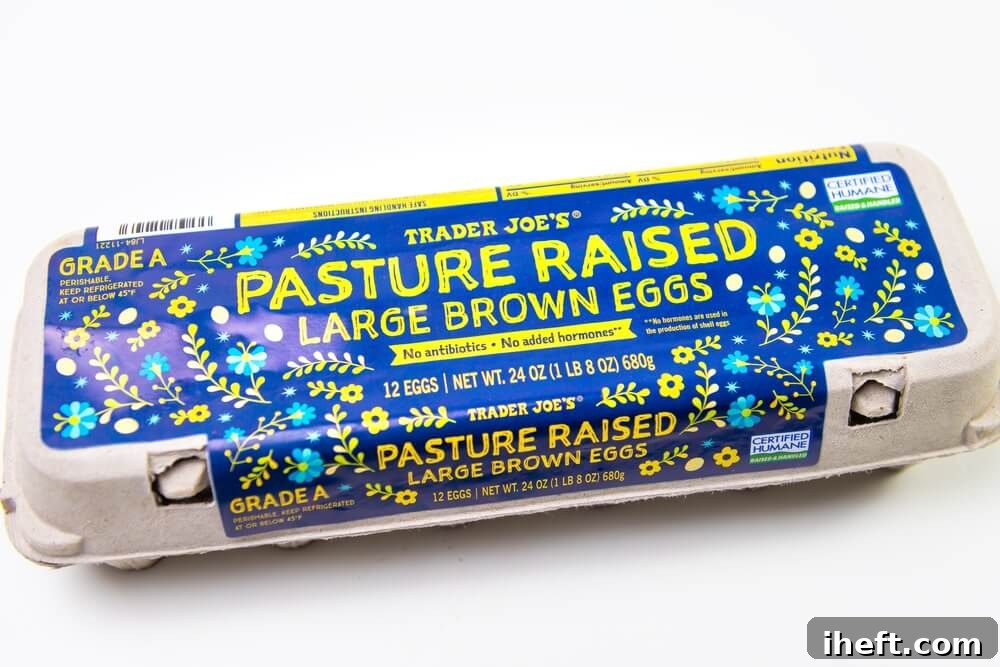
Trader Joe’s Pasture Raised Eggs
Trader Joe’s offers an accessible and often budget-friendly option for pasture-raised eggs. These eggs are Certified Humane, assuring consumers that the hens enjoy significant outdoor space to roam and forage. Trader Joe’s sources its high-quality eggs from trusted partners like Carol’s Eggs, which are also available directly on the East Coast.
Vital Farms
Vital Farms is a pioneer in the pasture-raised movement. Their eggs are not only Certified Humane but also traceable back to the specific farm where they were laid. Vital Farms even offers the unique opportunity to view some of their farms via webcam, allowing consumers to witness their chickens happily foraging and clucking in expansive outdoor environments. All Vital Farms pasture-raised eggs proudly bear the Certified Humane label, reflecting their unwavering commitment to animal welfare.
Recap: Making Informed Egg Choices for a Better Future
Understanding the distinctions between egg labels is essential for conscious consumption. While “cage-free” is a necessary improvement over battery cages, it often provides only minimal welfare benefits, as hens may still be confined indoors in crowded conditions. “Free range” offers outdoor access, but the extent and quality of that access can vary widely and may not always meet consumer expectations for genuine freedom. For optimal hen welfare and potentially superior nutritional value, “pasture raised” eggs stand out as the most humane choice, particularly when backed by stringent third-party certifications like Certified Humane®. These certifications provide clear, verifiable standards for outdoor space, diet, and overall care, ensuring that hens can live a life closer to their natural instincts. By choosing certified pasture-raised eggs, you’re not just buying food; you’re supporting ethical farming practices, promoting animal welfare, and contributing to a more sustainable food system.