Fettunta: Tuscany’s Golden Olive Oil Toast
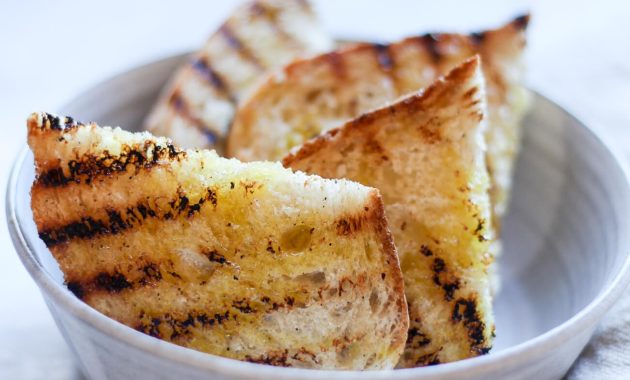
Embark on a culinary journey to the heart of Tuscany with the simplest yet most profound dish: Fettunta. This authentic Tuscan bruschetta, requiring just a few humble ingredients, transforms grilled bread, exquisite olive oil, and fresh garlic into an unforgettable experience. It’s a testament to the power of quality components and time-honored tradition.
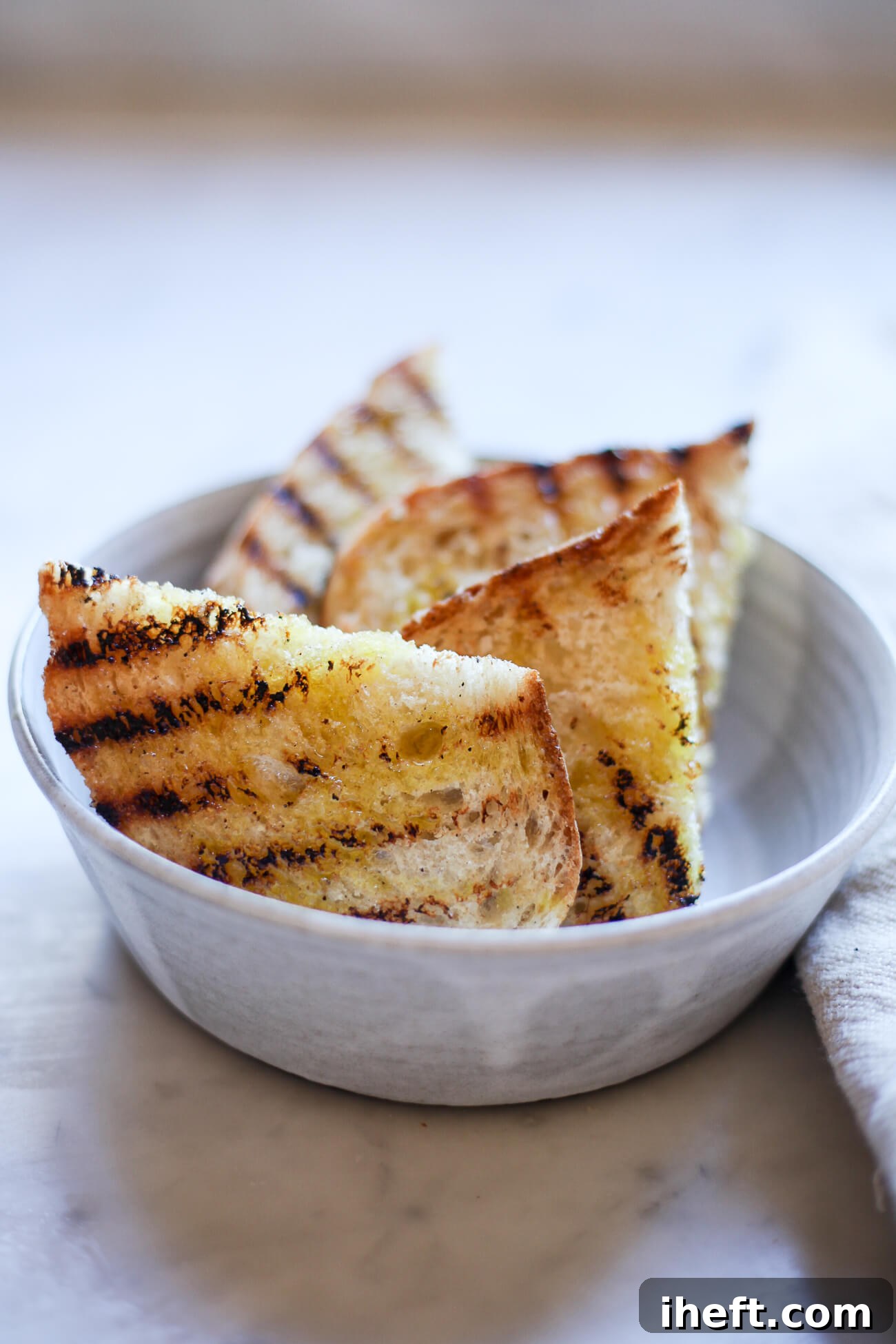
If you truly wish to savor the essence of authentic Tuscan cuisine, understanding Fettunta is paramount. During my time living in Florence, this was one of the very first dishes I learned to prepare, and its deceptive simplicity instantly captivated me. In true Tuscan fashion, this recipe relies on minimal ingredients to achieve maximum flavor and profound satisfaction. It embodies the region’s philosophy that exceptional food doesn’t need to be complex; it just needs to be crafted with care and the finest local produce.
You might consider fettunta a refined, clean, and authentic Italian ancestor to what many know as garlic bread. However, its versatility extends far beyond a mere side dish. It serves as a foundation for countless appetizers, a companion to hearty soups, or simply a delightful snack on its own, showcasing the true brilliance of Italian culinary tradition.
Unveiling the Meaning of ‘Fettunta’
The name “Fettunta” itself beautifully encapsulates the dish’s very essence. It’s derived from two Italian words: “fetta,” meaning ‘slice,’ and “unta,” meaning ‘oily’ or ‘greased.’ This linguistic breakdown immediately points to the core components of the dish – a golden, toasted slice of Tuscan bread generously drizzled with high-quality extra virgin olive oil. It highlights the perfect pairing of two of Tuscany’s most revered staple ingredients, celebrated for their distinct characters and harmonious synergy.
However, reducing fettunta, or bruschetta as it’s more broadly known, to merely “oily bread” would be an injustice. The technique involved in preparing this seemingly simple dish – the meticulous toasting of the bread to achieve that perfect crunch and the careful infusion of fresh garlic flavor – is just as crucial as the quality of the ingredients themselves. These steps elevate it from a basic snack to a culinary staple.
The Backbone of Tuscan Cuisine: Pane Toscano (Tuscan Bread)
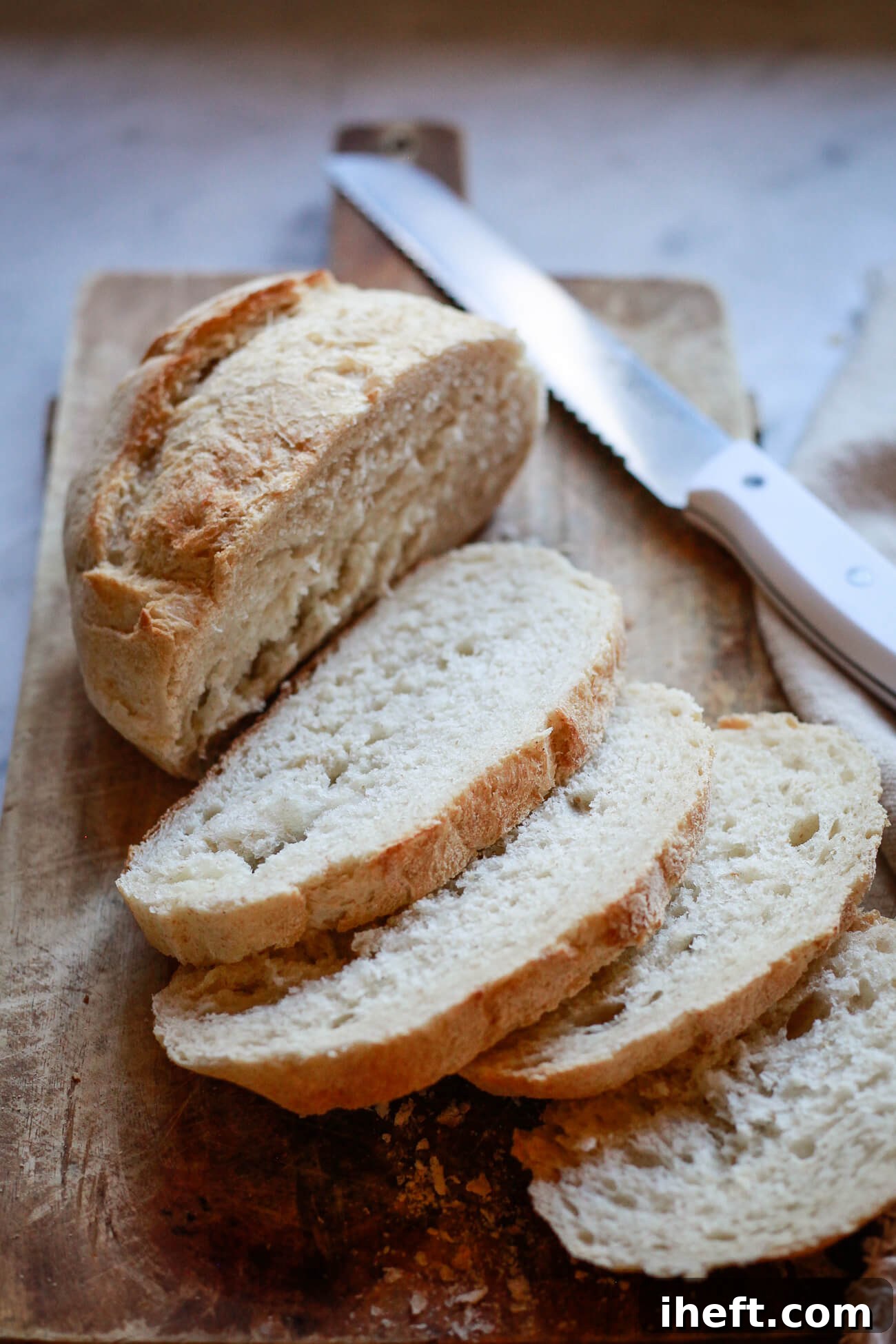
Pane Toscano, or Tuscan Bread, is a unique and often misunderstood element of local cuisine. While deeply celebrated and adored by Tuscans, it can sometimes be met with skepticism by visitors. Its most distinctive characteristic is its complete lack of salt, which can make it taste bland or dry if not consumed fresh or paired appropriately. This rustic bread typically boasts a wonderfully crisp exterior, giving way to a satisfyingly chewy, dense interior, a texture that holds up beautifully to toasting and soaking up flavors.
The tradition of baking unsalted bread in Tuscany has deep historical roots. In earlier times, especially when bread was baked just once a week in communal wood-burning ovens, salt was deliberately omitted. This was primarily a pragmatic choice, as salt was a precious commodity and the absence of it helped extend the bread’s shelf life, keeping it edible until the next firing of the ovens. Furthermore, this salt-free canvas was designed to perfectly complement the naturally salty and robust flavors of traditional Tuscan foods, such as cured meats like prosciutto, aged pecorino cheese, and, of course, the richly flavored local extra virgin olive oil. The bread acts as a perfect neutral base, allowing the other ingredients to truly shine.
When the bread inevitably began to dry out towards the end of the week, the ingenious solution was to revive it with generous drizzles of fresh Tuscan extra virgin olive oil, which not only re-moistened it but also imparted a rich, fruity flavor. Pane Toscano is not just a bread; it’s the fundamental backbone of numerous iconic Tuscan dishes. It is the essential base for the classic crostini, the hearty and comforting Ribollita soup, the refreshing Panzanella bread and tomato salad, and the soul-warming Pappa al Pomodoro. If authentic Pane Toscano is unavailable, a rustic, dense, unsalted or very lightly salted artisan bread, such as a sturdy sourdough or ciabatta, can serve as a suitable substitute, though the true Tuscan flavor profile will be subtly different.
Liquid Gold: The Indispensable Role of Extra Virgin Olive Oil
In Tuscany, olive oil isn’t just an ingredient; it’s a vital part of the cultural identity and the very soul of the cuisine. For Fettunta, the choice of extra virgin olive oil (EVOO) is paramount. This isn’t a dish where you can cut corners on quality. A truly good EVOO, preferably from Tuscany, will possess a vibrant green hue, a fragrant aroma, and a complex flavor profile that can range from fruity and grassy to distinctly peppery with a pleasant bitterness on the finish.
Tuscan olive oils are particularly renowned for their robust character, often made from olive varieties like Frantoio, Moraiolo, and Leccino. These varieties contribute to oils that are typically full-bodied and intense, standing up beautifully to the simplicity of grilled bread and garlic. When selecting your oil, look for terms like “cold-pressed” and “first-press,” which indicate a higher quality production method that preserves the olives’ natural flavors and beneficial properties. The generous drizzle of this “liquid gold” is what truly defines “unta” in Fettunta, providing not just moisture but a depth of flavor that is both ancient and eternally satisfying.
The Aromatic Kiss: The Role of Garlic
Garlic is a cornerstone of Italian cooking, and in Fettunta, it plays a subtle yet significant role. Unlike in many garlic bread recipes where garlic is often cooked, minced, or mixed into butter, in Fettunta, it is applied raw and rubbed directly onto the warm, toasted bread. This method is deliberate and essential for achieving the desired flavor profile. The residual heat from the freshly grilled bread gently warms the raw garlic, allowing its pungent oils to melt slightly and infuse the toast with a delicate, aromatic essence rather than an overpowering sharpness.
This “garlic kiss” creates a nuanced flavor, marrying beautifully with the robust olive oil and the rustic bread without dominating them. It speaks to the Tuscan appreciation for fresh, pure flavors and the understanding that sometimes, the simplest application yields the most profound results.
Mastering the Art of Fettunta: A Simple Guide
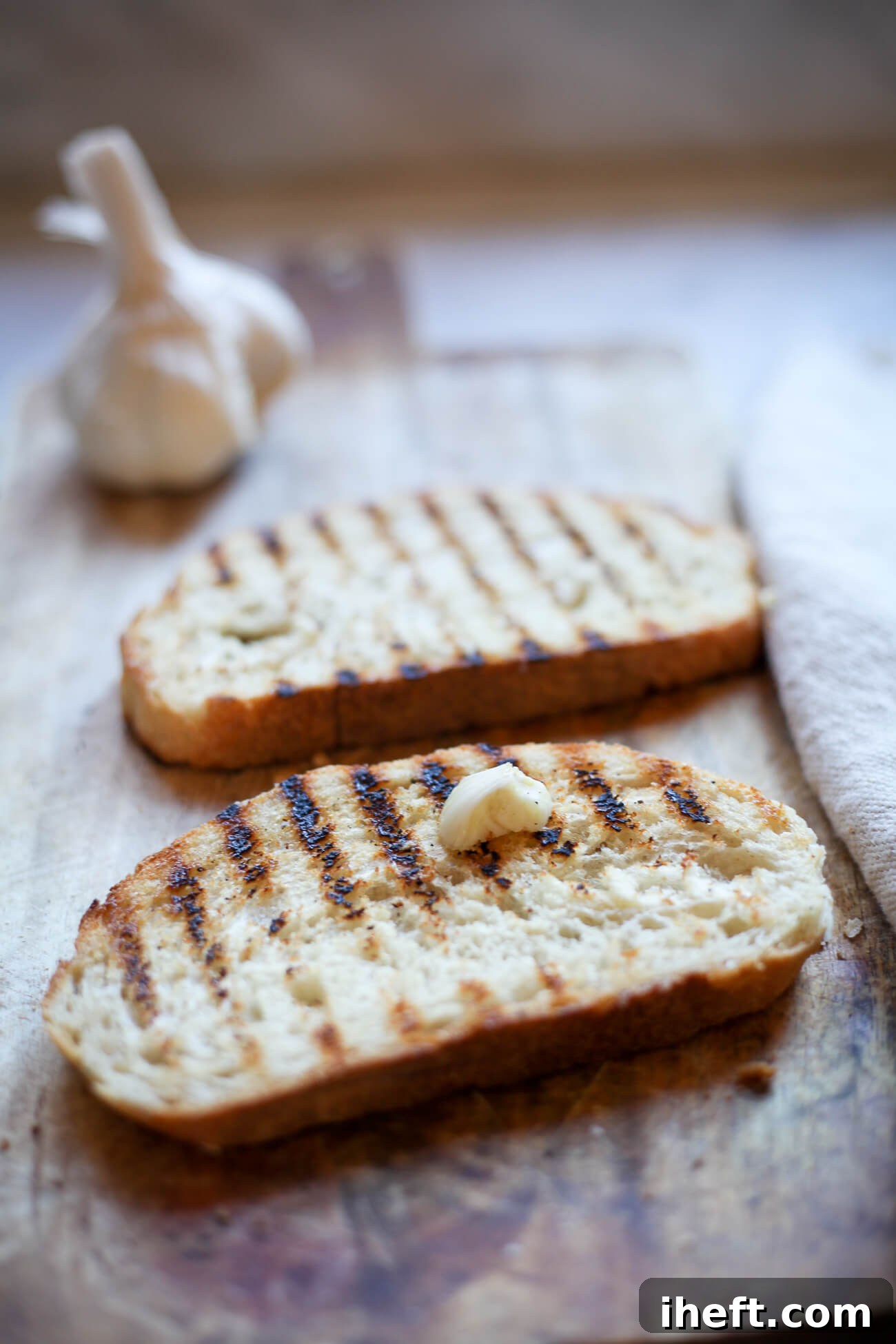
Traditional Tuscan bruschetta, or Fettunta, is a masterclass in simplicity, requiring only a handful of high-quality ingredients: rustic Tuscan bread, fresh garlic cloves, premium extra virgin olive oil, and a pinch of sea salt. Each step is crucial to achieving perfection.
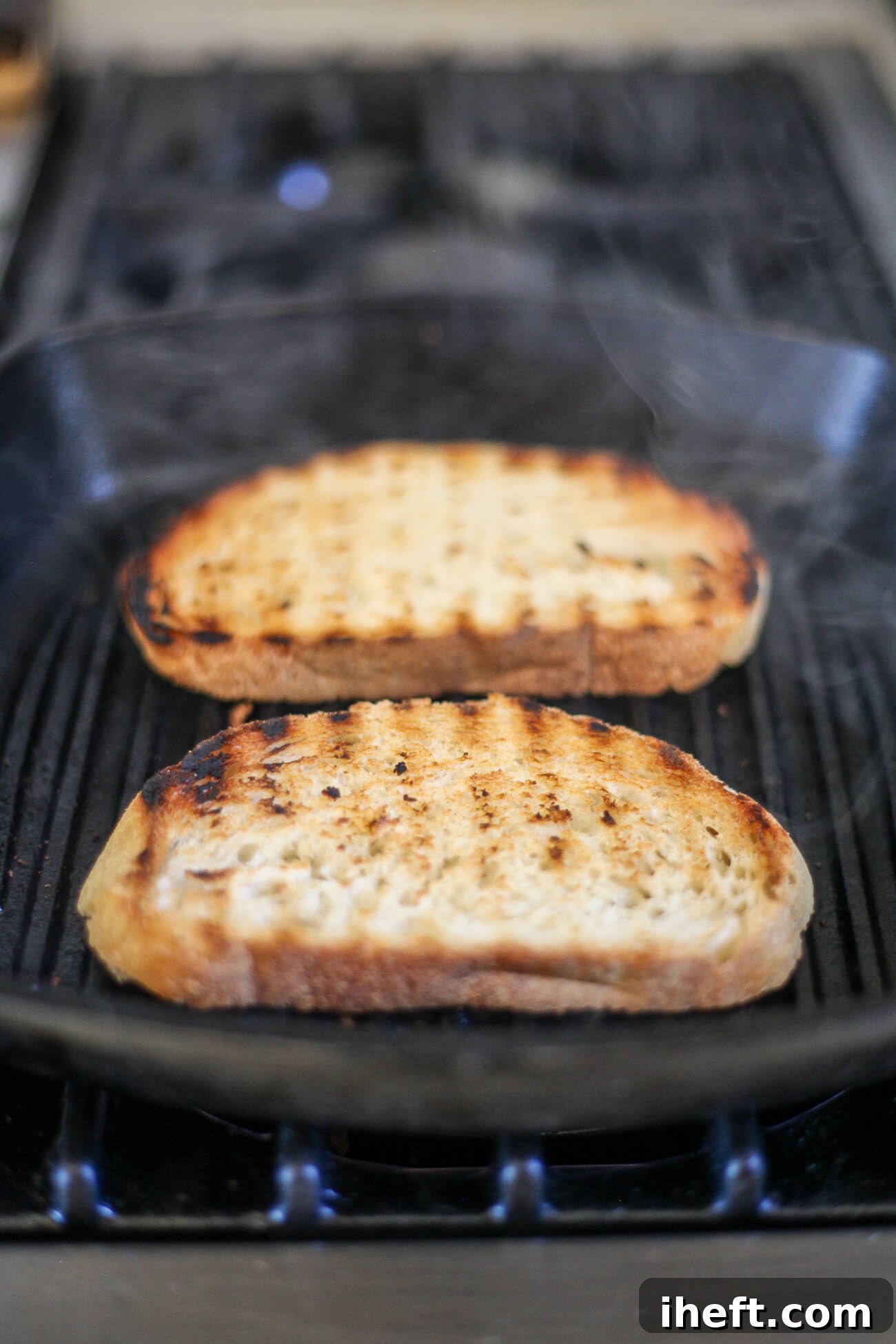
1. Toast the Bread with Precision: The toasting method is key to developing the texture and subtle smoky flavor of Fettunta. Ideally, the bread should acquire distinct smoky char marks, indicative of high, direct heat. This can be achieved using an outdoor grill, a sturdy cast-iron grill pan, or even a broiler in your oven. Regardless of the method, ensure the heat source is very hot before placing the bread. The goal is a perfectly crunchy slice that is firm enough to withstand the vigorous rub of garlic without tearing apart.
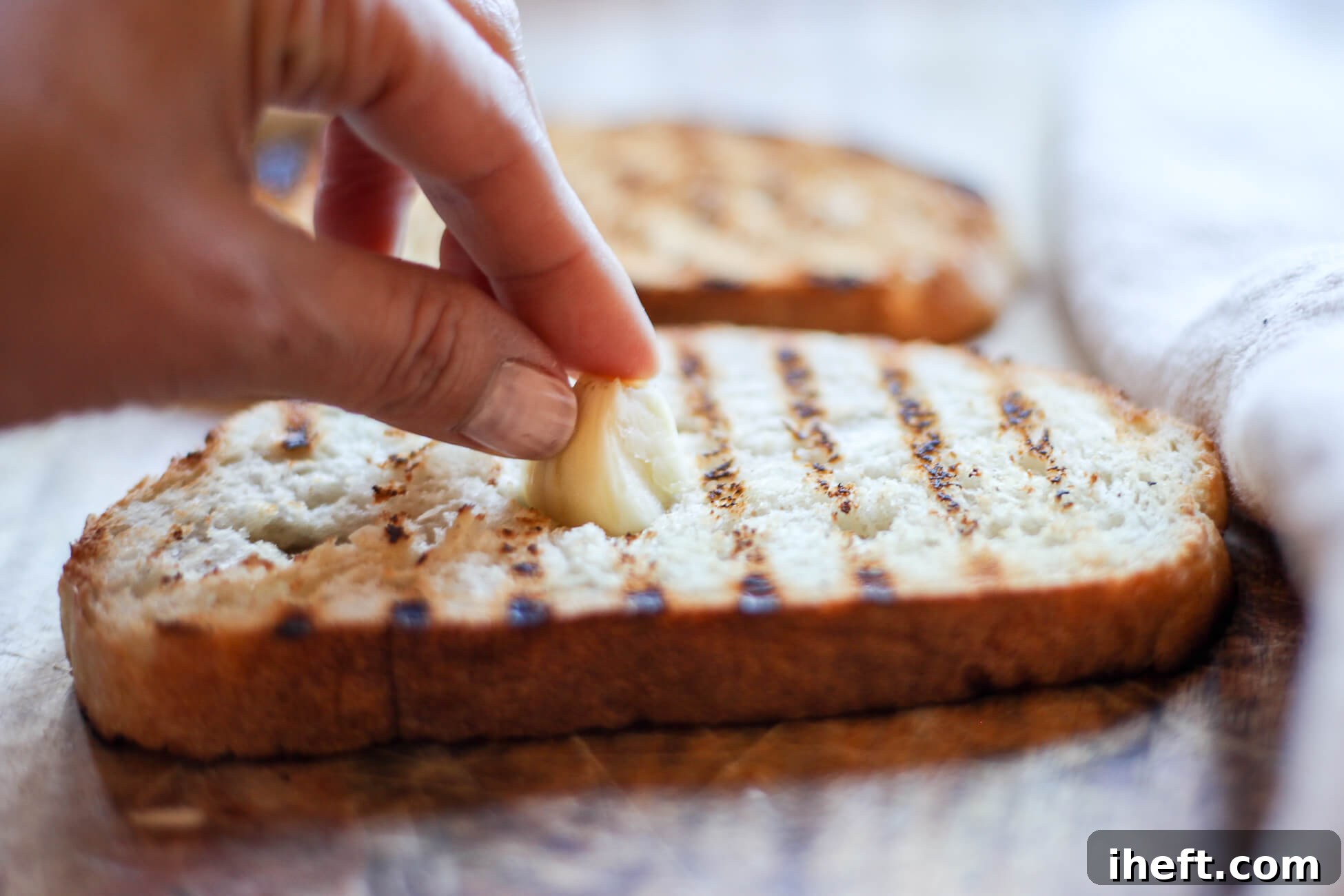
2. Rub Generously with Fresh Garlic: Immediately after toasting, while the bread is still warm, take a large clove of garlic, peel it, and cut it in half. Rub the cut side vigorously over the entire surface of the warm toast. The heat of the bread will gently soften the garlic, allowing its aromatic oils to release and deeply permeate the surface of the bread. You might not see much of the garlic itself, but its unmistakable, fragrant essence will be beautifully infused.
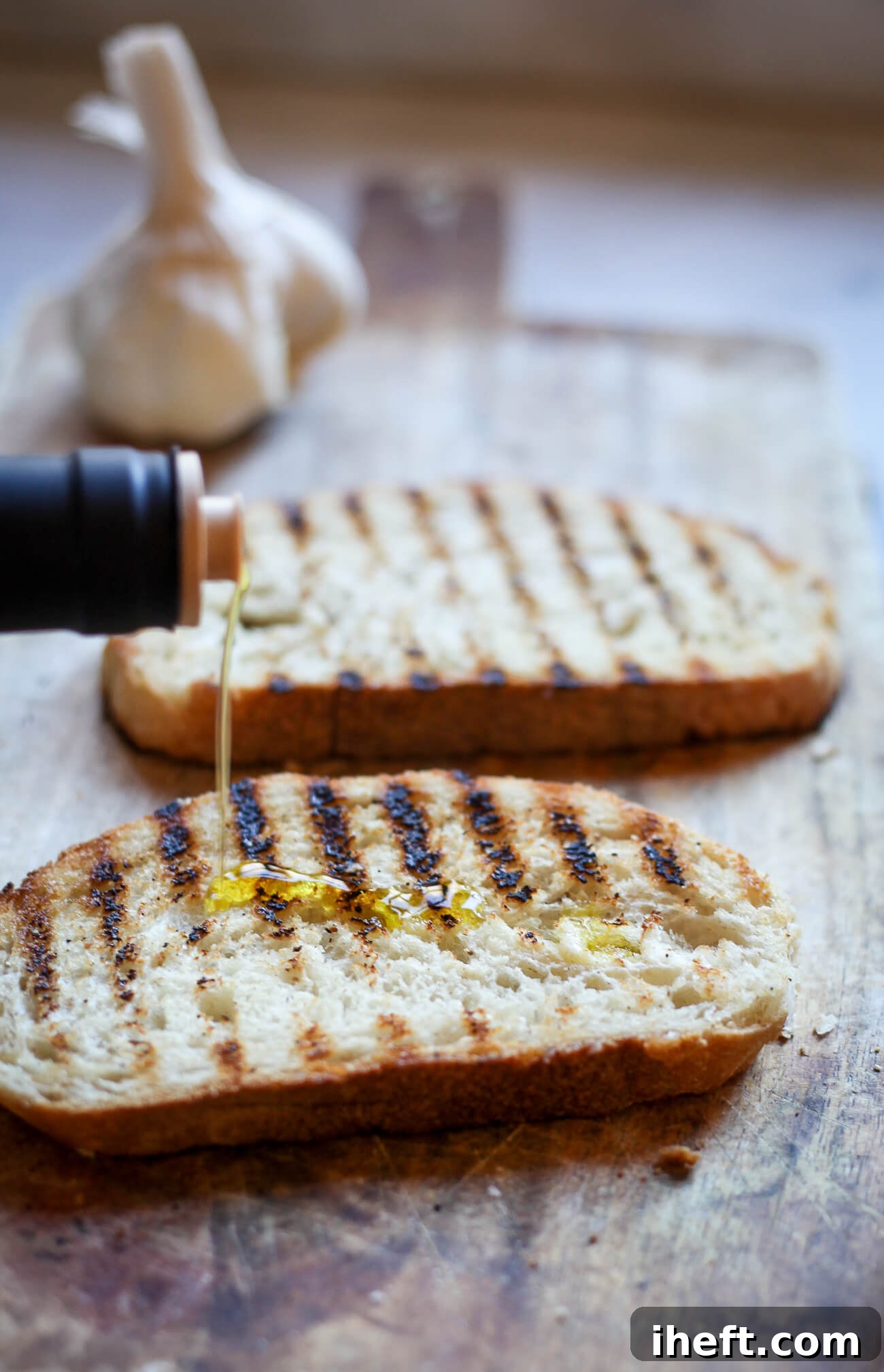
3. Drizzle with Olive Oil and Season with Salt: This is where the “unta” comes into play. Drizzle the garlic-rubbed toast generously with the highest quality extra virgin olive oil you possess. Don’t be shy; the oil is a star player here, contributing significantly to both flavor and texture. Finally, sprinkle with a pinch of flaky sea salt, which enhances all the other flavors. The olive oil will soak into the warm bread, creating a rich, satisfying bite.
Fettunta vs. Bruschetta: Clarifying the Confusion
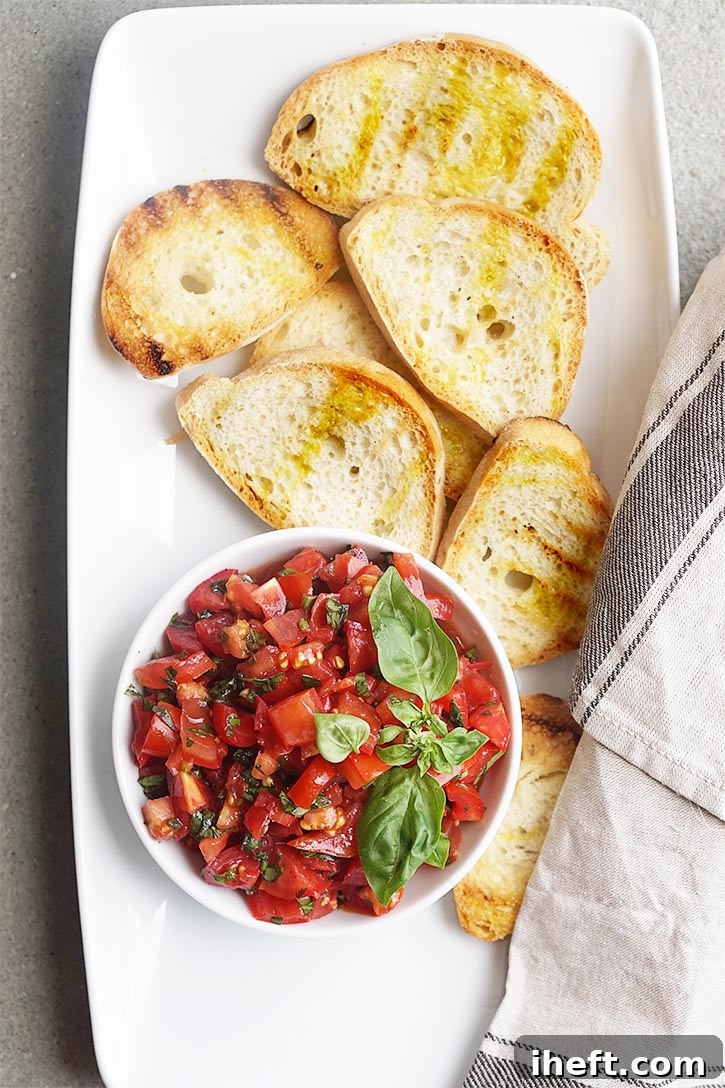
For many, the terms Fettunta and Bruschetta can be confusing, but in their purest form, they refer to the same foundational dish. The preparation of toasted bread, rubbed with raw garlic, and drizzled with extra virgin olive oil is universally known across Italy as bruschetta (pronounced bru-SKET-ta, with a hard ‘k’ sound). The name itself comes from the Roman dialect word “bruscare,” meaning “to toast” or “to roast over coals.”
However, in Tuscany specifically, this beloved preparation often goes by the regional name Fettunta, or colloquially, fett’unta, which, as we’ve discussed, translates literally to “oiled slice.” This regional distinction highlights the strong emphasis on the olive oil component in Tuscan culinary identity. While Americans and many others worldwide frequently associate “bruschetta” with a specific topping, typically chopped tomatoes and basil, in its truest and most traditional Italian form, bruschetta refers solely to the garlic and oil-infused toasted bread itself.
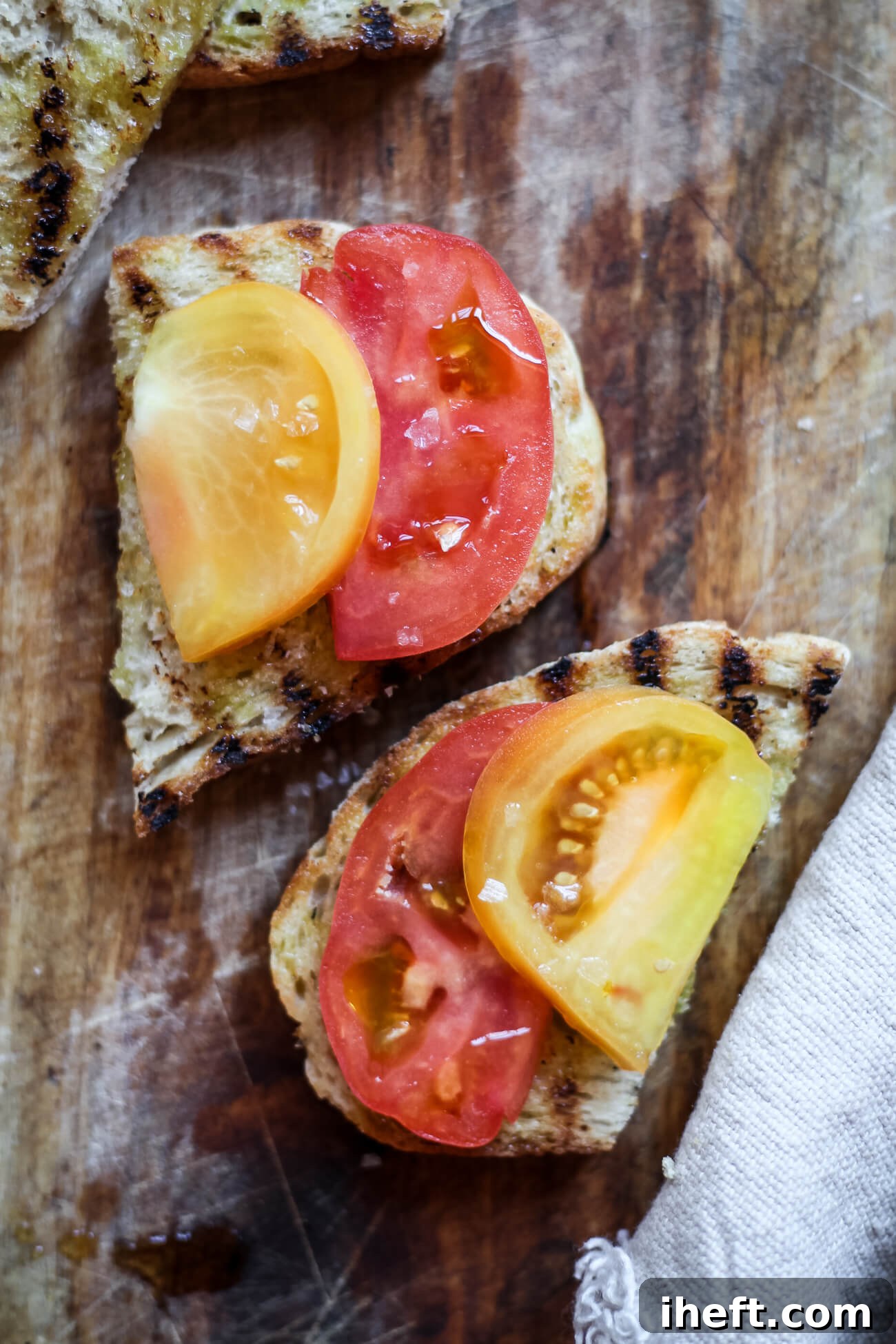
Of course, Bruschetta al Pomodoro, featuring ripe, fresh tomatoes and aromatic basil, is undeniably one of the most popular and beloved ways to serve bruschetta, not just in Tuscany but across Italy and beyond. It’s a delicious evolution, but it’s important to remember that the simple Fettunta is the original, unadorned perfection.
Serving Suggestions and Creative Variations for Fettunta
While the purest form of Fettunta—just bread, garlic, olive oil, and salt—is a divine experience in itself, its versatility makes it an excellent canvas for various culinary explorations. As a standalone appetizer, it’s perfect for whetting the appetite, especially when accompanied by a glass of local Chianti. Its robust flavor and satisfying crunch also make it an ideal companion to a warm bowl of traditional Tuscan soups like Ribollita or Pappa al Pomodoro, where it can be used to scoop up the rich broth and vegetables.
Beyond its classic presentation, Fettunta can be adorned with an array of exquisite toppings:
- Classic Tomato & Basil: As popular as it is, fresh diced heirloom tomatoes with basil, a splash of balsamic glaze, and a sprinkle of salt remain an irresistible choice.
- White Beans: Creamy cannellini beans, mashed or whole, seasoned with a touch of garlic, rosemary, and olive oil, create a surprisingly hearty and authentic Tuscan topping.
- Cured Meats & Cheeses: Thinly sliced prosciutto, capicola, or salami, perhaps with a sliver of aged pecorino or a dollop of fresh ricotta, elevates Fettunta into a more substantial antipasto.
- Roasted Vegetables: Grilled zucchini, eggplant, bell peppers, or even roasted mushrooms, seasoned with herbs, add a smoky, earthy dimension.
- Artichoke or Olive Tapenade: These flavorful spreads offer a quick and elegant option, bringing intense savory notes.
- Sweet Variations: While less traditional, a spread of fig jam, perhaps with a thin slice of prosciutto, offers a delightful sweet and savory contrast.
Pair your Fettunta with a robust red wine from Tuscany, such as a Chianti Classico, or for a crisp contrast, a Vernaccia di San Gimignano. No matter how you choose to enjoy it, Fettunta promises a direct and delicious connection to the heart of Italian culinary tradition.
Fettunta: Authentic Tuscan Bruschetta Recipe
2 minutes
5 minutes
7 minutes
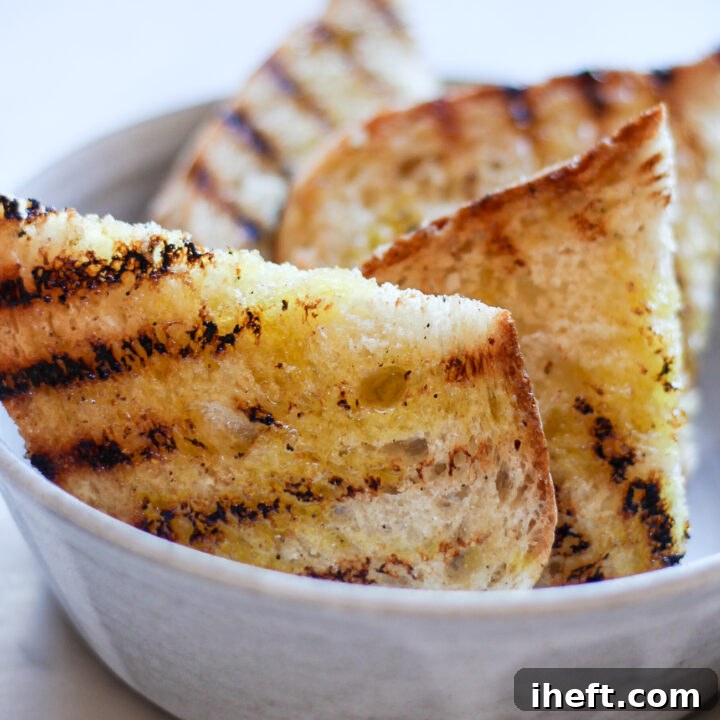
Fettunta is the quintessential authentic Tuscan bruschetta. This toasted Italian bread, expertly rubbed with fresh garlic and generously drizzled with high-quality extra virgin olive oil and a sprinkle of sea salt, offers the most delicious and traditional way to enjoy Tuscan bread. Serve it simply as-is with a bowl of hearty soup, or elegantly topped with your favorite bruschetta ingredients for a delightful appetizer. This method represents the traditional way bruschetta is prepared in Italy, emphasizing pure, simple flavors.
Ingredients
- 2 slices rustic Italian bread (preferably unsalted Pane Toscano)
- 1-2 cloves garlic, peeled and halved
- High-quality extra virgin olive oil
- Pinch of flaky sea salt, to taste
Instructions
- Heat a grill or a cast-iron grill pan over high heat. Ensure it is very hot before carefully adding the bread slices.
- Place slices of bread directly on the hot grill or grill pan and cook until dark, appealing grill marks appear, which typically takes about 2 minutes per side. Flip the bread with tongs and grill the other side until it is equally very well toasted and crunchy.

- While the toast is still piping hot, take one of the halved garlic cloves and rub its cut side vigorously over one surface of the warm toast. The heat will help the garlic’s natural oils to melt and infuse its flavor onto the bread. You may not visibly see much garlic residue, but its exquisite aroma and taste will be profoundly present.
- Generously drizzle the garlic-infused toast with a good amount of extra virgin olive oil and lightly sprinkle with a little flaky sea salt to enhance all the flavors.
- Enjoy your authentic Fettunta immediately, either as-is for a pure taste of Tuscany, or adorned with your favorite bruschetta toppings such as fresh tomatoes and basil, or a simple white bean puree.
Nutrition Information:
Yield: 2
Serving Size: 1 slice
Amount Per Serving:
Calories: 118Total Fat: 7gSaturated Fat: 1gTrans Fat: 0gUnsaturated Fat: 6gCholesterol: 0mgSodium: 177mgCarbohydrates: 11gFiber: 1gSugar: 1gProtein: 2g
Nutrition information is automatically calculated. I am not a nutritionist and cannot guarantee absolute accuracy. If your health depends on precise nutrition information, please calculate again with your preferred calculator.