Festive Winter White Sangria
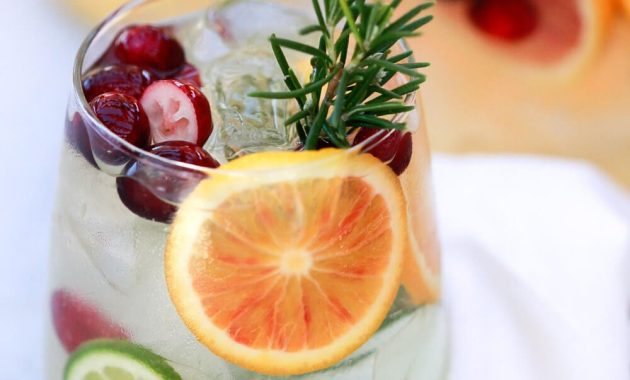
Welcome to our ultimate guide to crafting the perfect white sangria! This versatile and vibrant recipe is designed for those moments when you crave a drink that’s both effortlessly elegant and wonderfully refreshing. Whether you’re gathering friends for a festive holiday brunch, hosting a cozy winter dinner, or celebrating a sunny summer afternoon, our easy white sangria is your go-to beverage. We’ll explore how to infuse it with crisp citrus notes for the cooler months or succulent peach flavors when summer calls. Please note, this delightful concoction is intended for our readers aged 21 and over. But don’t worry, we’re already working on an equally exciting mocktail version to share very soon!
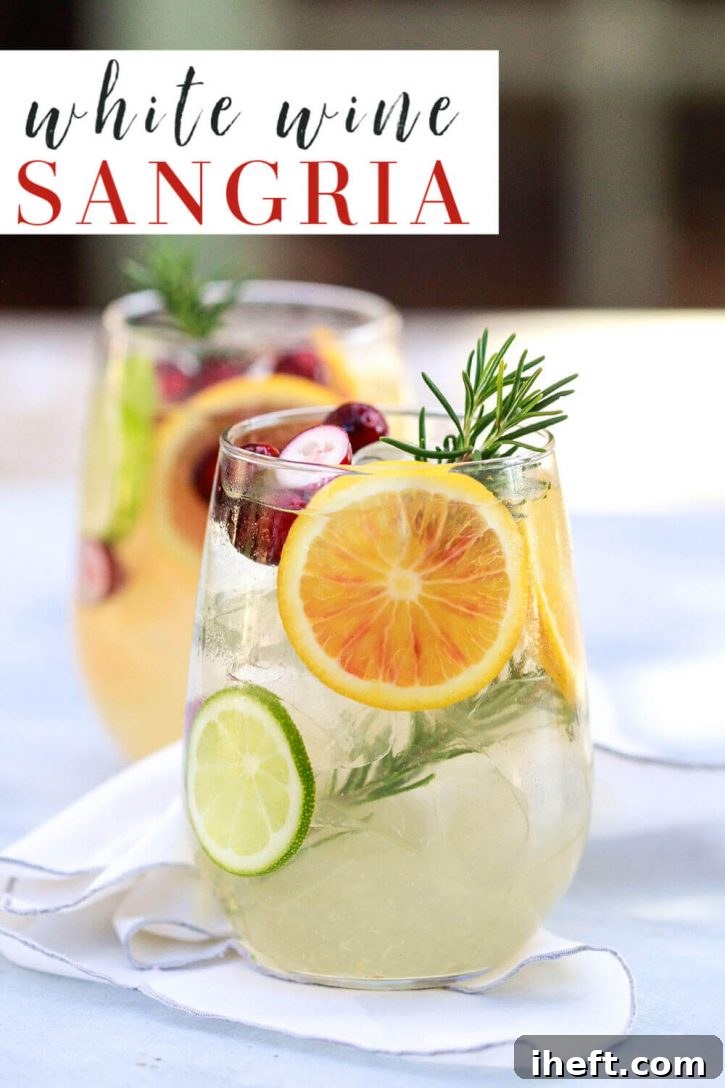
The Ultimate Guide to Making Easy White Sangria at Home
Just last week, I was tasked with bringing a signature drink to a festive holiday ladies’ luncheon, and this white sangria recipe was an absolute sensation. It received rave reviews and quickly became the star of the show! The inspiration for this particular blend came from the exquisite white sangria served at Cava, one of our cherished local Spanish restaurants. Their masterful combination of flavors left such an impression that I knew I had to recreate its magic, and perhaps even elevate it, right in my own kitchen. The beauty of homemade sangria lies in its simplicity, its stunning visual appeal, and its inherently festive nature, making it ideal for any celebration or casual get-together.
My journey into the world of sangria began years ago when I first learned to craft a traditional red version during an immersive Spanish cooking class. That experience ignited a passion for these fruit-infused wine cocktails, and I promise to share my beloved red sangria recipe with you soon. This citrus-forward white sangria, however, carries a distinct charm, reminiscent of the bright and effervescent spirit found in our classic Italian Aperol Spritz. If you appreciate lively, citrusy cocktails, you absolutely must try some of my other favorites, including the invigorating Greyhound, the sweet and zesty Limoncello Spritzer, and the refreshingly light Skinny Blood Orange Margarita. Each offers a unique burst of flavor, perfect for different moods and occasions, much like our versatile white sangria.
Crafting Your Perfect Pitcher: How to Make White Sangria
Making homemade white sangria is a delightfully straightforward process that yields impressive results. The key is in selecting fresh, ripe fruits and allowing the flavors to meld beautifully. Let’s walk through the simple steps to create this enchanting beverage.
Step 1: Preparing Your Fresh Fruit for Sangria
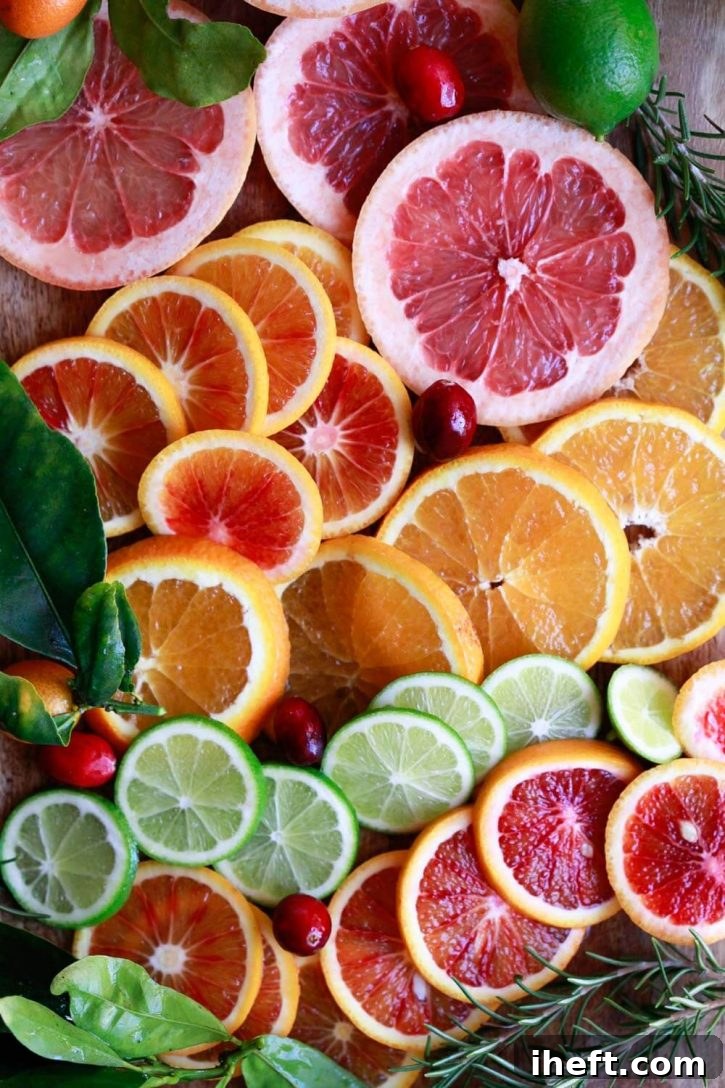
The foundation of any great sangria is its fruit. For this specific winter white sangria recipe, I’ve embraced the bounty of my own backyard, utilizing juicy oranges, vibrant blood oranges (when in season), tart limes, and a hint of refreshing grapefruit. These citrus fruits not only add incredible flavor but also contribute stunning visual appeal to your pitcher. As the seasons change, so too can your fruit selection:
- Fall & Winter Enhancements: Beyond citrus, crisp apples – such as Fuji, Gala, or Honeycrisp – sliced thinly would be an excellent addition, providing a lovely textural contrast and a hint of autumnal sweetness. Fresh cranberries or pomegranate arils are also fantastic for adding a festive splash of color and a tart kick, especially during the holidays. Consider a few star anise pods or cinnamon sticks for an aromatic, warming touch.
- Summer & Spring Transformations: When warmer weather arrives, simply swap out the winter citrus for an abundance of summer fruits. Think thinly sliced ripe peaches, succulent strawberries, juicy raspberries, or plump blueberries. These fruits will infuse your sangria with a lighter, sweeter, and more aromatic profile, perfectly complementing sunny days. A few sprigs of fresh basil or mint can also elevate the summer version with a delightful herbaceous note.
Ensure all fruits are thoroughly washed before slicing. For citrus, aim for thin, round slices, about 1/4-inch thick. This allows the fruit to release its juices and flavors more effectively into the wine. For peaches or apples, core them and slice them into bite-sized wedges or half-moons.
Step 2: Mixing Your White Sangria Base
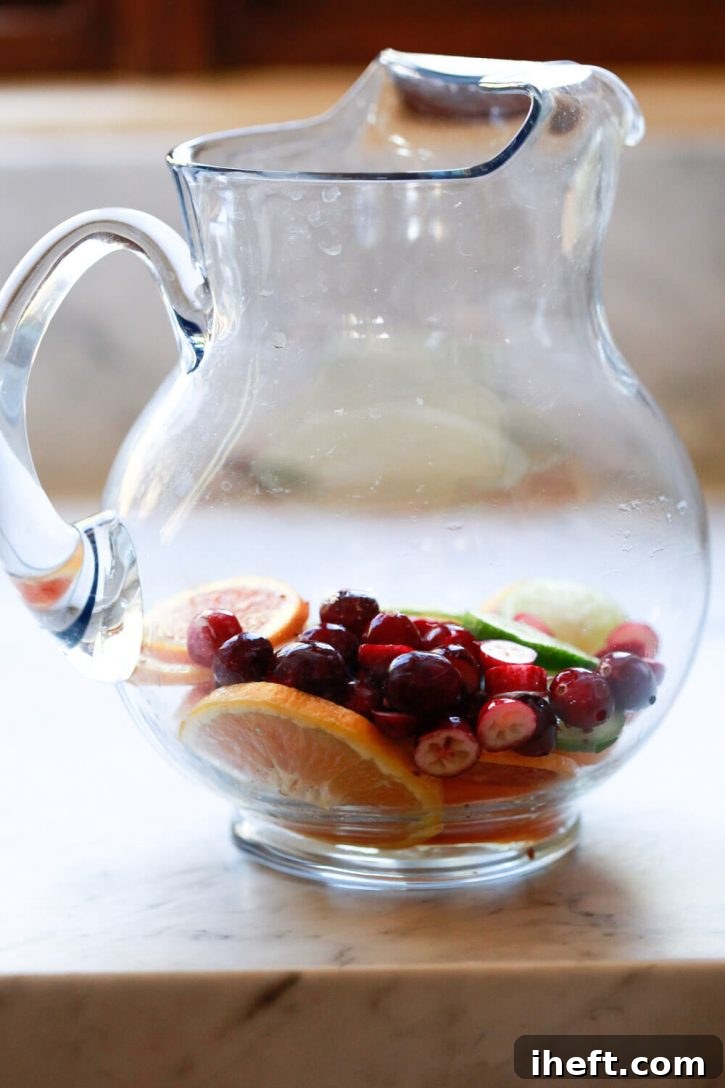
Once your fruit is prepped, the next step is to assemble the non-sparkling liquids. This allows the flavors to truly mingle and mature. Begin by adding all your prepared fruit to a large, sturdy pitcher or a beautiful glass dispenser. Then, pour in the following:
- Fresh Orange Juice: Use high-quality, freshly squeezed orange juice for the best flavor. Straining it to remove pulp creates a smoother, more refined sangria. This adds a foundational layer of sweetness and bright citrus notes.
- Orange Liqueur: A splash of orange liqueur, such as Cointreau or Patron Citrónge, deepens the citrus profile and adds a lovely alcoholic kick. This is where the magic of flavor layering truly begins. If you’re adapting this recipe for summer, consider swapping the orange liqueur for a high-quality peach schnapps or peach liqueur to enhance those summer fruit flavors.
- Your Chosen White Wine: Carefully pour in a full bottle (750 ml) of your preferred dry white wine. (We’ll delve deeper into specific wine recommendations shortly!)
After combining these ingredients, give the mixture a gentle stir to ensure everything is well distributed. The real secret to a truly exceptional sangria lies in allowing the flavors to marry. Ideally, let your sangria base chill in the refrigerator for at least 2 to 4 hours. This allows the fruit to infuse the wine and liqueur with its natural sweetness and aromatics, creating a much more complex and harmonious taste. While it can be served right away, the wait is truly worth it for a more developed flavor profile.
Step 3: The Grand Finale – Serving Your Sangria
Just before you’re ready to serve, add the sparkling component. This is crucial for maintaining the effervescence of your sangria. Options include:
- Club Soda: For a lighter, less alcoholic effervescence that allows the fruit and wine flavors to shine.
- Sparkling Wine (Cava): For a more celebratory and alcoholic kick, a dry Spanish sparkling wine like Cava is an excellent choice, staying true to sangria’s origins.
- Prosecco or other Dry Sparkling Wine: Equally delightful alternatives if Cava is not available.
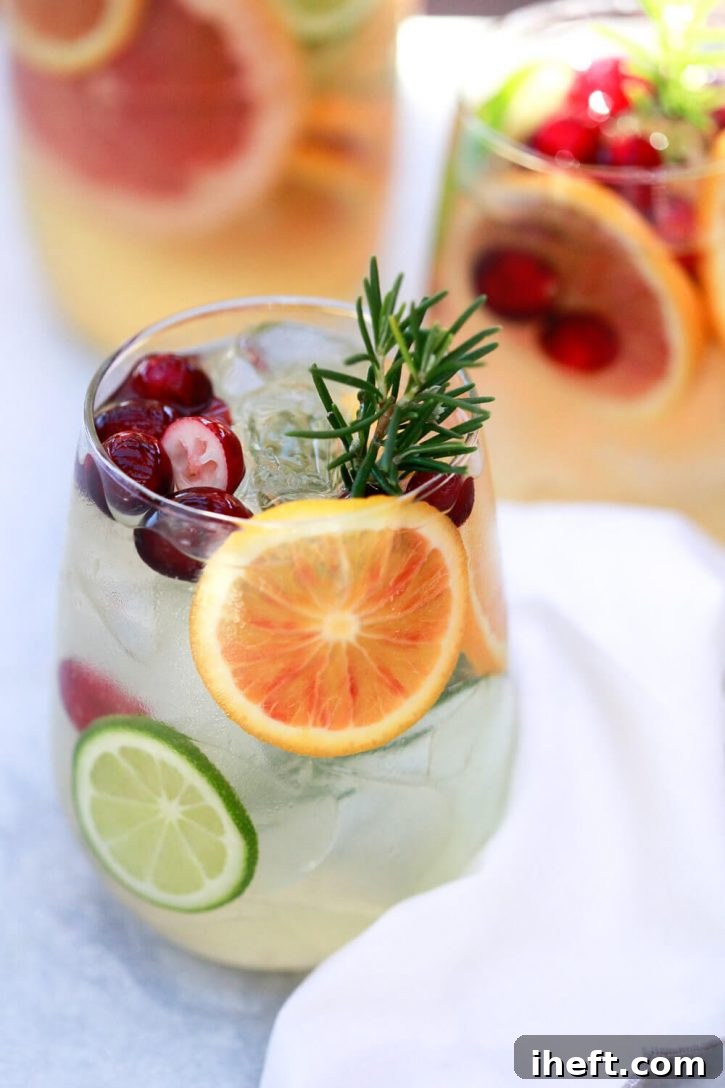
Stir gently once more, just enough to combine. Serve the sangria over plenty of ice in individual glasses. Don’t forget to include some of the beautiful fruit slices in each glass, as they continue to release flavor and act as a delightful edible garnish. A sprig of fresh rosemary or mint can add an aromatic touch and elevate the presentation even further, making each glass a work of art.
Choosing the Perfect Pour: Best White Wine for Sangria
The choice of white wine is paramount to the character of your sangria. While a dry, crisp wine is generally recommended, there’s room for personal preference. The goal is a wine that provides a good base without overpowering the fruit and liqueur. Here are some excellent options:
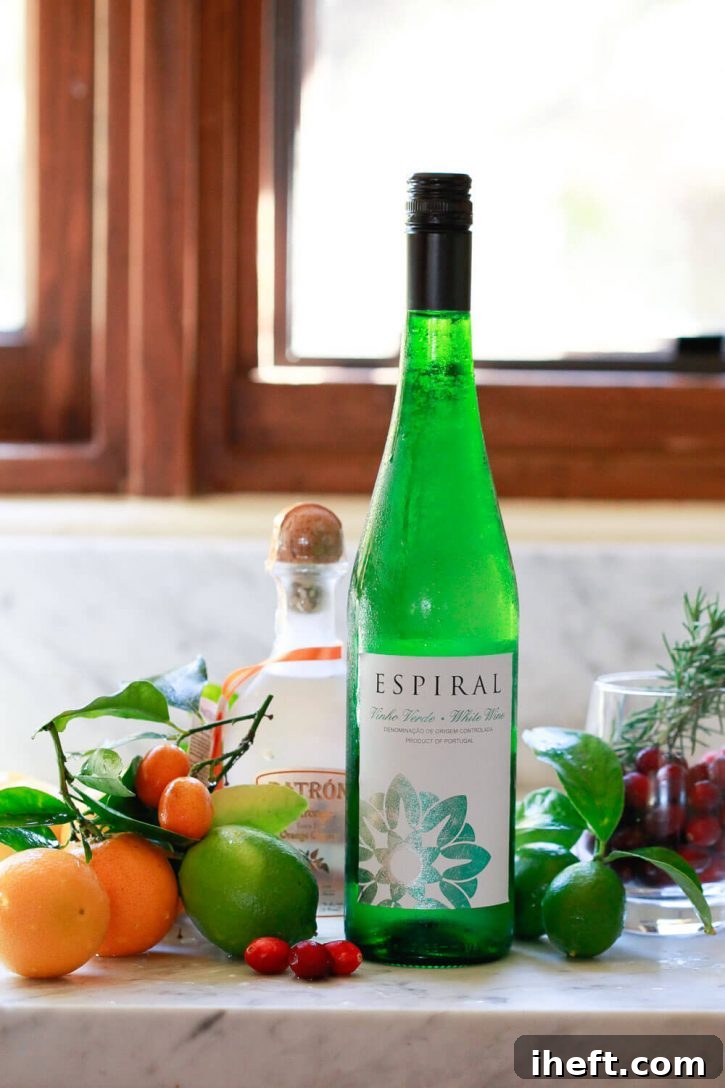
I personally gravitate towards crisp, dry white wines, often sourced from my Dry Farm Wines natural wine club box. Their selections are typically pure, low-sugar, and wonderfully expressive. When choosing a wine, look for something with good acidity and a clean finish. Avoid overly sweet or heavily oaked wines, as they can clash with the fruit flavors.
- Garnacha Blanca (Grenache Blanc): This Spanish grape varietal is an exceptional choice. It typically offers a full-bodied texture with notes of green apple, stone fruit, and sometimes a hint of almond or fennel. Its natural acidity and minerality make it a fantastic foundation for sangria, allowing the fruit to shine without being overwhelmed. It embodies the authentic Spanish spirit of the drink.
- Other Dry Spanish White Wines: Beyond Garnacha Blanca, many other dry Spanish white wines are ideal. Look for varieties like Verdejo (known for its herbaceous notes and slight bitterness), Albariño (a fragrant, high-acid wine from Rías Baixas with peach and apricot notes), or even a dry Sherry (Fino or Manzanilla, if you’re feeling adventurous and want a nutty complexity). These wines often bring a unique regional character that complements the sangria experience.
- Pinot Grigio: While not traditionally Spanish, Pinot Grigio is an incredibly popular and delicious option for white sangria. Its light body, crisp acidity, and refreshing notes of green apple, lime, and pear make it a universally appealing choice. It’s often very accessible and widely available, making it a great go-to for those new to making sangria.
- Vinho Verde: This Portuguese wine is a fantastic, often overlooked contender. Vinho Verde is typically a young wine with a slight effervescence and lower alcohol content. Its bright citrus flavors, hint of spritz, and refreshing acidity make it a lively and vibrant base, perfect for a lighter, more refreshing sangria, especially in warmer weather.
- Sauvignon Blanc: For those who enjoy a more herbaceous and pungent white wine, a dry Sauvignon Blanc can add an intriguing layer of complexity with its characteristic notes of grapefruit, passionfruit, and sometimes a grassy undertone.
Ultimately, the best white wine for your sangria is one you enjoy drinking on its own. If you wouldn’t drink it by the glass, it likely won’t magically improve when mixed into sangria!
Elevating the Experience: How to Serve White Sangria & Perfect Pairings
Serving sangria isn’t just about pouring it into a glass; it’s about creating an experience. The presentation and accompanying bites can transform a simple drink into a memorable event.
- Presentation Matters: Always serve sangria in generous wine glasses or charming tumblers, filled with plenty of ice. This keeps the drink perfectly chilled and prevents it from becoming diluted too quickly. Don’t forget to include some of the beautiful, wine-soaked fruit slices from the pitcher in each glass – they are not only delicious but also add to the visual appeal. For an extra touch of elegance and aroma, garnish with fresh herb sprigs like rosemary (for winter citrus) or mint/basil (for summer fruit).
- Sparkling Finish: Top off each individual serving with a splash of club soda or, for a truly Spanish touch, Cava (Spanish sparkling wine). This adds a delightful effervescence and allows guests to adjust the strength and fizziness to their liking.
- Authentic Spanish Pairings: To truly embrace the Spanish spirit, serve your white sangria alongside a rustic and inviting Spanish cheese and charcuterie platter. Think Manchego cheese, chorizo, jamón serrano, olives, and crusty bread. Traditional empanadas, filled with savory meats or vegetables, also make for perfect, easy-to-eat nibbles that complement the sangria beautifully.
- Heartier Main Courses: For a more substantial meal, our Black Bean Tamales offer a rich, flavorful counterpoint to the bright sangria, creating a satisfying and memorable dining experience. The earthy notes of the tamales will balance the fruity zest of the drink.
- Essential Dips & Spreads: No Spanish-inspired spread is complete without fresh, vibrant accompaniments. Be sure to include a bowl of our incredible Fresh Salsa, bursting with ripe tomatoes and herbs, and our notoriously addictive Best Guacamole. These fresh, flavorful dips are perfect for scooping up with tortilla chips and pair wonderfully with the light, refreshing profile of white sangria.
Expert Tips for the Best White Sangria
While sangria is forgiving, a few expert tips can elevate your homemade batch from good to absolutely phenomenal:
- Chill Time is Key: Don’t skip the refrigeration step. Letting the fruit and wine steep for at least 2-4 hours (or even overnight) allows the flavors to truly meld and deepen. This infusion is what makes sangria so special.
- Always Add Sparkling Last: To preserve the effervescence, always add club soda or sparkling wine just before serving, directly into the pitcher or individual glasses. Adding it too early will result in a flat sangria.
- Taste and Adjust: Before serving, taste your sangria. If it’s too strong, add a bit more orange juice or club soda. If it’s not sweet enough, a touch of simple syrup or a splash of agave nectar can be added, though often the fruit and liqueur provide ample sweetness.
- Quality Ingredients Matter: While you don’t need to break the bank on wine, using fresh, ripe fruit and a decent quality liqueur will significantly impact the final taste.
- Consider Ice Wisely: While ice keeps it cold, too much melting ice can dilute the flavor. Make sure your sangria is well-chilled before adding ice to the serving glasses. Consider making ice cubes out of leftover orange juice or freezing some fruit for “edible ice cubes.”
White Sangria Variations for Every Palate
One of the joys of sangria is its incredible adaptability. Once you master the basic recipe, the possibilities for customization are endless:
- Herbal Infusions: Experiment with fresh herbs. Rosemary is fantastic for winter citrus sangria, while mint or basil can add a refreshing lift to summer peach or berry versions. Lightly muddle a few sprigs with the fruit before adding liquids.
- Spice it Up: For a warmer, autumnal twist, add a few cinnamon sticks, star anise, or even a couple of cloves to the pitcher during the chilling phase. Just remember to remove them before serving to prevent the spices from becoming too dominant.
- Sweetener Boost: If your fruit isn’t particularly sweet or your wine is very dry, you might want to add a tablespoon or two of a natural sweetener. Agave nectar, maple syrup, or a simple syrup (equal parts sugar and water, heated until dissolved and then cooled) can be stirred in to taste.
- Brandy or Cognac Kick: Many traditional sangria recipes call for a splash of brandy or Cognac. Adding about 1/2 cup with the white wine and orange liqueur can add depth and a subtle warmth, making it even more potent and complex.
- Non-Alcoholic Version (Mocktail): For guests who prefer non-alcoholic options, create a “mocktail sangria” by replacing the white wine with white grape juice or sparkling cider, and the liqueur with a non-alcoholic orange syrup or a splash of orange blossom water.
White Sangria Recipe
10 minutes
10 minutes
This exquisite recipe for winter white wine sangria, bursting with vibrant citrus slices and festive cranberries, is absolutely perfect for holiday gatherings and special occasions. Alternatively, easily transform it into a refreshing summer beverage by simply swapping the citrus for ripe peaches, offering year-round enjoyment. This easy white sangria is designed to be a crowd-pleaser, delivering rich flavors with minimal effort.
Ingredients for White Sangria
- 1 large orange, thinly sliced
- 1 blood orange, thinly sliced (if in season, otherwise use another navel orange)
- 1 lime, thinly sliced
- 1 red grapefruit, thinly sliced (optional, for extra tang and color)
- 1 (750 ml.) bottle dry Spanish white wine such as Garnacha Blanca, Verdejo, or a crisp Pinot Grigio
- 1/2 cup fresh orange juice, strained (ensure no pulp for a smooth texture)
- 1/2 cup orange liqueur (e.g., Cointreau or Patron Citrónge are highly recommended for best flavor, or peach liqueur for a summer twist)
- 1/2 cup club soda, chilled (or sparkling wine/Cava for a celebratory touch)
- 1 cup fresh cranberries or pomegranate arils, for festive garnish
- Fresh rosemary sprigs, for elegant garnish
Step-by-Step Instructions
- Prepare the Fruit: Carefully slice the orange, blood orange (if using), lime, and red grapefruit (if using) crosswise into thin, approximately 1/4-inch slices. Arrange these vibrant fruit slices at the bottom of a large, beautiful pitcher or other suitable serving container.
- Combine Liquids: Gently pour the entire bottle of dry white wine, the strained fresh orange juice, and the orange (or peach) liqueur over the prepared fruit in the pitcher. Stir briefly to ensure all ingredients are well combined.
- Chill to Perfection: Place the pitcher in the refrigerator and allow the sangria mixture to chill for at least 2 hours, and preferably up to 4 hours, or even overnight. This crucial step allows the fruit flavors to deeply infuse into the wine and liqueur, developing a richer, more harmonious taste profile.
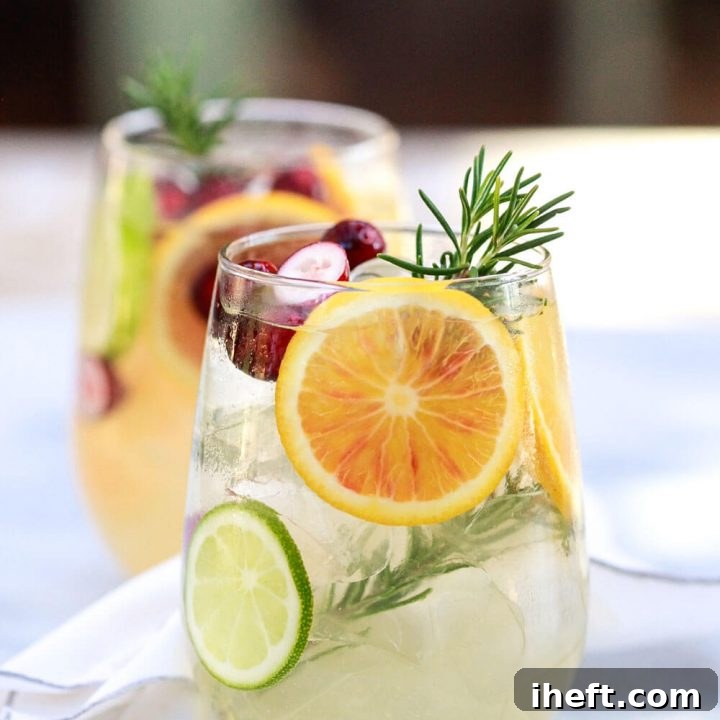
- Serve & Garnish: Just before serving, stir in the chilled club soda (or sparkling wine) into the pitcher. Fill individual glasses with plenty of ice, then ladle the sangria into each glass, ensuring each serving gets a generous portion of the infused fruit. Garnish each glass with a handful of fresh cranberries or pomegranate arils and a fragrant sprig of fresh rosemary for a truly exquisite presentation.
Recipe Notes & Seasonal Variations
- Summer Sangria Twist: To transition this recipe to a refreshing summer drink, substitute the citrus fruits with thinly sliced fresh peaches and/or juicy strawberries. Use peach liqueur instead of orange liqueur for a cohesive flavor profile, and garnish with fresh basil or mint sprigs instead of rosemary.
- Scaling Up: This recipe is easily doubled or tripled to accommodate a larger crowd. Simply scale up all ingredients proportionally and use a larger pitcher or beverage dispenser.
- Dilution & Fizz: Feel free to adjust the amount of club soda to dilute the sangria to your preferred taste and fizziness. Remember to add it only at the very last minute before serving to prevent it from going flat.
- Optional Brandy: Many traditional sangria recipes include about 1/2 cup of brandy. While this recipe is delicious without it, adding brandy can contribute an extra layer of depth and warmth.
- Wine Flexibility: While Spanish white wines are traditional, a good quality Pinot Grigio or Sauvignon Blanc also works wonderfully, offering crispness and acidity that complements the fruit.
- Sweetness Adjustment: If your sangria isn’t sweet enough, a tablespoon or two of simple syrup or agave nectar can be stirred in before chilling.
Nutrition Information:
Yield: 8
Serving Size: 1
Amount Per Serving:
Calories: 90Total Fat: 1gSaturated Fat: 0gTrans Fat: 0gUnsaturated Fat: 0gCholesterol: 0mgSodium: 3mgCarbohydrates: 19gFiber: 3gSugar: 12gProtein: 1g
Nutrition information is automatically calculated by Nutritionix. I am not a nutritionist and cannot guarantee accuracy. If your health depends on nutrition information, please calculate again with your favorite calculator.