
Feathers and Fresh Eggs
From Brooder to Backyard: Our Journey with a Growing Chicken Flock
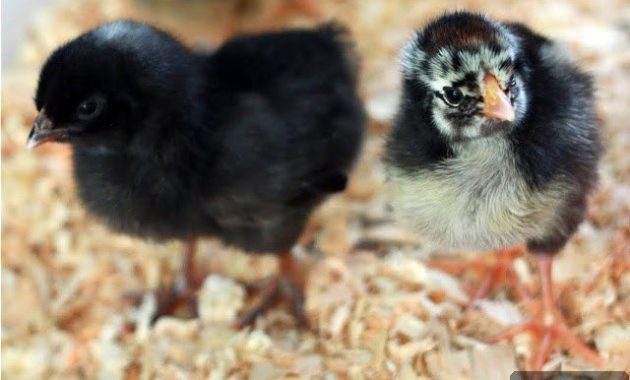
The journey of raising backyard chickens is one filled with anticipation, learning, and immense joy. What started with tiny, fluffy chicks has quickly blossomed into a vibrant flock of feathered companions. We’ve been eagerly documenting their progress, and it’s time to share the latest milestone: their transition from the cozy confines of our guest bedroom to their very own outdoor coop.
The Big Move: From Brooder Comfort to Coop Freedom
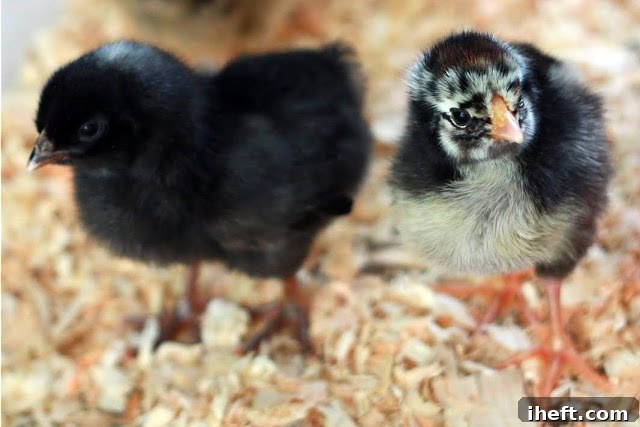
Just a few short months ago, our home echoed with the delightful chirps of our new baby chicks. If you recall, we introduced these tiny peeps back in May, detailing their initial care and feeding requirements. Since then, they’ve grown significantly, shedding their downy fuzz for beautiful, glossy “big girl feathers.” This crucial developmental stage, known as feathering out, signaled that they were ready for the next big step in their lives: moving out of the brooder and into a proper chicken coop.
For weeks, our guest bedroom served as their temporary haven, complete with a heat lamp to keep them warm and comfortable. While we adored watching their daily antics, the practicalities of housing a growing flock indoors became increasingly apparent. The constant layer of dust, the distinctive aroma, and the sheer volume of space they occupied meant that both we and the chickens were more than ready for this transition. Reclaiming our guest room and giving it a thorough cleaning after its temporary residents was a welcome relief!
The move itself is a significant milestone for any chicken keeper. It marks the shift from intensive indoor care to a more independent outdoor existence. Ensuring they are fully feathered is vital, as it allows them to regulate their body temperature naturally, without the constant need for artificial heat. This preparedness ensures their comfort and safety as they adapt to the variable temperatures and outdoor environment of their new home.
Choosing the Right Home: Our Chicken Coop Journey
When it came to selecting a coop, the options were vast and varied. We initially found ourselves dreaming of a sprawling “coop mansion,” complete with elaborate features and ample space for a truly grand flock.
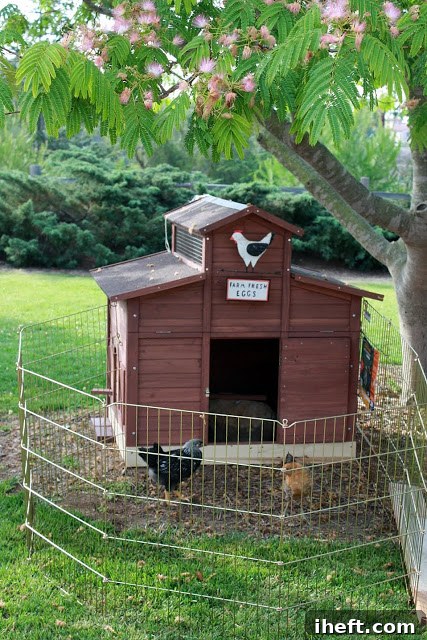
While the idea of such a luxurious abode was enchanting, practicality ultimately guided our decision. We opted for a smaller, yet perfectly functional, coop from Ware, a brand highly recommended by our trusted local feed store. Upon first glance, it did seem a bit compact, especially compared to the palatial coops we’d envisioned. However, after considering the daily habits of chickens, we realized it would suffice. Chickens, particularly when given ample outdoor space, primarily use their coop for sleeping, roosting, and laying eggs.
A well-designed coop, regardless of its size, must meet several critical criteria: excellent ventilation to prevent respiratory issues, robust predator protection, comfortable roosting bars for sleeping, and easily accessible nesting boxes. Our chosen coop, while modest, provides these essentials. The idea is that our girls will spend the vast majority of their daylight hours foraging, scratching, and playing in a secure outdoor run, retreating to the coop primarily for nighttime shelter and egg-laying duties. This balance ensures they have both the security they need and the freedom to express their natural behaviors.
Navigating the Wild: Protecting Our Flock from Predators
The girls seem absolutely thrilled to finally be outside, exploring their new surroundings with boundless curiosity. The fresh air, sunshine, and access to dirt and bugs are clearly a delight for them. However, their newfound freedom comes with a significant caveat: they are still too small and vulnerable to free-range unsupervised across our entire property.
Our area is teeming with diverse wildlife, creating a beautiful natural ecosystem but also posing potential threats to our young flock. Until they are fully grown and more capable of defending themselves or escaping danger, they will remain safely within a predator-proof run attached to their coop. We’ve experienced the heartbreak of predator attacks in the past, and it’s a lesson we’ve taken to heart.
Among the various creatures inhabiting our surroundings, Red-Tailed Hawks are a common sight. We appreciate these magnificent birds for their role in keeping the local rodent population in check, a natural balance we support. However, their hunting instincts unfortunately extend to small birds, including young chickens. Spotting one for a photograph can happen in an instant, as I experienced recently:

Protecting our chickens requires constant vigilance and robust measures. This includes ensuring the coop and run are built with sturdy, small-gauge wire to prevent entry by even determined predators like raccoons, foxes, and neighborhood cats. Burying wire skirts around the perimeter can deter digging predators. Furthermore, establishing a regular routine for locking up the flock at dusk and releasing them at dawn minimizes their vulnerability during peak predator activity times. As they grow larger, we may consider supervised free-ranging, but only when they are mature enough to better navigate their environment and evade potential threats.
Expanding Our Family: Welcoming New Chickens
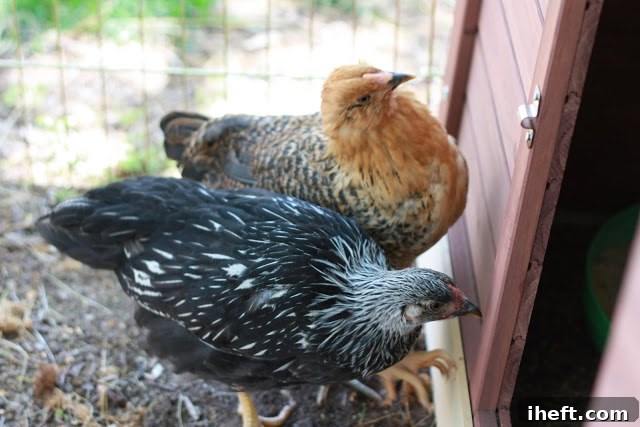
Just yesterday, our flock grew by two! We welcomed two more teenage chickens, adding new personalities and a touch of diversity to our growing family. One of these new additions holds a special place in our hearts: a sweet girl with a crossed beak whom we discovered at the feed store. She had been overlooked because no one wanted a “special needs” bird, a common plight for animals with visible differences.
A crossed beak, a condition where the upper and lower mandibles don’t align properly, can make eating and drinking challenging for a chicken. However, with a little extra care, these birds can thrive and lead happy, productive lives. The primary requirement for a chicken with a crossed beak is a periodic, gentle trim of the beak to keep it from overgrowing and to facilitate easier access to food and water. This simple maintenance, coupled with modified feeders or deeper water dishes, ensures they get the nutrition they need.
Of course, we couldn’t leave her behind. We believe every creature deserves a chance, and her gentle demeanor immediately won us over. We brought her and her companion home, eager to integrate them into our existing flock. To ensure a smooth transition and minimize stress, both for the newcomers and our resident girls, we are currently keeping the two new chickens in a separate, secure pen. This allows them to acclimate to their new surroundings and to each other’s presence without direct physical interaction. There’s approximately a two-week age difference between our initial chicks and these new teenagers, which means a slower introduction helps prevent bullying and establishes a more harmonious pecking order.
Introducing new birds to an established flock always requires patience and strategy. A gradual introduction, often involving visual and then supervised physical contact over several days or even weeks, is key to preventing aggressive behaviors and ensuring all birds can coexist peacefully. This separate pen setup allows them to see, hear, and smell each other, slowly breaking down barriers before they share a common space.
The Anticipation of Fresh, Homegrown Eggs
With our flock now settled and growing, the excitement in our household is palpable. In just 2-3 short months, we anticipate one of the most rewarding aspects of keeping chickens: fresh eggs! There’s an unparalleled satisfaction in collecting eggs laid right in your own backyard, knowing exactly where they came from and how well your chickens are cared for.
Our girls are expected to produce a beautiful variety of eggs, ranging from vibrant blues to rich browns. The color of an eggshell is determined by the chicken’s genetics and is purely superficial, with no impact on the nutritional value or taste of the egg itself. The anticipation of cracking open a warm, fresh egg for breakfast, with its bright orange yolk and superior flavor, is truly a highlight of backyard chicken keeping.
This journey, from tiny chirping chicks to a bustling flock, underscores the profound connection we can have with nature and the rewarding experience of sustainable living. Each step, from careful brooding to coop selection, predator awareness, and compassionate care for every bird, contributes to a happier, healthier flock and ultimately, a more fulfilling life for us.
We look forward to sharing our first egg harvests with you, celebrating the culmination of our efforts and the simple, yet profound, joy that backyard chickens bring to our lives.