Exploring 15 Delicious Edible Mushroom Types
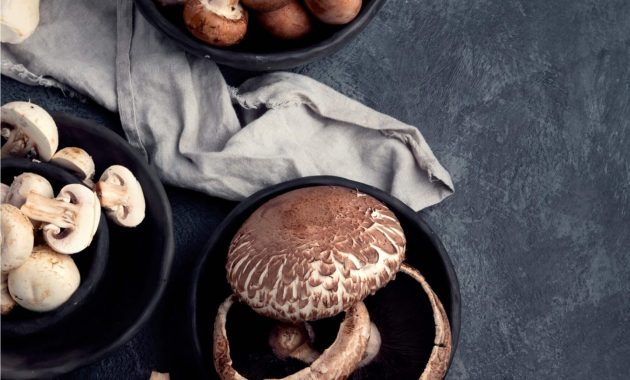
Mushrooms are more than just a culinary staple; they are a universe of flavors, textures, and nutritional benefits waiting to be explored. Their remarkable versatility makes them a favorite ingredient for chefs and home cooks alike. While the average American consumes around three pounds of mushrooms annually, this figure barely scratches the surface of the vast and exciting world of fungi available to us.
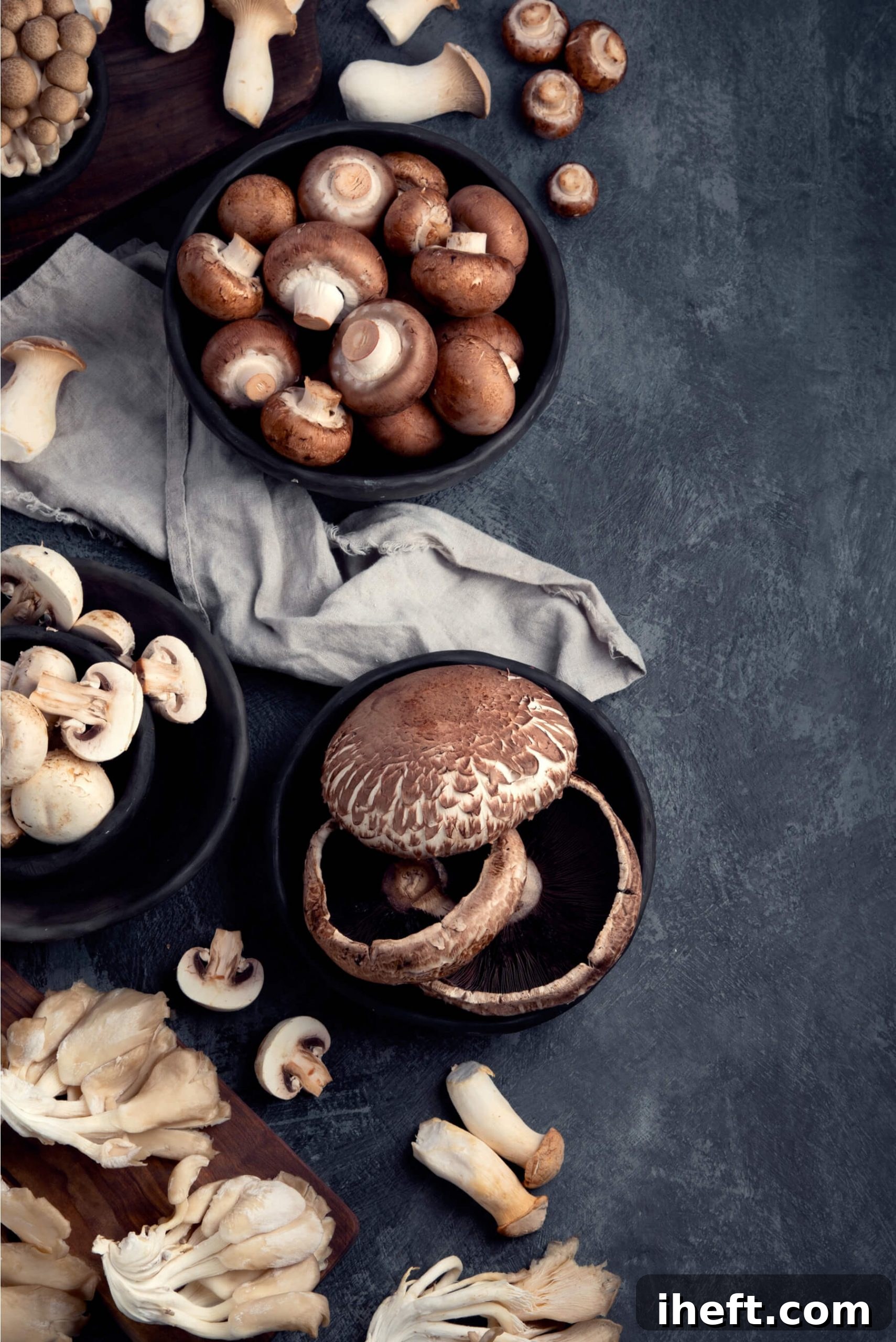
The Ultimate Guide to Edible Mushrooms: 15 Delicious Varieties to Explore
Are you curious about which mushrooms offer the best flavor for your next culinary creation? Do you seek a meaty base for a vegetarian meal or a delicate accent for an Italian pasta or a Japanese ramen? Understanding the distinct characteristics of different mushroom types can unlock a wealth of bold and exciting flavors for your kitchen. This comprehensive guide will introduce you to fifteen incredible edible mushrooms, providing insights into their unique profiles, best culinary applications, and tips for preparation. Prepare to transform your cooking and impress your palate with the remarkable diversity of fungi!
Why Mushrooms Deserve a Spot in Your Kitchen
Mushrooms are celebrated not only for their distinctive flavors but also for their impressive nutritional value. They are an excellent source of B vitamins (riboflavin, niacin, pantothenic acid), selenium, potassium, copper, and even a unique form of vitamin D when exposed to UV light. Furthermore, many varieties are rich in antioxidants and boast anti-inflammatory properties. For those following plant-based diets, mushrooms offer a fantastic source of umami, a savory depth that can mimic the richness often associated with meat, making them a superb ingredient for creating satisfying and flavorful vegan or vegetarian dishes.
When selecting mushrooms, always look for ones that are firm, free from blemishes, and have a fresh, earthy aroma. Avoid any that appear slimy, shriveled, or have dark spots. Most mushrooms should be stored in a paper bag in the refrigerator, allowing them to breathe and preventing moisture buildup that can lead to spoilage. As a general rule, clean mushrooms just before use by gently brushing off dirt with a dry cloth or a soft brush. For very soiled mushrooms, a quick rinse under cold water followed by immediate patting dry is acceptable, but avoid soaking them, as they can absorb water and become waterlogged, impacting their texture and flavor.
Discovering the World of Edible Fungi: 15 Must-Try Mushrooms
1. Morel Mushrooms
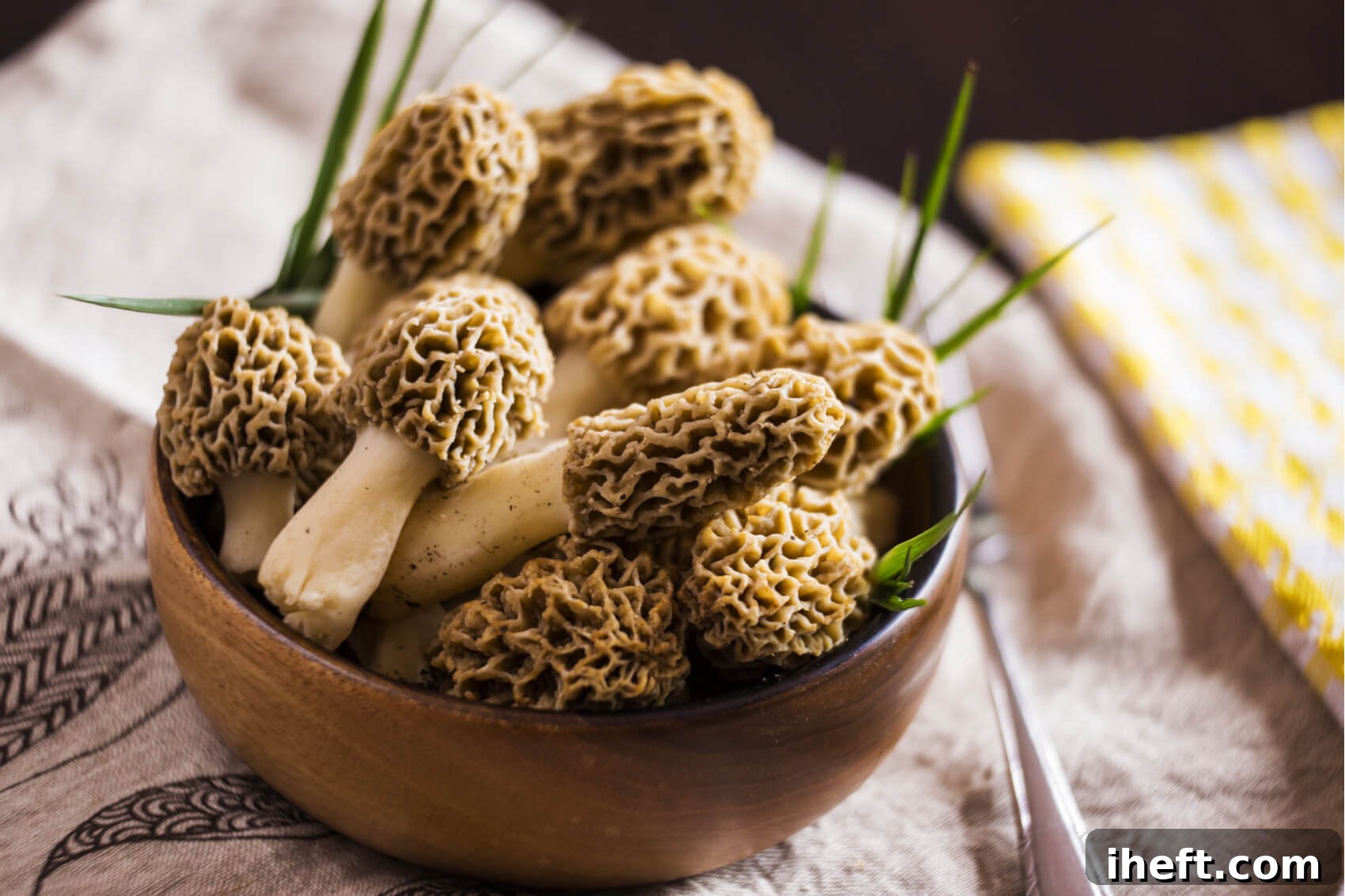
Morel mushrooms are a highly prized delicacy, revered for their elusive nature and incredible flavor. These distinctively textured fungi can only be found growing wild, typically in forested areas during the spring, making them a seasonal and often expensive treat, especially in the United States. Their appearance is unmistakable, with a cap resembling a honeycomb or a brain, ranging in color from light tan to dark brown. Despite their delicate, hollow exterior, morels boast a surprisingly meaty and firm texture when cooked, offering a rich, earthy, and nutty flavor profile often compared to walnuts or hazelnuts.
When foraging or purchasing morels, seek plump, moist specimens. It’s crucial to clean them thoroughly with cold water to remove any dirt or insects from their intricate crevices. A vital safety note: morel mushrooms should *never* be eaten raw, as they contain compounds that can cause stomach cramps and digestive upset, particularly in individuals with sensitivities. Cooking them throughly, usually by sautéing, frying, or incorporating them into sauces, neutralizes these compounds. Their intense flavor makes them an exquisite addition to gourmet sauces for entrees, risottos, or simply sautéed with butter and herbs.
2. Shiitake Mushrooms
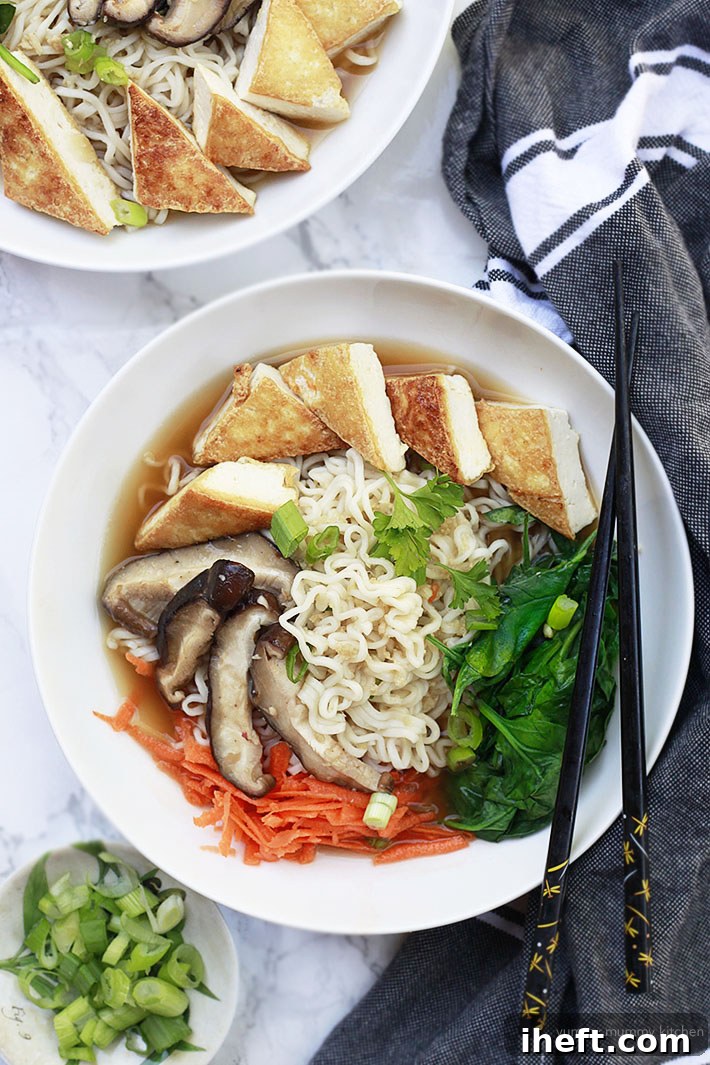
Shiitake mushrooms are perhaps one of the most recognizable and widely consumed edible fungi, especially prominent in East Asian cuisine. Originating from regions like Japan, Korea, and China, they are now readily available in most grocery stores worldwide, found both fresh and dried. These mushrooms are characterized by their umbrella-shaped caps, which are typically light to dark brown and can have a slightly shriveled appearance. Their stems are often tough and woody, making them unsuitable for consumption, so they are usually removed before cooking.
Shiitakes are celebrated for their powerful umami flavor, a deep savory taste that adds complexity to a myriad of dishes. Dried shiitake mushrooms, when rehydrated, offer an even more intense flavor profile than their fresh counterparts, and the soaking liquid can also be used to enhance broths and sauces. For quick preparation, simply remove the stems, then slice the caps. They excel in Asian-style dishes, lending their robust flavor to stir-fries, noodle soups like ramen, and various broths. A simple sauté with soy sauce, lime juice, sriracha, and sesame oil transforms them into a delicious side or an ingredient for a main course.
3. White Button Mushrooms
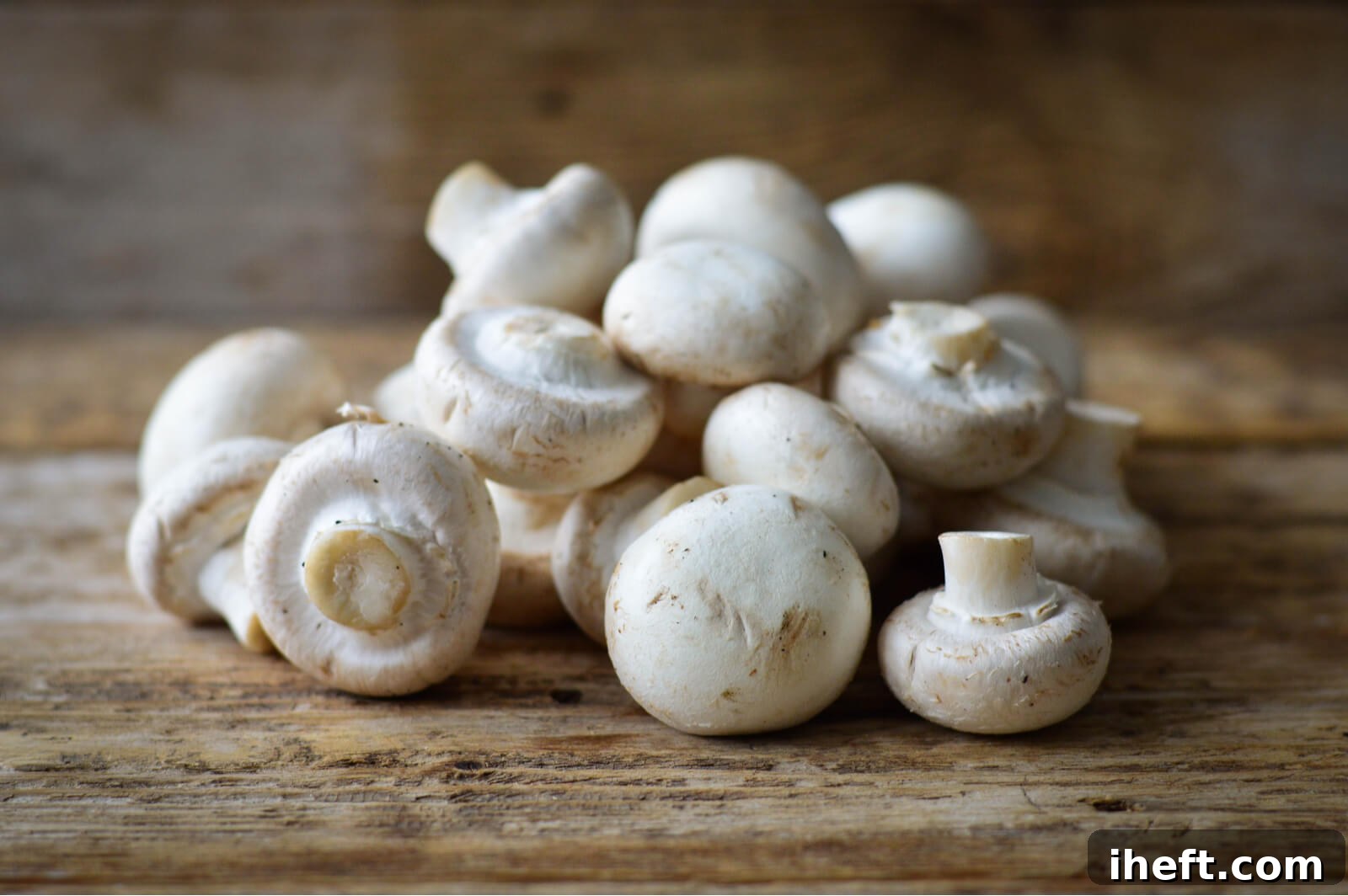
The white button mushroom is arguably the most common and accessible mushroom globally. These small, round, and uniformly white fungi are often found in every supermarket, making them a convenient choice for everyday cooking. When eaten raw, they possess a very mild, sometimes watery flavor, which can be perceived as bland by some. However, their true culinary magic unfolds when they are cooked.
White button mushrooms are highly versatile “culinary sponges,” readily absorbing the flavors of oils, seasonings, and other ingredients they are cooked with. They develop a delightful earthy taste and can achieve a pleasing char when sautéed or roasted. Their adaptability makes them suitable for nearly any dish. They are a classic choice for pizzas, whether sliced and baked directly on top or pre-sautéed for deeper flavor. They can also be diced and incorporated into Mexican dishes like enchiladas or tacos, or sautéed with herbs and spices to create a light and savory filling for sandwiches, perhaps spread over whole-grain bread with a layer of pesto.
4. Cremini Mushrooms (Baby Bella)
Cremini mushrooms, often labeled as “crimini” or “baby Bella” mushrooms, are a popular variety found widely across the United States and Europe. They are essentially a more mature version of the white button mushroom, harvested slightly later in their growth cycle. This slight maturation gives them a distinct light brown cap and a firmer texture compared to their younger white counterparts. Their stems can sometimes appear grayish, contrasting with their brown caps.
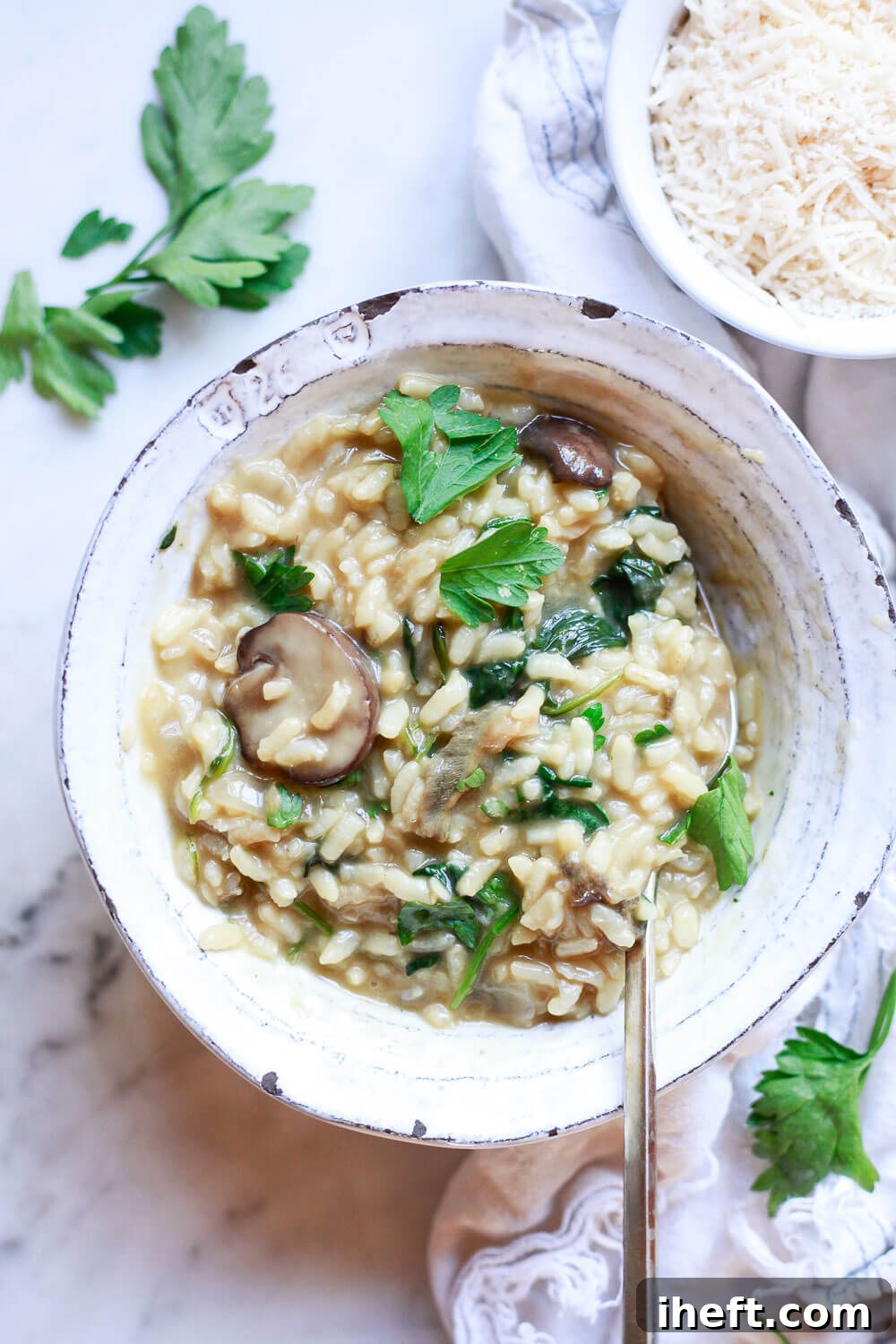
Similar to white button mushrooms, creminis have a relatively mild flavor when raw, but cooking truly unlocks their rich, earthy notes. Their slightly deeper flavor profile and firmer texture make them a fantastic upgrade for recipes that typically call for white buttons. They are exceptional when added to pasta sauces, bringing a hearty depth to the dish. For an even more intense mushroom flavor, dried creminis can be steeped in vegetable broth, then combined with other sautéed mushrooms and a thickening agent like flour to create a rich, savory sauce. They are also a staple in many risotto recipes, providing both substance and a wonderful umami boost.
5. Portobello Mushrooms
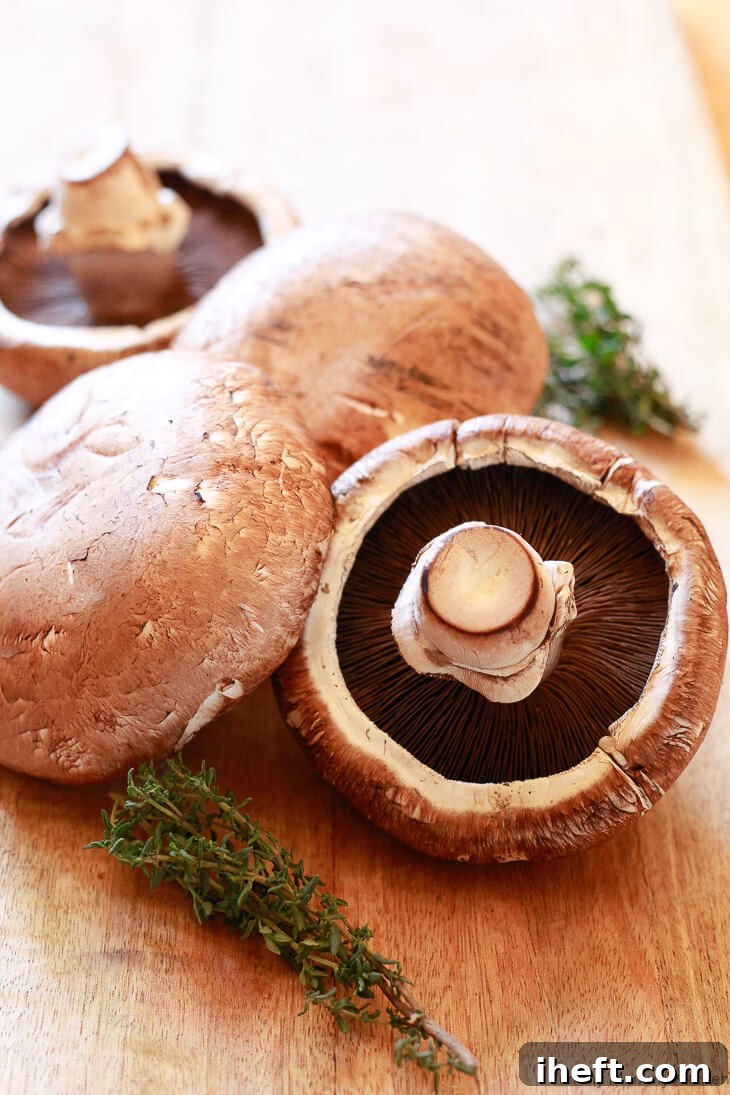
Portobello mushrooms are the fully mature stage of the same species as white button and cremini mushrooms. Allowed to grow larger and develop thicker caps, they transform into magnificent, wide fungi that are a culinary powerhouse. Their extended growth period results in a significantly richer and more robust flavor than their younger counterparts, yet they remain wonderfully adaptable, complementing seasonings and other ingredients without overpowering them. Portobellos are celebrated for their smoky flavor and remarkably meaty texture, which makes them incredibly satisfying and filling.
These substantial mushrooms are ideal for dishes where they can take center stage. They are famously used as “mushroom steaks” for grilling or roasting, offering a hearty plant-based alternative. They are also perfect for stuffing, creating impressive and flavorful entrees. Imagine creating lasagna-stuffed portobello mushrooms: simply remove the stems and gills, fill the caps with marinara sauce, almond ricotta cheese, spinach, and vegan mozzarella, then bake for about 20 minutes. This provides all the savory satisfaction of a meat lasagna without any animal products. For a truly special plant-based holiday entree, consider a Portobello Mushroom Wellington, showcasing their versatility and gourmet appeal.
6. Oyster Mushrooms
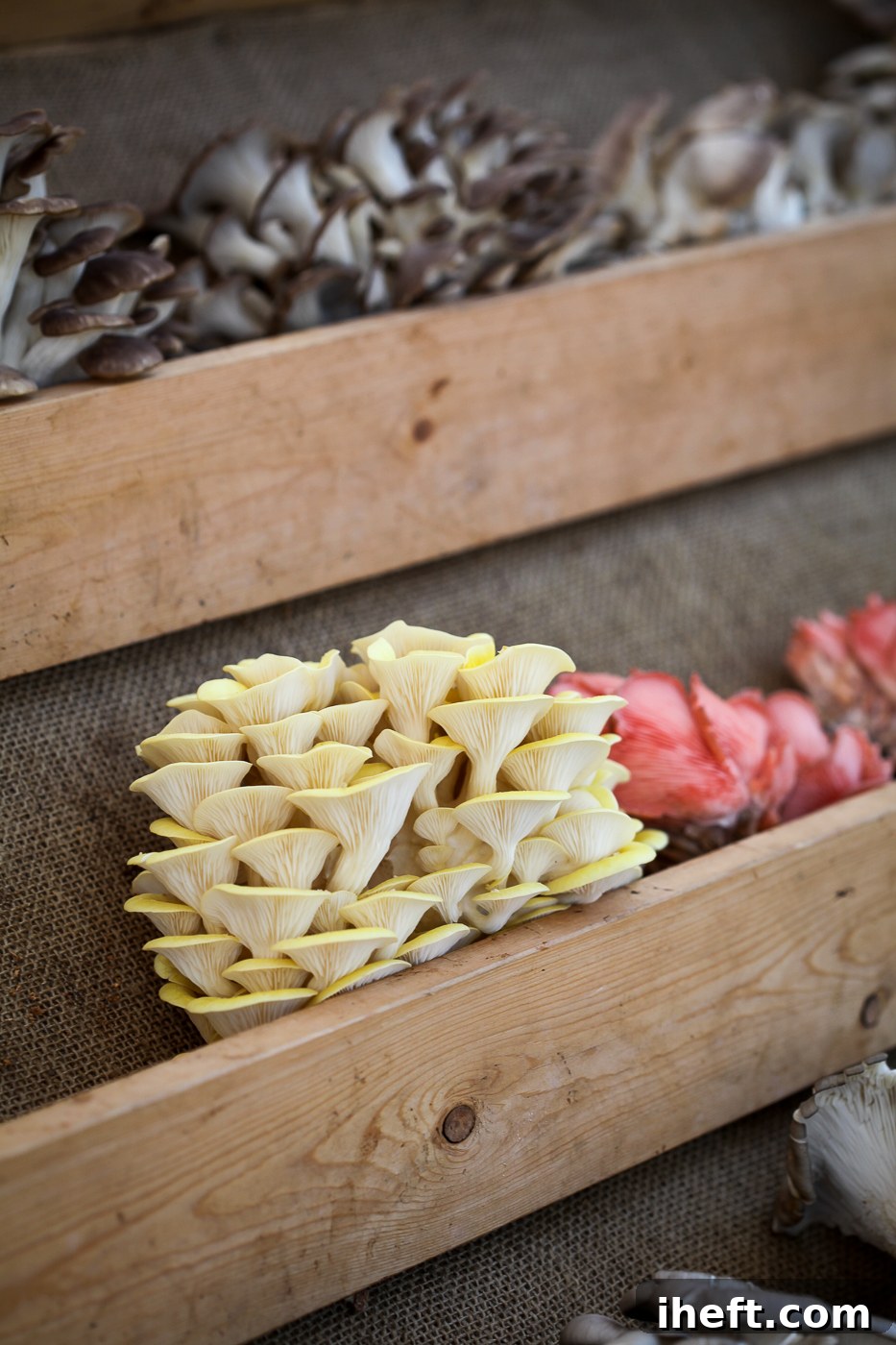
Oyster mushrooms are a diverse group of wild mushrooms, identifiable by their thin, delicate gills that fan outward from a short or absent stem, resembling an oyster shell in both shape and often a pale, pearl-like color. They typically grow in shelf-like clusters on trees, both in the wild and cultivated commercially. They possess a mild, delicate flavor that can range from slightly sweet to woody, making them very versatile in cooking. Interestingly, some varieties may have a subtle flowery or even a faint fishy aroma, which usually dissipates during cooking, especially if cooked for longer periods. To preserve their subtle characteristics, they can be kept whole and cooked only briefly.
Oyster mushrooms excel in fried dishes due to their delicate texture, which becomes wonderfully crispy. Battering and deep-frying them can transform them into satisfying, chicken-nugget-like bites. For a healthier approach, consider making a gourmet mushroom toast: roast the oysters until tender, then spread almond ricotta cheese on toast, top with the roasted mushrooms, a squeeze of lemon juice, and a sprinkle of microgreens. They also perform beautifully in stir-fries, soups, and sautéed as a side dish, absorbing flavors readily while retaining their unique texture.
7. Chestnut Mushrooms
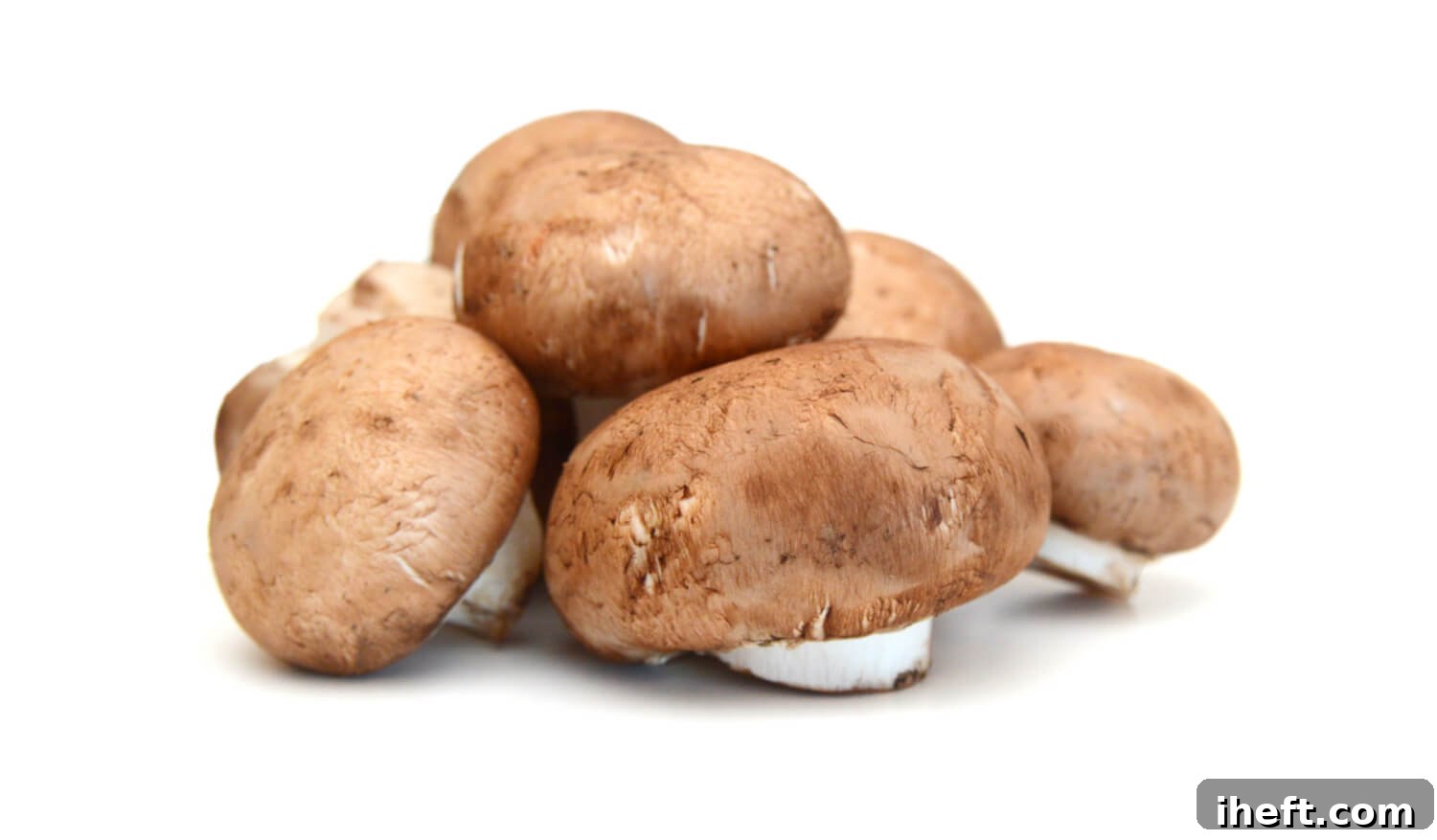
Chestnut mushrooms represent a delightful middle ground in the maturation process of the Agaricus bisporus species, sitting between the mild white button and the robust portobello. This allows them to offer a more pronounced and earthy flavor than button mushrooms, without the intense smokiness that can sometimes characterize a fully grown portobello. For those who find portobellos too overpowering or simply too large, chestnut mushrooms provide an excellent, more nuanced alternative.
Their name is derived from their appealing dark brown color, reminiscent of roasted chestnuts, which adds an attractive visual element to any dish compared to their lighter counterparts. While they are smaller than portobellos, preventing their use as direct “steaks,” they are perfectly suited for any recipe that calls for white button mushrooms, where they will impart a deeper, richer flavor. They can be sliced, diced, or cooked whole, making them incredibly versatile for stir-fries, omelets, sauces, or simply sautéed as a flavorful side dish. Their firm texture holds up well to various cooking methods.
8. Porcini Mushrooms
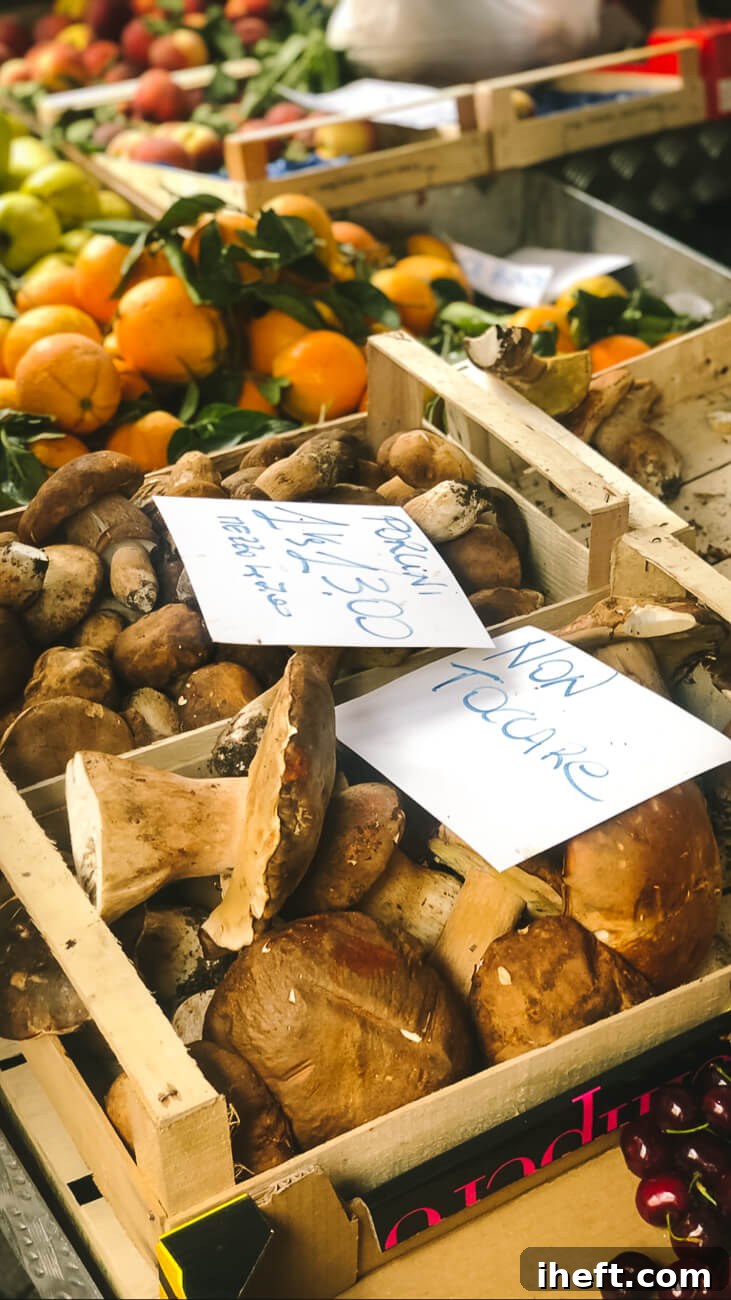
Porcini mushrooms are a cornerstone of Italian and French cooking, highly revered for their distinctive flavor and texture. While they can be found in the United States, particularly at specialty markets, the freshest and most prized specimens often hail from the forests of Europe. These magnificent fungi feature substantial brown caps and thick, pale, often bulbous stalks. Most porcinis measure a few inches in both length and width, indicating that several may be needed for a recipe, particularly given their sometimes steep price, often ranging between $30 and $60 per pound for fresh ones, making them a choice for special occasions.
The caps of porcini mushrooms are quite brittle, so it’s best to clean them gently with a moist paper towel to remove dirt rather than soaking them, which can cause them to disintegrate. Their flavor is a complex blend of nutty and earthy notes, often described as rich and deeply savory. In the U.S., porcini are more commonly found dried, where their flavor intensifies dramatically. Dried porcini must be rehydrated in warm water before use, and the flavorful soaking liquid should be strained and incorporated into your dish. They are an indispensable ingredient for classic Italian risottos, hearty pasta sauces, and rich pan sauces, adding an unparalleled depth of umami. Try them in a decadent mushroom gravy for an unforgettable experience.
9. Enoki Mushrooms
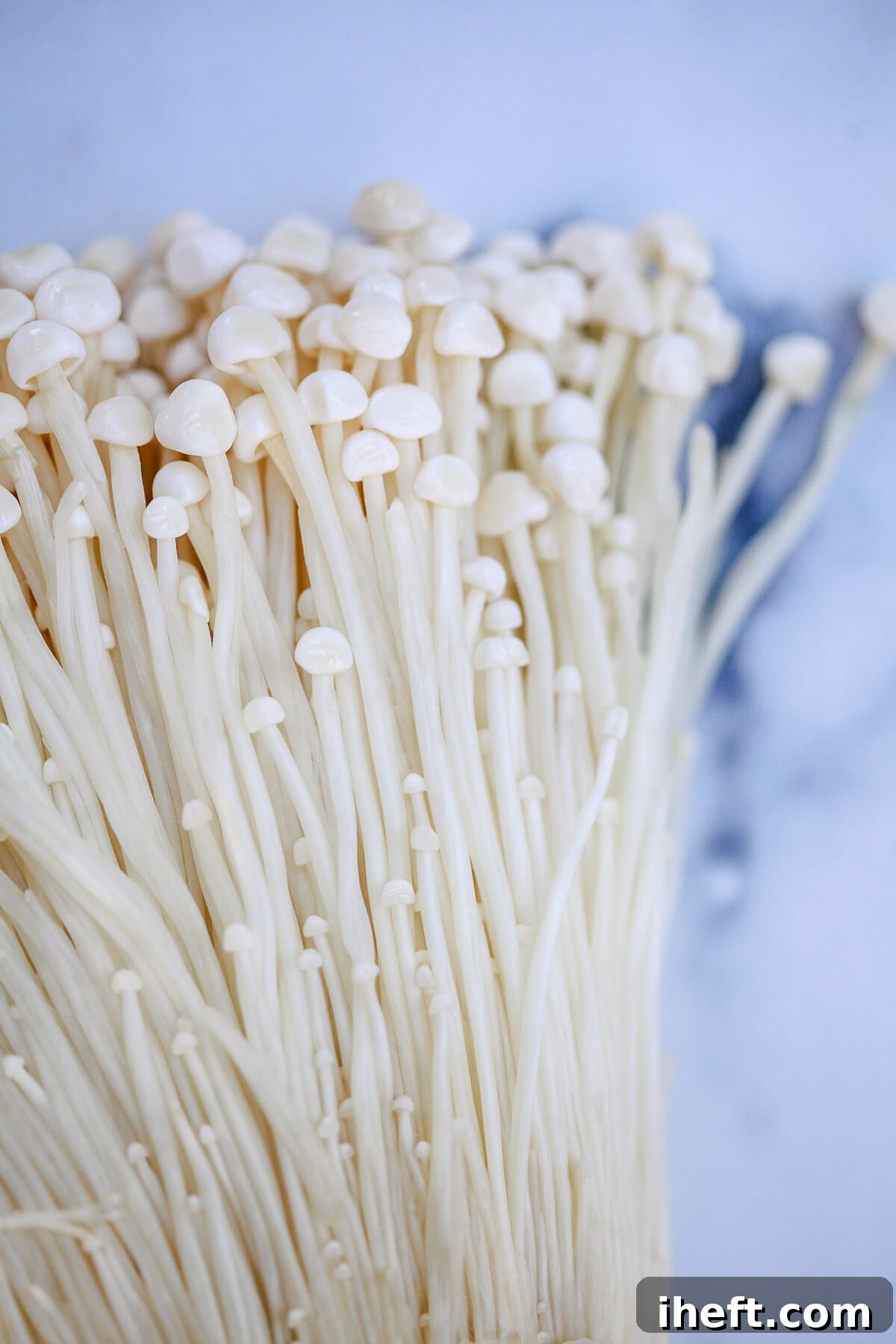
Enoki mushrooms are a unique and delicate variety particularly popular in Japanese cuisine. They are instantly recognizable by their long, slender, almost noodle-like white stems topped with tiny caps, often sold in bunches. Their soft, slightly crunchy texture adds an interesting element to dishes, though they are quite difficult to eat raw due to their fibrous nature. Cooking transforms them, making them more palatable and integrated into the dish.
Many traditional Japanese soup recipes feature enoki mushrooms, where they are cooked gently in broth until tender, absorbing the rich flavors of the soup. They are also a common addition to ramen, hot pots, and even some styles of sushi, where they can serve as a delicate, chewy meat replacement. When preparing enoki, it’s customary to trim off the very bottom of the cluster, as it’s often tough and connected to the growing medium. The rest of the delicate stalks and caps can then be added whole or in smaller clumps to your chosen dish.
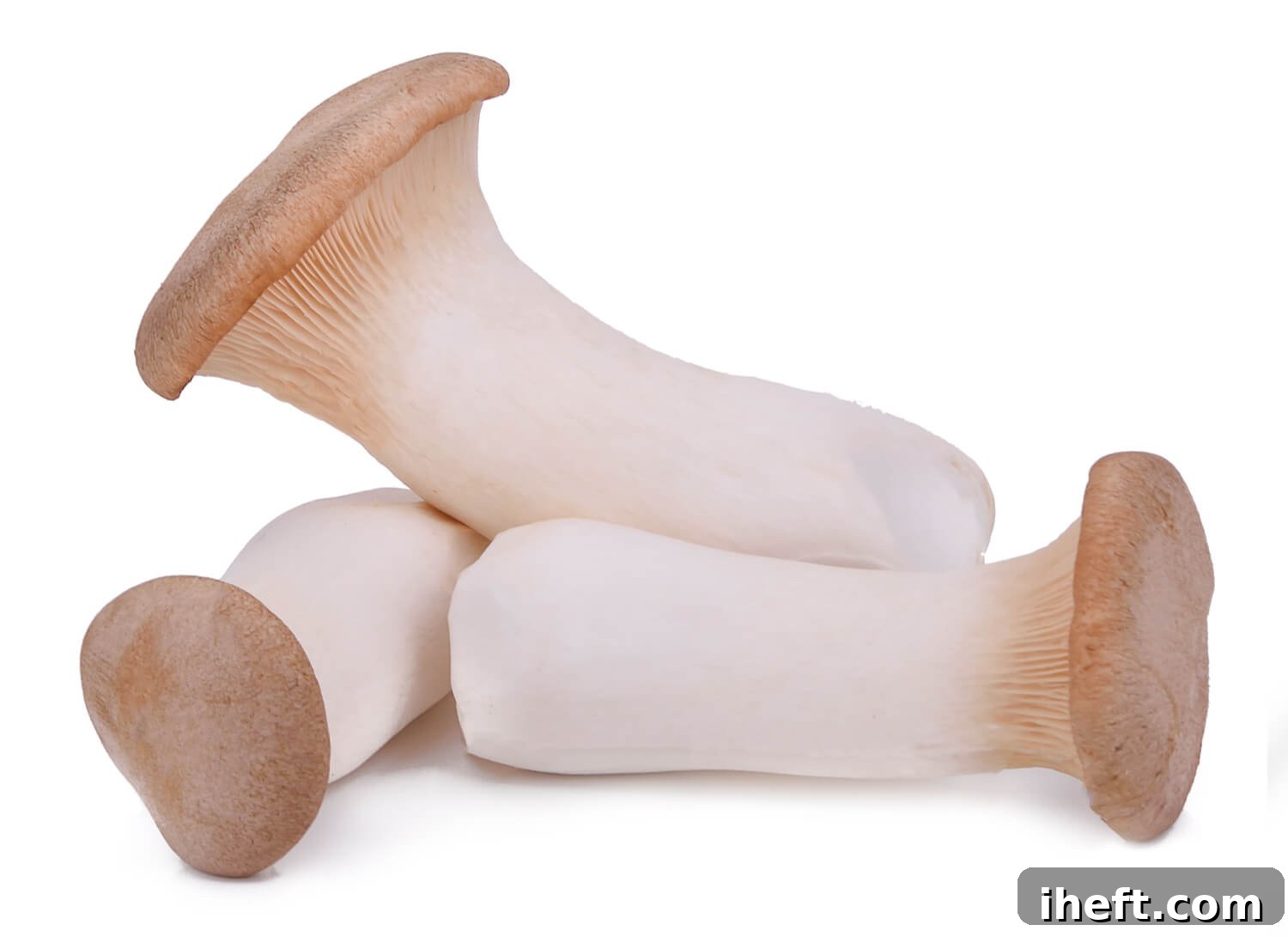
10. Trumpet Mushrooms (King Oyster)
Trumpet mushrooms, widely known as King Oyster mushrooms or French Horn mushrooms, are the largest and perhaps most impressive members of the oyster mushroom family. Unlike other oyster varieties that grow in clusters, king oysters typically grow individually, characterized by their notably thick, wide, and firm stems topped with relatively small caps. This unique morphology makes them stand out, offering a substantial, meaty texture that is highly sought after in culinary applications.
The thickness of their stems is their defining characteristic and culinary advantage. They are perfect for cutting crosswise into rounds or lengthwise into strips. These slices can be grilled like chicken kabobs, pan-seared to develop a beautiful crust, or even skillfully prepared to mimic vegan scallops, thanks to their firm, chewy texture and mild, savory flavor. When cooked, king oysters absorb marinades and seasonings beautifully, making them an excellent plant-based protein substitute in a wide array of dishes, from stir-fries to roasts.
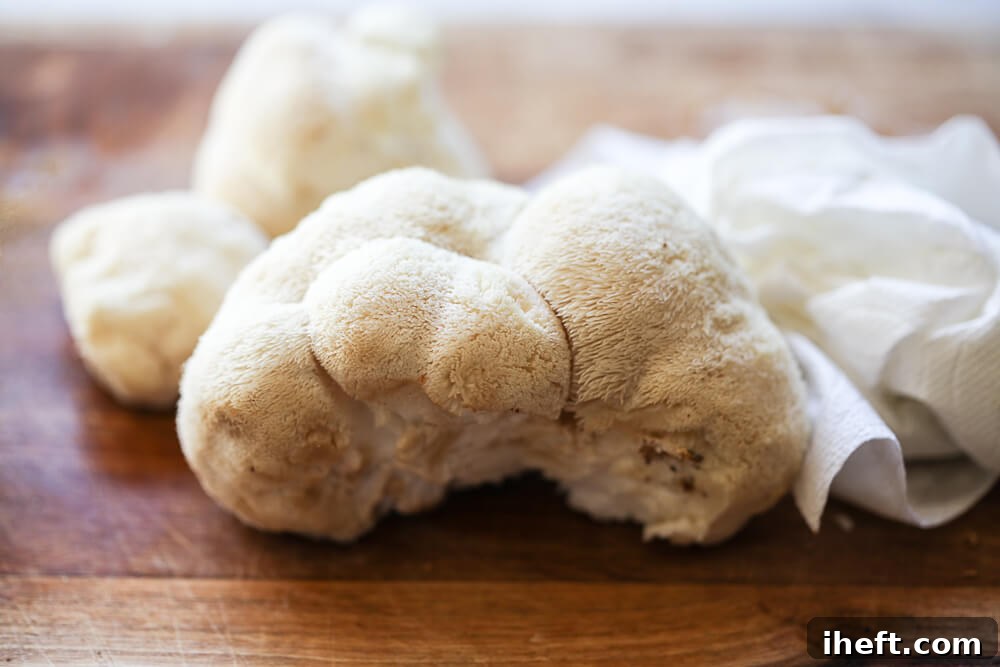
11. Lion’s Mane Mushrooms
Lion’s Mane mushrooms have garnered significant attention in recent years, ascending to superfood status due to their fascinating appearance and purported health benefits. Recognizable by their shaggy, white, cascading spines that resemble a lion’s mane, these unique fungi are becoming more available fresh at specialty grocers like Whole Foods and at many farmer’s markets. Beyond culinary use, they are also popular in supplement form, often consumed as a cozy elixir for cognitive support.
Culinary enthusiasts adore Lion’s Mane for its remarkable texture and delicate flavor. When cooked, it shreds beautifully, much like crab meat, making it an ideal ingredient for crafting delicious plant-based dishes. It is particularly famed for making some of the most convincing and flavorful vegan crab cakes, where its texture perfectly mimics seafood. Its mild, slightly sweet, and savory flavor also makes it a versatile addition to stir-fries, sautéed dishes, or even roasted whole, allowing its unique characteristics to shine through.
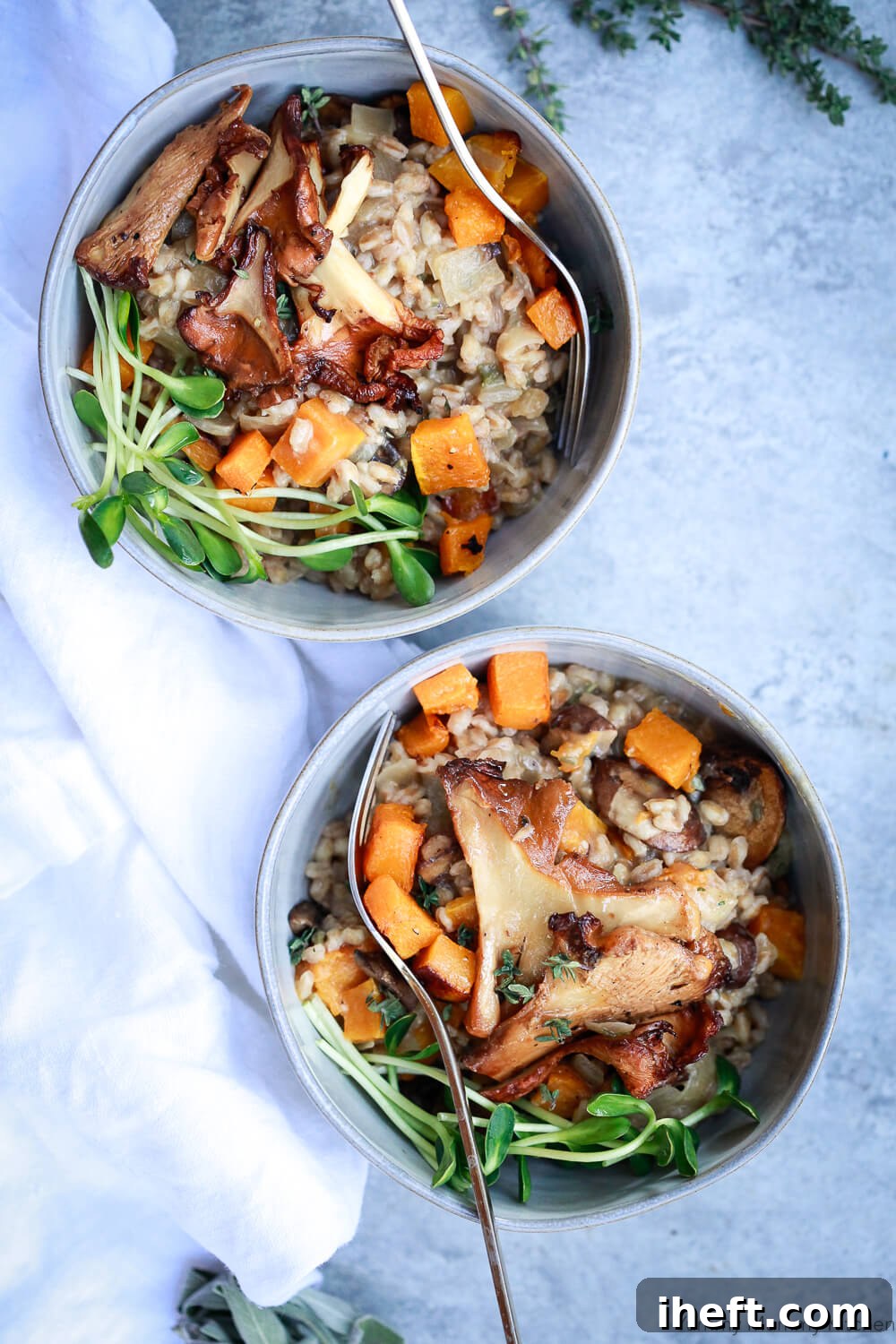
12. Chantarelle Mushrooms
Chantarelle mushrooms are a highly sought-after gourmet specialty, celebrated for their vibrant golden color, distinctive funnel shape, and exquisite peppery, apricot-like aroma. These wild mushrooms are seasonal, typically appearing from summer through fall, with their peak availability varying depending on geographical location. Their desirability leads many enthusiasts to engage in mushroom hunting and foraging, seeking out these precious fungi in their natural woodland habitats.
The specific ecological conditions required for chantarelles to grow make them difficult to cultivate commercially, contributing to their high market price, which can sometimes exceed $200 per pound for fresh specimens. This makes them a true culinary treat often reserved for special meals. Despite their cost, their unique flavor and meaty yet tender texture are well worth the investment. Chantarelles are incredibly delicious when simply sautéed with butter, garlic, and herbs, allowing their nuanced flavor to shine. They are also a luxurious topping for rich dishes like creamy risotto or a flavorful farro risotto, elevating any meal to a gourmet experience.
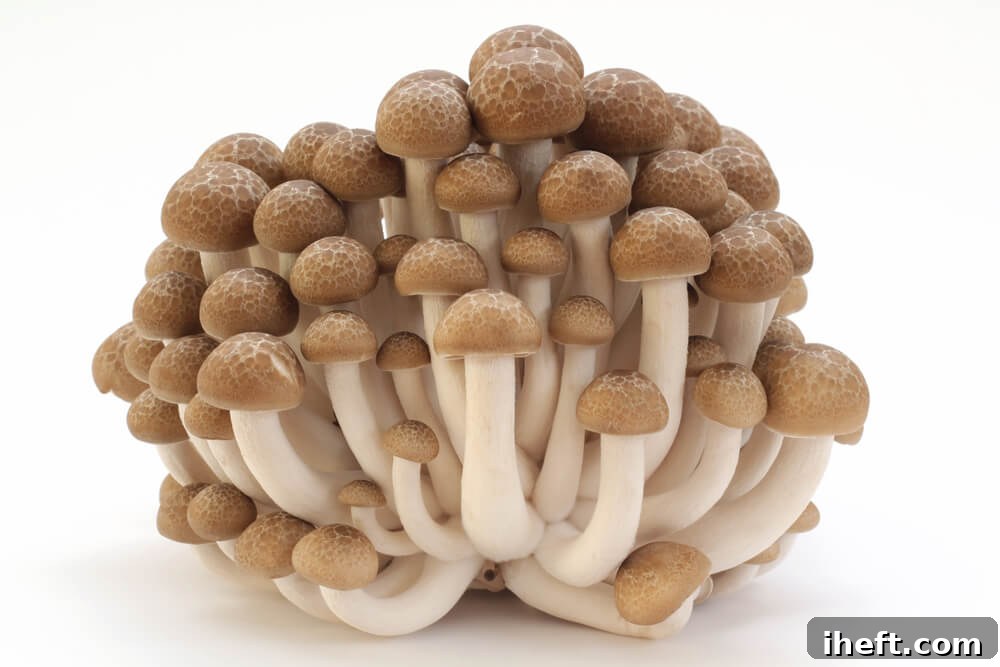
13. Shimeji Mushrooms (Beech)
Shimeji mushrooms, also widely known as Beech mushrooms, are a delightful and increasingly popular type of Japanese mushroom. They are characterized by their small, firm caps and slender stems, typically growing in tightly packed clusters. You can often find them conveniently packaged in plastic containers in the produce section of many supermarkets, making them quite accessible for home cooks.
An important note about Shimeji: they possess a somewhat bitter taste when raw. However, this bitterness completely disappears upon cooking, revealing a pleasant, mild, and slightly nutty or savory flavor with a firm, satisfying bite. This transformation makes them a versatile ingredient that excels in various cooked dishes. Shimeji mushrooms are particularly delightful when steamed with other vegetables, adding a subtle crunch and earthy flavor. They are also a fantastic addition to stir-fries, where their texture holds up well, or incorporated into soups and hot pots, where they absorb the broth’s flavors beautifully.
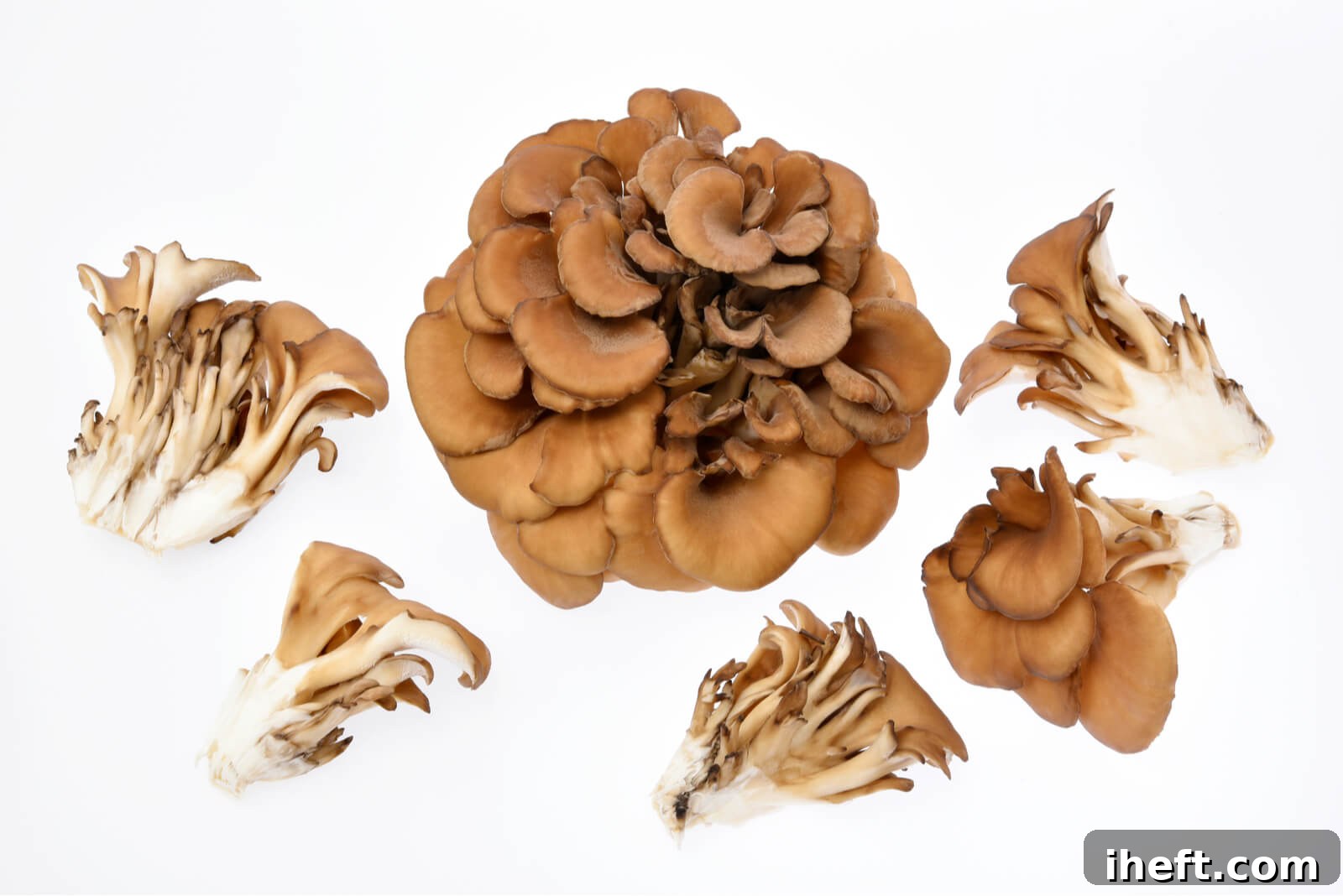
14. Maitake Mushrooms (Hen of the Woods)
Maitake mushrooms, affectionately known as “Hen of the Woods” due to their feathered, ruffled appearance resembling a brooding hen, are absolutely delicious and highly versatile fungi. These impressive clusters of mushrooms are becoming increasingly easy to find in well-stocked grocery stores and are a common sight in Asian markets. They boast a rich, earthy, and subtly peppery flavor with a firm, slightly chewy texture that holds up exceptionally well to various cooking methods.
Their substantial texture and savory umami profile make Maitake an excellent plant-based replacement for chicken in many recipes. They can be roasted until crispy, sautéed until tender, or even grilled, lending a deep, satisfying flavor. Maitake mushrooms are a wonderful addition to pasta dishes, such as a luxurious Wild Mushroom Pappardelle, where their robust flavor and texture can truly shine. They are also fantastic in stir-fries, omelets, and as a flavorful side dish, making them a must-try for any mushroom enthusiast.
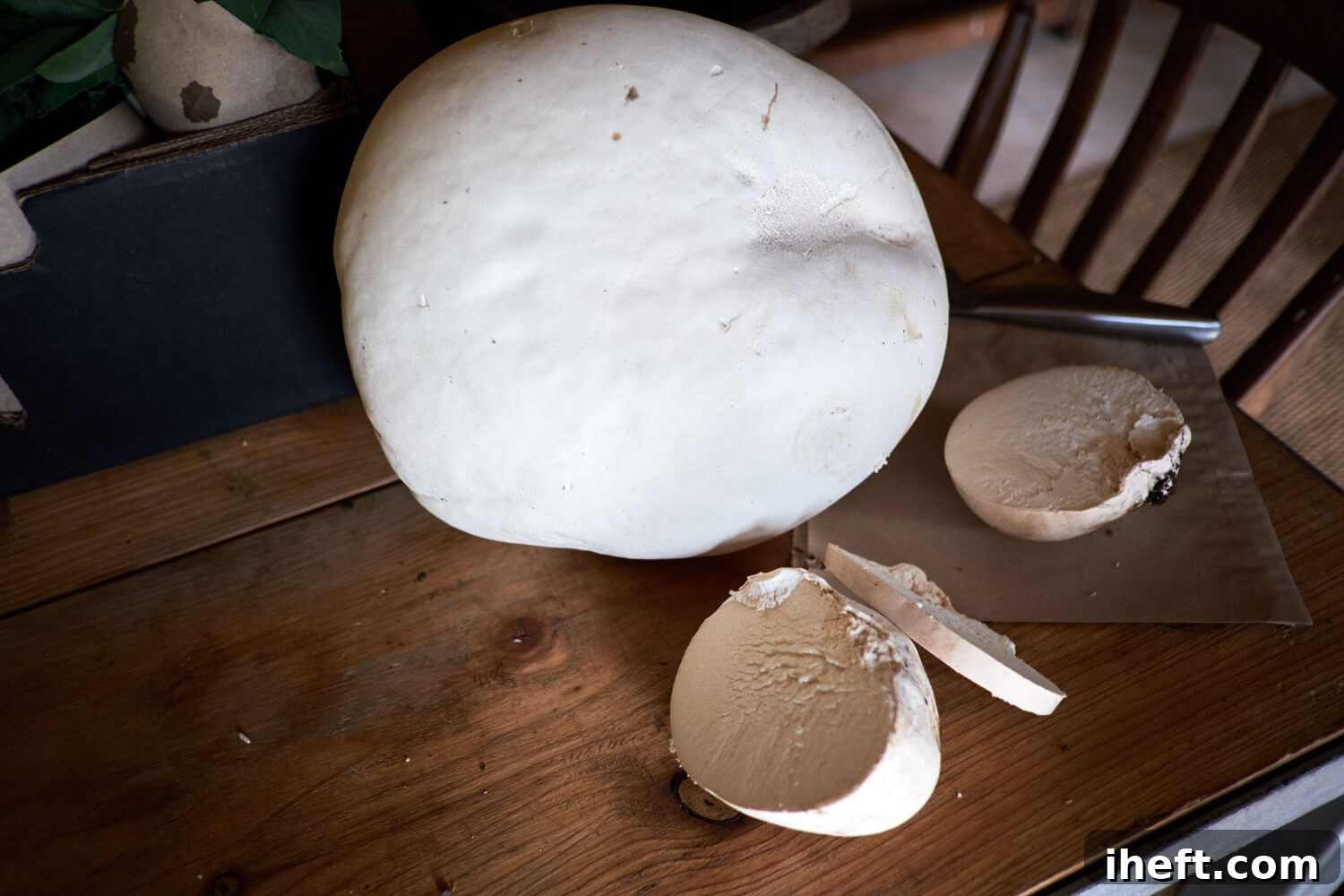
15. Giant Puffball Mushrooms
As their name emphatically indicates, giant puffball mushrooms are truly immense and impressively round fungi. These curious mushrooms can be found growing in open forests and grassy areas, or sometimes purchased at specialty grocery stores when in season. Foragers must exercise caution: it is crucial to ensure that any foraged puffball is pure white on the inside. If the flesh is yellowish, greenish, or contains any internal patterns, it is likely an immature and potentially toxic mushroom and should not be consumed, as eating immature or discolored puffballs can lead to an upset stomach.
Giant puffballs have a very mild flavor, almost bland, when eaten raw, similar to tofu. Their culinary appeal lies in their incredible ability to absorb the flavors of other ingredients they are cooked with, making them incredibly versatile. Their dense, spongy texture is perfect for slicing into thick “steaks” and preparing much like portobello mushrooms – grilled, pan-fried, or baked with marinades. Alternatively, thin slices can be used as a unique and earthy base for pizza, or they can be cut into cubes and sautéed to soak up sauces and seasonings, functioning very similarly to how tofu is often used to carry flavors in a dish.
How to Cook Mushrooms: A Simple Sauté Recipe
Types of Mushrooms + How to Cook Them
5 minutes
12 minutes
17 minutes
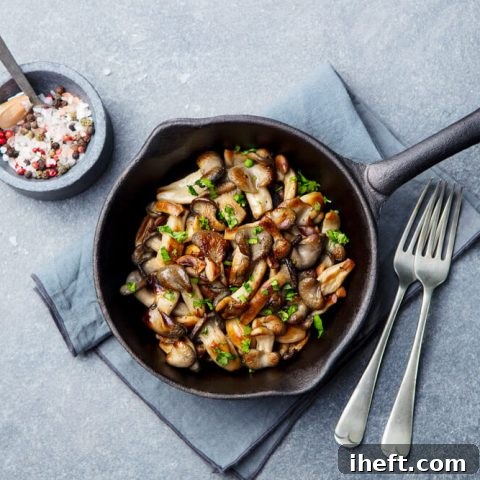
Mushrooms come in many different varieties. Here are 15 delicious edible types of mushrooms and a recipe for sautéed wild mushrooms.
Ingredients
- 1 pound wild mushrooms, such as cremini, shiitake, porcini, portobello, maitake, chantarelle
- 3 tablespoons extra virgin olive oil
- 1 shallot, minced
- 2 cloves garlic, minced
- sea salt to taste
- black pepper to taste
- 1/2 cup chopped Italian parsley
Instructions
- Clean the mushrooms with a damp paper towel or a clean sponge. Avoid rinsing mushrooms as they can get waterlogged. Remove the bottoms of stems.
- Cut large mushrooms into bite-sized pieces and leave small mushrooms whole or cut in half.
- Heat olive oil in a large skillet over low heat. Add the shallots and cook until softened, about 5 minutes. Add the mushrooms, and cook over medium heat, stirring often, until the mushrooms are tender, about 5 minutes.
- Stir in the garlic and cook for another minute or two longer. Sprinkle with parsley and add salt and pepper to taste if needed.
Notes
Types of Mushrooms to Try!
- Morel
- Shiitake
- White Button
- Cremini (Baby Bella)
- Portobello
- Oyster
- Chestnut
- Porcini
- Enoki
- Trumpet
- Lion’s Mane
- Chantarelle
- Shimeji (Beech)
- Maitake
- Giant Puffball
Nutrition Information:
Yield: 3
Serving Size: 1/3
Amount Per Serving:
Calories: 199
Total Fat: 14g
Saturated Fat: 2g
Trans Fat: 0g
Unsaturated Fat: 12g
Cholesterol: 0mg
Sodium: 717mg
Carbohydrates: 18g
Fiber: 6g
Sugar: 5g
Protein: 5g
Nutrition information is automatically calculated by Nutritionix. I am not a nutritionist and cannot guarantee accuracy. If your health depends on nutrition information, please calculate again with your favorite calculator.
Unlocking Culinary Delights: Embrace the World of Mushrooms
The journey through the world of edible mushrooms reveals an incredible spectrum of flavors, textures, and culinary possibilities. Whether you’re a seasoned chef or a curious home cook, there’s a mushroom variety to inspire your next dish. From the rare and robust morels that elevate a simple sauce to the versatile shiitakes perfect for Asian-inspired meals, each mushroom offers a unique experience.
For those seeking a hearty, plant-based centerpiece, portobellos stand ready to be stuffed with your favorite fillings, creating satisfying main courses. If Italian classics call your name, porcini mushrooms lend their intense umami to risottos and pastas. And for delicate Japanese fare, enoki mushrooms add a subtle crunch and elegance. My best recommendation is to visit your local farmer’s market; engaging with a specialty mushroom grower can open up new horizons, offering fresh, seasonal varieties and invaluable insights into their preparation. Don’t hesitate to experiment and broaden your culinary horizons. As you explore, remember that mushrooms are not just an ingredient but a pathway to diverse and delicious dining experiences.