Essential Healthy Juicing Recipes for a Healthier You
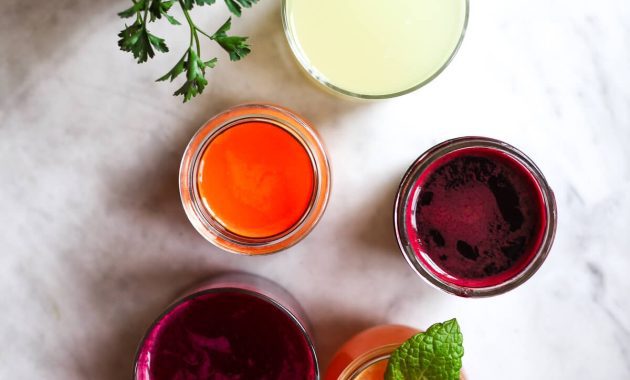
Embark on a refreshing journey to enhanced health and vitality with the power of freshly pressed juices! Juicing organic vegetables and select fruits offers an exceptionally efficient way to deliver a concentrated dose of micronutrients directly into your system. This comprehensive guide provides you with 6 of the best juicing recipes designed to kickstart your wellness routine. Focusing on lower sugar content, these healthy juice recipes are perfectly suited for anyone pursuing weight loss, aiming for a gentle detox, or simply seeking an overall boost in well-being. Discover how easy it is to integrate these vibrant elixirs into your daily life and experience the transformative benefits of nature’s potent remedies.
For many years, my go-to for a quick, nutritious boost was a smoothie. However, as I’ve deepened my understanding of nutrition, my appreciation for fresh juices has grown immensely. While smoothies offer the benefit of retaining all the fiber from whole fruits and vegetables, many traditional fruit-heavy recipes can be quite high in calories and sugar, leading to undesirable blood sugar spikes. This insight led me to pivot towards green juices, meticulously crafted with minimal to no added fruit, ensuring a potent nutrient delivery without the excessive sugar load.
The profound nutritional impact and sustained energy derived from a freshly pressed vegetable juice far surpass the fleeting jolt provided by an afternoon cup of coffee. Unlike smoothies, where the entire fruit or vegetable is blended, juicing involves extracting only the liquid, leaving the fiber behind. This process means that juice, while incredibly nutrient-dense, isn’t as filling as a smoothie and should generally not be considered a complete meal replacement. Instead, I view these juicing recipes as powerful, natural, and homemade supplements, providing an immediate influx of vitamins, minerals, and enzymes that support optimal bodily functions.
The Remarkable Benefits of Daily Juicing
Incorporating fresh, organic juices into your daily regimen can unlock a myriad of health benefits. Beyond simple hydration, these liquid powerhouses offer:
- Enhanced Nutrient Absorption: Without the fiber, nutrients are absorbed more rapidly and efficiently into the bloodstream, offering an almost immediate cellular boost.
- Detoxification Support: Many vegetables, particularly leafy greens, act as natural detoxifiers, helping your body cleanse itself of toxins and heavy metals.
- Increased Energy Levels: The readily available vitamins and minerals can significantly improve natural energy without the jitters associated with caffeine.
- Improved Digestive Health: While fiber is removed, the enzymes present in raw juice can aid digestion and soothe the gut.
- Immune System Boost: A daily dose of fresh vitamins and antioxidants fortifies your immune system, making your body more resilient against illness.
- Skin Radiance: The abundance of antioxidants and hydration promotes healthy, glowing skin from within.
- Weight Management Aid: Low-sugar vegetable juices can help curb cravings, reduce caloric intake from unhealthy snacks, and support a healthy metabolism.
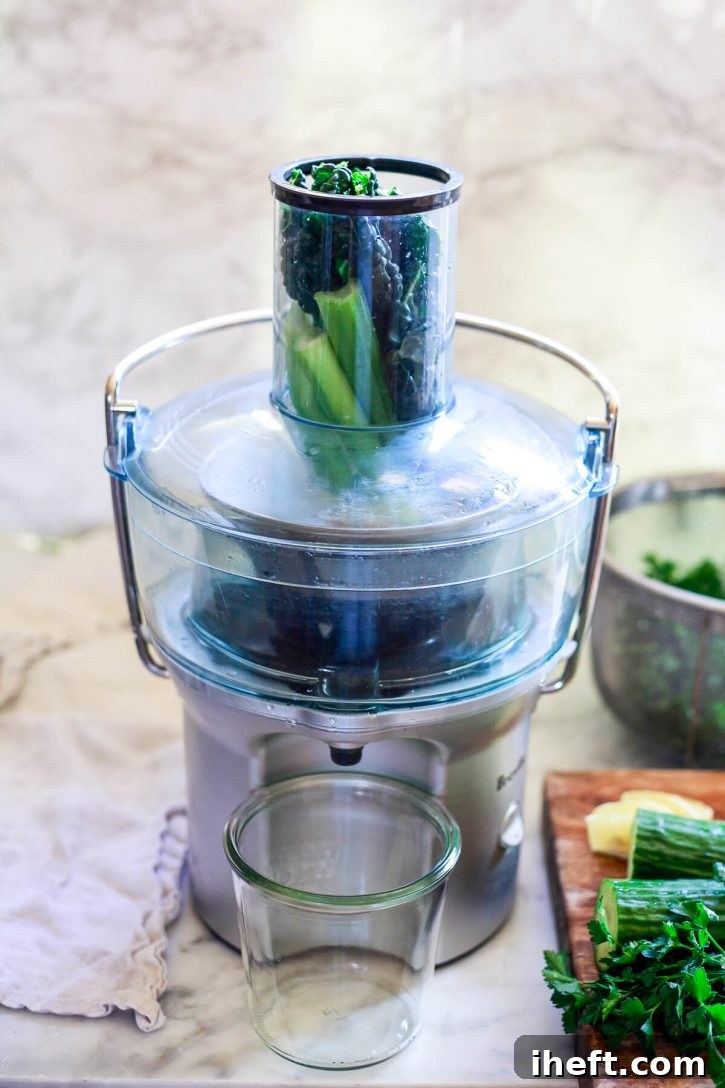
Choosing the Best Juicer for Your Lifestyle
Selecting the right juicer is a crucial step in your juicing journey. There’s a wide array of options available, catering to every budget, kitchen size, and lifestyle preference. Understanding the different types can help you make an informed decision:
- Masticating Juicers (Slow Juicers/Cold Press Juicers):
These juicers operate at a slow speed, crushing and pressing produce to extract juice. This gentle method minimizes heat and oxidation, preserving more enzymes and nutrients, resulting in a higher quality, nutrient-dense juice with a longer shelf life. They are excellent for leafy greens and herbs but can be slower and more expensive. For those prioritizing nutrient preservation and quality, a masticating juicer is an exceptional investment. This Slow Juicer from AICOK boasts amazing reviews, making it a top-tier choice.
- Centrifugal Juicers:
These are generally faster and more affordable. They use a high-speed spinning blade that grates produce against a mesh filter, separating the juice from the pulp. While efficient, the high speed can generate heat and introduce more air, which may lead to some nutrient degradation and quicker oxidation. However, they are fantastic for harder fruits and vegetables. The Breville Juice Fountain Compact Centrifugal Juicer is the model I personally own and use; it’s pictured above. I find it incredibly user-friendly, simple to clean, and highly efficient for my daily juicing needs.
- Affordable & Entry-Level Options:
If you’re new to juicing or operating on a tighter budget, there are excellent entry-level juicers that still deliver fantastic results. They are a great way to test the waters without a significant financial commitment. Here’s a highly rated fruit and veggie juicer available for just under $40 on Amazon Prime, offering a great starting point for aspiring juicers.
Juicing Without a Dedicated Juicer: A Blender Hack
No juicer? No problem! You can absolutely make fresh, vibrant juice using a regular blender. High-quality juicers can be a significant investment, and if you’re deciding between a juicer and a high-speed blender, a blender often offers more versatility for various kitchen tasks. Here’s how to create delicious, homemade juice using just your blender:
- Prepare Your Produce: Wash and chop your fruits and vegetables into smaller pieces to help your blender process them more easily.
- Blend on Low: Add the prepared ingredients to your blender. Start blending on the lowest setting.
- Gradually Add Water: Slowly add just enough water to allow the blender blades to catch and puree the ingredients. The goal is to create a thick, smooth consistency. Continue to puree until the mixture is completely smooth, adding more water sparingly to thin it out as necessary.
- Strain for Pure Juice: This is the key step for juicer-like results. Place a fine mesh sieve over a wide-mouth jar or bowl. For an even thinner, pulp-free juice, line the sieve with a layer of cheesecloth or use a dedicated nut milk bag. Pour the blended mixture through the strainer, pressing down firmly with a spoon or spatula to extract as much liquid as possible. Discard or save the remaining pulp.
This method allows you to enjoy the benefits of fresh juice without needing specialized equipment, making it accessible to everyone.
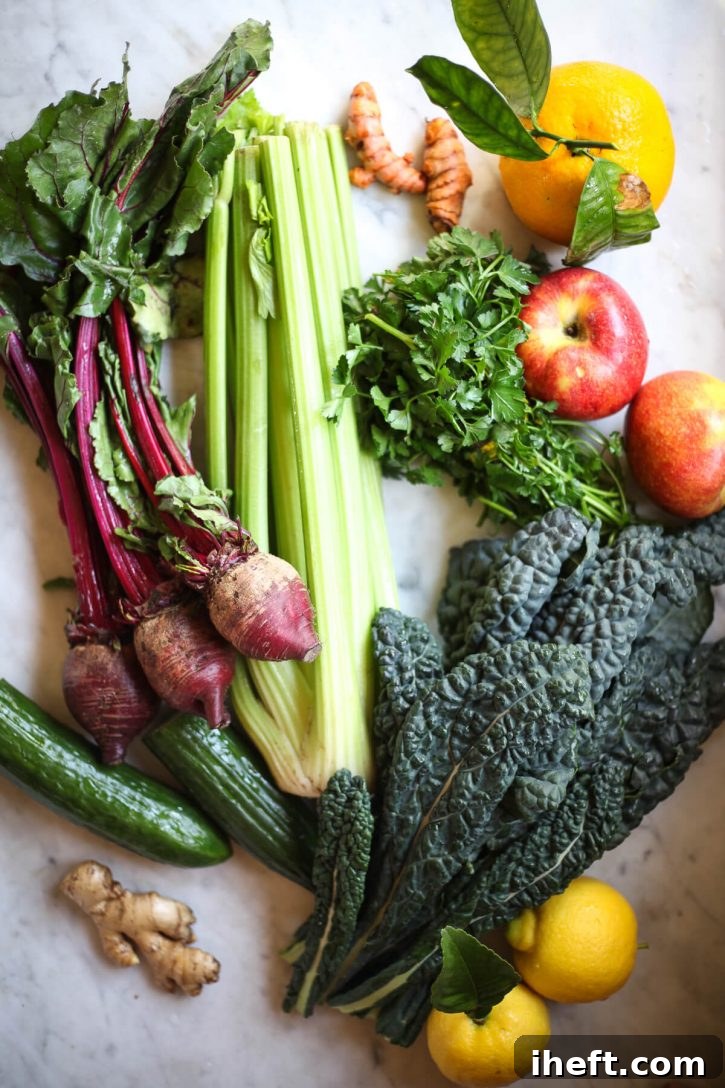
Best Vegetables & Fruits to Juice for Maximum Health
Choosing the right produce is paramount for creating delicious, nutrient-packed juices. Here’s a detailed list of excellent choices, along with a brief explanation of why they’re beneficial:
- Carrots: Rich in beta-carotene (Vitamin A), excellent for vision and skin health. Their natural sweetness makes them a great base.
- Celery: Known for its hydrating properties and natural electrolytes, celery is a fantastic anti-inflammatory and supports detoxification.
- Tomatoes: High in lycopene, a powerful antioxidant that supports heart health and may protect against certain cancers.
- Beets: A vibrant root vegetable packed with nitrates that improve blood flow, stamina, and support liver detoxification.
- Cucumber: Extremely hydrating, low in calories, and a good source of vitamins K and C. Its mild flavor makes it a great juice base.
- Kale: A nutritional powerhouse, abundant in vitamins K, A, C, and potent antioxidants, making it a staple for green juices.
- Dandelion Greens: Excellent for liver support, digestion, and natural detoxification. They have a slightly bitter taste, so pair with sweeter ingredients.
- Spinach: Another fantastic leafy green, rich in iron, calcium, and vitamins A, C, and K, great for bone health and energy.
- Romaine: A lighter green, offering vitamins A and K, and a good source of hydration.
- Parsley: A potent diuretic and kidney cleanser, rich in vitamins K, C, and antioxidants.
- Wheatgrass: A complete food, highly detoxifying, and incredibly rich in chlorophyll, often taken as a powerful “wellness shot.”
- Broccoli Sprouts: Contain sulforaphane, a compound known for its incredible anti-cancer and detoxification properties.
- Apples: Offer natural sweetness, fiber (though removed in juicing, the liquid still retains many benefits), and a pleasant flavor. Opt for green apples for less sugar.
- Citrus (Lemons, Limes, Oranges, Grapefruits): Bursting with Vitamin C, these fruits are immunity boosters and add a refreshing zest to any juice. Lemons and limes are low in sugar and highly alkalizing.
- Berries (Limited): While higher in sugar than vegetables, a small amount of berries can add antioxidants and flavor. Use sparingly for low-sugar recipes.
- Ginger: A powerful anti-inflammatory and digestive aid, adding a spicy kick and numerous health benefits.
- Turmeric: Known for its potent anti-inflammatory compound, curcumin. Always pair with a pinch of black pepper to enhance absorption.
Vegetables to Avoid Juicing (or use with caution)
While most fruits and vegetables are excellent for juicing, some are less ideal for various reasons:
- Potatoes and Sweet Potatoes: These starchy vegetables produce very little juice, and their raw starch can be difficult to digest. Best cooked.
- Mushrooms: Do not yield much juice and can have a strange, earthy flavor when juiced raw.
- Eggplant: Similar to potatoes, eggplant yields minimal juice and can have an unpleasant taste raw.
- Turnips: While some roots are great, turnips can be quite bitter when juiced, making for an unpalatable drink.
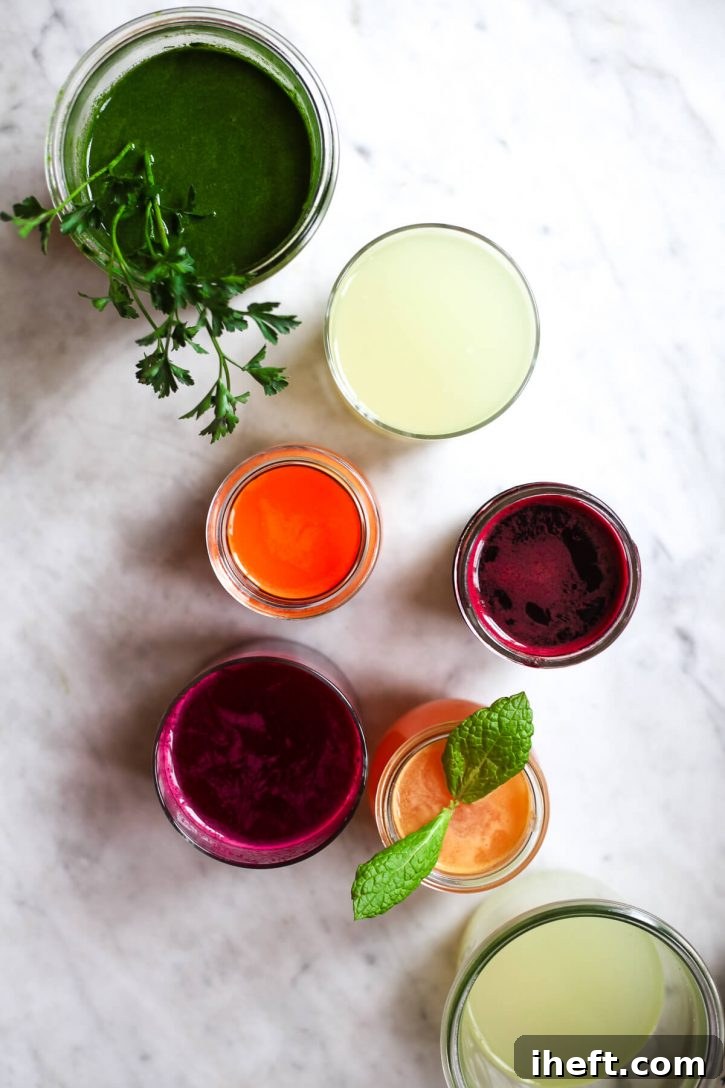
Essential Tips for Healthy and Effective Juicing
To maximize the benefits and enjoyment of your juicing experience, consider these key tips:
- Prioritize Organic Produce: Whenever possible, opt for organic fruits and vegetables. This minimizes exposure to pesticides and herbicides. If organic isn’t available or feasible, refer to the Environmental Working Group’s “Dirty Dozen” list for produce most likely to contain pesticide residues, and either peel these ingredients or wash them exceptionally well.
- Always Peel Citrus Fruits: The white pith found beneath the peel of citrus fruits contains bitter compounds that can significantly alter the taste of your juice. Always peel lemons, limes, oranges, and grapefruits before juicing.
- No Need to Remove Stems from Greens/Herbs: For leafy greens and most herbs, there’s no need to meticulously remove the stems. Simply wash the produce thoroughly and trim away any brown or wilted bits before juicing.
- Strategic Ingredient Order: When feeding ingredients into your juicer, follow drier ingredients (like leafy greens, herbs, or ginger) with more watery ingredients (such as cucumber, celery, or apples). This helps push the drier items through the juicer more effectively, ensuring you extract as much juice as possible and minimize waste.
- Immediate Consumption is Key: Freshly pressed juice is at its peak nutrient density immediately after preparation. For maximum benefits, consume your juice as soon as it’s made. If you absolutely must save it, store it in an airtight glass jar in the refrigerator for no more than 24-48 hours. Beyond this, nutrient degradation accelerates.
- Experiment with Combinations: Don’t be afraid to experiment with different fruit and vegetable combinations. Start with a base you enjoy and gradually add more potent greens or flavors. Juicing is a personal journey of discovery!
Six Power-Packed Juicing Recipes for Weight Loss, Detox, and Wellness
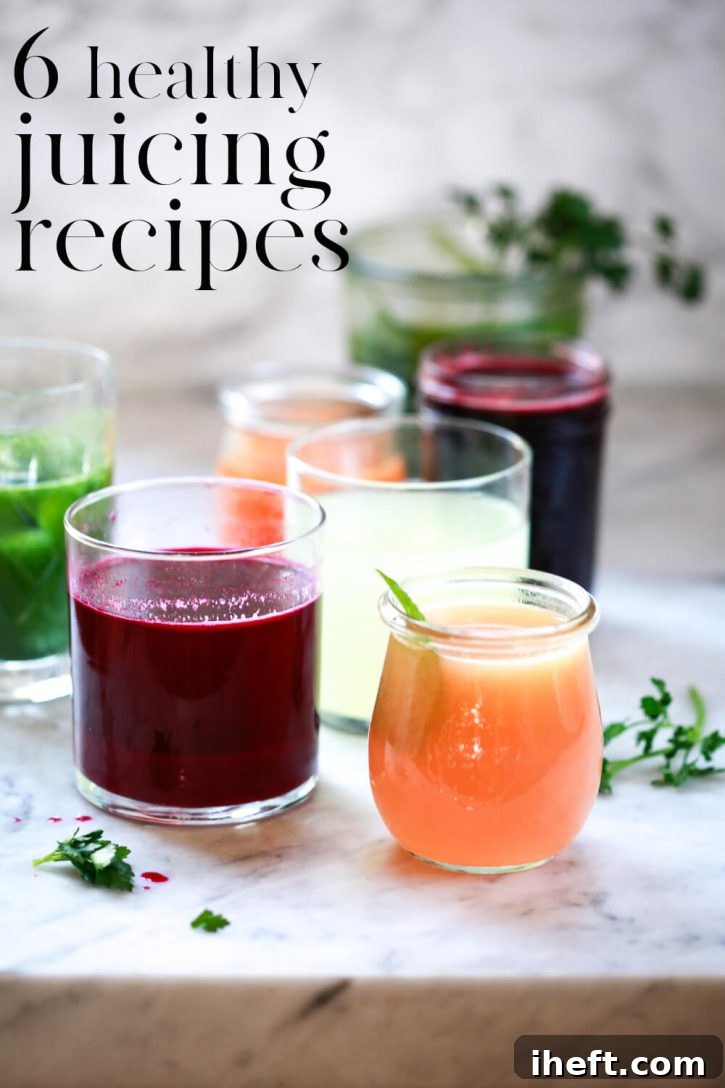
Here are six fantastic, low-sugar juicing recipe combinations designed to boost your phytonutrient intake and support your health goals. These recipes are excellent starting points; feel free to adjust ingredients based on your taste preferences or to create your unique blends.
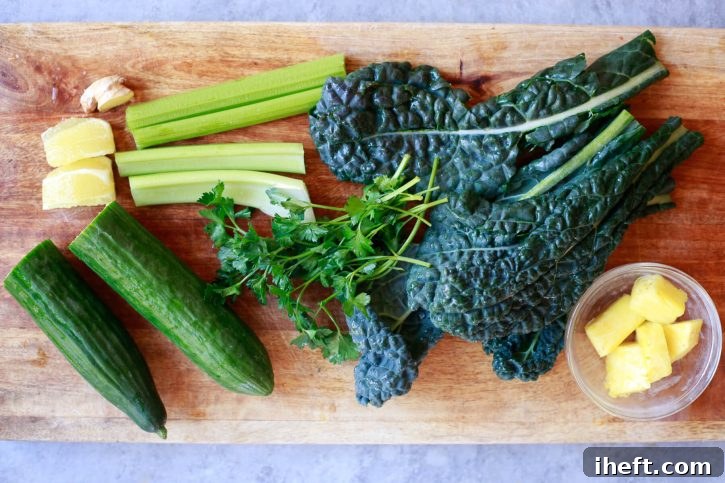
1. Revitalizing Green Juice
This classic green juice is a powerhouse of vitamins and minerals, perfect for detox and daily energy. The hint of pineapple and lemon brightens the earthy greens.
- 1/2 inch ginger
- 1 large cucumber
- 1/2 bunch kale
- 1/4 cup parsley
- 2 large celery stalks
- 1/2 cup pineapple chunks (for a low-sugar option, reduce or omit pineapple)
- 1/4 peeled lemon
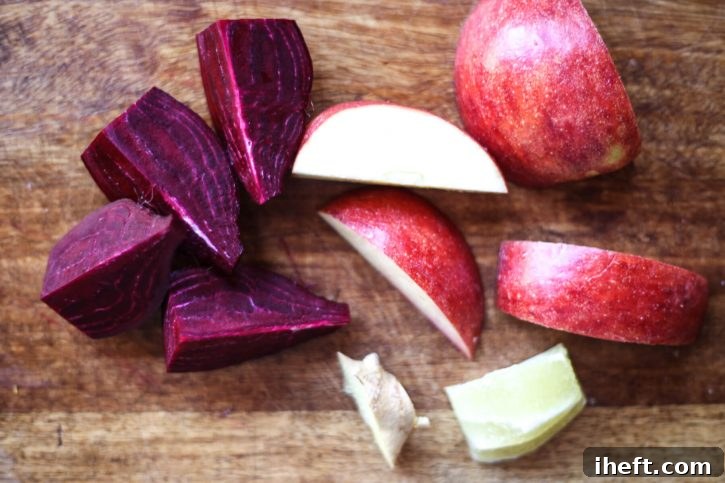
2. Earthy Roots Cleanse
This vibrant red juice is fantastic for liver support and improving circulation, thanks to the star ingredient – beets. The apple and lemon add a touch of balance.
- 1 beet
- 1/4 peeled lemon
- 1/2 inch ginger
- 1 apple (use green apple for lower sugar)
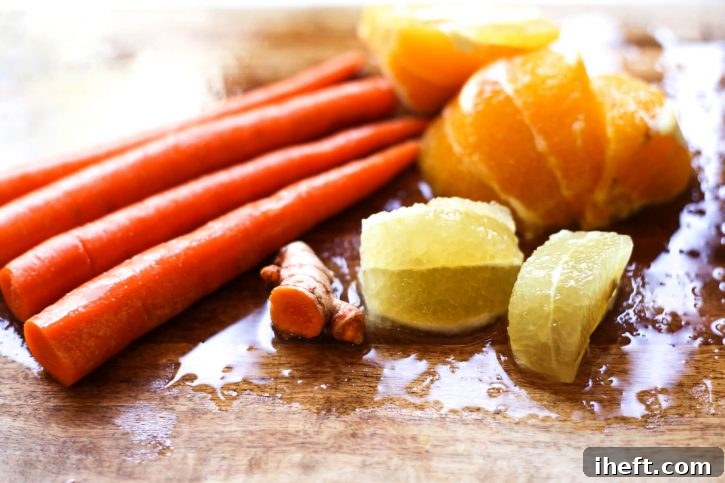
3. Carrot Orange Turmeric Elixir
A brilliant orange blend known for its anti-inflammatory properties and immune-boosting power. The black pepper is crucial for turmeric absorption.
- 4 carrots
- 1 small orange, peeled
- 1/2 inch turmeric root
- 1/2 inch ginger
- 1/4 peeled lemon
- Pinch of black pepper
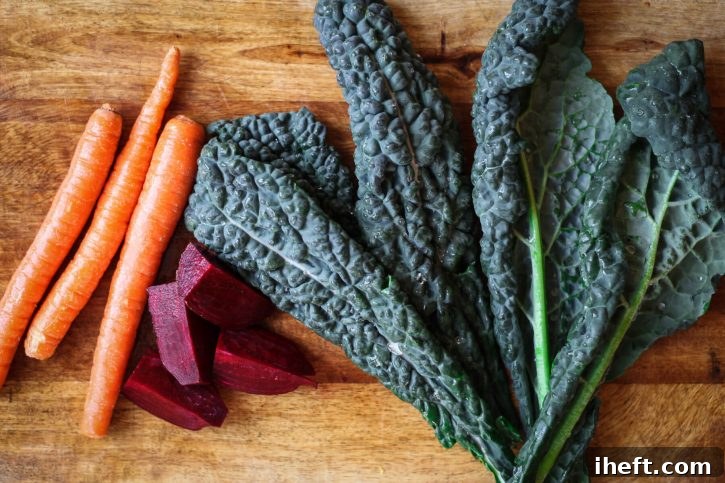
4. Popeye’s Punch
Inspired by the spinach-loving sailor, this juice is packed with iron and vitamins, offering a gentle yet effective way to incorporate diverse vegetables.
- 1/2 bunch spinach or kale
- 3 carrots
- 1 beet
- 1/2 cucumber
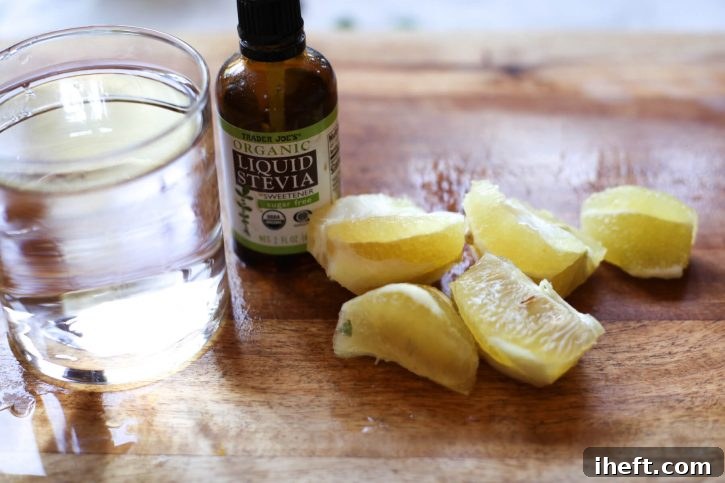
5. Spicy Lemon Cleanse
A fiery and invigorating cleanse, this recipe is perfect for boosting metabolism and kickstarting detoxification. Adjust cayenne to your spice tolerance.
- 1/2 inch ginger
- 2 lemons, peeled
- Pinch of cayenne pepper
- Stevia to taste (optional, for sweetness without sugar)
- 1 1/2 cups water (can be added with the ginger/lemon or as a rinse)
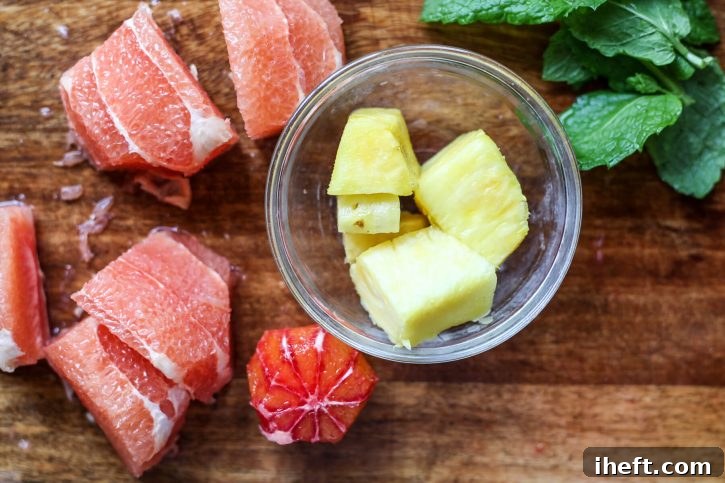
6. Zesty Pink Grapefruit Refresher
A bright and tangy juice, ideal for a morning energy boost or a mid-day pick-me-up. Grapefruit is known for its metabolism-boosting properties.
- 1 pink grapefruit, peeled
- 1 small orange, peeled
- 1/2 cup pineapple chunks (reduce or omit for lower sugar)
- 6 mint leaves
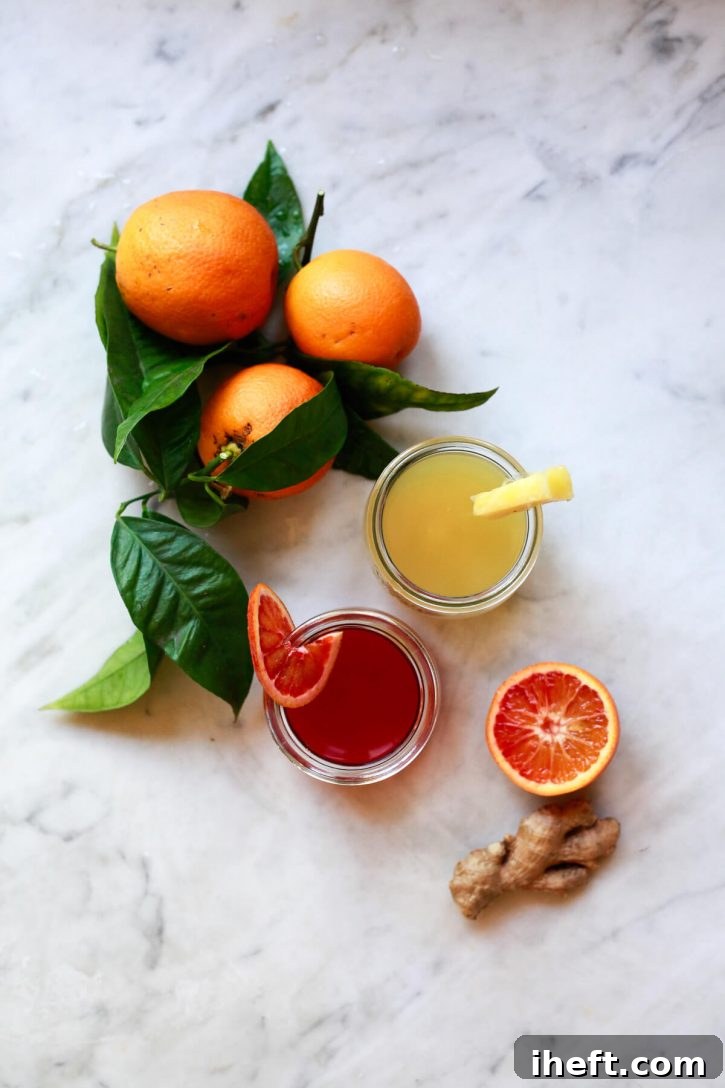
Explore More Healthy Juice & Wellness Drink Recipes
Beyond these six foundational recipes, the world of healthy juicing and wellness drinks is vast and exciting. Dive into these additional recipes to further expand your repertoire and discover new favorites that cater to your specific health goals and taste preferences:
- Beet Juice (Deep Detox)
- Homemade Apple Cider From Scratch
- Passion Fruit Juice
- Carrot Orange Turmeric Juice (for Anti-Inflammation)
- Cranberry Juice Detox Water
- Best Detox Drinks (Comprehensive Guide)
- Lemon Apple Cider Vinegar Drink
- Elderberry Tea (Immune Support)
- Apple Cider Vinegar Shots
- Ginger Shots (Digestive Aid)
- Turmeric Shots (Potent Anti-Inflammatory)
- Aloe Vera Juice (Soothing & Healing)
Sustainable Juicing: What to Do With Leftover Pulp
One common concern with juicing is the significant amount of pulp left over, which can feel wasteful. However, this nutrient-rich byproduct is far from useless! With a little creativity, you can minimize waste and extract even more value from your organic produce. Here are some fantastic ways to repurpose your juicing pulp:
- Savory Applications:
- Stocks and Soups: Vegetable pulp (especially from carrots, celery, and greens) adds depth of flavor and nutrients to homemade vegetable stocks, broths, and hearty soups.
- Veggie Burgers/Patties: Bind vegetable pulp with breadcrumbs, an egg (or flax egg for vegan), and spices to create delicious and healthy veggie burgers.
- Garden Compost: If culinary uses aren’t for you, pulp is an excellent addition to your compost bin, enriching your garden soil naturally.
- Pet Food Additive: Many pets can benefit from small amounts of certain vegetable pulps mixed into their regular food, but always check with your vet for safe options.
- Sweet Applications:
- Baked Goods: Fruit pulp (especially apple, carrot, or berry pulp) can be incorporated into quick breads, muffins, pancakes, and cookies, adding moisture, fiber, and flavor.
- Granola: Mix dried fruit pulp into your homemade granola for an extra burst of natural sweetness and texture.
- Fruit Leathers: Puree fruit pulp with a little extra sweetener if desired, spread thinly on a dehydrator tray or baking sheet, and dry to make healthy fruit leathers.
Understanding Juice Cleanses: Weight Loss & Detox Protocols
While I personally consider fresh juice a powerful supplement rather than a meal replacement for daily consumption, the concept of a juice fast or cleanse has gained considerable popularity. Many individuals swear by annual juice cleanses for various reasons, from jumpstarting weight loss to promoting deep detoxification and mental clarity.
A juice cleanse typically involves consuming only fresh, raw juices for a set period, often ranging from one to several days. The idea is to give the digestive system a rest while still flooding the body with easily assimilated nutrients. If you’re considering a juice cleanse:
- DIY vs. Prepared Cleanses: You can either purchase a pre-made 3-day juice cleanse package from reputable companies like Pressed Juicery, or you can opt to “DIY” it by making your own juices at home using the recipes provided here.
- Focus on Low Sugar: When choosing juicing recipes for weight loss or a detox, it’s critical to prioritize lower sugar options. Excessive fruit juice can still lead to a blood sugar spike, counteracting some of the intended benefits of a cleanse. Focus heavily on green vegetables with minimal fruit.
- Consult a Professional: Before embarking on any extended juice fast or cleanse, especially if you have underlying health conditions, it’s always wise to consult with a healthcare professional or a registered dietitian.
- Listen to Your Body: Pay close attention to how your body feels throughout the cleanse. It’s not uncommon to experience some initial fatigue or headaches as your body detoxifies, but severe discomfort should prompt you to stop and reassess.
- Preparation and Post-Cleanse: Gradually transition into and out of a cleanse by reducing or reintroducing solid foods to minimize shock to your digestive system.
Whether you choose to incorporate daily juicing or embark on a cleanse, the goal remains the same: to nourish your body with the incredible power of fresh, whole produce and support a vibrant, healthy life.
Sources consulted for this post:
Pressed Juicery
Lazy Acres Market
How to Cook Everything Vegetarian, by Mark Bittman
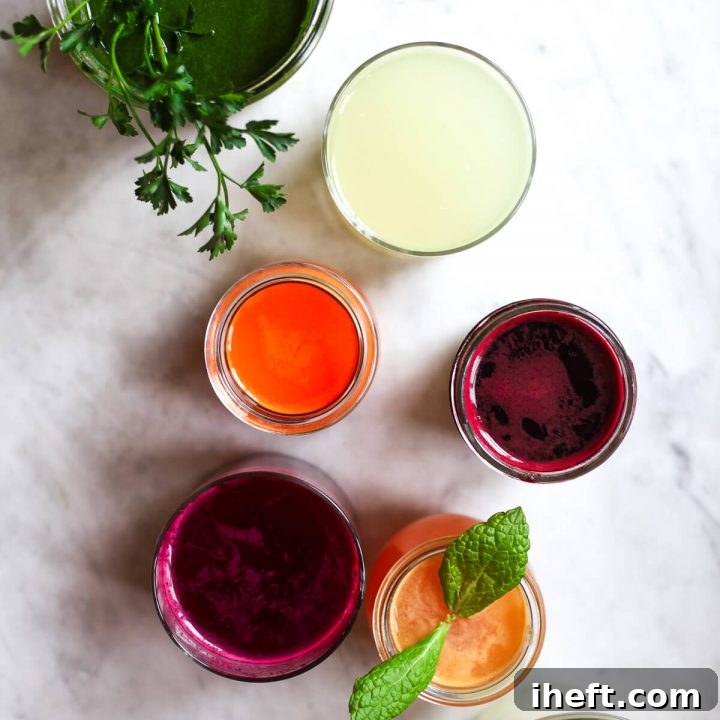
6 Essential Juicing Recipes for Wellness
5 minutes
2 minutes
7 minutes
These carefully curated juicing recipes emphasize organic vegetables and minimal fruit to deliver a powerful punch of micronutrients. Perfect for those seeking to support weight loss, cleanse their body, or simply enhance overall health and vitality.
Rating: 4.4 out of 5 stars (based on 24 reviews)
Ingredients for each recipe (yields approximately 1 serving)
1. Revitalizing Green Juice
- 1/2 inch fresh ginger
- 1 large cucumber
- 1/2 bunch kale
- 1/4 cup fresh parsley
- 2 large celery stalks
- 1/2 cup pineapple chunks (optional, reduce for lower sugar)
- 1/4 peeled lemon
2. Earthy Roots Cleanse
- 1 medium beet, raw
- 1/4 peeled lemon
- 1/2 inch fresh ginger
- 1 medium apple (preferably green for lower sugar)
3. Carrot Orange Turmeric Elixir
- 4 medium carrots
- 1 small orange, peeled
- 1/2 inch fresh turmeric root
- 1/2 inch fresh ginger
- 1/4 peeled lemon
- Pinch of black pepper (essential for turmeric absorption)
4. Popeye’s Punch
- 1/2 bunch fresh spinach or kale
- 3 medium carrots
- 1 medium beet, raw
- 1/2 large cucumber
5. Spicy Lemon Cleanse
- 1/2 inch fresh ginger
- 2 lemons, peeled
- Pinch of cayenne pepper (adjust to taste)
- Stevia to taste (optional sweetener)
- 1 1/2 cups filtered water
6. Zesty Pink Grapefruit Refresher
- 1 pink grapefruit, peeled
- 1 small orange, peeled
- 1/2 cup pineapple chunks (optional, reduce for lower sugar)
- 6 fresh mint leaves
Instructions for Juicing
- Prepare Your Produce: Begin by setting up your juicer. Thoroughly wash all fruits and vegetables you plan to use. Peel any non-organic produce or items like citrus fruits (to remove bitter pith), as indicated in the specific recipe.
- Feed the Juicer: Add the ingredients for your chosen juice recipe into the feed tube of the juicer. For optimal juice extraction, start with drier ingredients such as leafy greens, ginger, or herbs, and follow them with more watery ingredients like cucumber or celery. This helps to push all the produce through effectively.
- Activate Your Juicer: Turn on your juicer and allow it to process the ingredients, following the manufacturer’s specific instructions for your model.
- Manage Foam: It’s normal for some foam to collect at the top of your freshly pressed juice. This is completely natural. If you prefer a smoother texture, you can easily scoop off the foam with a spoon.
- Enjoy Immediately: For the highest nutrient content and best flavor, consume your fresh juice immediately after preparation. Fresh juices tend to separate upon standing, so serving them over ice is a popular and refreshing way to enjoy them.
- Storage Guidelines: If you need to store your juice for later, transfer it into an airtight glass jar and refrigerate it promptly. For maximum freshness and nutrient retention, consume within 24-48 hours.
Nutrition Information (Example for a Green Juice serving):
Yield: 1 serving
Serving Size: Approx. 8-10 oz
Amount Per Serving (based on typical green juice blend):
Calories: 90Total Fat: 1gSaturated Fat: 0gTrans Fat: 0gUnsaturated Fat: 0gCholesterol: 0mgSodium: 71mgCarbohydrates: 21gFiber: 4gSugar: 13gProtein: 3g
Nutrition information is an estimate based on common ingredient averages and is automatically calculated by Nutritionix. I am not a certified nutritionist and cannot guarantee absolute accuracy. If your health or dietary needs strictly depend on precise nutrition information, please recalculate using your preferred calculator or consult with a qualified professional.