Empowering Kids to Love Healthy Food
Mastering Healthy Eating Habits: A Parent’s Guide to Raising Happy Eaters
The journey of feeding children can often feel like navigating a culinary minefield – fraught with exhaustion, frustration, and confusion. Many parents, myself included, have experienced the disheartening “yuck!” after diligently preparing a wholesome meal. It’s an easy trap to fall into: abandoning the pursuit of serving nutritious foods in favor of processed alternatives that guarantee silence at the dinner table. However, this doesn’t have to be the norm. I firmly believe that children are not inherently predisposed to dislike vegetables or specific healthy foods. Consider the diverse palates observed globally: two-year-olds in a vibrant preschool happily devouring kale strawberry salad and chia pudding, Japanese children eagerly eating sushi, or French kids enjoying escargot and boeuf bourguignon. These children aren’t born with different taste buds; they are simply raised in environments that teach them to appreciate a broader spectrum of foods, free from the expectation of a “kids’ menu” filled with nuggets and hot dogs.
While my own children may not eat everything, and I’m far from perfect, I’ve gathered valuable insights on fostering a positive relationship with food. My mission with this blog is to empower families to live healthier, happier lives, and I sincerely hope these practical tips will serve as a helpful guide on your journey to raising adventurous and healthy eaters.
Involve Kids in the Kitchen: Let Them Cook!
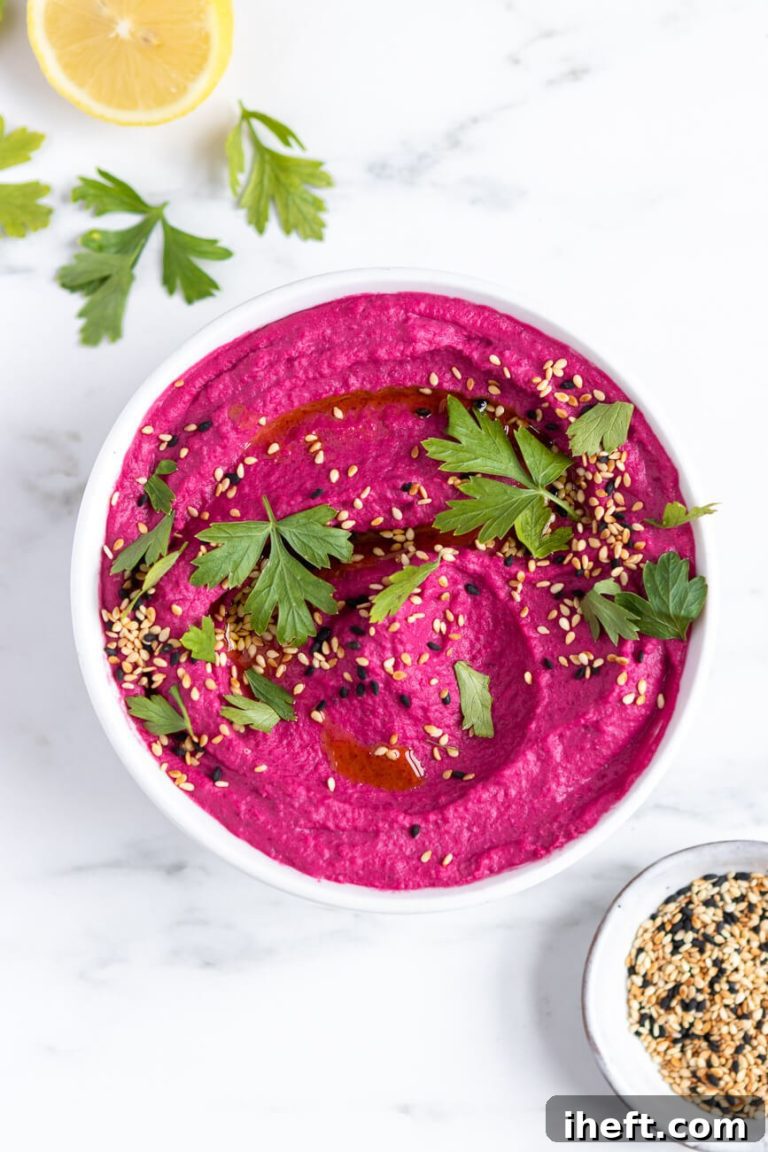
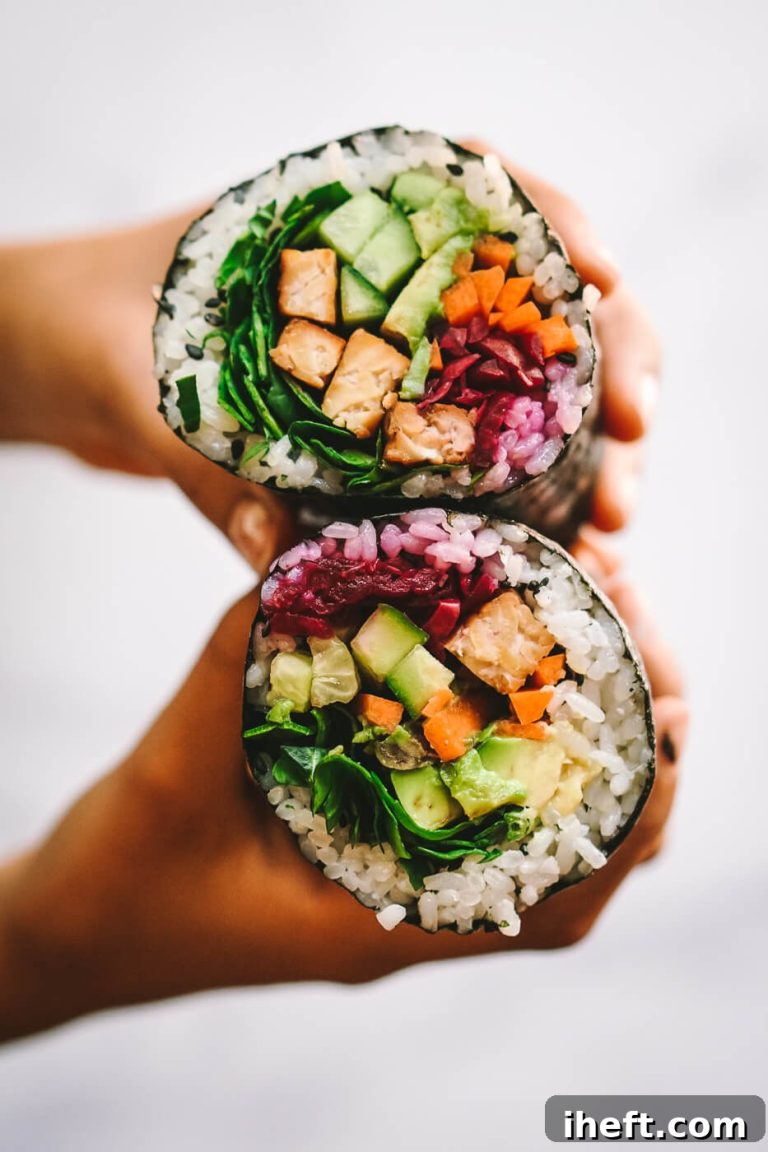
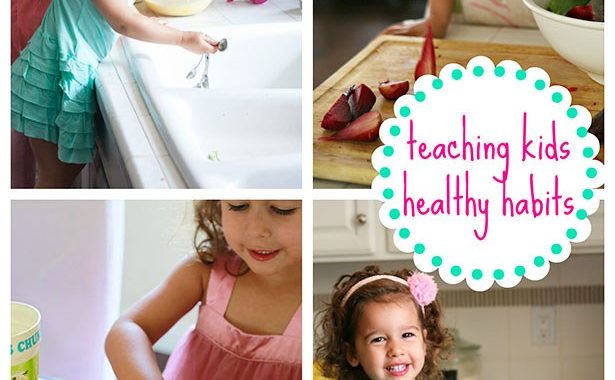
One of the most effective strategies for encouraging children to eat healthy foods is to involve them directly in the cooking process. For families with older children, designating one night a week as “kids cook” night can be a fantastic tradition. Even younger children can contribute meaningfully by stirring ingredients, squeezing lemons, rolling dough, or assembling wraps and salads. When kids have a personal stake in preparing a meal, they develop a sense of ownership and are significantly more likely to try – and enjoy – what they’ve helped create. Learning to prepare simple, whole-food recipes is an invaluable life skill and an art that your children will carry with them for decades. It’s not just about eating; it’s about understanding ingredients, following instructions, and experiencing the satisfaction of creating something delicious. For instance, one of my girls’ favorite “kids cook” meals is hummus wraps, generously loaded with colorful veggies and chickpeas. It’s simple, customizable, and always a hit.
Beyond the immediate benefit of getting them to eat, involving kids in cooking also offers a rich sensory experience. They learn about textures, smells, and the transformation of raw ingredients into a cooked dish. This engagement can demystify food and make mealtime an adventure rather than a chore. Starting with simple tasks and gradually increasing their responsibilities builds confidence and competency, fostering a lifelong appreciation for home-cooked meals.
Cultivate a Plant-Forward Home: Offer Mostly Plants
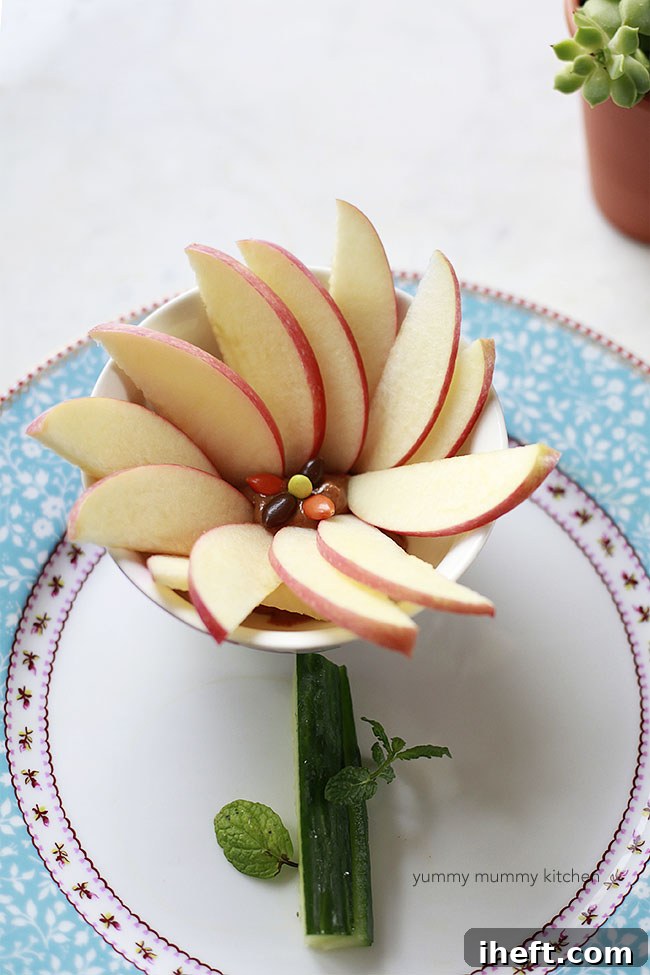
The culinary landscape within your home plays a crucial role in shaping your family’s eating habits. Simply put, if your refrigerator and pantry are stocked predominantly with fresh fruits and vegetables, that’s what your family will naturally gravitate towards. Conversely, if processed foods lacking substantial nutrition are the most accessible options, they will become the default. Imagine a vibrant bowl of fresh fruit proudly displayed on the kitchen counter, pre-cut carrot sticks and cucumber slices readily available in the fridge, and homemade smoothie packs tucked away in the freezer. These options are infinitely more beneficial than stacks of fruit rolls and bags of chips lining the pantry shelves. Creating a “healthy defaults” environment makes nutritious choices the easy choices.
A common question I receive is whether I prepare the same dinner for my children as I do for my husband and myself. The answer is an emphatic YES. My meals are always designed to be family-friendly, meaning they might not be overly spicy, or I might chop vegetables extra small for toddlers in soups. I once had a friend remark, “If my husband and I ate what our kids had for dinner, we’d be having frozen animal-shaped chicken nuggets every night.” The simple truth is, those nuggets only appear if you buy them. My children have never encountered them, so they’ve never asked for them. I often make vegetables the undeniable star of the dinner plate, building the meal around them and then adding protein, rather than the other way around. Our typical dinners include stir-fried veggies with a light teriyaki sauce, pasta brimming with seasonal vegetables, hearty vegetable minestrone soup, burritos packed with beans, rice, various veggies, and guacamole, spinach-loaded quiches or frittatas, and even roasted Brussels sprouts with a creamy mashed white bean dish. These are plant-based dinners I know my kids will eagerly gobble up, demonstrating that healthy and delicious can coexist beautifully for the whole family.
Connect with Nature: Show Them the Beauty of Real Food
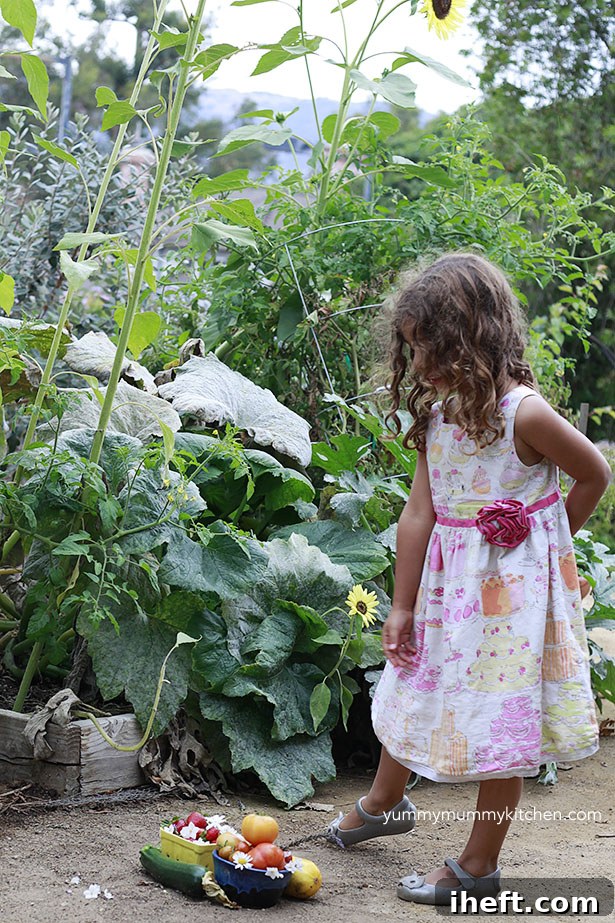
Nature offers a captivating classroom, and fresh fruits and vegetables are its most beautiful lessons. Children are naturally mesmerized by the magic of growth – watching tiny seeds sprout, observing insects pollinating flowers, and witnessing the transformation into edible fruits. Growing your own food, even if it’s just a pot of herbs or a single tomato plant, is an almost guaranteed way to ignite your children’s enthusiasm for vegetables. Our girls adore plucking sun-ripened tomatoes straight from the vine, savoring them as a sweet, fresh snack. Carrots offer an even more enchanting experience, as kids eagerly anticipate unearthing the hidden treasures below the soil. I’ve even seen my seven-year-old happily munching on kale leaves pulled directly from the plant. After a lesson in her school garden, my first grader excitedly recounted how delicious the “Cabbage Tacos” her class prepared were – I was genuinely impressed that a group of six-year-olds embraced a dish filled with garden vegetables!
Not everyone has the luxury of a sprawling backyard garden, but fortunately, most towns boast a local farmers’ market, which offers the next best thing. These vibrant markets are a feast for the senses, where the beauty and abundance of nutritious fruits and vegetables are on full display. Farmers’ markets provide a wonderful, non-threatening environment for children to explore new flavors, textures, and colors. They can interact directly with the people who grow their food, fostering a deeper connection and appreciation for where their meals truly come from. This tangible experience helps bridge the gap between farm and table, transforming abstract nutritional concepts into concrete, enjoyable realities.
Embrace Patience: Don’t Give Up – Persistence Pays Off
It’s a common scenario: children often initially reject new foods. Many parents, interpreting this as a definitive “dislike,” then cease serving that particular item. This, however, can be a significant misstep. Research consistently shows that children often develop a liking for a food only after it is no longer perceived as “new.” Studies indicate that it can take anywhere from 10 to 15 exposures before a given food is fully accepted and no longer novel. So, if your child initially says “no!” to a new vegetable, don’t despair or give up. Instead, persist with gentle encouragement and creative presentation, trying different ways of serving it until their taste buds adapt and accept it.
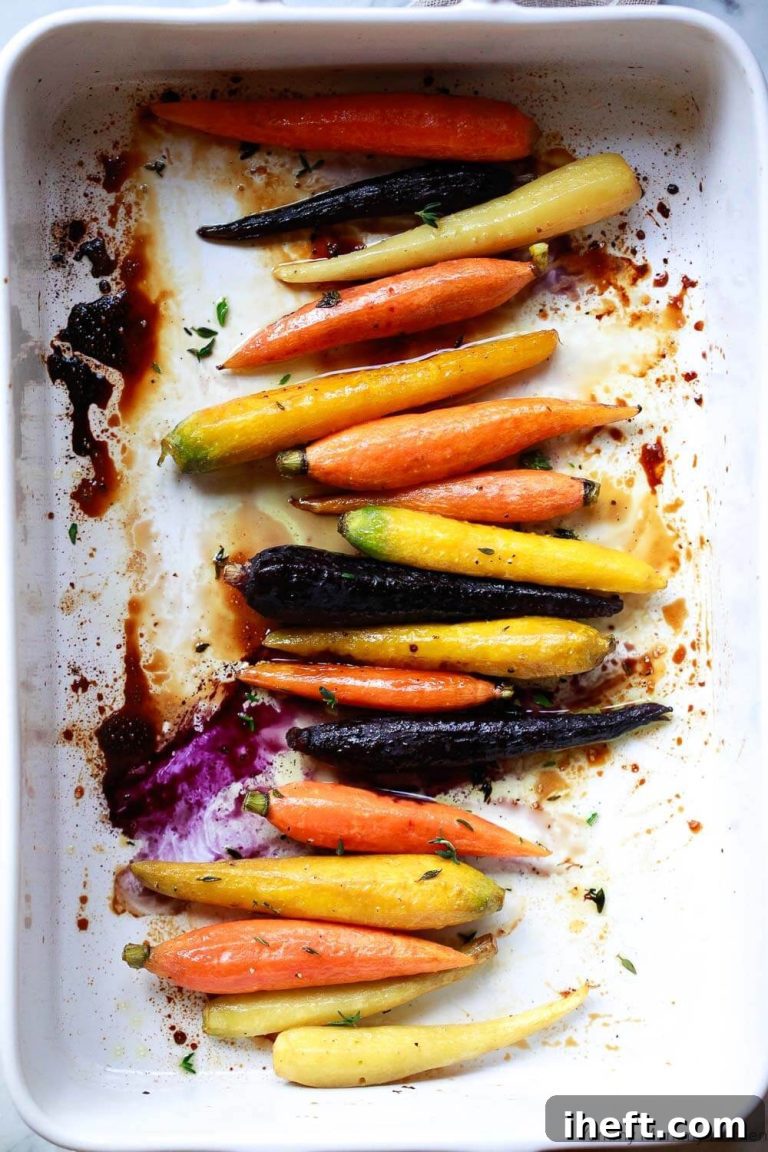
Think about the versatility of vegetables. Try them raw with their favorite healthy dip, roasted with a touch of maple glaze for sweetness, incorporated into a creamy pot pie, baked into a savory quiche, finely diced and hidden within a comforting soup, or tossed into a baked pasta dish. The key is consistent, low-pressure exposure in various forms. I make it a point to add vegetables to nearly every main dish we prepare, ensuring they are always present, even if not always the star of the show. This steady exposure helps normalize their presence and gradually expands children’s palates without creating mealtime battles. Remember, every “no” is just another step on the path to an eventual “yes.”
Boost Nutrition with Ease: Blend it Up!
Smoothies are a secret weapon in a parent’s arsenal for ensuring kids receive a generous dose of nutrients, especially on days when eating hasn’t been optimal. There’s an incredible amount of goodness you can effortlessly sneak into a delicious smoothie. When I feel our family might be falling short on our nutritional intake, I know I can always rely on a well-crafted smoothie to deliver a powerful boost of health. They are incredibly versatile, allowing for a creative combination of fruits, vegetables, and beneficial supplements.
For a significant immune boost, I often incorporate probiotics, such as Bio-K, into our blends. To add a serving of greens without detection, I’ll discreetly toss a handful of spinach or kale into a dark berry smoothie, where the vibrant fruit colors mask the green. Another family favorite is a healthy take on a mint chip smoothie, like this one, which can easily hide a serving of greens while still tasting like a treat. Smoothies are also excellent for adding healthy fats (avocado, chia seeds), proteins (nut butter, Greek yogurt), and fiber, making them a complete and nutrient-dense mini-meal or snack. The possibilities are truly endless, and the convenience factor makes them a busy parent’s best friend.
Encourage Engagement with Vibrant Variety
Children thrive when they feel a sense of control and autonomy, especially when it comes to their food choices. When my girls were toddlers, I discovered the magic of creating mini “salad bars” in muffin tins or baby food freezer trays. This simple presentation allowed them to choose from a variety of healthy components, fostering independence and making mealtime an exciting, interactive experience. I noticed they particularly loved selecting their own foods at grocery store salad bars, so bringing that concept home was a natural extension. This approach transforms eating into an engaging activity rather than a passive consumption.
Now that they are in school, we are big fans of PlanetBox lunch systems. These bento-style lunchboxes offer multiple divided sections, which are perfect for packing a vibrant variety of foods. This concept mirrors the “salad bar” idea, allowing kids to pick and choose from different healthy options throughout their meal. Presenting food in an organized, appealing, and varied way not only makes meals more enticing but also encourages children to try new things and explore different tastes and textures. I frequently share many of our healthy packed lunch ideas on Instagram, so feel free to visit me @yummymummykitchen for more inspiration on creating colorful and enticing meals for your little ones.
Foster Positive Mealtimes: Relax and Avoid the Dinnertime Battle
Dinnertime, an occasion meant for family connection, can unfortunately become a source of tension and frustration when children declare, “I’m not hungry!” or “I don’t want this!” While I respect every parent’s individual parenting and feeding styles, I personally choose not to force my children to clean their plates. There are two primary reasons for this approach, rooted in creating a positive and healthy relationship with food:
-
Dinnertime is More Than Just Eating: Family dinner is a precious opportunity to reconnect after a busy day, share stories, and simply enjoy each other’s company. A frustrating battle over food can quickly overshadow these invaluable moments, transforming a potentially joyful gathering into a stressful ordeal. Our children are expected to sit at the table with us, and I do not prepare special alternative meals – as I often remind them, “This isn’t a restaurant.” By this point in the day, their nutritional needs have typically been met through a wholesome breakfast, lunch, and snacks. So, if they genuinely aren’t hungry, they don’t have to eat, though they usually will nibble. Pushing children to eat when they are full often backfires, leading to even stronger resistance and negative associations with food.
-
Promoting Intuitive Eating: Learning to accurately gauge hunger and satiety cues is a vital life skill. Many adults struggle with knowing when to stop eating (I certainly do on pizza night!). Forcing children to eat beyond their point of fullness can disrupt their innate ability to listen to their bodies. By allowing them to decide how much they eat from the healthy food provided, we empower them to develop a healthy, intuitive relationship with food. This self-regulation is a cornerstone of mindful eating, preventing overeating and fostering a balanced approach to nutrition that will serve them well into adulthood.
By removing the pressure, we can cultivate a peaceful mealtime environment where children feel safe to explore food without coercion, ultimately building healthier eating habits based on their own internal signals.
A Crucial Conversation: A Note About Body Image
In our conversations with children about food, the language we use is profoundly important. In my opinion, we absolutely should engage children in discussions about what food does for our bodies and minds. Frame food as fuel – a powerful source that can make us feel energized and vibrant, or sluggish and unwell. Explain that healthy food acts like medicine, keeping us strong and preventing illness, while unhealthy choices can be like a “poison,” making us feel sick or grumpy. Emphasize how nourishing foods help us grow tall, strong, and happy, fueling our adventures and learning.
However, we should not burden children with conversations centered around limiting calories, or the societal pressures of being “thin” versus “fat.” Such discussions can be incredibly damaging to their developing body image and self-esteem. When we prioritize eating well to simply be well, our bodies will naturally settle at a healthy weight that is right for us. I have witnessed heartbreaking instances of children as young as seven asking if their skin wrinkles mean they are “fat” and need to eat less, which is deeply concerning. Our primary goal should be to raise confident children, both girls and boys, who understand that healthy, beautiful bodies come in an incredible variety of shapes and sizes. Let’s empower them with knowledge about nutrition and wellness, while shielding them from harmful body shaming and unrealistic ideals, fostering a positive relationship with both food and their own bodies.
That’s it for now! Have any additional tips I might have missed? Share your wisdom in the comments!
My next read on this important topic:
“French Kids Eat Everything: How Our Family Moved to France, Cured Picky Eating, Banned Snacking, and Discovered 10 Simple Rules for Raising Happy, Healthy Eaters”