Effortless Sheet Pan Buddha Bowls with Creamy Tahini
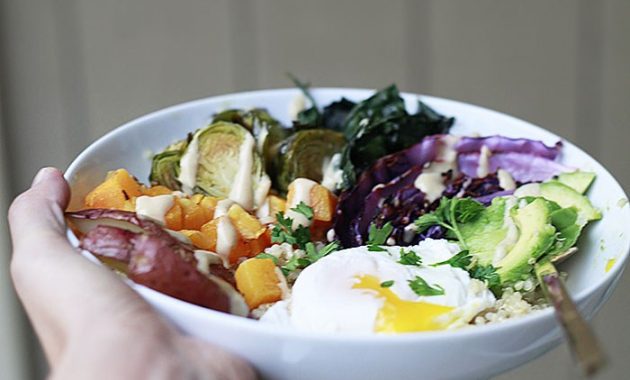
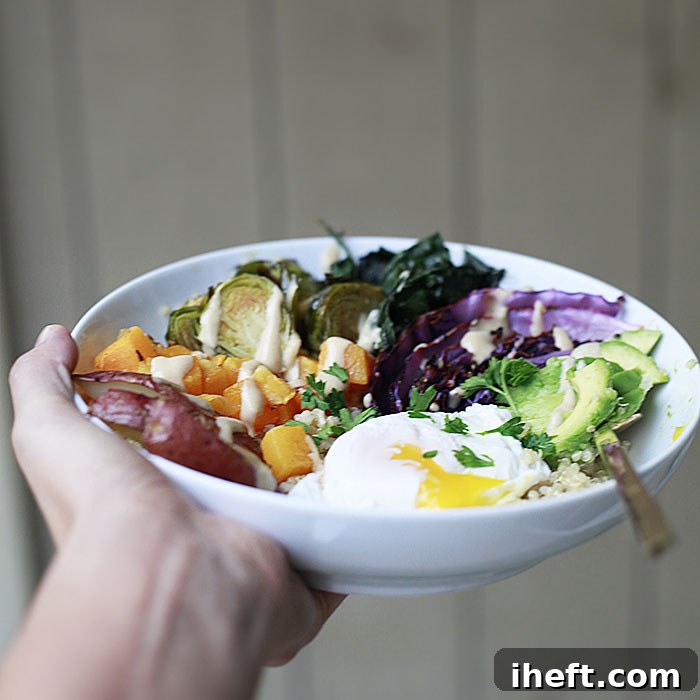
Nourishing Buddha bowls are the ultimate comfort food for many, blending vibrant flavors with wholesome ingredients. This recipe delivers a truly satisfying experience, packed with perfectly roasted fall and winter vegetables and crowned with a creamy, delectable tahini drizzle. It’s not just a meal; it’s a bowl of vibrant health and coziness designed for delicious, plant-based eating.
Wholesome Sheet Pan Buddha Bowls: A Vegan Feast with Roasted Winter Vegetables and Creamy Tahini
Embrace the colder months with a burst of flavor and nutrition! Our Sheet Pan Buddha Bowls are designed to bring warmth and wellness to your table, offering an incredibly easy and incredibly delicious way to enjoy an abundance of seasonal vegetables. Originally, this recipe featured a poached egg for protein, but to make it accessible for everyone and fully plant-based, we’ve updated it to be completely vegan. Now, the star protein choices are crispy falafel, hearty chickpeas, or tender tofu, ensuring a satisfying and nutrient-rich meal that caters to all dietary preferences.
If you’re looking for a delightful way to reset your diet, or simply craving beautiful, vibrant vegetables, you’ve found your next favorite recipe. Buddha bowls have soared in popularity for good reason – they represent balance, nourishment, and incredible versatility. They’re a fantastic way to utilize whatever fresh produce you have on hand, transforming simple ingredients into a gourmet experience. The beauty of these bowls lies in their “anything goes” approach, allowing for endless customization based on your preferences and what’s in season, making them a staple for healthy and adaptable eating.
The Irresistible Allure of Buddha Bowls: More Than Just a Meal
For those new to the concept, a Buddha bowl is essentially a generously proportioned bowl filled with small, colorful portions of several foods, typically plant-based, arranged artfully over a grain base. The name is often attributed to the “piled high” appearance, resembling Buddha’s belly, or simply reflecting the balanced, wholesome nature of the meal. They’ve become a staple in healthy eating, offering a complete and satisfying meal in one convenient dish. Their widespread appeal stems from a multitude of benefits:
- Nutritional Powerhouse: Each bowl is typically packed with fiber, essential vitamins, and vital minerals derived from a diverse array of colorful vegetables, whole grains, and lean plant-based proteins. This combination promotes satiety and supports overall well-being.
- Customization King: Buddha bowls are incredibly adaptable to various dietary needs and personal preferences. You can effortlessly swap out grains, change your vegetable medley, experiment with different proteins, and even create unique sauce combinations. This flexibility ensures you’ll never get bored and can always enjoy what you love.
- Visual Appeal: More than just sustenance, a Buddha bowl is a true feast for the eyes! The artful arrangement of various colors, shapes, and textures makes eating healthy enjoyable and exciting. When food looks good, it tastes even better.
- Meal Prep Friendly: Many components of a Buddha bowl, such as roasted vegetables, cooked grains, and even the tahini sauce, can be prepared ahead of time. This makes healthy eating effortless during busy weeknights, transforming quick assembly into a gourmet experience.
- Food Waste Reduction: They are an excellent way to use up leftover vegetables or grains, helping to reduce food waste and inspire creativity in the kitchen.
My own journey into the world of Buddha bowls began years ago, and my initial compilation of 30 Best Buddha Bowls quickly became a reader favorite. This overwhelming positive response confirmed that the love for these nourishing, rainbow-filled bowls is widespread, inspiring me to share more of our own kitchen creations. This specific recipe dives into a variant that truly shines during the colder months: hearty Sheet Pan Winter Vegetable Buddha Bowls.
Crafting Your Perfect Sheet Pan Roast: Spotlight on Seasonal Fall & Winter Vegetables
The heart of these incredible Buddha bowls lies in a vibrant medley of hearty fall and winter vegetables, all roasted together on a single sheet pan. This method is a culinary game-changer for several compelling reasons: it dramatically minimizes cleanup, ensures remarkably even cooking for every ingredient, and caramelizes the vegetables beautifully, coaxing out their natural sweetness and developing a profound depth of flavor. We carefully select harder vegetables that boast similar roasting times, guaranteeing everything is perfectly tender and exquisitely delicious without any risk of overcooking.
Our Vibrant Vegetable Selection for Optimal Flavor and Nutrition:
- Yellow Onion: When roasted, onions transform from sharply pungent to delightfully sweet and incredibly tender, providing an aromatic base.
- Purple Cabbage: Offers not only a striking visual appeal but also a satisfying crunch and a wealth of powerful antioxidants. Roasting gently softens it and mellows its distinctive flavor, making it wonderfully palatable.
- Brussels Sprouts: These small, mighty cabbages undergo a remarkable metamorphosis in the oven, shedding any bitterness to become wonderfully nutty, slightly sweet, and irresistibly crisp on their outer leaves.
- Butternut Squash: A quintessential fall and winter squash, butternut squash lends a naturally creamy texture and a delightful sweetness that caramelizes perfectly at high temperatures. It’s also an excellent source of immune-boosting Vitamin A.
- Red Potatoes: Earthy and wonderfully comforting, red potatoes become fantastically tender on the inside while developing a delectable, slightly crisp exterior when roasted, providing a hearty anchor to the bowl.
This carefully curated combination isn’t just about delivering delicious taste; it’s a vibrant celebration of color and profound nutrition. Each hue in your bowl signifies different essential vitamins, vital minerals, and protective plant compounds, collectively contributing to a truly holistic and beneficial meal that nourishes your body from the inside out. Roasting is truly the magic touch here. A simple drizzle of quality extra virgin olive oil, a generous pinch of sea salt, and your favorite all-purpose seasoning blend are truly all that’s needed to unlock their full potential. The intense, dry heat of the oven creates that coveted caramelized exterior and a supremely tender interior, elevating these humble vegetables into something truly extraordinary. Meals centered around such vibrant, seasonal produce are not only my absolute favorite but also incredibly beneficial for sustaining overall health and vitality throughout the colder months.
Smart Prep for Busy Lifestyles: The Magic of Make-Ahead Buddha Bowls
While the roasting process for these delectable vegetables takes around 40 minutes, the overall hands-on effort is surprisingly minimal, and the spectacular results are undeniably well worth it. For those navigating a busy schedule, these Buddha bowls are a dream come true when it comes to efficient meal prepping. You can effortlessly roast your entire batch of vegetables and cook your preferred grain (such as wholesome quinoa) in advance. Simply store these prepared components in separate, airtight containers in the refrigerator. When dinner time rolls around, a quick reheat of the veggies and a swift assembly is all it takes to enjoy a fresh, flavorful, and incredibly nutritious meal without any last-minute stress. This strategy transforms healthy eating from a chore into a seamless and enjoyable part of your routine.
Assembling Your Masterpiece: Layers of Flavor and Texture for a Balanced Bowl
Once your glorious vegetables are roasted to perfection, beautifully caramelized and tender, and your quinoa is fluffy and ready, it’s time for the art of assembly. This is where your Buddha bowl truly comes to life, evolving from individual ingredients into a harmonious culinary creation. Begin by spooning a generous base of cooked quinoa into each serving bowl – quinoa is not only a complete protein but also an excellent source of dietary fiber, making it an ideal foundation. I often prefer to toss my cooked quinoa with a splash of extra virgin olive oil and a pinch of sea salt for enhanced flavor and aroma, but feel free to use any whole grain you prefer, such as nutritious brown rice, nutty farro, or even light couscous.
Next, arrange your vibrant roasted vegetables artfully over the quinoa base. Don’t just pile them; take a moment to showcase their individual colors and inviting textures. This visual appeal is an integral part of what makes Buddha bowls so enjoyable and satisfying. Now for the crucial elements that truly tie everything together, adding layers of creaminess, tang, and robust protein:
- Creamy Tahini Drizzle: This is an absolute game-changer and arguably the soul of the Buddha bowl. Our simple, mustardy tahini sauce adds a rich, nutty, and subtly tangy counterpoint that beautifully complements the roasted sweetness of the vegetables. It’s incredibly easy to whisk together and instantly elevates the entire dish from good to gourmet. While technically optional, I wholeheartedly recommend it for that signature, unparalleled Buddha bowl experience.
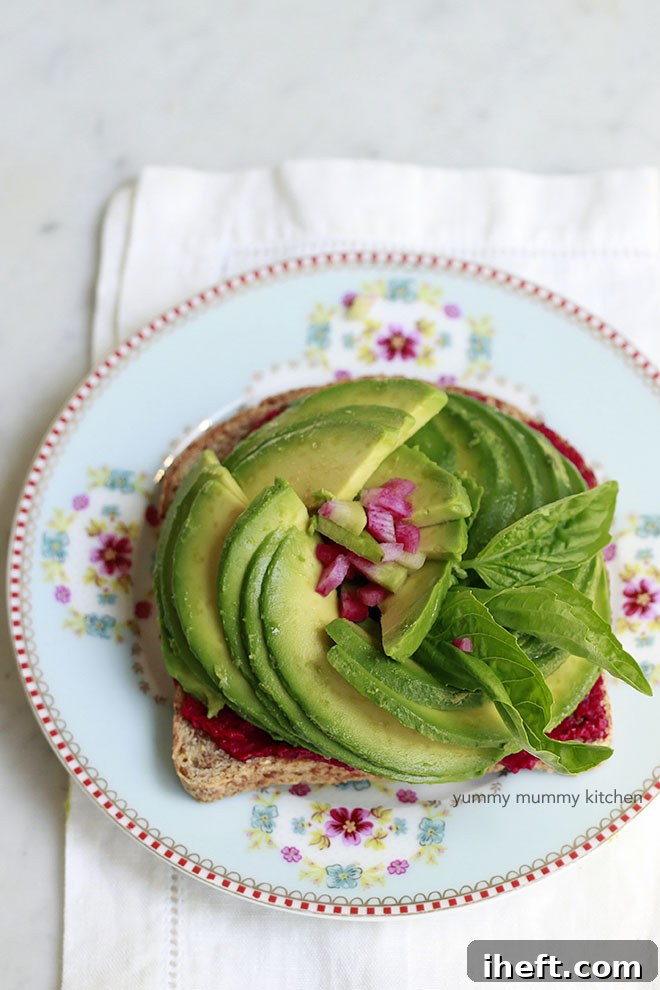
- Avocado Slices: The addition of creamy, ripe avocado slices introduces a luxurious texture and a significant boost of healthy monounsaturated fats. Its smooth, buttery consistency provides a delightful contrast to the crispier roasted vegetables.
- Satisfying Vegan Protein: As discussed, we’ve thoughtfully swapped out eggs for fantastic plant-based alternatives to ensure this recipe is fully vegan. Crispy falafel brings a delightful crunch and savory, Middle Eastern-inspired flavor. Hearty chickpeas, either roasted until slightly crisp or simply warmed through, offer a soft, earthy texture and plant-based power. Firm tofu, pan-fried or baked until golden and slightly chewy, provides a neutral yet substantial canvas for the other flavors to shine. Choose your favorite to complete your bowl and provide sustained energy!
- Fresh Parsley Garnish: A final sprinkle of fresh herbs, such as vibrant chopped parsley, not only adds a lovely pop of color but also contributes a fresh, herbaceous note that brightens and invigorates the entire dish, tying all the flavors together beautifully.
Each carefully chosen component plays a vital role, working in unison to create a harmonious blend of complementary flavors, satisfying textures, and essential nutrients. The culmination is a wonderfully satisfying, wholesome, and incredibly delicious meal packed with goodness in every single, delightful bite. These bowls are a testament to how vibrant and fulfilling plant-based eating can be.
Explore More Superfood Bowl Ideas and Culinary Inspiration
The world of superfood bowls is vast, exciting, and perpetually evolving! If you’re eager to discover even more inspiration and expand your plant-based culinary repertoire, I’ve curated a dedicated Pinterest board filled with a plethora of creative and utterly delicious bowl ideas. It’s a fantastic, visual resource for exploring new flavor combinations, seasonal ingredients, and innovative ways to enjoy vibrant, plant-forward meals. From energizing breakfast smoothie bowls to satisfying lunch and dinner creations, there’s a bowl for every craving, every season, and every healthy lifestyle goal. Dive in and let your culinary imagination soar!
Sheet Pan Buddha Bowls with Creamy Tahini Sauce
10 minutes
45 minutes
55 minutes
These Sheet Pan Buddha Bowls offer a wholesome, nourishing, and incredibly easy vegan dinner. Perfectly roasted winter vegetables come together with fluffy quinoa, creamy avocado, and a tangy tahini drizzle for a satisfying plant-based meal that’s bursting with flavor and rich in nutrients.
Ingredients
For the Roasted Vegetables:
- 1 cup quinoa, rinsed and drained
- 1 yellow onion, peeled and cut into 1/2-inch wedges
- 1/2 purple cabbage, cut into wedges
- 2 red potatoes, cut into 1/2-inch wedges
- 1 small butternut squash, peeled and 1/2-inch diced
- 16 oz. Brussels sprouts, halved
- Extra virgin olive oil (for drizzling)
- Salt to taste
- All-purpose seasoning blend (such as Trader Joe’s Everyday Seasoning or similar)
For the Creamy Tahini Drizzle:
- 1 tablespoon tahini
- Juice of 1/2 lemon (about 1.5-2 tablespoons)
- 1 teaspoon Dijon mustard
- 1/2 – 1 teaspoon maple syrup (adjust to desired sweetness)
- 1-2 tablespoons water (for thinning, if needed)
For Assembly and Garnish:
- Your favorite vegan protein, such as prepared falafel, roasted or plain chickpeas, or pan-fried tofu. (Note: This recipe was originally designed with poached eggs, but has been updated to be fully vegan and plant-forward.)
- 2 ripe avocados, peeled and sliced
- Fresh parsley for garnish, finely chopped
Instructions
- Prepare and Roast Vegetables: Preheat your oven to 400 degrees F (200 degrees C). Lightly coat the bottom of a large sheet pan (or two smaller pans if needed to prevent overcrowding) with cooking spray or a generous drizzle of olive oil. Arrange all the prepared vegetables (onion, purple cabbage, red potatoes, butternut squash, Brussels sprouts) in a single layer on the sheet pan. Drizzle generously with olive oil, then season thoroughly with salt and your preferred all-purpose seasoning blend. Roast in the preheated oven for approximately 40-45 minutes, or until the vegetables are tender, beautifully caramelized, and slightly crisp around the edges. Taste and add more salt and pepper if desired.
- Cook the Quinoa: While the vegetables are roasting, prepare the quinoa. In a small to medium saucepan, combine 1 3/4 cups of water and the rinsed quinoa. Bring the mixture to a simmer over medium-high heat. Add a pinch of salt, then reduce the heat to low, cover the saucepan tightly, and let it simmer gently for 15 minutes. The quinoa is ready when all the water has been absorbed and the grains are fluffy. Remove from heat and let it sit, covered, for a few minutes, then fluff gently with a fork.
- Make the Tahini Sauce: In a small bowl, whisk together the tahini, fresh lemon juice, Dijon mustard, and maple syrup. Continue whisking until the sauce is smooth and creamy. If the sauce is too thick for drizzling, gradually add a tiny splash of water (about 1 teaspoon at a time) while whisking, until it reaches your desired consistency.
- Assemble the Buddha Bowls: To build your nourishing Buddha bowls, spoon an equal amount of cooked, fluffy quinoa into each serving bowl. Artfully arrange the hot, roasted vegetables over the quinoa, ensuring a colorful display. Add generous slices of fresh, ripe avocado and your chosen vegan protein (such as crispy falafel, tender chickpeas, or savory tofu). Finish each bowl with a sprinkle of fresh chopped parsley for freshness and a luscious drizzle of the creamy tahini sauce. Serve immediately and savor your wholesome, flavorful, and incredibly satisfying plant-based meal!
Nutrition Information:
Yield: 6
Serving Size: 1
Amount Per Serving:
Calories: 617
Total Fat: 22g
Saturated Fat: 3g
Trans Fat: 0g
Unsaturated Fat: 17g
Cholesterol: 48mg
Sodium: 433mg
Carbohydrates: 86g
Fiber: 18g
Sugar: 18g
Protein: 26g