Easter Eggers Laying Beautiful Blue Eggs
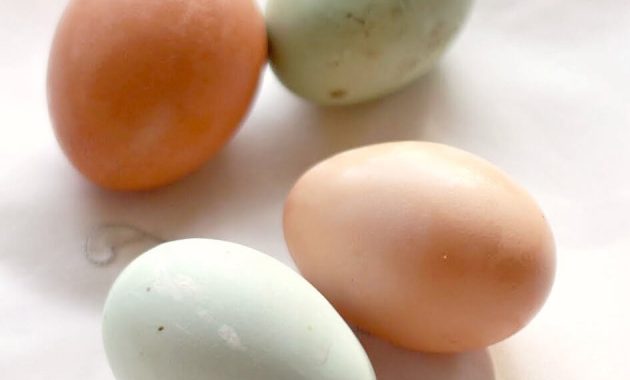
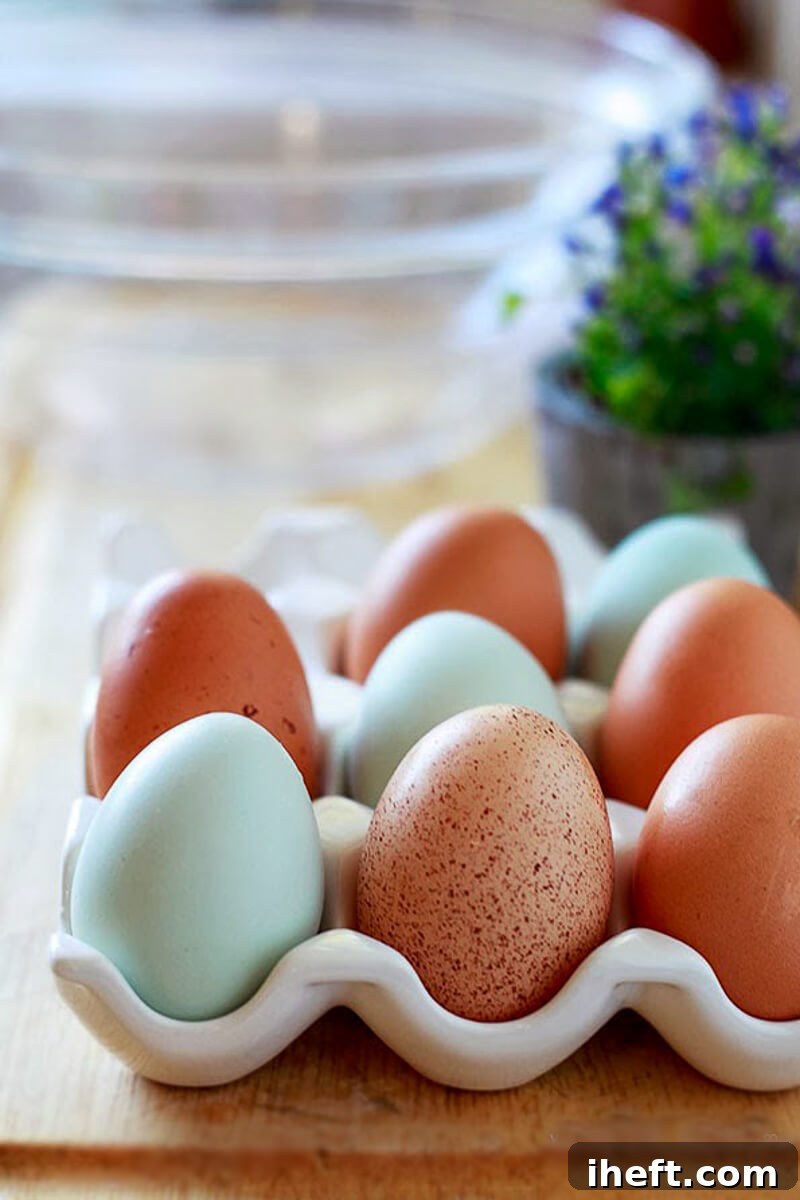
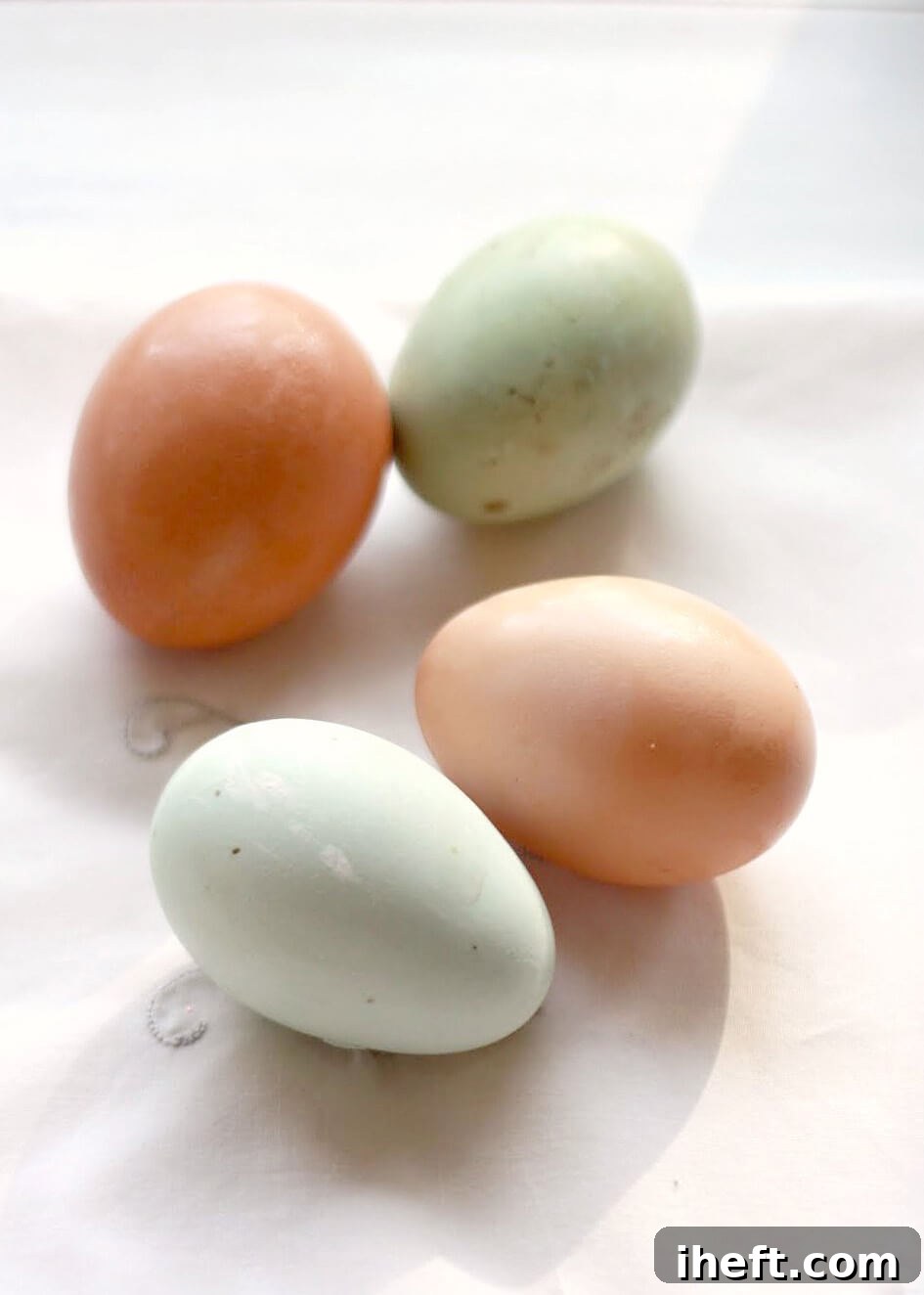
Imagine the delight of opening your chicken coop to discover a stunning collection of eggs – rich browns, crisp whites, and vibrant blues and greens. For many backyard chicken enthusiasts, the quest for blue eggs often leads them directly to Easter Eggers. While these charming hybrids are indeed popular, a world of fascinating blue egg-laying breeds awaits exploration. Before you choose, let’s delve into the genetic secrets behind blue eggs and uncover the unique characteristics of the chickens that lay them, including the beloved Easter Egger.
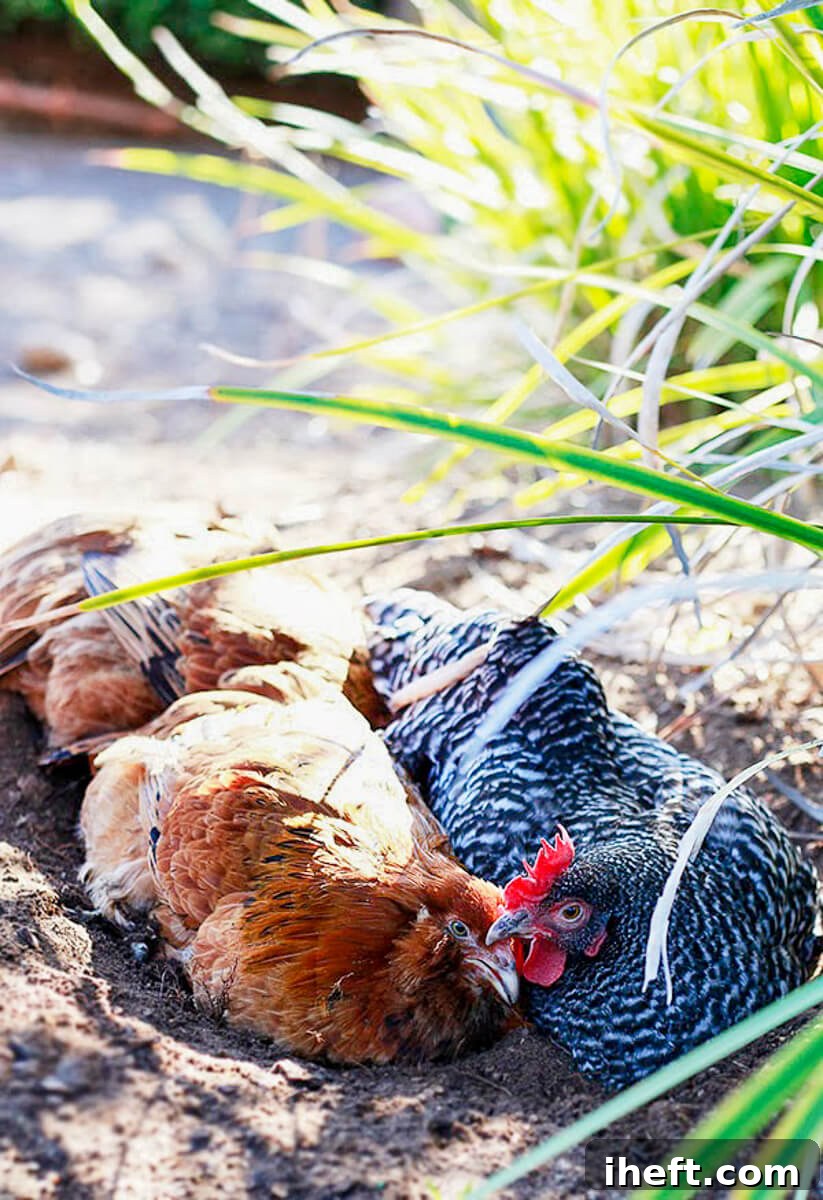
There’s a special kind of satisfaction that comes with collecting a basket full of diverse eggs, especially when a brilliant blue gem stands out among the more common brown and white varieties. Over our many years of raising chickens, we’ve had the pleasure of hosting numerous blue egg layers, with Easter Eggers often stealing the show.
These beautiful hens are consistently among our favorites, cherished not only for their striking blue eggs but also for their gentle and engaging temperaments. We frequently receive inquiries about what dictates eggshell color and, specifically, the fascinating process that makes a blue egg blue. Understanding this science and the breeds involved can help you curate the perfect, colorful flock for your backyard.
The Science Behind Eggshell Color: What Makes a Blue Egg Blue?
The color of a chicken’s eggshell is an intriguing genetic marvel, fundamentally determined by the breed of the chicken and its unique genetic blueprint. This genetic code dictates the type and amount of pigments deposited onto the eggshell during its formation in the hen’s oviduct.
For instance, chickens known for their stunning blue eggs, such as the Ameraucana, possess a specific gene mutation. This mutation leads to the production of a pigment called oocyanin. Unlike brown pigments, which are applied to the outer layer of the shell, oocyanin permeates the entire shell, resulting in a consistent blue hue both inside and out. This is why if you crack open a blue egg, the shell will be blue all the way through.
In contrast, breeds like the Leghorn (we once had a lovely one named Elsa) lay pristine white eggs because their genetics prevent them from producing any pigment in their eggshells. On the other end of the spectrum, breeds such as Marans and Welsummers lay richly colored brown eggs. This color is due to the presence of protoporphyrin, a pigment deposited in the final stages of shell formation, often leading to a surface color that doesn’t penetrate the interior of the shell.
It’s crucial to remember that eggshell color is purely an aesthetic characteristic. It has absolutely no bearing on the nutritional value, flavor, or cooking properties of the egg. However, for backyard chicken keepers, a diverse array of egg colors is an immensely satisfying and beautiful aspect of maintaining a flock, adding a touch of natural artistry to every breakfast.
Discovering the Top Chickens That Lay Beautiful Blue Eggs
The desire for rare and beautiful blue or green eggs drives many chicken owners to seek out specific breeds. Several hen breeds are renowned for their consistent blue egg production, while others offer a delightful spectrum of colors, including blue. Key players in the blue egg world include the Ameraucana, Araucana, Cream Legbar, and the popular Easter Egger. Let’s explore these fascinating breeds in more detail, highlighting what makes each of them a wonderful addition to a colorful egg basket.
Ameraucanas: The Purebred Blue Egg Layer
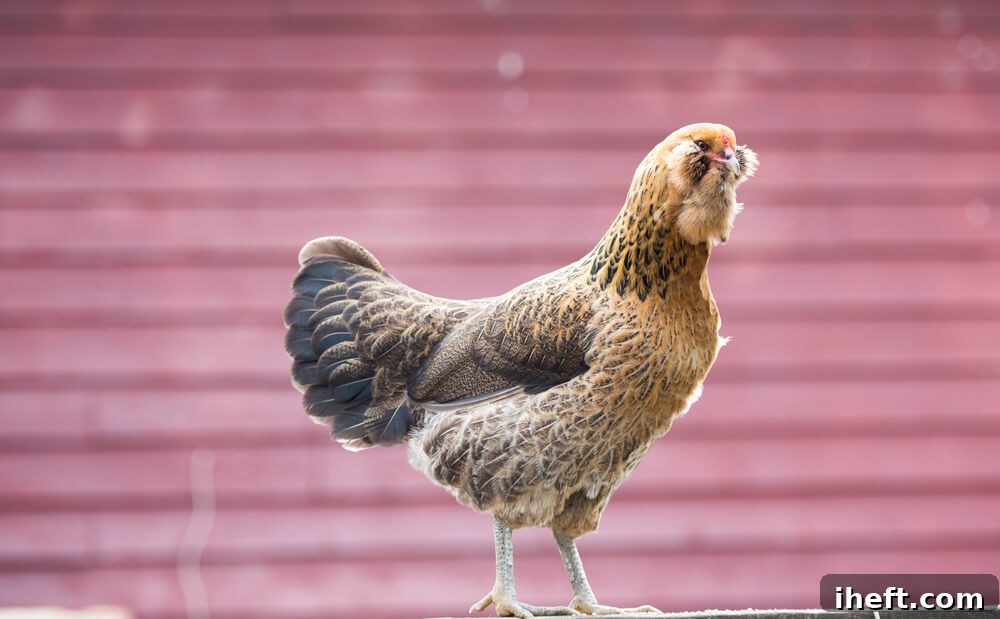
Image: Shutterstock. An Ameraucana Chicken with fluffy cheeks and a beard.
The Ameraucana chicken is a proudly American breed, developed in the United States during the 1970s. It was specifically bred to be a purebred chicken that would consistently lay blue eggs, and it excels in this regard. These hens lay eggs with shells that span a beautiful range from light sky blue to a deeper, more pronounced teal, making them some of the most sought-after and aesthetically pleasing eggs in the poultry world.
Beyond their captivating egg color, Ameraucanas possess a host of other highly desirable traits. They are known for their calm and docile temperament, often displaying a friendly disposition towards humans. Our own Ameraucanas absolutely loved being held and petted, proving to be wonderful companions. They also boast a striking appearance, coming in a variety of recognized colors including black, white, blue, wheaten, and brown-red, offering aesthetic diversity within the breed.
Ameraucanas are medium-sized birds characterized by their distinctive pea combs and the fluffy tufts of feathers known as muffs and beards that frame their faces. Their feathers are typically thick and dense, contributing to a somewhat puffy and robust appearance. This unique facial feathering, combined with their striking egg color, makes them easily identifiable.
Caring for Ameraucana chickens is straightforward and similar to any other well-maintained breed. They require daily access to fresh water and a balanced diet, along with secure shelter that protects them from predators and extreme weather conditions. Ameraucanas are adaptable and can thrive in various environments, whether kept in a well-built coop or allowed to free-range. However, like all chickens, they will need reliable protection from common predators such as foxes, raccoons, and birds of prey.
In summary, Ameraucana chickens are an excellent choice for backyard enthusiasts looking for a distinctive breed that consistently lays colorful eggs. Their calm demeanor, friendly nature, and beautiful appearance make them an ideal addition for families or individuals seeking to introduce both utility and charm to their flock.
Araucanas: The Ancient South American Blue Egg Layers
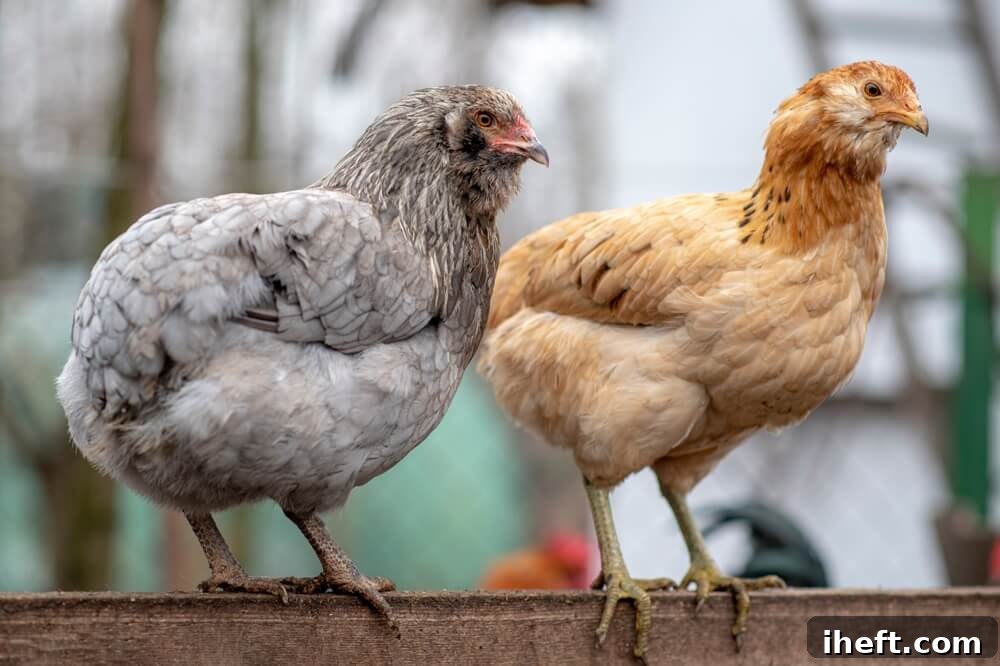
Image: Shutterstock. Araucana hens.
Hailing from South America, Araucana chickens are a truly ancient breed, with a history spanning centuries. They are instantly recognizable by their distinct and often dramatic tufts of feathers, which grow near their ears, and, of course, their remarkable ability to lay vibrant blue eggs. This breed is recognized for its historical significance and unique genetic traits.
Araucanas come in a fascinating array of feather colors, including classic black, pristine white, and various shades of blue. One of their most unusual physical characteristics is their rumpless appearance, meaning they lack a tailbone and, consequently, a tail. This absence of a tail gives them a very distinct silhouette in the flock.
These birds are also known for being excellent foragers, adept at finding their own food, which makes them well-suited for free-range environments where they have ample space to explore. While generally hardy, Araucanas can sometimes exhibit a more skittish temperament compared to other breeds. To ensure they become friendly and approachable towards humans, proper socialization from a young age is particularly important.
Overall, Araucana chickens are an outstanding choice for those seeking a truly unique and historically rich breed that reliably lays blue eggs. Their distinctive appearance, ancient heritage, and adaptability to free-range living make them a captivating addition to any backyard flock, especially for those who appreciate a touch of the exotic.
Cream Legbars: The British Blue Egg Innovators
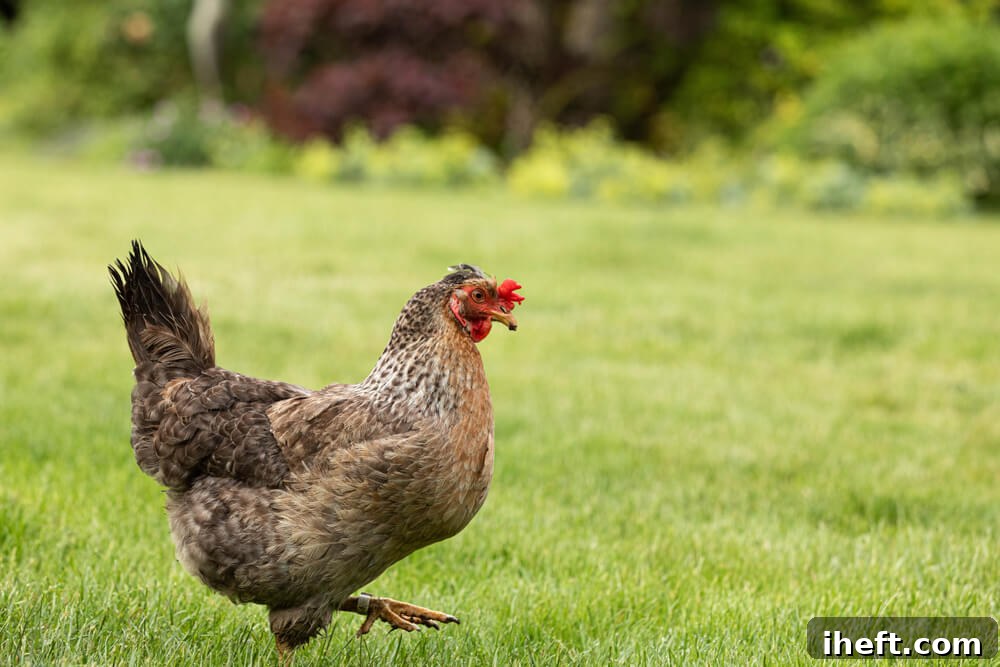
The Cream Legbar chicken is a distinguished breed that originated in Britain during the early 20th century. These birds were specifically developed through a meticulous crossing of several foundational breeds, including the Barred Plymouth Rock, Leghorn, and Araucana. The goal of this careful breeding program was to produce a chicken that not only laid blue or green eggs but also possessed auto-sexing capabilities, meaning chicks could be sexed at hatch simply by their feather patterns.
Legbars are medium-sized birds, known for their elegant appearance which includes a distinctive crest of feathers atop their heads and often striking, barred feather patterns. They are celebrated for their friendly and active personalities, making them engaging and enjoyable members of a flock. Their energetic nature makes them particularly well-suited for free-range environments where they can explore and forage to their heart’s content.
While Cream Legbars may not be as ubiquitously common as some other breeds, they have steadily gained significant popularity among discerning backyard chicken keepers. This rise in popularity is largely due to their uniquely beautiful sky-blue eggs, which often have a slightly green tint, and their charming, inquisitive personalities. For those looking for a dual-purpose bird with stunning eggs and an engaging demeanor, the Cream Legbar is an exceptional choice.
Easter Eggers: The Delightful Surprise in Your Coop
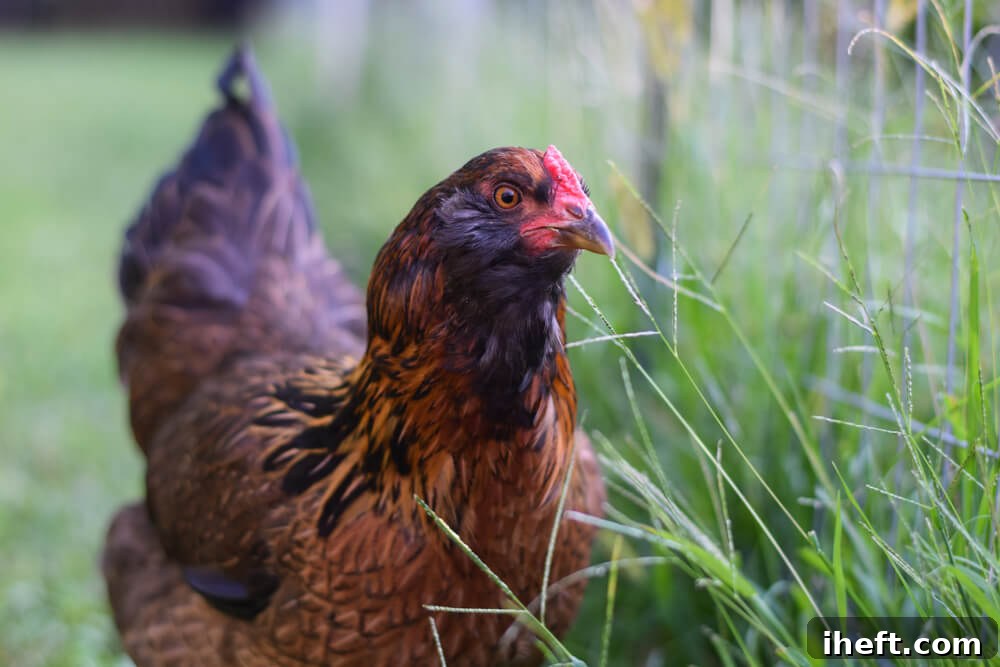
Easter Eggers are not recognized as a purebred chicken breed; rather, they are a charming and diverse hybrid breed. Their creation typically involves crossing specific breeds of chickens, with the primary goal of producing hens that lay a spectrum of blue or green eggs. The breeds most commonly used in developing Easter Eggers include purebred blue egg layers like Ameraucanas and Araucanas, and sometimes other blue egg-laying breeds such as Cream Legbars, mixed with various brown egg layers.
Despite their hybrid status, their unique appearance and highly variable egg-laying abilities have made them an immensely beloved choice for chicken enthusiasts worldwide. They are renowned for their surprisingly colorful eggs, which can truly range across a painter’s palette – from vibrant blues and soft greens to subtle pinks and various shades of brown. This delightful unpredictability is a significant part of their appeal.
Easter Eggers are often celebrated for their friendly, curious, and often quirky personalities, making them excellent pets and wonderful additions to families with children. These adaptable chickens are also relatively easy to care for and demonstrate good resilience, thriving in a wide range of climates and environments.
It is important for those considering Easter Eggers to understand that because they are a mix of different breeds rather than a purebred line, they are not recognized as an official breed by organizations like the American Poultry Association (APA). For backyard chicken keepers who raise hens primarily as pets or for egg production, this distinction is largely irrelevant. However, if your ambition includes showing chickens in poultry competitions, an Easter Egger would not be eligible.
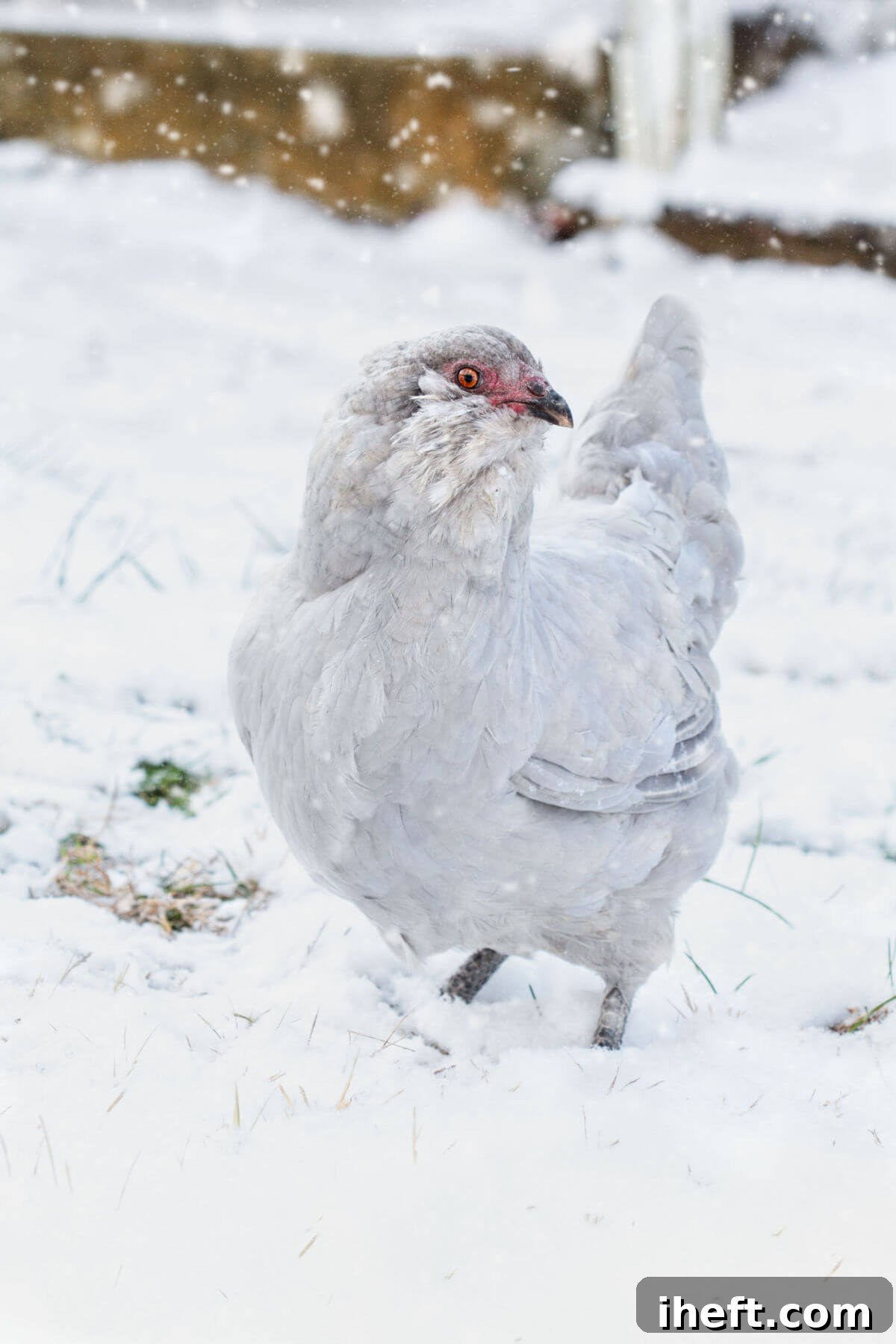
A Lavender Easter Egger (Self-Blue Ameraucana) chicken, showcasing its unique feathering.
Easter Egger Chicken Colors and Patterns: A Genetic Tapestry
Due to their mixed genetic heritage, Easter Egger chickens can exhibit an astonishingly wide variety of feather colors and patterns. This genetic melting pot means that no two Easter Eggers are quite alike in appearance, adding to their unique charm. Some of the common colors you might observe in Easter Eggers include classic black, various shades of brown, soft buff, pure white, elegant lavender, and stylish gray. Furthermore, they can display intricate feather patterns such as speckles, stripes, barring, or distinct spots, making each bird a visual delight.
A Lavender Easter Egger chicken is a particularly beautiful manifestation of this hybrid breed. This specific type of Easter Egger is characterized by its stunning lavender or grayish-blue feather color, setting it apart from the more typical brown or black feathers seen in many other Easter Eggers. The American Poultry Association (APA), while not recognizing Easter Eggers as a breed, does refer to this feather color variation as “self-blue” rather than lavender in purebred lines. This exquisite “lavender” Easter Egger variety presents a softer, lighter blue-gray hue that is truly captivating and highly sought after by those wishing to add an aesthetic touch to their flock.
What Color Eggs Do Easter Egger Hens Lay? The Rainbow Basket
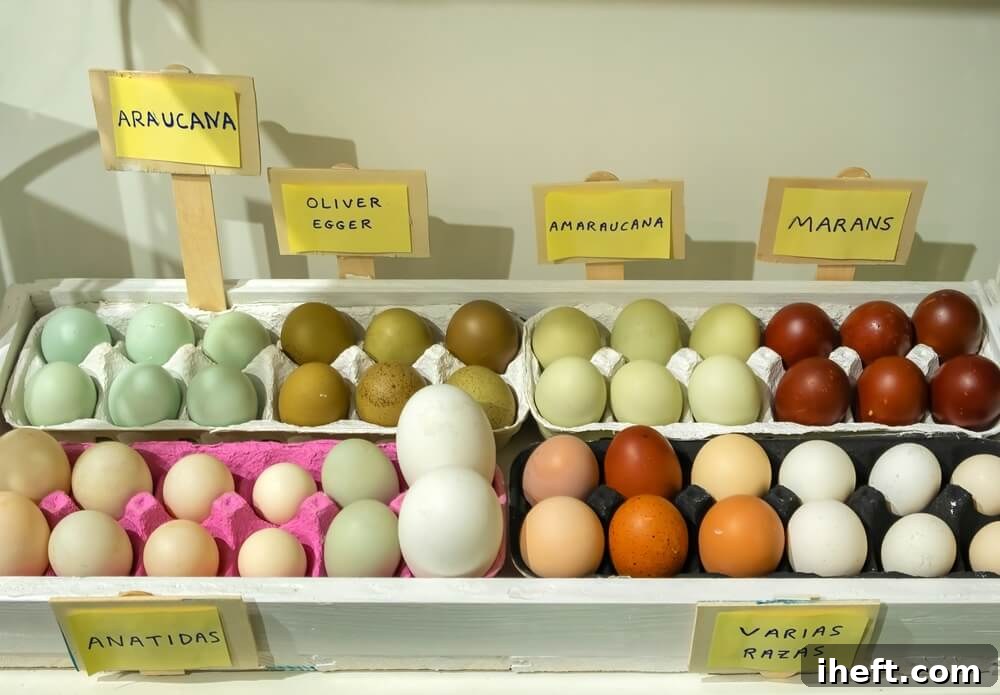
Easter Egger hens are most famously known for their ability to lay eggs in an impressive spectrum of colors, including vibrant blue, charming green, and sometimes even unexpected pinks and browns. The precise color of the egg laid by an individual Easter Egger will depend entirely on her specific genetic makeup, inherited from her diverse parentage. While all Easter Eggers carry the blue egg-laying gene, this doesn’t guarantee a blue egg for every hen. The expression of this gene, and whether it is dominant or influenced by other color genes (like the brown egg gene), determines the final shell color. For instance, if an Easter Egger inherits both a blue egg gene and a brown egg gene, the combination can often result in stunning green eggs. This delightful genetic lottery is what makes collecting Easter Egger eggs such an exciting and beautiful daily surprise.
Beyond Blue: What are Olive Egger Chickens?
An Olive Egger chicken represents another fascinating hybrid breed, specifically developed for its unique egg color. This breed is typically created by crossing a dark brown egg-laying breed, such as Marans or Welsummers, with a blue egg-laying breed, like Ameraucanas or Easter Eggers. The magic happens when the brown pigment from one parent mixes with the blue pigment from the other, resulting in the distinctive olive-colored eggs that give the breed its name.
Much like Easter Eggers, Olive Eggers can display a wide range of feather colors and patterns. This diversity is a direct consequence of the various combinations of parent breeds used in their creation. Beyond their signature egg color, Olive Eggers are generally known for being hardy birds and good layers, consistently providing a steady supply of eggs. They are also often praised for their friendly and curious personalities, making them excellent pets and enjoyable members of a backyard flock.
Overall, Olive Eggers are a truly interesting and unique addition to any backyard flock, especially for those who wish to move beyond traditional brown or white eggs and introduce an exotic, earthy hue to their egg basket.
Choosing Your Blue Egg Layers: Important Considerations
When deciding which blue egg-laying chickens to add to your flock, several factors beyond just egg color should be considered to ensure a harmonious and productive environment:
- Temperament: Some breeds are naturally more docile and friendly (like many Ameraucanas and Easter Eggers), making them ideal for families or mixed flocks. Others, like certain Araucanas, might be more spirited and require more socialization.
- Climate Adaptability: Research how well a breed tolerates your local climate. Breeds with large combs might need protection in harsh winters, while heavy-feathered breeds might struggle in extreme heat.
- Egg Consistency: If a guaranteed supply of blue eggs is your top priority, purebred Ameraucanas or Araucanas are your best bet. Easter Eggers offer beautiful colors but can be more variable.
- Space Requirements: Consider whether you have enough space for free-ranging birds (which Legbars and Araucanas excel at) or if your flock will be confined to a coop and run.
- Production: Most blue egg layers are good layers, providing 3-5 eggs per week, but this can vary by individual hen and breed.
Acquiring Your Blue Egg Chicken Chicks or Eggs
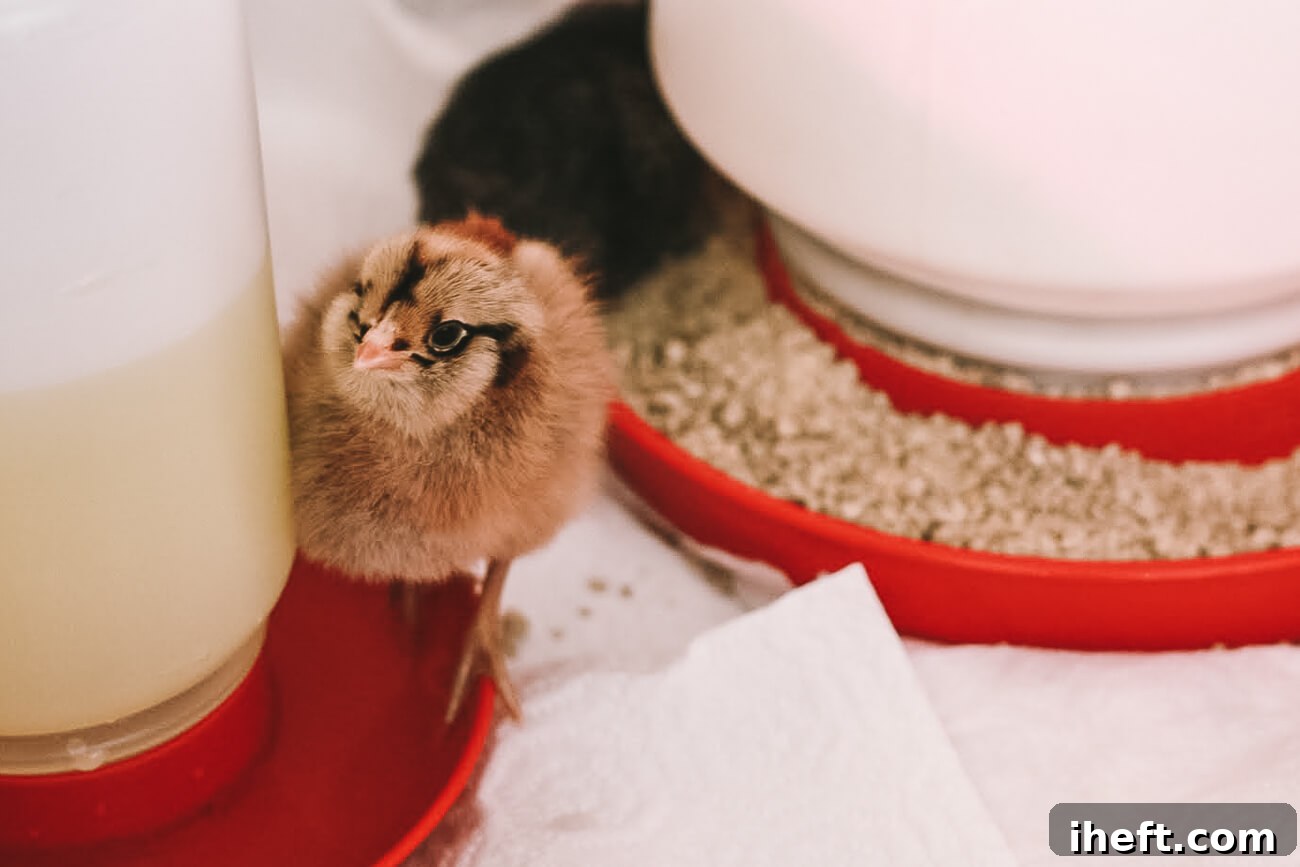
Bringing new chicks into your home is an exciting part of the chicken-keeping journey. We have always preferred to purchase our chicks in the springtime from our reliable local feed store. This option allows for direct interaction, often provides healthier chicks that haven’t endured shipping stress, and supports local businesses. However, if specific breeds are not available locally, there are numerous reputable breeders and hatcheries that offer day-old chicks through mail order.
Where to Buy Easter Egger Chicken Eggs (Without the Hens!)
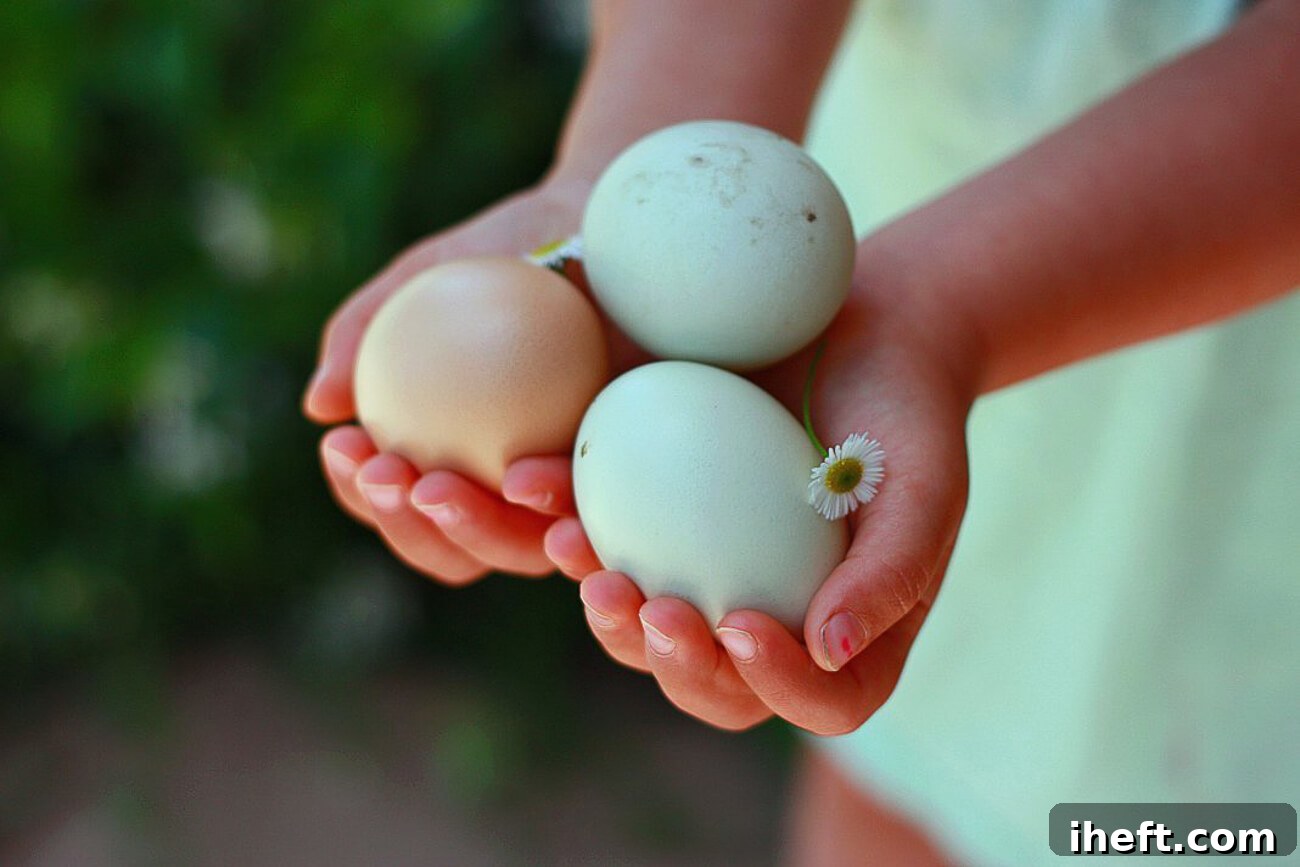
While raising chickens is undoubtedly a rewarding and enjoyable hobby, it is also a significant commitment of time, space, and resources. If you’re eager to enjoy the unique beauty and flavor of blue chicken eggs without taking on the responsibility of an entire flock, there are excellent ways to source them. You can often find high-quality pasture-raised blue eggs available for purchase. If you love birds and animals, try making a batch of Hummingbird Food. And don’t miss our adorable post all about Scottish Highland Cows.
A great first step is to inquire among friends who already raise happy, healthy chickens; they might be willing to sell you some of their surplus eggs. Another excellent resource is your local farmer’s market, where small-scale producers often offer a diverse selection of eggs, including blue varieties. Additionally, many natural grocery stores and specialty food markets are increasingly stocking colorful eggs, making it easier to find Easter Egger chicken eggs and other unique options.
Recap: Are Easter Eggers Truly the Best for Blue Eggs?
While Easter Egger chickens are undeniably charming and known for their colorful egg production, they may not be the optimal choice if your primary goal is to maintain a consistent and guaranteed supply of blue eggs. This is because Easter Eggers are, by definition, hybrid chickens. Their egg color is a delightful genetic lottery, depending entirely on which specific parent breeds were used in their creation and the dominant genes inherited.
Consequently, while many Easter Eggers will indeed lay beautiful blue eggs, others might produce striking green, or even various shades of brown eggs. The unpredictability is part of their charm, but it’s not ideal for those seeking a specific and reliable color.
If your heart is set on a guaranteed supply of blue eggs, your best bet is to choose a purebred Ameraucana or Araucana chicken. These breeds have been meticulously bred over many generations specifically for this trait, ensuring they consistently lay blue eggs. They offer predictability and a deep, true blue hue that Easter Eggers, with their diverse genetic background, may not always deliver. Ultimately, the “best” choice depends on whether you prioritize consistent blue eggs or a delightful rainbow of colors and temperaments in your flock.