Dietitian’s Guide to Safe, Toxin-Free Cookware
The Ultimate Guide to Choosing the Safest Non-Toxic Cookware for Your Healthy Kitchen
When equipping your kitchen, the choices you make about cookware can significantly impact your health and well-being. With an overwhelming array of options on the market, many boasting “healthy,” “safe,” and “green” labels, it’s easy to feel confused about which pots and pans truly meet these claims. Today, we’re cutting through the marketing noise to provide an unbiased, in-depth look at the safest, healthiest, and truly non-toxic cookware options available to help you make informed decisions.
The journey to a healthier kitchen often starts with what you cook in. Many consumers are unaware that their everyday skillets and saucepans can inadvertently transfer harmful chemicals into the food they prepare. To shed light on this crucial topic, we’ve consulted with Allison Lansman, RDN, LD, a registered dietitian, to help us navigate the complexities and answer the vital question: “What truly is the safest non-toxic cookware?”
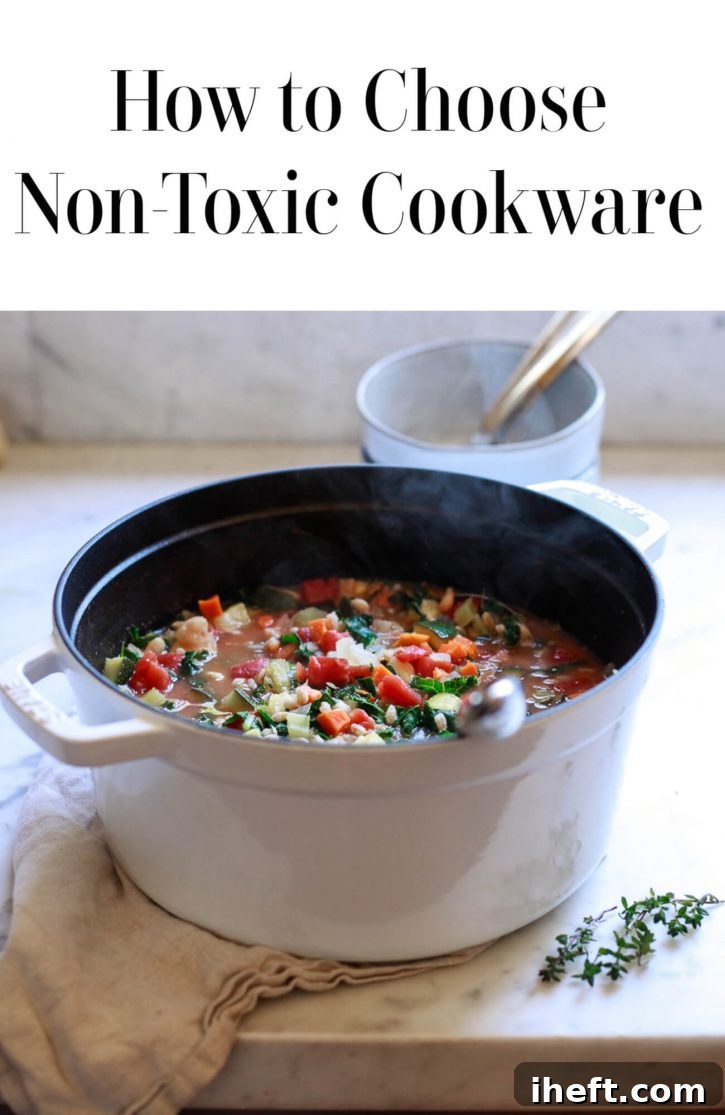
Why Non-Toxic Cookware is Essential for Your Health
While often overlooked, the cookware and dishware in your home – including skillets, pots, pans, and even utensils – can be a primary source of exposure to toxic chemicals. These substances are typically embedded within the materials from which your cooking vessels are made. Common culprits found in many conventional cookware types include bisphenol A (BPA), nickel, lead, cadmium, and per- and polyfluoroalkyl substances (PFAS), which encompass notorious compounds like PFOA (perfluorooctanoic acid) and PTFE (polytetrafluoroethylene, often known by the brand name Teflon).
During the cooking process, especially at high temperatures or when the cookware’s surface is scratched or worn, heat can significantly promote the leaching of these toxic compounds into your food. Consuming these chemicals, even in small amounts over time, is a serious concern. Research has increasingly linked exposure to such substances with a wide range of adverse health effects, including hormonal disruption, reproductive problems, developmental issues, weakened immune function, and an increased risk of chronic diseases like certain cancers and metabolic disorders. Opting for non-toxic cookware is a proactive step towards safeguarding your family’s health and reducing unnecessary chemical burdens on your body.
A Comprehensive Look at the Safest Cookware Materials: Pros and Cons
In recent decades, there has been a significant shift towards prioritizing the modernization of safe kitchen supplies and utensils. This focus has led to the development and promotion of many cookware options made from materials specifically designed to prevent chemical leaching and support healthier cooking practices. However, even these safer selections come with their unique advantages and disadvantages. Let’s explore the top three safest, healthiest, and genuinely non-toxic cookware materials, along with their considerations.
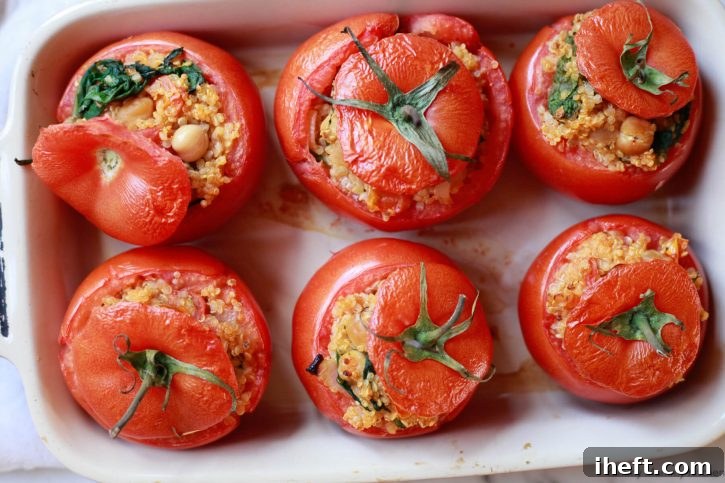
Quinoa Stuffed Tomatoes Baked in a Ceramic Dish
1. Ceramic Cookware
Ceramic cookware, in its purest form, refers to items made entirely from natural clay, fired at high temperatures, and often glazed. The term also commonly extends to ceramic-coated cookware, which features a non-stick coating derived from sand on a metal core, usually aluminum. When choosing ceramic, it’s crucial to differentiate between these types, with solid ceramic being the most inert and ceramic-coated being an excellent non-toxic alternative to traditional non-stick.
Pros: Non-toxic (especially pure ceramic), eco-friendly, excellent heat distribution, can be long-lasting with proper care, beautiful aesthetics.
Cons: Can be expensive, pure ceramic is not inherently non-stick and requires more oil, ceramic coatings can degrade over time, prone to chipping if dropped.
True ceramic pots, pans, and casserole dishes are celebrated for their ability to heat evenly and retain heat efficiently, making them ideal for slow cooking and baking. Brands like Le Creuset’s stoneware line offer durable and aesthetically pleasing options that are free from harmful chemicals. When considering ceramic-coated options, look for brands that explicitly state they are free of PFAS, PFOA, lead, and cadmium, ensuring the coating itself is safe.
Recommended Ceramic Pans and Sets:
While the market is flooded with ceramic cookware, not all options offer the same level of non-toxicity and performance. Here are some of the top-rated choices known for their commitment to health and quality. Please note, some of these are affiliate links, meaning we may earn a small commission if you make a purchase through them, at no extra cost to you.
- GreenPan: Pioneers in healthy ceramic nonstick, GreenPan’s Thermolon coating is completely free of PFAS, PFOA, lead, and cadmium. This ensures that even if accidentally overheated, their pans will never release toxic fumes. A significant bonus is their oven and dishwasher-safe design, making them incredibly versatile and easy to clean.
- Our Place The Always Pan: This cult-favorite pan has gained immense popularity for its innovative design, claiming to replace eight traditional pieces of cookware. Its non-toxic, nonstick ceramic coating is rigorously made without potentially harmful materials such as PFOAs, PTFEs, other PFAs, lead, cadmium, toxic metals, and nanoparticles. It’s a stylish and functional choice for modern kitchens.
- Caraway Cookware: Offering a full line of ceramic-coated aluminum cookware, Caraway focuses on providing a non-stick experience without the chemical concerns. Their products are designed for conscious consumers who prioritize both performance and health, with a sleek design that complements any kitchen decor.
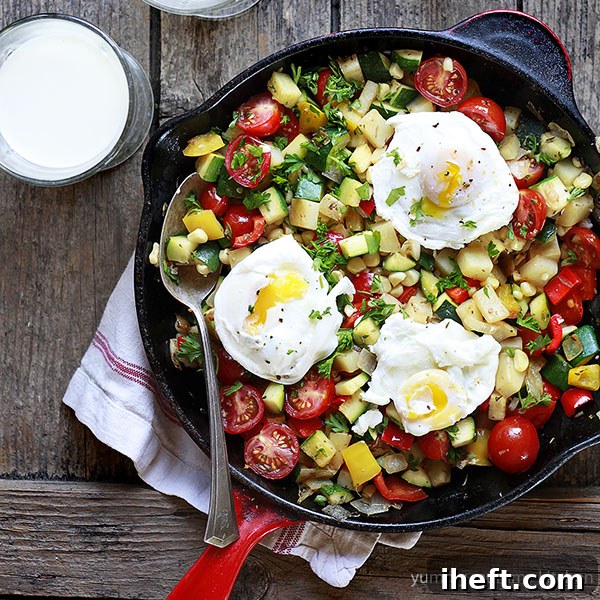
Cast Iron Skillet
2. Cast Iron Cookware
Cast iron cookware stands as a testament to durability and timeless cooking. Made from a single piece of iron, these pans, skillets, and Dutch ovens can last for generations when properly cared for. The magic of cast iron lies in its ability to develop a natural, increasingly non-stick surface (seasoning) through repeated use and oil application, eliminating the need for synthetic coatings.
Pros: Exceptionally durable (lasts a lifetime), affordable, excellent heat retention and even heating, naturally non-stick when seasoned, oven-proof, can fortify food with dietary iron.
Cons: High maintenance (requires seasoning and specific cleaning), heavy, can rust if not dried properly, reactive with acidic foods if unseasoned, lacks versatility for delicate cooking tasks without proper seasoning.
Proper seasoning is key to unlocking the full potential of cast iron, creating a protective layer that enhances its non-stick properties and prevents rust. Beyond bare cast iron, enameled cast iron (e.g., from Le Creuset) offers a low-maintenance alternative, providing the benefits of cast iron’s heat retention with an easy-to-clean, non-reactive surface. More affordable options like Lodge cast iron are widely available and perform excellently. You can use cast iron on any stovetop or directly in the oven, making it perfect for everything from searing steaks and baking cornbread to preparing hearty vegetable hashes.
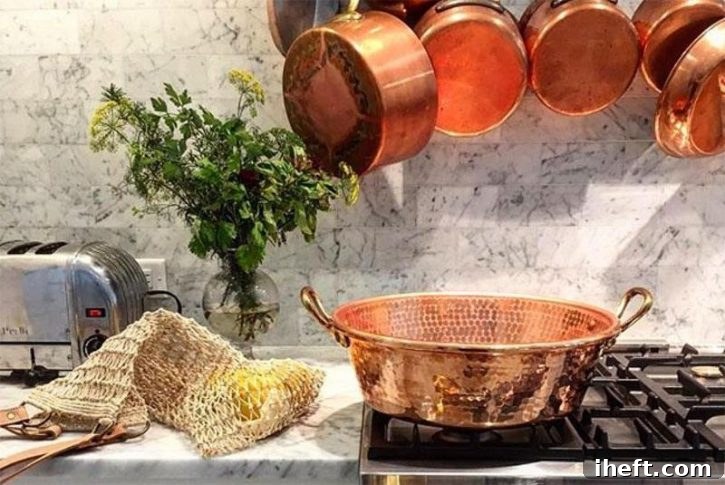
Photo courtesy of Mauviel
3. Copper Cookware
Copper cookware is not only strikingly beautiful but also renowned for its unparalleled heat conductivity. This material heats up incredibly fast and responds almost instantaneously to changes in temperature, offering exceptional control during cooking. High-quality copper pots and pans are typically lined with a non-reactive metal, such as tin or stainless steel, to prevent copper from leaching into food, especially acidic ingredients.
Pros: Superior heat conductivity and responsiveness, low-stick surface (when properly maintained or lined), aesthetically pleasing, durable when well-made.
Cons: Very expensive, does not retain heat as well as cast iron (heats and cools quickly), requires specific cleaning to maintain its luster, lined copper can lose its non-reactive property if the lining is damaged.
The exquisite beauty and culinary performance of copper make it a favorite among professional chefs and home cooks alike. Brands like Mauviel, a prestigious French company, are celebrated for their exceptional copper cookware. While it may require a higher upfront investment and careful handling to preserve its pristine appearance, the precision and quality of cooking achieved with copper are unmatched. It’s particularly excellent for delicate sauces, candies, and anything requiring precise temperature control, as demonstrated in recipes like homemade Chia Jam.
Other Common Cookware Materials: Are They Safe?
Beyond the top three safest options, several other common cookware materials are generally considered safe, though they come with specific caveats regarding potential leaching or performance. Understanding their characteristics is key to making informed choices for your kitchen.
4. Aluminum Cookware
Aluminum is a lightweight, excellent heat conductor and a very popular material for cookware, often used as the core for ceramic-coated or stainless steel pans. However, bare aluminum can be reactive.
Pros: Excellent heat conduction (heats quickly and evenly), lightweight, affordable.
Cons: Leaching (especially when un-anodized and cooking acidic foods), can discolor light-colored foods, not naturally non-stick. Anodized aluminum is a safer, non-reactive option.
When considering aluminum, opting for anodized aluminum is crucial. The anodization process hardens the surface and makes it non-reactive, significantly reducing the risk of aluminum leaching into food. Many ceramic-coated pans use an aluminum core, which is generally considered safe as the food does not directly contact the aluminum.
5. Stainless Steel Cookware
Stainless steel is a ubiquitous material in modern kitchens, prized for its durability, corrosion resistance, and relatively low maintenance. It’s an alloy of iron, chromium, and sometimes nickel, with different grades indicating varying compositions (e.g., 18/8 or 18/10, referring to chromium and nickel content).
Pros: Highly durable, resistant to rust and corrosion, non-reactive (generally), relatively low-stick, versatile (can go from stovetop to oven), easy to clean.
Cons: Can leach small amounts of nickel and chromium, especially with acidic foods or new pans, generally more expensive than aluminum, not inherently non-stick without proper technique and seasoning.
While generally safe, individuals with nickel allergies might experience issues with stainless steel due to trace amounts of nickel leaching. High-quality stainless steel, often with a copper or aluminum core for better heat distribution (clad cookware), minimizes these concerns and offers excellent performance and longevity.
6. Traditional Non-Stick Cookware (PTFE/Teflon)
Traditional non-stick coatings, often made with PTFE (polytetrafluoroethylene), are popular for their convenience in cooking and cleaning. However, the manufacturing process and the chemicals involved have raised significant health and environmental concerns.
Pros: Extremely easy cleaning and maintenance, excellent non-stick properties, widely available and often affordable initially.
Cons: Potential for chemical leaching (especially PFOA and PFAS from older coatings), releases toxic fumes when overheated (above 500°F/260°C), coating degrades over time and can scratch easily, generally does not hold heat well, not very durable.
The primary concern with traditional non-stick coatings is the use of PFAS (Per- and Polyfluoroalkyl Substances) in their production, particularly PFOA, which has been linked to numerous health problems. While many manufacturers now claim their products are “PFOA-free,” other PFAS chemicals may still be used. Furthermore, overheating these pans can release polymer fumes, which can cause flu-like symptoms in humans (known as “Teflon flu”) and be fatal to birds. Due to these significant health risks and environmental persistence, many health-conscious consumers are actively moving away from traditional non-stick cookware.
Choosing the Best Safe Cookware for Your Home: Factors to Consider
Beyond simply identifying safe materials, selecting the best cookware for your home involves weighing several practical considerations that align with your cooking style, budget, and priorities. The ideal set will balance safety with functionality, durability, and ease of use.
Before making a purchase, ask yourself these crucial questions about your future cookware:
- Budget: Cheap or Expensive?
- Cooking Performance: How Well Does It Cook?
- Durability: Can You Use It Every Day?
- Maintenance: How Easy Is It to Clean?
Your budget will significantly influence your options. If you’re in a position to invest more, ceramic, stainless steel, or high-quality copper cookware can offer superior performance and longevity, often coming with lifetime warranties. For those on a tighter budget, well-maintained cast iron offers incredible value and durability, while newer ceramic-coated options provide an affordable entry into non-toxic non-stick without the risks of traditional coatings.
Different materials excel at different cooking tasks. If even heat distribution and rapid temperature changes are a priority for precise cooking, materials like copper and aluminum (especially anodized or clad aluminum cores) are excellent. For searing and dishes requiring consistent, high heat, cast iron is unparalleled. Ceramic and stainless steel offer versatile performance for a wide range of everyday cooking.
For cookware that will withstand daily use for years to come, durability is paramount. Cast iron is legendary for its longevity, often improving with age. High-quality stainless steel and ceramic (especially solid ceramic) are also excellent choices for lasting quality. Conversely, traditional non-stick coatings are known for their shorter lifespan due to scratching and degradation.
Ease of cleaning can dramatically impact your cooking experience. Copper and cast iron require specific care routines, though enameled cast iron is much simpler. Stainless steel and ceramic-coated pans are generally straightforward to clean. If low maintenance is a top priority, look for dishwasher-safe options, but always check manufacturer guidelines, as handwashing often prolongs the life of any cookware.
Prioritize Your Needs for the Best Cookware Choice
The market offers numerous safe and non-toxic cookware options. By carefully considering your personal priorities – whether it’s cost-effectiveness, peak cooking performance, long-term durability, or minimal maintenance – you can confidently select a new set of pots and pans that not only aligns with your health goals but also perfectly meets your current and future cooking needs.
Key Takeaway: Embrace the Classics for a Healthier Kitchen
In conclusion, the journey to a healthier kitchen often means a return to time-tested materials. Moving forward, a conscious choice to avoid traditional non-stick pans and instead invest in quality ceramic, cast iron, and copper pots and pans is highly recommended. While these options might represent a larger initial investment, their benefits far outweigh the costs.
Many high-quality pieces made from these materials come with extensive, often lifetime, warranties, offering true value over the long run. More importantly, this choice brings invaluable peace of mind, knowing that you are using the safest, healthiest cookware available, free from harmful chemicals, and actively contributing to the well-being of yourself and your loved ones. Choose wisely, cook healthily, and enjoy your kitchen with confidence.